
Kunming Botanical Garden West Garden (Cherry Blossoms)
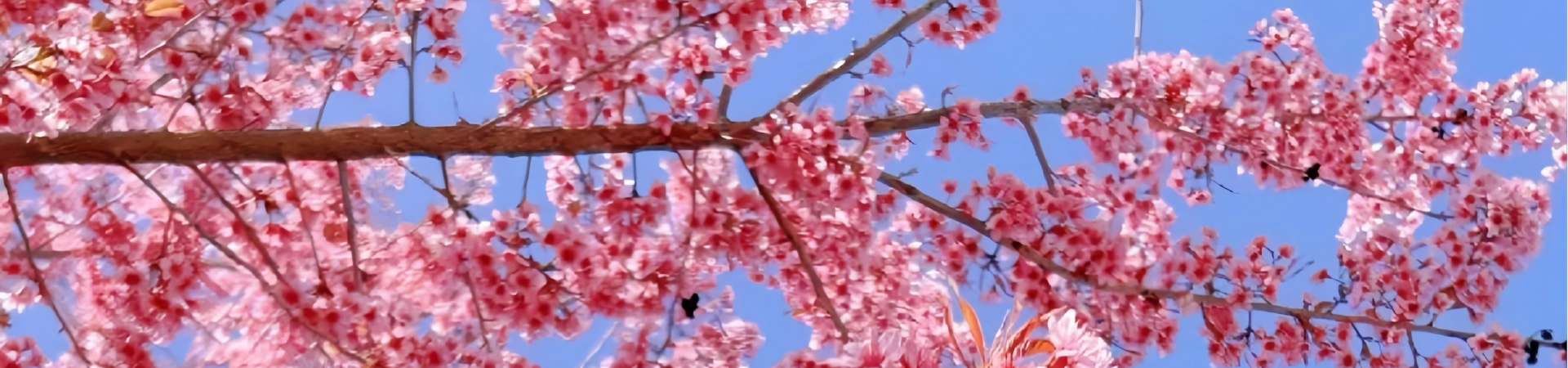
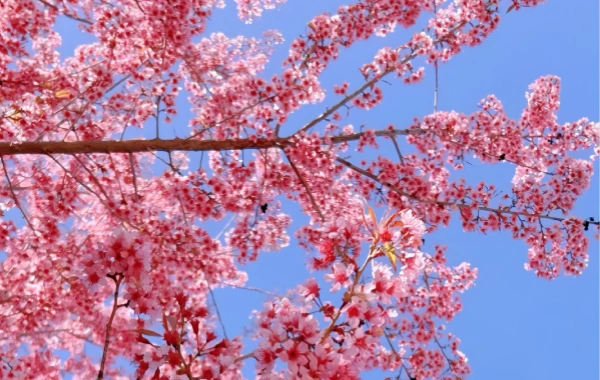
The West Garden of Kunming Botanical Garden transforms into a dreamy spring wonderland during cherry blossom season, typically from late February to early April. Nestled amidst lush greenery, this serene sanctuary showcases hundreds of cherry trees in full bloom, creating a picturesque landscape of delicate pink and white petals dancing in the breeze. Visitors can meander along winding paths, relax under floral canopies, and capture Instagram-worthy photos against the backdrop of traditional pavilions and tranquil ponds. The cherry blossoms in the West Garden offer a perfect blend of natural beauty and cultural tranquility, making it an idyllic escape for springtime nature lovers and photography enthusiasts alike.
Introduction & Historical Significance
Nestled in Kunming’s northern suburbs, the West Garden of Kunming Botanical Garden is a 4A-level scenic area and national key botanical garden established in 1938. Spanning 44 hectares, it conserves over 6,000 plant species, including 8,000 camellia trees—some exceeding 70 years in age—and serves as a vital hub for Yunnan’s biodiversity research. Recognized as a “Living Museum of Yunnan Flora,” it embodies the fusion of scientific conservation and traditional Chinese botanical wisdom. The garden’s historical roots trace to the Republic of China era, evolving into a UNESCO-recognized gem that showcases Yunnan’s “spring City” identity through seasonal blooms and ecological innovation.
Architectural Layout & Design
The garden’s layout blends natural landscapes with educational infrastructure:
- Camellia Forest: A 800-tree grove featuring native Yunnan camellias and rare hybrids, forming a winter-spring floral spectacle.
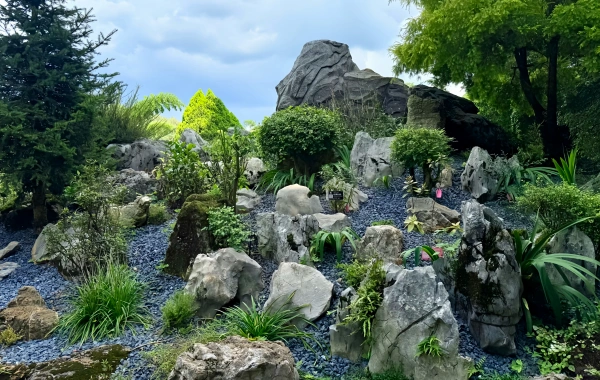
- Herb Garden & Medicinal Plant Zone: Structured beds of over 200 medicinal species, including ginseng and notoginseng, alongside interactive learning pavilions.
- National Botanical Museum: Modernist glass-domed halls designed by THAD and Sutherland Hussey Harris, housing exhibits on plant taxonomy, ecology, and sustainable gardening.
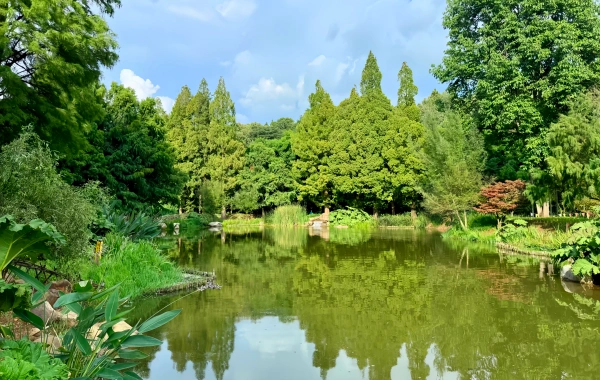
- Ecological Trails: 3.5 km of paved paths winding through bamboo groves, wetlands, and themed gardens like the “Four Seasons Bamboo Forest” and “Water Lily Pond.”
- Conservation Center: A research hub with seed banks, greenhouses, and workshops on endangered species preservation.
Major Attractions
- Camellia Bloom Festival (February-March): Thousands of blooms in pink, red, and white hues create a “sea of flowers” amidst misty morning landscapes.
- Herb Garden Exploration: Guided tours detailing traditional medicinal uses of Yunnan herbs, with hands-on activities like tea-making.
- National Botanical Museum: Interactive displays on plant evolution, biodiversity, and climate resilience, including a digital “Plant DNA Wall.”
- Bamboo Grove & Wetland Area: Serene landscapes for photography, birdwatching, and meditation, featuring native bamboo species and aquatic plants.
- Conservation Workshops: Seasonal programs on seed planting, composting, and sustainable gardening practices.
Ticket Information
- General Admission: ¥10 (adults); ¥5 (students/seniors); free for children under 1.2m.
- Guided Tours: ¥50-100 for themed tours (e.g., camellia identification, herb garden exploration).
- Special Events: Seasonal lantern Festivals (¥20-50) and floral exhibitions may require additional tickets.
- Opening Hours: 08:00-17:00 daily; extended hours during festivals.
Transportation Guide
- Subway: Line 4 to Botanical Garden Station (Exit C), 10-minute walk to West Garden entrance.
- Bus: Routes 128, 159, Z66 directly to West Garden; direct buses from Kunming South Station.
- Self-Drive: 25-minute drive via North Second Ring Road; parking at north gate (¥5/day).
- Local Access: Shared bikes and electric shuttles operate within the garden; taxis from Kunming Airport (¥60).
Best Time & Tips
- Optimal Seasons: February-March (camellia bloom) and September-November (autumn foliage); avoid summer heat and winter frost.
- Photography: Dawn for misty forest views; sunset for golden-hour lighting on camellia blooms and bamboo groves.
- Cultural Etiquette: Stay on designated paths to protect vegetation; respect quiet zones in research areas.
- Packing: Light layers, sunscreen, hats, and sturdy shoes; bring water bottles and snacks for long walks.
- Dining: Must-try dishes include herbal teas at the museum café and local snacks at the garden’s picnic areas.
Nearby Attractions & Itineraries
- Combined Tours:
- Morning: Camellia Forest exploration + herb garden tour.
- Afternoon: Visit Dianchi Lake for birdwatching or Xishan Forest Park for hiking.
- Evening: Jinma Biji Square night market or Kunming Old Street cultural walk.
- Cultural Synergy: Pair with the Stone Forest for karst landscapes or Yunnan Nationalities Village for ethnic culture.
Kunming Botanical Garden West Garden is a sanctuary of biodiversity and cultural heritage—where Yunnan’s floral riches meet global ecological consciousness. As a UNESCO-recognized gem, it continues to inspire travelers seeking natural beauty and scientific wonder in China’s Spring City.




Contact Us
우리 고객들은 무슨 말을 하는지?
1만 개 이상의 여행객 리뷰를 바탕으로

Daniel Dorothea
Canada
Reviewed on April 29,2025
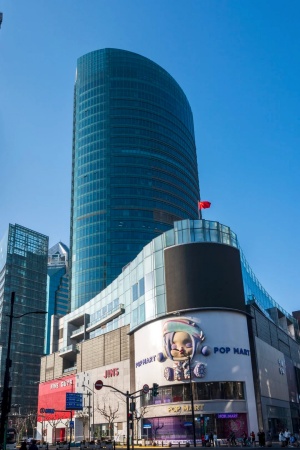
Shopping on Nanjing Road in Shanghai was just amazing! It's truly the "First Commercial Street of China", where tradition and modernity blend perfectly. You can find awesome souvenirs and experience the trendy vibes in cool stores. The neon lights at night are just spectacular, shining bright like Times Square in New York. The food here is incredible too. I had a feast for my taste buds. Shanghai, I'll definitely be back!
Destination(s):
Shanghai
Date of
Experience:
May 08,2024

Elvis Eva
Canada
Reviewed on June 20,2025
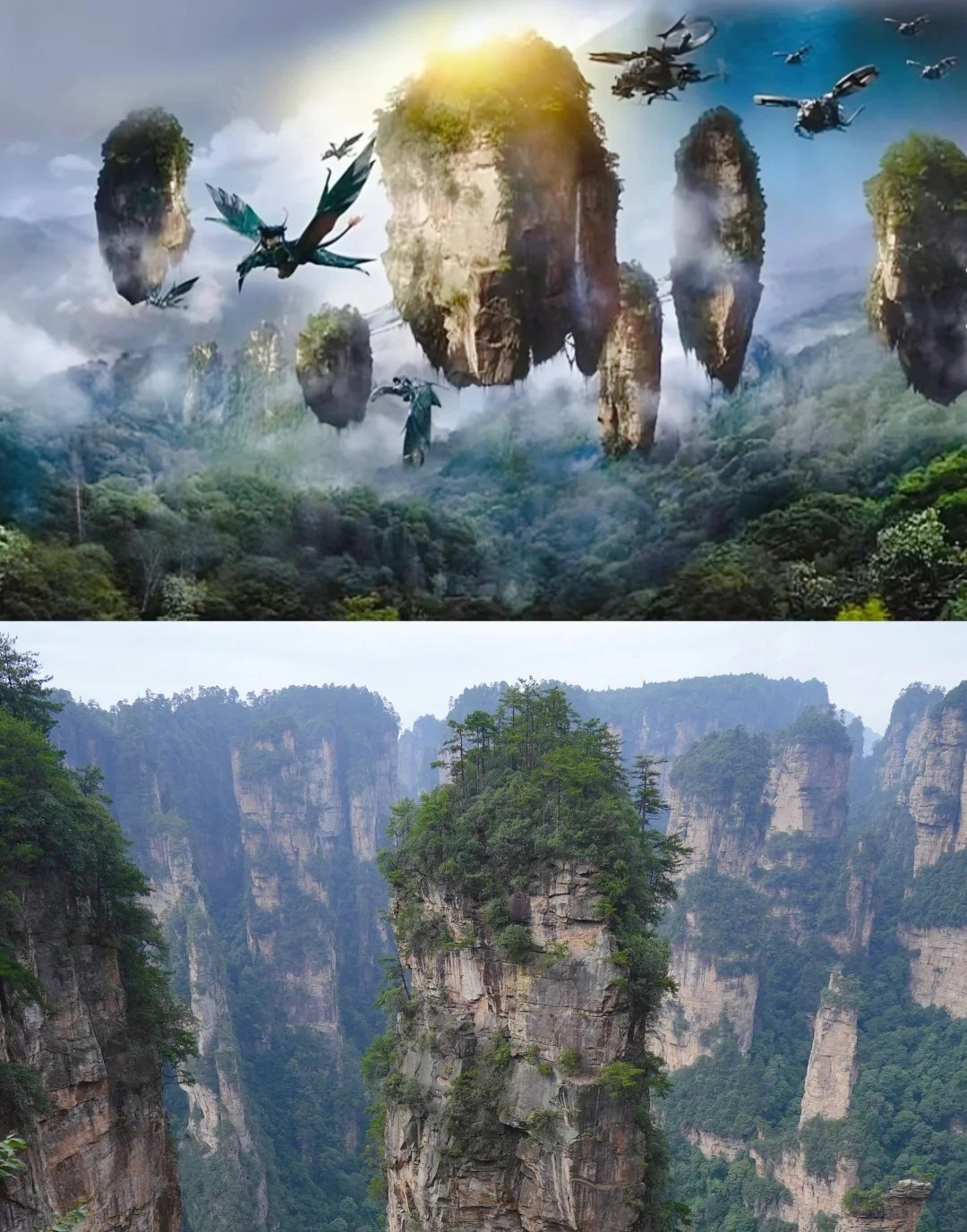
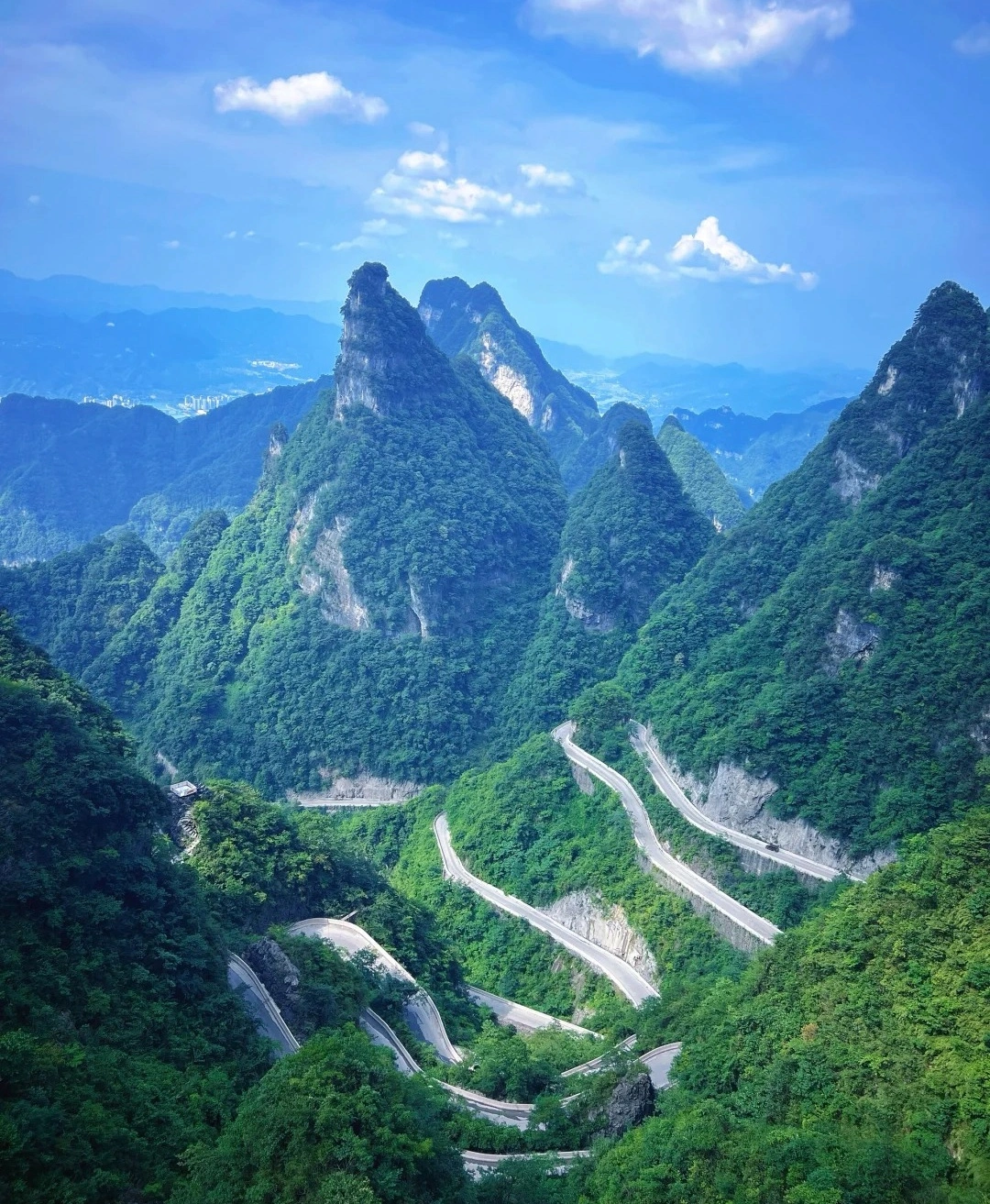
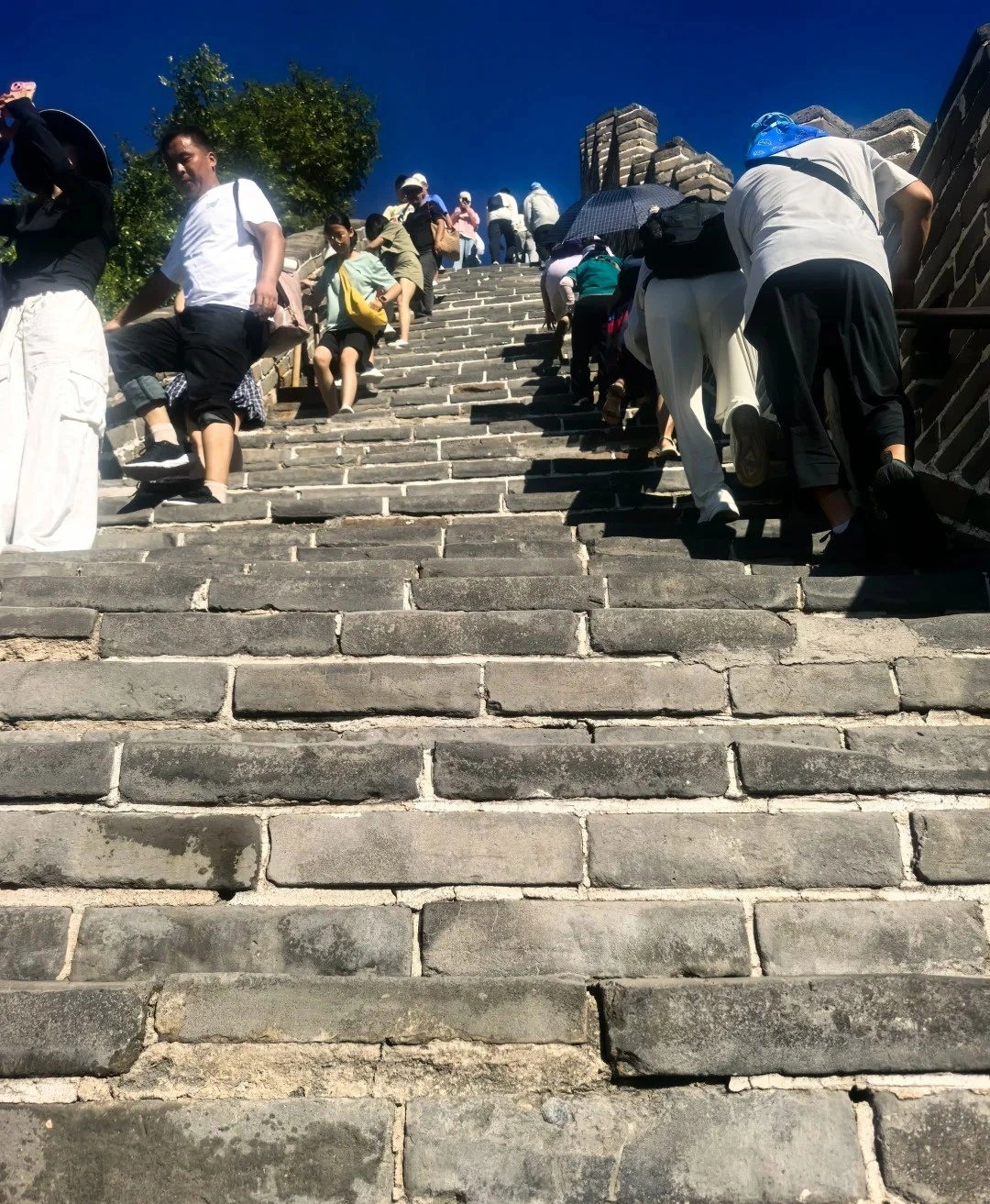
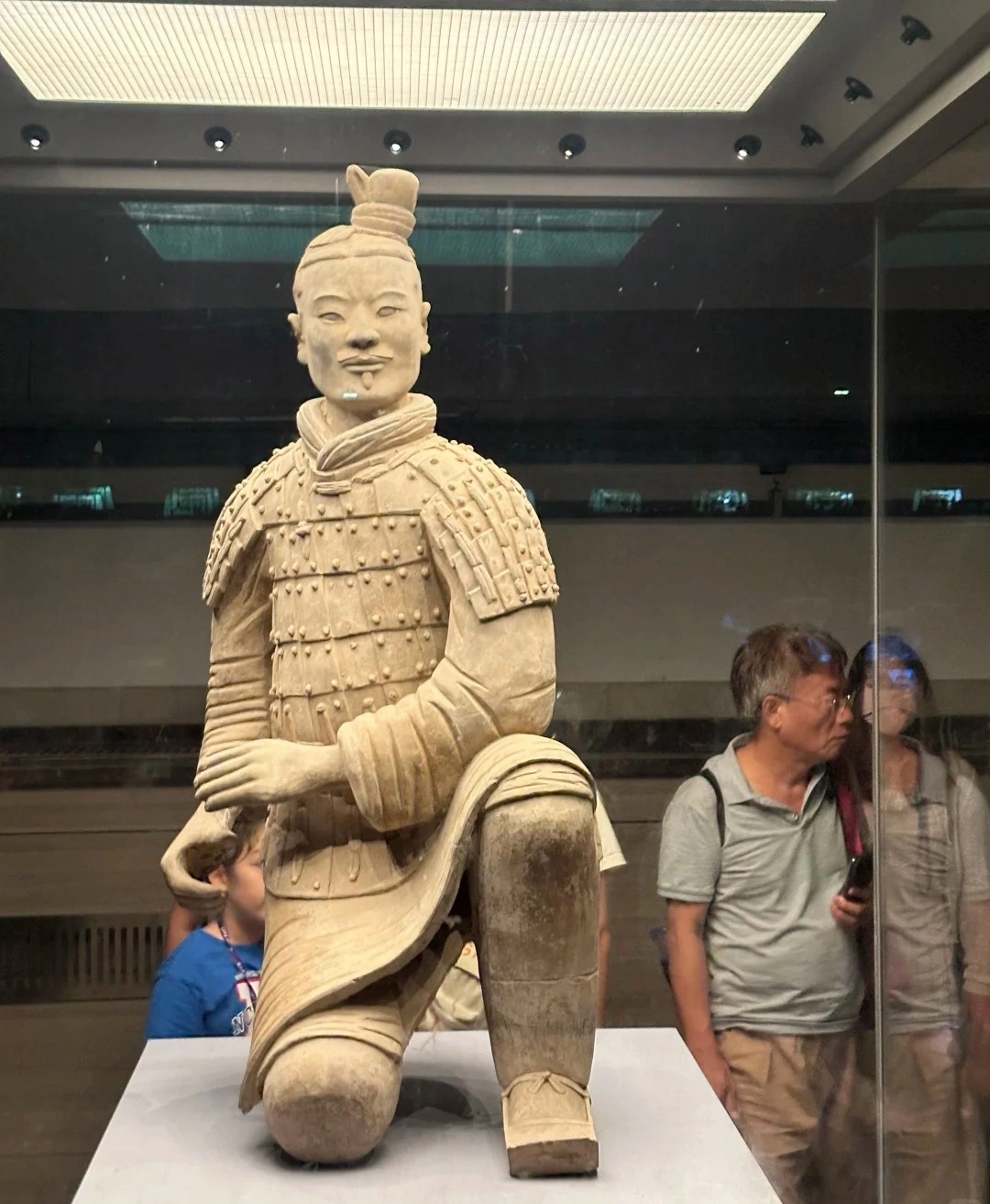
As a solo traveler from Canada, I was nervous about navigating China alone—but this 11-day tour was PERFECT! From hiking the Great Wall at sunrise (Day 3) to gasping at the Terracotta Army (Day 5), every day delivered ‘pinch-me’ moments. The real showstopper? Zhangjiajie’s Avatar Mountains (Day 7)! Our guide made the stone pillars come alive with stories.
Massive thanks for handling all logistics—bullet train tickets, entry passes, car! And the 4-star hotels surprised me.
Destination(s):
Beijing Xian Zhangjiajie Shanghai
Date of
Experience:
June 02,2025

Simon
America
Reviewed on May 29,2025
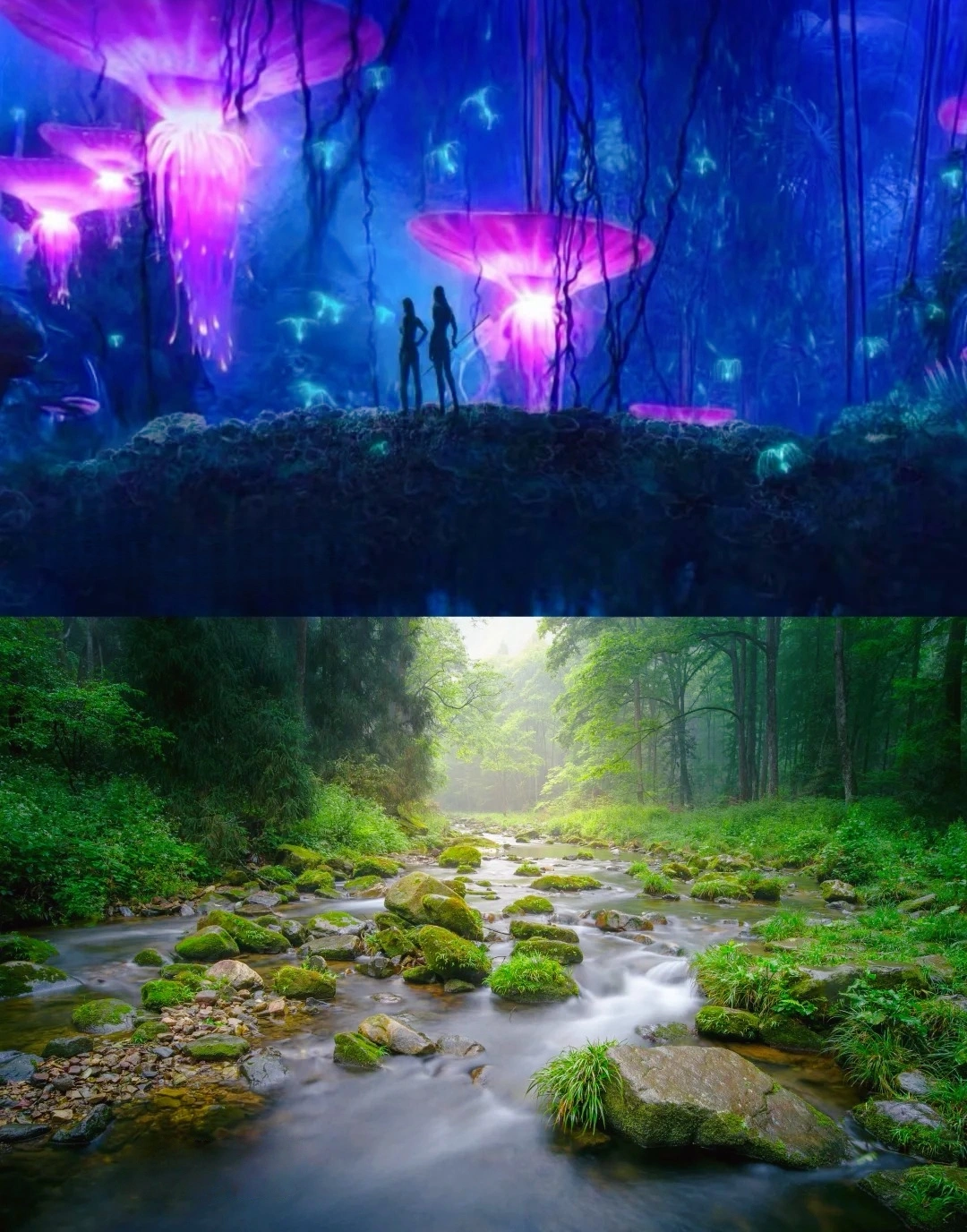
Our 2-day Zhangjiajie tour was beyond spectacular! As someone who’s visited Beijing and Shanghai for work, this trip revealed China’s wild, magical heart. Day 1 in Zhangjiajie National Forest Park felt like stepping onto Pandora—I’m a huge Avatar fan, and Yuanjiajie’s floating peaks left me breathless. The misty pillars and lush valleys like pure movie magic!
Then came Fenghuang Ancient Town, we eat dinner beside the thundering waterfall. It seems Unreal! The night views of stilt houses glowing over the river were straight from a fairy tale.
For fellow Avatar lovers and adventure seekers: Don’t miss this bucket-list experience! 10/10 would return.
A Well-Traveled Film Buff, May 2025
Destination(s):
Zhangjiajie
Date of
Experience:
May 08,2025