
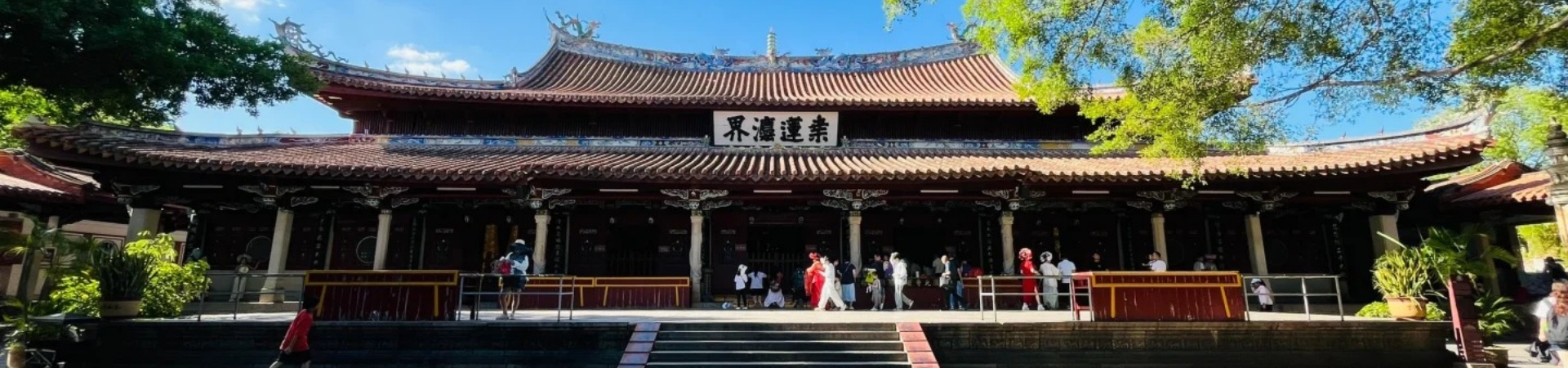
Kaiyuan Temple
إن معبد كايوان، وهو ملجأ بوذي لا وقت له في كوانزو، بمقاطعة فوجيان، هو أحد أكثر العلامات الثقافية والدينية إحياء في الصين. تأسس في القرن الثامن خلال سلالة تانج، تجمّع المعبد ينزف 78,000 متر مربع ويجتذب معبد كايوان الملايين من الحجاج والسياح سنويا. وعين موقعا للتراث العالمي لليونسكو في عام 2021، وهو يوفر رحلة عميقة من خلال الفن الديني الصيني والتطور المعماري.
HistoricalOverview
السابعة Century: Originated as a modest wooden temple, later expanded under Empress Wu Zetian’s patronage.
العاشرة Century: Rebuilt with stone during the Five Dynasties period, establishing its core layout.
13th Century: The East Pagoda (Zhenguo Tower) and West Pagoda (Renshou Tower) completed, becoming architectural marvels.
Ming-Qing Eras: Restorations and additions, including the Grand Hall and Mahavira Hall, enriched the complex.
20th-21st Centuries: UNESCO recognition in 2021 and ongoing preservation efforts highlights its global cultural value.
الهياكل الأساسية
ويتبع مخطط المعبد التصميم التقليدي للمعابد البوذية الصينية، مع وجود هياكل رئيسية متوافقة مع محور مركزي:
البوابة الرئيسية: Adorned with guardian lions and intricate wood carvings, symbolizing the transition from secular to sacred space.
Mahavira القاعة: Houses a 5.5-meter-tall gilded Buddha statue and 28 guardian deities, showcasing Song Dynasty الحرف
غراندهال: Features a 10-meter-tall Maitreya Buddha and murals depicting the life of Shakyamuni.
Pagodas: The 48-meter East Pagoda and 44-meter West Pagoda, both octagonal and stone-built, dominate the skyline with 16 tiers of relief sculptures.
Sangharama القاعة: Dedicated to the temple’s monastic community, with a library of Buddhist scriptures.
الخلاصات الرئيسية
EastPagoda (Zhenguo Tower): تحفة من هندسة الحجارة، و 600 1 من أصدقائها الشجعان يصورون الشعاب البوذية و الكائنات السماوية.
WestPagoda (Renshou Tower): Famed for its 54 lion sculptures and 80 musical instrument carvings, symbolizing harmony between heaven and earth.
ستون ليون غوردي: Pair of 3-meter-tall lions at the entrance, crafted in the 14th century, embodying power and protection.
AncientBanyan الشجرة: A 1300-year-old tree in the courtyard, revered as a sacred living witness to the temple’s history.
أبراج بللانددرام: Dailyrites include the sounding of the 5-ton “Sakyamuni Bell,” cast in 1238.
أضواء ثقافية
الحجارة: Over 1,000 reliefs on the pagodas and halls, including the “Flight to Heaven” and “Eighteen Arhats” series.
النصوص البوذية: A 14th-century wooden-block edition of the Tripitaka ومخطوطات شاحبة نادرة
Festivals: ويستضيف المعبد غراند بوذا بيث سيرميموني (نيسان/أبريل) و Lantern Festival (كانون الثاني/يناير)، رسم الآلاف.
الموسم الأول: مشاهدــة الوجبات الصباحية والوجبات النباتية المعدة في المطبخ التقليدي للمعبد.
المقترحة
الغرفة الكلاسيكية )٥,٥-٢هور(
MainGate ). Mahavira Hall (30 mins) ). East Pagoda (25 mins) ). West Pagoda (20 mins) ). Stone Lion Courtyard (15 mins).
Highlights: Iconic pagodas and guardian deities.
CulturalDepthRoute(3-4Hours)
غراند هول → سانغاراما (هال) القديم (بانيان تري) برج بيل ). Stone Carving Gallery (1 hour) ). Interactive Meditation Session (30 mins).
Highlights: التمزقات، النحت، والطقوس الرهيبة.
All-DayExploration(FullDay)
البنى الرئيسية يتسلق (باغودا) دراسة (ستون)
بعد الظهر: رصد الحياة الافتراضي → الأعمال التحضيرية المهرجانية (إذا انطبق) → الشاي مراسم
Evening: Attend a sutra chanting session or enjoy the temple’s illuminated pagodas.
Highlights: Global cultural immersion.
تذاكر الشراء
على الإنترنت: Book via the temple’s official website or WeChat (UN/adult; free for children under 1.2m).
على الموقع: Tickets available at the entrance; queues may be long during top seasons.
الجولات المصحوبة بمرشدين: 100 ين-150 لمدة ساعتين من الجولات الانكليزية/ الصينية (بما في ذلك دخول المعبد).
الموافقة الحرةالرهبان البوذيون والراهبات والمحليين في عطلات كبيرة
BySubway: Line 1 to Kaiyuan Temple Station (Exit 3), five minutes walk.
ByBus: Routes 3, 17, 19, 21, or 27 to Kaiyuan Temple stop.
ByTaxi: Direct to “KäiyuánSye”.
وقوف السيارات: Limited on-site spots (in /5/hour); public garages nearby.
أفضل التقنيات
AvoidCrowds: Early mornings (7-9 AM) or weekdays; festivals draw massive crowds.
صمتاً: الثلاثاء - الخميس )اليومان مفتوحان لفحص الصيانة(.
الطقس: الربيع )آذار/مارس - أيار/مايو( خريف (أيلول/سبتمبر - تشرين الثاني/نوفمبر) تقدم درجات حرارة خفيفة للاستكشاف في الهواء الطلق.
الأساسيات:
خلع الملابس بشكل متواضع (الطيور والركبة مغطاة).
أحضروا الماء، لا يوجد طعام مسموح به في القاعات
Photography permitted (no flash); tripods prohibited in pagodas.
احترام الصمت في مناطق التأمل. إن معبد كايوان ليس مجرد أثر للماضي، بل هو شهادة حية على التقاليد البوذية الثابتة للصين، حيث كل حجر وتمثال وطقوس تهمس قصص الإيمان والفنانين.


Contact Us
ماذا يقول عملاؤنا؟
استند إلى أكثر من 10000 تعليق من المسافرين

Daniel Dorothea
Canada
Reviewed on April 29,2025
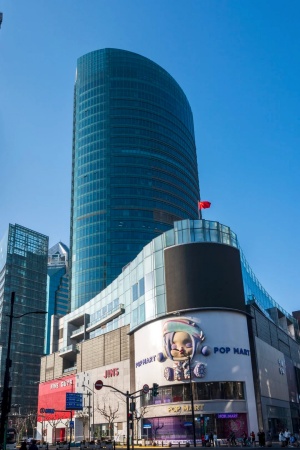
Shopping on Nanjing Road in Shanghai was just amazing! It's truly the "First Commercial Street of China", where tradition and modernity blend perfectly. You can find awesome souvenirs and experience the trendy vibes in cool stores. The neon lights at night are just spectacular, shining bright like Times Square in New York. The food here is incredible too. I had a feast for my taste buds. Shanghai, I'll definitely be back!
Destination(s):
Shanghai
Date of
Experience:
May 08,2024

Elvis Eva
Canada
Reviewed on June 20,2025
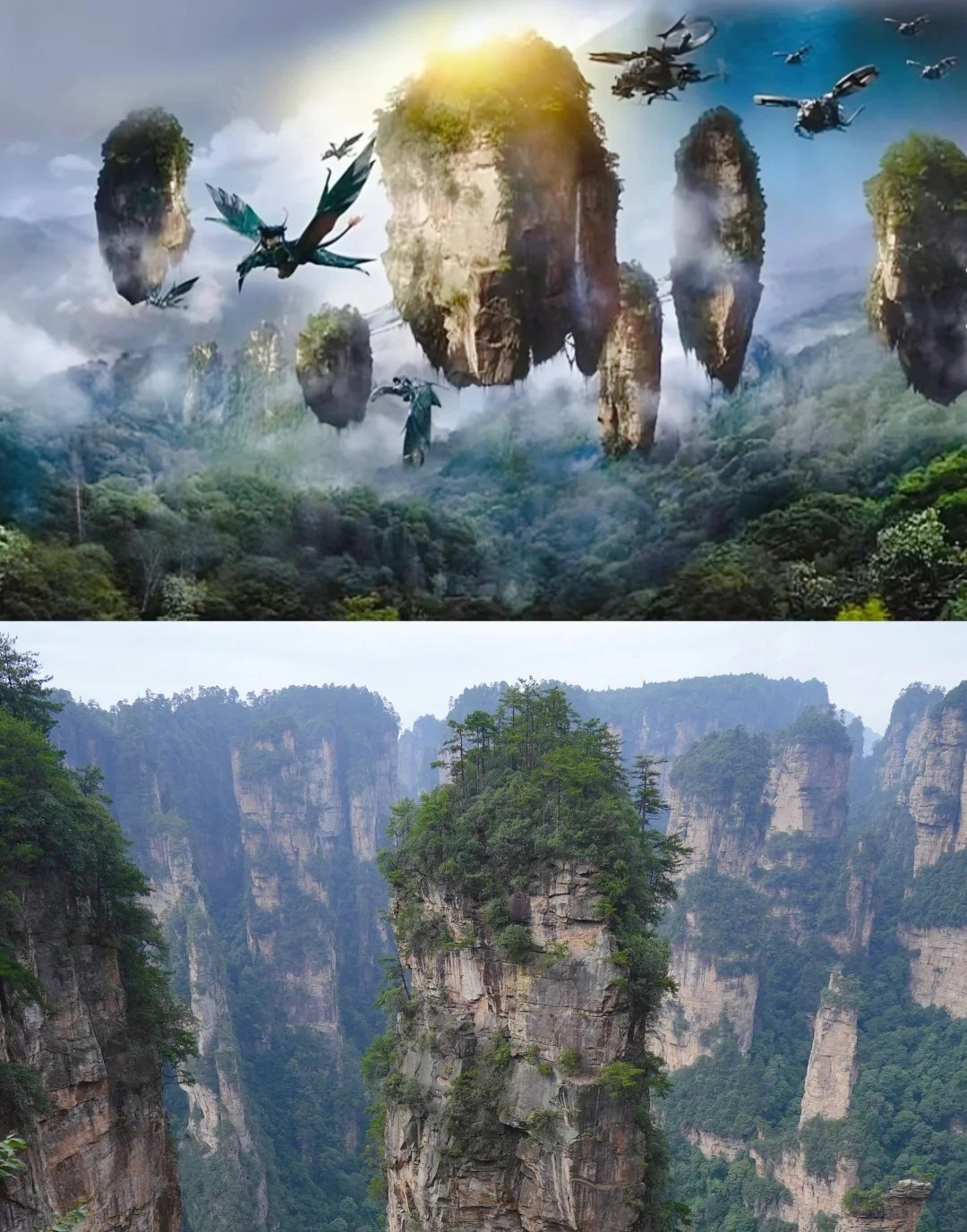
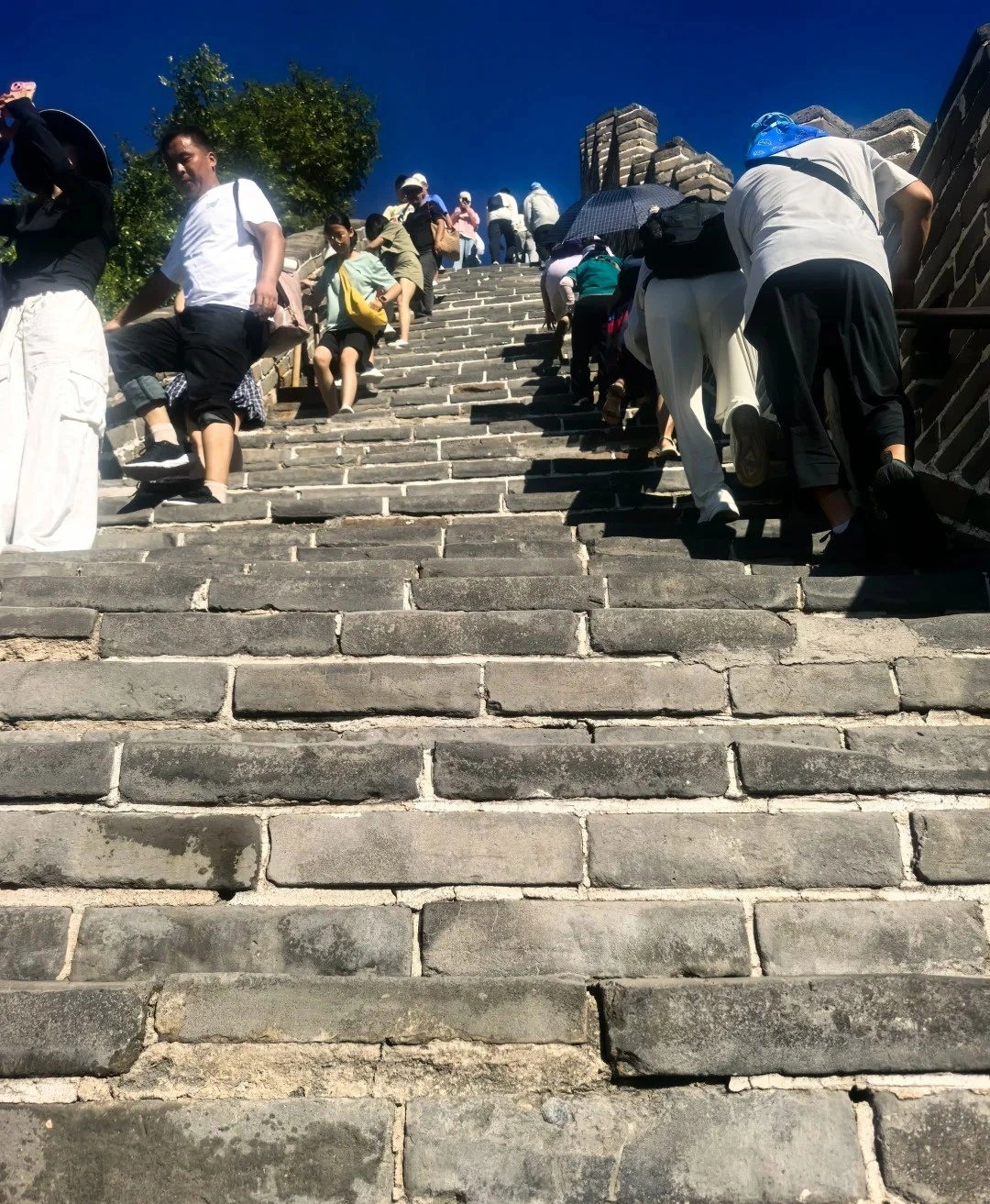
As a solo traveler from Canada, I was nervous about navigating China alone—but this 11-day tour was PERFECT! From hiking the Great Wall at sunrise (Day 3) to gasping at the Terracotta Army (Day 5), every day delivered ‘pinch-me’ moments. The real showstopper? Zhangjiajie’s Avatar Mountains (Day 7)! Our guide made the stone pillars come alive with stories.
Massive thanks for handling all logistics—bullet train tickets, entry passes, car! And the 4-star hotels surprised me.
Destination(s):
Beijing Xian Zhangjiajie Shanghai
Date of
Experience:
June 02,2025

Simon
America
Reviewed on May 29,2025
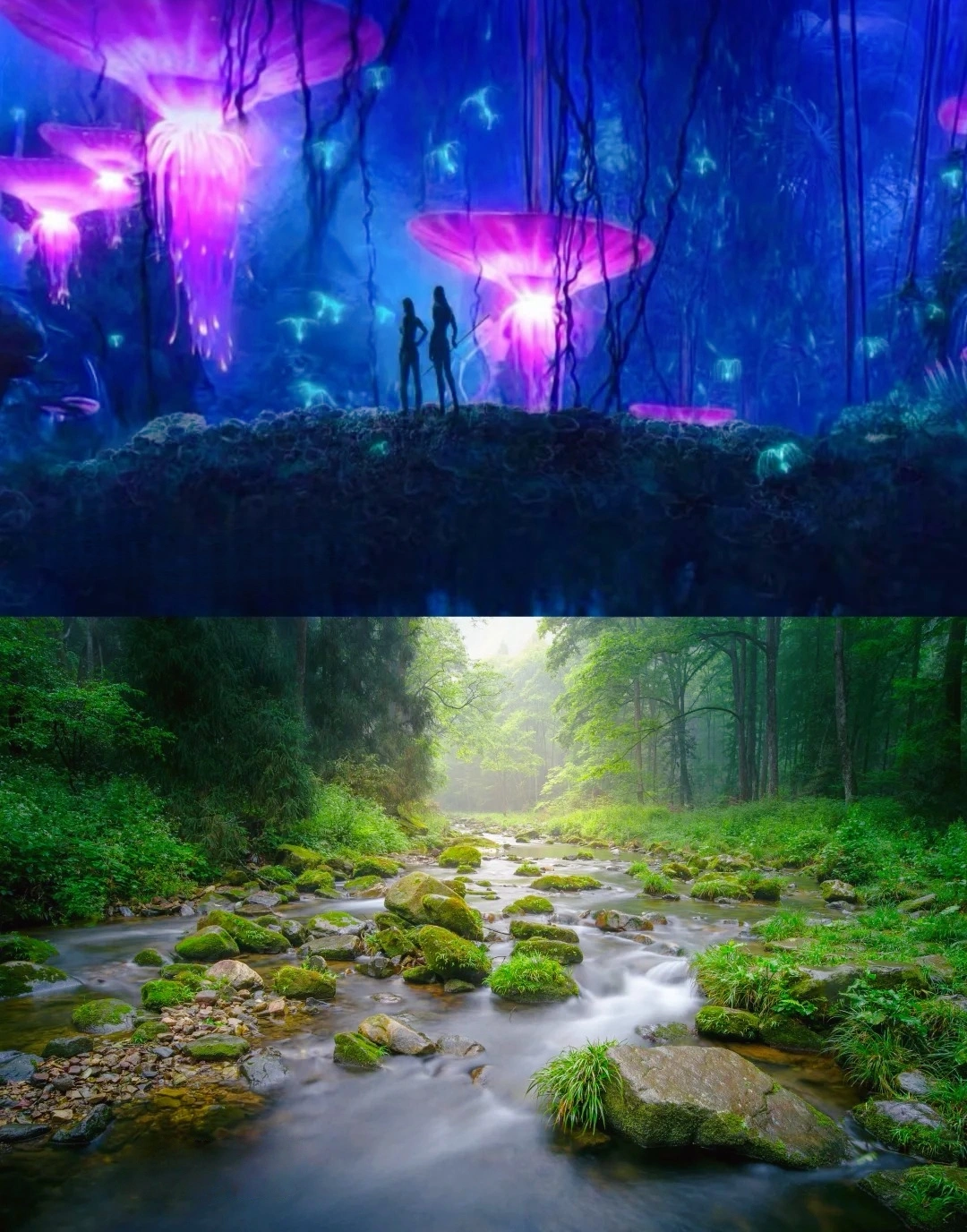
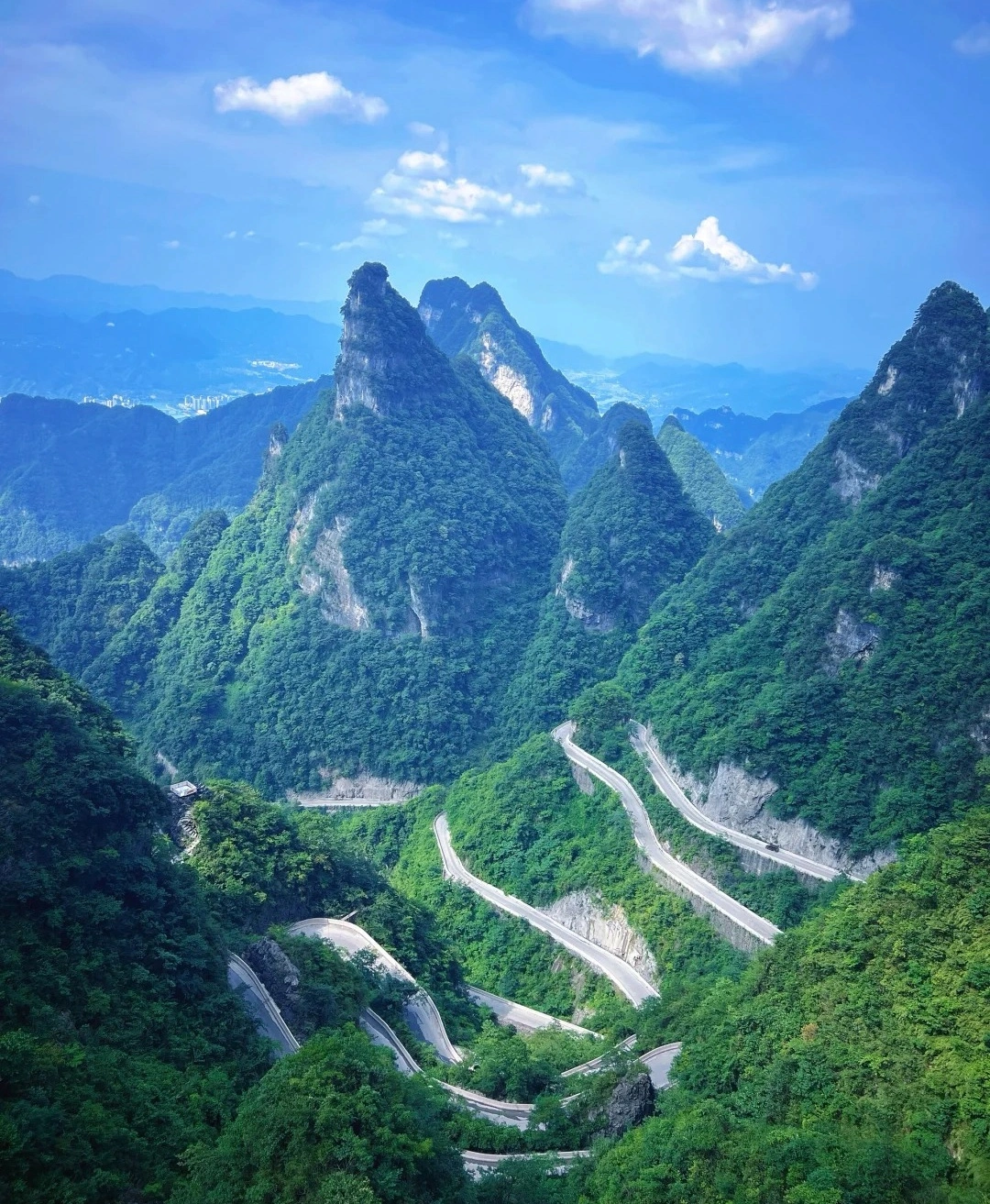
Our 2-day Zhangjiajie tour was beyond spectacular! As someone who’s visited Beijing and Shanghai for work, this trip revealed China’s wild, magical heart. Day 1 in Zhangjiajie National Forest Park felt like stepping onto Pandora—I’m a huge Avatar fan, and Yuanjiajie’s floating peaks left me breathless. The misty pillars and lush valleys like pure movie magic!
Then came Fenghuang Ancient Town, we eat dinner beside the thundering waterfall. It seems Unreal! The night views of stilt houses glowing over the river were straight from a fairy tale.
For fellow Avatar lovers and adventure seekers: Don’t miss this bucket-list experience! 10/10 would return.
A Well-Traveled Film Buff, May 2025
Destination(s):
Zhangjiajie
Date of
Experience:
May 08,2025