
Dongshuimen Stadtmauer Ruinen
Dongshuimen City Wall Relics ist eine historische Stätte in Chongqing, China, die die Überreste der alten Verteidigungsmauern der Stadt zeigt, die zurück zu den Ming und Qing Dynastien. In der Nähe des Zusammenflusses der Flüsse Yangtze und Jialing unterstreicht dieser gut erhaltene Teil der Wand die strategische Bedeutung von Chongqing als befestigtes Tor. Der Standort verfügt über massive Steinblöcke, gewölbte Gateways und Inschriften und bietet Einblicke in die mittelalterliche Stadtplanung und militärische Architektur. Umgeben von der modernen Entwicklung, dienen die Reliquien als eine greifbare Verbindung zu Chongqings Vergangenheit, attraktive Geschichte Liebhaber und Besucher Interesse an der Erkundung des reichen Kulturerbes der Stadt inmitten seiner dynamischen Stadtlandschaft.
Einführung & Historische Bedeutung
Eingebettet in Chongqing Yuzhong District, Dongshuimen City Wall Ruins ist eine Ming Dynastie Relikt aus dem Jahr 1370, Teil von Chongqings ursprünglichen 17 Stadttoren. Als eines von nur zwei überlebenden "offenen Toren" aus der Zeit diente es als lebenswichtige Wasserstraßen-Nabe, die der Yangtze River und das lebhafte kommerzielle Herz des alten Chongqing. Das Tor, das für seine östliche Ausrichtung parallel zum Yangtze-Fluss benannt ist, symbolisiert die "Mountain-city-river"-Symbiose der Stadt. Historisch erleichterte es den Handel über seine benachbarten Docks und beherbergte florierende Gildenhallen wie die Huguang Guild Hall, die während der Migration "Huguang Fill Sichuan" gebaut wurde. Er ist als National Key Cultural Relic (2013) und Chongqing Municipal Protected Site (2000) anerkannt und verkörpert 600 Jahre Stadtentwicklung, militärische Verteidigung und kulturellen Austausch.
Architektur und Design
Die Ruinen zeigen Ming-era Engineering Brillanz:
- Stadttor und Mauern: Ein 3,2m breites, 5m hohes Steinbogentor mit einem 6,7m dicken Gewölbe, flankiert von 200m von 6m-hohen Wänden. Das "wall-as-cliff" Design integriert sich mit natürlichen Gesteinsformationen, verbessert die Stabilität und reduziert das Bauvolumen. Entwässerungskanäle in die Wände geschnitzt effizient Kanal Regenwasser aus der Stadt.
- Städtebau: Das Tor ist nach Norden ausgerichtet und vermeidet direkte Flussbelichtung, während sich die Wände unter 90-Grad-Winkeln auf das Gelände ausrichten. In der Nähe von Huguang Guild Hall (Baujahr 1759) und historischen Docks unterstreichen seine Rolle als kulturelle und kommerzielle Kreuzung.
- Material und Handwerk: Lokale Sandsteinblöcke, einige wiegen über 500kg, Widerstand Erosion trotz Jahrhunderten der Bewitterung. Ursprüngliche Inschriften am Tor sind verblasst, aber die Struktur bleibt strukturell klingen.
Große Sehenswürdigkeiten
- Dongshuimen Gate & Walls: Erkunden Sie das archaische Steintor, die Wände und den angrenzenden Huguang Guild Hall Komplex, der Ming-Qing-Architektur und die Migrationsgeschichte zeigt.
- Szenische Ansichten: Überholen Sie die Yangtze River und East Water Gate Bridge von den Aussichtspunkten der Wand, vor allem während Sonnenaufgang / Sonnenuntergang für die goldene Beleuchtung.
- Historische Sehenswürdigkeiten: Besuchen Sie die Huguang Guild Hall (mit Zhejiang und Qi'an Unterhallen), Jiangxi Guild Hall und alte Dockreste.
- Moderne Sehenswürdigkeiten: Die East Water Gate Bridge, ein kabelgebundenes Wunderwerk mit Weltrekordspannen, bietet Panorama-Stadtlandschaften.
Informationen zum Ticket
- Zugang: Freier, ganzjährig geöffneter Zugang. Besondere Attraktionen wie Huguang Guild Hall können Tickets verlangen (¥25-40 für Erwachsene).
- Öffnungszeiten: rund um die Uhr für Ruinen; nahe gelegene Museen / Galerien arbeiten 9:00-17:30.
- Führungen: ¥80-150 für Kulturreisen, die Geschichte, Architektur und lokale Legenden kombinieren.
- Rabatte: Frei für Studenten/Senioren an einigen Standorten; Gruppenkurse verfügbar.
Transportleitfaden
- Öffentlicher Verkehr: Nehmen Sie die Linie 1/6 zum Bahnhof Xiaoshizi (Ausfahrt 4A), dann 10 Gehminuten zum Dongshuimen. Busrouten 112/120/141 Haltestelle Chaotianmen für direkten Zugang.
- Selbstfahren: Park in Raffles City (¥10/Tag) oder in der Nähe Garagen. GPS zu "Chongqing Yuzhong District Changbin Road 58".
- Luft/Rail: Direktflüge nach Chongqing Jiangbei Flughafen; Hochgeschwindigkeitszüge nach Chongqing North Station, gefolgt von U-Bahn/Shuttle Transfers.
- Lokaler Zugang: Elektro-Shuttle im Park; Fahrradverleih für nahe gelegene Wanderwege.
- Seehund: Yangtze River Fähren von Fuling/Wanzhou verbinden sich mit Kreuzfahrtterminals.
Beste Zeit und Tipps
- Optimale Jahreszeiten: Feder (Mar-May) für mildes Wetter; Herbst (Okt-Nov) für klare Himmel. Vermeiden Sie Sommermonsunen und Winternebel.
- Fotografie: Dawn for misty river vistas; Sonnenuntergang für die goldene Stunde Beleuchtung. Verwenden Sie Polarisationsfilter zur Farbsättigung.
- Kultur und Kultur: Respect historische Stätten; entfernen Sie Schuhe in Tempeln. Beteiligen Sie sich an Traditionen wie Flusslaternen.
- Verpackung: Robuste Schuhe für unebenes Gelände; polarisierte Sonnenbrille; wiederverwendbare Wasserflasche. Winter erfordert thermische Schichten; Sommer braucht Mückenabwehr.
- Sicherheit: Beschleunigen Sie die Feuchtigkeit; vermeiden Sie unbemerkte Trails. Tragen Sie Notkontakte und Sauerstofftanks (¥30) für Höheneinstellungen.
Sehenswürdigkeiten und Routen
- Kombinierte Touren:
- Morgen: Dongshuimen Ruinen + Huguang Guild Hall + Yangtze Flussbahn.
- Nachmittag: East Water Gate Bridge + Chaotianmen Market + Three Gorges Museum.
- Abend: Nachtfahrt + Nanbin Road Promenade Licht zeigt.
- Mehrtägige Routen:
- 3-Tag: Chongqing → Wulong Karst → Zu den Warenkorb.
- 5 Tage: Chengdu → Chongqing → Fengdu Ghost City → Yangtze River Cruise.
Kulturelle Bedeutung
Dongshuimen verkörpert Chongqings Identität als "Stadt der Flüsse und Berge". Es überbrückt alte Handelswege mit modernem Stadtleben, wo historische Steinmauern mit Wolkenkratzern koexistieren. Als UNESCO-erkanntes Juwel lädt es globale Reisende ein, die Harmonie von Natur, Geschichte und menschlicher Kreativität zu bezeugen – ein wahres Heiligtum der südwestlichen Größe Chinas.
Contact Us
Was sagen unsere Kunden?
Basierend auf über 10.000 Reisendenbewertungen

Daniel Dorothea
Canada
Reviewed on April 29,2025
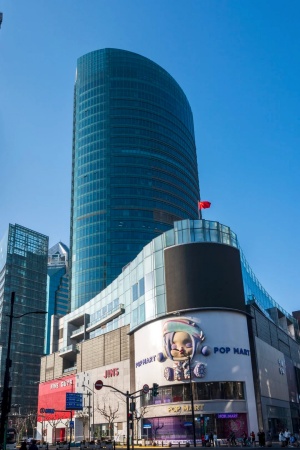
Shopping on Nanjing Road in Shanghai was just amazing! It's truly the "First Commercial Street of China", where tradition and modernity blend perfectly. You can find awesome souvenirs and experience the trendy vibes in cool stores. The neon lights at night are just spectacular, shining bright like Times Square in New York. The food here is incredible too. I had a feast for my taste buds. Shanghai, I'll definitely be back!
Destination(s):
Shanghai
Date of
Experience:
May 08,2024

Elvis Eva
Canada
Reviewed on June 20,2025
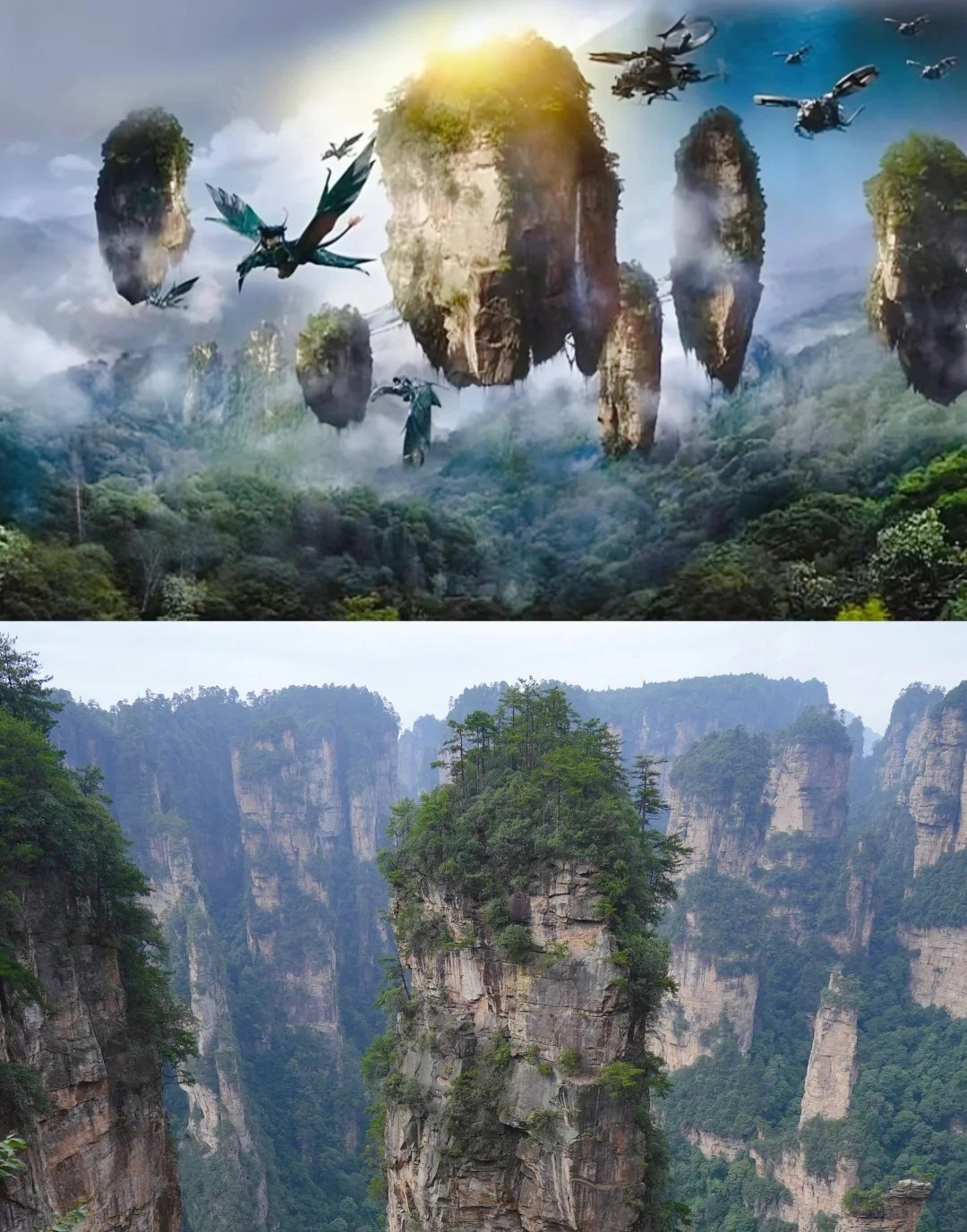
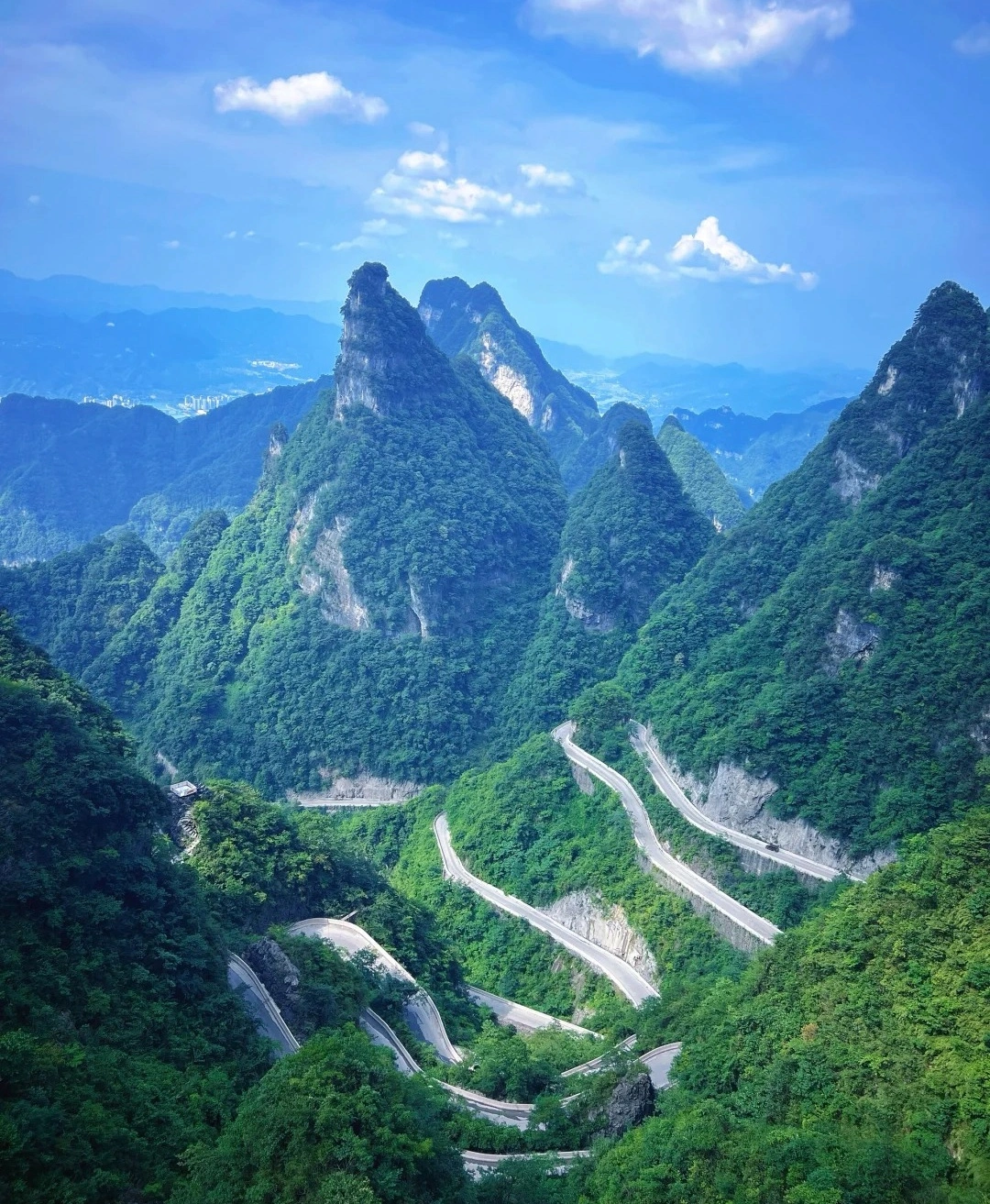
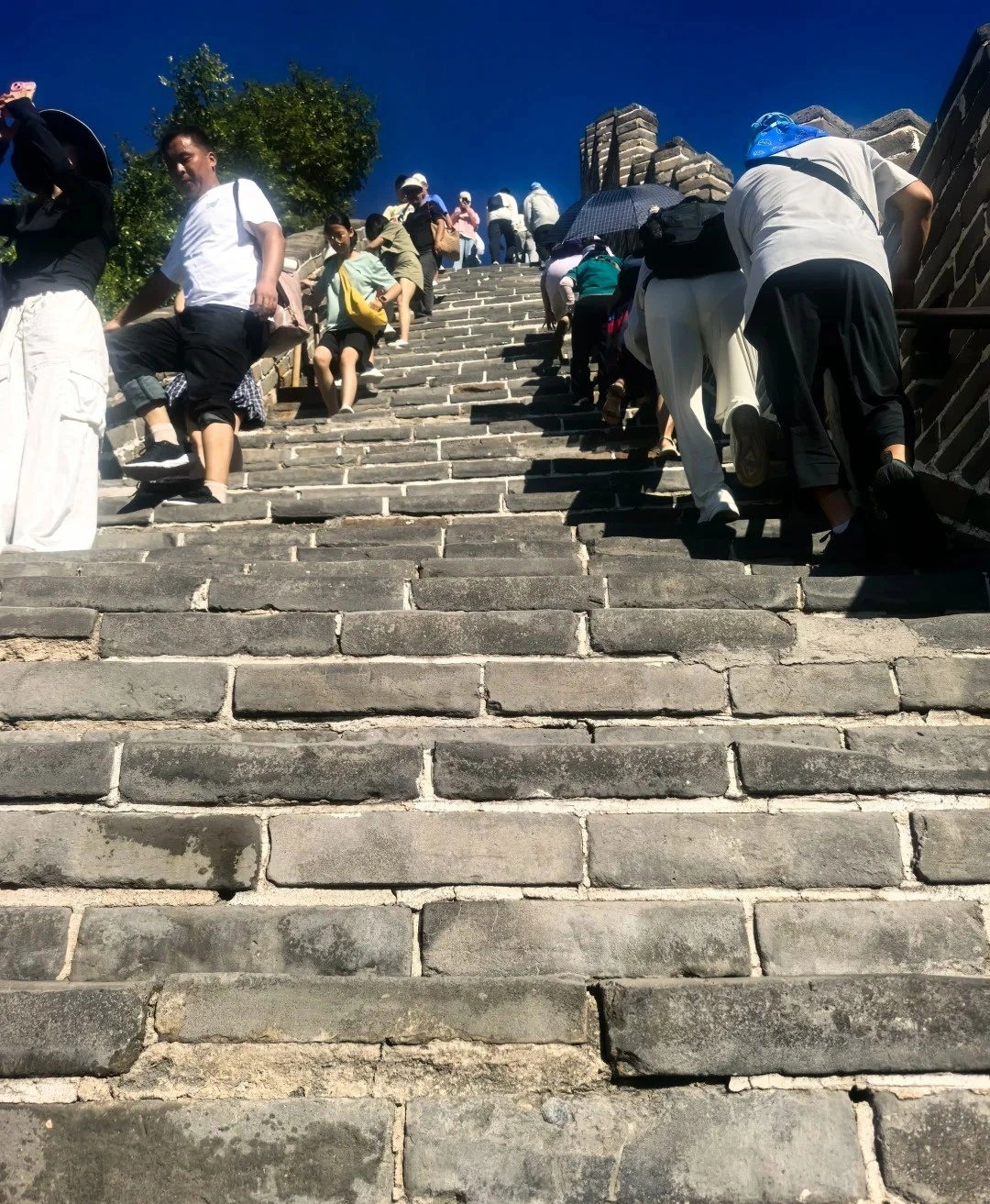
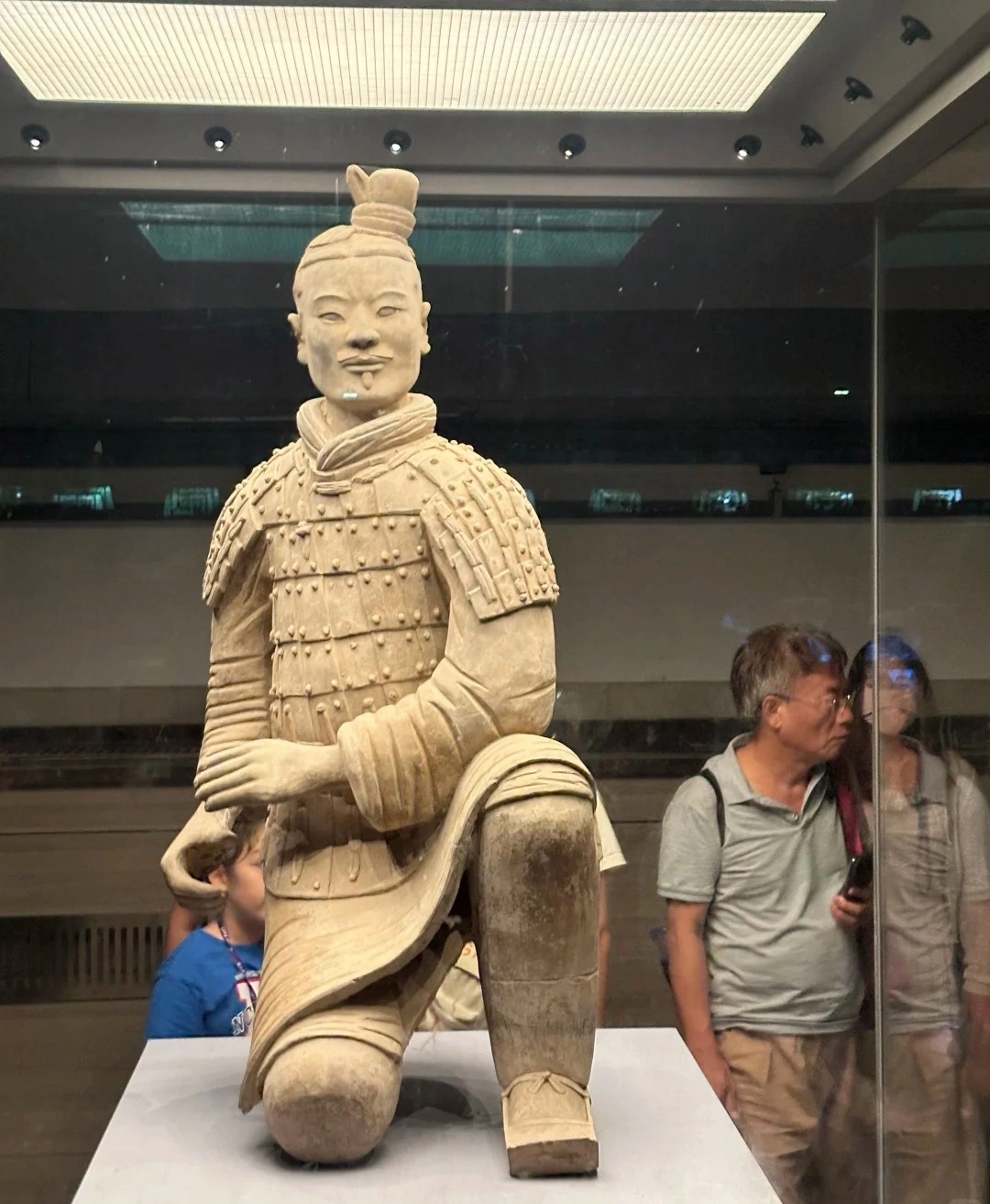
As a solo traveler from Canada, I was nervous about navigating China alone—but this 11-day tour was PERFECT! From hiking the Great Wall at sunrise (Day 3) to gasping at the Terracotta Army (Day 5), every day delivered ‘pinch-me’ moments. The real showstopper? Zhangjiajie’s Avatar Mountains (Day 7)! Our guide made the stone pillars come alive with stories.
Massive thanks for handling all logistics—bullet train tickets, entry passes, car! And the 4-star hotels surprised me.
Destination(s):
Beijing Xian Zhangjiajie Shanghai
Date of
Experience:
June 02,2025

Simon
America
Reviewed on May 29,2025
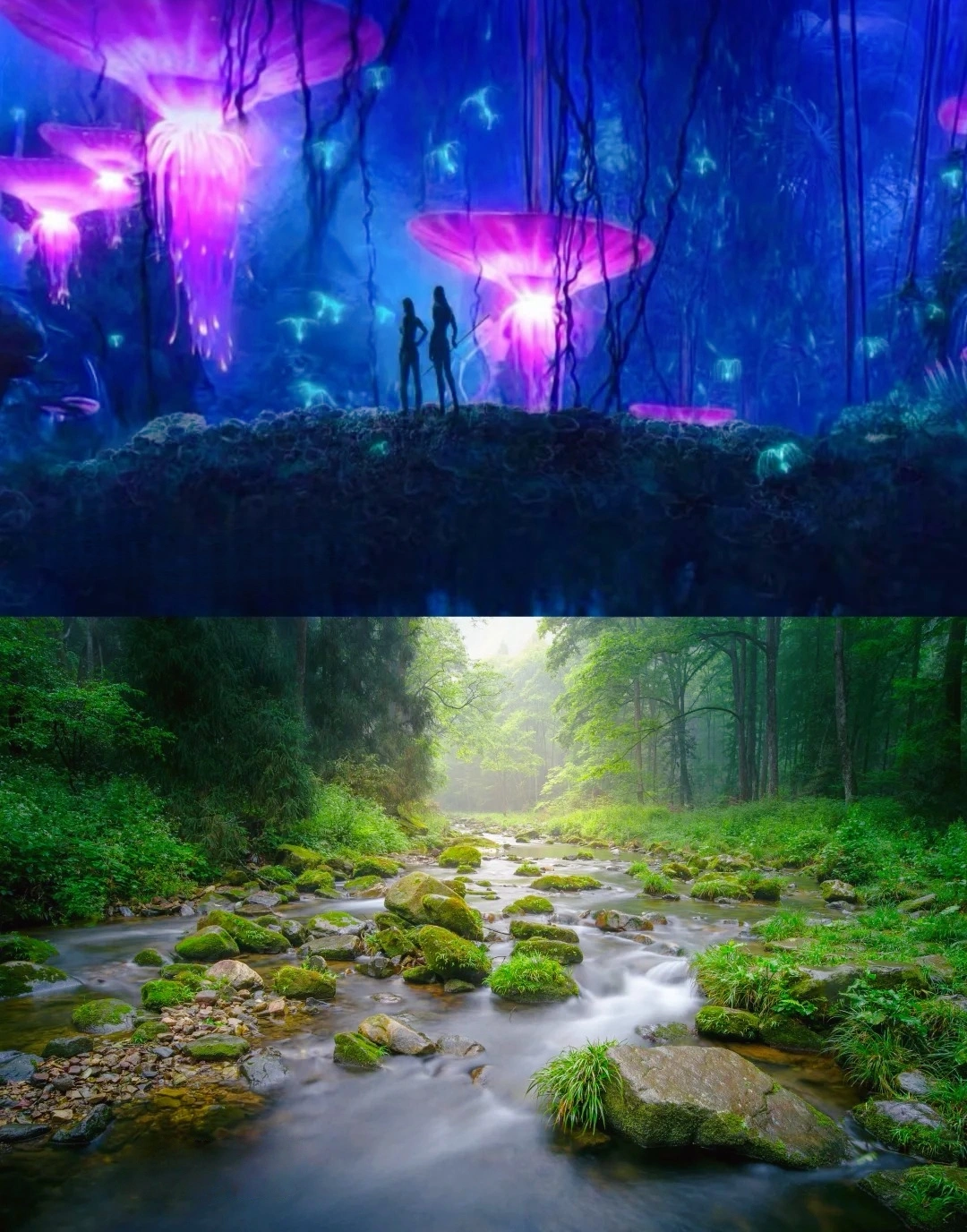
Our 2-day Zhangjiajie tour was beyond spectacular! As someone who’s visited Beijing and Shanghai for work, this trip revealed China’s wild, magical heart. Day 1 in Zhangjiajie National Forest Park felt like stepping onto Pandora—I’m a huge Avatar fan, and Yuanjiajie’s floating peaks left me breathless. The misty pillars and lush valleys like pure movie magic!
Then came Fenghuang Ancient Town, we eat dinner beside the thundering waterfall. It seems Unreal! The night views of stilt houses glowing over the river were straight from a fairy tale.
For fellow Avatar lovers and adventure seekers: Don’t miss this bucket-list experience! 10/10 would return.
A Well-Traveled Film Buff, May 2025
Destination(s):
Zhangjiajie
Date of
Experience:
May 08,2025