
Haba Snow Mountain
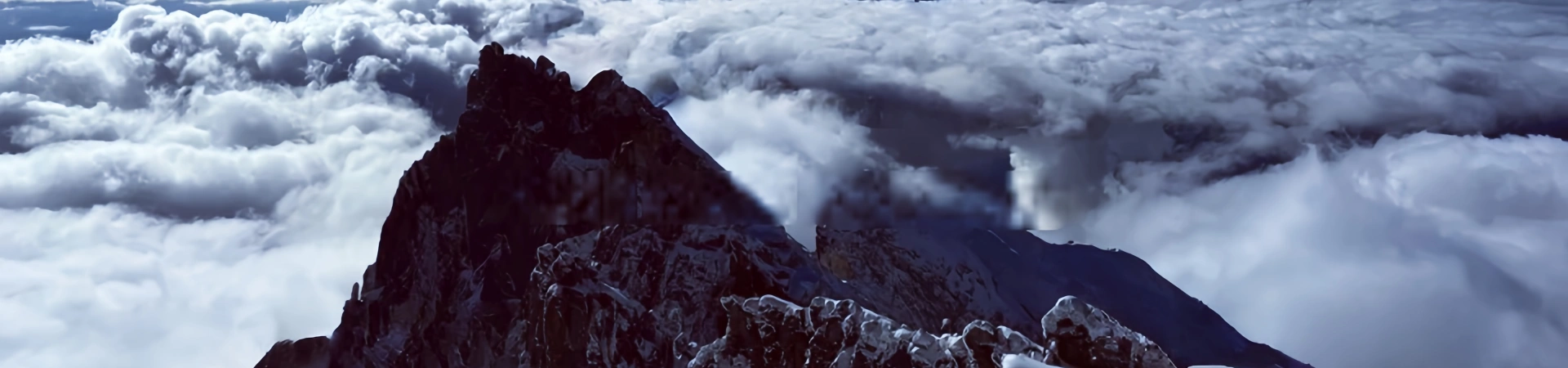
Haba Snow Mountain (Haba Xueshan), located in the Tri-River Parallel Flow Area of Yunnan Province, China, is a majestic and sacred peak renowned for its stunning alpine scenery and cultural significance. Rising to an elevation of 5,396 meters, it is part of the Hengduan Mountains and lies adjacent to the famous Jade Dragon Snow Mountain, separated by the Tiger Leaping Gorge. Haba Snow Mountain is celebrated for its diverse ecosystems, ranging from lush subtropical forests to glaciated peaks, and serves as a haven for outdoor enthusiasts, offering activities like trekking, climbing, and skiing. The mountain also holds spiritual importance for local Tibetan and Naxi communities, who regard it as a sacred site. Its breathtaking vistas, including year-round snowcaps and dramatic cliffs, make it a must-visit destination for nature lovers and adventurers exploring Yunnan’s Himalayan landscapes.
Introduction & Historical Significance
Rising 5,396 meters above sea level in the Hengduan Mountains of Yunnan, Haba Snow Mountain is a UNESCO-recognized UNESCO World Heritage Site (part of the "Three Parallel Rivers of Yunnan Protected Areas") and a sacred peak in Tibetan and Naxi cultures. Known as "Haba" (Golden Flower) in Tibetan, it forms a dramatic natural barrier opposite Jade Dragon Snow Mountain, separated by the legendary Tiger Leaping Gorge. For millennia, it has served as a spiritual beacon for Tibetan Buddhists, Naxi Dongba priests, and local herders, embodying the harmony between humans and nature through its glaciers, alpine lakes, and biodiversity hotspots.
Architectural Layout & Design
The 2,200km² mountain massif integrates raw natural grandeur with minimal human intervention:
- Glacial Landforms: 26 hanging glaciers, including the 8km-long "Haba Glacier," sculpted into U-shaped valleys, cirques, and moraines over millennia.
- Alpine Lakes: Over 30 glacial lakes nestled at 3,800–4,500m altitude, including Black Sea (4,100m), Yellow Sea (4,200m), and Bayan Sea (4,000m), renowned for crystal-clear waters reflecting snow peaks.
- Vertical Ecosystems: From subtropical forests at the base to alpine meadows, shrublands, and ice fields, supporting over 2,000 plant species (including endemic rhododendrons) and 150+ bird/animal species (e.g., snow leopards, Himalayan tahrs).
- Sacred Sites: Ancient Tibetan prayer flag galleries, stone cairns, and the reconstructed "Haba Temple" at the base, used for pilgrimages and weather rituals.
- Eco-Friendly Infrastructure: Wooden boardwalks, solar-powered ranger stations, and geothermal-heated lodges minimize ecological impact.
Major Attractions
- Summit Ascent: A non-technical 5,396m peak climb (3-day trek from base camp) offering panoramic views of Jade Dragon Snow Mountain, Tiger Leaping Gorge, and the Yangtze River.
- Glacial Valley Exploration: Hike through U-shaped valleys, ice caves, and seasonal snowfields, with opportunities for ice climbing and snowshoeing.
- Rhododendron Forests: spring blooms (April-June) transform valleys into pink-and-white carpets, while autumn foliage (September-October) paints slopes in gold.
- Wildlife Safaris: Spot snow leopards, blue sheep, and black-necked cranes in their natural habitats; birdwatching tours at dawn.
- Cultural Immersion: Visit Tibetan villages like Haba Village for homestays, yak-butter tea ceremonies, and traditional weaving workshops.
Ticket Information
- General Admission: Free access to most areas; specialized tours (e.g., glacier hikes) require guides (¥200-500/day).
- Permits: Climbing permits (¥300-600) and park entry fees (¥50-100) apply for high-altitude treks; free for basic hikes.
- Opening Hours: 24/7 access; guided tours operate 07:00-17:00 daily.
- Special Venues: Separate tickets for cultural performances (¥50-100) and photography workshops (¥200-400).
Transportation Guide
- Self-Drive: 2-hour drive from Shangri-La or Lijiang via G214/G353 highways; parking at base camp (¥10/day).
- Public Transport: Buses from Lijiang (¥40) or Shangri-La (¥60) to Haba Village; shuttle services from Tiger Leaping Gorge (¥30).
- Hiking Trails: 2-day moderate hike from Haba Village to base camp (3,200m); 5-day trek to summit via glacial valleys.
- Airport Access: Direct shuttle from Lijiang Airport (¥100) or Diqing Airport (¥120); taxis available.
Best Time & Tips
- Optimal Seasons: April-June (spring blooms, stable weather) and September-November (golden autumn, clear skies); avoid July-August monsoons and December-February snows.
- Photography: Dawn for misty valley views; golden hour for snow-peak alpenglow and rhododendron carpets.
- Cultural Etiquette: Remove shoes in temples; respect quiet zones during rituals; ask permission before photographing locals.
- Packing Essentials: Layered clothing (0°C to 20°C), sunscreen, hats, hiking boots, and oxygen canisters (available at base camp).
- Altitude Preparation: Acclimate in Lijiang/Shangri-La for 1-2 days; carry anti-altitude sickness medication.
Nearby Attractions & Itineraries
- Combined Tours:
- Morning: Haba Village homestay + rhododendron forest hike.
- Afternoon: Tiger Leaping Gorge trek (15km) for river views or Jade Dragon Snow Mountain glacier tour.
- Evening: Shangri-La Old Town cultural stroll or "Impression Lijiang" outdoor show.
- Cultural Synergy: Pair with Naxi Dongba rituals in Lijiang or Tibetan medicine museums in Shangri-La.
- Extended Itineraries: 5-day Hengduan Mountain crossing trek including Meili Snow Mountain and Puda-cuo National Park.
Haba Snow Mountain is a symphony of earth and sky—where ancient glaciers whisper Tibetan secrets, and alpine meadows guard the wisdom of millennia. As a UNESCO-recognized sanctuary, it continues to inspire global travelers seeking both natural grandeur and the soul of ancient Tibet in China’s Southwest.


Contact Us
Was sagen unsere Kunden?
Basierend auf über 10.000 Reisendenbewertungen

Daniel Dorothea
Canada
Reviewed on April 29,2025
Shopping on Nanjing Road in Shanghai was just amazing! It's truly the "First Commercial Street of China", where tradition and modernity blend perfectly. You can find awesome souvenirs and experience the trendy vibes in cool stores. The neon lights at night are just spectacular, shining bright like Times Square in New York. The food here is incredible too. I had a feast for my taste buds. Shanghai, I'll definitely be back!
Destination(s):
Shanghai
Date of
Experience:
May 08,2024


Elvis Eva
Canada
Reviewed on June 20,2025
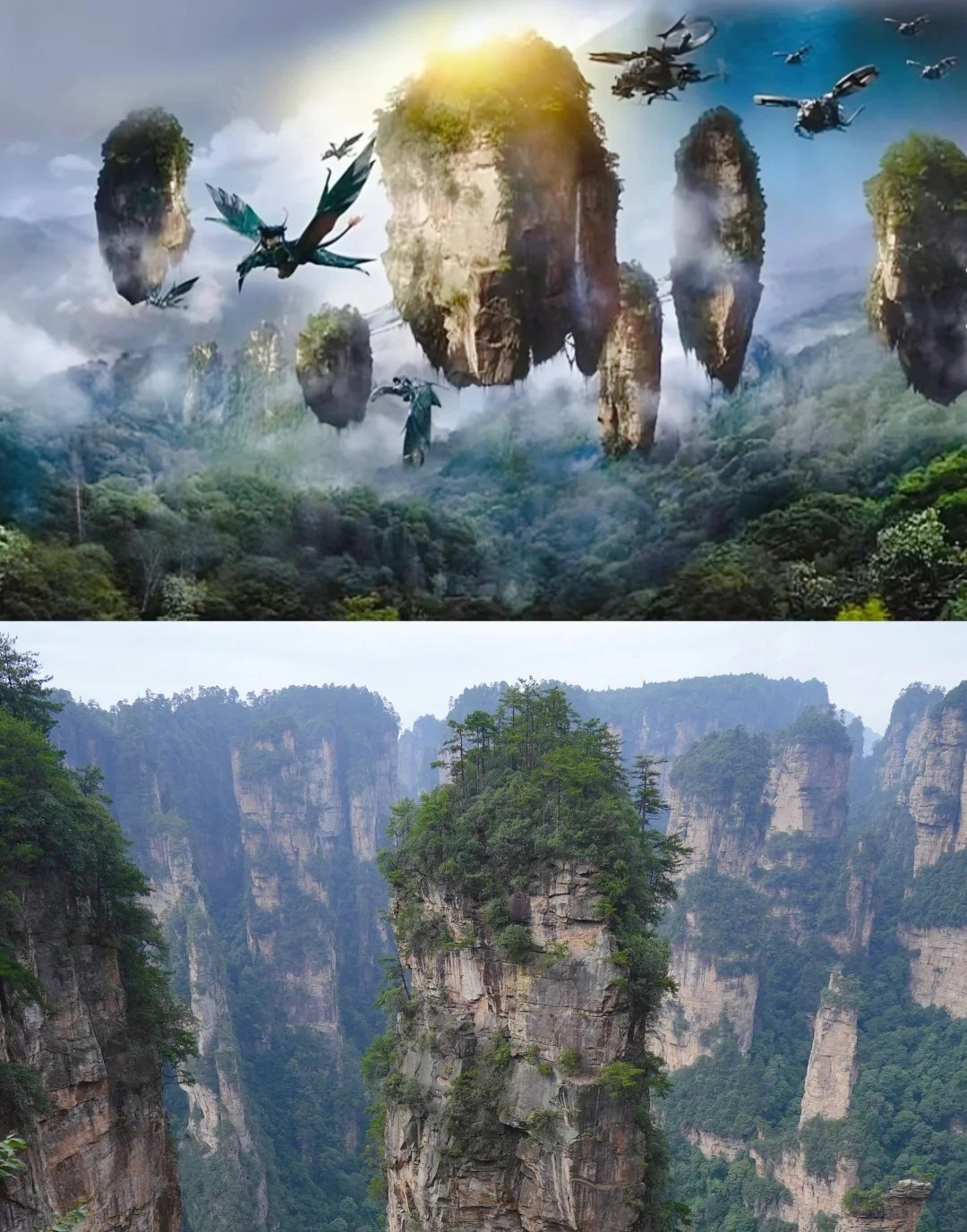
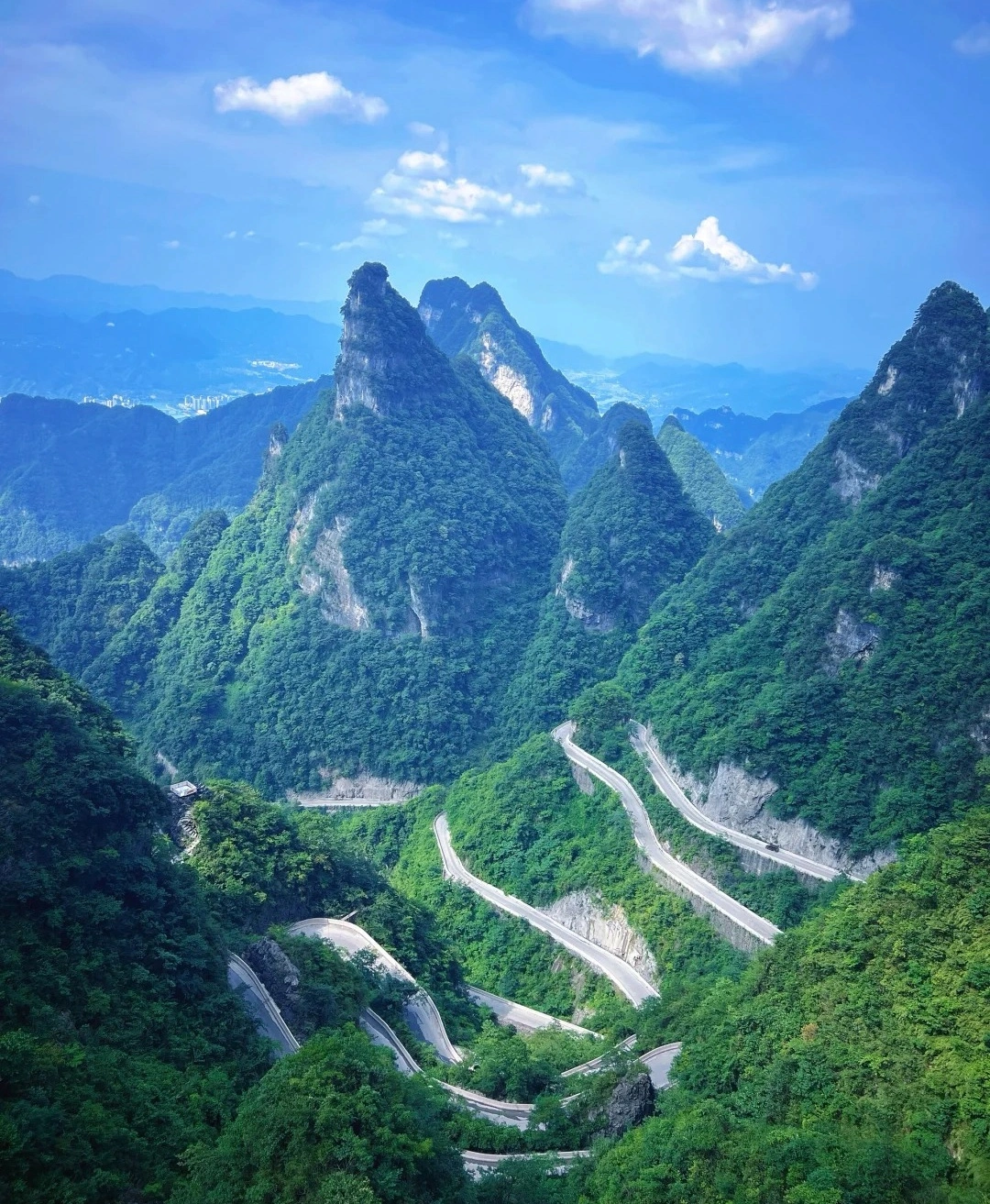
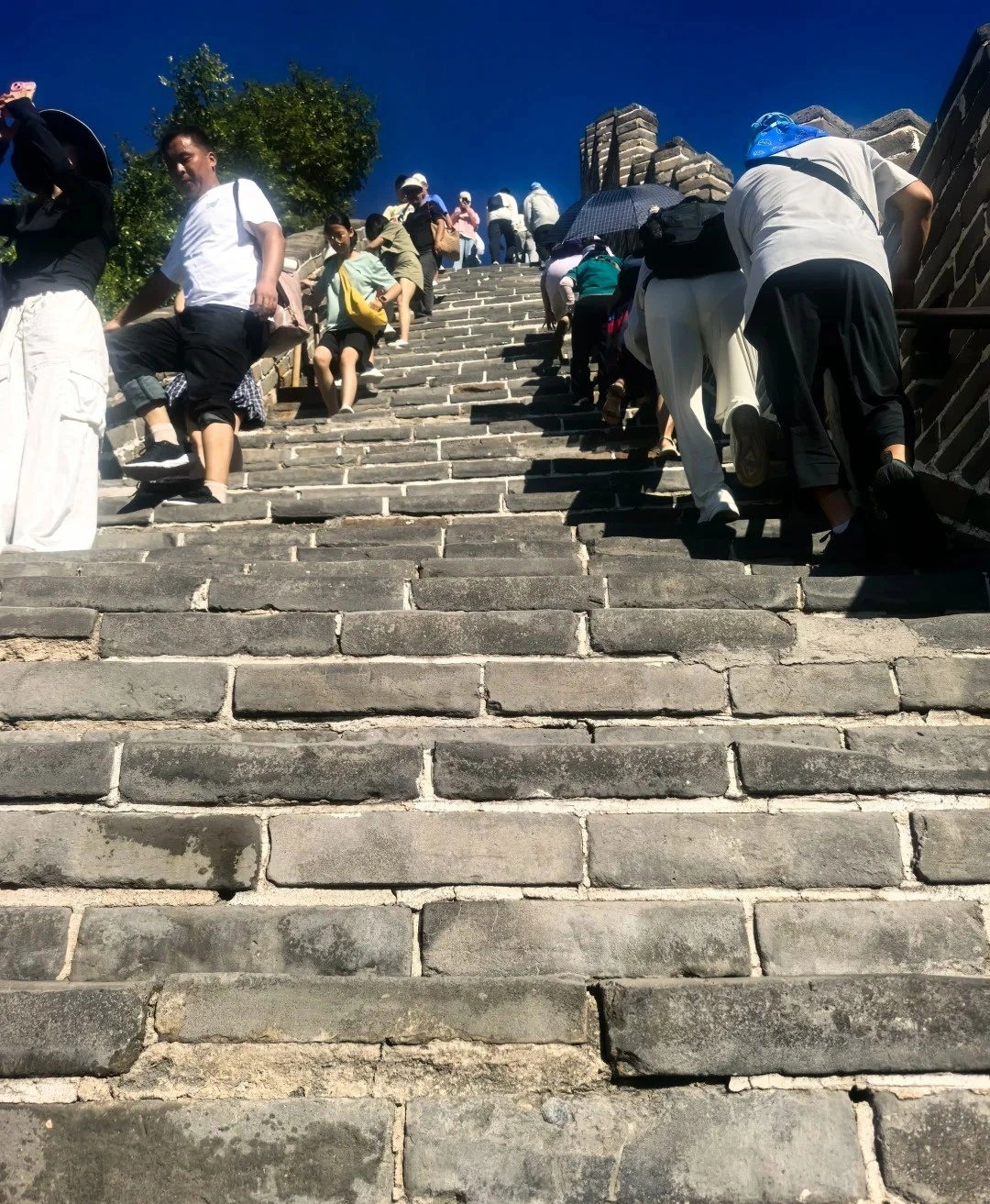
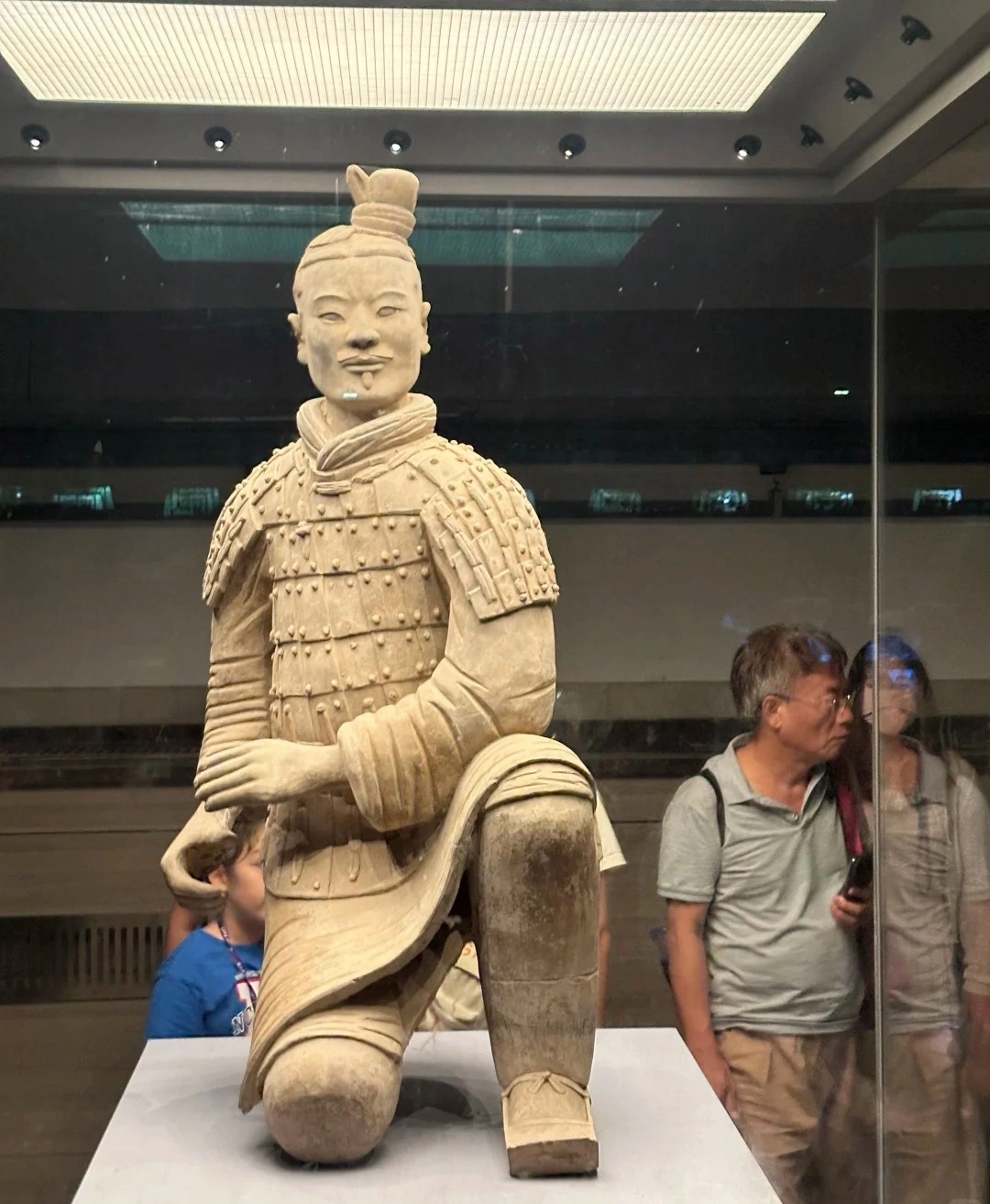
As a solo traveler from Canada, I was nervous about navigating China alone—but this 11-day tour was PERFECT! From hiking the Great Wall at sunrise (Day 3) to gasping at the Terracotta Army (Day 5), every day delivered ‘pinch-me’ moments. The real showstopper? Zhangjiajie’s Avatar Mountains (Day 7)! Our guide made the stone pillars come alive with stories.
Massive thanks for handling all logistics—bullet train tickets, entry passes, car! And the 4-star hotels surprised me.
Destination(s):
Beijing Xian Zhangjiajie Shanghai
Date of
Experience:
June 02,2025

Simon
America
Reviewed on May 29,2025
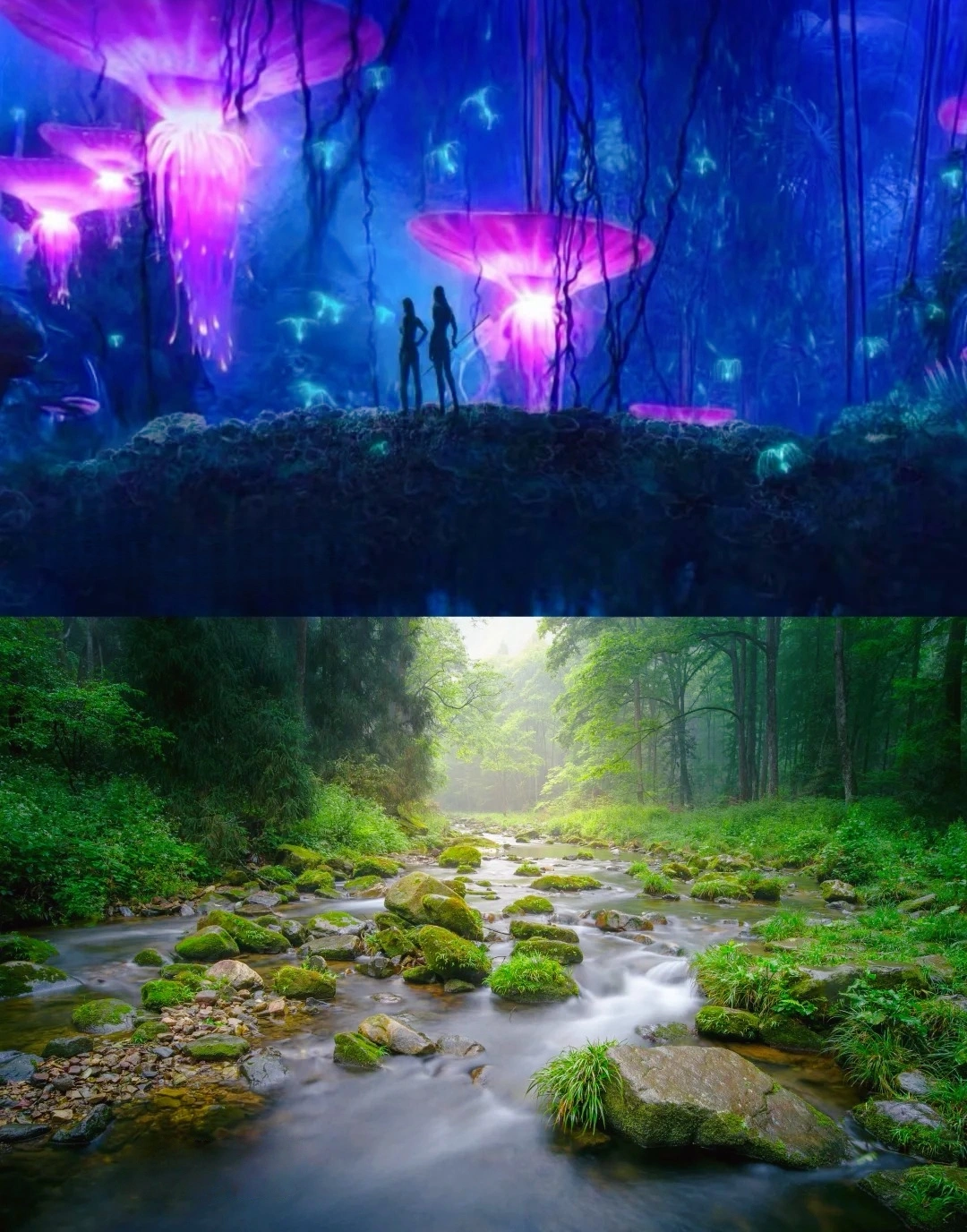
Our 2-day Zhangjiajie tour was beyond spectacular! As someone who’s visited Beijing and Shanghai for work, this trip revealed China’s wild, magical heart. Day 1 in Zhangjiajie National Forest Park felt like stepping onto Pandora—I’m a huge Avatar fan, and Yuanjiajie’s floating peaks left me breathless. The misty pillars and lush valleys like pure movie magic!
Then came Fenghuang Ancient Town, we eat dinner beside the thundering waterfall. It seems Unreal! The night views of stilt houses glowing over the river were straight from a fairy tale.
For fellow Avatar lovers and adventure seekers: Don’t miss this bucket-list experience! 10/10 would return.
A Well-Traveled Film Buff, May 2025
Destination(s):
Zhangjiajie
Date of
Experience:
May 08,2025