Natural Creation – Greenery and Light on the Imperial Road
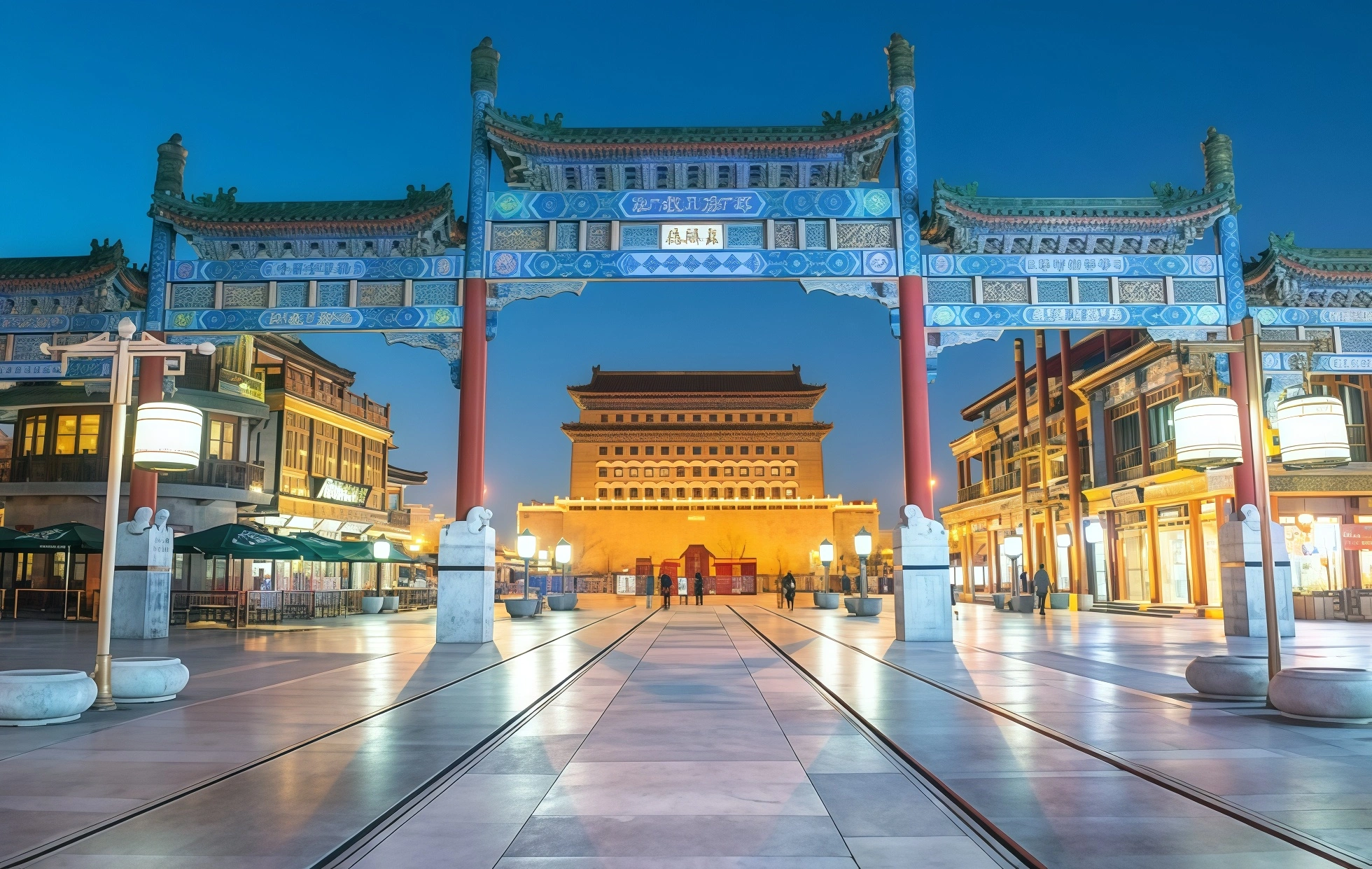
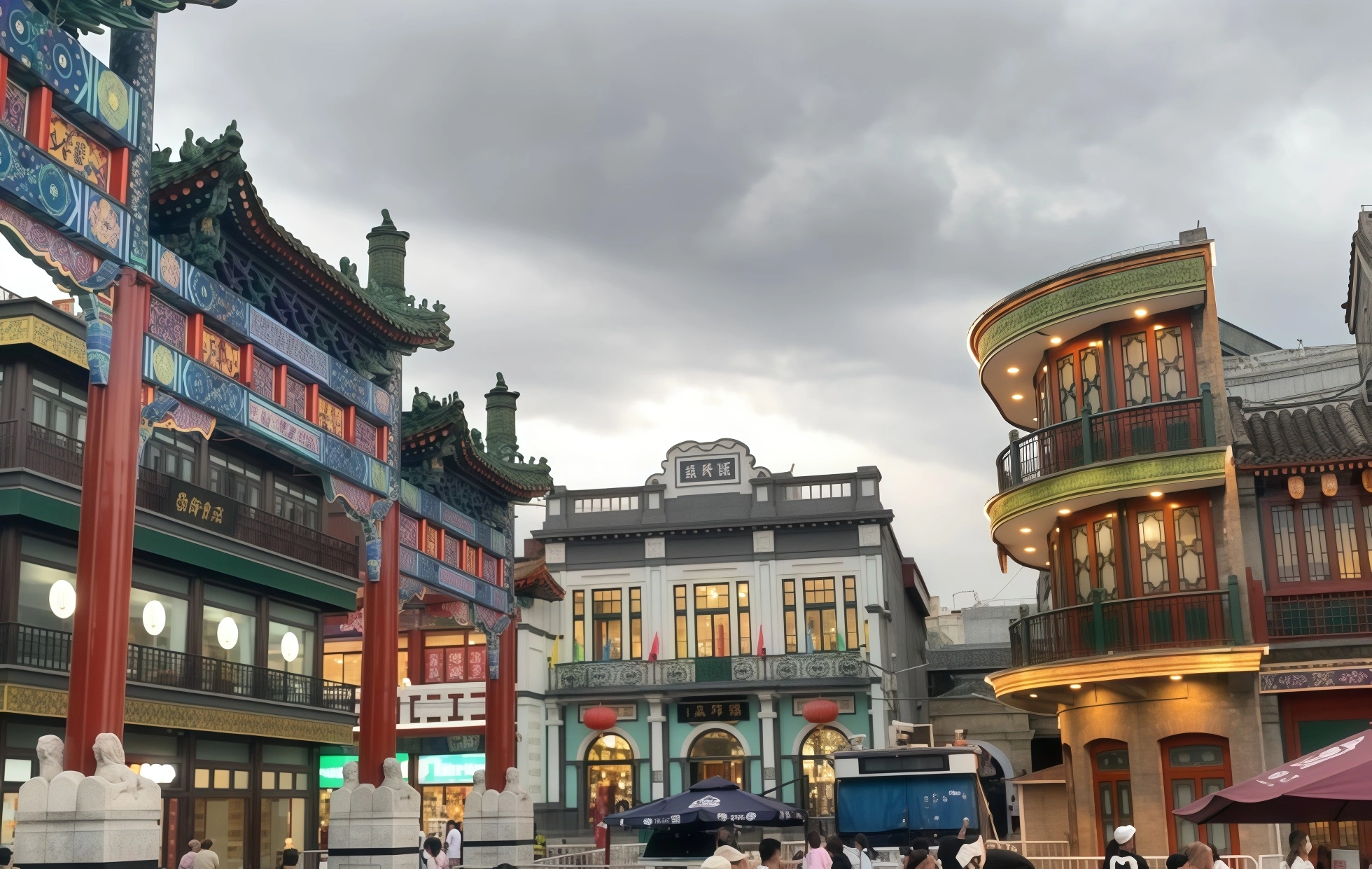
Although Qianmen Street is a commercial street, its unique spatial layout and greenery constitute a rare scenic line in the city.
Centennial Chinese Scholar Trees: A Breathing Green Corridor
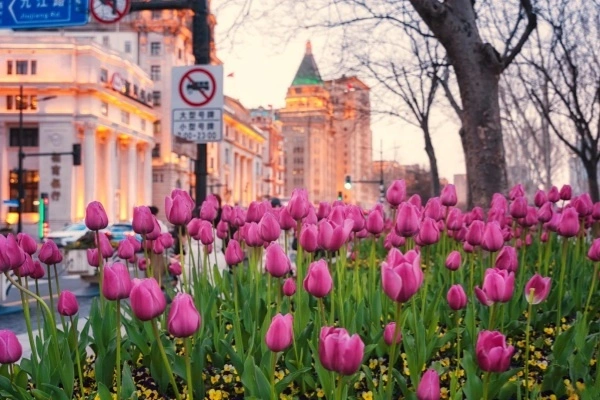
170 newly planted Chinese scholar trees line both sides of the street, forming a green, shaded corridor. In summer, their dense shade provides ample cover; in autumn, golden leaves carpet the ground. These trees are not only scenic but also witnesses to the comings and goings of people on the street. In the early morning, sunlight filters through the leaves onto the bluestone pavement, creating dappled shadows—a perfect backdrop for capturing stunning portraits.
The Four Seasons of Light and Shadow at Zhengyangmen
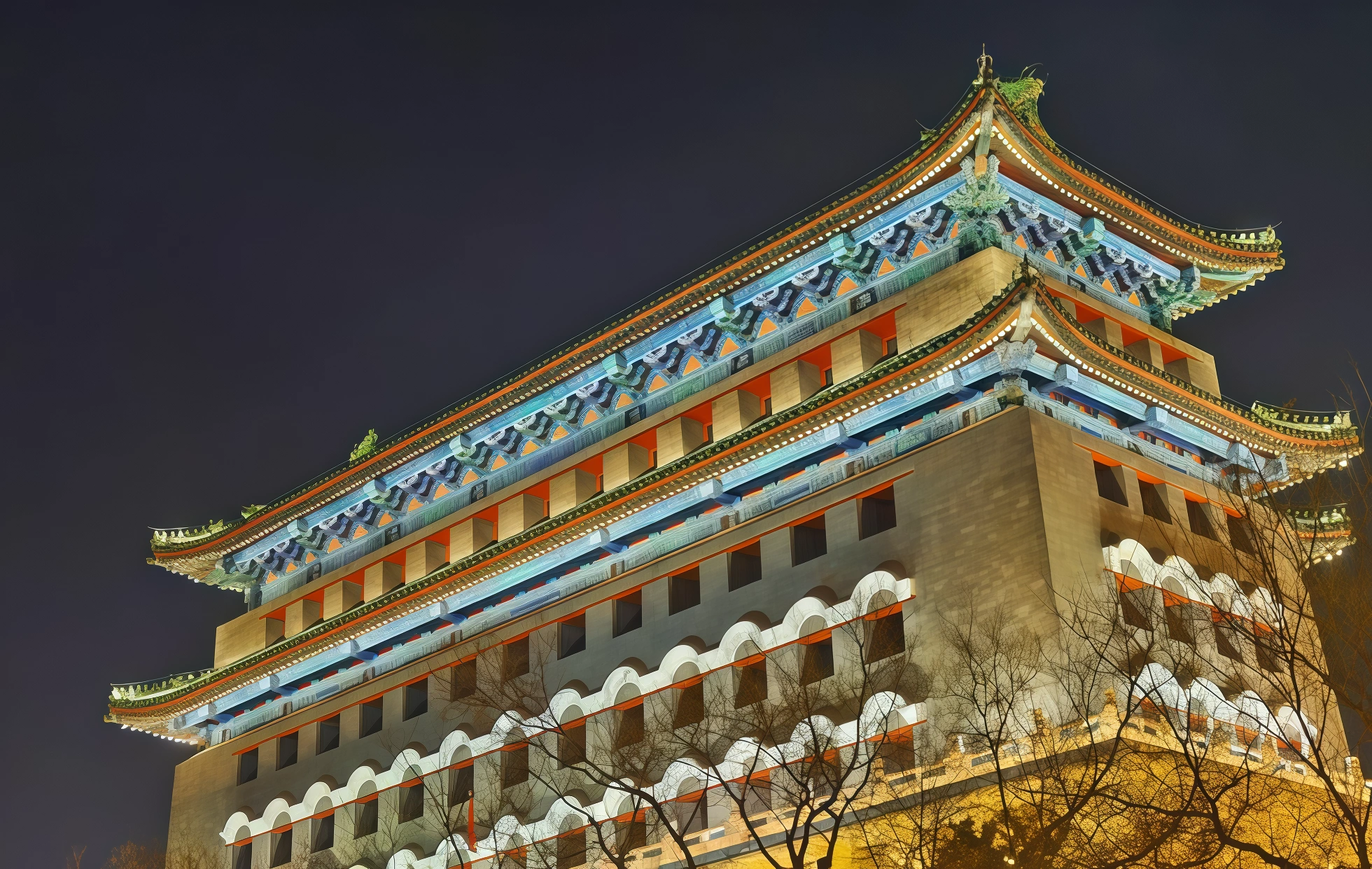
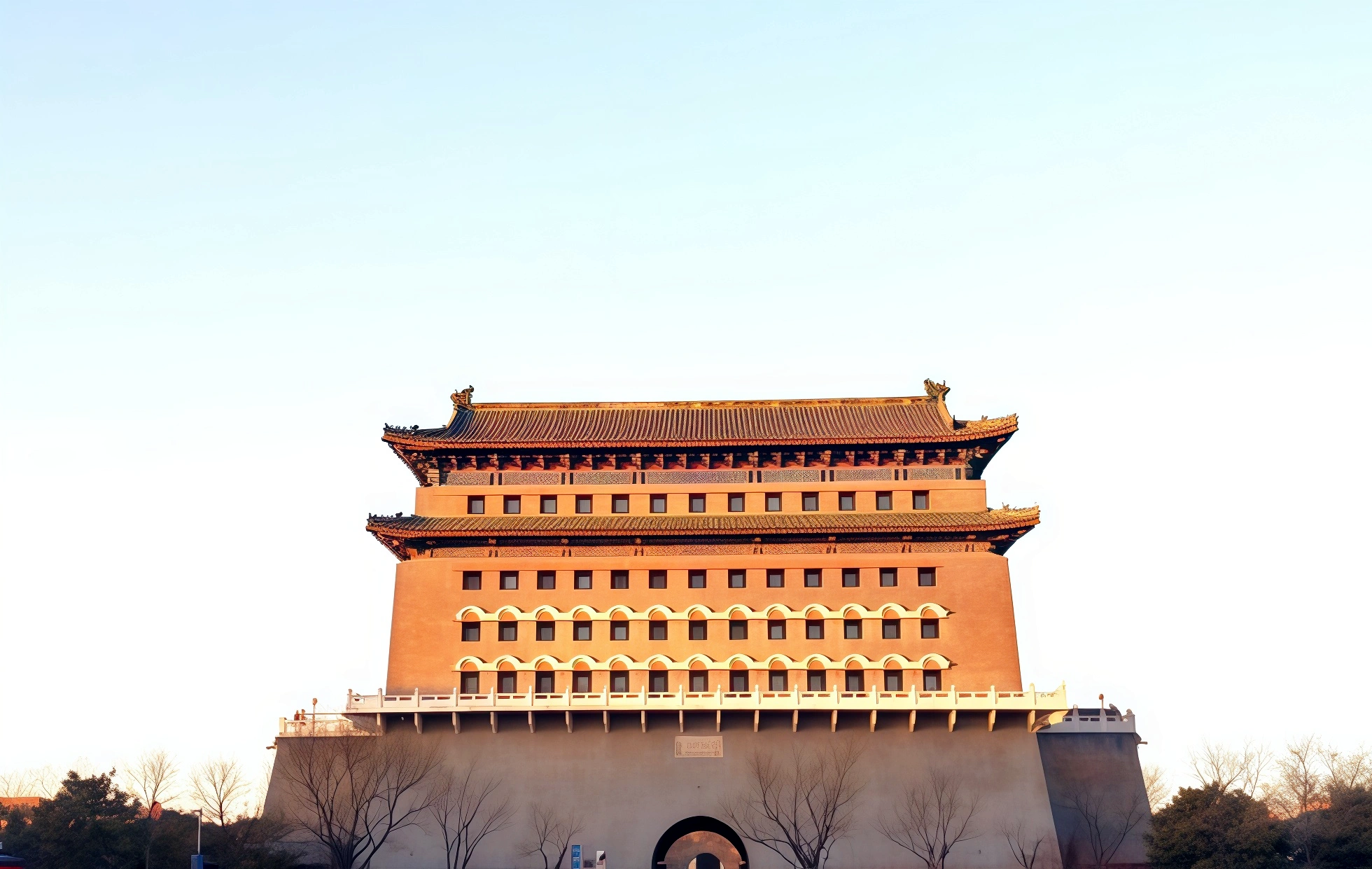
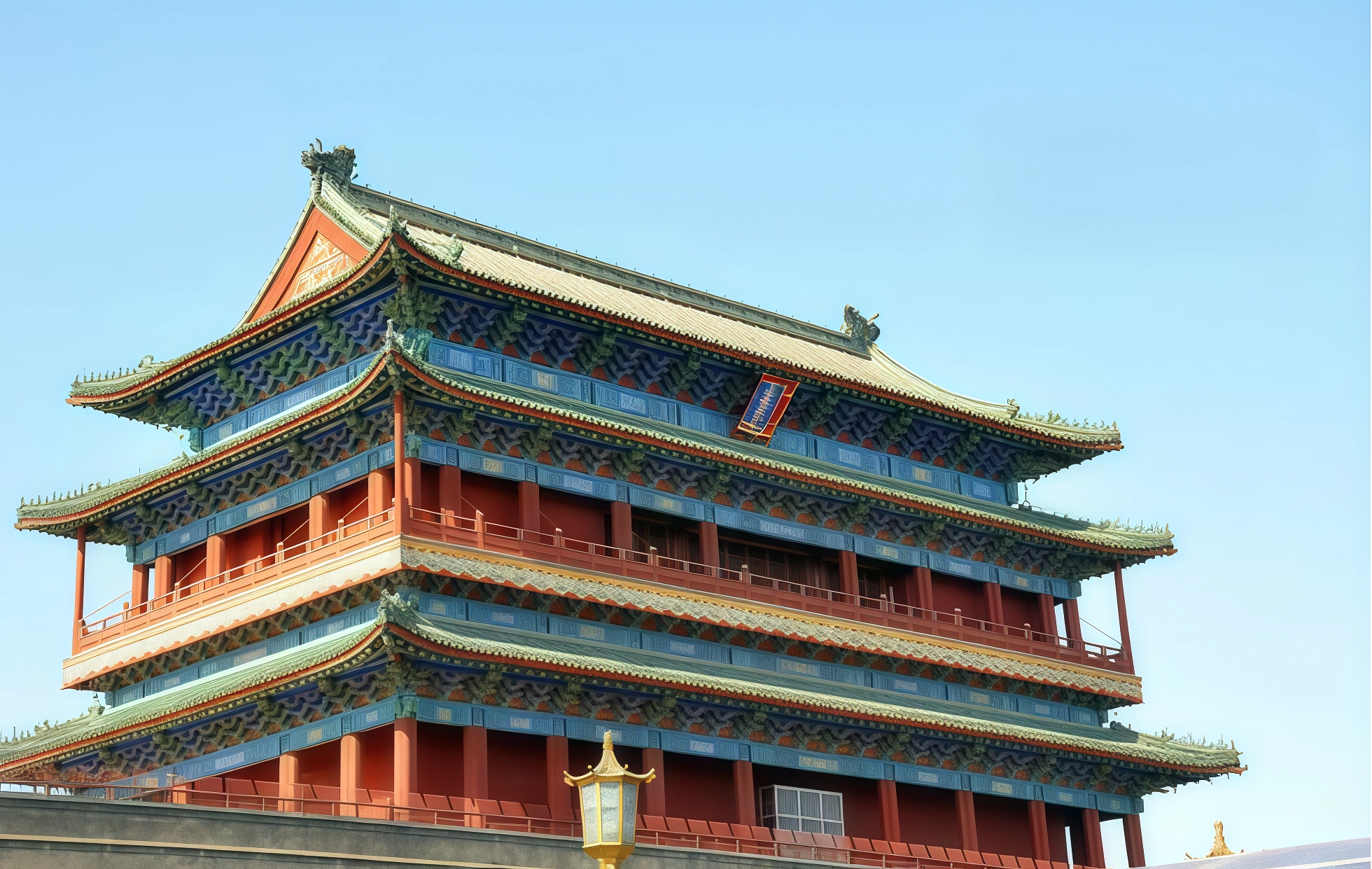
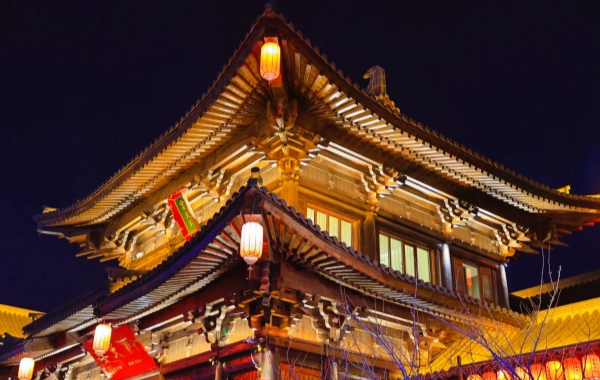
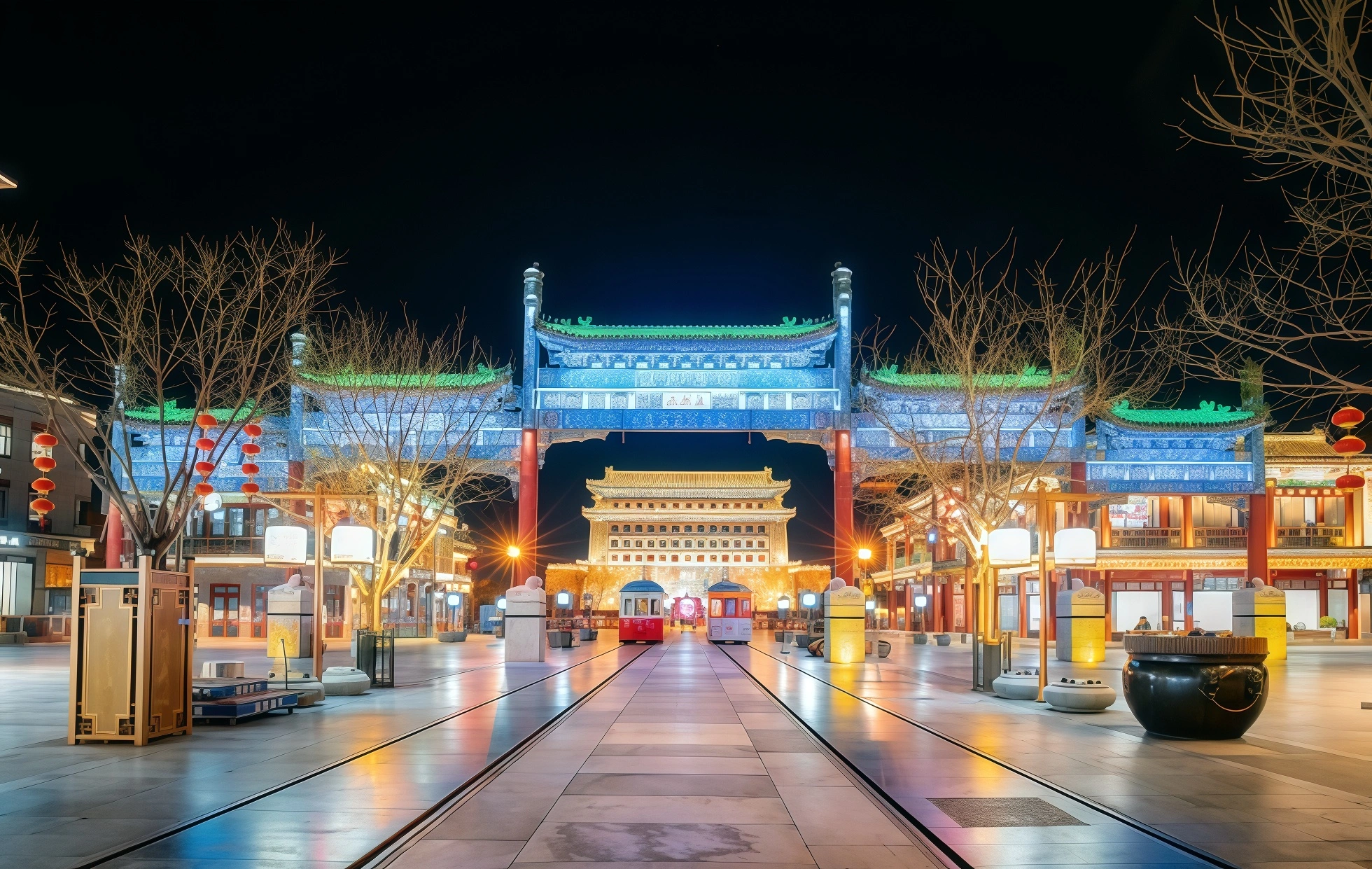
- Zhengyangmen (Qianmen Gate Tower): A landmark building on Beijing's central axis, its brick-red walls and glazed tiles display ever-changing charm with the changing seasons. The best time to photograph it is between 3 and 5 pm, when the soft light highlights the building's silhouette; at night, when illuminated, it exudes a more solemn atmosphere. The floor-to-ceiling windows on the third floor of the PAGE ONE bookstore in Beijing Fang offer a unique perspective of the gate tower alongside modern architecture.
A Glimpse of the Tram Era
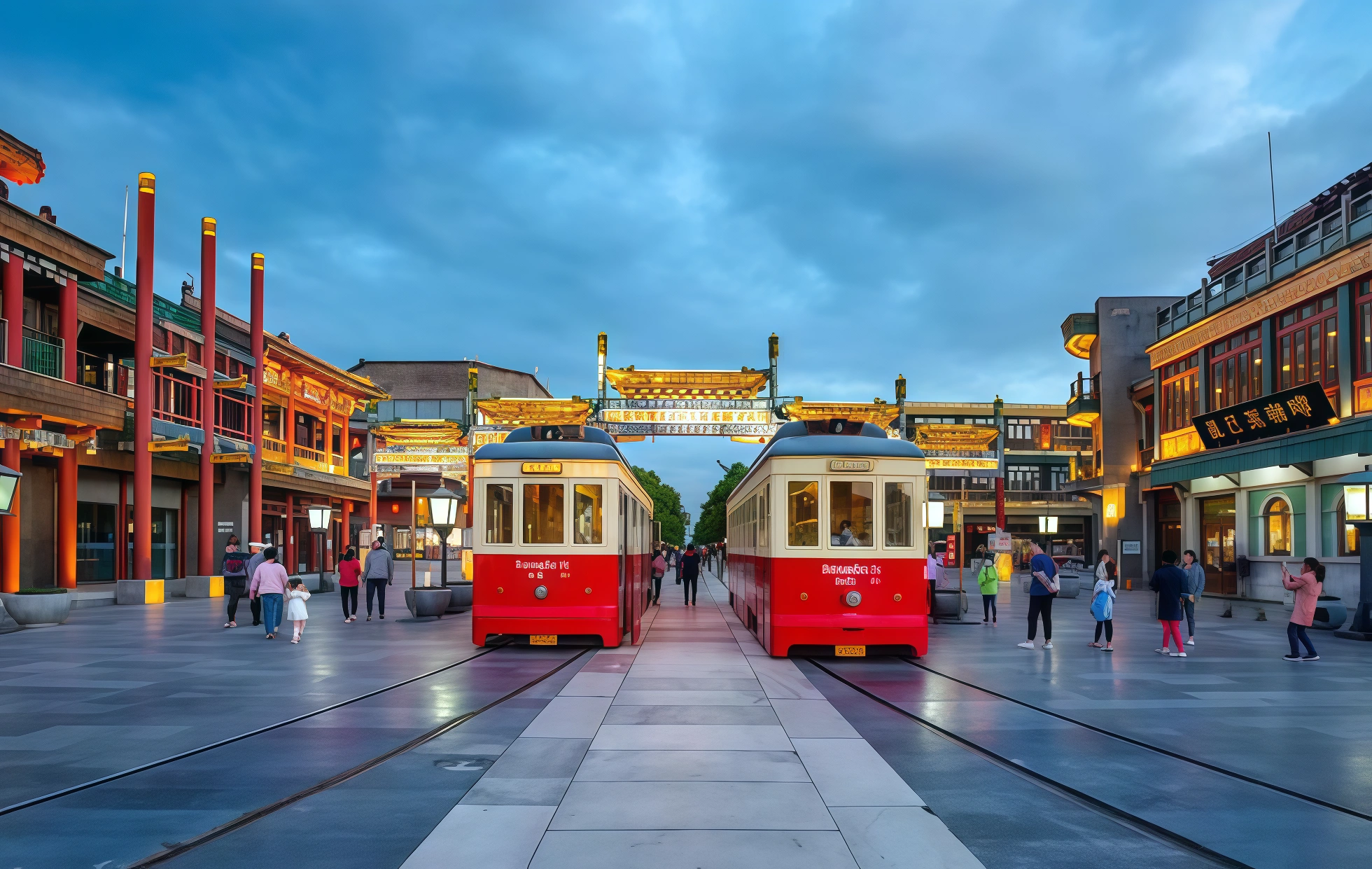
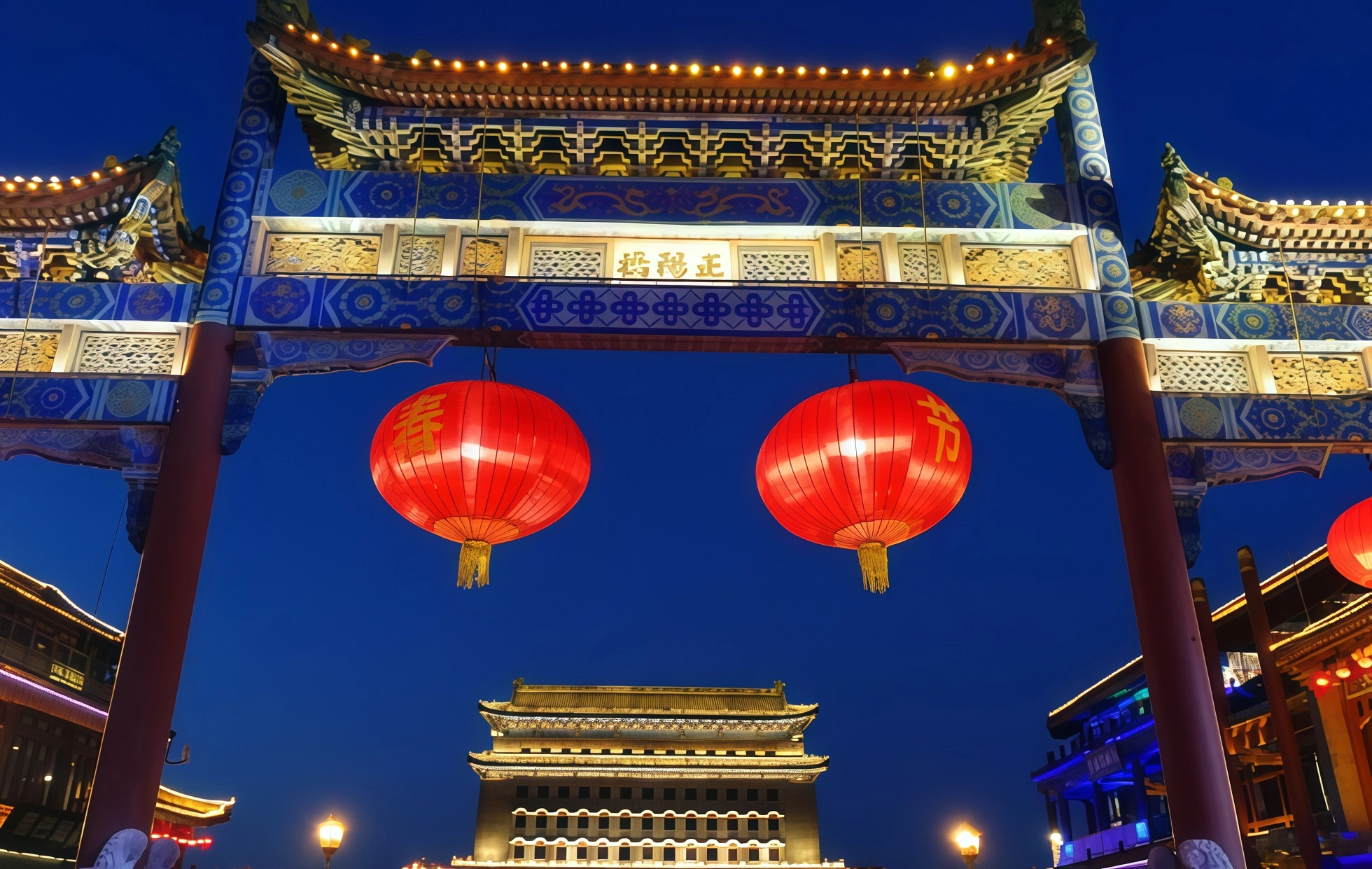
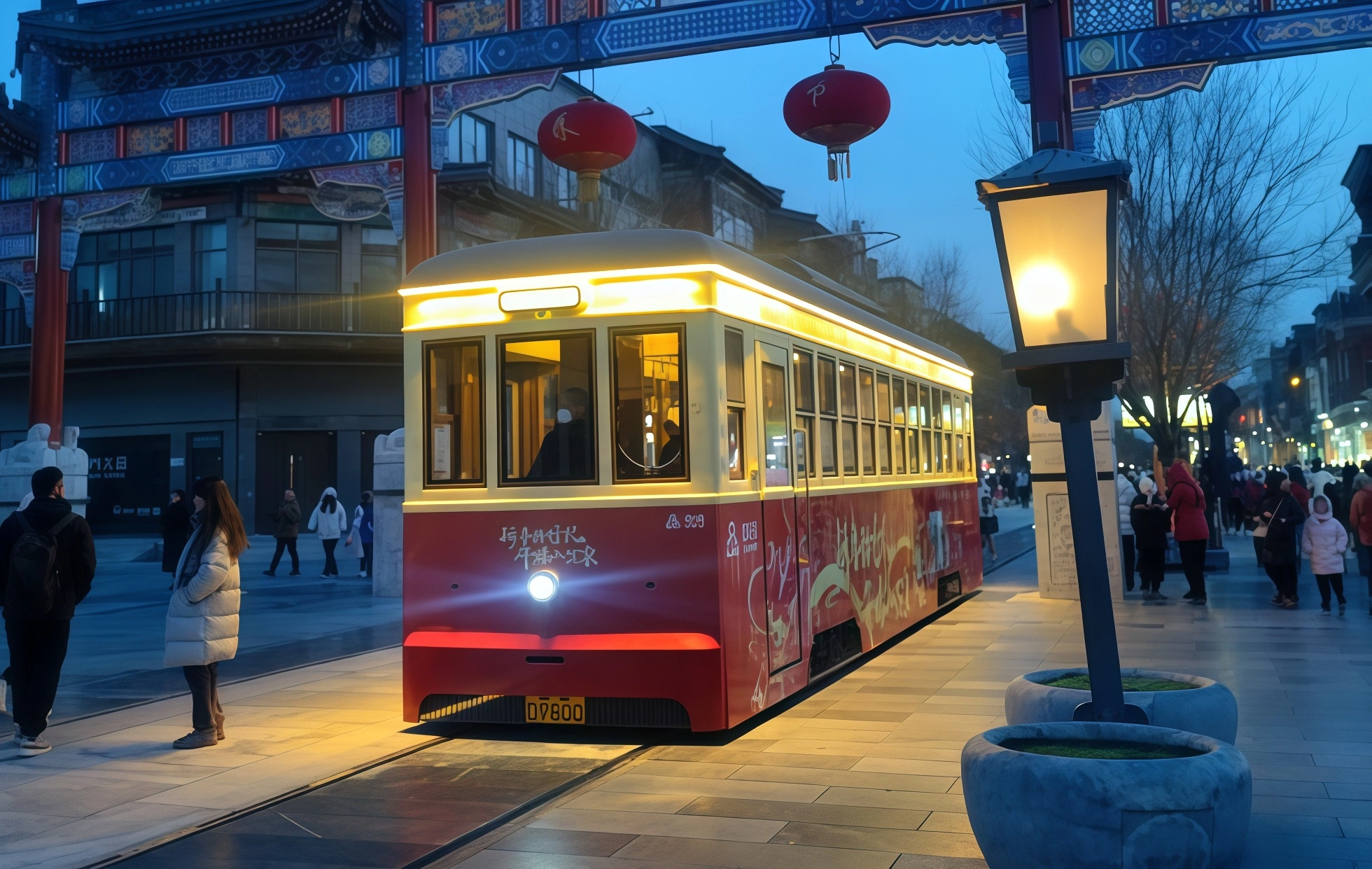
The revived "Ding-Ding" tram is a moving spectacle on the street. As the afternoon sun slants through the Wupailou (Five Archways), the moment the tram passes by seems to transport you back to the streets of the Republic of China era a century ago. Rain or shine, waiting for the tram to pass and capturing a dynamic photo is imbued with a retro charm.
> Photography Tips: The best panoramic view of Zhengyangmen is from the third floor of the PAGE ONE bookstore in Beijing Fang;
Under the Wupailou, you can capture the dynamic scene of the trams passing by;
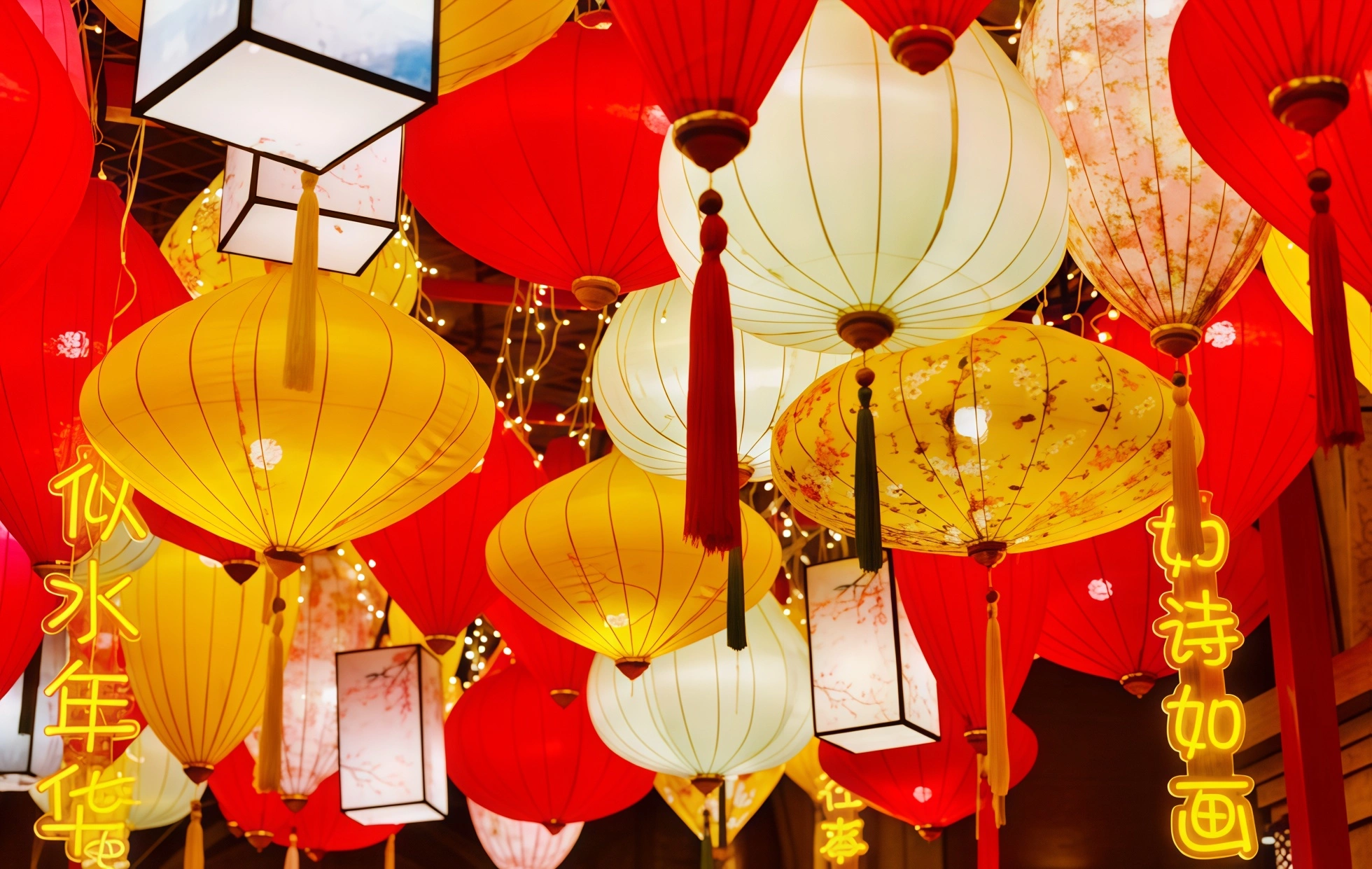
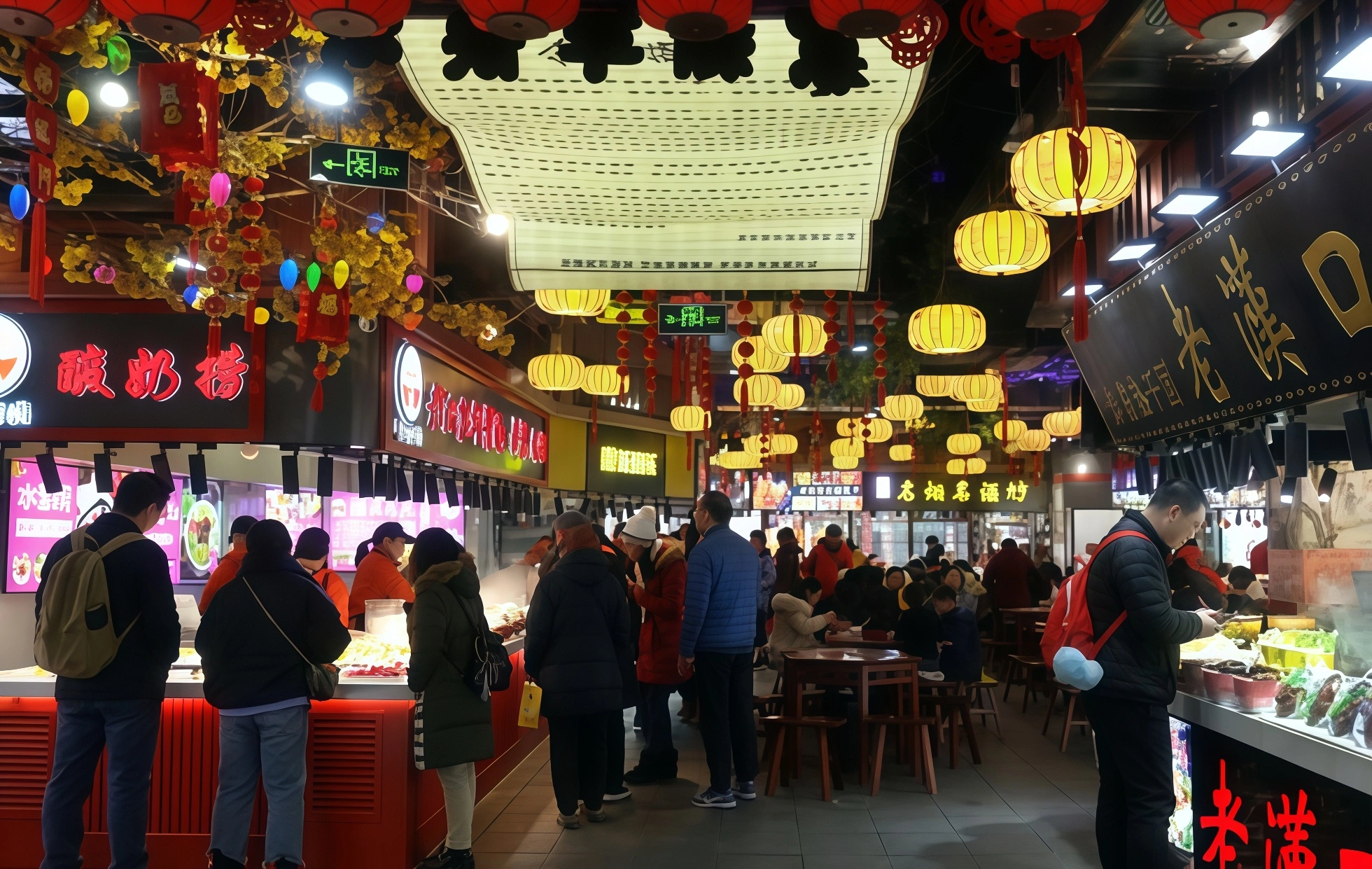
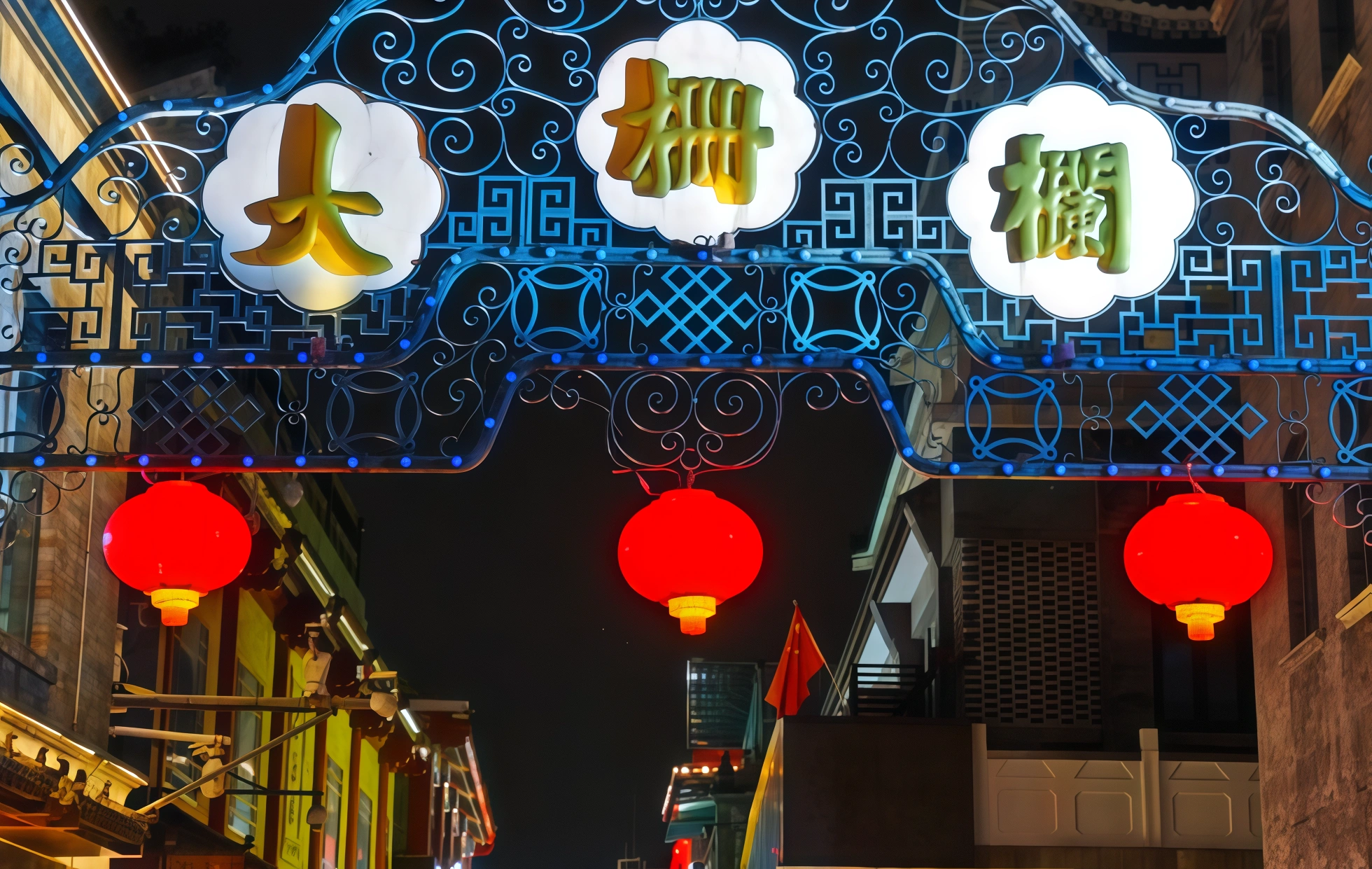
At dusk, the red lanterns light up, filling the entire street with atmosphere;
The bluestone pavement after the rain reflects the lights, creating a unique poetic scene.
2.2 Humanistic Craftsmanship—The Civilization Code in Time-Honored Brands and Hutongs
The humanistic essence of Qianmen Street is hidden behind the plaques of century-old brands and within the crisscrossing network of hutongs.
Time-Honored Brand Museum Cluster: Living Commercial Civilization
Qianmen Street is a gathering place for Beijing's time-honored brands; each shop is a living history.
- Ruifuxiang Silk and Cloth Shop: A renowned silk and satin shop founded in the Qing Dynasty. Legend has it that Empress Dowager Cixi once commissioned fabrics here. Now a national key cultural relic protection unit, the shop still maintains its traditional counter layout, displaying a dazzling array of silks and satins.
- Neiliansheng Shoe Shop: A time-honored brand specializing in cloth shoes. There's a saying: "Wear Majuyuan shoes on your head, and Neiliansheng shoes on your feet." Inside, you can see master craftsmen making shoe soles on the spot; these multi-layered cloth shoes embody the elegance of old Beijing.
- Liubiju Sauce Shop: A sauce and pickle shop originating in the Ming Dynasty. The old plaque is said to have been inscribed by Yan Song during the Jiajing era. The sauces pickled in the vats have a centuries-old flavor.
- Tongrentang Pharmacy: "Although the processing is complex, we dare not skimp on labor; although the ingredients are expensive, we dare not reduce the quality." This golden signboard bears witness to the inheritance of Chinese medicine.
- Duyichu Shaomai Restaurant: A century-old shop named by Emperor Qianlong. The shaomai wrappers are rolled out with 24 hems, each one a work of art.
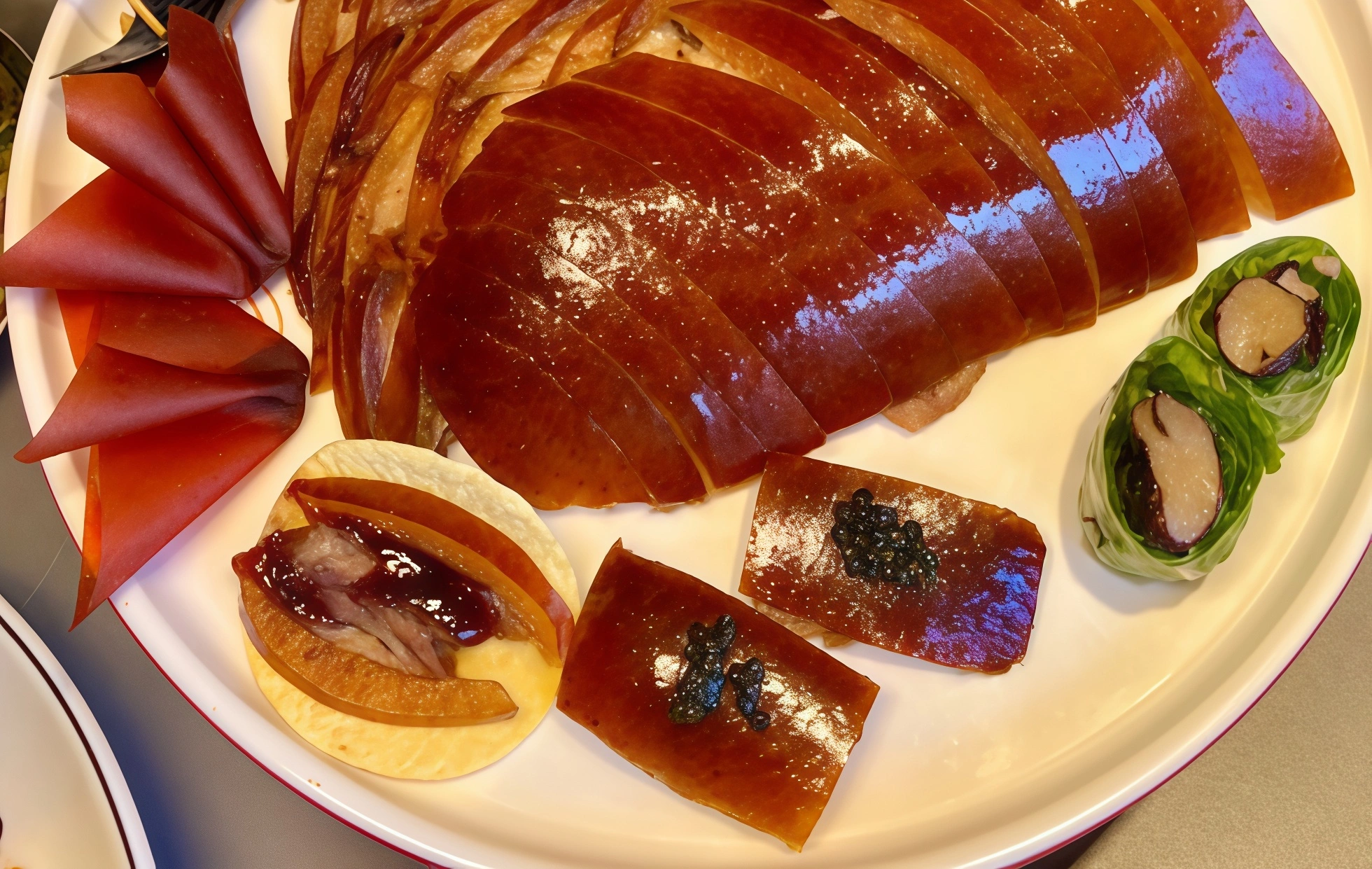
- Quanjude Roast Duck Restaurant: Synonymous with Chinese roast duck, the original restaurant was founded in the third year of the Tongzhi reign of the Qing Dynasty.
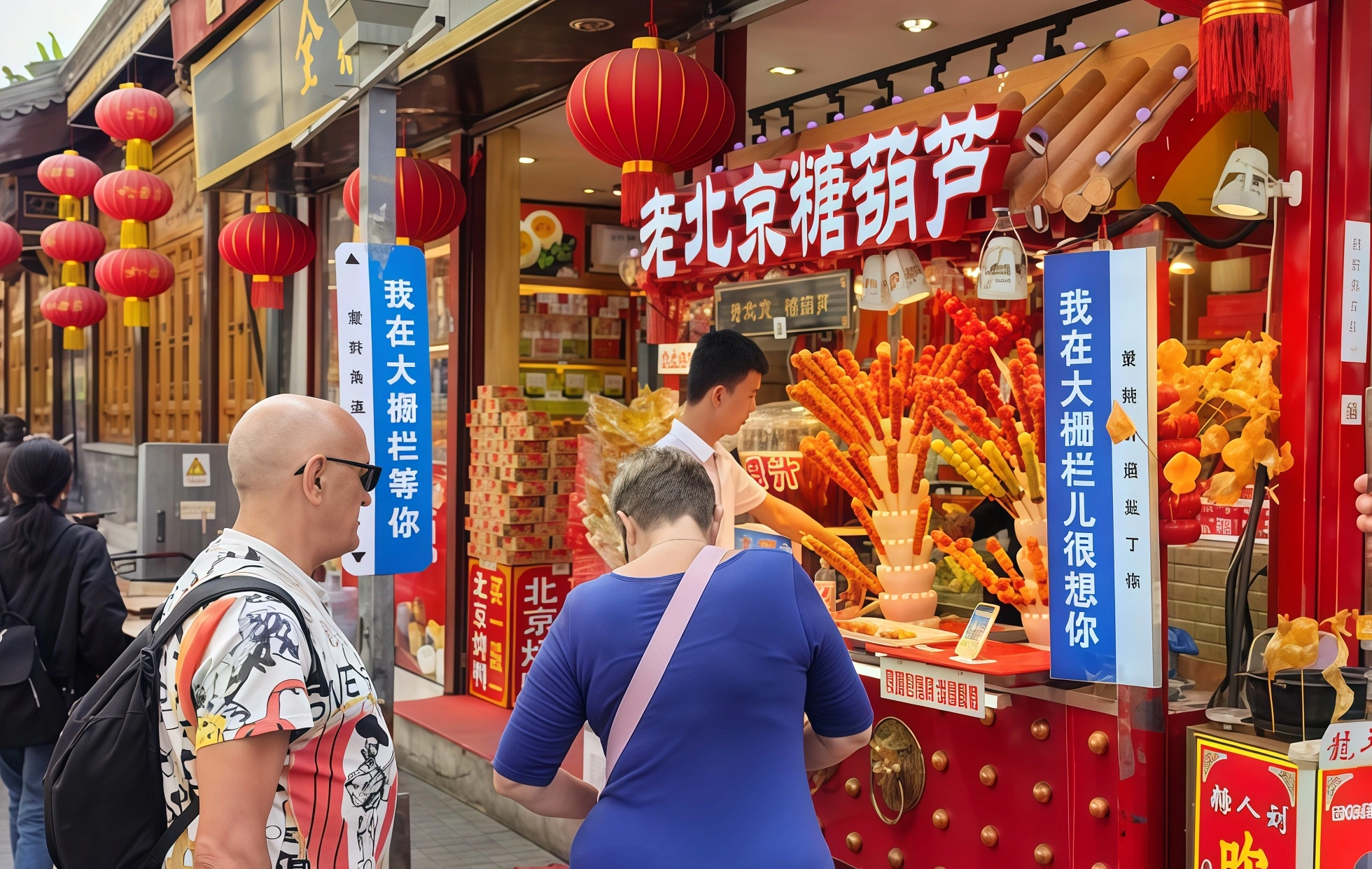
Dashilan: The Everlasting Vibrant Street Life
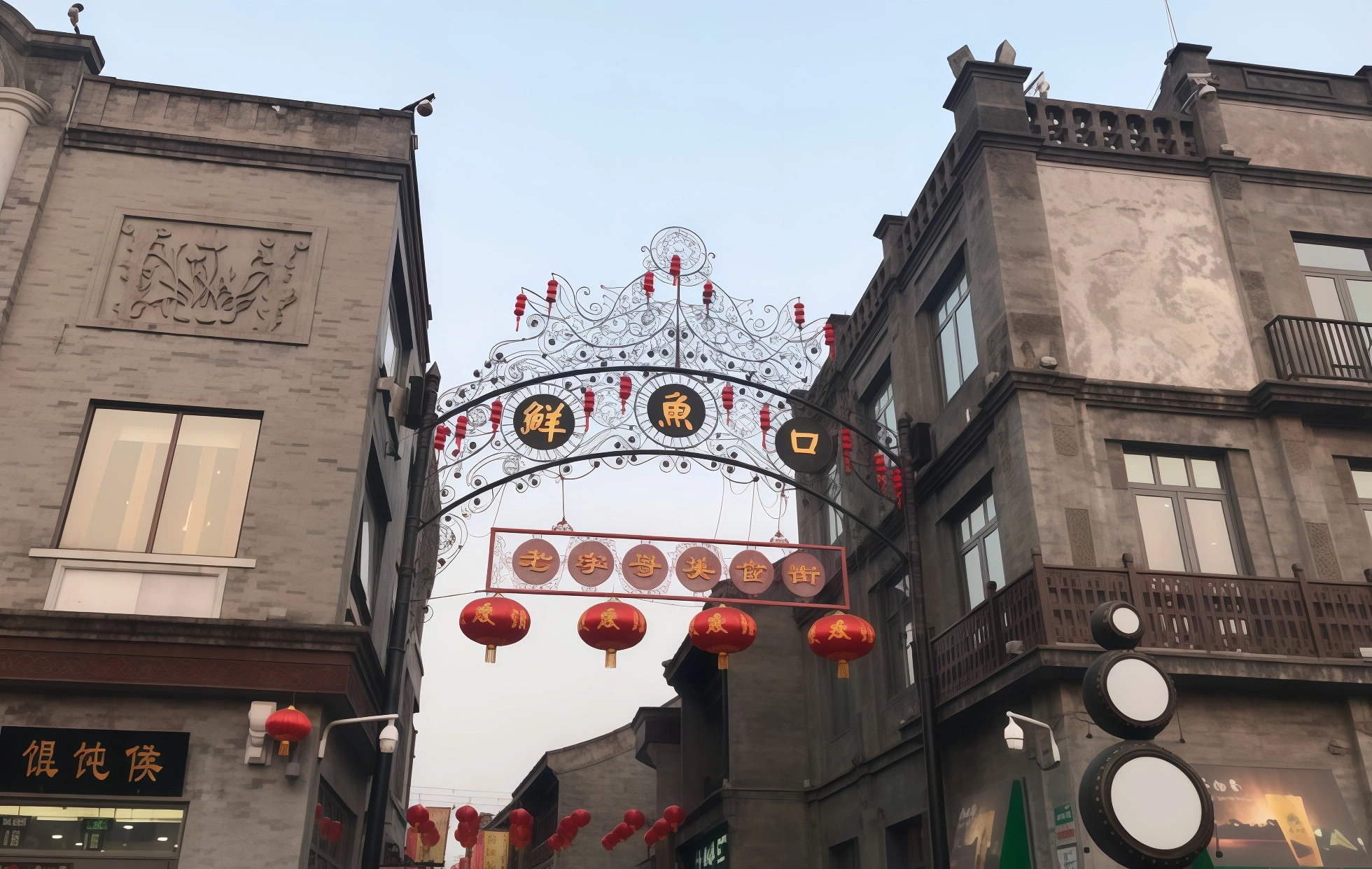
Dashilan is the soul of the Qianmen area. This old street with its blue bricks and gray tiles has remained one of the most prosperous commercial streets in Beijing from the Ming and Qing Dynasties to the present day.
- Old Theaters: Guanghelou and Zhonghe Theater witnessed the glory of countless famous actors. On the night of the September 18 Incident in 1931, Zhang Xueliang learned of the incident at Beidaying in Shenyang while watching Mei Lanfang's performance at Zhonghe Theater.
- Guanlou Cinema: One of the important birthplaces of Chinese cinema.
- Old Building Complex: Modern commercial buildings such as Xiangyihao and Ruifuxianghongji are all listed as national key cultural relics protection units.
The Eight Great Hutongs and the Past of Peking Opera
Baishun Hutong and Hanjiatan (now Hanjia Hutong), located west of Qianmen, were once the gathering places of famous Peking Opera actors.
- Baishun Hutong: The former residences of renowned Peking Opera artists such as Cheng Changgeng, Chen Delin, Chi Yueting, and Yu Jusheng are all marked. It is said that Yang Yuelou and his son Yang Xiaolou also lived here.
- Hanjiatan: The former residence of the Sanqing Troupe, one of the four major Anhui opera troupes. A local proverb says, "People don't shy away from the road, tigers don't leave the mountain, and opera singers don't leave Baishun Hanjiatan."
- Ji Xiaolan's Former Residence: Located near Hufangqiao, visitors can tour the Yuewei Caotang (a traditional thatched cottage).
Yangmeizhu Xiejie (Yangmeizhu Slanting Street): A tranquil corner for literary youth.
This slanting street retains old buildings such as bookstores and guild halls, and is now filled with creative shops and cafes, exuding a strong artistic atmosphere. The famous historical geographer Hou Renzhi recalled buying the magazine "Middle School Student" here in his youth, marking the beginning of his academic career. Shops like Qiankun Space specialize in niche creative products, attracting many celebrities to visit.
Qianshi Hutong and Shijia Hutong: Beijing's Financial Memories
- Qianshi Hutong: Beijing's narrowest hutong, 55 meters long and only 0.4 meters wide at its narrowest point, requiring two people to turn sideways to pass each other. At its western end is a Qing Dynasty-run official silver and coin exchange hall, the oldest and most complete existing "financial exchange" in China.
- Shijia Hutong: Once home to dozens of financial shops, it was known as "Beijing's Wall Street."
> Cultural Exploration: Dashilan boasts a concentration of time-honored shops, perfect for a leisurely half-day stroll; Yangmeizhu Xiejie is ideal for an afternoon stroll, exploring creative cultural shops like Qiankun Space; Pay attention to street signs in the Eight Great Hutongs area, as many former residences of famous figures are clearly marked.