Five Must-Do Activities for a Complete Bipeng Valley Journey
1. Capture a Set of Seasonal Masterpieces
Spring (Apr-May): Capture the vitality of alpine rhododendrons blooming defiantly against snowy peaks.
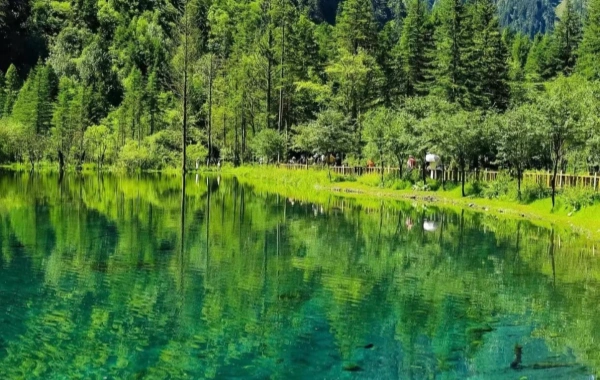
Summer (Jun-Aug): Photograph the lush green, cool world, and the clouds weaving around the mountains.
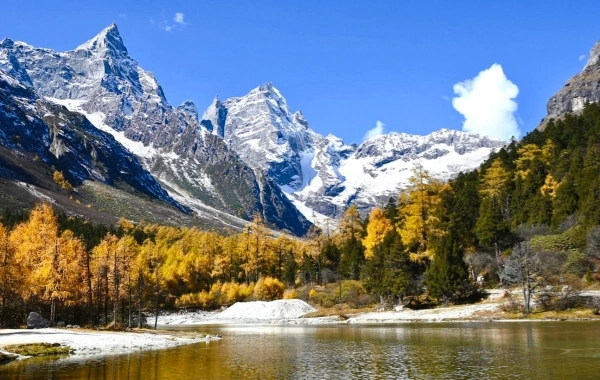
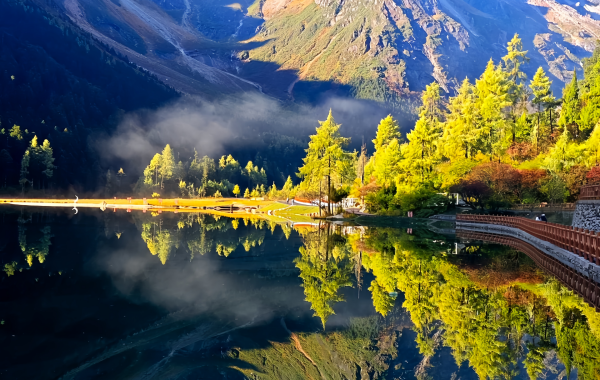
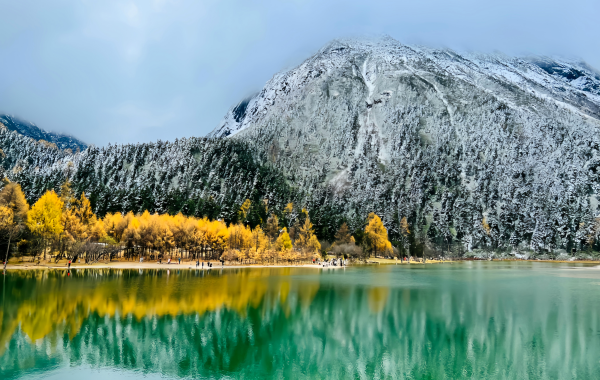
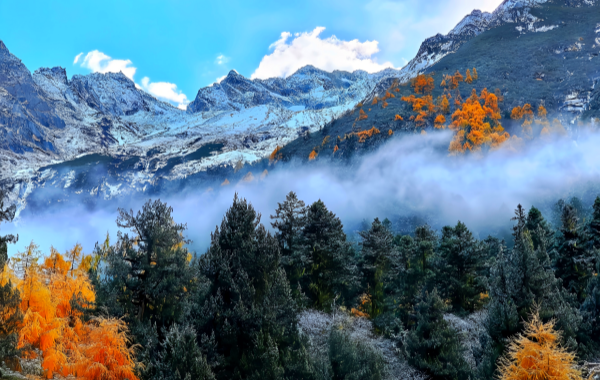
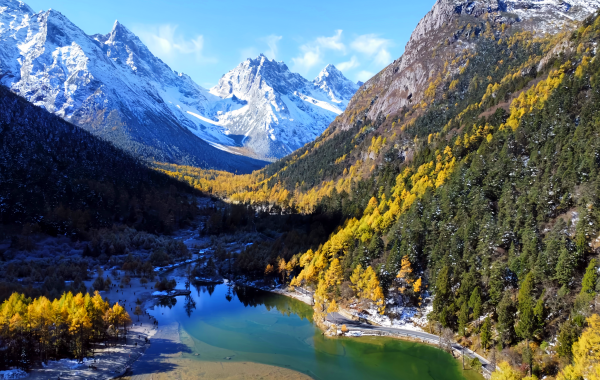
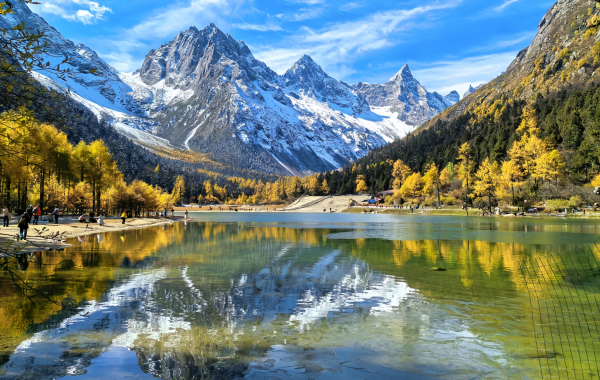
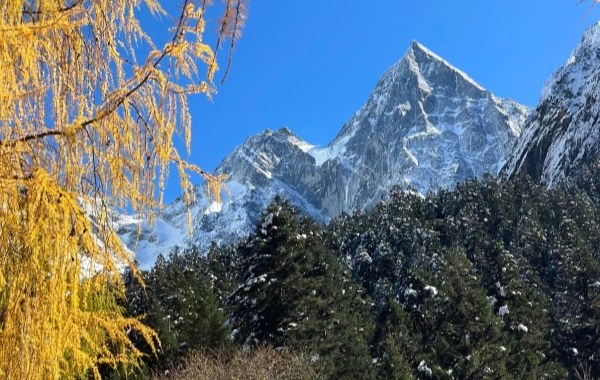
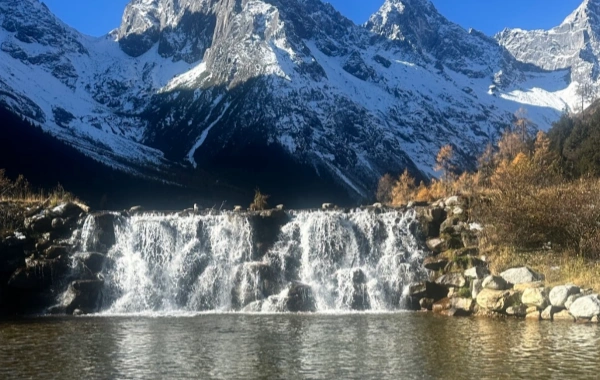
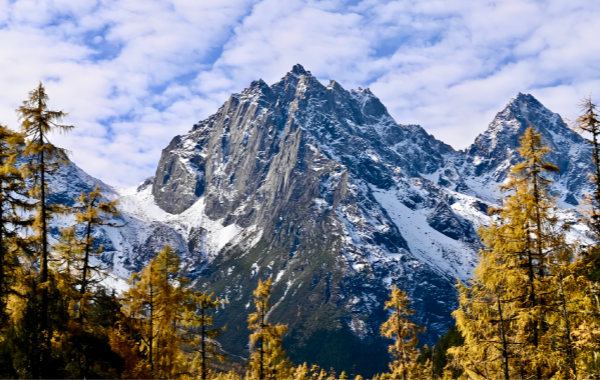
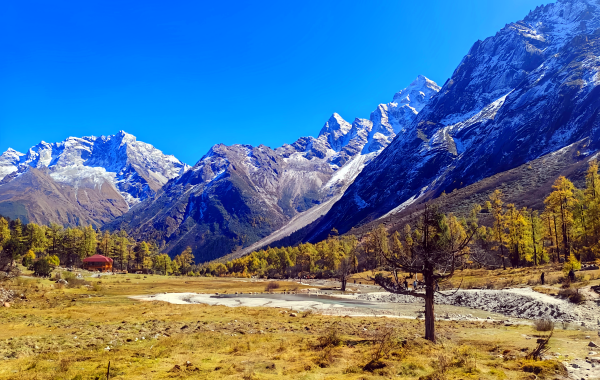
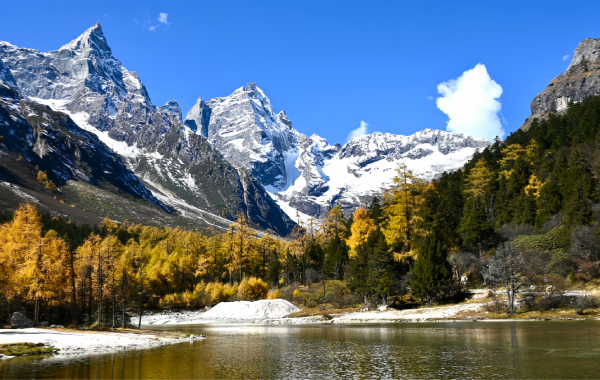
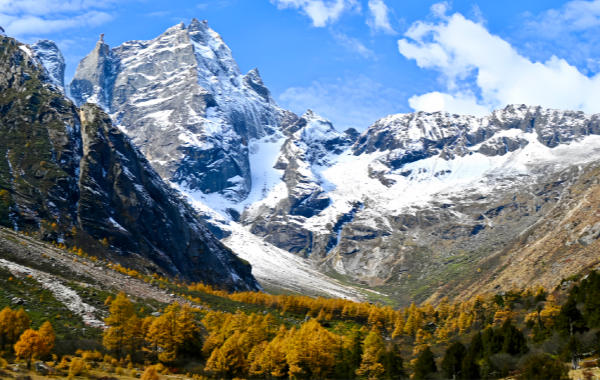
Autumn (Sep-Nov): Focus on creating oil-painting-like images of colorful forests, snow mountains, and lakes, especially the "half mountain colorful forest, half mountain snow" spectacle.
Winter (Dec-Mar): Document the pure world draped in silver, capturing the blue shadows cast by sunlight on the snow.
2. Embark on a Lakeside Hiking Feast
Classic Route: Take the sightseeing bus to the highest point, Yanziziya (3,837m), then hike down the boardwalk to Pan-yang Lake. This section holds the essence of Bipeng Valley, with ever-changing views of snow mountains, streams, meadows, and forests. Takes about 2-3 hours.
Niche Experience: Stroll around Dragon King Lake early in the morning, listening to the mist dissipate, enjoying the peace all to yourself.
3. Stay in a Home Embraced by Snow Mountains
Top-Tier Experience: Namu Lake Hotel. The only accommodation inside the scenic area, consisting of several villas. Staying here saves travel time and allows you exclusive enjoyment of empty snow mountains and lakes at dawn and dusk (requires booking months in advance).
Budget-Friendly Options: Lixian County Town or Gully Town outside the scenic area offer various hotels and Tibetan-style homestays with more choices and lower prices, plus access to Gulgou Hot Springs.
4. Savor Authentic Tibetan and Qiang Flavors
Must-Try Dishes: Lixian Yak Meat, Tibetan Hot Pot, Pickled Vegetable Noodle Slices.
Snack Hunt: Outside the scenic area or in Lixian County, try freshly baked Highland Barley Cakes, Butter Tea, and buy fresh sweet cherries from locals, often much cheaper than in cities.
5. Engage in Fun Interactions or a Challenge
Winter Special: Experience skiing, snowmobiling, and other activities at the Namu Lake Snow Playground.
Cultural Interaction: If visiting during festivals, join the celebrations and learn a Guozhuang dance.
Extreme Challenge: Bipeng Valley is the endpoint of the classic "Changping Valley-Bipeng Valley" crossing. Experienced hikers can reverse the route with professional guides and equipment.
Suggested Tour Routes
One-Day "Essence Tour" (Efficient Play):
8:30 AM Arrive at Visitor Center → Take sightseeing bus to Shanghaizi Service Area (around 10:00 AM) → Buy sightseeing bus tickets to go directly to Yanziziya (play 1 hr) → Take bus down to Pan-yang Lake (core area), hike the boardwalk, have lunch (play 1.5 hrs) → Hike or bus down to Zhuoma Lake / White Dragon Waterfall (play 40 min) → Bus back to Shanghaizi, transfer to sightseeing bus downhill, get off at Dragon King Lake (play 30 min) → Leave by sightseeing bus around 4 PM.
IntoTravelChina Tip: This efficient itinerary is best with pre-booked tickets and transport packages booked through us.
Two-Day "Immersive" Tour (Highly Recommended, Combining Nearby Attractions):
Day 1: Depart Chengdu, arrive in Lixian via expressways. Afternoon visit Taoping Qiang Village and Gancang Tibetan Village. Overnight in Gully Town, soak in Gulgou Hot Springs.
Day 2: Enter Bipeng Valley around 8:30 AM, follow the one-day essence route. Exit around 4 PM, return.
IntoTravelChina Advantage: We can book your accommodation, arrange transport, and provide detailed hiking guides.
Professional Guide: IntoTravelChina offers private customized tours with dedicated guides and transport. >> [Consult for Customization Now]