Humanistic craftsmanship - solidified epic of Shu Han
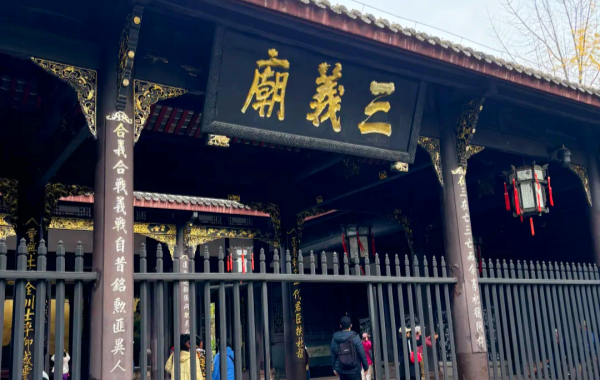
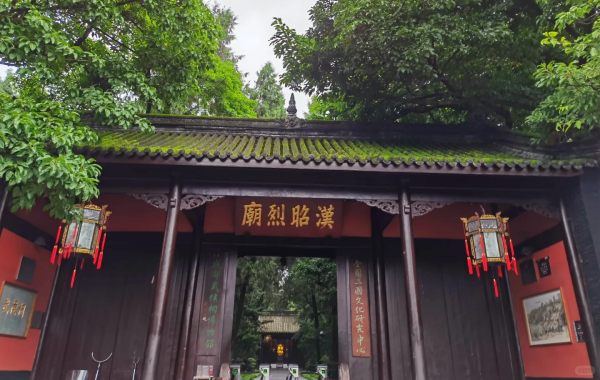
The architectural sequence of Wuhou Temple itself is a rigorous and narrative epic, unfolding along the central axis and telling the story of history in sequence.
Tang Stele and the Corridor of Literary Officials and Martial Generals: A Thousand Year Praise for Setting the Tone
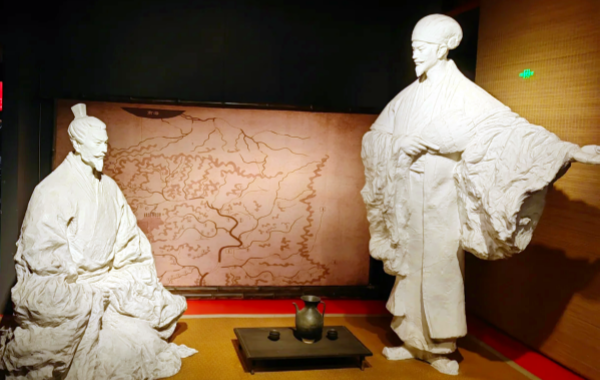
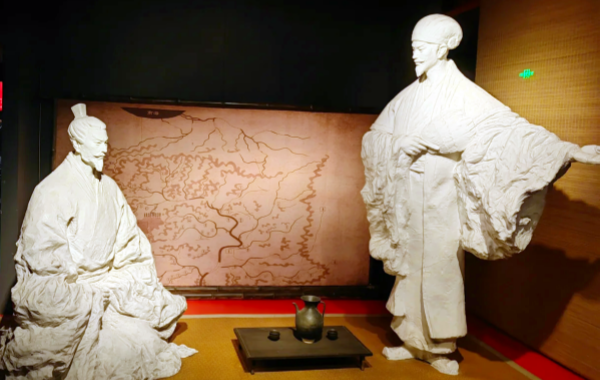
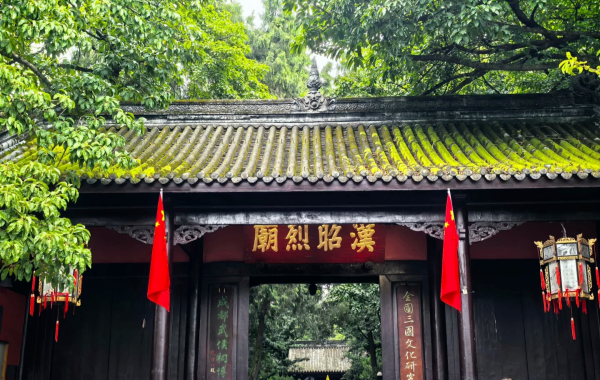
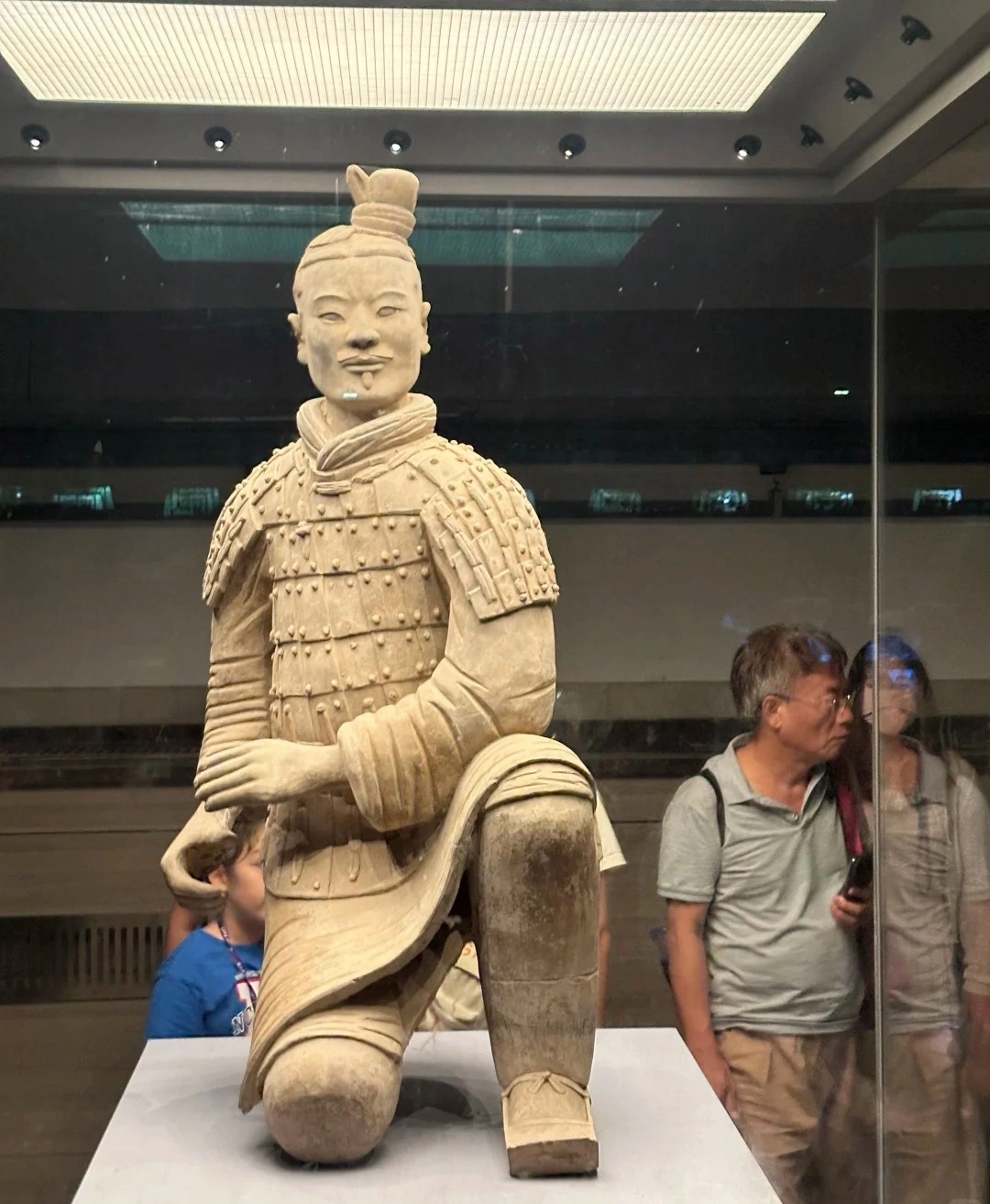
After entering the gate, the first thing that catches the eye is the "Three Treasures Stele" of the Shu Prime Minister Zhuge Wuhou Temple Stele. This monument was written by the famous Tang Dynasty minister Pei Du, written by the calligrapher Liu Gongchuo (brother of Liu Gongquan), and engraved by the renowned craftsman Lu Jian. The writing, calligraphy, and carving techniques are all of high quality, hence the name "Three Wonders". The inscription highly praised Zhuge Liang's life and set a tone of reverence for future generations. On the east and west sides of the Wenchen Corridor and the Wujiang Corridor, there are 28 statues of Shu Han important civil and military officials, such as Pang Tong, Jiang Wan, Guan Yu, Zhang Fei, etc., with vivid character forms, resembling an open-air memorial hall for Shu Han heroes.
Liu Bei Hall and Zhuge Liang Hall - The Core of the Joint Worship of Kings and Ministers
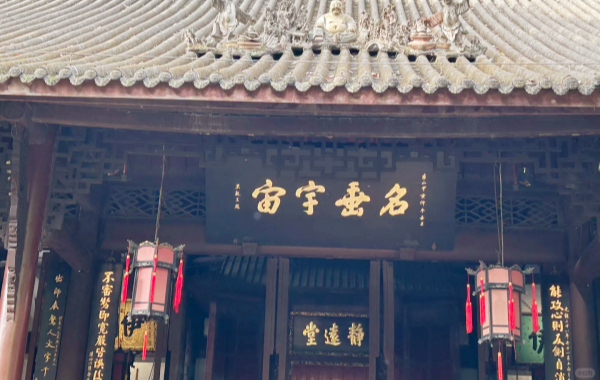
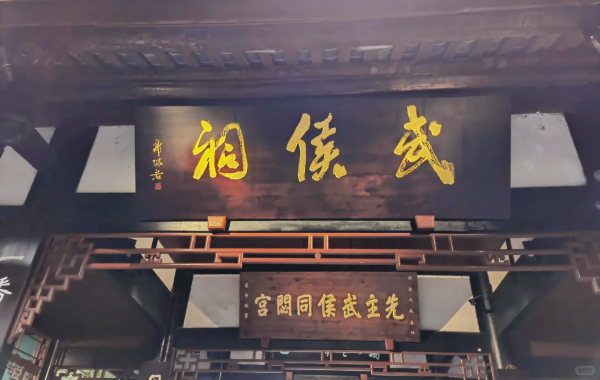
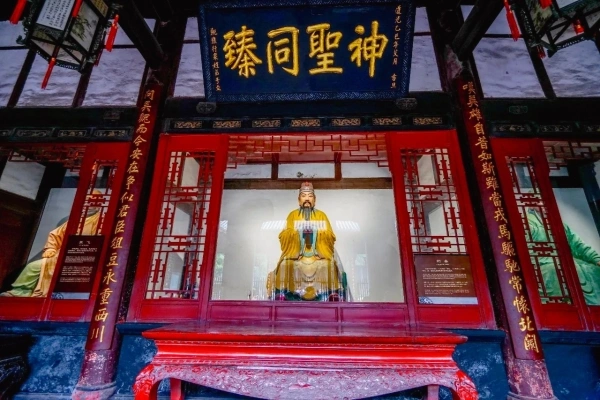
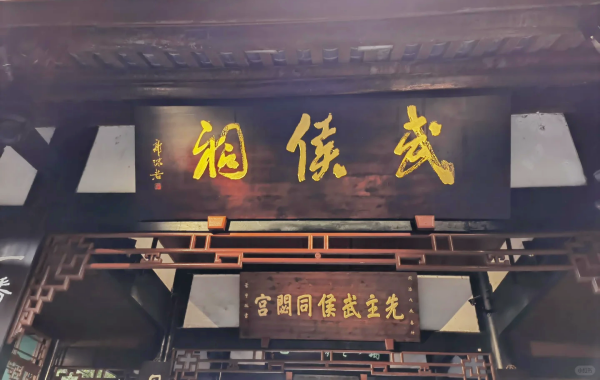
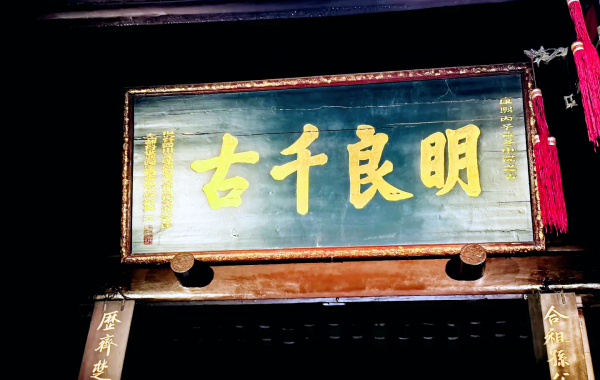
The architecture of Liu Bei Hall is magnificent and majestic. Liu Bei's golden statue in the center is full and graceful, with large ears and long arms. His grandson Liu Chen accompanied him to worship beside him. The hall is adorned with plaques such as "Ye Shao Gao Guang", praising Liu Bei for inheriting the achievements of Han Gaozu and Han Guangwu Emperor. Passing through the hall, you will arrive at the tranquil and solemn Zhuge Liang Palace. The scale of the hall is smaller than that of Liu Bei Hall, reflecting the traditional etiquette system of monarchs and ministers. Zhuge Liang's statue is adorned with feather fans and silk scarves, exuding elegance and wisdom. His son Zhuge Zhan and grandson Zhuge Shang are worshipped alongside him, and he has been a loyal martyr for three generations, which is admirable. There are numerous plaques and couplets in the hall, and the most famous one is undoubtedly the "Attack Heart Coupon" written by the Qing Dynasty scholar Zhao Fan, which reads "If you can attack the heart, then turn the other side and self destruct. From ancient times, it has been known that soldiers are not warlike; if you do not judge the situation, you will be lenient or strict. Later, when governing Shu, you need to think deeply about it". It is rich in profound philosophy of governing the country.
Huiling - the imperial tomb that has been lying still for thousands of years
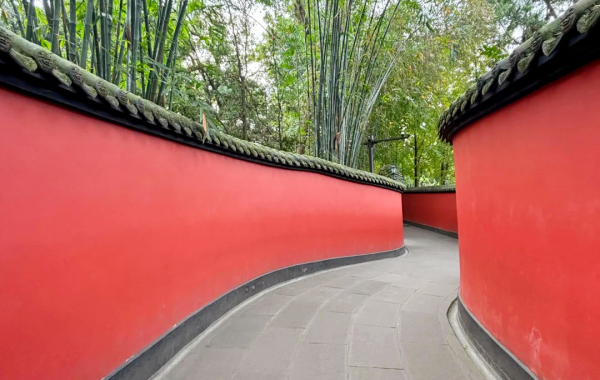
The destination of the tour is the tranquil Huiling. The tomb is sealed with earth and surrounded by red brick walls. Outside the wall, ancient cypress trees stand tall and lush, with a curved red wall lining the path (known as the "Huiling Divine Road") becoming an excellent photography spot. The red walls, blue tiles, and green bamboo complement each other, creating a mottled light and shadow and a profound artistic conception.
Natural interest - a model of temple gardens in western Sichuan
The Wuhou Temple is not a dull ancestral hall, but a vibrant classical garden.
Gubeisensen and Red Wall Bamboo Shadow
The temple is filled with ancient and famous trees, especially ancient cypresses. These towering ancient cypresses, traditionally planted in the Tang Dynasty, are vigorous and upright, creating a solemn and dignified historical atmosphere. The connection between Liu Bei Hall and Zhuge Liang Hall on both sides, as well as the red walls surrounding the Huiling Mausoleum, are the finishing touch of the garden art of Wuhou Temple. The winding red wall, swaying bamboo outside the wall, and protruding branches and leaves inside the wall form a natural painting frame. The sunlight shines through the bamboo leaves on the red wall, and the light and shadow flow. It is known as the "Red Wall Bamboo Shadow" and is one of the most representative classical aesthetic images in Chengdu.
Jinli and Garden Water Scenery
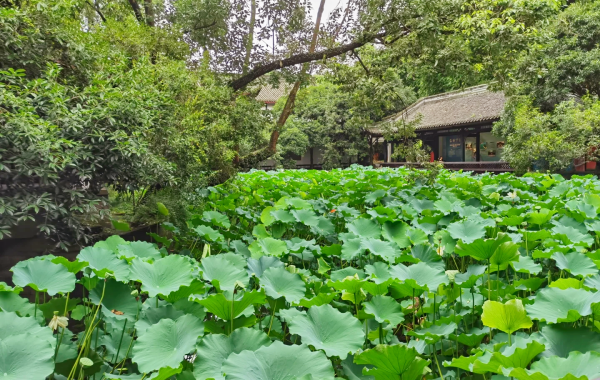
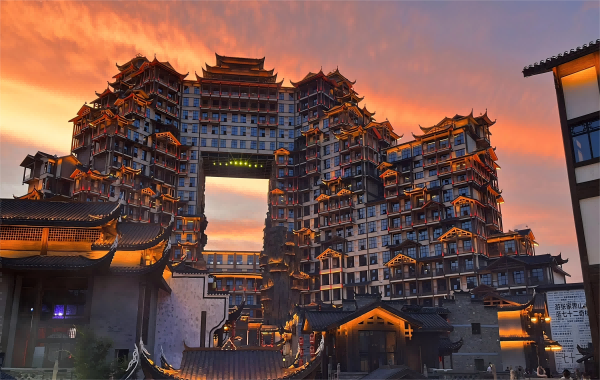
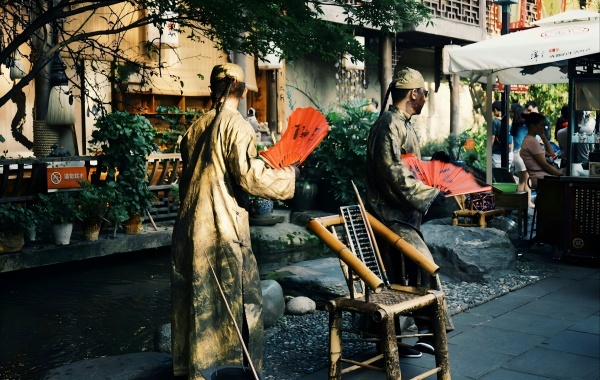
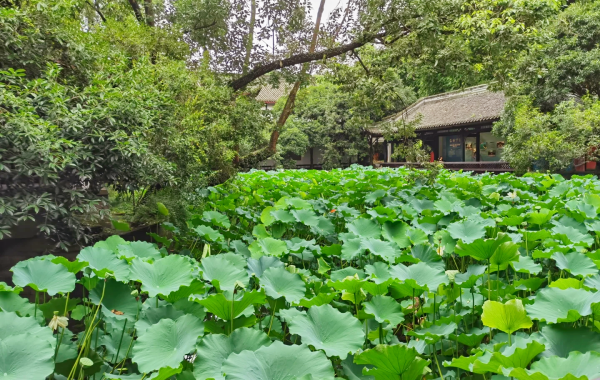
The Jinli Ancient Street, separated from the Wuhou Temple by a wall, was later rebuilt as a folk leisure area. However, its bluestone paved roads, antique buildings, and flowing water continue the historical charm of the temple, providing a space for rest and experiencing common culture. Inside the temple, there are also water pools, small bridges, and pavilions embellished with a combination of movement and stillness, reflecting the Chinese classical temple garden design concept of "although created by humans, it opens from the heavens".
Photography tips:
Iconic check-in: The "Red Wall Bamboo Shadow" lane (especially next to Huiling) is a must take scene. It is recommended to choose a sunny morning or afternoon and use side lighting to capture the light and shadow effects.
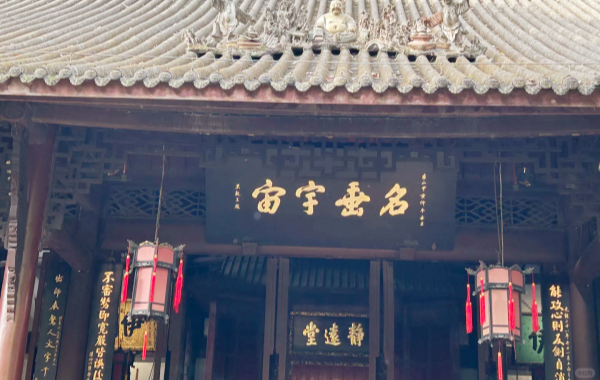
Architectural details: Use a medium telephoto lens to capture the inscription details of the Tang Dynasty stele, the kissing beasts and eaves corners on the roof of the palace, as well as the expressions of the statues of literati and generals in the corridor.
Cultural atmosphere: Before the park opens or closes in the early morning, there are few tourists, and the authentic atmosphere of the temple's tranquility and solemnity can be captured. Window frames and doorways in gardens are excellent framing elements.
Jinli Night Scene: In the evening, you can step into Jinli and capture the warm scene of lanterns rising, contrasting with the solemnity of temples during the day.