Five Must-Do Activities for a Complete Kuixin glou Journey
1. Experience the "22nd Floor on the First Floor" Magical Illusion
Time: Any time; an evening visit is recommended.
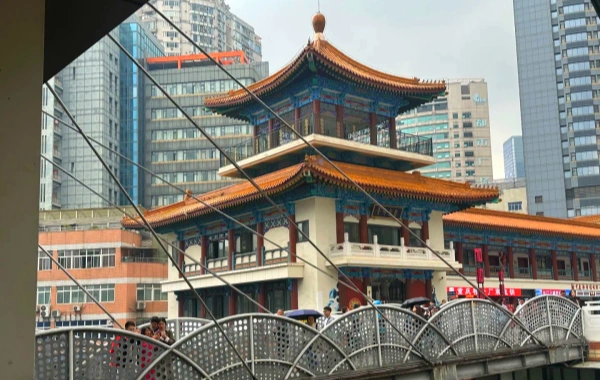
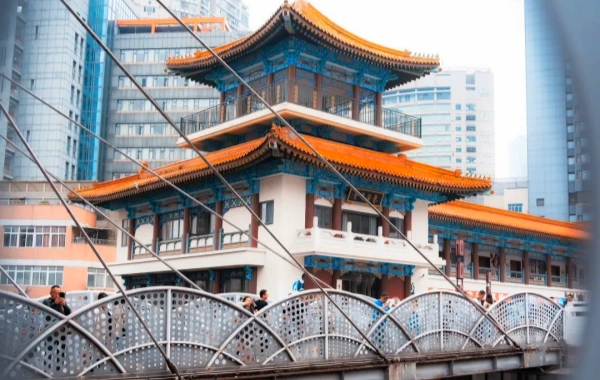
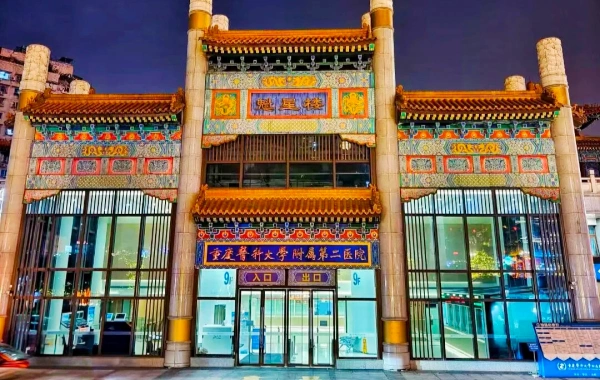
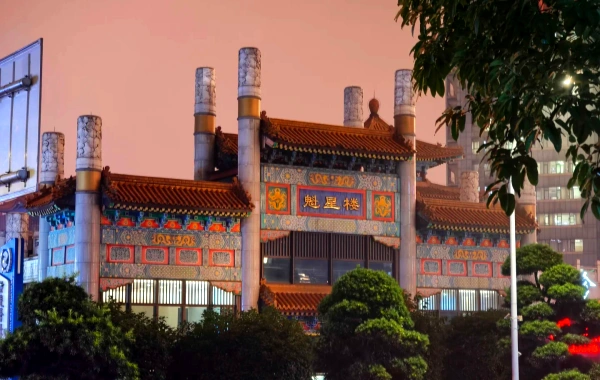
Experience: Enter Kuixinglou from the Binjiang Road entrance, take the elevator to the 22nd floor, and step out—you're back on ground level! This "folded spacetime" experience is the unique magical charm of the mountain city.
Tip: Pay attention to the feeling of height change in the elevator; the visual impact when the doors open on the 22nd floor is strongest.
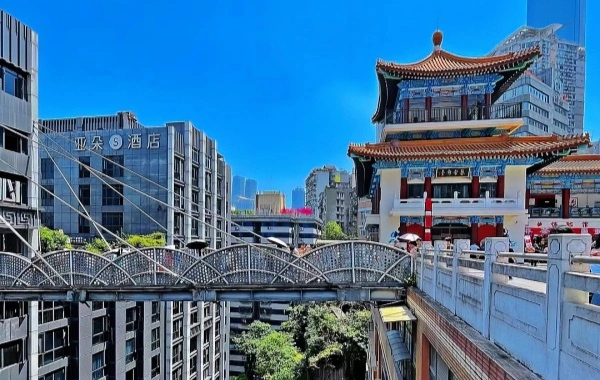
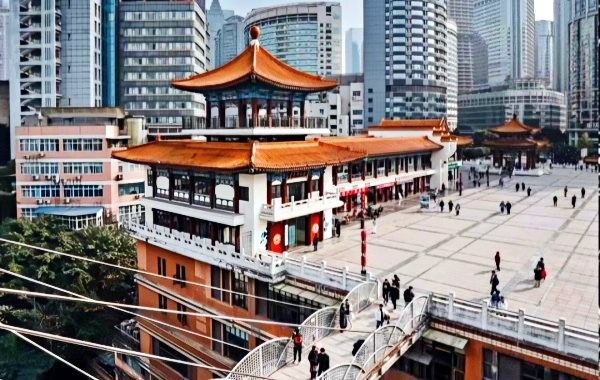
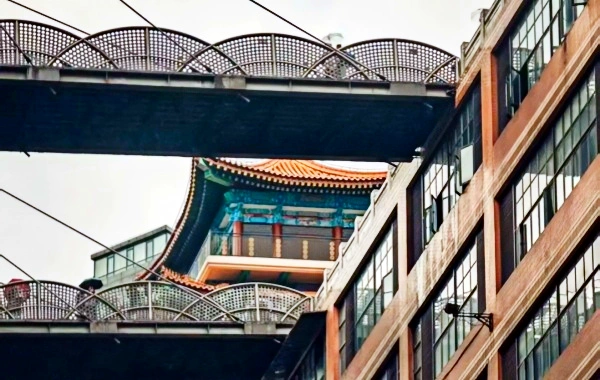
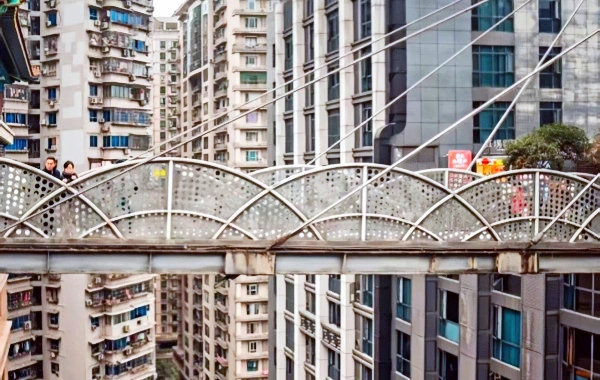
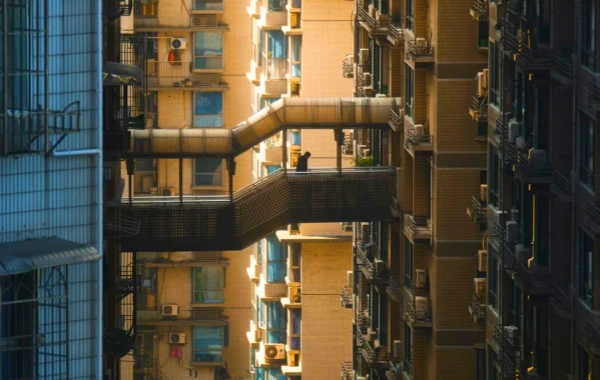
2. Stroll the Suspended Skybridge, Overlook the Traffic 65 Meters Below
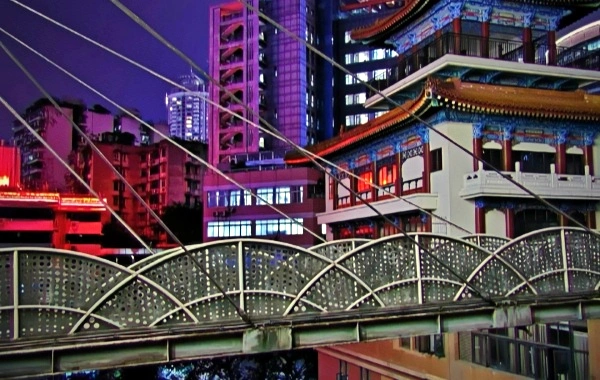
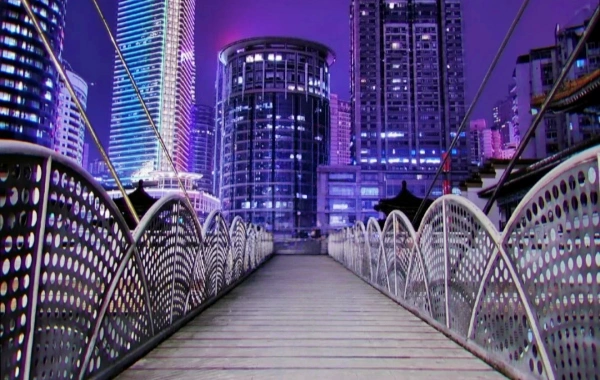
Experience: Step onto the suspended skybridge connecting the two buildings. Through the glass floor, traffic 65 meters below looks like crawling ants. The adventurous can stand in the middle for a "suspended" photo; the faint-hearted should hold the railing.
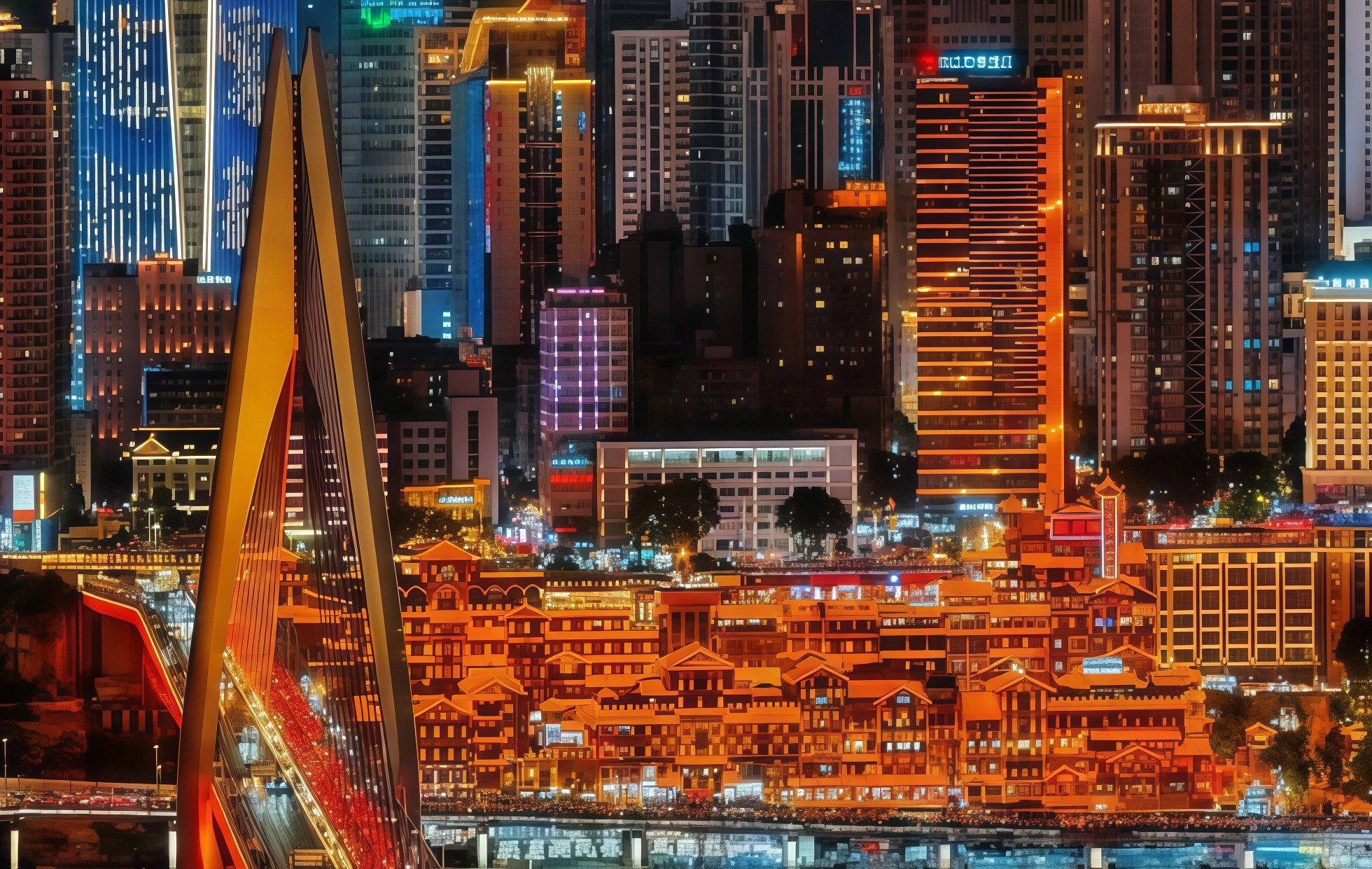
Best Time: Evening, when the skybridge lights up and the distant lights of Hongyadong begin to glow, creating a stunning scene.
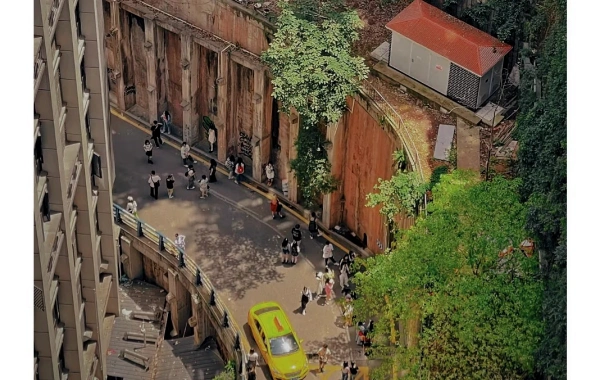
3. Visit the "Better Days" Filming Location
Experience: Find the stairs where actor Yi Yangqianxi walked in the movie and take a photo from the same spot. Wearing dark clothes helps capture the film's mood.
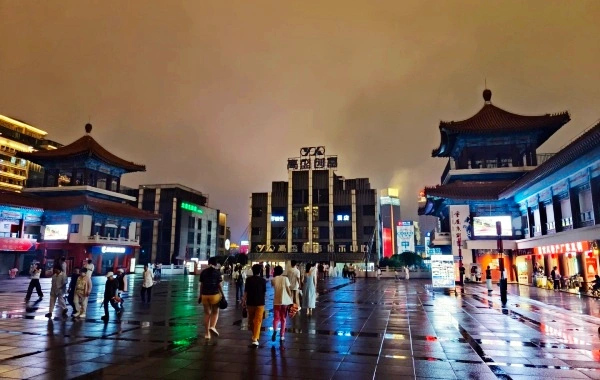
Tip: The stairs are on one side of the square. Daylight is better; it gets darker after evening.
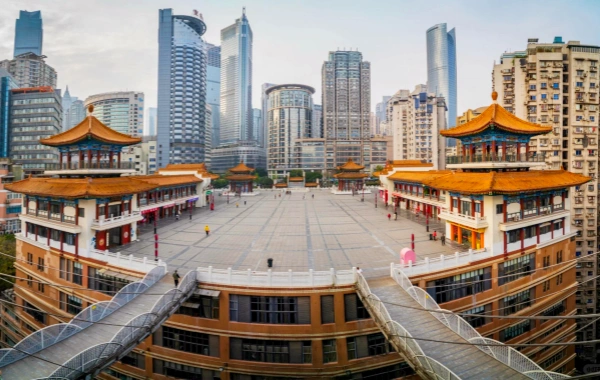
4. Explore the Kuixing Statue, Pray for Academic Success
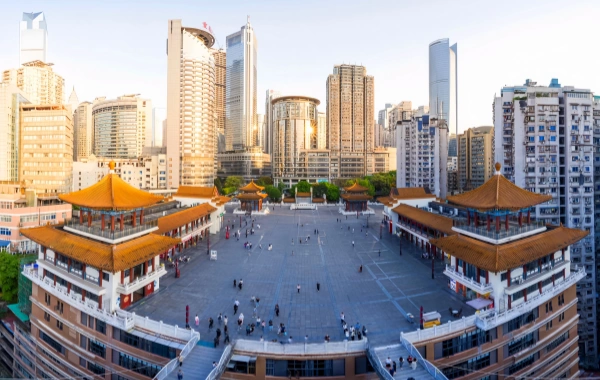
Experience: Find the Kuixing statue in the square. The vivid image of the brush-wielding, ink-box-holding, turtle-standing deity is lifelike. Silently make a wish for academic or career success.
Culture: According to local custom, touching the turtle's head sculpture while making a wish can bring good luck.
5. Taste the Nearby Guodao Douhua
Must-Try: Guodao Douhua is a popular food near Kuixinglou, with locals lining up for it. The tofu pudding is smooth and tender, served with spicy dipping sauce. Average cost per person is about ¥20.
Where to Find: A 5-minute walk from Kuixinglou; ask locals or use a navigation app for the exact location.
Suggested Itineraries
Half-Day "Magical Landmark" Essence Tour:
Arrive at Kuixinglou at 3:00 PM → Enter from the Binjiang Road entrance, experience the "first floor" ground → Take the elevator to the 22nd floor, experience the "first floor illusion" → Stroll the suspended skybridge, photograph the gorge scenery → Explore the Kuixing statue, learn about imperial examination culture → Find the "Better Days" filming location stairs for photos → Walk around the square area to soak in the urban atmosphere → Head to nearby Guodao Douhua around 5:30 PM → Return to the skybridge or 22nd-floor platform around 7:00 PM to wait for the night view → Depart around 8:00 PM.
*IntoTravelChina Tip: Kuixinglou is open free of charge 24/7. Crowds increase after 6 pm; secure your shooting spot early.*
One-Day "Yuzhong Magic" Combined Tour:
Day 1: Kuixinglou + Jiefangbei + Hongyadong + Yangtze River Cableway
2:00 PM: Arrive at Kuixinglou, follow the essence tour route
3:30 PM: Walk to Jiefangbei, visit the city landmark, explore Bayi Snack Street
5:00 PM: Walk to Hongyadong, explore the stilted building complex, have dinner nearby around 5:30 PM
7:00 PM: Hongyadong lights up, photograph the night scene
8:00 PM: Head to the Yangtze River Cableway, experience viewing the river from above
9:30 PM: End the tour, return to hotel
IntoTravelChina Advantage: We can provide detailed transportation guidance, time management suggestions, and recommendations for quality nearby restaurants and viewing spots.
Expert Guidance: IntoTravelChina offers private customized itineraries with dedicated guides, transportation, and activity coordination for a deep, worry-free experience. >>Consult now for customization