
Xizhou Ancient City
Xizhou Ancient Town, nestled in the scenic region of Dali, Yunnan Province, China, is a well-preserved historical and cultural gem. Boasting a rich history spanning over a thousand years, the town is renowned for its traditional Bai ethnic architecture, characterized by intricately carved wooden facades and elegant courtyard houses. Wandering through its narrow, cobblestone streets, visitors can immerse themselves in the town's vibrant atmosphere, discovering ancient temples, bustling markets, and local artisans practicing time-honored crafts. Xizhou Ancient Town not only offers a glimpse into China's diverse cultural heritage but also provides a serene escape, where one can appreciate the harmonious blend of nature and human craftsmanship.
Introduction & Historical Significance
Nestled in Dali City, Yunnan Province, Xizhou Ancient Town is a nationally recognized cultural heritage site and a living museum of Bai ethnic culture with over 1,200 years of history. Originally established during the Nanzhao Kingdom (8th century) as a military and commercial hub, it later flourished under the Dali Kingdom and through the Ming-Qing eras. Known as the "Birthplace of Bai Merchants," Xizhou was home to the influential "Xizhou Business Guild" during the Qing Dynasty, with families like Yan, Dong, and Yang building grand courtyards that blended traditional Bai architecture with Han, Tibetan, and Western influences. The town’s 151 historic courtyards, including the Yan Family Courtyard (built 1920) and Dong Family Courtyard (1948), showcase Bai craftsmanship like "three- Fang - One- wall" layouts, intricate wood carvings, and marble inlay art. In 2001, the Xizhou Bai Ancient Architecture Complex was designated a National Key Cultural Relic Protection Unit.
Architectural Layout & Design
The 1.5 km² town harmonizes natural landscapes with human-made splendor:
- Yan Family Courtyard: A 3,066 m² complex featuring "six-in-one spring" courtyards, French-style villas, and "doctor’s mansion" gates with carved stone bases and flying eaves. Built by Yan Zizhen, a patriotic industrialist, it combines Bai "three- Fang - One- wall" and " four in five courtyard " layouts with Western decorative motifs.
- Dong Family Courtyard: A 1948 structure with "six-in-one spring" layouts, marble-paved courtyards, and a "general’s villa" in the back, reflecting mid-20th-century fusion design.
- Traditional Bai Residences: White-washed walls with ink-wash landscapes, decorative screen walls adorned with poetry, and timber-framed houses with bracket sets showcasing Bai carpentry.
- Historic Landmarks: The 700-year-old "Seven-Foot Book Pavilion," Qing-era Doctor’s Mansion, and the 19th-century Xiqing Xiang Merchant House.
- Modern Integration: Stone-paved lanes, ancient wells, and folk-culture squares with Tie-dye workshops, tea houses, and markets.
Major Attractions
- Yan Family Courtyard Museum: Explore the 24-room mansion with restored interiors, antique furniture, and exhibits on Bai merchant history (¥18 entry).
- Xizhou Old Street: A 400m pedestrian street lined with Bai snacks like Xizhou baba, silver shops, and traditional pharmacies.
- Hai Tong Peninsula: A scenic wetland with wooden walkways, bird-watching towers, and views of Erhai Lake and Cangshan Mountain.
- Butterfly Spring: Seasonal butterfly migrations and Bai folk performances in a forested valley.
- Zha Rong Workshop: Hands-on tie-dye and marble carving classes using traditional Bai techniques.
Ticket Information
- Free Entry: Town access is free 24/7; specific attractions like Yan Family Courtyard require tickets (¥18-35).
- Guided Tours: ¥100-200 for heritage walks, craft workshops, or architectural tours.
- Combined Tickets: Discounted packages (¥150-250) with Erhai Lake cruises or Cangshan Mountain cableways.
Transportation Guide
- Public Transit: Buses 4/8 from Dali Ancient City to Xizhou (¥10, 30 mins); Dali Railway Station to Xizhou via minibus (¥7, 40 mins).
- Self-Drive: 20-minute drive from Dali Old Town via G214 Highway; parking at North Gate (¥10/day).
- Local Access: Electric shuttles and shared bikes for exploring narrow lanes.
- Cableways: Connects to Cangshan Mountain for panoramic views.
Best Time & Tips
- Optimal Seasons: Spring (Mar-May) for azaleas and Festivals; autumn (Sep-Nov) for clear skies. Avoid summer rains and winter crowds.
- Photography: Dawn for misty courtyard views; Sunset for golden hour lighting on the wall and lake views.
- Cultural Etiquette: Remove shoes in temples; respect Bai customs during festivals like the Torch Festival.
- Packing: Sunscreen, hats, comfortable shoes, and layers for temperature shifts.
- Dining: Must-try dishes include Xizhou baba, Erhai fish hotpot, and Bai-style Sour Soup Fish.
Nearby Attractions & Itineraries
- Combined Tours:
- Morning: Yan Family Courtyard + Xizhou Old Street + tie-dye workshop.
- Afternoon: Erhai Lake cruise or Hai Tong Peninsula nature walk.
- Evening: Dali Ancient City night markets or folk performances.
- Cultural Synergy: Pair with Shaxi Ancient Town for Tea Horse Road history or Xizhou Village for traditional Bai architecture.
Xizhou Ancient Town embodies the soul of Bai culture—where ancient architecture, merchant history, and natural beauty converge. As a UNESCO-recognized gem, it continues to inspire global travelers seeking authenticity and cultural depth in China’s southwest.




Contact Us
What Our Clients Say?
Based on 10,000+ traveler reviews

Daniel Dorothea
Canada
Reviewed on April 29,2025
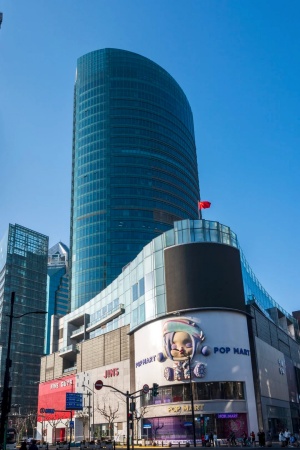
Shopping on Nanjing Road in Shanghai was just amazing! It's truly the "First Commercial Street of China", where tradition and modernity blend perfectly. You can find awesome souvenirs and experience the trendy vibes in cool stores. The neon lights at night are just spectacular, shining bright like Times Square in New York. The food here is incredible too. I had a feast for my taste buds. Shanghai, I'll definitely be back!
Destination(s):
Shanghai
Date of
Experience:
May 08,2024

Elvis Eva
Canada
Reviewed on June 20,2025
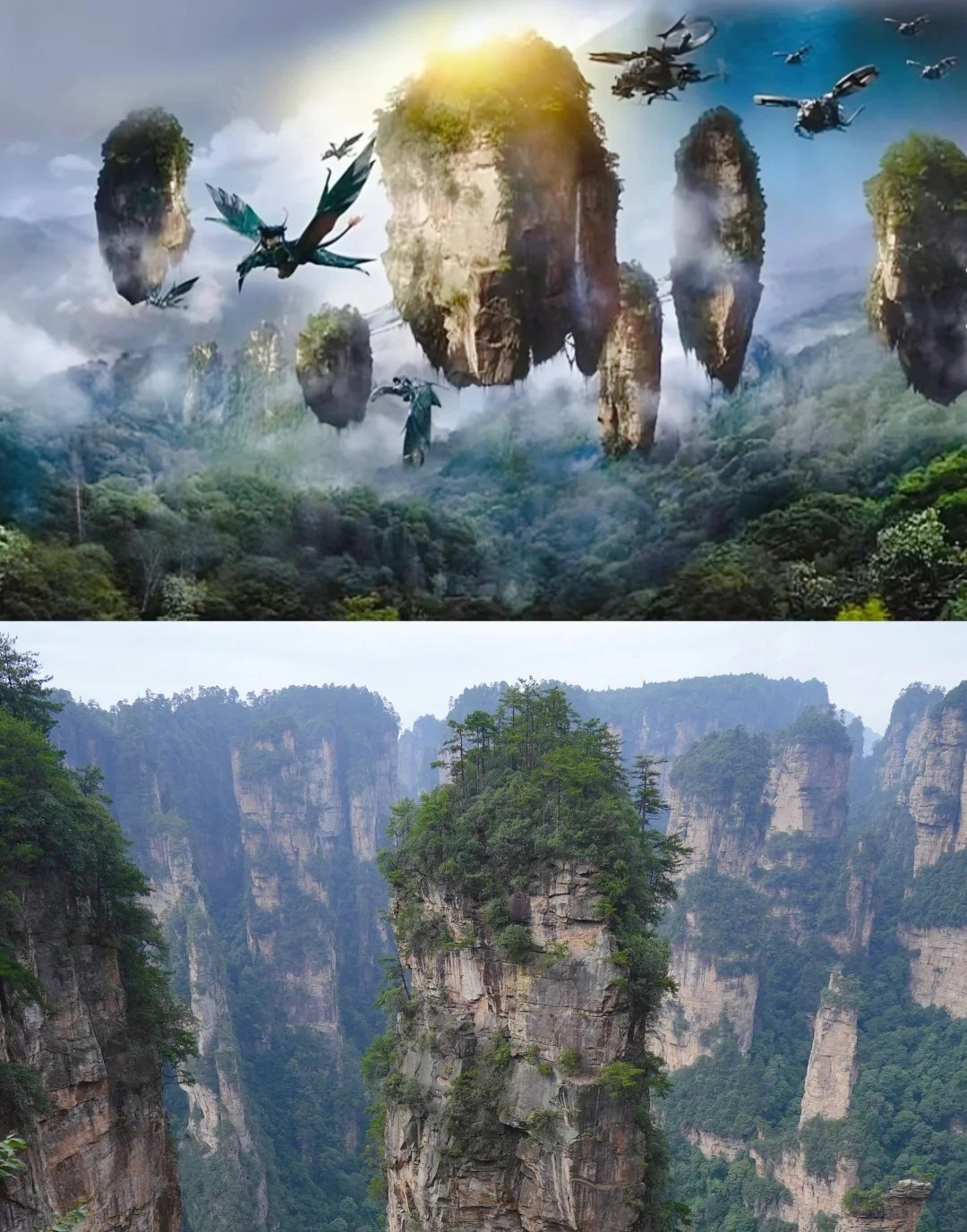
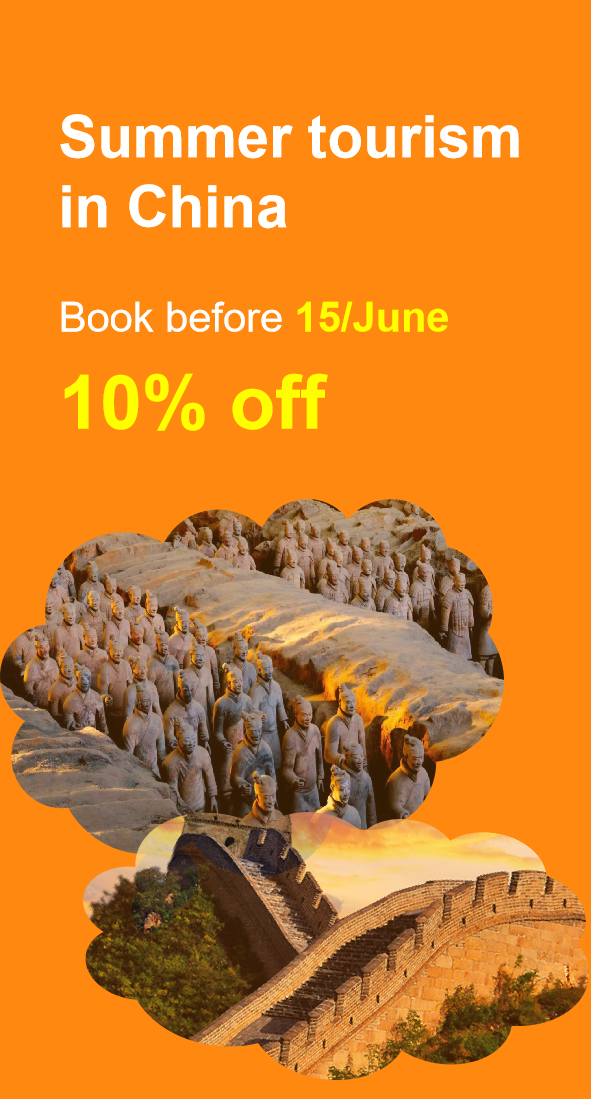
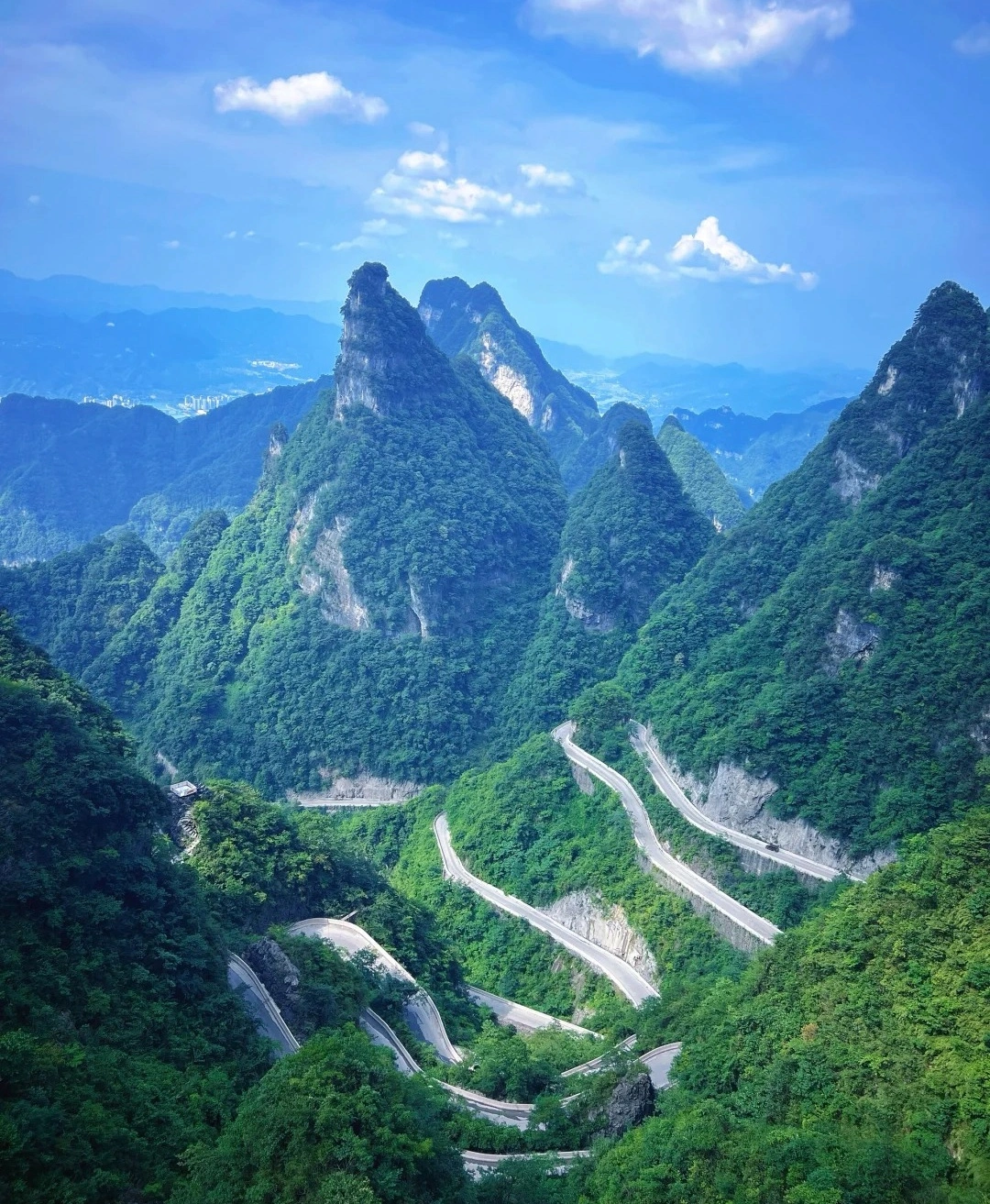
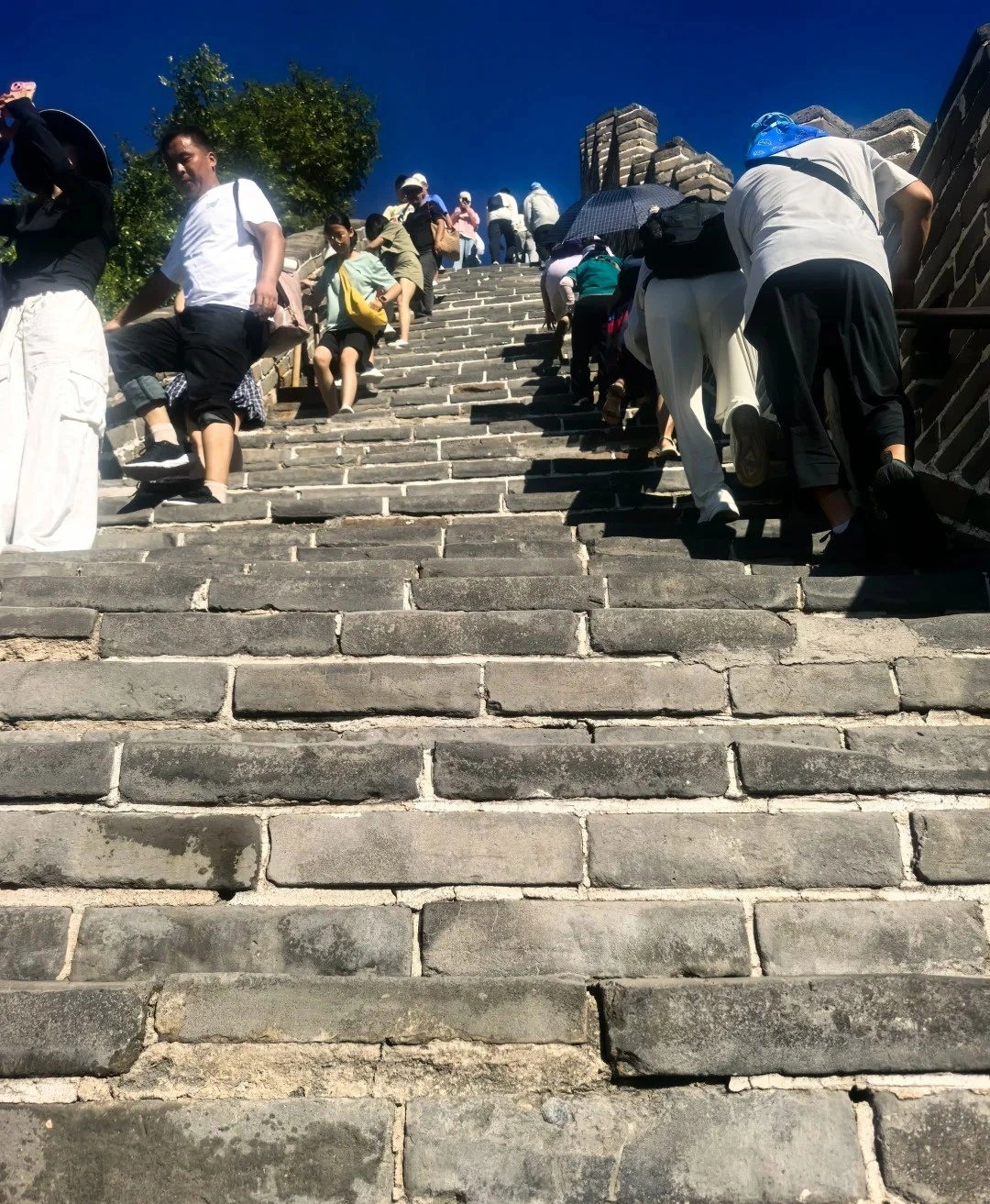
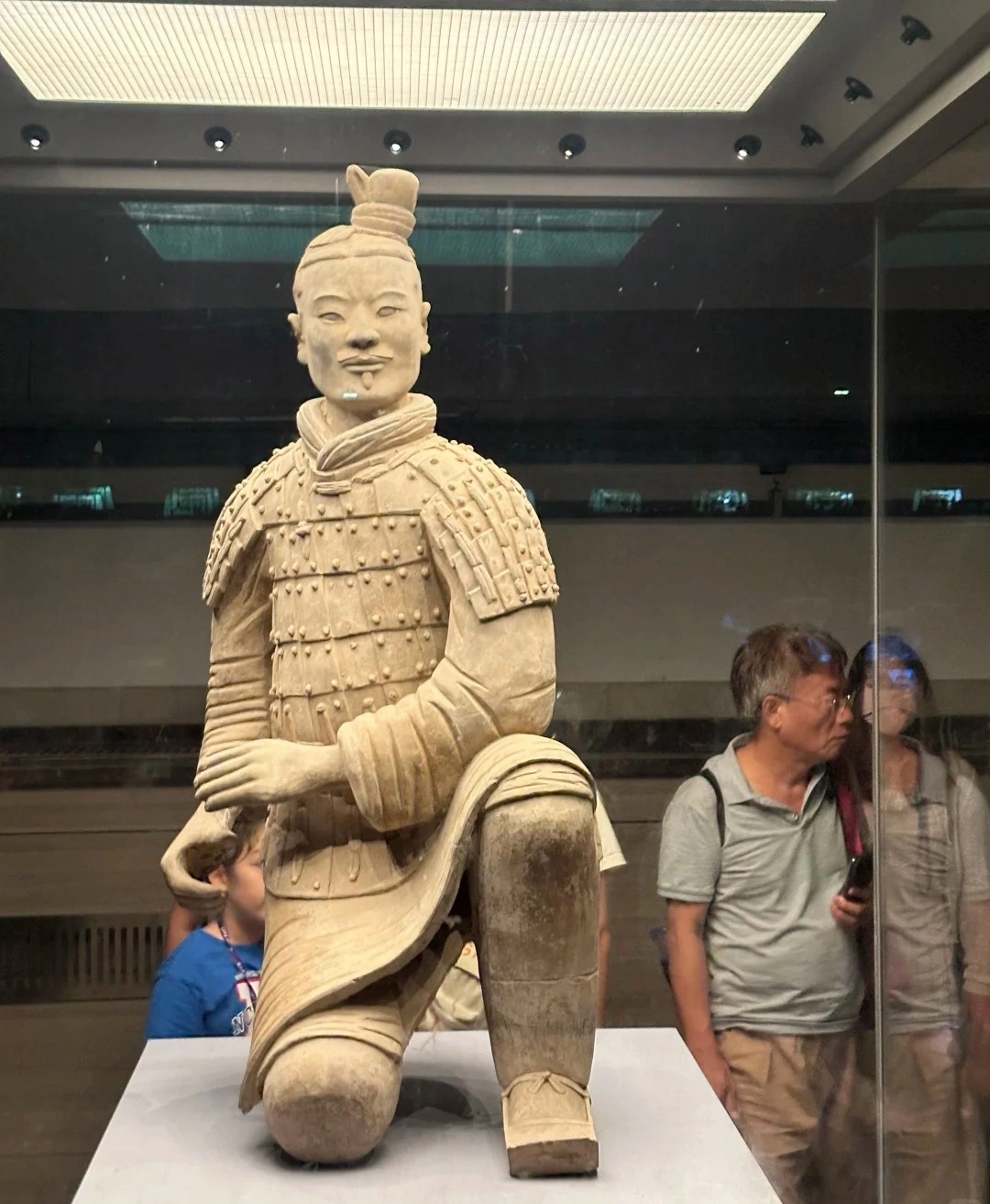
As a solo traveler from Canada, I was nervous about navigating China alone—but this 11-day tour was PERFECT! From hiking the Great Wall at sunrise (Day 3) to gasping at the Terracotta Army (Day 5), every day delivered ‘pinch-me’ moments. The real showstopper? Zhangjiajie’s Avatar Mountains (Day 7)! Our guide made the stone pillars come alive with stories.
Massive thanks for handling all logistics—bullet train tickets, entry passes, car! And the 4-star hotels surprised me.
Destination(s):
Beijing Xian Zhangjiajie Shanghai
Date of
Experience:
June 02,2025

Simon
America
Reviewed on May 29,2025
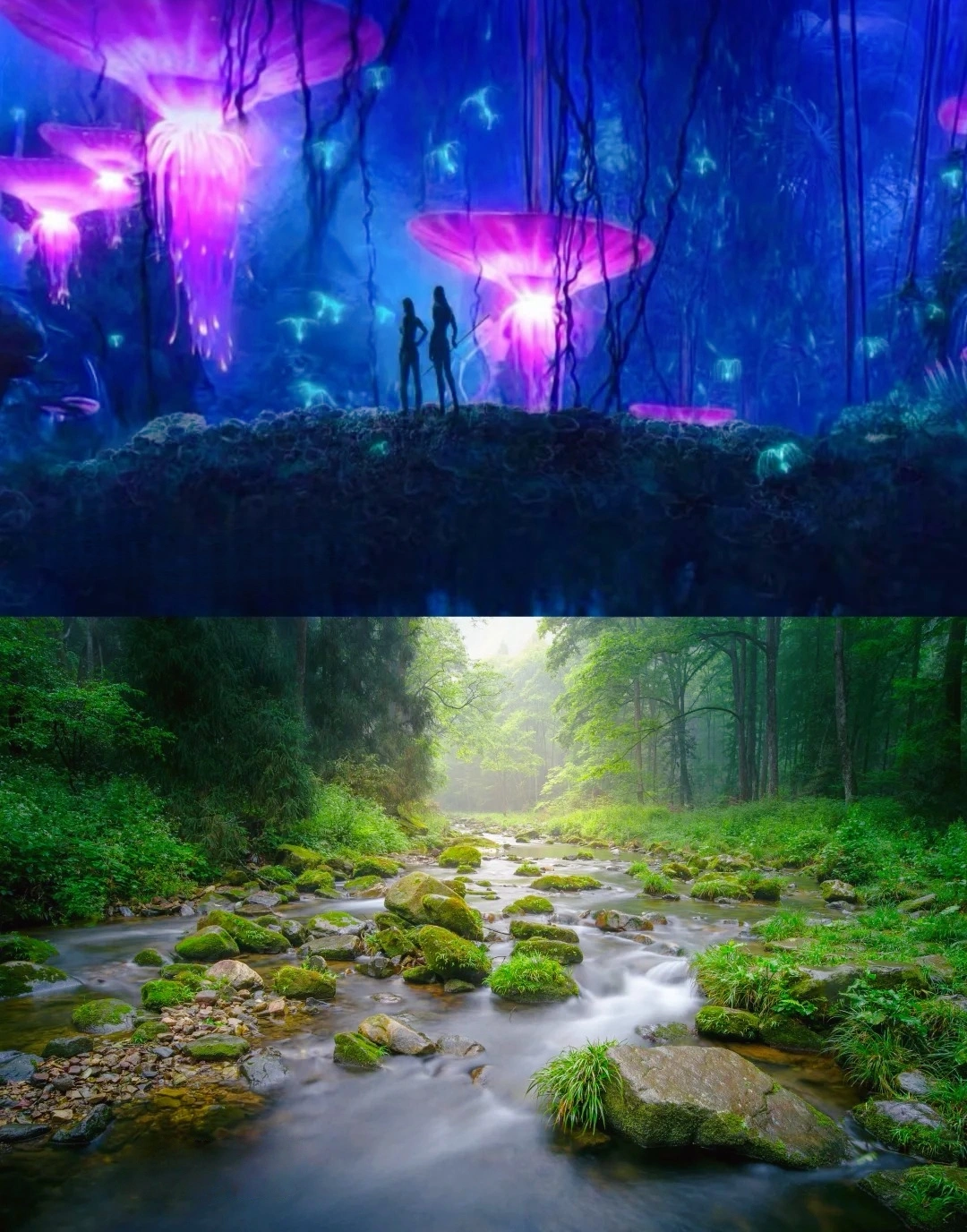
Our 2-day Zhangjiajie tour was beyond spectacular! As someone who’s visited Beijing and Shanghai for work, this trip revealed China’s wild, magical heart. Day 1 in Zhangjiajie National Forest Park felt like stepping onto Pandora—I’m a huge Avatar fan, and Yuanjiajie’s floating peaks left me breathless. The misty pillars and lush valleys like pure movie magic!
Then came Fenghuang Ancient Town, we eat dinner beside the thundering waterfall. It seems Unreal! The night views of stilt houses glowing over the river were straight from a fairy tale.
For fellow Avatar lovers and adventure seekers: Don’t miss this bucket-list experience! 10/10 would return.
A Well-Traveled Film Buff, May 2025
Destination(s):
Zhangjiajie
Date of
Experience:
May 08,2025