
The Pearl River Cruise
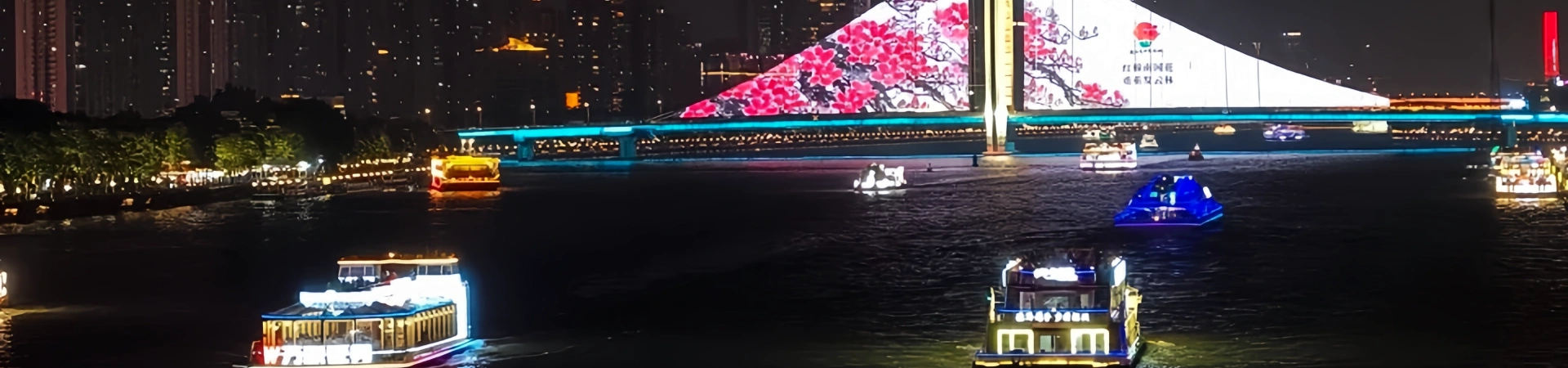
As the "Mother River of Guangzhou," the Pearl River has hosted night cruises since 1961, evolving into a UNESCO-recognized 5A-level scenic experience and a symbol of Guangzhou's "Mountain-City-River" symbiosis.
Introduction & Historical Significance
As the "Mother River of Guangzhou," the Pearl River has hosted night cruises since 1961, evolving into a UNESCO-recognized 5A-level scenic experience and a symbol of Guangzhou's "Mountain-City-River" symbiosis. Originating from overwater ferry services, it now features 10 core docks like Tianzi Wharf (the city's oldest) and Dashatou Terminal (dubbed "Waterborne Baiyun Airport"). Historically, it witnessed Lin Zexu's opium suppression and Sun Yat-sen's northern expedition, blending ancient trade routes with modern urban vistas. The cruise integrates 2,000 years of port-city heritage, earning acclaim as China's "night economy" benchmark and a global cultural tourism icon.
Architectural Layout & Design
The cruise harmonizes natural karst topography with human ingenuity:
- Iconic Docks: Tianzi Wharf (19th-century administrative hub), Dashatou Terminal (12 berths, 250-car parking), and Guangzhou Tower Terminal (retro-modern fusion).
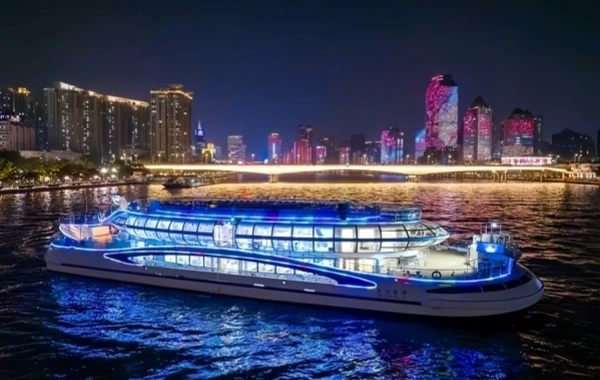
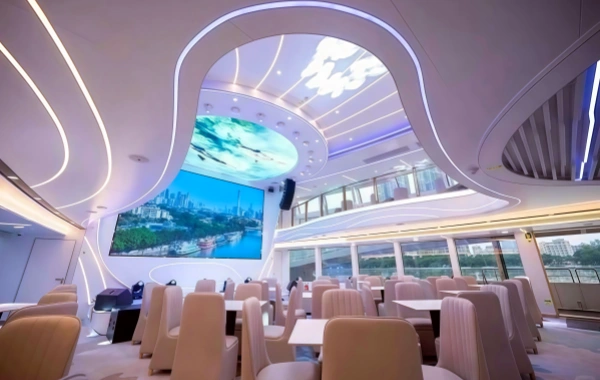
- Ship Design: From Ming-style Antique Ship (e.g., "Nanhai God" replica) to electric luxury vessels ("Pearl River Princess"), blending traditional岭南 architecture with solar-powered systems.
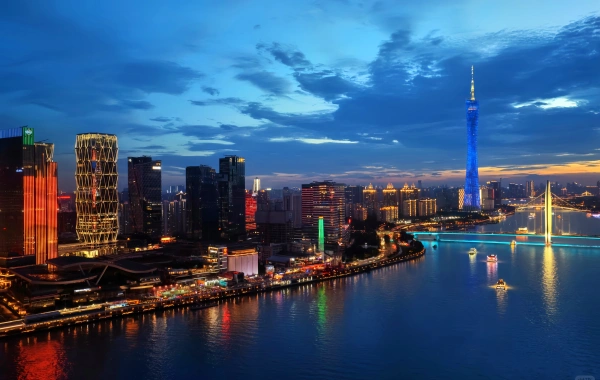
- Lighting Spectacles: Cross-river bridges (Hunt Bridge's "vertical harp" LED, Haixinsha Bridge's 3D mapping) and landmark towers (Canton Tower's 600m "small waist" light shows).
Major Attractions
- Landmark Views: Canton Tower (world’s second-tallest tower), Haixin Bridge (Asian Games legacy), and Shamian Island's colonial architecture.
- Cultural Touchpoints: Guanxi Tower's musical fountains, Guangzhou Opera House's avant-garde design, and historic sites like the Sacred Heart Cathedral.
- Thematic Routes: "East-West Panorama" (Tianzi/Guangzhou Tower docks), "Urban Axis" (Canton Tower-Zhujiang New Town), and "Daytime Tea Residence".
Ticket Information
- Standard Tickets: ¥78-168/adult (1st-3rd floor access; ¥54-84 for children), with VIP packages (¥180-280) including dining and priority boarding.
- Opening Hours: 18:30-22:00 (peak season), 19:00-21:00 (off-season); specific docks like Xidi operate extended hours.
- Discounts: 50% off for students/seniors; free entry for children under 1.2m.
Transportation Guide
- Public Transit: Metro Line 6 (Tianzi/Beijing Road stations), Line 3 (Guangzhou Tower Station), and buses (4, 57, 131A).
- Self-Drive: Parking at Dashatou Terminal (¥10/day); GPS to "Yuexiu District Yanjiang East Road 466".
- Air/Rail: Direct flights to Guangzhou Baiyun Airport; high-speed trains to Guangzhou South Station, followed by metro transfers.
- Local Access: Electric shuttles within terminals; bike rentals for riverside trails.
Best Time & Tips
- Optimal Seasons: Spring (Mar-May) for blooms; autumn (Oct-Nov) for clear skies. Avoid July-Aug monsoons.
- Photography: Dawn for misty river vistas; sunset for golden-hour lighting. Use polarizing filters for color saturation; tripods for stability.
- Cultural Etiquette: Respect historic sites; participate in festivals like Mid-Autumn Lantern Releases.
- Packing: Sturdy shoes, polarized sunglasses, and reusable water bottles. Winter requires thermal layers; summer needs mosquito repellent.
Nearby Attractions & Itineraries
- Combined Tours:
- Morning: Shamian Island exploration + Sacred Heart Cathedral photo stops + Guangdong Museum visit.
- Afternoon: Canton Tower cable car + Haixinsha Park stroll + riverside tea houses.
- Evening: "Impression Guangzhou" outdoor show or night cruise + Beijing Road night markets.
- Multi-Day Routes:
- 3-Day: Guangzhou → Zhujiang Night Cruise → Chen Clan Ancestral Hall → Yuexiu Park.
- 5-Day: Shenzhen → Guangzhou → Foshan → Zhaoqing → Danxia Mountain.
The Pearl River Cruise epitomizes Guangzhou's identity as a "mountain-city-river" symbiosis. It bridges ancient maritime silk roads with modern skyscrapers, where historic wharfs coexist with digital light shows. As a UNESCO gem and national "night economy" pilot, it invites global travelers to witness the harmony of nature, history, and human creativity—a true sanctuary of China’s southern metropolis grandeur.
Contact Us
What Our Clients Say?
Based on 10,000+ traveler reviews

Daniel Dorothea
Canada
Reviewed on April 29,2025
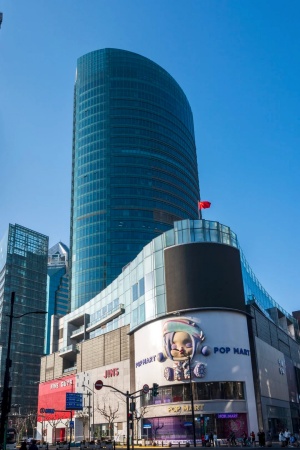
Shopping on Nanjing Road in Shanghai was just amazing! It's truly the "First Commercial Street of China", where tradition and modernity blend perfectly. You can find awesome souvenirs and experience the trendy vibes in cool stores. The neon lights at night are just spectacular, shining bright like Times Square in New York. The food here is incredible too. I had a feast for my taste buds. Shanghai, I'll definitely be back!
Destination(s):
Shanghai
Date of
Experience:
May 08,2024

Elvis Eva
Canada
Reviewed on June 20,2025
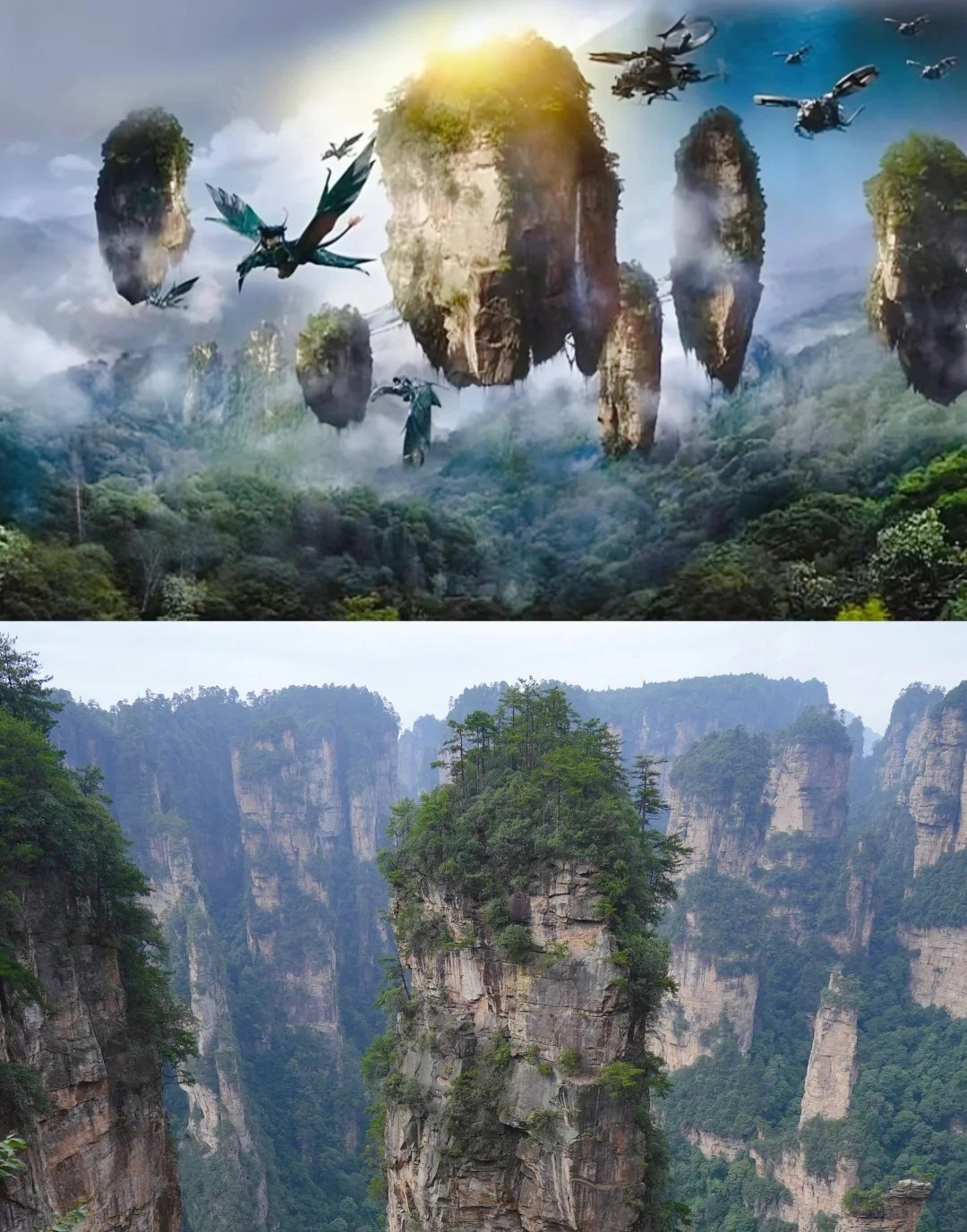
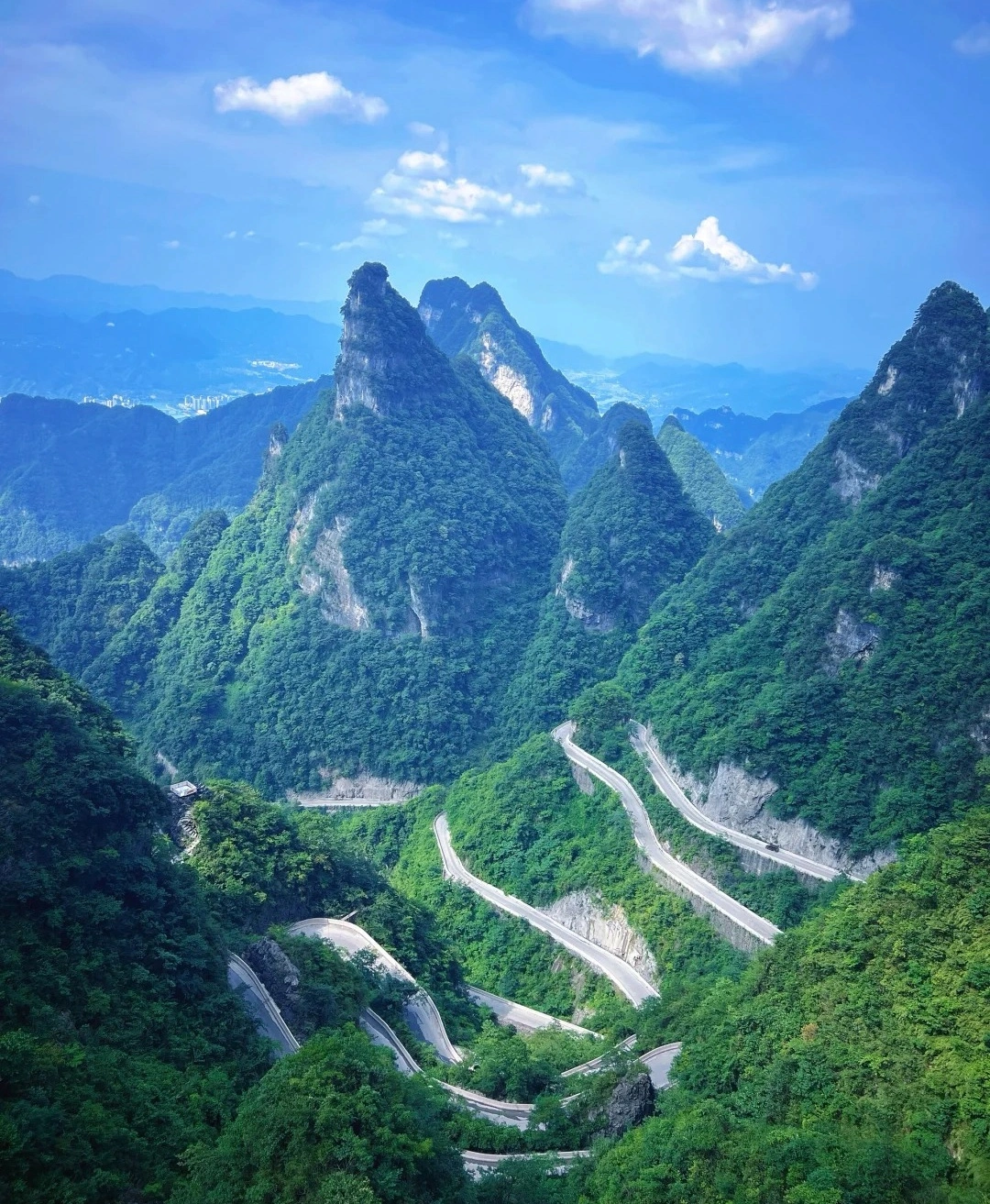
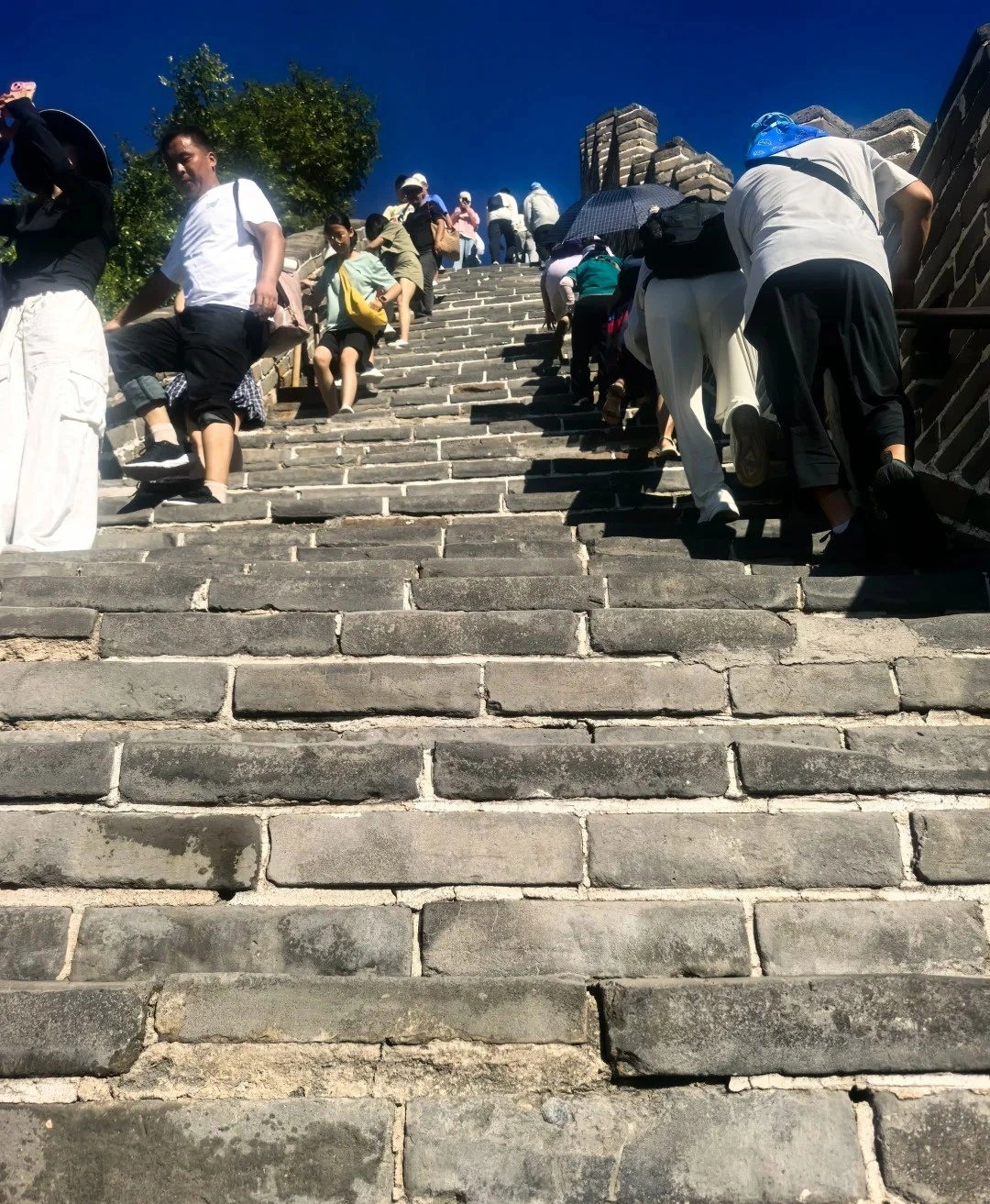
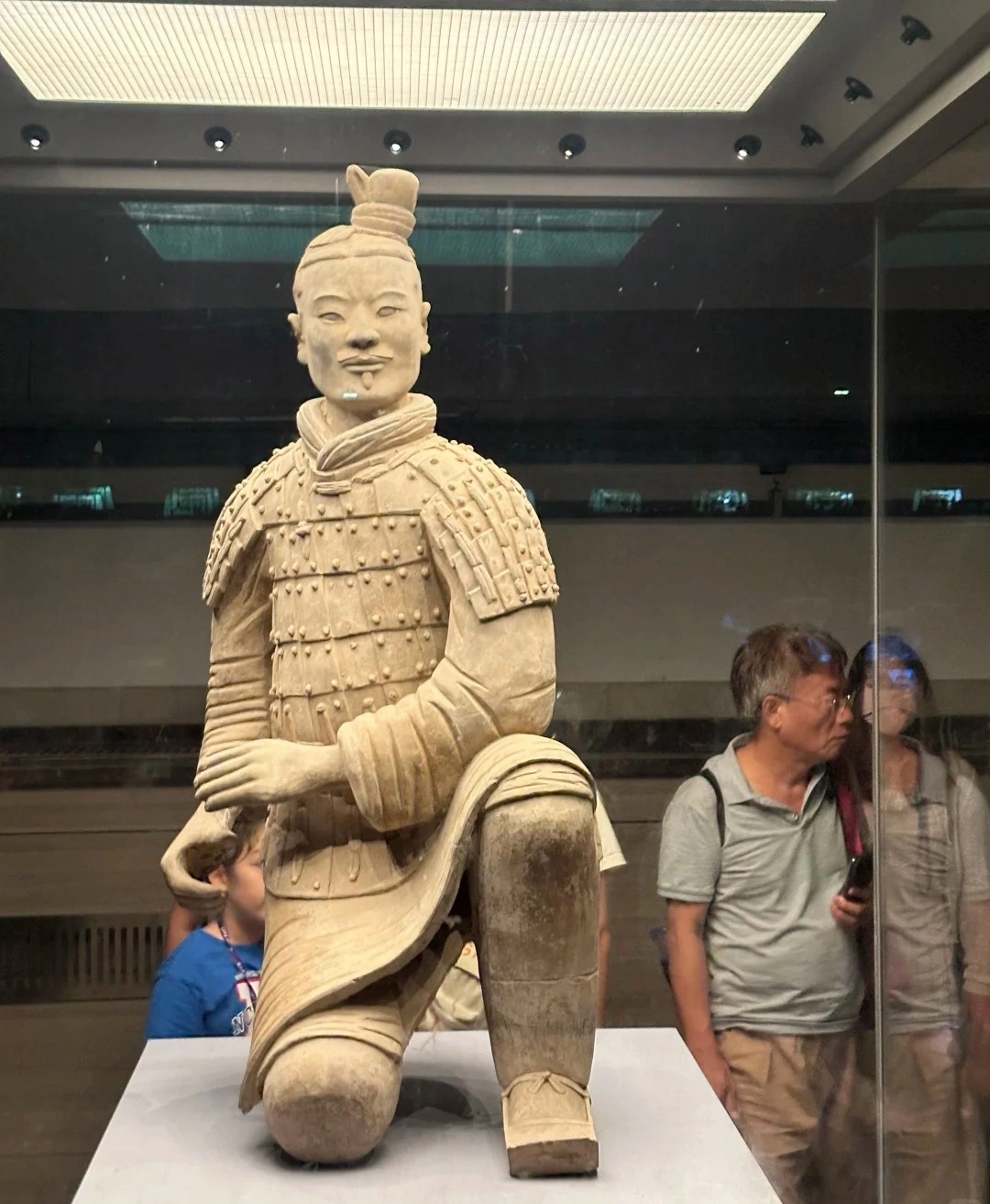
As a solo traveler from Canada, I was nervous about navigating China alone—but this 11-day tour was PERFECT! From hiking the Great Wall at sunrise (Day 3) to gasping at the Terracotta Army (Day 5), every day delivered ‘pinch-me’ moments. The real showstopper? Zhangjiajie’s Avatar Mountains (Day 7)! Our guide made the stone pillars come alive with stories.
Massive thanks for handling all logistics—bullet train tickets, entry passes, car! And the 4-star hotels surprised me.
Destination(s):
Beijing Xian Zhangjiajie Shanghai
Date of
Experience:
June 02,2025

Simon
America
Reviewed on May 29,2025
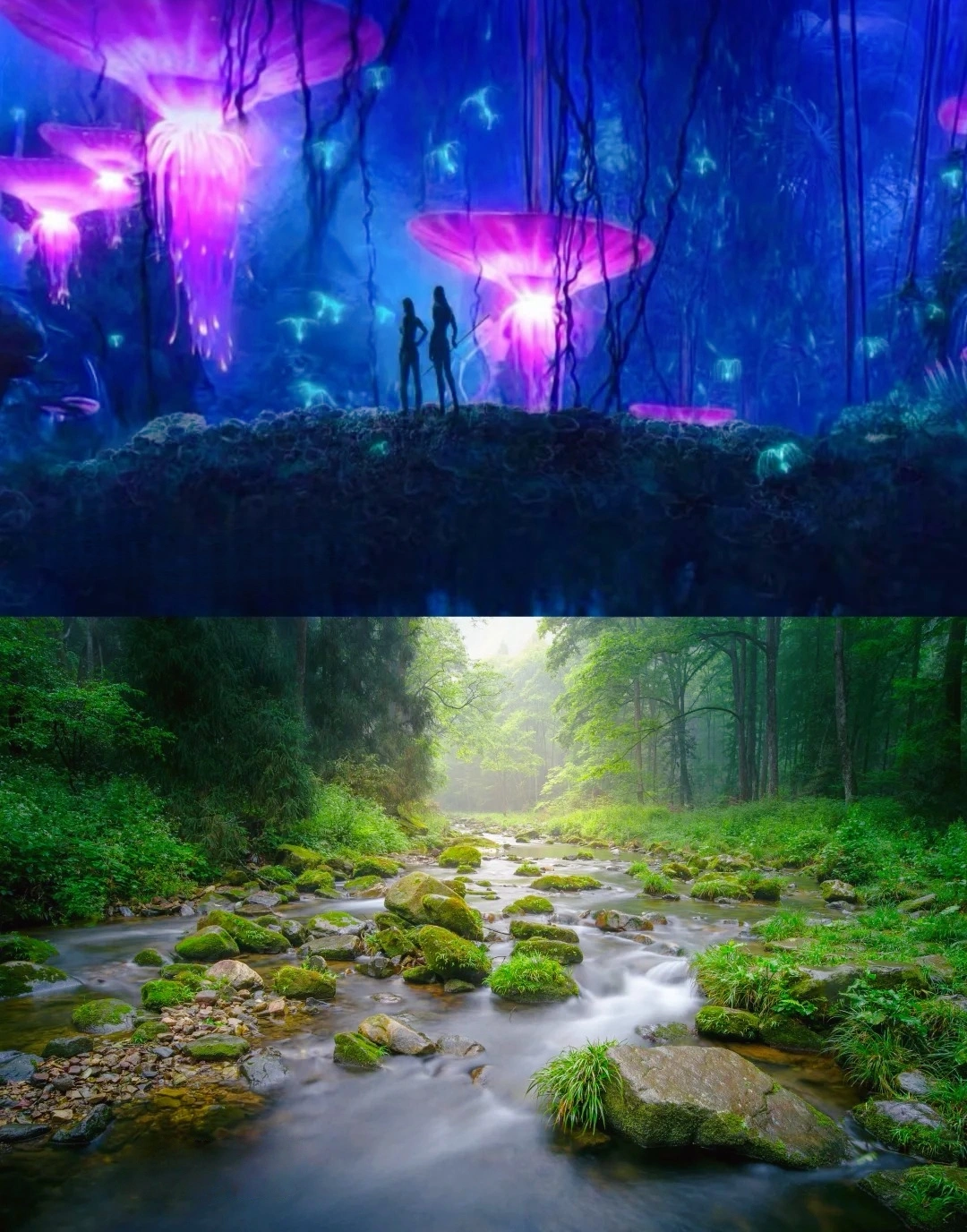
Our 2-day Zhangjiajie tour was beyond spectacular! As someone who’s visited Beijing and Shanghai for work, this trip revealed China’s wild, magical heart. Day 1 in Zhangjiajie National Forest Park felt like stepping onto Pandora—I’m a huge Avatar fan, and Yuanjiajie’s floating peaks left me breathless. The misty pillars and lush valleys like pure movie magic!
Then came Fenghuang Ancient Town, we eat dinner beside the thundering waterfall. It seems Unreal! The night views of stilt houses glowing over the river were straight from a fairy tale.
For fellow Avatar lovers and adventure seekers: Don’t miss this bucket-list experience! 10/10 would return.
A Well-Traveled Film Buff, May 2025
Destination(s):
Zhangjiajie
Date of
Experience:
May 08,2025