
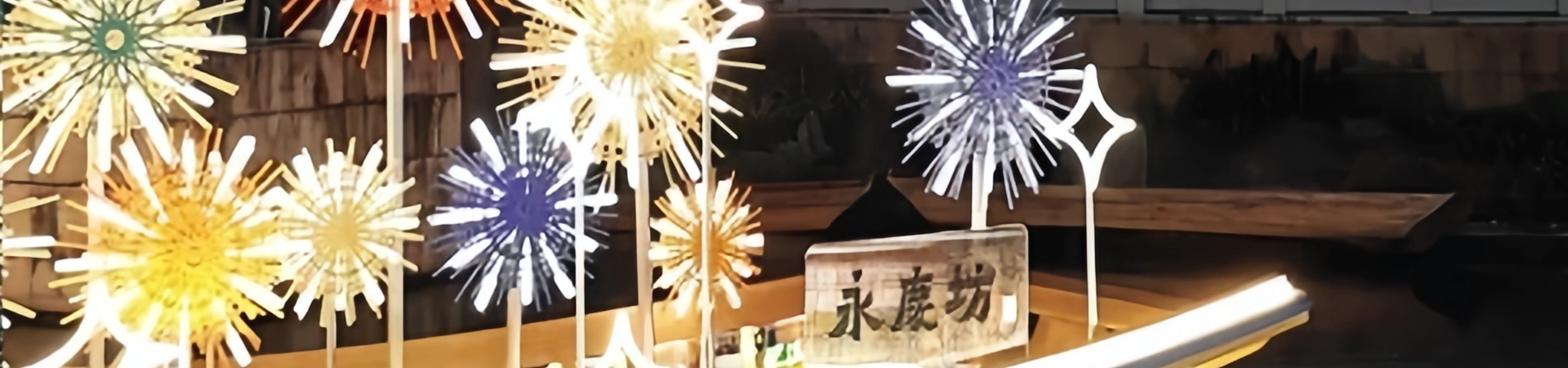
Yongqing Lane
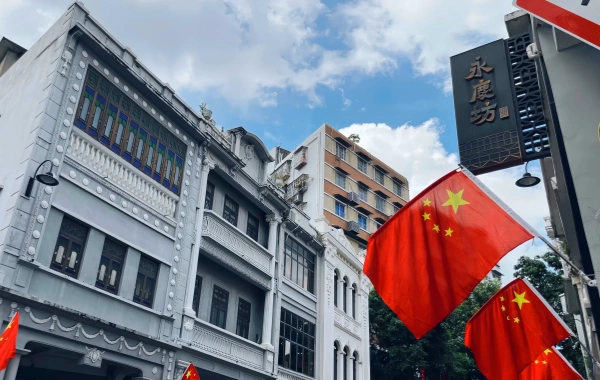
Nestled in Guangzhou’s Liwan District along Enning Road, Yongqing Lane is a historic neighborhood that epitomizes the harmonious blend of traditional Lingnan culture and contemporary urban renewal.
Introduction & Historical Significance
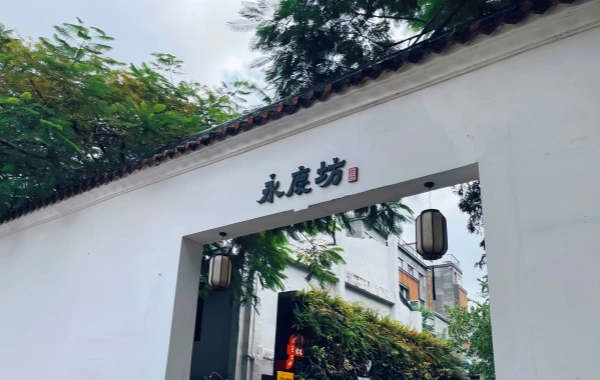
Nestled in Guangzhou’s Liwan District along Enning Road, Yongqing Lane is a historic neighborhood that epitomizes the harmonious blend of traditional Lingnan culture and contemporary urban renewal. Originally built during the Southern Song Dynasty (1253 CE) as "Yongqing Fang," it evolved into a bustling commercial hub in the late Qing Dynasty, featuring Guangzhou’s most intact arcade-style buildings ("qilou") and serving as a vital link between Shangxiajiu Commercial Street and Shamian Island. Designated as a National AAAA Scenic Area in 2020, it embodies Guangzhou’s "Old City, New Vitality" ethos, merging 800 years of history with modern cultural and commercial innovation.
Architectural Layout & Cultural Heritage
The 8,000㎡ streetscape showcases a tapestry of architectural styles:
- Qilou Architecture: Over 300 meters of continuous arcade buildings with features like "tanglong" (wooden sliding doors), "manzhou chuang" (colored glass windows), and stone-paved lanes, reflecting Guangfu (Guangzhou-Fujian) craftsmanship.
- Historic Landmarks: The Li Xiaolong Ancestral Residence (1930s Western-style mansion with carved beams and stained glass), Baxian Guild Hall (a 19th-century temple for Cantonese Opera artists), and Guangdong Yueju Art Museum (housing exhibits on Cantonese opera history and performances).
- Cultural Venues: The Three Carvings and One Embroidery Gallery (showcasing Guangzhou lacquer, ivory, wood carving, and Guang embroidery) and Zhan Tianyou Memorial Hall (commemorating China’s railway pioneer with preserved artifacts).
Major Attractions & Experiences
- Cultural Immersion:
- Cantonese Opera Performances: Live shows at Baxian Guild Hall and Yueju Museum, paired with interactive workshops on traditional makeup and costumes.
- Non-Heritage Crafts: Engage with master artisans in Guang cai (enamel painting), Guang embroidery, and paper-cutting workshops.
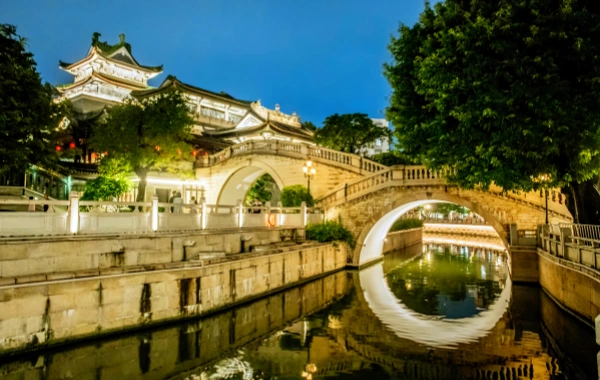
- Historic Walks: Explore Yongqing Street (the "soul" of the area with vintage shops), Moon Bridge (a picturesque arched structure for night photography), and Litchi Bay Scenic Area (boating along historic canals).
- Culinary Delights: Savor authentic Guangfu flavors like shrimp dumplings, sweet rice cakes, and "double-skin milk" desserts at street-side eateries and historic tea houses.
- Photography Spots: Dawn and dusk offer soft light for capturing qilou shadows and lantern-lit alleys; the Air Corridor Pavilion provides panoramic views of the skyline.
Ticket Information & Accessibility
- General Admission: Free entry to all public areas; guided tours (¥50–100/person) include access to museums and hidden courtyards.
- Opening Hours: 24/7 access; cultural venues operate 09:00–21:00.
- Transportation Guide:
- Metro: Line 1/6 to Huangsha Station (Exit B, 10-minute walk) or Line 1 to Changshoulu Station (Exit A, 15-minute walk).
- Bus: Routes 2/3/6/15/61/82/530 to "Enning Road" stop.
- Self-Drive: Parking at Yongqing Lane North Gate (¥10/hour); electric scooters available for local exploration.
- Airport Access: Limousine from Baiyun Airport (¥40, 30 mins) or subway Line 3 to Tiyu Xilu Station.
Best Time & Etiquette
- Optimal Seasons: October–December (cool, clear weather) and March–April (spring blooms). Avoid July–August monsoons.
- Photography Tips: Use polarizing filters for reflections; golden hour for warm hues on qilou facades.
- Cultural Etiquette: Remove shoes in temples; respect quiet zones; avoid touching ancient inscriptions.
- Packing Essentials: Light layers, polarized sunglasses, reusable water bottle, and comfortable shoes for cobbled lanes.
Nearby Attractions & Itineraries
- Combined Tours:
- Morning: Visit Yongqing Lane + explore Shamian Island’s colonial architecture.
- Afternoon: Tour the Guangdong Museum of Art or Chen Clan Ancestral Hall.
- Evening: Enjoy a Cantonese opera performance or night market dining in Xiguan.
- Cultural Synergy: Pair with Kaiping Diaolou (UNESCO World Heritage) for Hakka culture or Danxia Mountain for natural wonders.
- Extended Itineraries: 3-day Guangzhou tour including hotpot dining, Sichuan Opera, and helicopter tours over the Pearl River Delta.
Yongqing Lane is a symphony of stone and time—where ancient qilou whispers tales of merchants and artists, and modern vitality breathes new life into centuries-old traditions. As a UNESCO-recognized cultural district, it continues to inspire global travelers seeking both historical depth and contemporary urban charm in China’s Lingnan heartland.
Contact Us
What Our Clients Say?
Based on 10,000+ traveler reviews

Daniel Dorothea
Canada
Reviewed on April 29,2025
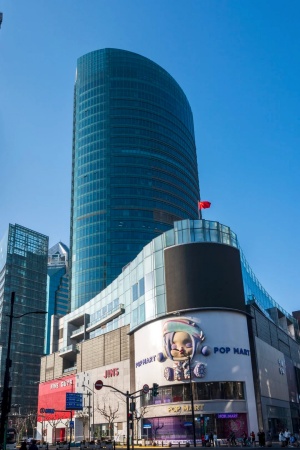
Shopping on Nanjing Road in Shanghai was just amazing! It's truly the "First Commercial Street of China", where tradition and modernity blend perfectly. You can find awesome souvenirs and experience the trendy vibes in cool stores. The neon lights at night are just spectacular, shining bright like Times Square in New York. The food here is incredible too. I had a feast for my taste buds. Shanghai, I'll definitely be back!
Destination(s):
Shanghai
Date of
Experience:
May 08,2024

Elvis Eva
Canada
Reviewed on June 20,2025
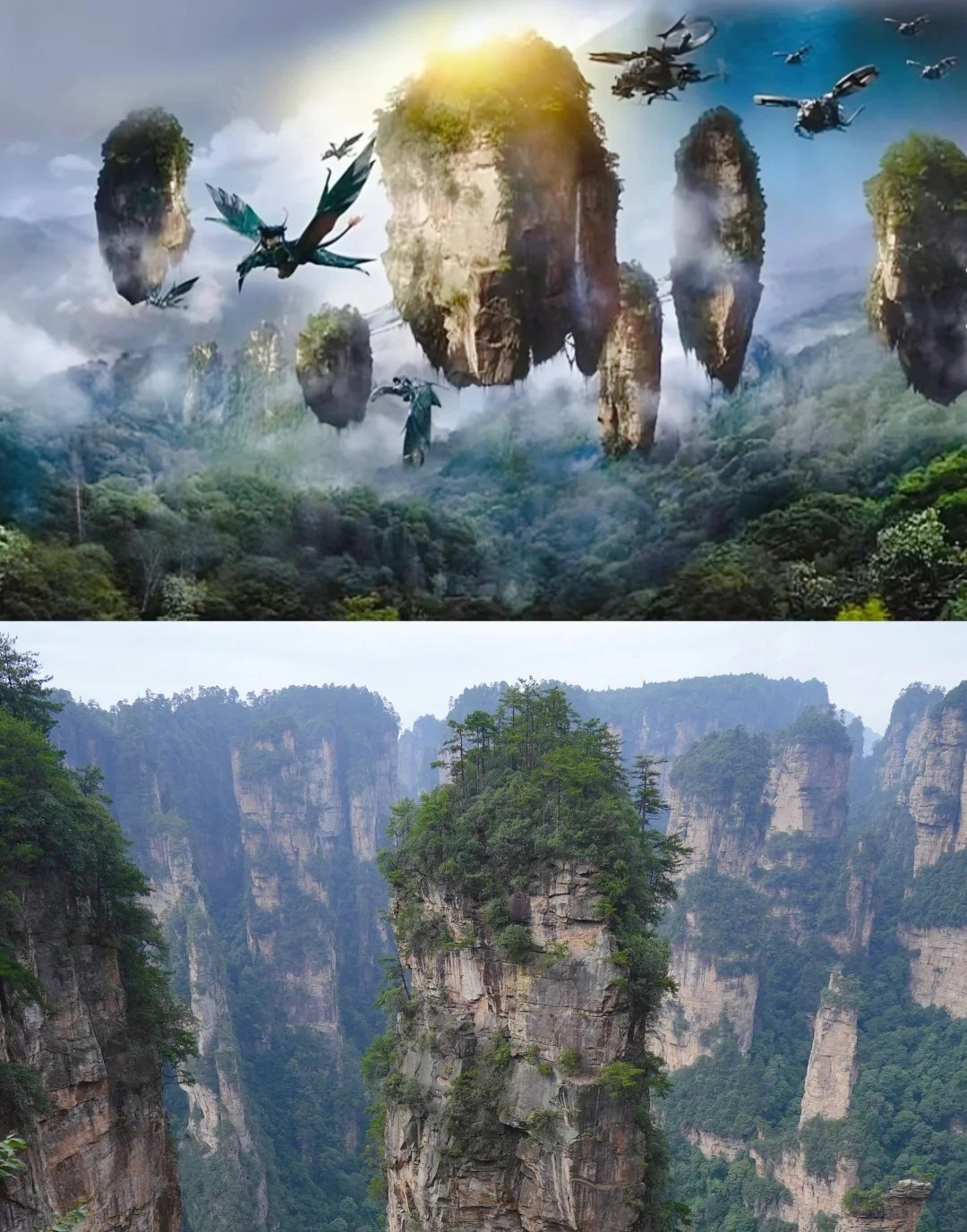
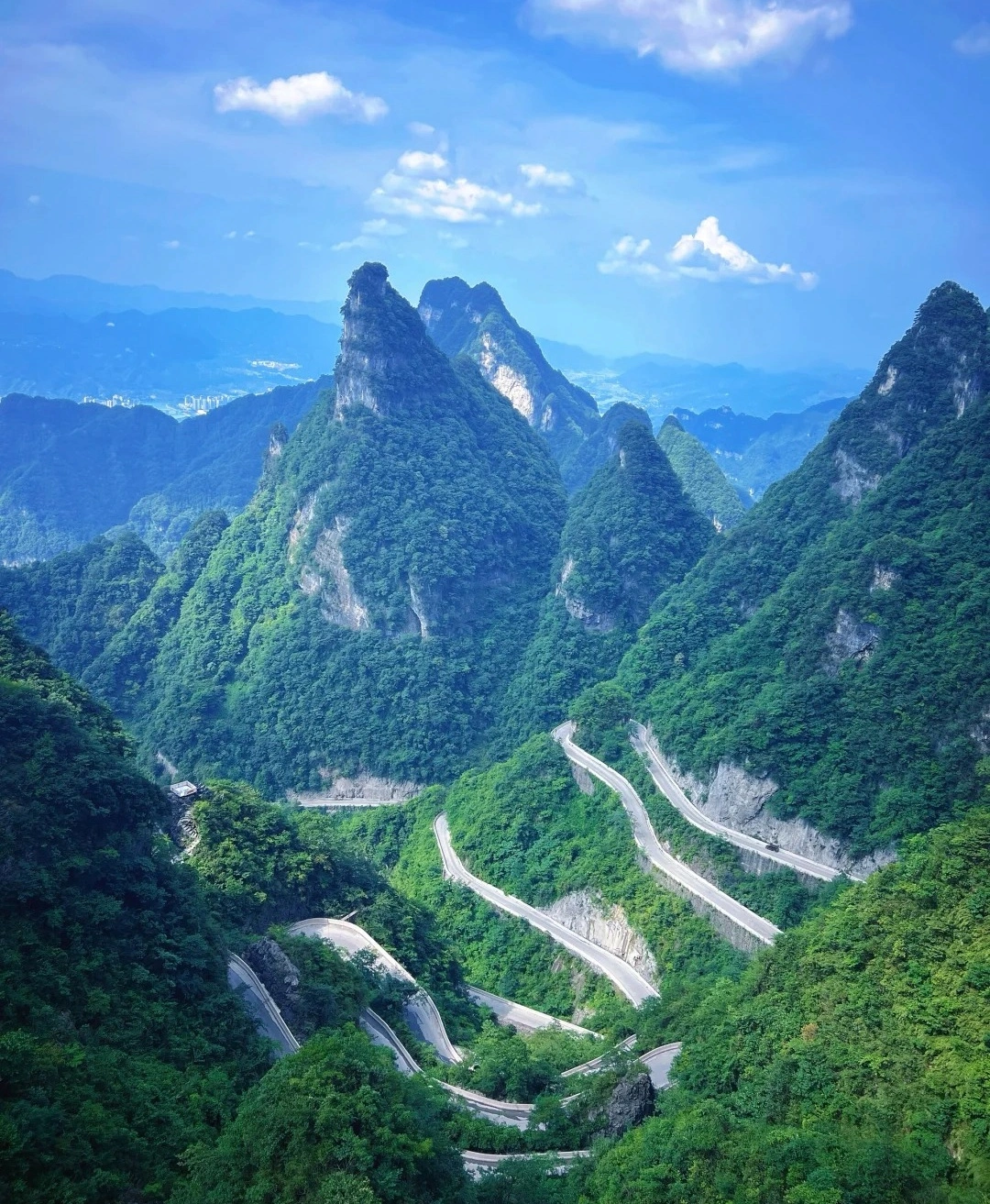
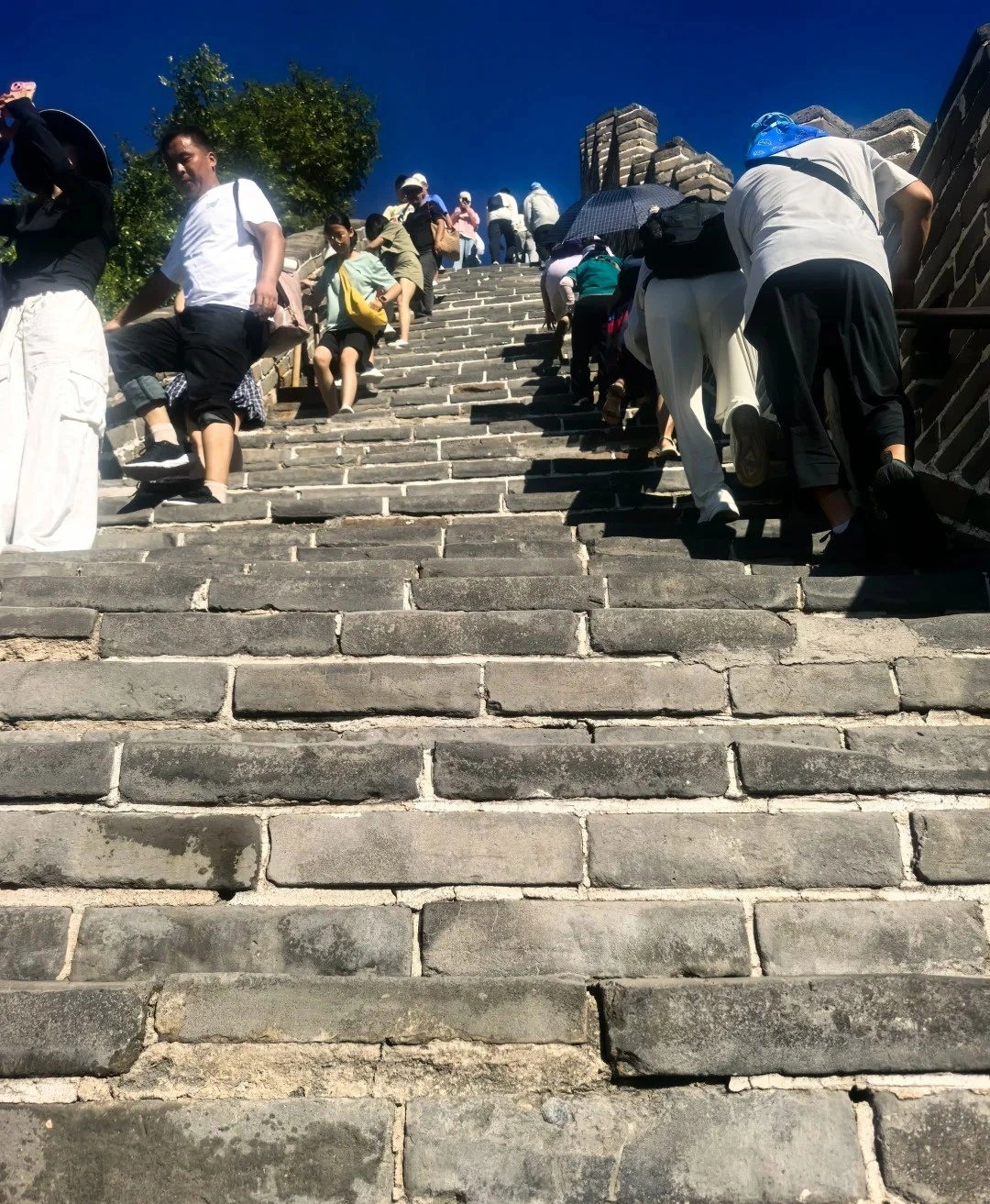
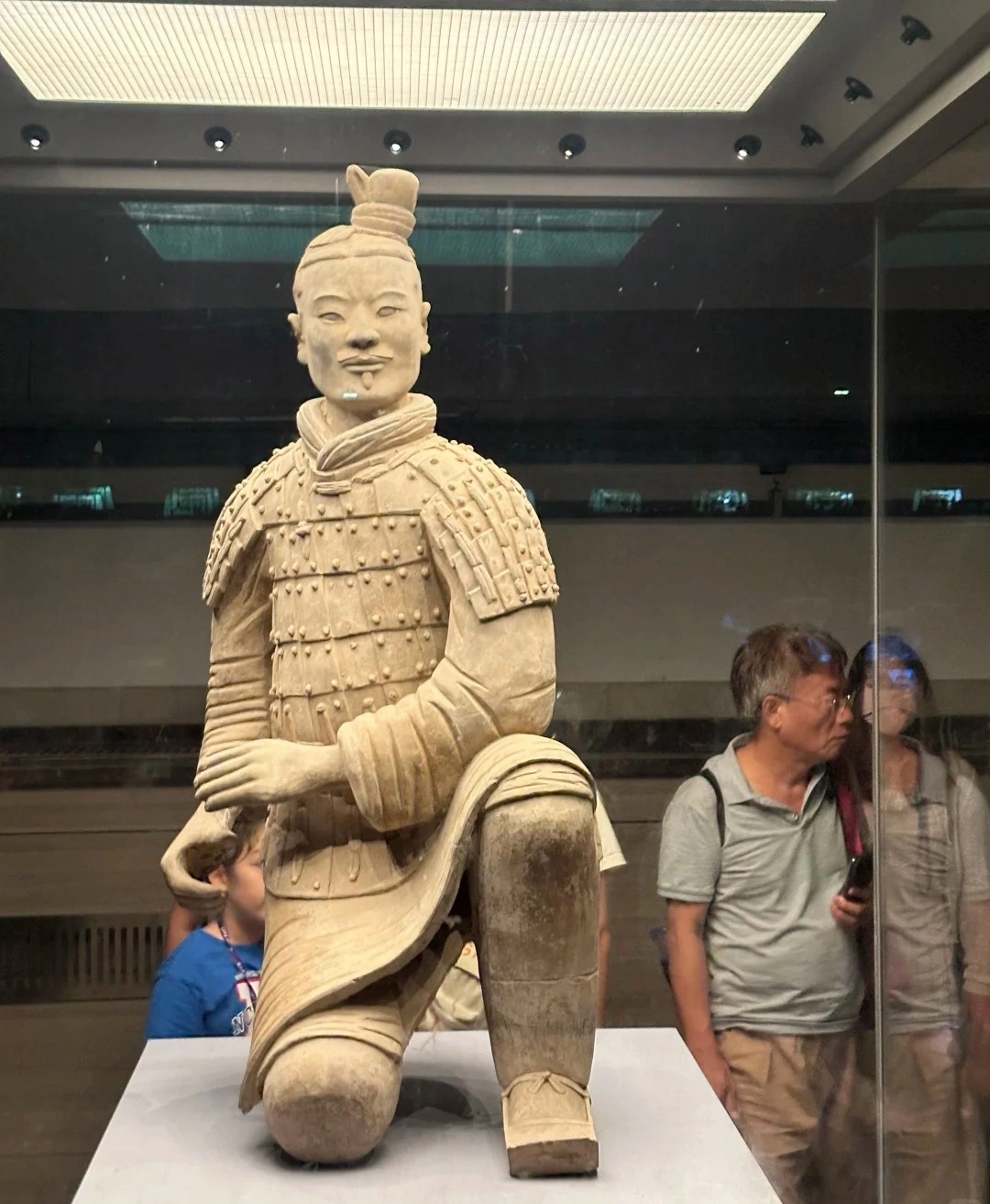
As a solo traveler from Canada, I was nervous about navigating China alone—but this 11-day tour was PERFECT! From hiking the Great Wall at sunrise (Day 3) to gasping at the Terracotta Army (Day 5), every day delivered ‘pinch-me’ moments. The real showstopper? Zhangjiajie’s Avatar Mountains (Day 7)! Our guide made the stone pillars come alive with stories.
Massive thanks for handling all logistics—bullet train tickets, entry passes, car! And the 4-star hotels surprised me.
Destination(s):
Beijing Xian Zhangjiajie Shanghai
Date of
Experience:
June 02,2025

Simon
America
Reviewed on May 29,2025
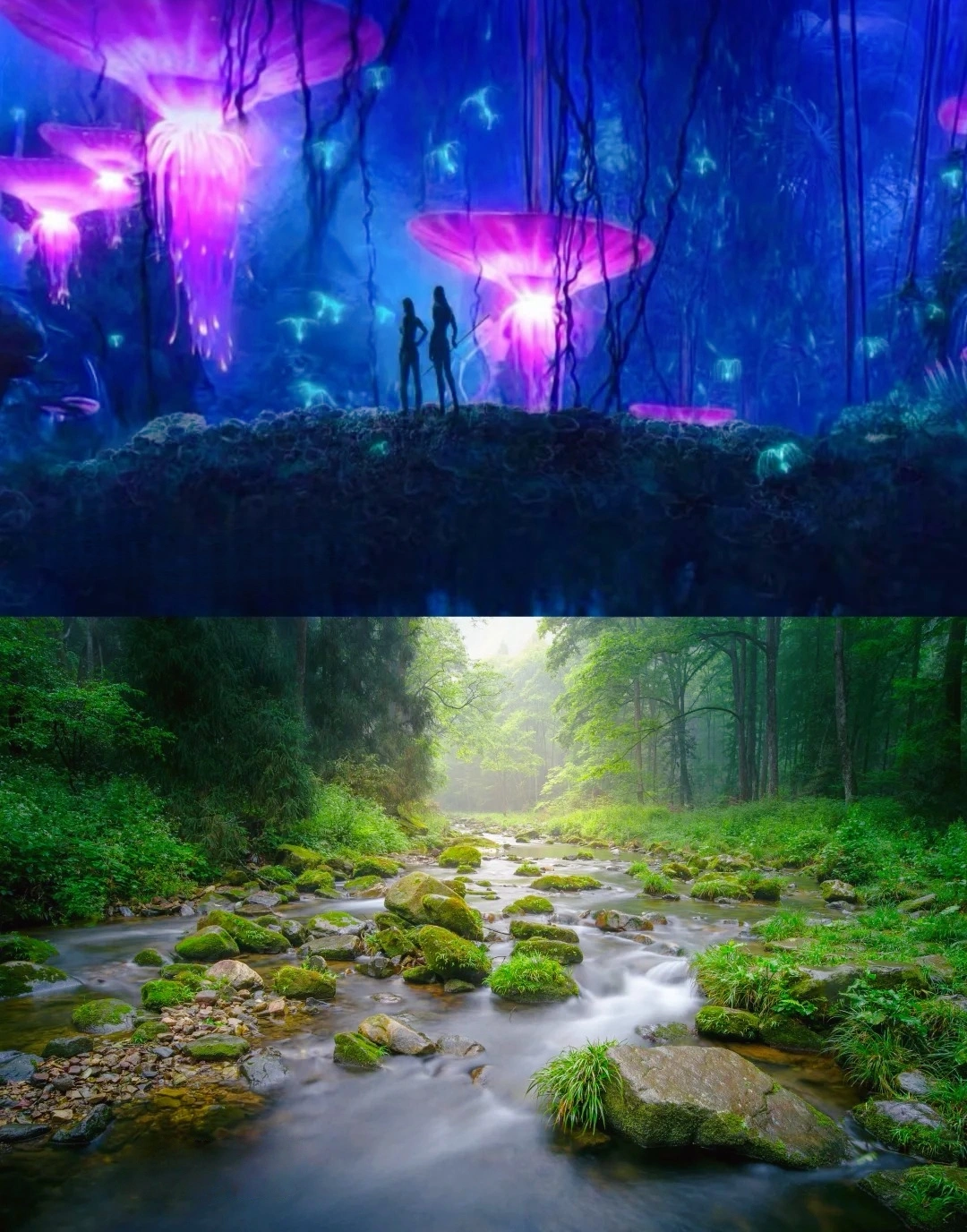
Our 2-day Zhangjiajie tour was beyond spectacular! As someone who’s visited Beijing and Shanghai for work, this trip revealed China’s wild, magical heart. Day 1 in Zhangjiajie National Forest Park felt like stepping onto Pandora—I’m a huge Avatar fan, and Yuanjiajie’s floating peaks left me breathless. The misty pillars and lush valleys like pure movie magic!
Then came Fenghuang Ancient Town, we eat dinner beside the thundering waterfall. It seems Unreal! The night views of stilt houses glowing over the river were straight from a fairy tale.
For fellow Avatar lovers and adventure seekers: Don’t miss this bucket-list experience! 10/10 would return.
A Well-Traveled Film Buff, May 2025
Destination(s):
Zhangjiajie
Date of
Experience:
May 08,2025