
Huangluo Yao Village
Huangluo Yao Village, nestled in Longsheng County, Guangxi Zhuang Autonomous Region, China, is a renowned cultural gem celebrated for its unique traditions of the Yao ethnic minority, particularly the "Long-Hair Village" reputation. Home to the Red Yao people, the village is famous for its women, who maintain waist-length or even floor-length hair, considered a symbol of beauty, longevity, and cultural identity. Visitors can explore traditional stilt houses, witness vibrant folk performances, and learn about Yao customs, such as handwoven textiles and herbal medicine. Surrounded by lush terraced rice fields and misty mountains, Huangluo offers a captivating glimpse into China’s ethnic diversity and timeless rural charm, making it a must-visit destination for cultural and nature enthusiasts.
Introduction & Historical Significance
Nestled in Longsheng County, Guilin City, Guangxi Zhuang Autonomous Region, Huangluo Yao Village is a UNESCO-recognized World Natural Heritage site and a living museum of Red Yao culture with over 800 years of history. Revered as the "World's Longest Hair Village," it is home to 112 women whose hair averages 1.6 meters—a symbol of wisdom, prosperity, and spiritual connection in Yao tradition. The village, part of the Longji Rice Terraces cultural landscape, embodies the harmonious coexistence of humanity and nature. Ancestral myths trace its origins to the migration of Yao ancestors from Hunan to Guangxi, while its "Long Hair Ritual" was inscribed on China's National Intangible Cultural Heritage List in 2014.
Architectural Layout & Design
Traditional Yao wooden stilt houses ("diaojiaolou") dominate the landscape, featuring:
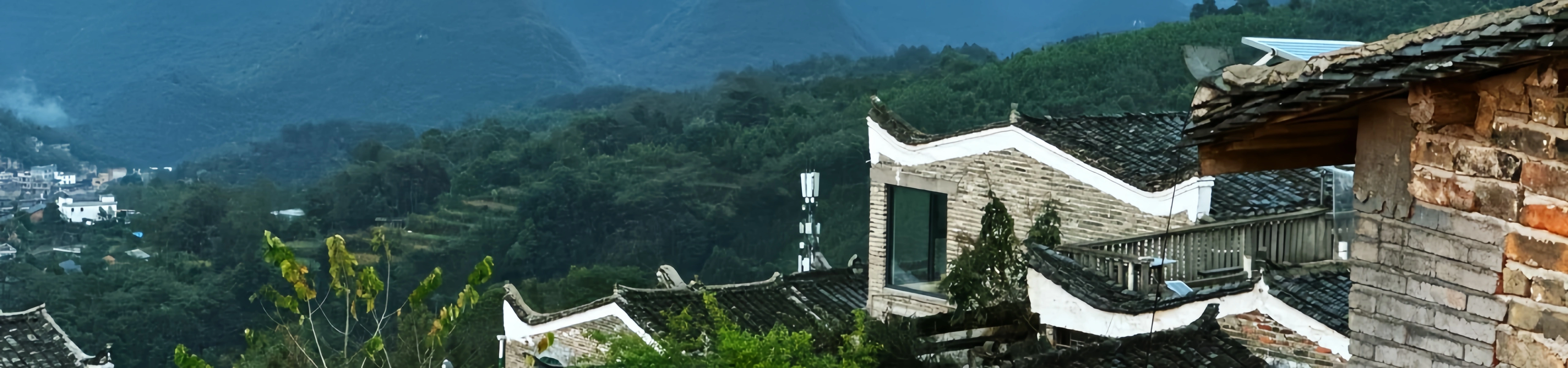
- Diaojiaolou Architecture: Two-story timber frames with raised floors to prevent dampness, adorned with carved patterns of suns, moons, and phoenixes. Roofs are tiled with gray slate, forming overlapping eaves.
- Cultural Landmarks: The "Long Hair Museum" showcases ancient hair combs, indigo-dyed textiles, and ritual artifacts. The "Drum Tower" serves as a community hub for Festivals and dispute resolution.
- Terraced Fields: The 66 km² Longji Rice Terraces, carved into mountainsides over 650 years, form a "ladder to heaven" recognized by UNESCO for their agricultural ingenuity.
- Eco-Integration: Stone-paved lanes, bamboo fences, and rainwater collection systems blend tradition with sustainability.
Major Attractions
- Long Hair Ritual Performance: Daily shows featuring Yao women singing "Hair Songs" while demonstrating hair washing with fermented rice water—a secret to their lustrous locks.
- Longji Terraces Trek: Hiking trails through emerald rice paddies offering panoramic views of tiered fields, waterfalls, and Yao villages.
- Indigo Dyeing Workshops: Hands-on experiences creating traditional batik textiles using Yao techniques.
- Golden Kong Terraces: A scenic viewpoint for sunrise photography over misty mountains and terraced fields.
- Yao Medicinal Herb Garden: A botanical trail showcasing over 200 species of herbs used in traditional Yao medicine.
Ticket Information
- Longji Terraces Entry: ¥95 full price (includes shuttle buses); discounts for students/seniors (¥45).
- Village Access: Free 24/7; specific sites like the Long Hair Museum (¥30) and Drum Tower (¥20) require tickets.
- Guided Tours: ¥120-200 for heritage walks covering Yao history, architecture, and ecology.
- Combined Packages: ¥200-350 with meals, guides, and premium stays.
Transportation Guide
- Public Transit: Bus 2 from Guilin North Bus Station to Longji Terraces (¥25, 2.5h); shuttle buses connect villages (¥10-20).
- Self-Drive: 1.5h from Guilin via G321 Highway; parking at Huangluo Village entrance (¥10/day).
- Local Access: Electric shuttles (¥5/ride) and shared e-bikes for village lanes; horseback tours available.
- Air/Rail: Direct flights to Guilin Liangjiang Airport or trains to Guilin Railway Station.
Best Time & Tips
- Optimal Seasons: April-May for rice planting/green terraces; September-October for golden harvest vistas. Avoid July-August monsoons.
- Photography: Dawn for misty terrace vistas; sunset for golden-hour lighting. Use polarizing filters for color saturation.
- Cultural Etiquette: Remove shoes in homes; respect Yao customs during festivals like the "Long Hair Festival" (December).
- Packing: Polarized sunglasses, layered clothing for altitude shifts (300-1,100m), and reusable water bottles.
- Dining: Must-try dishes include Yao-style bamboo-tube rice, smoked pork, and fermented vegetable stews at village cafes.
Nearby Attractions & Itineraries
- Combined Tours:
- Morning: Huangluo Village exploration + Long Hair performance + terraces photo stops.
- Afternoon: Indigo dyeing workshop + medicinal herb garden hike.
- Evening: Guilin night markets or "Impression Liu Sanjie" outdoor show.
- Cultural Synergy: Pair with Sanjiang Dong Village for minority architecture or Yangshuo for karst landscapes.
- Multi-Day Routes:
- 3-Day: Guilin → Huangluo → Longji Terraces → Yangshuo → Li River Cruise.
- 5-Day: Nanning → Guilin → Huangluo → Longji → Yangshuo → Dragon's Back Terraces.
Huangluo Yao Village epitomizes the soul of Yao culture—where ancient traditions, agricultural wonders, and sustainable tourism converge. As a UNESCO gem, it invites global travelers to witness the harmony between humanity and nature in China's southern karst landscapes.


Contact Us
What Our Clients Say?
Based on 10,000+ traveler reviews

Daniel Dorothea
Canada
Reviewed on April 29,2025
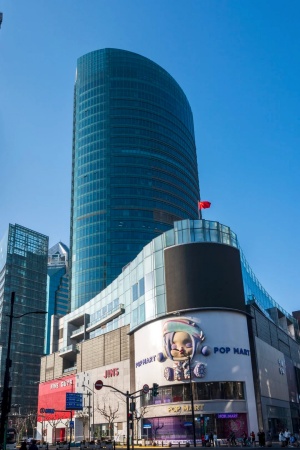
Shopping on Nanjing Road in Shanghai was just amazing! It's truly the "First Commercial Street of China", where tradition and modernity blend perfectly. You can find awesome souvenirs and experience the trendy vibes in cool stores. The neon lights at night are just spectacular, shining bright like Times Square in New York. The food here is incredible too. I had a feast for my taste buds. Shanghai, I'll definitely be back!
Destination(s):
Shanghai
Date of
Experience:
May 08,2024

Elvis Eva
Canada
Reviewed on June 20,2025
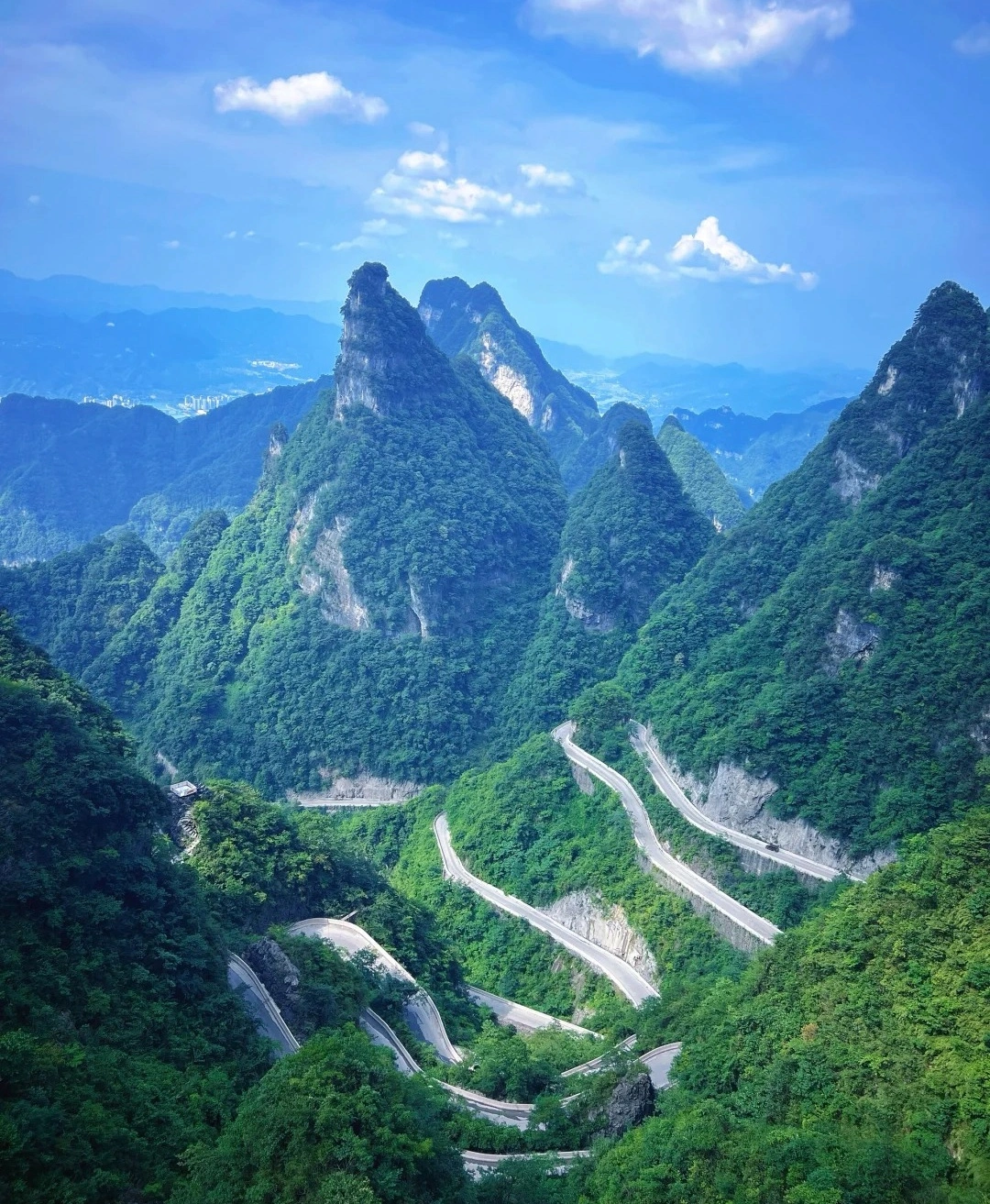
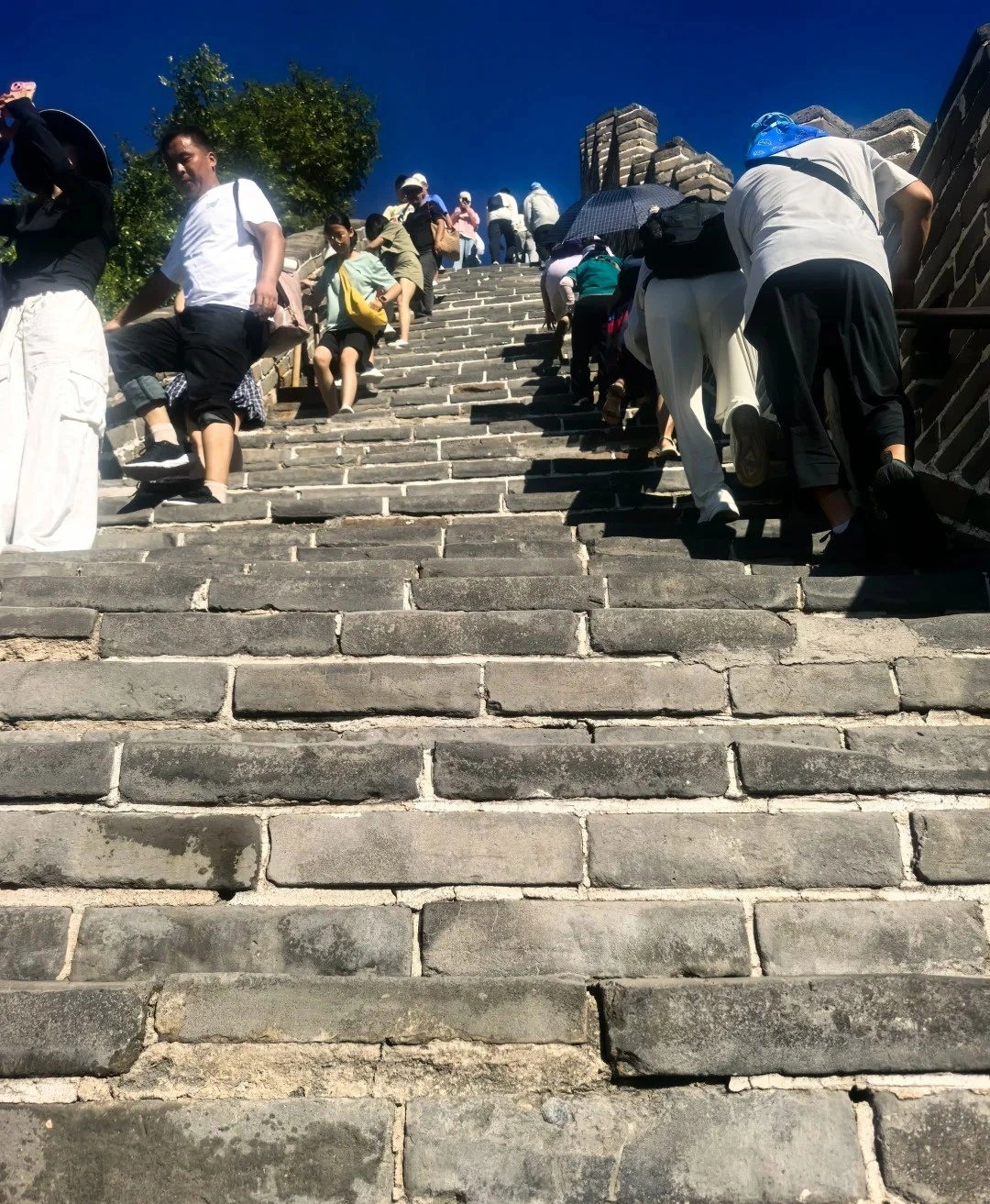
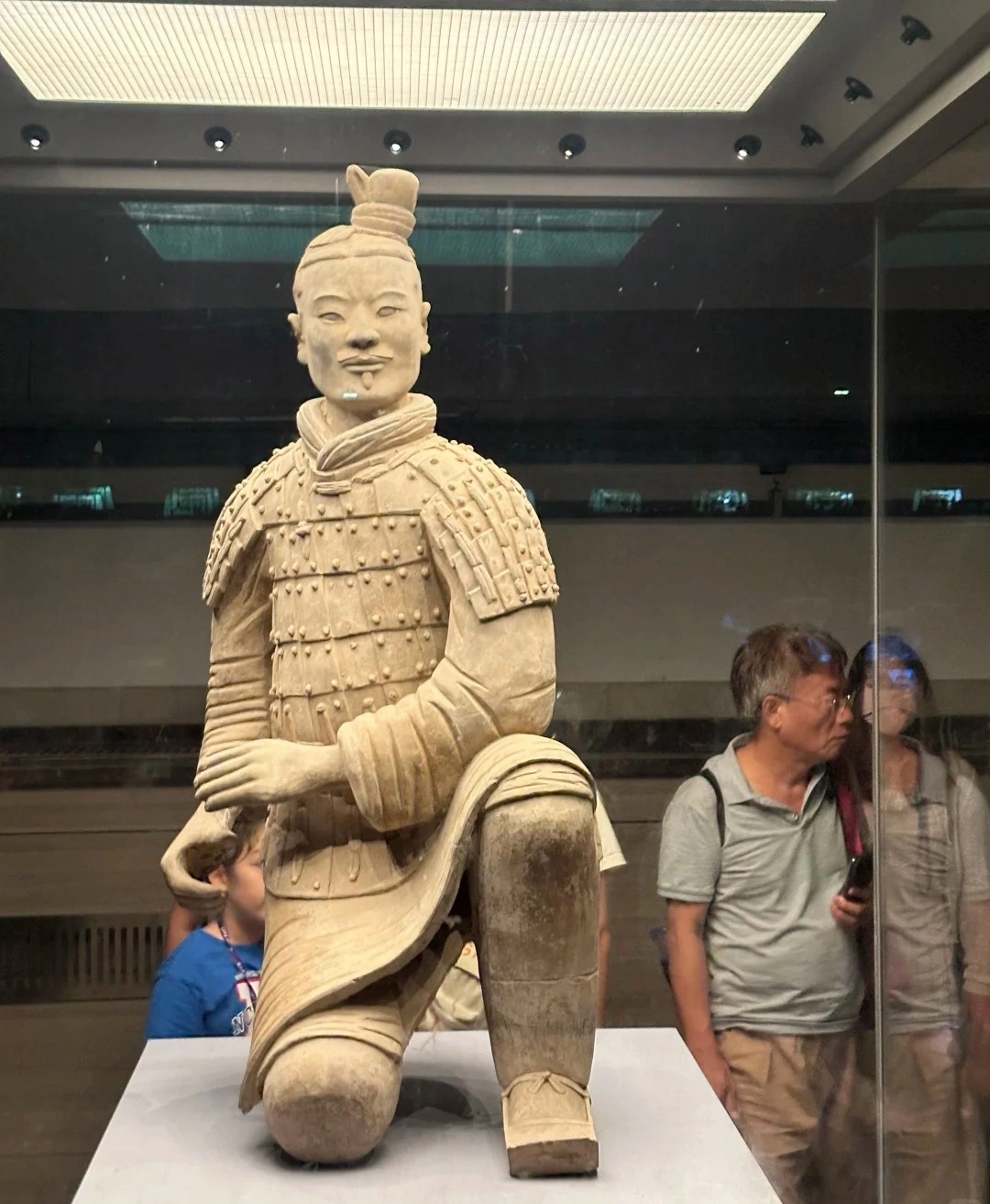
As a solo traveler from Canada, I was nervous about navigating China alone—but this 11-day tour was PERFECT! From hiking the Great Wall at sunrise (Day 3) to gasping at the Terracotta Army (Day 5), every day delivered ‘pinch-me’ moments. The real showstopper? Zhangjiajie’s Avatar Mountains (Day 7)! Our guide made the stone pillars come alive with stories.
Massive thanks for handling all logistics—bullet train tickets, entry passes, car! And the 4-star hotels surprised me.
Destination(s):
Beijing Xian Zhangjiajie Shanghai
Date of
Experience:
June 02,2025

Simon
America
Reviewed on May 29,2025
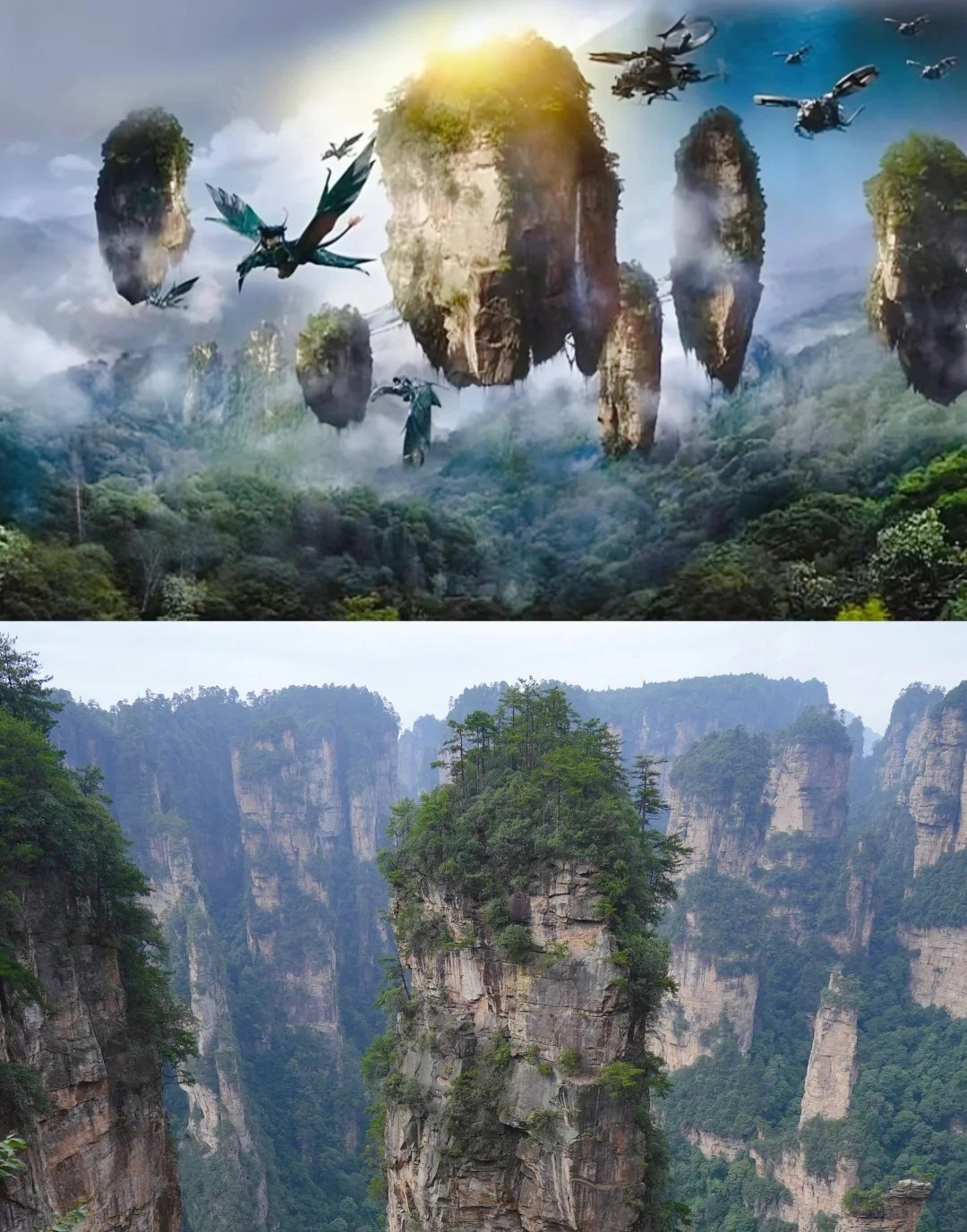
Our 2-day Zhangjiajie tour was beyond spectacular! As someone who’s visited Beijing and Shanghai for work, this trip revealed China’s wild, magical heart. Day 1 in Zhangjiajie National Forest Park felt like stepping onto Pandora—I’m a huge Avatar fan, and Yuanjiajie’s floating peaks left me breathless. The misty pillars and lush valleys like pure movie magic!
Then came Fenghuang Ancient Town, we eat dinner beside the thundering waterfall. It seems Unreal! The night views of stilt houses glowing over the river were straight from a fairy tale.
For fellow Avatar lovers and adventure seekers: Don’t miss this bucket-list experience! 10/10 would return.
A Well-Traveled Film Buff, May 2025
Destination(s):
Zhangjiajie
Date of
Experience:
May 08,2025