Nature's Creation—A Three-Dimensional Landscape Painting
The natural beauty of Three Pools Mirroring the Moon lies in its garden layout, which, though man-made, appears as if created by nature, and its ever-changing scenery throughout the four seasons.
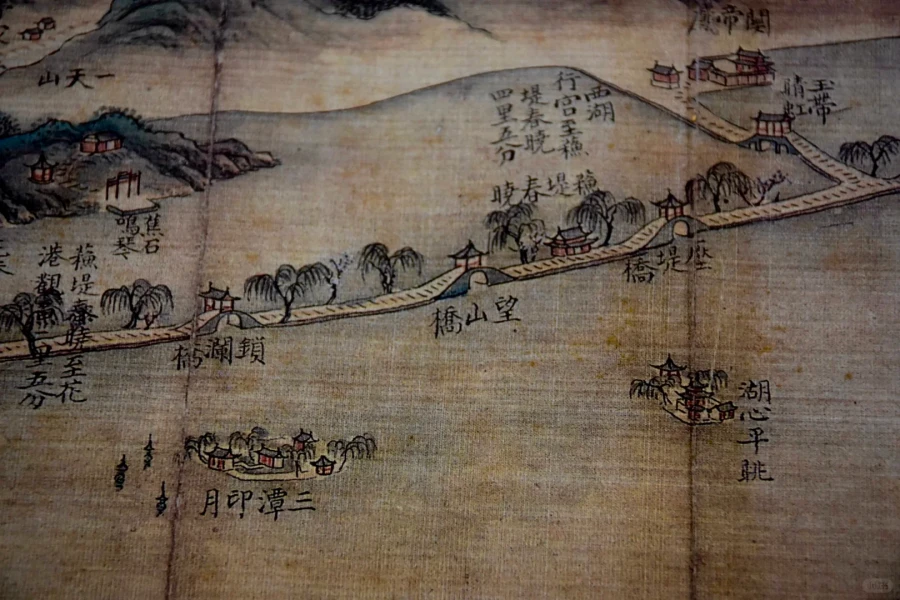
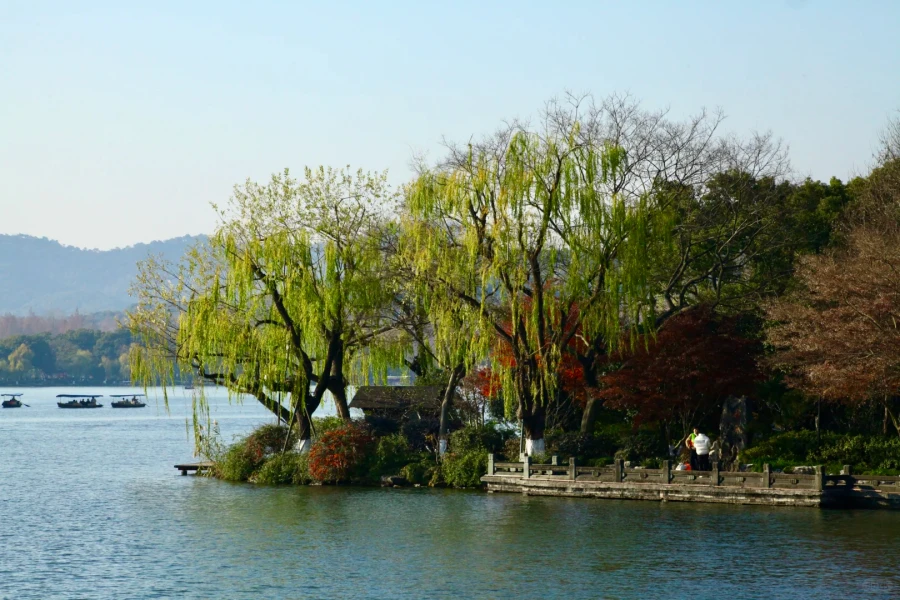
The fantastical layout of "an island within a lake, and a lake within an island" leads one into a progressively deeper labyrinth upon reaching the island. The outer ring is lined with willow-lined embankments, while the inner ring features a wide, circular waterway connected to the central island by winding bridges, pavilions, and covered walkways. This complex yet orderly spatial sequence, with its ever-changing scenery, is the pinnacle of the Chinese garden philosophy of "finding grandeur in small things."
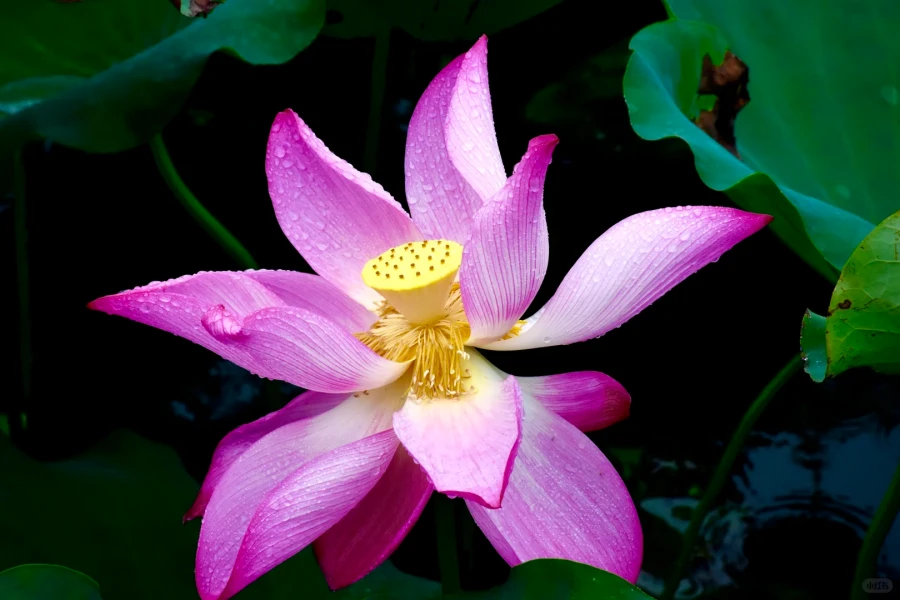
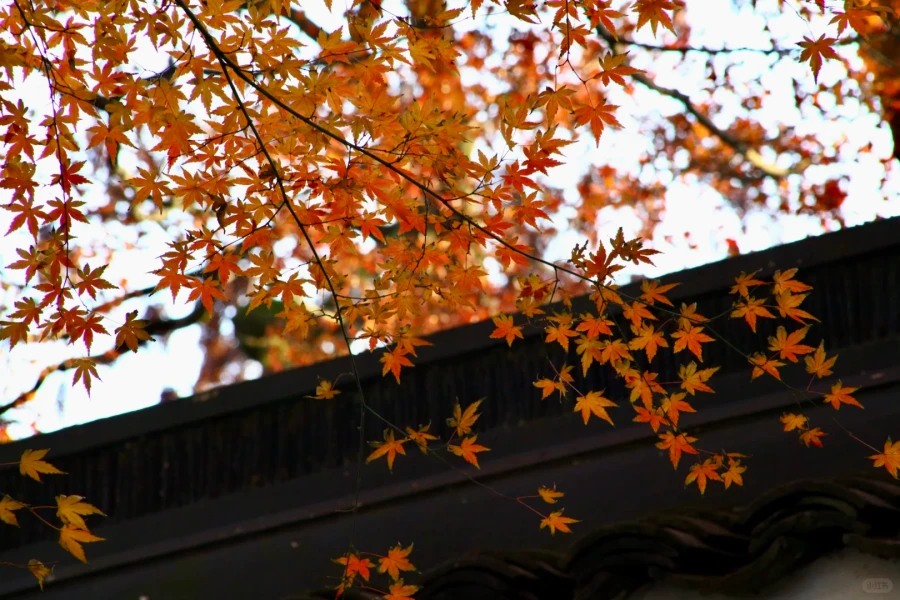
A Symphony of Plants in All Seasons: The island is a plant kingdom. In spring, willows sway in the water, and azaleas bloom in profusion; in summer, lotus flowers stand gracefully on the lake (one of the lotus seed source bases of "Quyuan Fenghe"), and lush trees provide shade; in autumn, hibiscus flowers bloom, and osmanthus fills the air with fragrance; in winter, withered lotus leaves listen to the rain, and pines and bamboos remain evergreen. Plants, architecture, and waterways together create a living picture of the four seasons.
Humanistic craftsmanship – a crystallization of stone pagodas, architecture, and poetry
Every structure here carries profound cultural connotations and exquisite design wisdom.
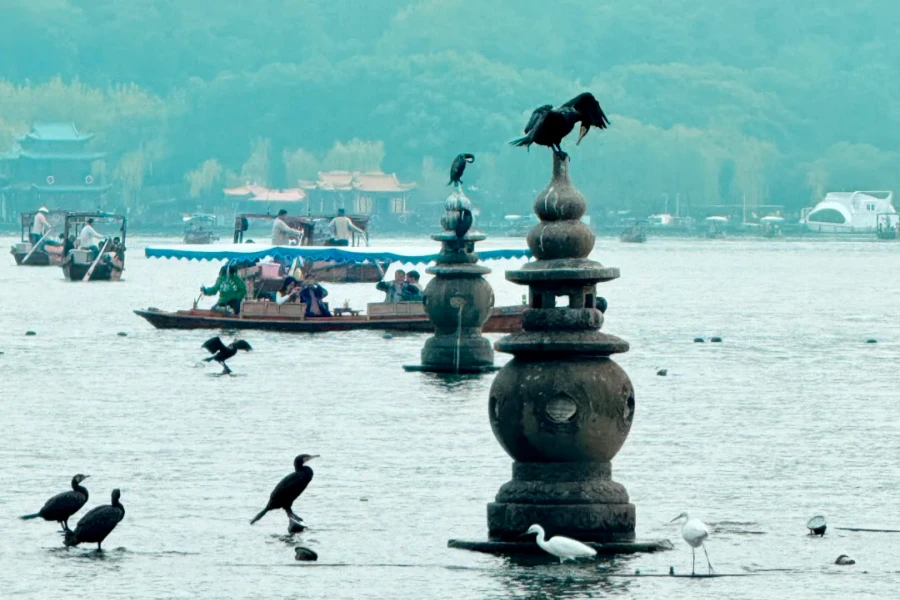
Three Stone Towers: From Watermarks to Aesthetic Symbols
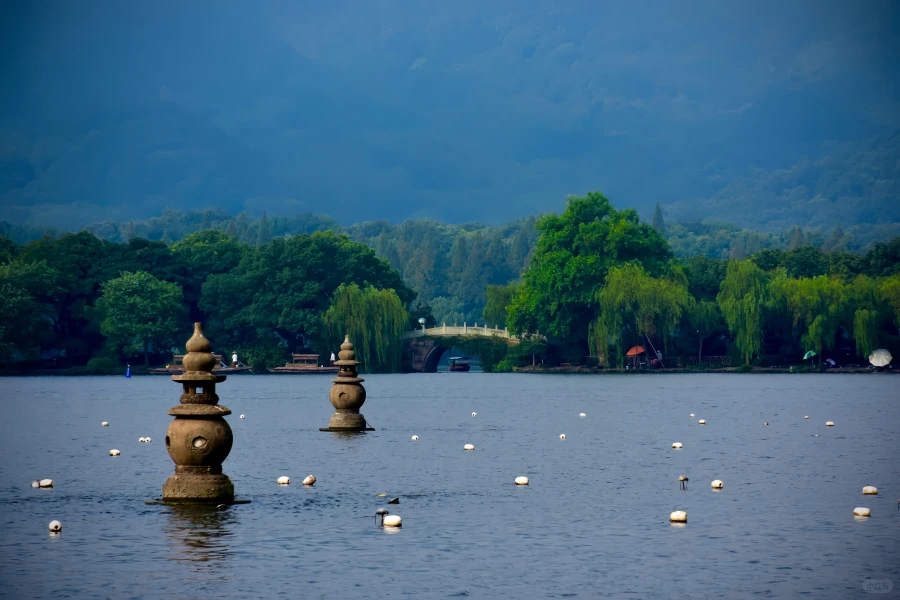
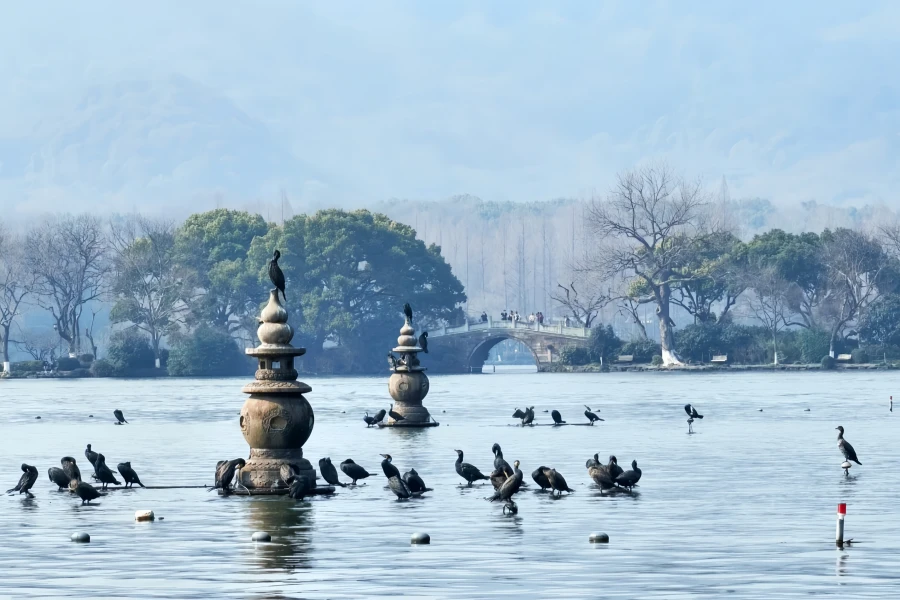
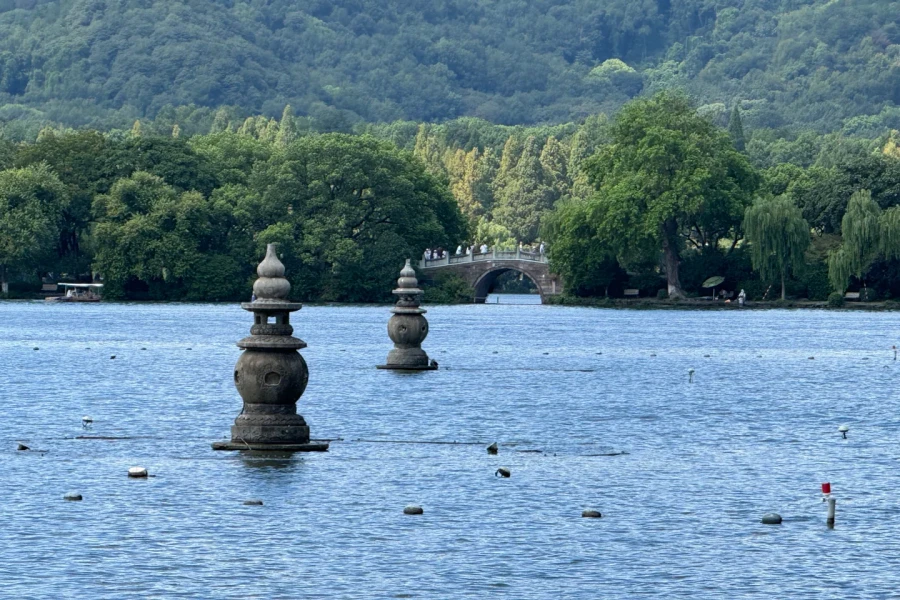
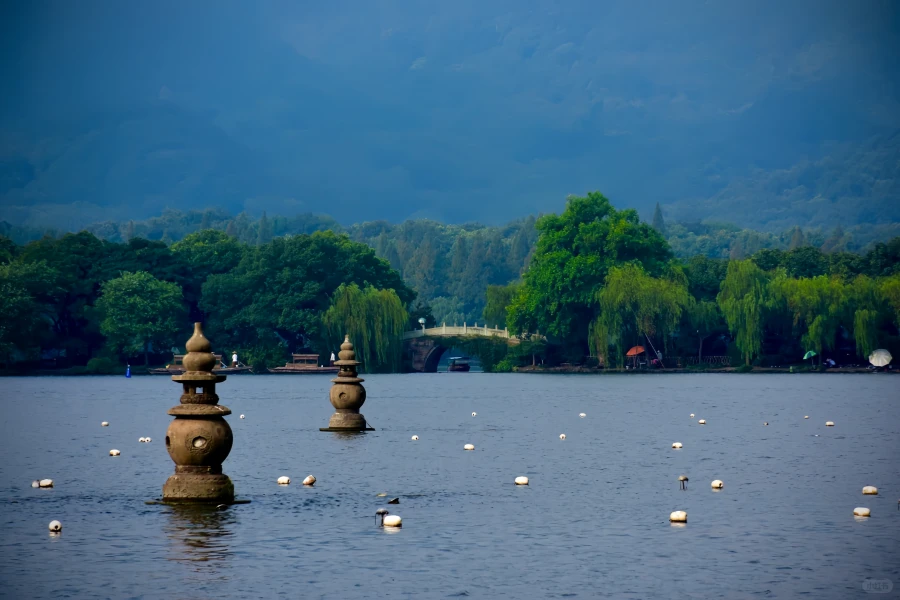
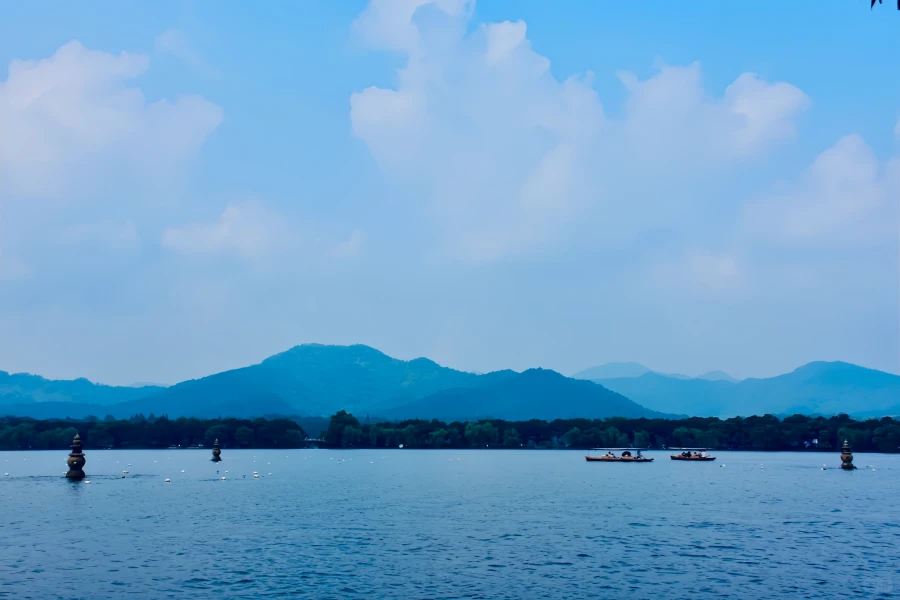
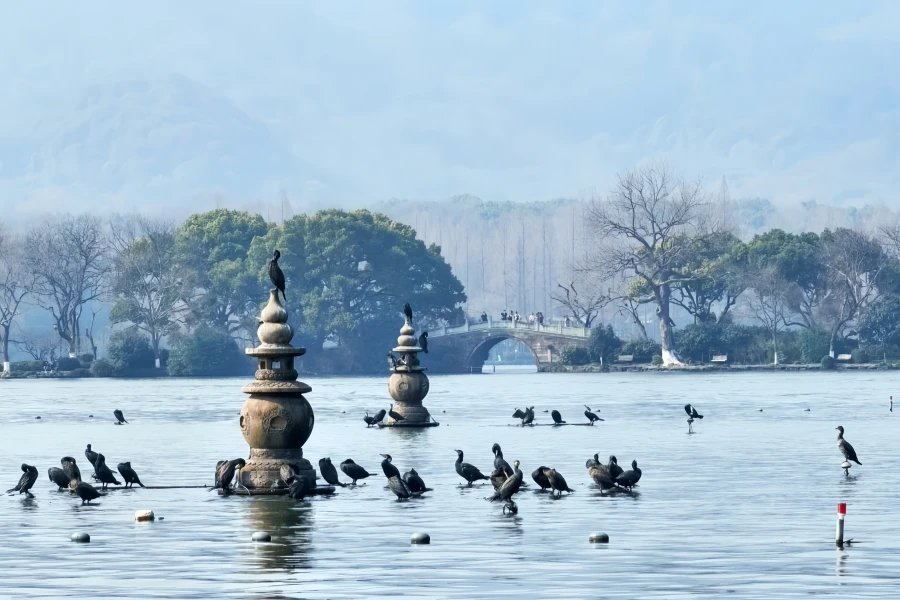
The three gourd-shaped stone pagodas we see today were rebuilt during the Ming Dynasty. Each pagoda is about 2 meters tall, hollow, and has five equidistant circular openings arranged on its spherical surface. The ingenious design lies in the following: on the night of the Mid-Autumn Festival, candles are lit inside the pagodas, and the openings are sealed with peach blossom paper. The light shines through the openings and is reflected in the lake, resembling numerous small moons. This, along with the bright moon in the sky and the real moon in the water, creates the legend of "33 moons" (3 pagodas x 5 openings x 2 reflections + 1 moon in the sky + 1 moon in the heart). This is a masterpiece of ancient Chinese engineering, aesthetics, and romantic imagination.
The rhythm of garden architecture:
The Nine-Bend Bridge: a major artery connecting the north and south, its winding path lengthens the tour route and provides multiple viewing angles.
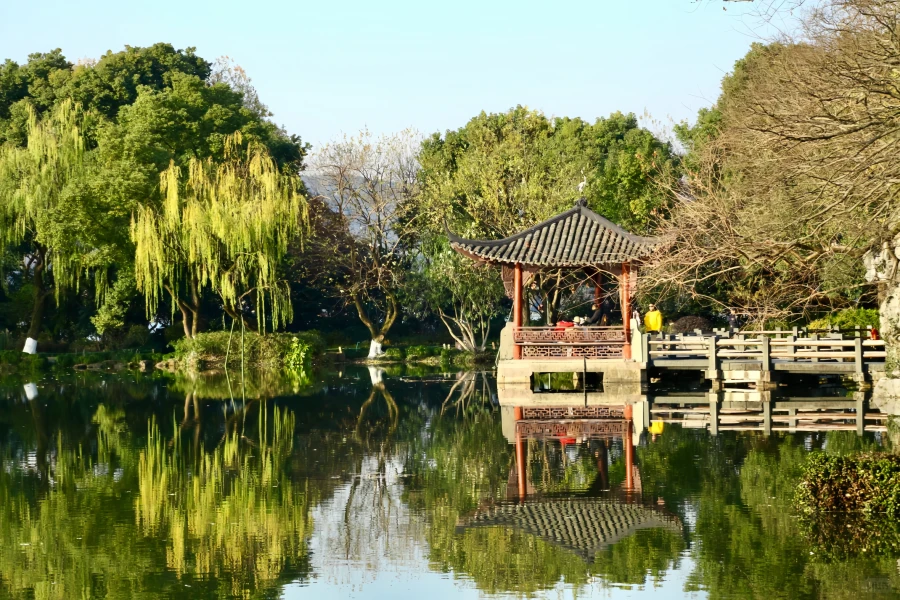
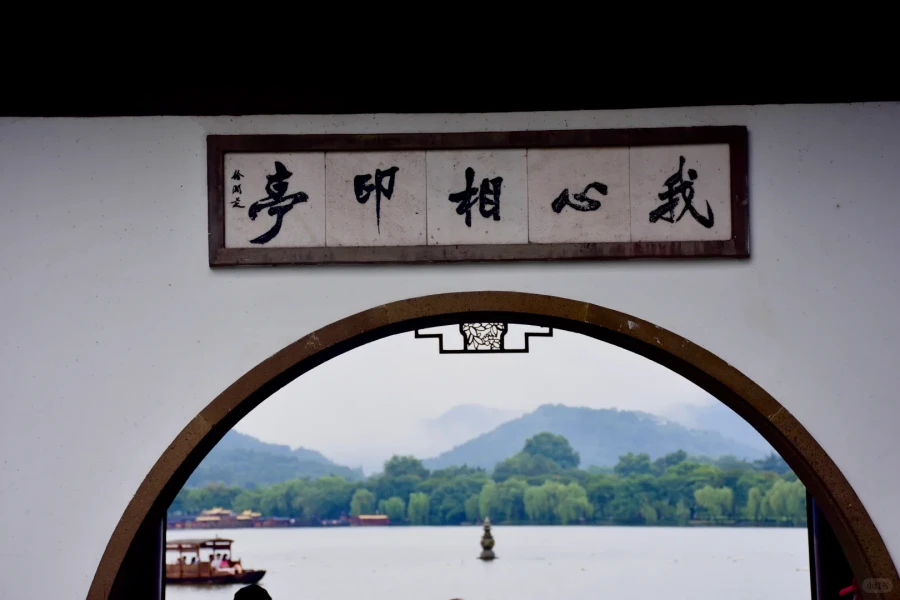
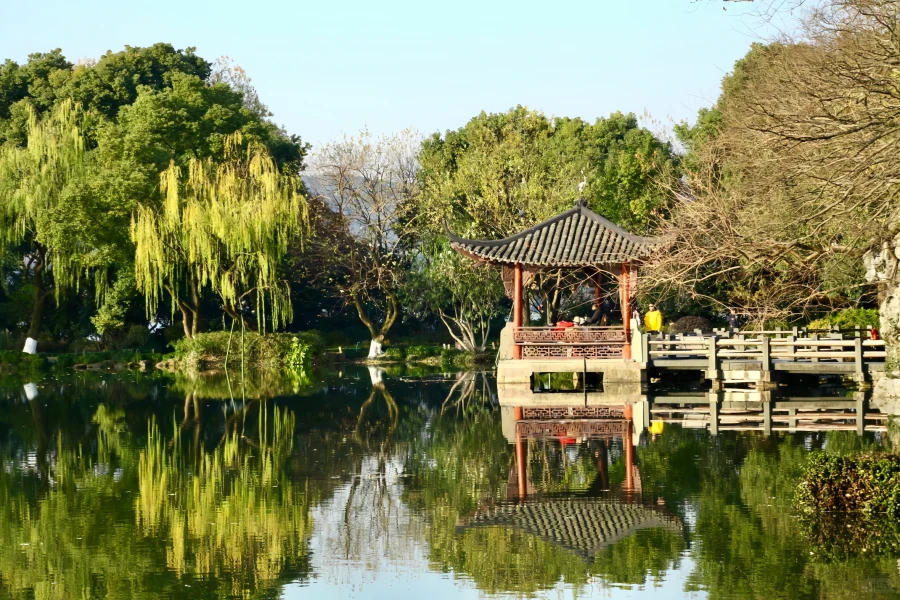
Pavilions and towers: The "Bamboo Path Leads to Seclusion" Stele Pavilion, "Tingtingting" (meaning "stop, stop, stop," encouraging people to pause), and "My Heart Resonates with Yours Pavilion" (a Zen saying, "No need for words, hearts are connected," also the best land-based viewing platform for the Three Pagodas), each building's name is rich in poetic sentiment and philosophy.
Imperial Stele and Inscriptions: On the island, there is a stone stele inscribed with "Three Pools Reflecting the Moon" by Emperor Kangxi, as well as a large number of couplets and plaques by literati and scholars throughout history, such as "The clear blue waters encroach upon the moon's realm, the mortal world is separated from the fairyland," where the words and scenery complement each other.
Photography Tips:
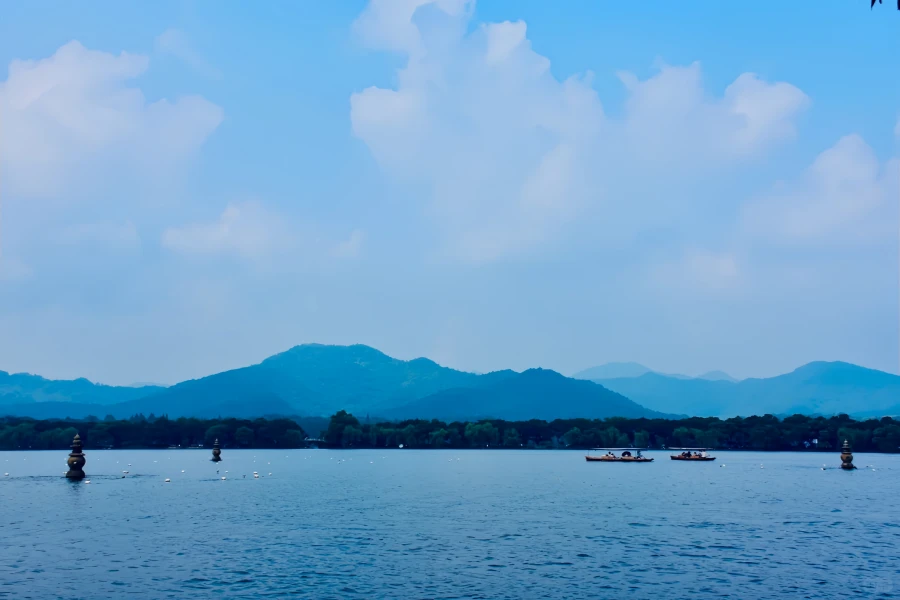
Classic panoramic view: The best spot is in front of the "My Heart Resonates with Yours Pavilion" on the south side of the island, which can frame the three stone pagodas and the distant Baochu Pagoda and city skyline.
Close-up of the stone tower: You need to take a boat around to the vicinity of the tower and use a telephoto lens to capture the details of the stone tower and its reflection in the water. It is especially enchanting at dusk or under the moonlight.
Framing the view in the garden: Use the archway of the zigzag bridge and the window frames of the pavilion as frames to capture the lake and trees on the island, creating a classical painting feel.
Drone perspective: It can fly within the permitted areas and offer a stunning aerial view of the "田"-shaped island pattern.