Expo Park: A journey from the world's exhibition hall to the new cultural landmark of the city

Expo Park: A journey from the world's exhibition hall to the new cultural landmark of the city

Overview: A model city for sustainable development in the future
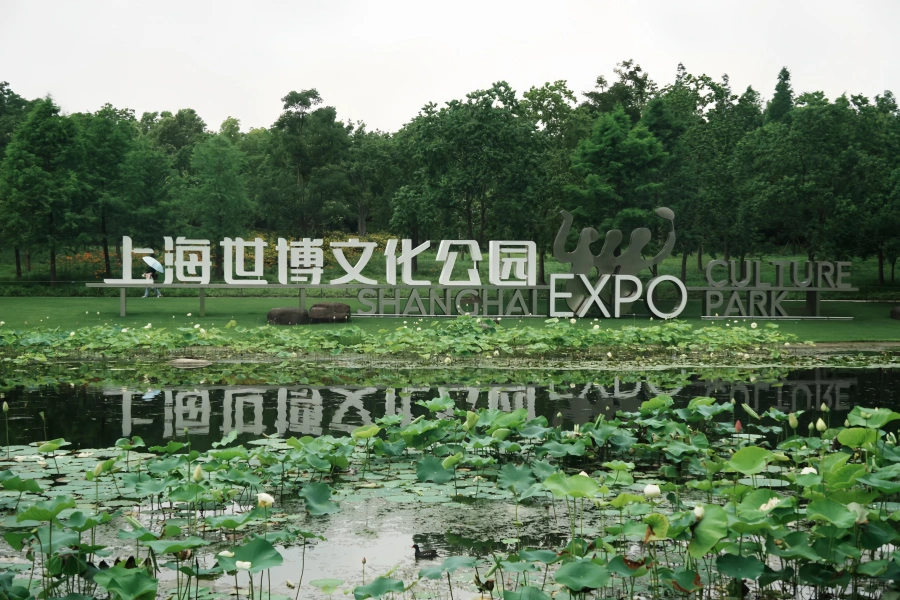
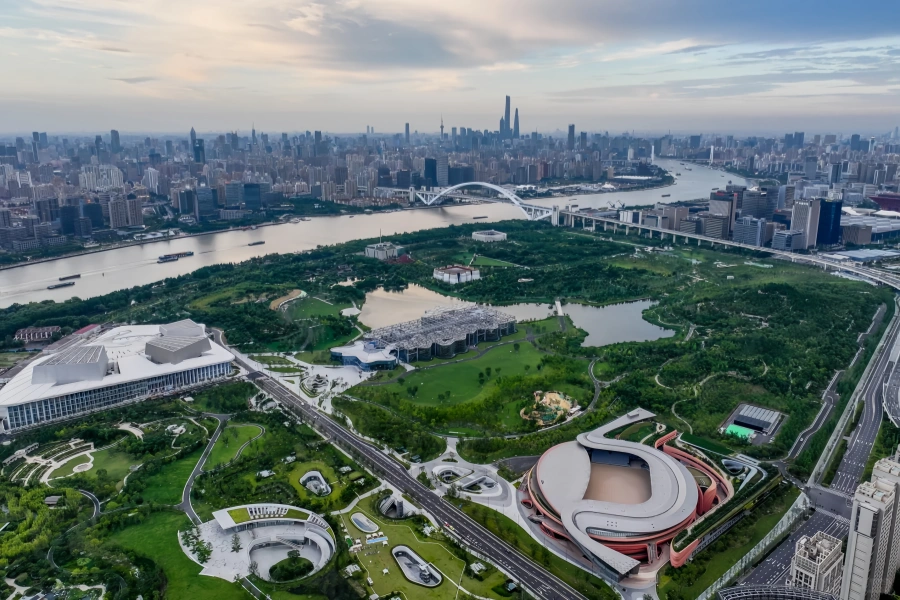
The Shanghai World Expo Park, the grand stage for the 2010 Shanghai World Expo, brought together the wisdom and creativity of more than 240 countries and international organizations. Today, it has been successfully transformed into a permanent urban public space integrating cultural exhibitions, public art, leisure and entertainment, and ecological demonstration.

Key Highlights at a Glance
Identity Tags: A World Expo That Never Ends / A Demonstration Zone for Future Urban Living / A Global Gallery of Architectural Art
Core experiences: Visit the China Art Museum, explore the original national pavilions, stroll along the riverside promenade, and enjoy a large-scale cultural performance.
Recommended itinerary: 1-day in-depth tour
Address: Expo Avenue, Pudong New Area, Shanghai (formerly Pudong Main Area)

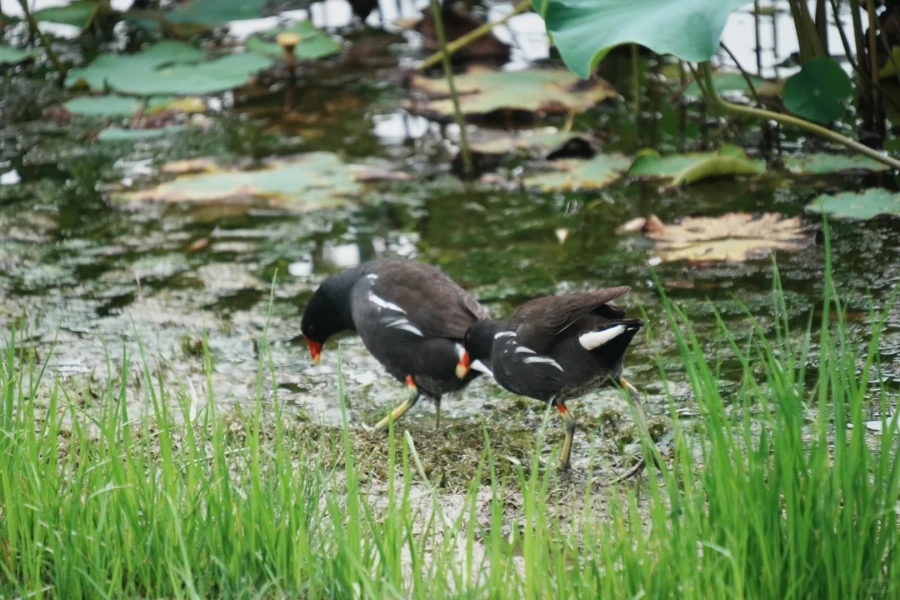
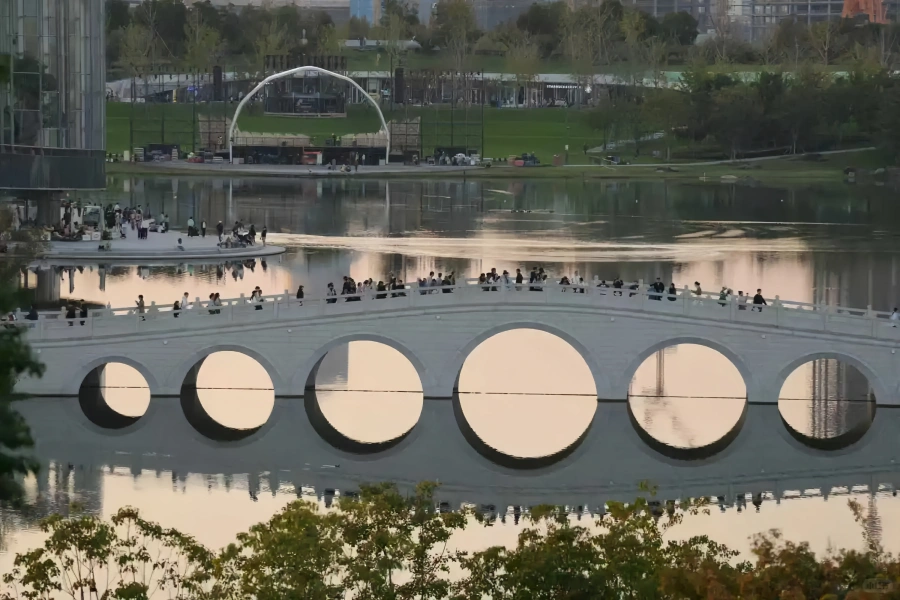
  • Expo Park: A journey from the world's exhibition hall to the new cultural landmark of the city-1
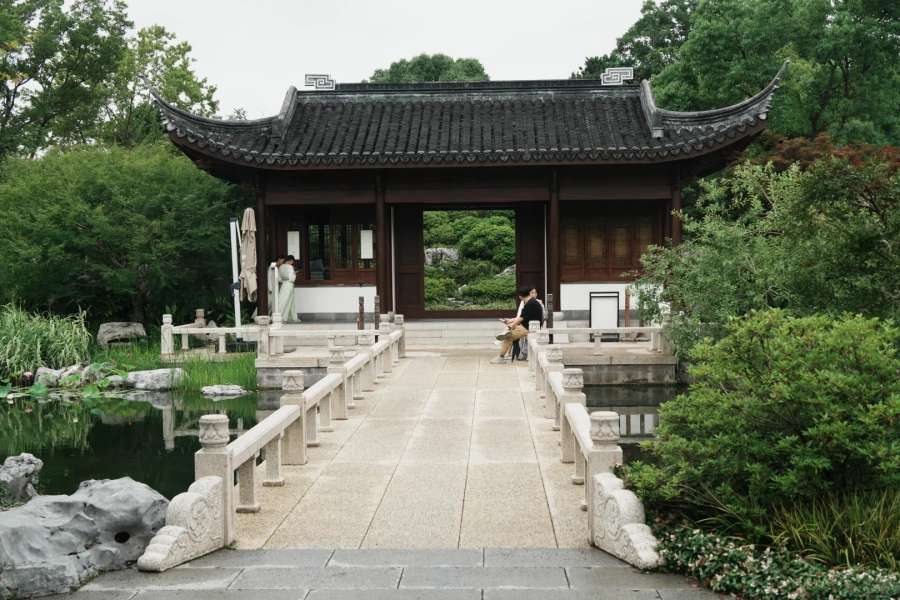
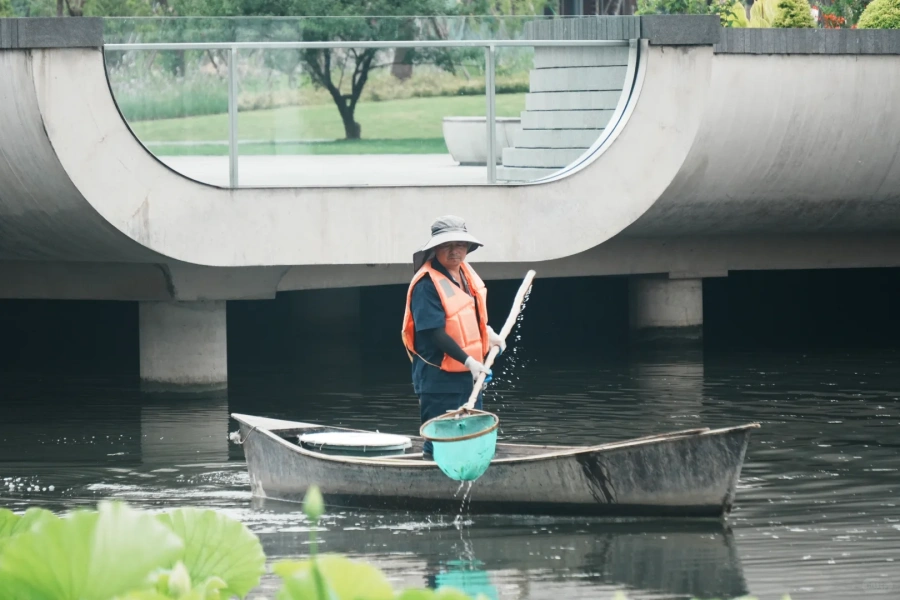
  • Expo Park: A journey from the world's exhibition hall to the new cultural landmark of the city-2
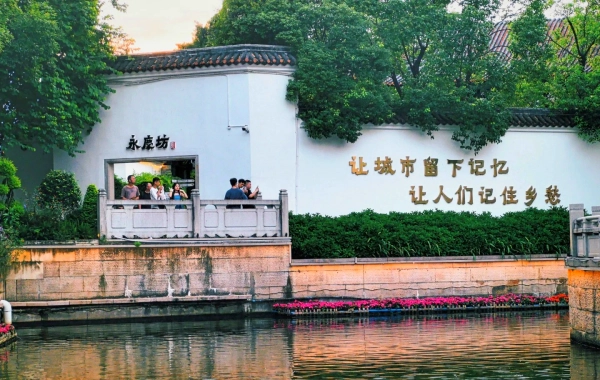
  • Expo Park: A journey from the world's exhibition hall to the new cultural landmark of the city-3
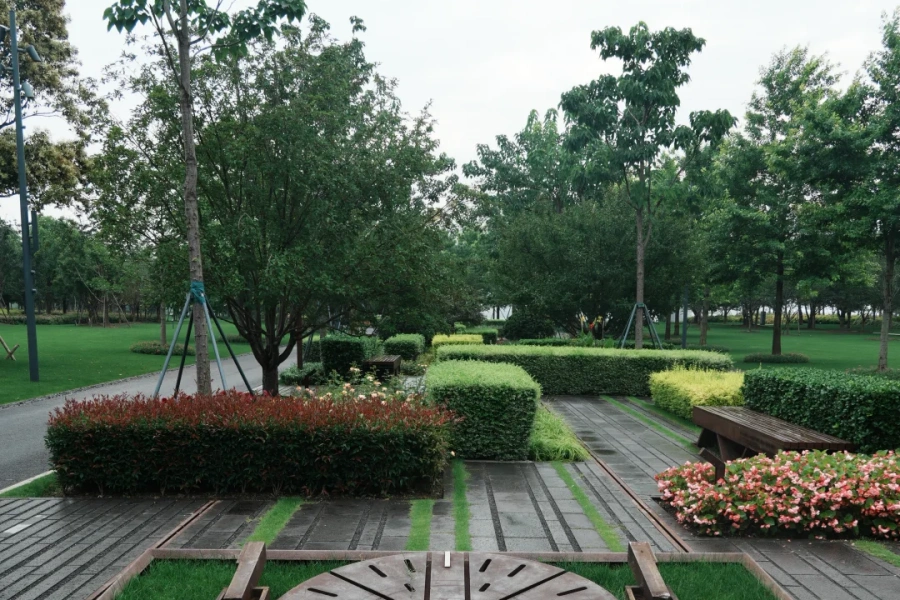
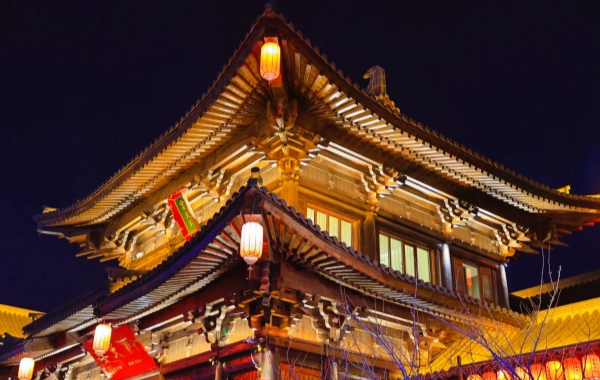
  • Expo Park: A journey from the world's exhibition hall to the new cultural landmark of the city-4

Origin: A Century-Old Dream Fulfilled and the Post-Expo Era

Furong Ancient Town

The Name of the World Expo – A Century-Long Promise Between China and the World
The name "Expo Park" embodies a century of interaction between China and the World Expo. Since the Great Exhibition of the Works of Industry of All Nations in London in 1851, the World Expo has always been the world's highest-level economic, scientific, and cultural event. China hosted its first registered World Expo in 2010, with the theme "Better City, Better Life." The location, situated in an industrial heritage area along the Huangpu River (including the former Jiangnan Shipyard), symbolized the determination to transform from an "industrial rust belt" to a "living showcase." This 184-day event attracted 73.08 million visitors, setting a new record in World Expo history.

The Road to Rebirth: From Temporary Exhibition Hall to Permanent Landmark
The transformation of the Shanghai World Expo Park is a classic example of "post-Expo development" and sustainable urban renewal.

- A Magnificent Event (2010): With a total investment of 45 billion RMB, a vast complex of pavilions was built, including the China National Pavilion, the Theme Pavilion, and pavilions built by various countries. Most of the pavilions were temporary structures.
- Post-Closing Transformation (starting in 2011): Following the overall plan of "sustainable utilization, inheritance and innovation," the park renovation was initiated. The core principle is to preserve the most distinctive permanent buildings and transform large areas into public spaces for citizens.
- Meticulous Refinement (2012-2018): The Pudong area was planned as a core cultural area with "one axis and four pavilions" and the Expo Park; the Puxi area was developed into a cultural and creative industry area (such as the Shanghai Museum of Contemporary Art) and an exhibition business district based on the preserved industrial buildings.
- New Look (2018-Present): As an important component of the Central Activity Zone identified in Shanghai's 2035 Urban Master Plan, the Expo Park has become a comprehensive hub for hosting major international events, providing leisure and fitness activities for citizens, and promoting cultural tourism. Although iconic buildings such as the former "Moon Boat" (Saudi Arabia Pavilion) and "Rattan Basket" (Spain Pavilion) have been demolished, their spirit and spatial layout have been continued in their new functions.

In-depth understanding: Explore more classic Chinese World Expo gardens >> [Kunming World Expo China Pavilion] [Xi'an World Expo Garden]

Must-see wonders: A symphony of architectural remains and ecological and cultural heritage

Furong Ancient Town Furong Ancient Town Furong Ancient Town Furong Ancient Town

Nature's Creation – An Ecological Oasis in the City
The planning of the World Expo Park is itself a vivid practice of "harmony between man and nature".

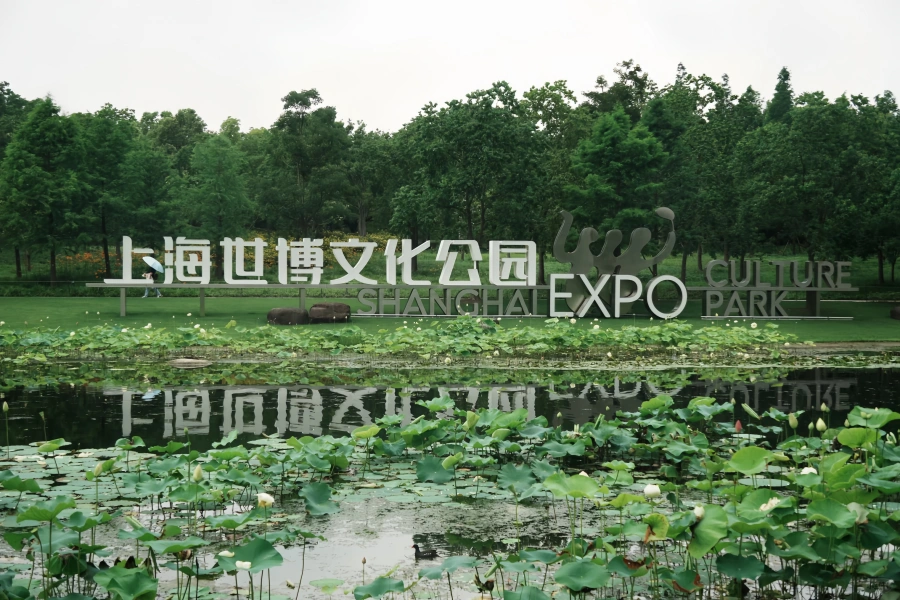
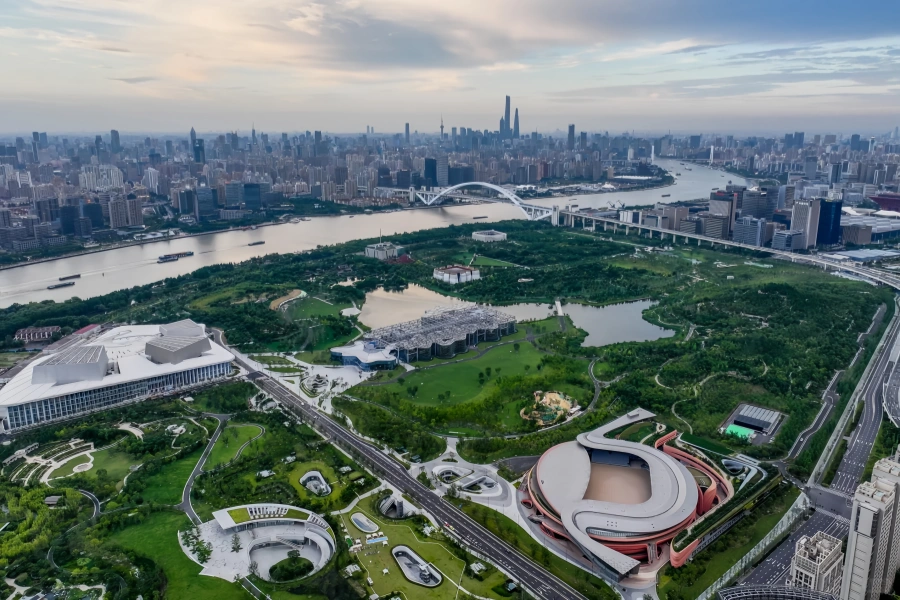
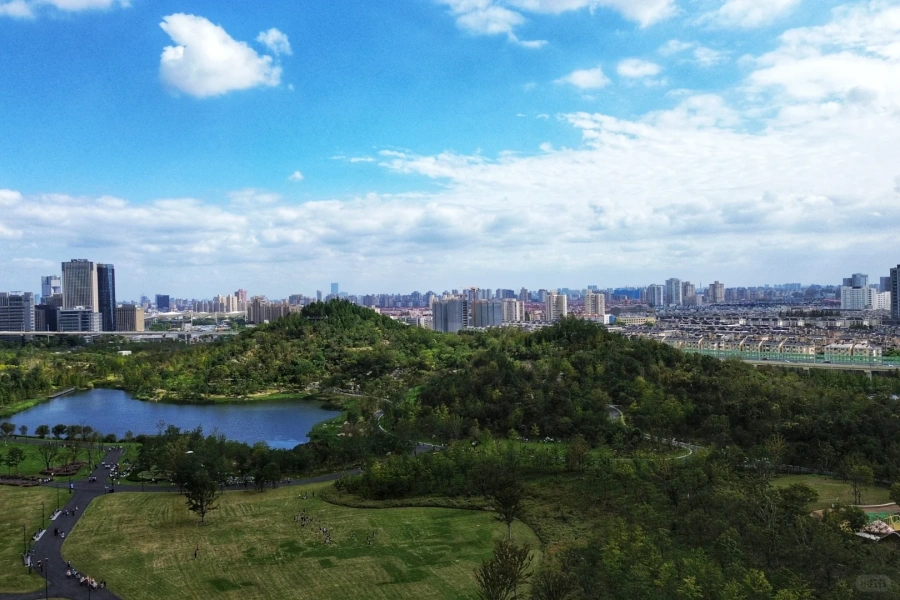
- Expo Park and Houtan Wetland Park: These are the largest "green lungs" within the park. Expo Park, designed with a "Chinese fan" concept, features undulating terrain and lush vegetation. Houtan Wetland Park, on the other hand, is a living ecological purification system. Through artificial wetlands, it purifies the Huangpu River's Class V water to Class III, showcasing a model of the integration of "city and agriculture, ecology and aesthetics." It's an excellent place for bird watching, cycling, jogging, and experiencing the charm of urban wilderness.
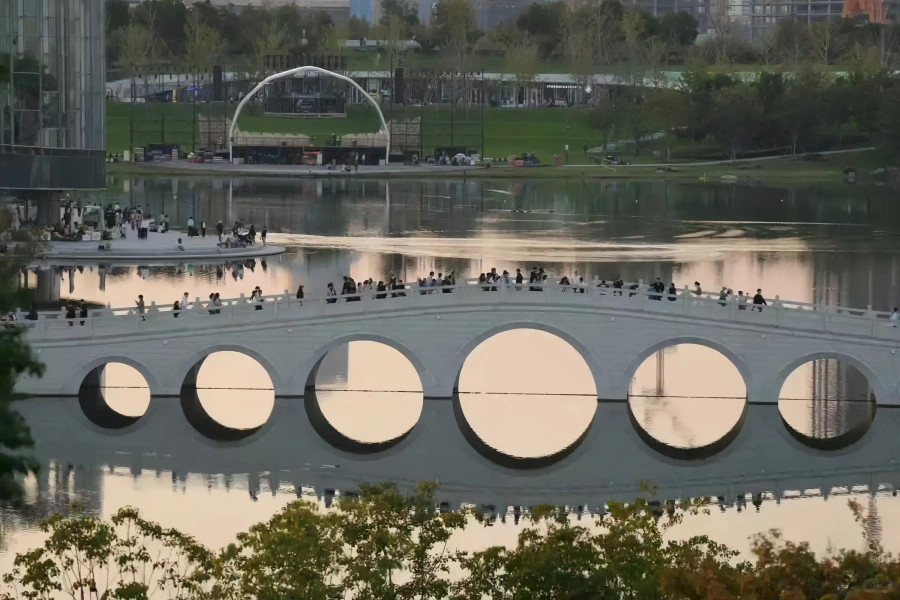
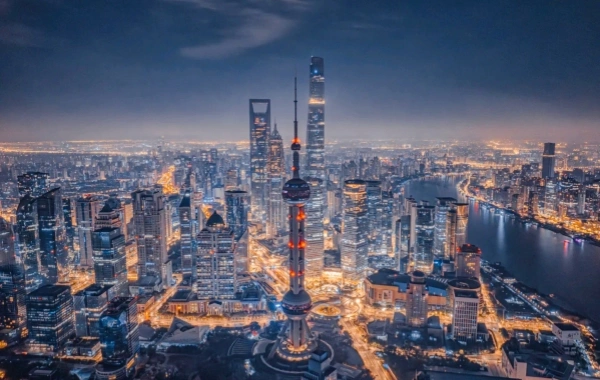
- Riverside Promenade: This several-kilometer-long riverside promenade is completely open to the public. There are no walls, only gentle grassy slopes, waterfront platforms, and modern service facilities. Strolling along it offers unobstructed views of the city skyline across the river and allows you to feel the pulse of the Huangpu River. It also provides another excellent vantage point for photographing the Lujiazui skyline.

Humanistic craftsmanship: the solidified wisdom and art of our time
The buildings preserved and renovated here are a frozen memory of the World Expo and a declaration of innovation for the future.

- "One Axis, Four Pavilions" - A Timeless Classic
- China Art Museum (formerly China National Pavilion): An absolute landmark. This magnificent red, arched building, conceived as the "Crown of the East," is now a national art museum, displaying modern and contemporary art treasures year-round. Its 49-meter-high multimedia version of "Along the River During the Qingming Festival" remains a breathtaking highlight.
- Expo Center, Mercedes-Benz Arena (formerly Expo Culture Center), Expo Exhibition Hall: This group of buildings forms the core area of ​​Shanghai's most important international conference, performance and exhibition venues. They are modern in design and powerful in function, especially the Mercedes-Benz Arena, which resembles a "flying saucer" and has a futuristic feel with its ever-changing lights every night.

- "Frozen Dance" - Featured Preserved Venue
- Shanghai World Expo Museum: The world's only international museum dedicated to World Expos. Its building itself is like a "temple of history," comprehensively showcasing the history of World Expos since 1851, China's connection with World Expos, and the grand occasion of the 2010 Shanghai World Expo.
- Italian Center (formerly Italian Pavilion): It partially retains the design concept of "City of People" and now serves as a platform for Sino-Italian cultural exchange, hosting design exhibitions and fashion events.
- A palace transformed from industrial heritage: The Shanghai Museum of Contemporary Art in the Puxi area was transformed from the main building of the former Nanshi Power Plant. The 165-meter-high chimney has become a thermometer and an abstract artwork, making it a model of industrial building regeneration into cultural facilities.

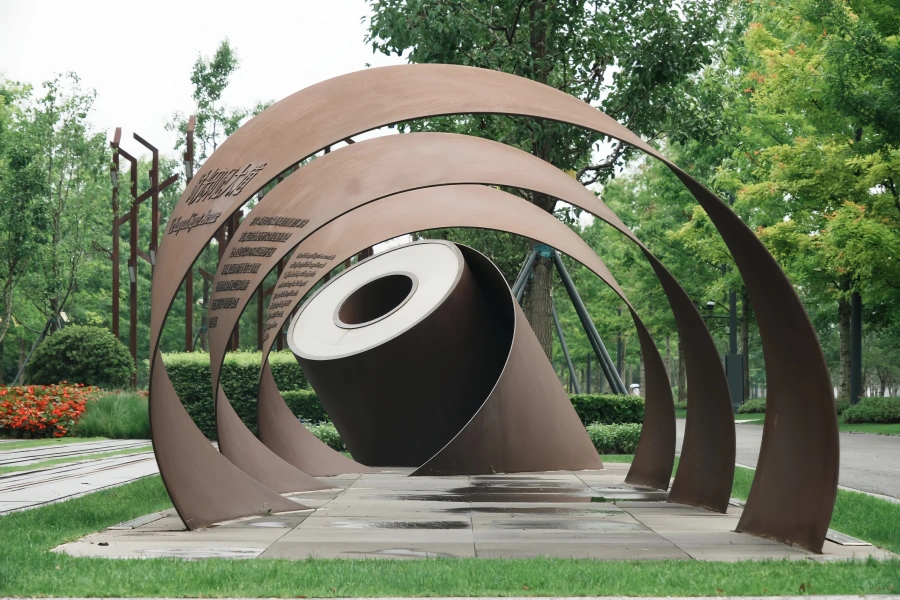
- Public Art Gallery: Dozens of permanent sculptures and installations by artists from around the world are scattered throughout the park, such as "Flying Bird" and "Tree of Life". They interact with the environment and architecture, forming an open-air art gallery without walls.

Photography Tips:
> - Best panoramic shooting position: On the riverside waterfront platform of Expo Park, a wide-angle lens can capture the China Art Museum, Mercedes-Benz Arena and the Lujiazui "three-piece set" on the opposite bank in one frame, forming a dialogue between history, contemporary and future.
> - Architectural close-up: The red dougong (bracket set) structure of the China Art Museum is visually striking under blue skies or nighttime lighting. The Mercedes-Benz Arena's "flying saucer" shape is perfect for capturing its streamlined, futuristic feel when night falls and the lights come on.
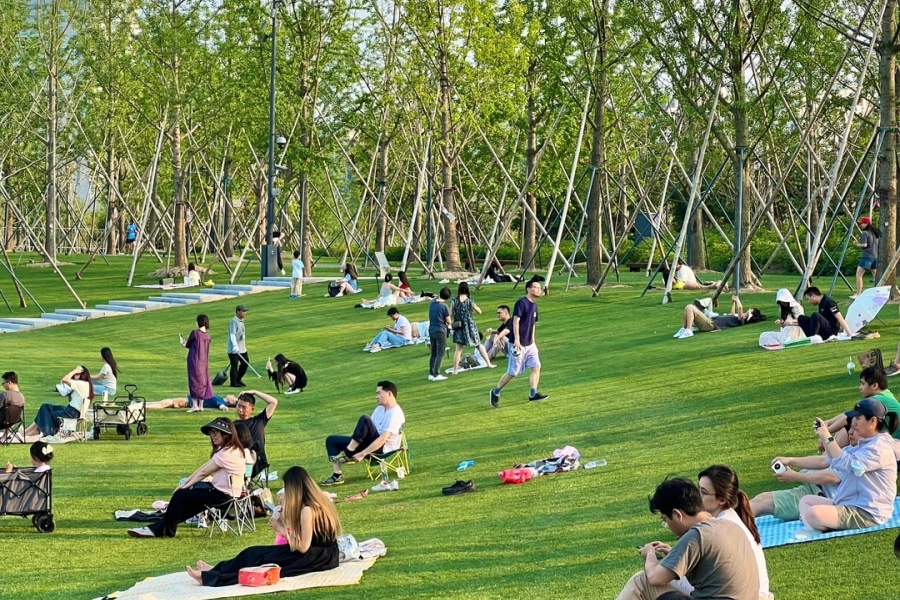
> - Humanistic Documentary: The lawn of Expo Park is full of leisurely citizens on weekends, making it a great place to capture the atmosphere of urban life in Shanghai.

Core Experience: An Immersive Guide to Urban Culture

Furong Ancient Town Furong Ancient Town Furong Ancient Town Furong Ancient Town

Five Must-Do Things to Unlock the Complete Expo Experience
1. Ascend to the "Crown of the East" and experience the awe-inspiring power of art.
- Core message: When visiting the China Art Museum, don't just look at the architecture, but also at the exhibitions. The permanent "A Bright Moon Rises Over the Sea" exhibition of modern and contemporary art and the multimedia version of "Along the River During the Qingming Festival" are the highlights.
- Tip: The museum is free, but special exhibitions and the "Along the River During the Qingming Festival" scroll require separate tickets. It is recommended to make reservations online in advance.
2. Stroll along the riverside promenade and capture the city skyline.
- Key point: Take a stroll from Expo Park to Houtan Wetland Park and experience the transformation from meticulously crafted gardens to the natural and wild wetlands. Along the way, you can take photos with Lujiazui from multiple angles.
- Experience: Renting a public bicycle is a more relaxed option. In the evening, you can wait for the magical moment when the skyscrapers on the opposite bank light up.
3. Explore Expo memories and understand the past and present of this grand event.
- Must-visit: Shanghai World Expo Museum. This is the only place to systematically learn about the history of the World Expo. The numerous artifacts, models, and multimedia exhibits can transport you back to the vibrant atmosphere of 2010.
- Linkage: Visit the shipbuilding museum area, which was transformed from the original Jiangnan Shipyard dock, and experience the profound industrial heritage.
4. See a top-notch performance or exhibition.
- Cultural landmark: The Mercedes-Benz Arena hosts world-class concerts, musicals, and sporting events year-round. The Expo Exhibition Hall hosts various large-scale commercial and consumer exhibitions.
- Art Frontier: The Shanghai Museum of Contemporary Art in Puxi is the first public contemporary art museum in mainland China, and its exhibitions are often avant-garde and profound.
5. Enjoy a leisurely picnic in the park.
- Local Life: On weekends, just like any other Shanghai resident, spread out a picnic blanket on the large lawn of the Expo Park and enjoy the sunshine, river breeze, and expansive views. This is the best way to experience the "people-oriented" nature of the Expo Park.

Suggested tour routes
One-day "Core Highlights" In-Depth Tour (Classic Recommendation, Suitable for All Tourists):
Morning (9:30-12:30): Exit from the China Art Museum Station on Metro Line 8 and visit the China Art Museum (focus on the architecture and "Along the River During the Qingming Festival", about 2.5 hours).
Lunch (12:30-13:30): Have lunch at the Expo Source Commercial Center (formerly Expo Axis), where there is a wide variety of dining options.
Afternoon (13:30-17:00): Walk to the Shanghai World Expo Museum for a visit (about 1.5 hours), then enter the Expo Park and stroll leisurely along the riverside promenade towards the Houtan Wetland Park for photos. The whole trip takes about 2 hours.
Evening (after 5:00 PM): You can have dinner at the riverside restaurant, or return to the vicinity of the Mercedes-Benz Arena to enjoy the night view of the architecture before concluding your trip.

IntoTravelChina Tip: This itinerary involves a lot of walking, so comfortable shoes are recommended. Although there are sightseeing buses within the park, walking allows you to better appreciate the details of the scenery.

Two-day "Cultural Exploration" tour (highly recommended for serious culture enthusiasts):
Day 1: Pudong Expo Cultural Core Area
Morning: In-depth visit to the China Art Museum.
Afternoon: Visit the World Expo Museum, then relax in the World Expo Park and enjoy the riverside sunset in the evening.
Evening: Watch a performance at the Mercedes-Benz Arena (tickets required in advance).
Day 2: A Journey Through Industrial Heritage and Art in Puxi
Morning: Cross the river to Puxi and visit the Shanghai Museum of Contemporary Art (PSA).
Afternoon: Explore the surrounding industrial buildings and public art, and head to nearby Nanjing East Road or Xintiandi to experience different aspects of Shanghai's urban landscape.
Evening: Combine the night cruise on the Huangpu River with a new perspective of looking back at the Expo Park from the water.

IntoTravelChina's advantages: We can book tickets for popular exhibitions and performances for you, arrange cross-river transportation and event connections, and provide detailed maps and visitor guides to ensure a worry-free and in-depth travel experience.

Professional Guide: IntoTravelChina offers personalized itineraries, including a dedicated guide, transportation, and activity arrangements, ensuring a worry-free and in-depth travel experience. >> [Inquire Now for a Customized Itinerary]

Complete Travel Guide: Transportation, Tickets, and Seasons

Furong Ancient Town Furong Ancient Town

How to get there: A seamless connection guide
The Expo site spans both sides of the Huangpu River and is covered by a well-developed subway network, making it the most convenient way to get there.
- Key subway stations:
- China Art Museum Station (Line 8): Direct access to the "One Axis and Four Museums" in the core area of ​​Pudong.
- Expo Avenue Station (Line 13): Serves the Houtan area of ​​Expo Park in Pudong.
- Expo Museum Station (Line 13): Direct access to the Expo Museum in Puxi.
- Public Transportation: Multiple bus lines are available, but the subway is the most recommended and punctual option.
- Important Reminder: The park is an open park and admission is free. However, entry to individual venues (such as the China Art Museum and the World Expo Museum) requires separate reservations or tickets. Please check official channels in advance for details.

Best time to visit
The Expo Park is suitable for all seasons and, as a combination of an urban park and indoor venues, is less affected by the weather.
- Spring and autumn (March-May, September-November): The weather is most comfortable, perfect for long walks and bike rides in the park. The park is most beautiful when spring is warm and flowers are in bloom, and when autumn is crisp and clear.
- Summer peak season (June-August): It's hot during the day, but you can take full advantage of the cool indoor venues (air conditioning is very strong). We recommend visiting museums and art galleries during the day and then taking a walk along the riverfront in the evening. Be sure to protect yourself from the sun and rain.
- Quiet Winter Season (December-February): Fewer tourists, and sunbathing along the riverside promenade on sunny days is very pleasant. Around the Spring Festival, the park may have festive decorations.

Tickets and surrounding area options
- Ticket options:
- Public areas of the park: Open to the public free of charge.
- China Art Museum: Permanent exhibitions are free (reservations required), special exhibitions and "Along the River During the Qingming Festival" tickets cost approximately 20 yuan.
- Shanghai World Expo Museum: Permanent exhibitions are free (reservations required).
- Ticket prices for temporary exhibitions and performances vary considerably depending on the content.
- Dining and Shopping:
- Expo Source Commercial Center: Located under the original Expo Axis, it is a large-scale commercial complex integrating shopping, dining and entertainment, with an extremely wide range of choices.
- Cafes and casual eateries scattered throughout the park: convenient for replenishing energy while touring.
- Accommodation options (if overnight stay required):
- Hotels around the Expo site: There are many international chain and high-end hotels, convenient for travel, and some offer river views.
- Pudong Lujiazui/Yaohan area: 1-2 subway stops away, many hotel options, bustling commercial area.
- Puxi city center: It is also very convenient to cross the river by subway, and you can experience a stronger Shanghai-style lifestyle.

IntoTravelChina Booking Recommendations:
For visitors planning to see popular exhibitions or performances, we strongly recommend booking tickets 1-2 weeks in advance. Booking through us not only secures tickets but also allows you to package venue tickets, guided tours, and nearby accommodations, often offering combined discounts and ensuring a seamless itinerary. Tell us your interests and budget, and we'll match you with the most suitable "Expo Exploration Plan." >> [Click to contact an IntoTravelChina travel consultant]

Extended Journey: An International Urban Loop Connecting Greater Shanghai

Furong Ancient Town

The Expo Park is a key link in understanding Shanghai’s urban narrative of “past, present, and future”, and can easily connect the diverse facets of Shanghai.
- Classic Shanghai 3-Day Urban Highlights Loop: Shanghai (Bund's international architecture + Expo Park future exploration) → (Lujiazui summit + Pudong Art Museum) → (Xuhui Hengfu Historical District/Wukang Road). This is a classic journey that blends history, contemporary planning, and lifestyle aesthetics.
- "One River, One Canal" Urban Renewal Deep Tour: Take a ferry or drive from Yangpu Riverside (the starting point of the transformation from an industrial rust belt to a vibrant living area) south to the World Expo Park (a global event transformation model), and then extend to Xuhui Riverside (West Bund Art Corridor), witnessing the complete revitalization of Shanghai's waterfront areas.
- The Yangtze River Delta Expo Heritage Linkage: The Shanghai Expo Park, Suzhou Gardens (the wisdom of classical human living environment), and Hangzhou West Lake (an oriental model of the integration of nature and city) form an interesting contrast and can be visited in a linked manner to reflect on the different interpretations of the "good life" space by different eras and cultures. >>Contact us to customize the above related itinerary

Join hands with IntoTravelChina to start your own exploration of the future of the city

Furong Ancient Town

The story of Shanghai World Expo Park is related to the crystallization of global wisdom, the leap forward of urban civilization and the Chinese practice of sustainable development. IntoTravelChina focuses on creating a deep, personal, and hassle-free Chinese travel experience. Our travel experts can help you:
- Tailor-made itinerary: Design the perfect route to include the Expo Park and other attractions in Shanghai based on your interests (architecture, art, history, or family and family).
- One-stop service: Handle venue tickets, special performance tickets, transportation and professional explanations that are difficult to book.
- Exclusive experience: Arrange architectural expert tours, backstage visits to art museums, and private route planning for riverside cycling.

Let your trip to the Expo Park be not only sightseeing, but also an in-depth dialogue of urban civilization that inspires thinking.
> Start planning your journey today
> Welcome to contact our professional travel consultants, we will provide you with an exclusive itinerary plan and quotation within 24 hours. >> [Click to contact IntoTravelChina Travel Consultant]

Recommended Tours

Top 3 tours chosen by most customers to explore in the best way. Check the detailed itinerary, or tailor your own trip now with us.

Zhangjiajie Tour
Beijing Guilin Shanghai 9-Day Tour

9 Days  |  Beijing-Guilin-Shanghai

Zhangjiajie Tour
9-Day Shanghai-Zhangjiajie-Guangzhou Adventure

9 Days  |  Shanghai - Zhangjiajie - Guangzhou

Zhangjiajie Tour
The Imperial Triad: Shanghai, Luoyang & Beijing

8 Days  |  Shanghai - Luoyang - Beijing

What Our Clients Say?

Based on 10,000+ traveler reviews

...
Daniel Dorothea
Canada
Reviewed on April 29,2025
Shopping on Nanjing Road in Shanghai was just amazing! It's truly the "First Commercial Street of China", where tradition and modernity blend perfectly. You can find awesome souvenirs and experience the trendy vibes in cool stores. The neon lights at night are just spectacular, shining bright like Times Square in New York. The food here is incredible too. I had a feast for my taste buds. Shanghai, I'll definitely be back!
Destination(s): Shanghai
Date of Experience: May 08,2024
...
...
Elvis Eva
Canada
Reviewed on June 20,2025
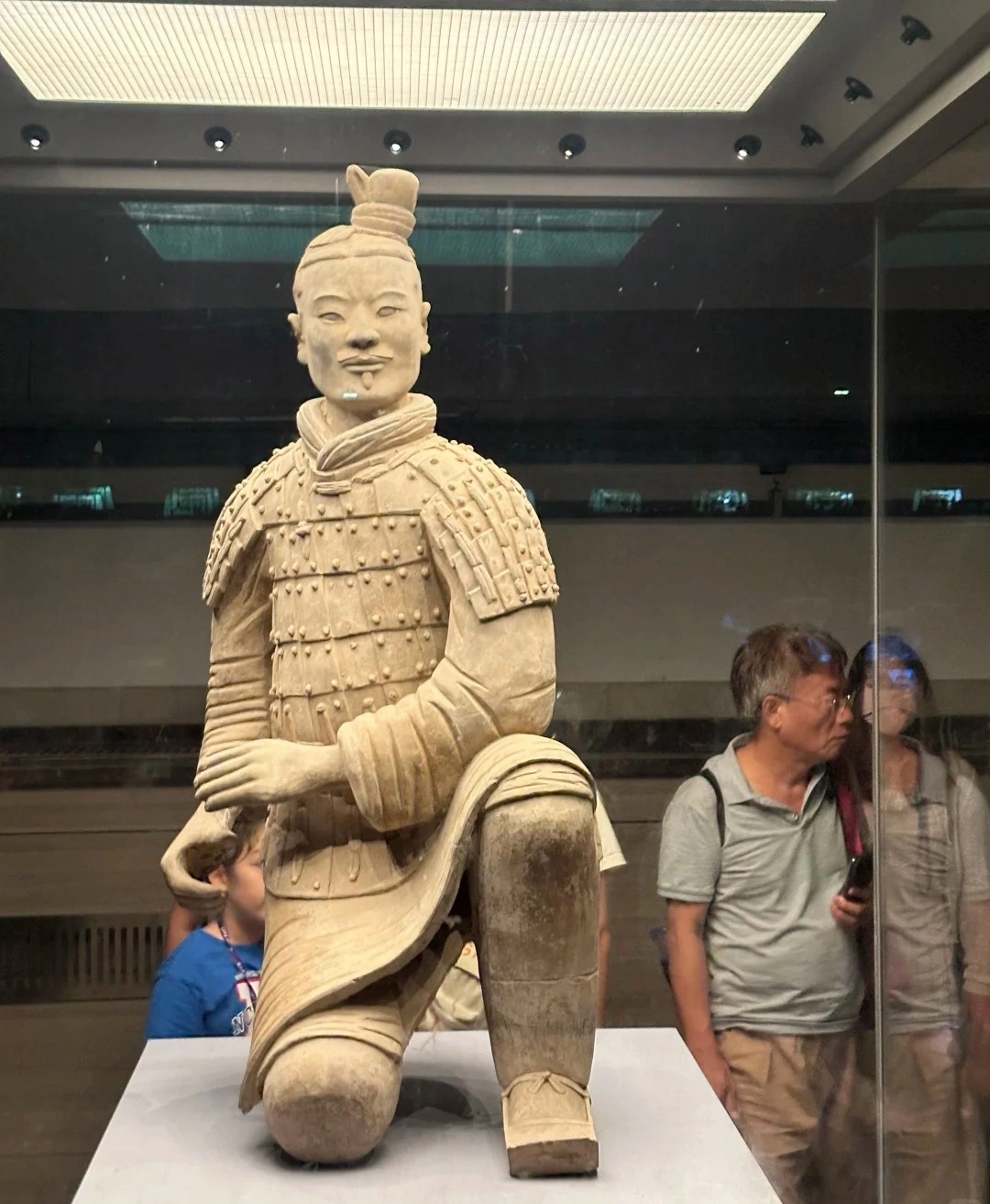
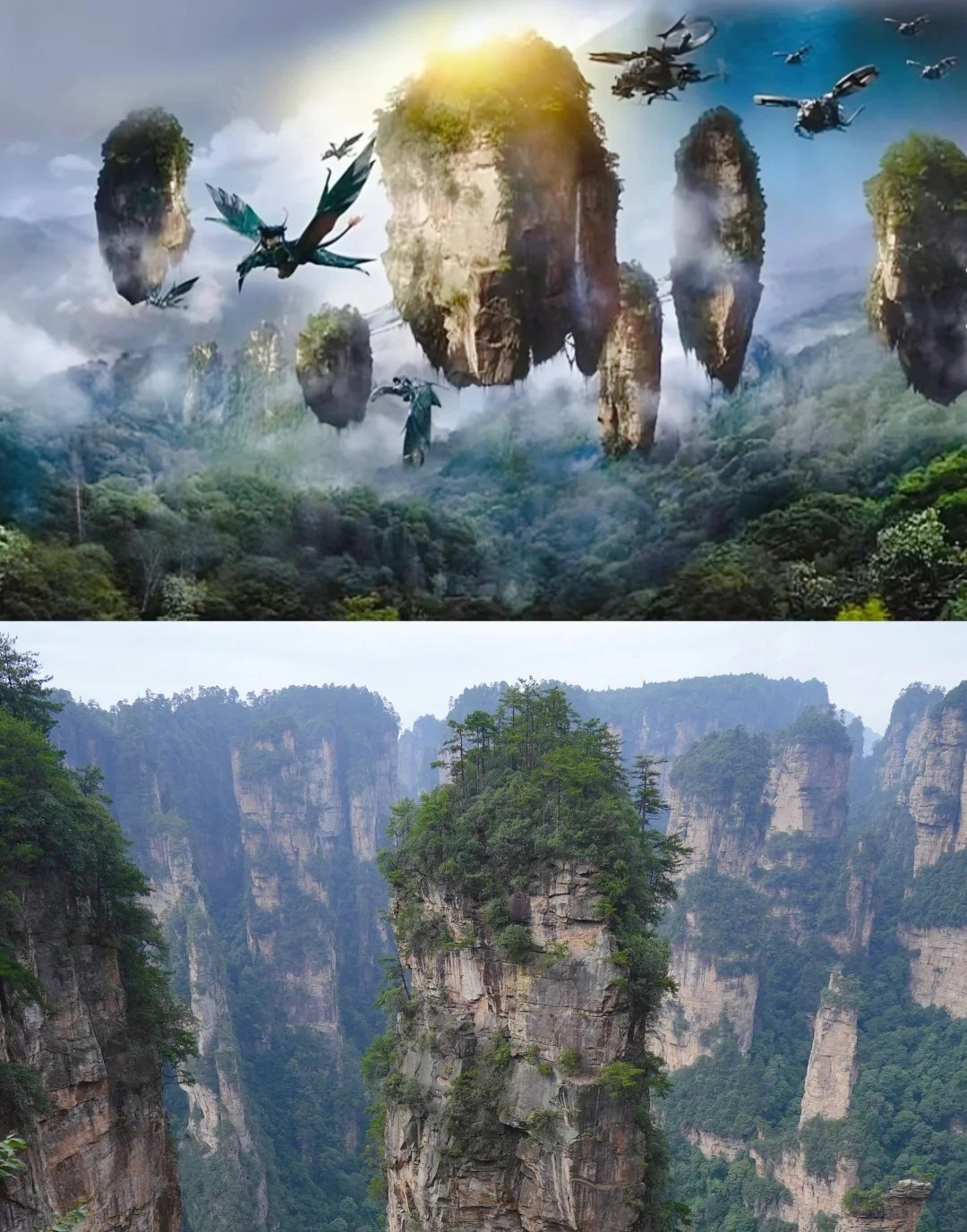
As a solo traveler from Canada, I was nervous about navigating China alone—but this 11-day tour was PERFECT! From hiking the Great Wall at sunrise (Day 3) to gasping at the Terracotta Army (Day 5), every day delivered ‘pinch-me’ moments. The real showstopper? Zhangjiajie’s Avatar Mountains (Day 7)! Our guide made the stone pillars come alive with stories. Massive thanks for handling all logistics—bullet train tickets, entry passes, car! And the 4-star hotels surprised me.
Destination(s): Beijing Xian Zhangjiajie Shanghai
Date of Experience: June 02,2025
... ... ...
...
Simon
America
Reviewed on May 29,2025
Our 2-day Zhangjiajie tour was beyond spectacular! As someone who’s visited Beijing and Shanghai for work, this trip revealed China’s wild, magical heart. Day 1 in Zhangjiajie National Forest Park felt like stepping onto Pandora—I’m a huge Avatar fan, and Yuanjiajie’s floating peaks left me breathless. The misty pillars and lush valleys like pure movie magic! Then came Fenghuang Ancient Town, we eat dinner beside the thundering waterfall. It seems Unreal! The night views of stilt houses glowing over the river were straight from a fairy tale. For fellow Avatar lovers and adventure seekers: Don’t miss this bucket-list experience! 10/10 would return. A Well-Traveled Film Buff, May 2025
Destination(s): Zhangjiajie
Date of Experience: May 08,2025
... ...

Ask a Question

Question Summary (100 characters)
Details (optional) (2,000 characters)
Name
Country
Email