Master of the Nets Garden: A vast world nestled within a small mountain forest

Master of the Nets Garden: A vast world nestled within a small mountain forest

Overview: A solidified Jiangnan elegant rhyme
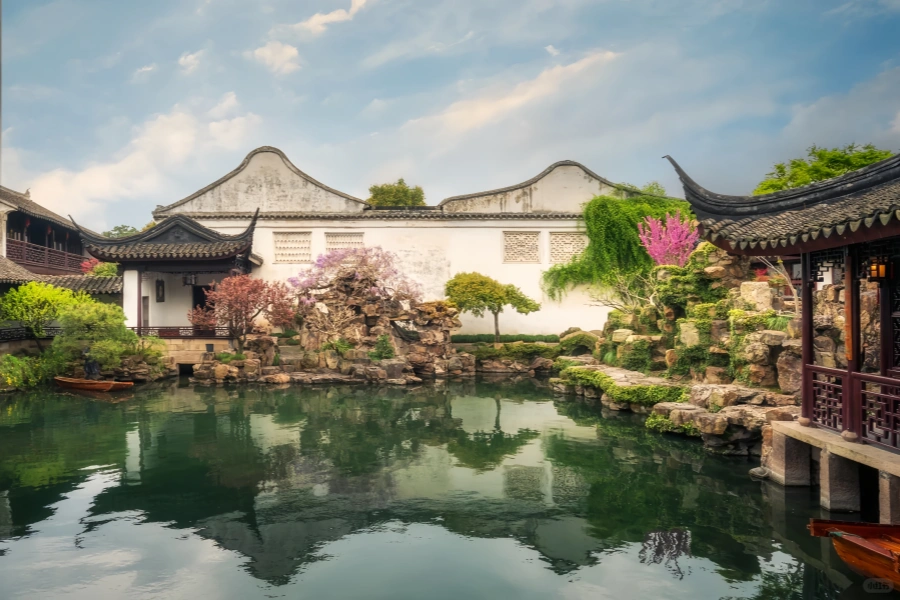
Master of Nets Garden is a mansion garden covering an area of about 8 acres (about 0.5 hectares). This is not only a world cultural heritage, but also a three-dimensional art space where you can savor architectural poetry and paintings during the day and immerse yourself in the lights and shadows of Kunqu Opera at night.

Quick overview of core highlights
Identity Tags: World Cultural Heritage / "Small Garden Extreme Rules" / Suzhou Garden Aesthetics Textbook
Core experience: immersive performance in the night garden, enjoying the scenery of the moon to the wind pavilion, searching for the traces of the spring basket in the hall, and smelling the fragrance of the hill Conggui Xuan
Recommended tour: At least 3-4 hours, it is highly recommended to experience the night show to experience the dual artistic conception of day and night
Address: No. 11, Kuojiatou Lane, Daichengqiao Road, Gusu District, Suzhou City, Jiangsu Province

  • Master of the Nets Garden: A vast world nestled within a small mountain forest-1
  • Master of the Nets Garden: A vast world nestled within a small mountain forest-2
  • Master of the Nets Garden: A vast world nestled within a small mountain forest-3
  • Master of the Nets Garden: A vast world nestled within a small mountain forest-4

Origin: From the ambition of "fishing in seclusion" to the refined realm of "net master"

Furong Ancient Town

The mystery of the garden's name—the ideal of a recluse living in seclusion.
"Wangshi" means fisherman or old fisherman. The garden's name embodies the shared ideal of reclusion of its owners throughout history. During the Chunxi era of the Southern Song Dynasty, Shi Zhengzhi, the Vice Minister of the Ministry of Personnel, built the "Wanjuantang" here, naming his garden "Yuyin," which already implied a desire for seclusion and quiet contemplation. During the Qianlong era of the Qing Dynasty, Song Zongyuan, the Vice Minister of the Court of Imperial Sacrifices, purchased the land and rebuilt it. To express the same aspirations and drawing a homonym from the nearby "Wangsi Lane," he named the garden "Wangshi Garden," meaning "the garden of the fisherman," thus expressing his ambition to retire from the world and not seek fame or fortune. The garden gate is narrow, reflecting the intention from its inception to avoid the noise and bustle of high-ranking officials and nobles.

The Lineage of Heritage: The Refinement of Literary Mind Over Eight Hundred Years
The history of the Master of the Nets Garden is a history of the evolution of the aesthetics of life and garden art of the literati in Jiangnan.
- The beginning of the Southern Song Dynasty (12th century): Shi Zhengzhi built the "Wanjuantang" and "Yuyin" flower garden, laying the foundation for the cultural heritage.
- Peak during the Qing Dynasty (late 18th century): Originally built during the reign of Emperor Qianlong by Song Zongyuan, it was later purchased and meticulously expanded by the wealthy merchant Qu Yuancun. Through his ingenious design, it finally achieved a layout that "covers only a few acres, yet has a winding and endless charm." The main structure and style of the Master of the Nets Garden today are basically a continuation of this period.
- A Gathering of Elegant Artists in Modern Times (20th Century): The brothers Zhang Daqian and Zhang Shanzi, calligraphers and painters, stayed at the garden for several years. Zhang Shanzi even kept tigers in the garden to paint tigers, which became a legendary story.
- Revival (after 1950): The descendants of the last private garden owner, He Yanong, donated the garden to the nation. After systematic restoration, it was officially opened to the public in 1959, becoming a cultural treasure shared by the world.

In-depth understanding: Explore more of the mysteries of classical Chinese gardens >> [Humble Administrator's Garden: The Mother of Chinese Gardens] | [Lingering Garden: The Crown of Famous Gardens in Suzhou]

Must-see wonder: A universe within a small space

Furong Ancient Town Furong Ancient Town Furong Ancient Town Furong Ancient Town

The Charm of Nature – The Tamed Beauty of Landscape Painting
Although the Master of the Nets Garden was created by humans, it pursues a natural charm that is "as if created by nature" in every aspect.

Rainbow Cloud Pond: The Heart and Mirror of the Garden
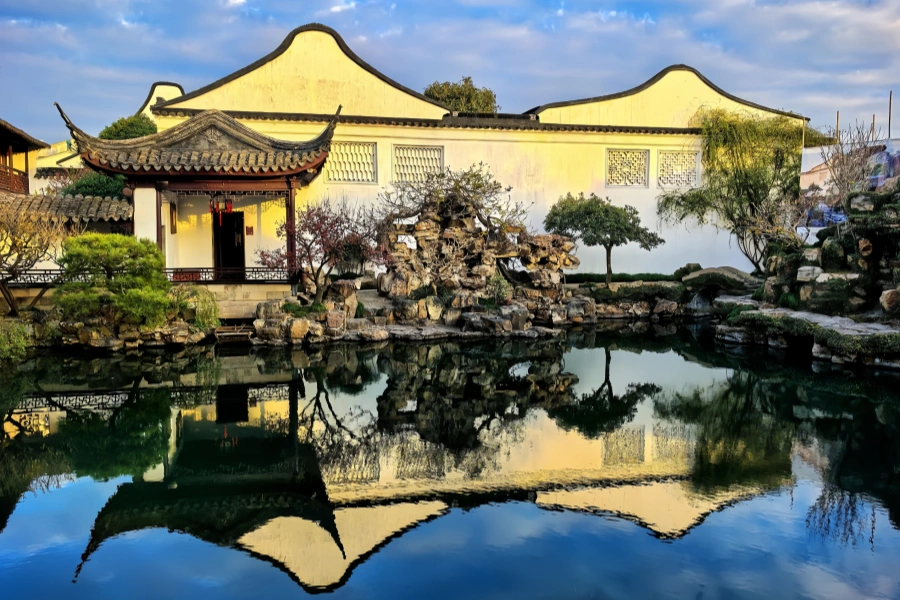
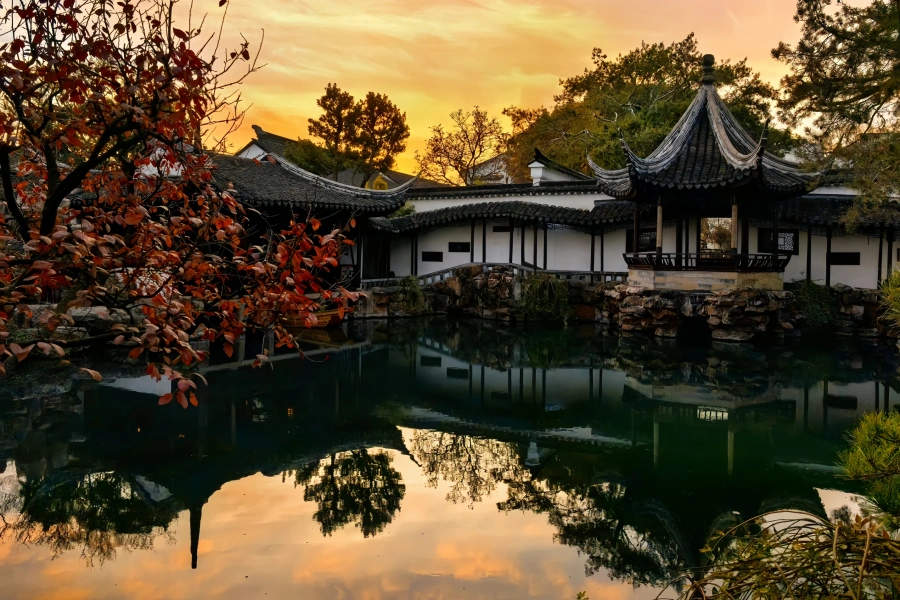
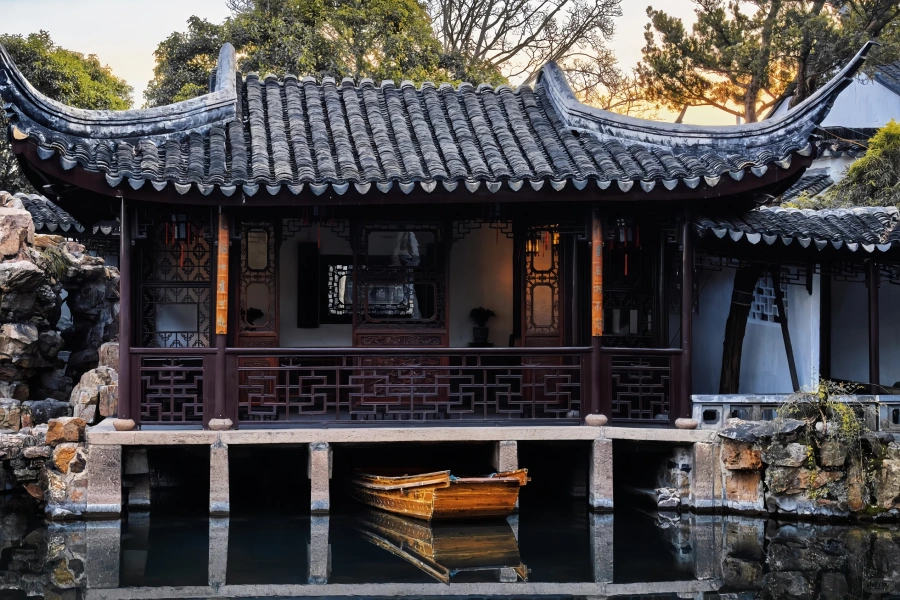
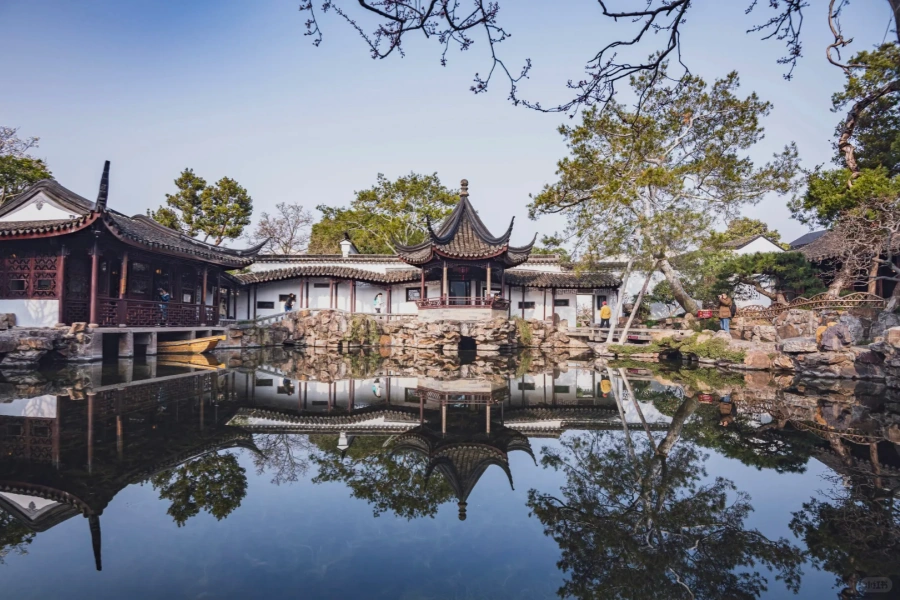
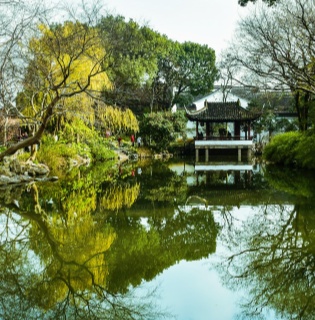
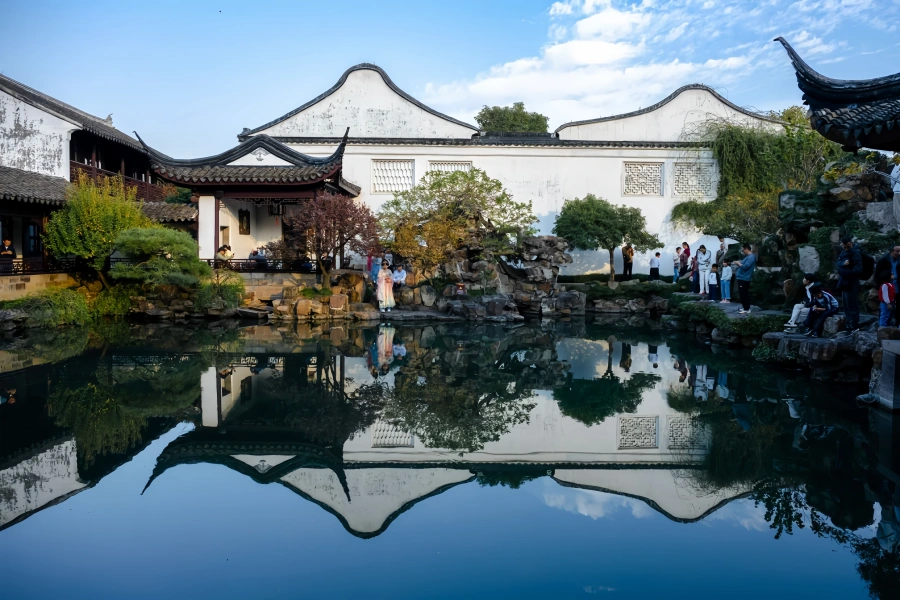
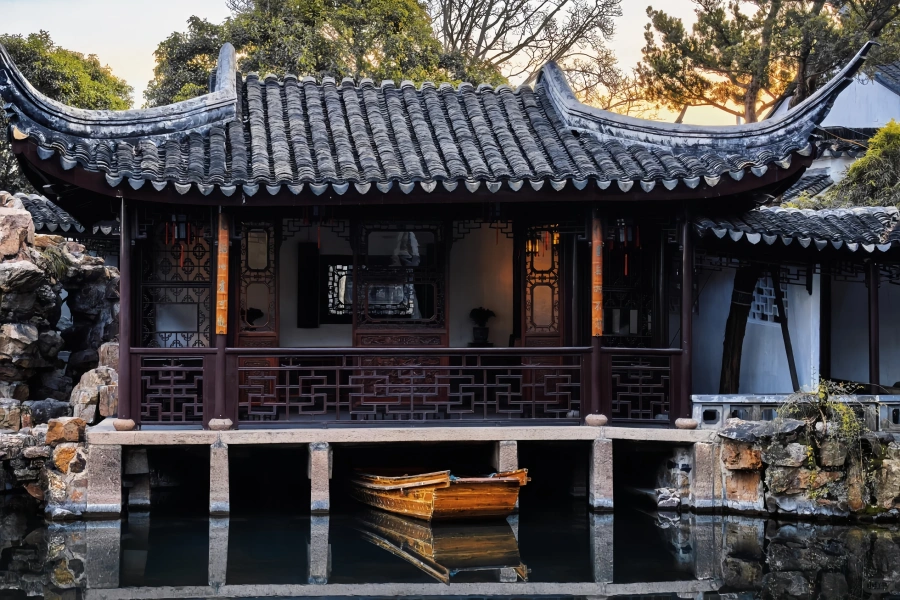
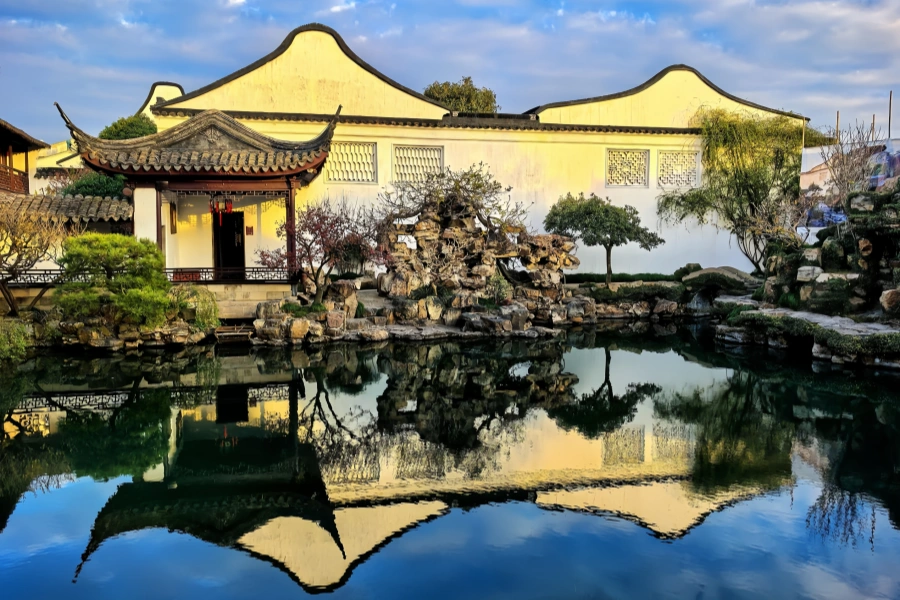
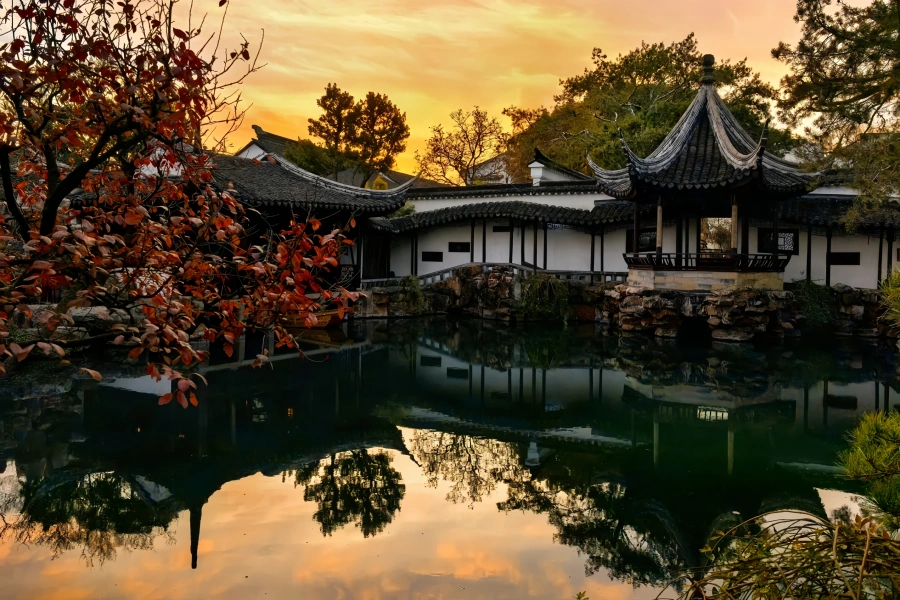
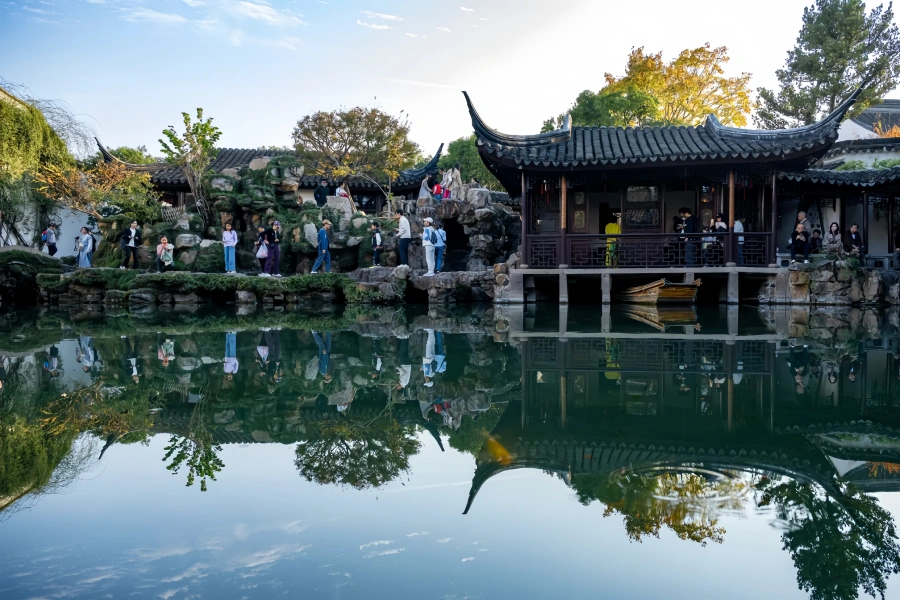
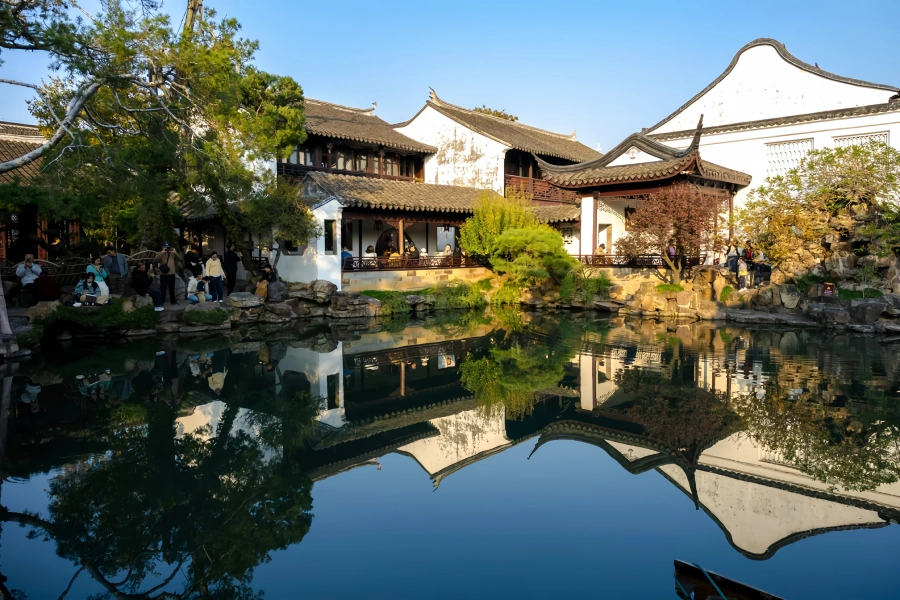
- The central pool of clear water—the Rainbow Clouds Pool—though only half an acre in size, is the soul of the entire garden. The designer used a technique of gathering without dividing to make the water appear expansive. The low banks and the small, low-lying, and translucent buildings near the water, such as the Washing Tassels Pavilion and the Moonlit Wind Pavilion, further accentuate the vastness of the water. Cleverly placed bays in the northwest and southeast corners of the pool create an atmosphere of endless source and unfathomable depth.

Flowers and trees convey emotions: a picture is formed at every moment of the four seasons.
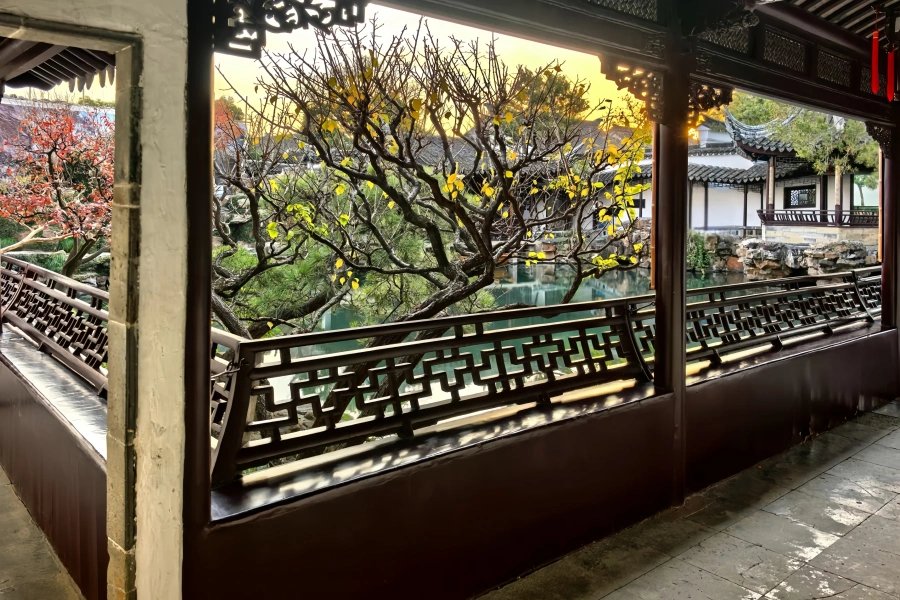
- The plants in the garden are not planted randomly; they are all "living paintings." In front of the Pine and Painting Pavilion, the ancient pines and cypresses, hundreds of years old, have gnarled and strong branches, and can be painted in all four seasons: admire the peonies in front of the pavilion in spring, smell the lotus fragrance in the pond in summer, observe the withered chrysanthemums in autumn, and appreciate the pine snow in winter.
The Xiaoshan Conggui Pavilion is surrounded by osmanthus trees, and its name comes from the poem "Xiaoshan Conggui lingers people." Every autumn, the courtyard is filled with the fragrance of osmanthus, truly living up to its name of "lingering for osmanthus."
- The courtyard of Dianchun Pavilion is named after the peonies that were planted there in the past (peonies bloom in late spring, hence the name "Dianchun"). It is famous for its simple and elegant style.

The Charm of Humanity: Frozen Music and Philosophy
Every building and every component here is a crystallization of craftsmanship and the philosophical thoughts of scholars.

Architectural Symphony: The Myth of Scale and Proportion
The entire garden is laid out extremely compactly, with the eastern part being the residential area, the central part being the landscape garden, and the western part being the inner garden. These three parts are organically combined, each with its own distinct atmosphere. All the pavilions, terraces, and towers are built along the water, and they are well-matched, forming a harmonious architectural symphony.
- Yinjing Bridge: This miniature stone arch bridge, only 2.4 meters long, is known as the smallest bridge in Suzhou gardens. It spans a small stream, and its extreme smallness highlights the vastness of Caixia Pond and the depth of the valley. It is a prime example of the design philosophy of "seeing the big in the small".
- Moonlit Pavilion: Perched atop a bay, it is a landmark of the Master of the Nets Garden. Its name is taken from a line in a poem by the Song Dynasty poet Shao Yong: "When the moon reaches the center of the sky, the wind blows across the water." A large mirror is placed inside the pavilion, not only reflecting the water and sky but also visually expanding the space—a truly ingenious design.

Epic of Detail: Brick Carvings, Plaques and Inscriptions
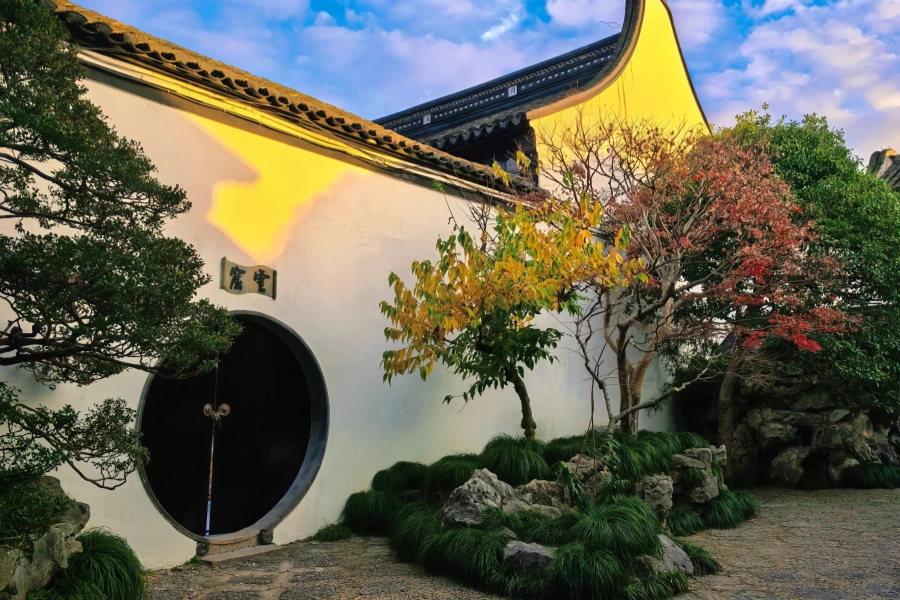
The brick-carved gate towers in the garden are exquisite, especially the gate tower in front of Wanjuantang. The brick carvings "Locking Clouds" and "Buttoning the Moon" (also known as "Hoeing the Moon") in the small courtyards on the east and west sides of the corridor were respectively inscribed by Wang Wenzhi, a calligrapher of the Qing Dynasty, and Feng Guifen, a scholar, symbolizing the reclusive sentiment of locking in the beauty of nature and cultivating the fields.
The three "fayue" (cylindrical decorations) on the lintel of the main gate, the lion playing with an embroidered ball relief on the drum-shaped stone piers beside the gate, and the high threshold all indicate that the garden owner once held an official position and a prominent family background.

Photography Tips:
The best spot for capturing the reflection is at the Moonlit Breeze Pavilion, where you can photograph the pavilion and its perfect reflection in the Rainbow Clouds Pond, especially when a breeze is blowing across the water, creating the most picturesque scene.
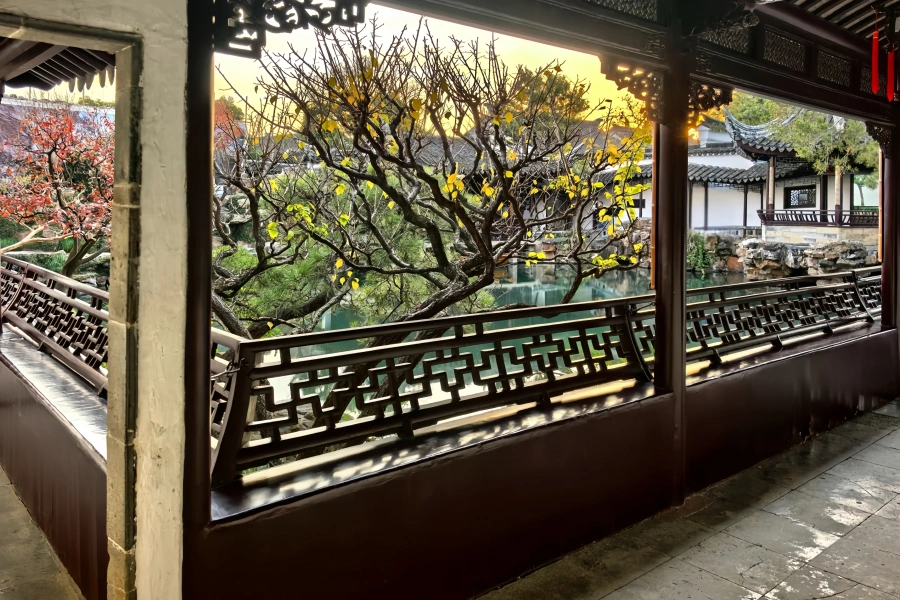
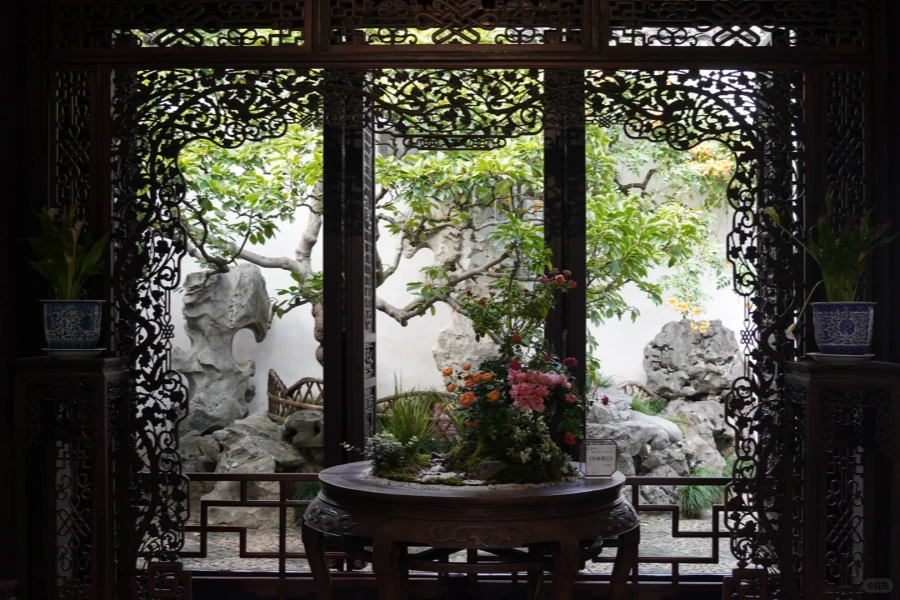
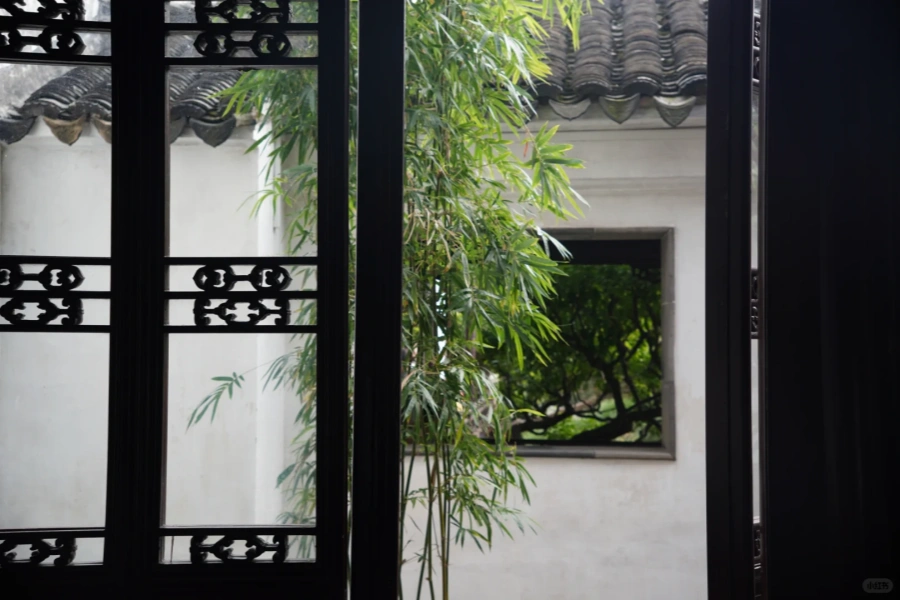
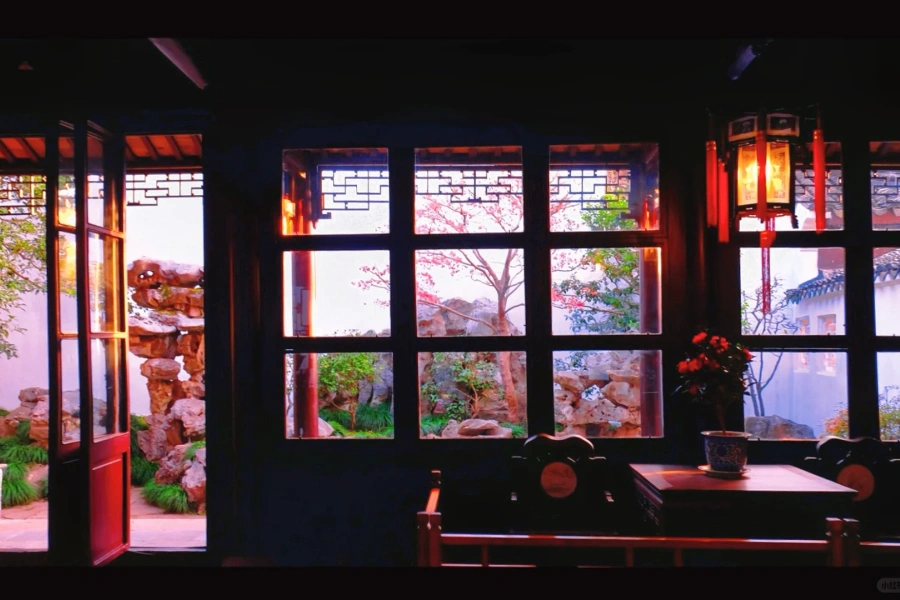
Framing compositions can utilize the window panes or doorways of the Kansong Duhuaxuan (看松读画轩) as frames to capture picturesque pine and cypress trees or courtyard scenery outside the window.
Don't forget to use close-up shots to capture the exquisite beauty of the Yinjing Bridge, the delicate patterns of the brick carvings, and the intricate designs of the latticed windows.

Core Experience: An Immersive Guide to the Life of Jiangnan Literati

Furong Ancient Town Furong Ancient Town Furong Ancient Town Furong Ancient Town

Five things you must do to unlock the full charm of gardens
1. Embark on a "Dreamlike Stroll in the Garden" at night.
- Key point: The night tour is the soul of the Master of the Nets Garden experience and should not be missed! It is not just a simple lighting, but an immersive performance that deeply integrates the garden scenery with intangible cultural heritage performances.
- Experience: Guided by a tour guide, you'll move from one scenic spot to another. Listen to Suzhou storytelling at Zhuoying Pavilion, appreciate excerpts from Kunqu Opera "The Peony Pavilion" at Dianchun Pavilion, and listen to flutes, xiao, and guqin at Yuedaofenglai Pavilion... Your senses of sight, hearing, and smell will be fully engaged, as if you have traveled back in time to participate in an elegant gathering of ancient literati.
2. Seek out traces of the master's past.
- Zhang Daqian and his brothers' studio: Exploring the "Dianchun Pavilion" in the western inner garden, which was once the courtyard of "Dafengtang," the studio of Zhang Daqian and Zhang Shanzi. Under the pavilion on the westernmost wall of the courtyard, you can also find the tombstone erected for the tigers they kept there.
- The "Mingxuan" model exported overseas: Carefully appreciate the courtyard layout of Dianchun Pavilion. In 1980, the "Mingxuan" built based on this courtyard was installed at the Metropolitan Museum of Art in New York, pioneering the export of physical examples of classical Chinese gardens overseas.
3. Become a figure in a painting and take a set of ancient-style photos.
- Time: During the daytime hours, the park is most crowded and the lighting is softest, either right after it opens in the early morning or before it closes in the evening.
- Locations: Moonlit Pavilion (classic landmark), Tranquil Bridge (exquisite design), and window view of the Pine and Painting Pavilion (framed portrait view).
- Clothing: We recommend wearing Hanfu or an elegant cheongsam, which will perfectly match the classical atmosphere of the garden.
4. Savor the sweet autumn flavors of Suzhou
- A feast for the senses: When visiting in autumn (late September to October), be sure to go to Xiaoshan Congguixuan and immerse yourself in the sweet and soft fragrance of osmanthus.
- A Journey of Taste: After the tour, walk to the nearby Shiquan Street and taste seasonal desserts such as Osmanthus Sugar Taro, Osmanthus Chicken Head Rice Porridge, and Osmanthus Cake, to fully experience the sweetness of autumn in Jiangnan.
5. Reflect on the design philosophy of "small circle principle".
- Take a moment to sit quietly: Sit quietly by the water in the Bamboo Grove Pavilion or the Washing Tassel Pavilion, and observe the scenery before you: how can a vast landscape be created in a small space through low buildings, small bridges, and staggered artificial hills? This in itself is a profound aesthetic reflection.

Suggested tour routes
Half-day "Elegant Essence" Tour (Suitable for those with limited time):
Enter the park at 3 PM → Enter from the southeast gate, visit the sedan chair hall and Wanjuantang (residential area, experience the grandeur of officialdom) → Enter the main garden, and tour counter-clockwise along Caixia Pond: Xiaoshan Conggui Pavilion → Zhuoying Water Pavilion → Yungang Rockery → Yuedao Fenglai Pavilion (a key stop) → Kansong Duhua Pavilion → Dianchun Pavilion (to trace the footsteps of Zhang Daqian) → Yinjing Bridge (experience the concept of "seeing the grand in the small") → Exit the park before 5 PM and head to Shiquan Street for dinner. This itinerary can be perfectly connected if you plan to visit at night.

A one-day "deeply immersive" tour (highly recommended, the best experience):
- Morning: Visit other gardens in Suzhou, such as Canglang Pavilion or Yipu Garden, and experience the charm of gardens with different styles.
- Afternoon: Arrive at the Master of the Nets Garden at around 4 pm and leisurely tour the daytime scenery according to the above "highlights tour" route, focusing on appreciating the architectural details and spatial design.
- Evening/Night: Enjoy authentic Suzhou cuisine (such as Squirrel Fish and Braised Eel in Hot Oil) on Shiquan Street or Fenghuang Street. Afterwards, return to Wangshi Garden to experience the Night Garden program starting at 7:30 PM (advance reservations are required), and complete a time-traveling garden dream amidst lights and opera.

IntoTravelChina Advantages: We can book the most suitable accommodations for you, arrange all the connections between activities, and provide detailed hiking route maps and safety guidelines.
Professional Guide: IntoTravelChina offers personalized itineraries, including a dedicated guide, transportation, and activity arrangements, ensuring a worry-free and in-depth travel experience. >> [Inquire Now for a Customized Itinerary]

Complete Travel Guide: Transportation, Seasons, and Accommodation

Furong Ancient Town Furong Ancient Town

How to get there: An elegant exploration deep within the ancient city
The Master of the Nets Garden is nestled deep within the streets and alleys of Suzhou's ancient city, requiring the most suitable mode of transportation for the ancient city.
- Departing from Suzhou Railway Station/High-Speed ​​Rail North Station:
- Subway: Take subway line 4 and transfer to line 5 to "Nanyuan North Road" station. It is about a 10-15 minute walk from the station.
- By taxi/ride-hailing service: This is the most convenient option. Set your destination as "Wangshi Garden (Southeast Gate)". The roads in the ancient city are relatively narrow, and traffic congestion may occur during peak hours.
- From Shanghai and other places: Taking the high-speed rail to "Suzhou Station" is the most convenient, the journey takes about 30 minutes, and then transfer as described above.
- Driving Tips: Parking is extremely limited within the ancient city, so driving is strongly discouraged. If you must drive, park in a parking lot outside the ancient city (such as near Suzhou University) and then take public transportation or a taxi to enter.

Best time to visit
The Master of the Nets Garden is suitable for all seasons, but the experience is most enriching in spring and autumn.
- Spring and Autumn (March-May, September-November): The climate is most comfortable, and flowers bloom in succession. In spring, there are magnolias and peonies, while in autumn, osmanthus and ginkgo trees take center stage, filling the garden with sweet fragrance and vibrant colors.
- Summer's tranquil season (June-August): Lotus flowers can be enjoyed, but the weather is hot and humid. Night tours are the biggest highlight of summer and a great way to escape the heat.
- The quiet winter season (December-February): Few tourists, and if you happen to visit during the snowy season, the white walls and black tiles covered with snow will create a unique, cold and aloof atmosphere.

Ticket and reservation information (for reference in 2025)
- Daytime tickets: 30 yuan during the off-season (January-March, June, November-December); 40 yuan during the peak season (April-May, July-October).
- Night Garden Ticket: Approximately 100 RMB (price may vary, includes all performances). This is a special program separate from the daytime program, requiring a separate ticket and advance reservation.
- Reservation Channels: The most reliable way to make reservations and purchase tickets is through the official WeChat accounts of "Suzhou Gardens Official WeChat Account" or "Suzhou Gardens Tourism" using your real name.

Accommodation options
- Within the ancient city (preferred for in-depth experience):
- Nanyuan Hotel/Nanlin Hotel: Located near Shiquan Street, it is a garden-style hotel with historical significance. It is only a 10-15 minute walk from Wangshi Garden, making it an excellent location.
- Boutique hotels near Pingjiang Road and Guanqian Street: Located in the heart of Suzhou's tourist area, convenient for dining, entertainment, and shopping. A taxi ride to the Master of the Nets Garden is just a short fare away.
- Outside the ancient city (a cost-effective option):
- Hotels in Suzhou Industrial Park or Suzhou High-tech Zone: These hotels are highly modernized, offer a wide range of accommodation options, and are relatively more affordable than those in the old city. Commuting requires taking the subway or taxi, approximately a 30-40 minute drive.

IntoTravelChina Accommodation Booking Recommendations:
We strongly recommend planning your trip at least one month in advance, especially since tickets for the Night Garden are in high demand and require early booking. Booking through us not only provides real-time ticket and room availability information, but also allows you to package your accommodation, tickets, and city transportation, ensuring you can smoothly experience the most quintessential day and night experience at the Master of the Nets Garden. >> [Click to contact an IntoTravelChina travel consultant]

Extended Journey: A Deep Dive into Suzhou Garden Art

Furong Ancient Town

The Master of the Nets Garden is a beautiful key to unlocking the art of classical gardens in Suzhou. It can be connected with other famous gardens to appreciate different garden design philosophies.

- A one-day tour comparing garden aesthetics: Master of the Nets Garden (the epitome of a small garden) → Humble Administrator's Garden (grand and spacious) → Suzhou Museum (a masterpiece by I.M. Pei). Experience a dialogue of architectural aesthetics from micro to macro, from ancient to modern, all in one day.
- Two-day cultural stroll through the ancient city: Day 1: Humble Administrator's Garden → Suzhou Museum → Pingjiang Road Historic District (night tour). Day 2: Canglang Pavilion (one of the oldest gardens) → Master of the Nets Garden (daytime view) → Shiquan Street (food) → Master of the Nets Garden Night Garden.
- A combined tour of gardens in the Jiangnan water towns: This tour combines the Master of the Nets Garden and Lingering Garden in Suzhou city with the water town gardens of Tongli Ancient Town (Tuisi Garden) or Zhouzhuang Ancient Town, allowing you to experience the interpretation of garden art in different environments.>>Contact us to customize the above related itinerary

Join hands with IntoTravelChina to open your Suzhou garden collection

Furong Ancient Town

The story of the Master of Nets is related to the secluded literary heart, the ultimate scale aesthetics and the artistic resonance that travels through ancient and modern times. IntoTravelChina focuses on creating a deep, personal, and hassle-free Chinese cultural travel experience. Our travel experts can help you:
- Tailor-made itinerary: Design a perfect Suzhou cultural tour that includes the night tour of Master of Nets and surrounding attractions according to your interests and time.
- One-stop service: Get the most popular night garden tickets, special accommodation, transportation in the ancient city and professional cultural tour guides.
- Exclusive experience: Arrange in-depth activities such as backstage visits to intangible cultural heritage performances, garden expert tours, and private opening in the early morning.

Let your trip to Master of Nets Garden not only be a walk to see the flowers, but also a spiritual journey that dialogues with the ancients and resonates with aesthetics.
> Start planning your journey today
> Welcome to contact our professional travel consultants, we will provide you with an exclusive itinerary plan and quotation within 24 hours. >> [Click to contact IntoTravelChina Travel Consultant]

Recommended Tours

Top 3 tours chosen by most customers to explore in the best way. Check the detailed itinerary, or tailor your own trip now with us.

Zhangjiajie Tour
5-Day Suzhou & Hangzhou & Shanghai Tour

5 Days  |  Shanghai-Xitang-Suzhou-Hangzhou

Zhangjiajie Tour
3-Day Shanghai to Suzhou Trip

3 Days  |  Shanghai-Xitang Ancient Town-Suzhou

Zhangjiajie Tour
4-Day Shanghai and Nanjing Trip

4 Days  |  Shanghai-Nanjing

What Our Clients Say?

Based on 10,000+ traveler reviews

...
Daniel Dorothea
Canada
Reviewed on April 29,2025
Shopping on Nanjing Road in Shanghai was just amazing! It's truly the "First Commercial Street of China", where tradition and modernity blend perfectly. You can find awesome souvenirs and experience the trendy vibes in cool stores. The neon lights at night are just spectacular, shining bright like Times Square in New York. The food here is incredible too. I had a feast for my taste buds. Shanghai, I'll definitely be back!
Destination(s): Shanghai
Date of Experience: May 08,2024
...
...
Elvis Eva
Canada
Reviewed on June 20,2025
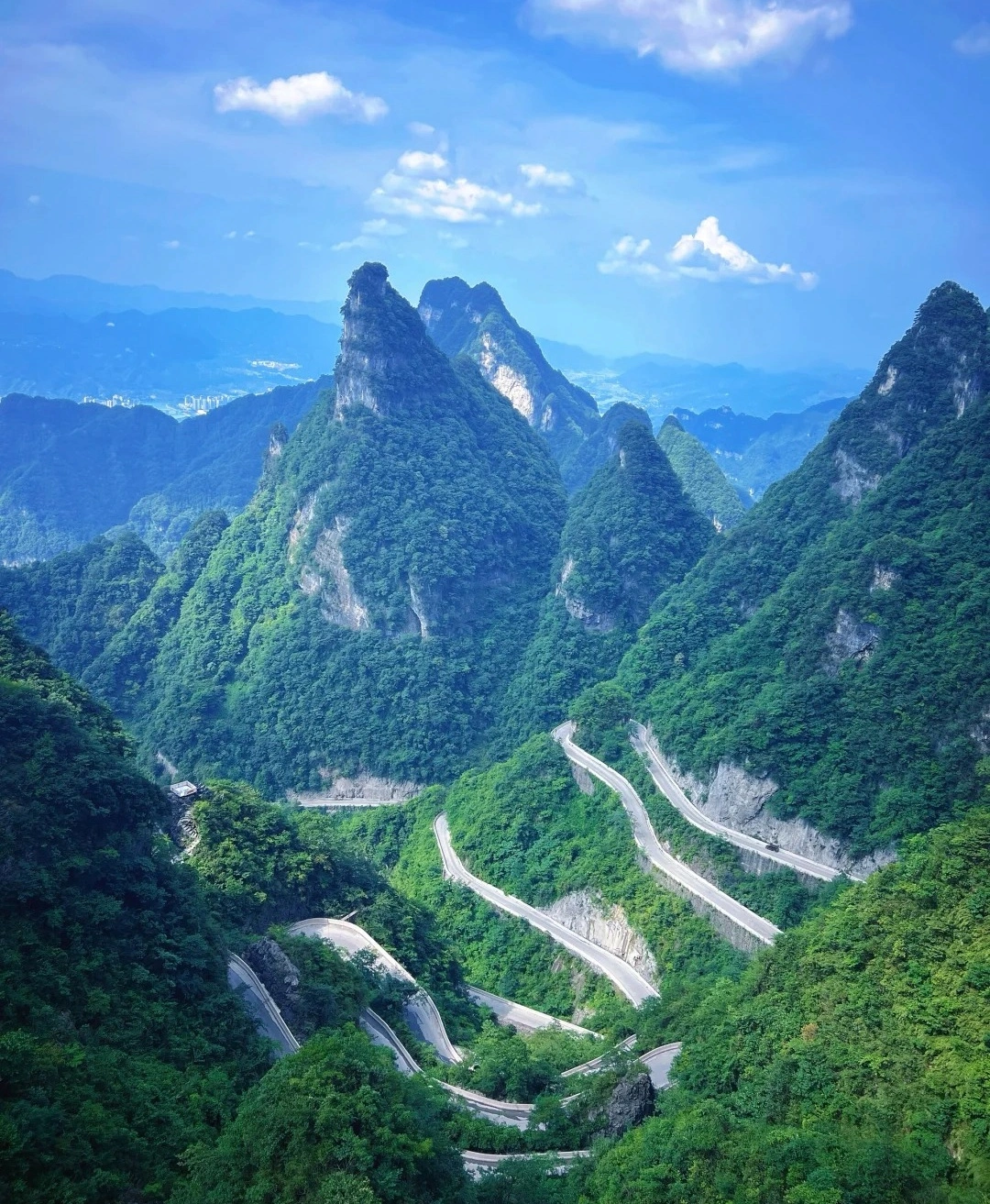
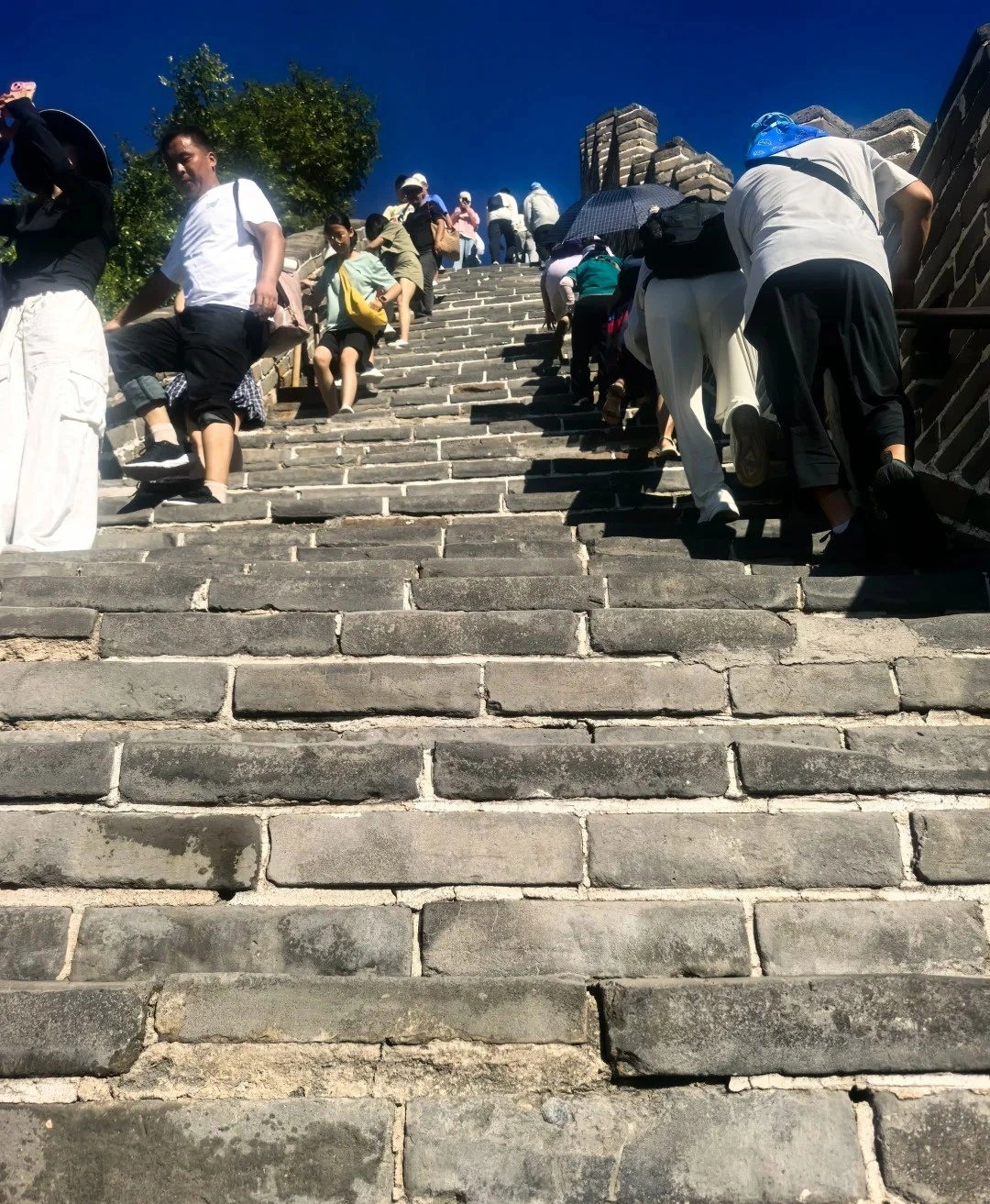
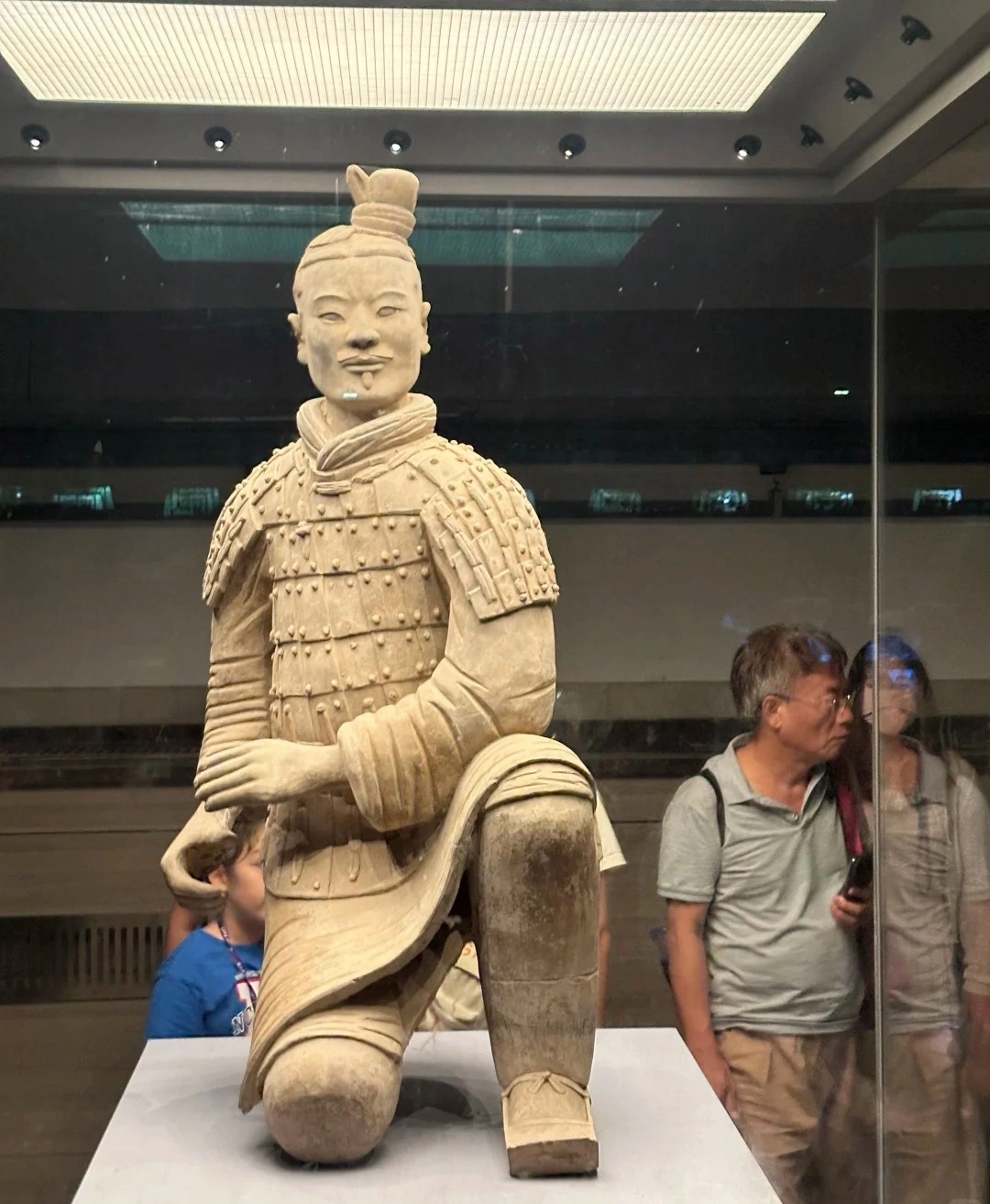
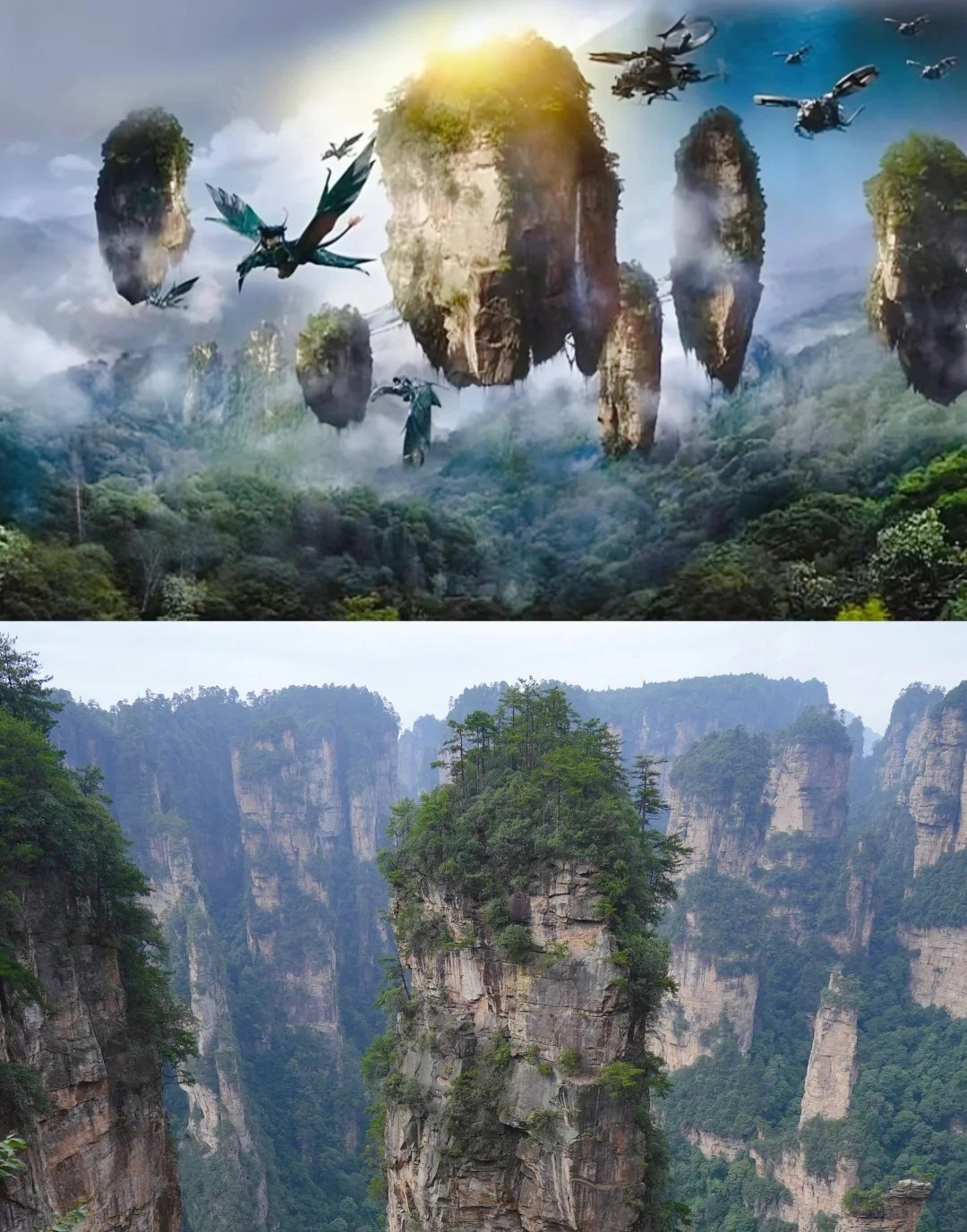
As a solo traveler from Canada, I was nervous about navigating China alone—but this 11-day tour was PERFECT! From hiking the Great Wall at sunrise (Day 3) to gasping at the Terracotta Army (Day 5), every day delivered ‘pinch-me’ moments. The real showstopper? Zhangjiajie’s Avatar Mountains (Day 7)! Our guide made the stone pillars come alive with stories. Massive thanks for handling all logistics—bullet train tickets, entry passes, car! And the 4-star hotels surprised me.
Destination(s): Beijing Xian Zhangjiajie Shanghai
Date of Experience: June 02,2025
... ... ...
...
Simon
America
Reviewed on May 29,2025
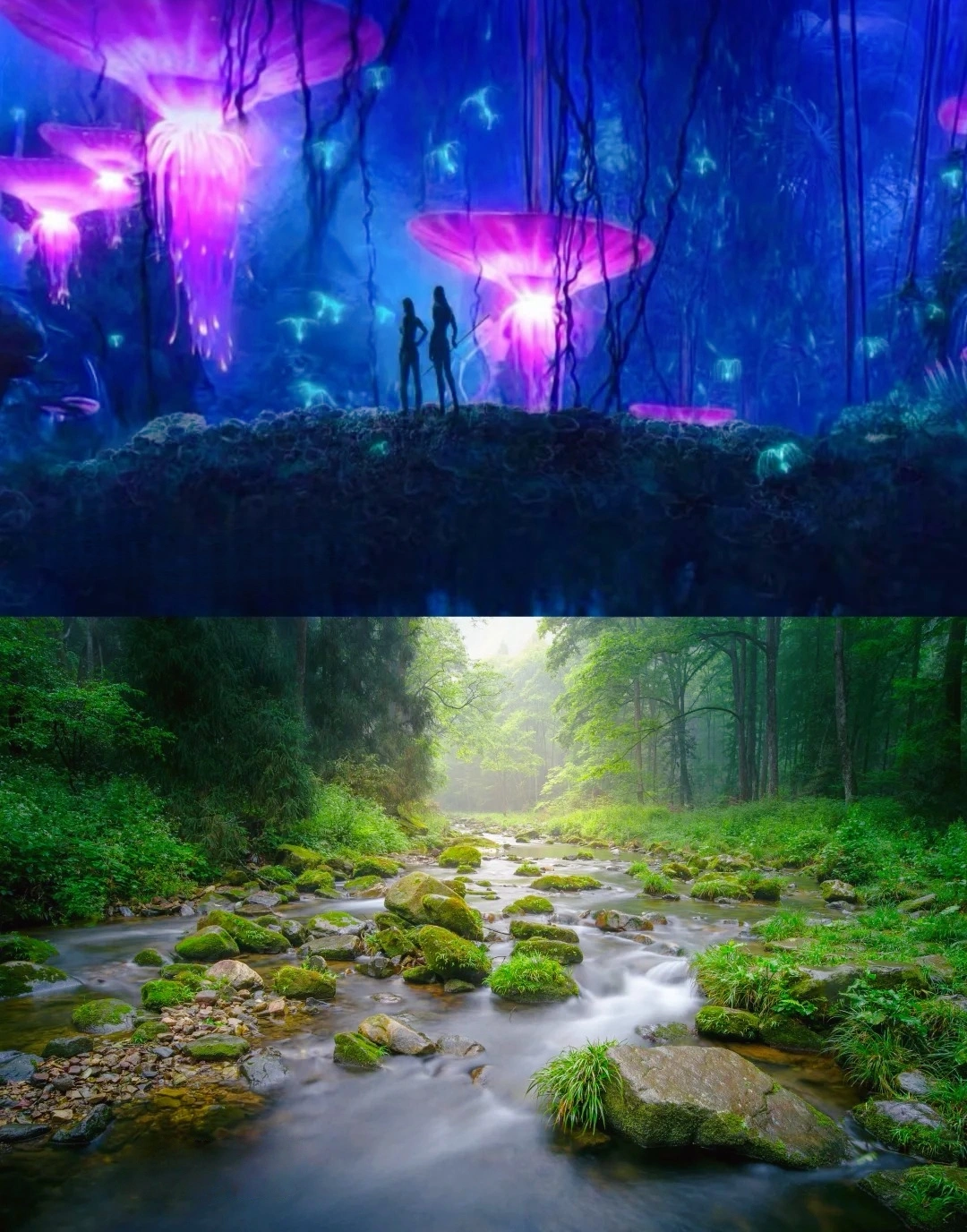
Our 2-day Zhangjiajie tour was beyond spectacular! As someone who’s visited Beijing and Shanghai for work, this trip revealed China’s wild, magical heart. Day 1 in Zhangjiajie National Forest Park felt like stepping onto Pandora—I’m a huge Avatar fan, and Yuanjiajie’s floating peaks left me breathless. The misty pillars and lush valleys like pure movie magic! Then came Fenghuang Ancient Town, we eat dinner beside the thundering waterfall. It seems Unreal! The night views of stilt houses glowing over the river were straight from a fairy tale. For fellow Avatar lovers and adventure seekers: Don’t miss this bucket-list experience! 10/10 would return. A Well-Traveled Film Buff, May 2025
Destination(s): Zhangjiajie
Date of Experience: May 08,2025
... ...

Ask a Question

Question Summary (100 characters)
Details (optional) (2,000 characters)
Name
Country
Email