Cinq activités incontournables pour un voyage complet dans le parc Eling
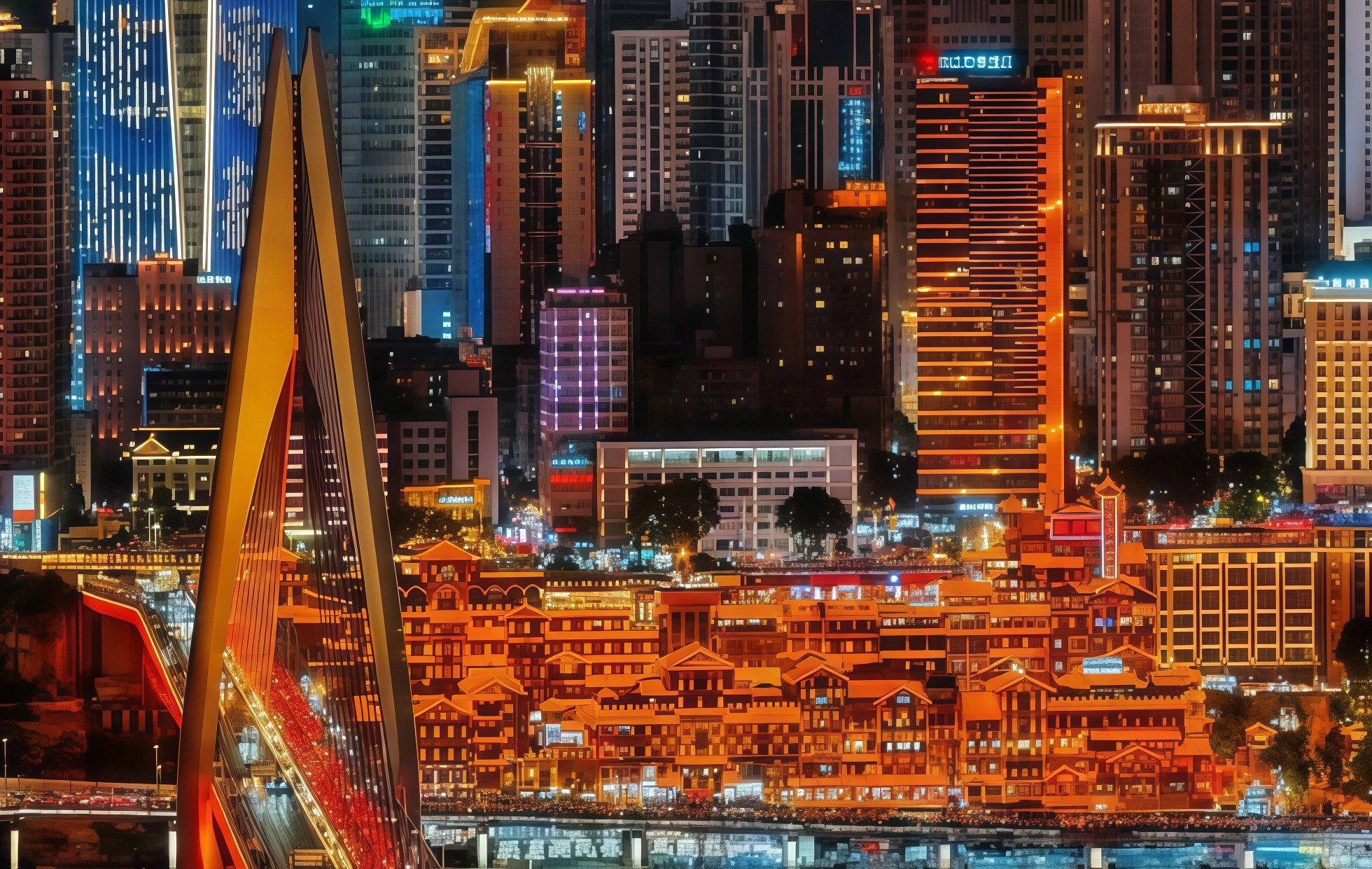
1.Tour Ascend Kansheng, vue sur la confluence de deux rivières et le paysage nocturne de Mountain City
Heure & #160;:17h30-19h30 (réglé selon la saison), vous permettant de profiter à la fois du coucher du soleil et de la nuit.
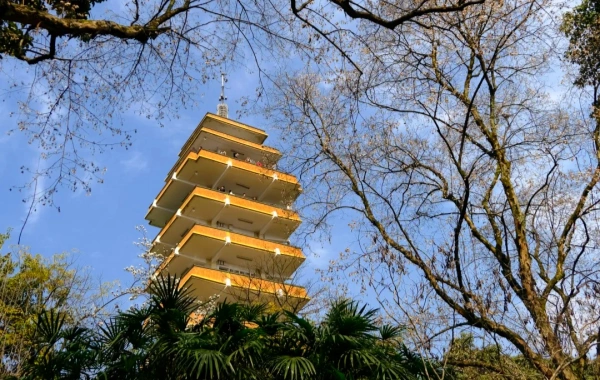
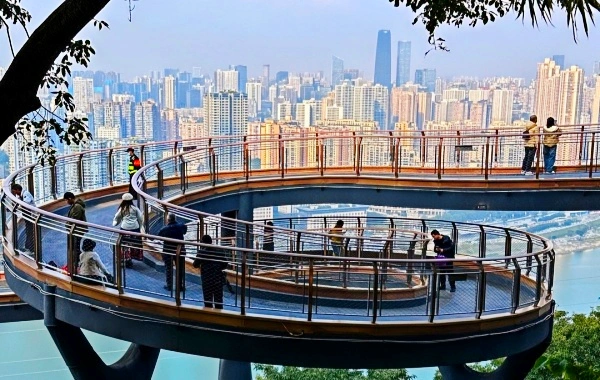
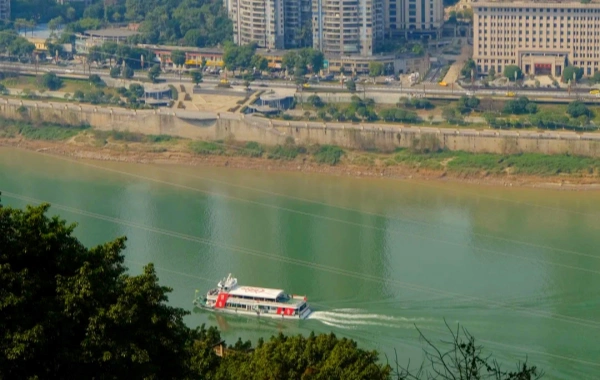
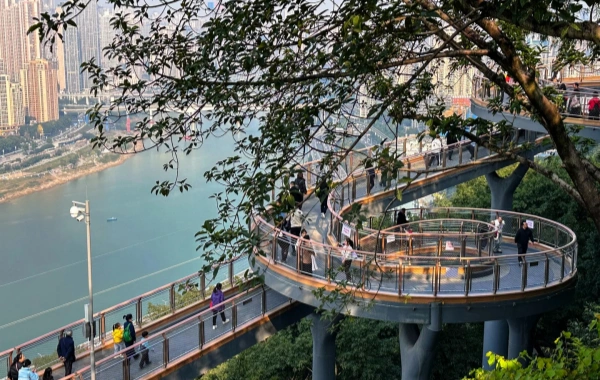
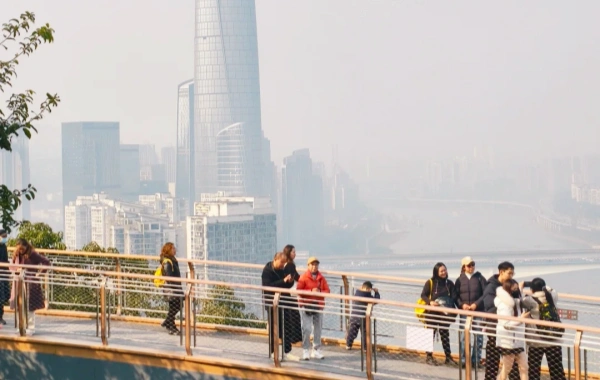
Expérience :Atteindre le sommet de la tour Kansheng de sept étages, surplombant la confluence des fleuves Yangtze et Jialing, leurs eaux distinctes. Pendant que le soleil se couche, les rayons dorés recouvrent la rivière; tandis que les lumières de la ville commencent à briller, la myriade de lumières brillent brillamment, offrant une vue panoramique sur le paysage nocturne de la ville de montagne.
Photographie:Apportez une lentille grand angle et un trépied pour prendre des photos panoramiques de la confluence de la rivière et du paysage nocturne de la ville.
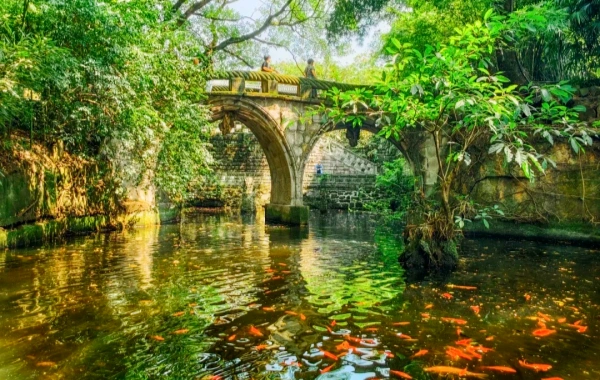
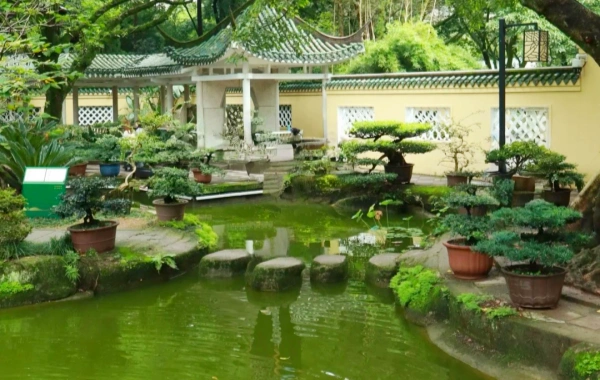
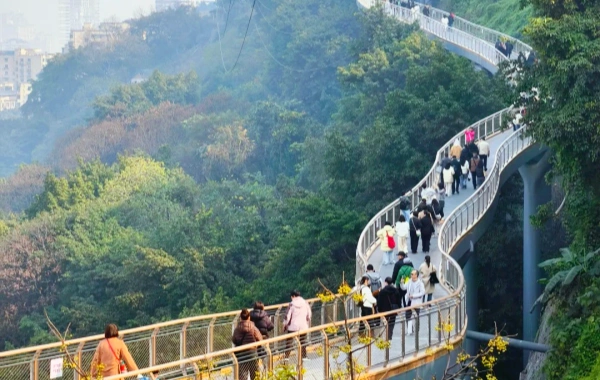
2.Plongez sur le pont de corde et les sentiers de pierre, Sentez la sérénité d'un jardin centenaire
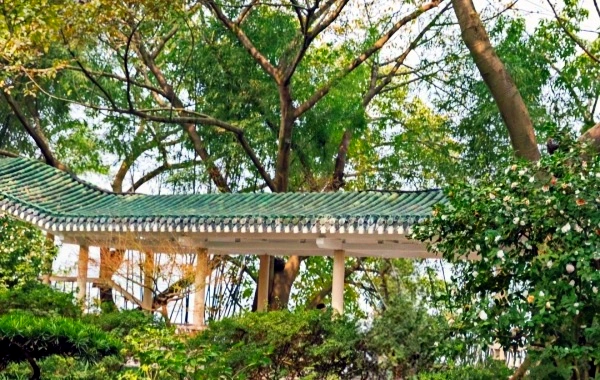
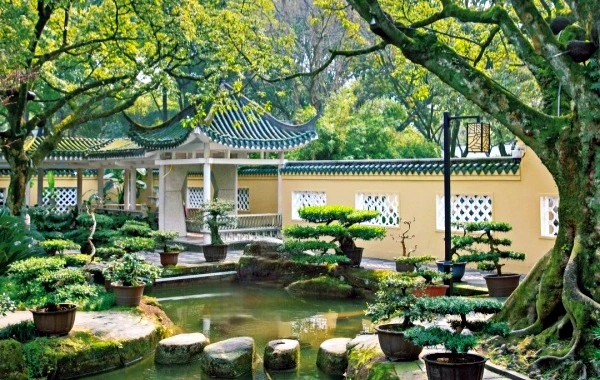
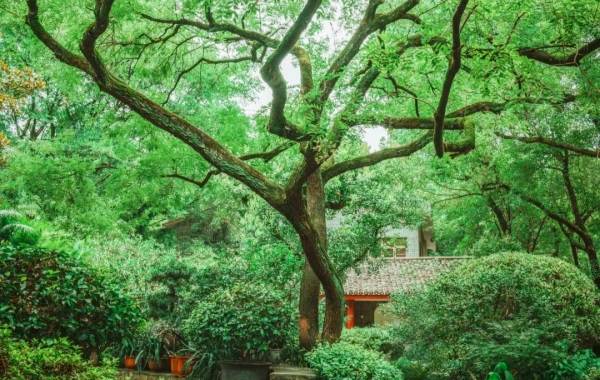
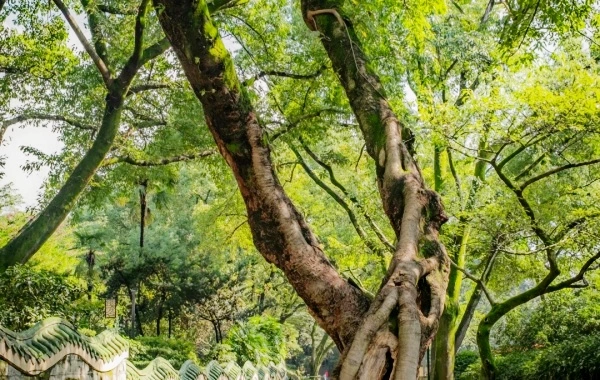
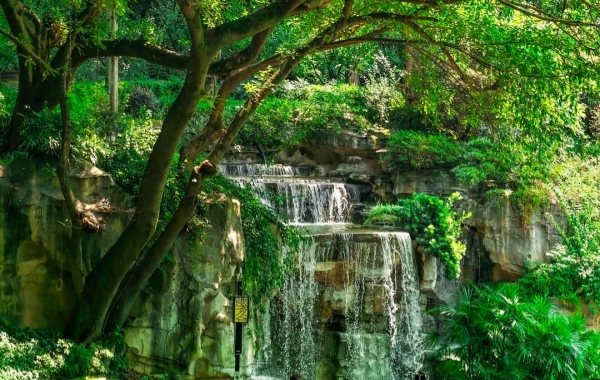
Expérience :Balayer lentement le long des sentiers de pierre dans le jardin, s'arrêtant au pont de corde et pont de corde de pierre, observant les arbres anciens et le flux doux d'eau claire. Cette zone est relativement moins fréquentée, offrant un endroit calme rare dans la ville animée.
Meilleur moment :Tôt le matin ou le matin en semaine quand il y a moins de visiteurs, vous permettant de mieux apprécier la tranquillité du jardin.
3.Explorez le pavillon Feige, touchez les empreintes de la guerre de résistance
Expérience :Entrez dans ce bâtiment mélangeant les styles chinois et occidentaux, en apprenant son histoire comme la résidence de Chiang Kai-shek et sa femme. L'intérieur conserve une partie de son style d'ameublement original, et des photographies historiques sur les murs racontent les histoires de cette époque.
Plongée profonde :Envisagez d'embaucher un guide ou de scanner les codes QR pour apprendre les histoires derrière le bâtiment.
4.Rechercher les reliques culturelles du parc
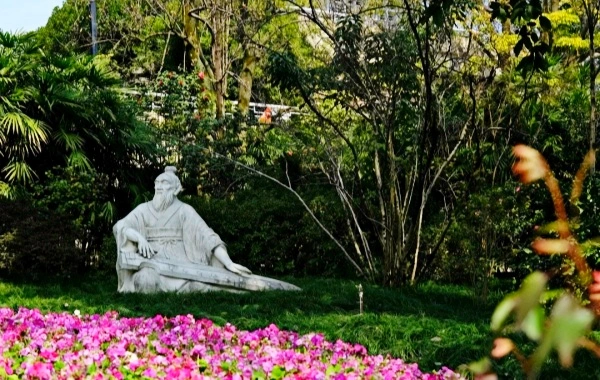
Expérience :Visitez le monument aux dix martyrs de la révolution de 1911 pour honorer les morts; arrêtez-vous au cimetière des martyrs soviétiques pour réfléchir sur l'amitié sino-soviétique; frappez doucement la cloche de paix d'Hiroshima, en souhaitant la paix mondiale.
Remarque:Veuillez maintenir une attitude solennelle et respectueuse et éviter les bruits forts.
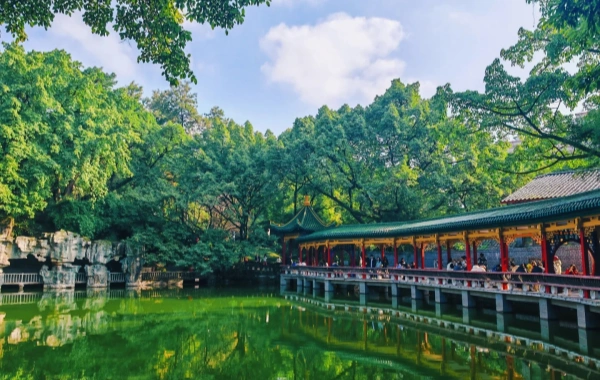
5.Assis près de l'étang Lotus pour un moment, profitez d'une paix fugace
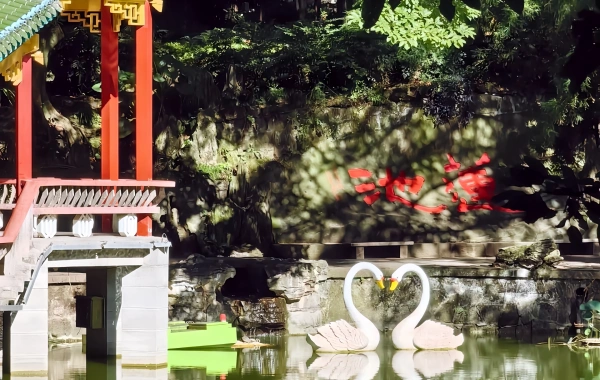
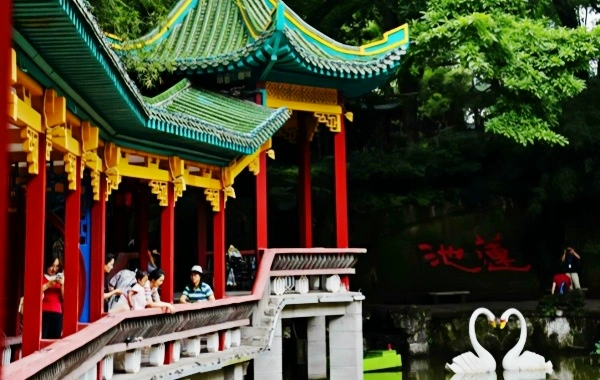
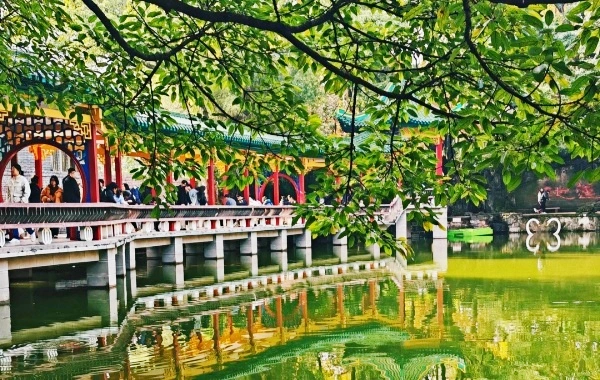
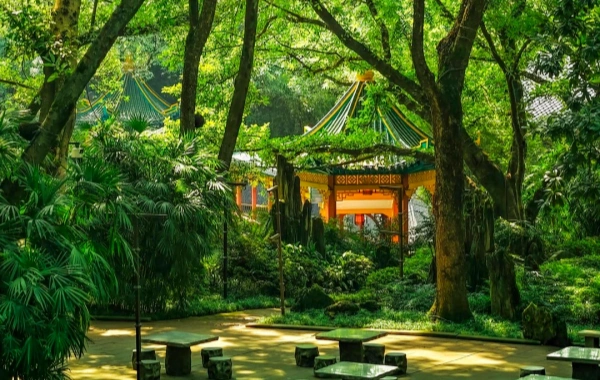
Expérience :Trouvez un banc de pierre près de l'étang, regardez le poisson koi nager et les fleurs de lotus balancer. La scène change avec les saisons – le parfum du lotus en été, la dérive des feuilles jaunes en automne.
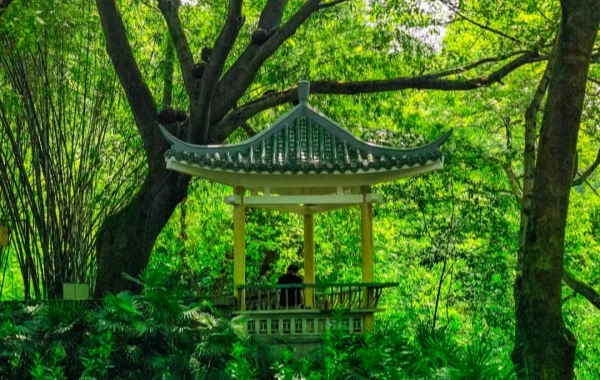
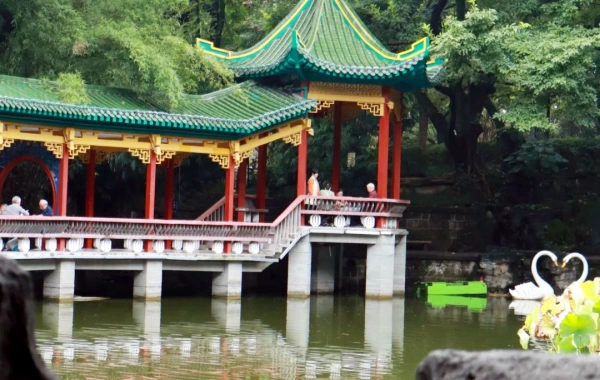
Autre solution :Vous pourriez également vous reposer dans un pavillon près du lac Banyan, sentir la brise douce.
Itinéraires proposés
Demi-journée "Jardin + vue de nuit" Essence Tour:
Arrivée à la porte sud du parc à 15h00 → Marchez le long du sentier principal, visitez le pavillon Feige → Parcourez le pont Rope et le pont Stone Rope, profitez du paysage de Lotus Pond → Visitez le monument des dix martyrs, le cimetière des martyrs soviétiques, et Hiroshima Peace Bell → Commencez à monter la tour Kansheng vers 16h30 pour obtenir un bon point de vue → Ascendez le plancher par étage, en profitant des différentes perspectives → Attendez au dernier étage de 17:30 à 19:30 pour le coucher du soleil et les vues de nuit → Descendre après avoir photographié la scène nocturne et quitter le parc → Départ vers 19:30-20:00.
Voyage Chine Conseil : Les points de vue sur Kansheng Tower sont limités; il est conseillé d'arriver tôt. Il peut être venteux le soir; apporter une veste légère. Si vous souhaitez seulement voir le paysage sans entrer dans le parc, vous pouvez aller directement à la "Liangjiang Ting" par la porte arrière du parc Eling.
Environs d'une journée Visite :
Eling Park + Eling Factory Parc Culturel et Créatif + Gare de Liziba
10h00: Arrivée à Eling Park, suivre l'itinéraire principal
12:30: Déjeuner à proximité, essayez les nouilles de Chongqing Xiaomian ou la cuisine locale Jianghu
13h30: Promenade à l'usine Eling Cultural and Creative Park (site de l'ancienne usine d'impression de la Banque centrale de l'époque de la République de Chine), visitez l'emplacement de tournage du film "Je t'appartenais", naviguez dans les boutiques d'art, profitez de la vue depuis le toit
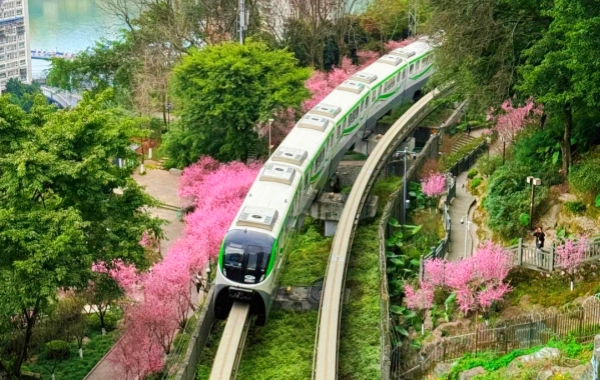
16:00: Marche jusqu'à la gare de Liziba, témoin de la vue unique d'un train léger passant par un bâtiment résidentiel
Soirée: Dinez près de Liziba, choisissez un restaurant avec vue sur la rivière
Après 19:00: Retour à Kansheng Tower ou choisir une autre plate-forme de visionnement pour profiter du paysage nocturne
Voyage Chine Avantages: Nous pouvons fournir des conseils de transport détaillés et des suggestions de gestion du temps, et recommander des restaurants de qualité et des points de vue à proximité.
Conseils d'experts : IntoTravelChina propose des itinéraires personnalisés privés avec des guides dédiés, le transport et la coordination d'activités pour une expérience profonde et sans soucis.>> [Consulter pour personnaliser maintenant]