
Nanzhao Fengqing Island
Nanzhao Style Island, nestled on the picturesque Erhai Lake in Dali, Yunnan Province, China, is a captivating destination that showcases the rich cultural heritage of the ancient Nanzhao Kingdom. The island features a blend of natural beauty and historical architecture, with lush greenery, tranquil waters, and traditional Nanzhao-style buildings. Visitors can explore cultural relics, enjoy scenic views, and immerse themselves in the island's unique atmosphere, which reflects the glory and charm of the Nanzhao era. Nanzhao Style Island offers a fascinating glimpse into the region's history and is a must-visit for those seeking to experience the cultural essence of Dali.
Introduction & Historical Significance
Nestled in the heart of Erhai Lake in Dali City, Yunnan Province, Nanzhao Cultural Island is a 5A-level scenic area and national cultural heritage site tracing its roots to the 9th-century Nanzhao Kingdom. As the "Cradle of Ancient Dali Culture," it embodies the fusion of Nanzhao history, Bai ethnic traditions, and Buddhist-Taoist cosmology. The island was originally a royal retreat for Nanzhao kings, later transformed into a cultural hub showcasing Yunnan’s "South Silk Road" heritage. Today, it is a UNESCO-recognized sanctuary where ancient stone carvings, temple complexes, and natural landscapes converge to tell the story of Southwest China’s historical grandeur.
Architectural Layout & Design
The 128-acre island harmonizes natural beauty with human craftsmanship:
- Nanzhao Palace Complex: A reconstructed Tang-Dynasty-style palace with timber-framed halls, intricate dougong brackets, and courtyard gardens, featuring the 18m-high "Nanzhao King" bronze statue.
- South Sea Guanyin Pavilion: A Ming-Qing-era Buddhist pavilion housing a 6m-tall jade-carved Guanyin statue, surrounded by lotus ponds and stone-carved "Eight Trigrams" patterns.
- Ancient Stone Inscriptions: Over 300 Tang-Song era stone tablets inscribed with Buddhist sutras, royal decrees, and poetic verses, including the famed "Nanzhao Stone Casket" inscription.
- Ecological Corridors: Bamboo-lined paths, wetland boardwalks, and flower gardens connecting nine themed zones, from the "Tea-Horse Road Museum" to the "Bai Ethnic Village."
- Modern Integration: Glass-domed exhibition halls, eco-friendly docks, and solar-powered facilities blend with traditional Bai timber architecture.
Major Attractions
- Nanzhao Cultural Museum: Showcases over 1,000 artifacts including Nanzhao royal seals, bronze drums, and silk manuscripts, with interactive displays on ancient Yunnan governance.
- South Sea Guanyin: Iconic 12m-tall statue overlooking Erhai Lake, offering panoramic views at dawn and dusk.
- Ancient Shipyard: A replica of Nanzhao-era wooden warships, alongside the "Water Moon Cave" with natural karst formations.
- Bai Ethnic Village: Traditional courtyard houses with rammed-earth walls, demonstrating Bai weaving, Tie-dye, and three-course tea ceremonies.
- Night Lantern Festival: Seasonal illuminated displays featuring floral sculptures, lantern-lit pavilions, and traditional dance performances.
Ticket Information
- General Admission: ¥60 (adults), ¥30 (students/seniors), free for children under 1.2m.
- Bundled Tickets: ¥120 for island+cable car; ¥180-280 for combined tickets with Erhai Lake boat tours.
- Opening Hours: 08:00-18:00 daily; extended hours during Festivals.
- Special Venues: Separate tickets for museums (¥20-40) and cultural performances (¥50-100).
Transportation Guide
- Ferry Services: Departures every 30 minutes from Dali Ancient City’s Longkan Wharf (¥20 round-trip, 15-minute ride).
- Bus: Routes 2/3 to "Erhai Dock," then 10-minute ferry ride.
- Self-Drive: Parking at Dali Ancient City (¥10/day); taxis to wharf (¥15).
- Bike/E-Scooter: Rentals available at wharf for coastal rides; shared bikes operate via app.
- Cable Car: Optional ¥50 round-trip from island summit to mainland.
Best Time & Tips
- Optimal Seasons: March-June (wildflower blooms) and September-November (mild weather); avoid summer monsoons and winter fog.
- Photography: Sunrise over Erhai from South Sea Guanyin; golden-hour lighting on ancient stone inscriptions.
- Cultural Etiquette: Remove hats in temples; greet locals with "Xing hao" (good morning).
- Packing: Light layers, sunscreen, hats, and sturdy shoes; bring cash for artisan markets.
- Dining: Must-try dishes include "Bai-style Acid Fish," rose-flavored pastries, and seafood at lakeside stalls.
Nearby Attractions & Itineraries
- Combined Tours:
- Morning: Nanzhao Museum exploration + South Sea Guanyin sunrise.
- Afternoon: Visit Chongsheng Three Pagodas (10km) for Buddhist heritage or Xizhou Village for Bai crafts.
- Evening: Jinma Biji Square night market or Cangshan Mountain sunset hike.
- Cultural Synergy: Pair with Longkan Wharf for romantic legends or Shaxi Ancient Town for historic trades.
Nanzhao Cultural Island is a living tapestry of history and nature—where ancient stones whisper tales of kings, and Erhai’s waves carry echoes of a bygone era. As a UNESCO-recognized gem, it continues to inspire global travelers seeking cultural depth and natural beauty in China’s Southwest.




Contact Us
Que disent nos clients?
Basé sur plus de 10 000 avis de voyageurs

Daniel Dorothea
Canada
Reviewed on April 29,2025
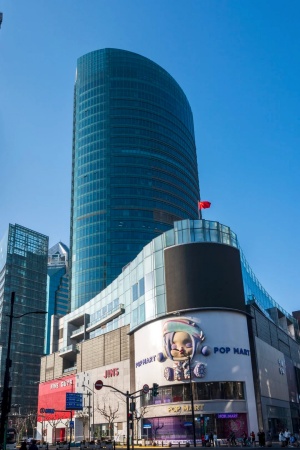
Shopping on Nanjing Road in Shanghai was just amazing! It's truly the "First Commercial Street of China", where tradition and modernity blend perfectly. You can find awesome souvenirs and experience the trendy vibes in cool stores. The neon lights at night are just spectacular, shining bright like Times Square in New York. The food here is incredible too. I had a feast for my taste buds. Shanghai, I'll definitely be back!
Destination(s):
Shanghai
Date of
Experience:
May 08,2024

Elvis Eva
Canada
Reviewed on June 20,2025
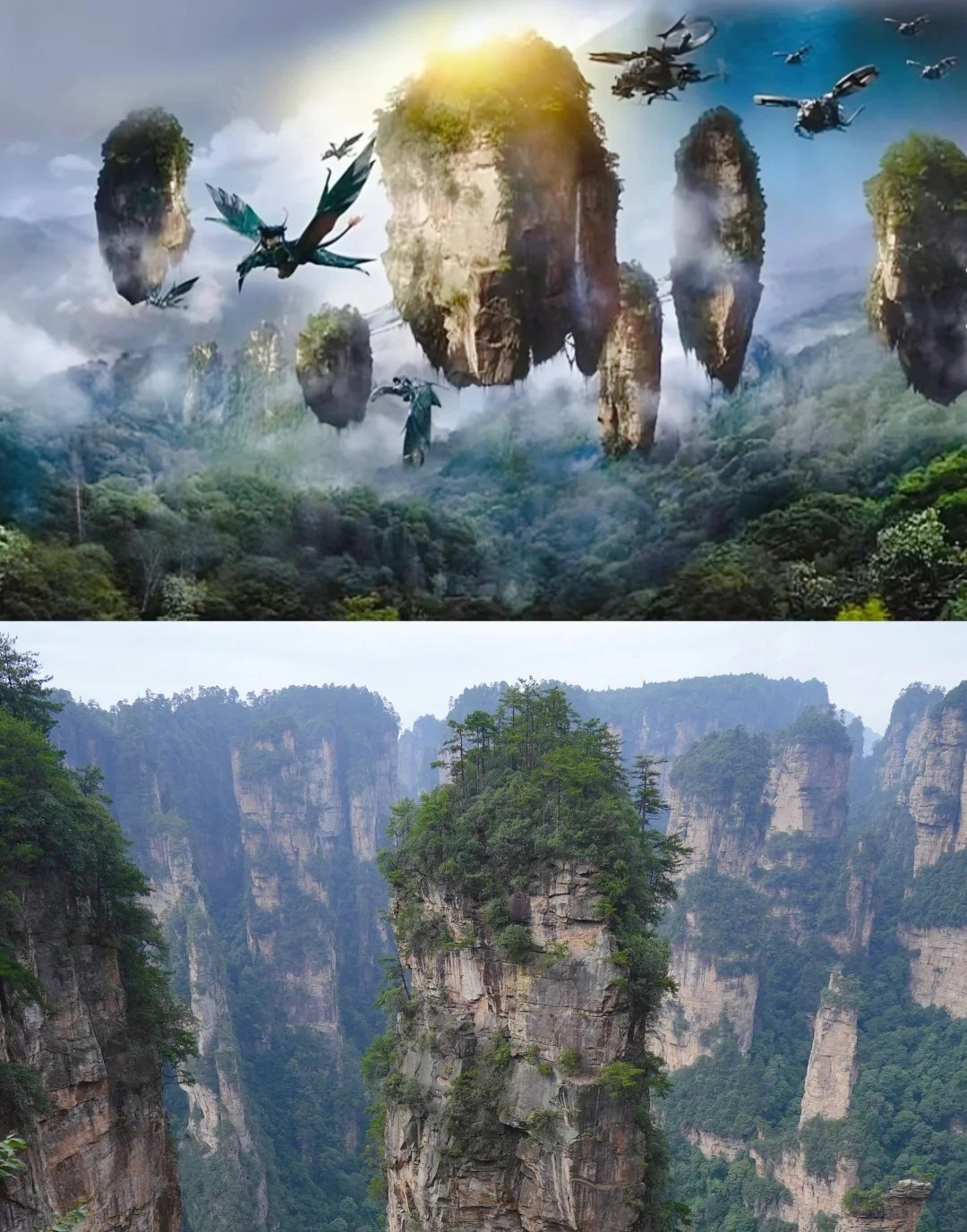
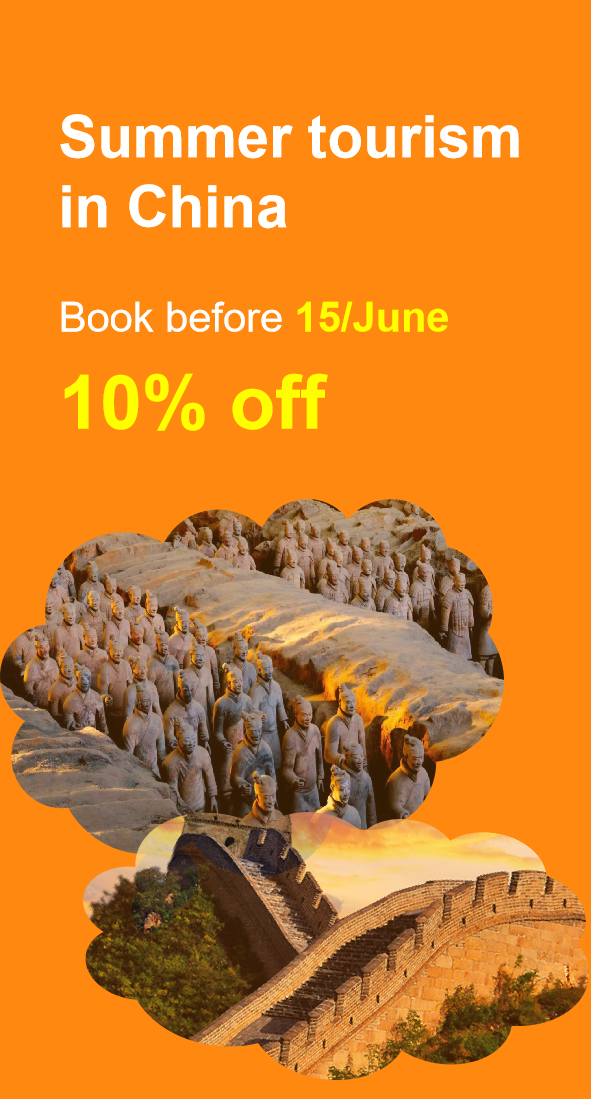
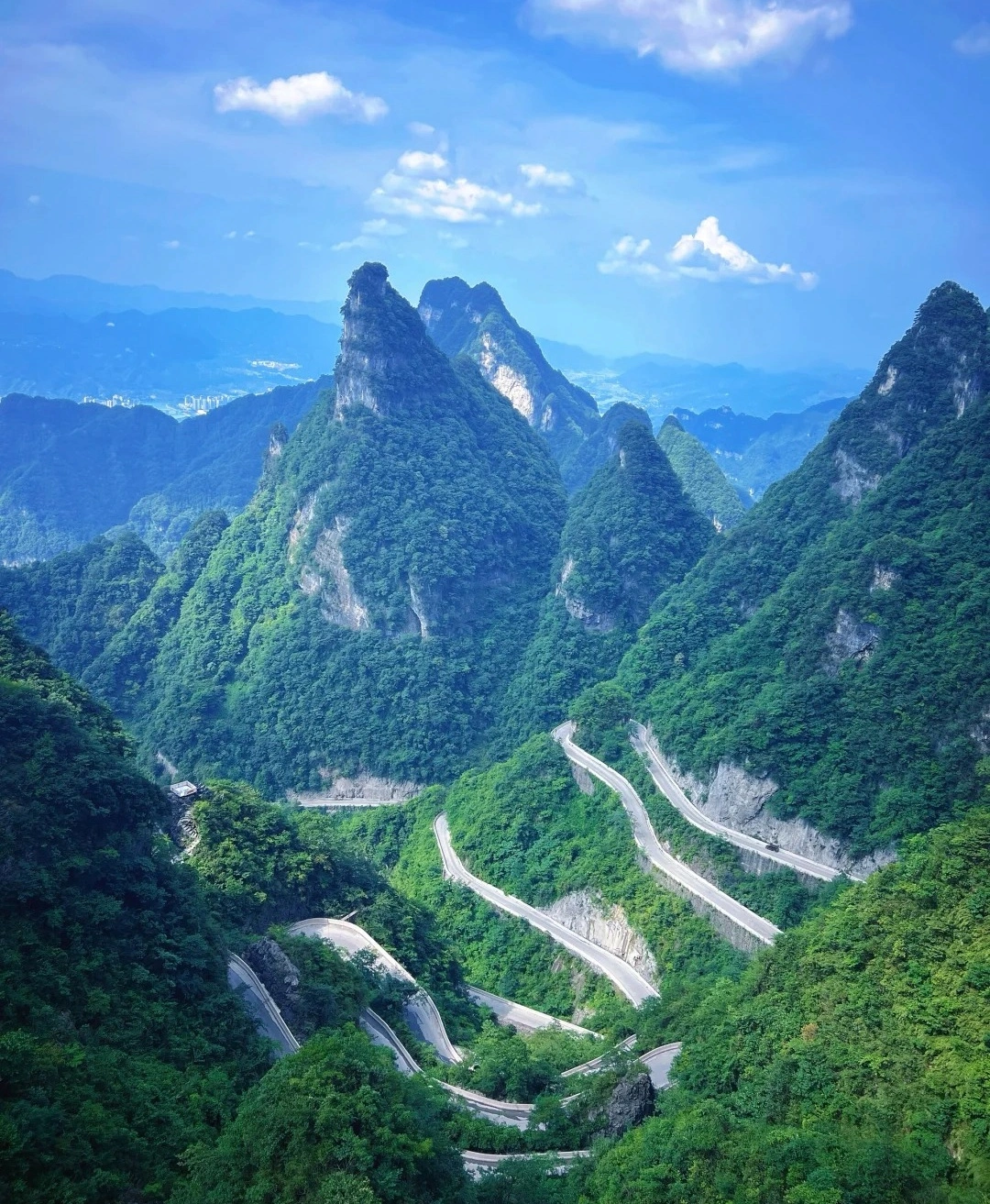
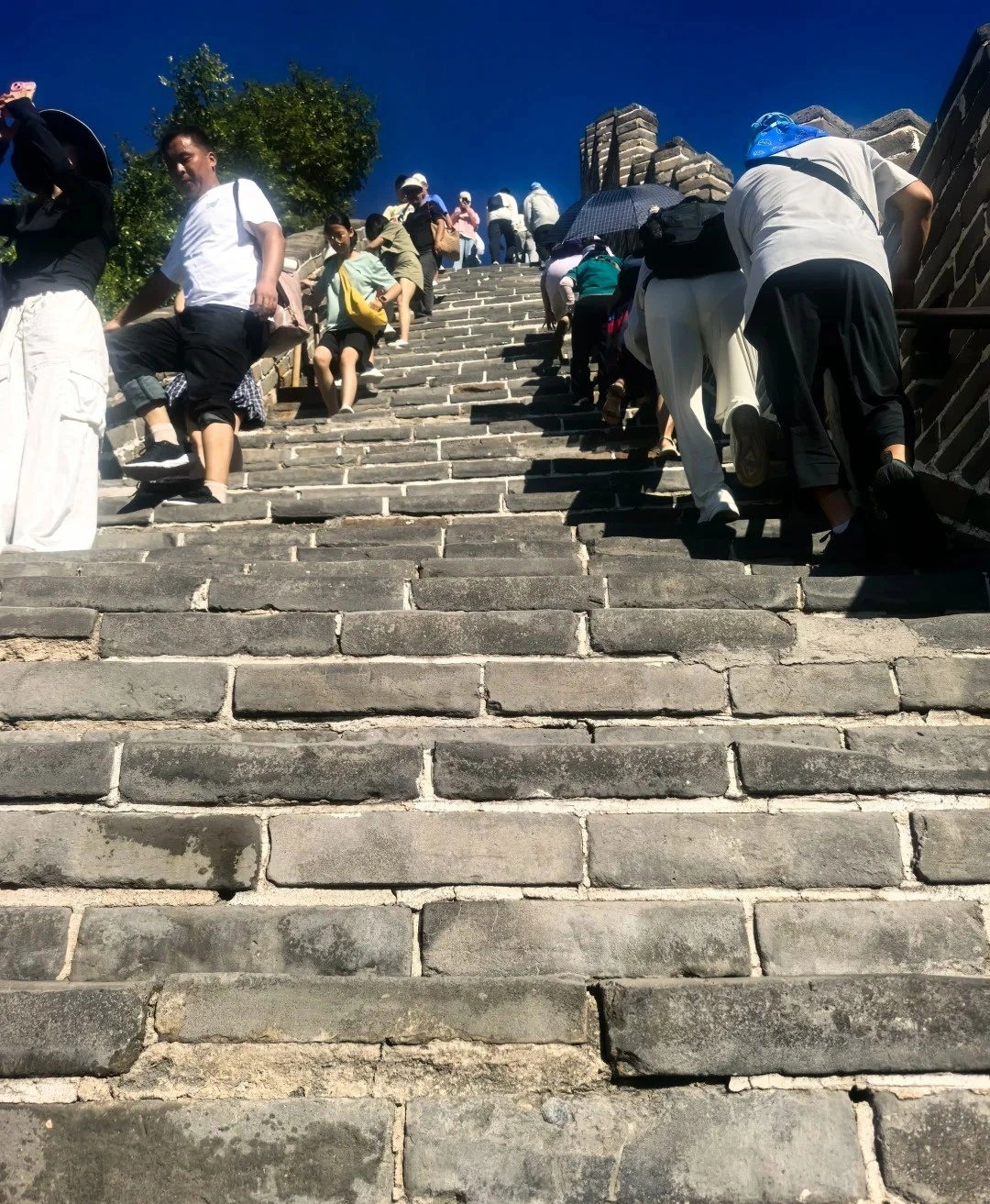
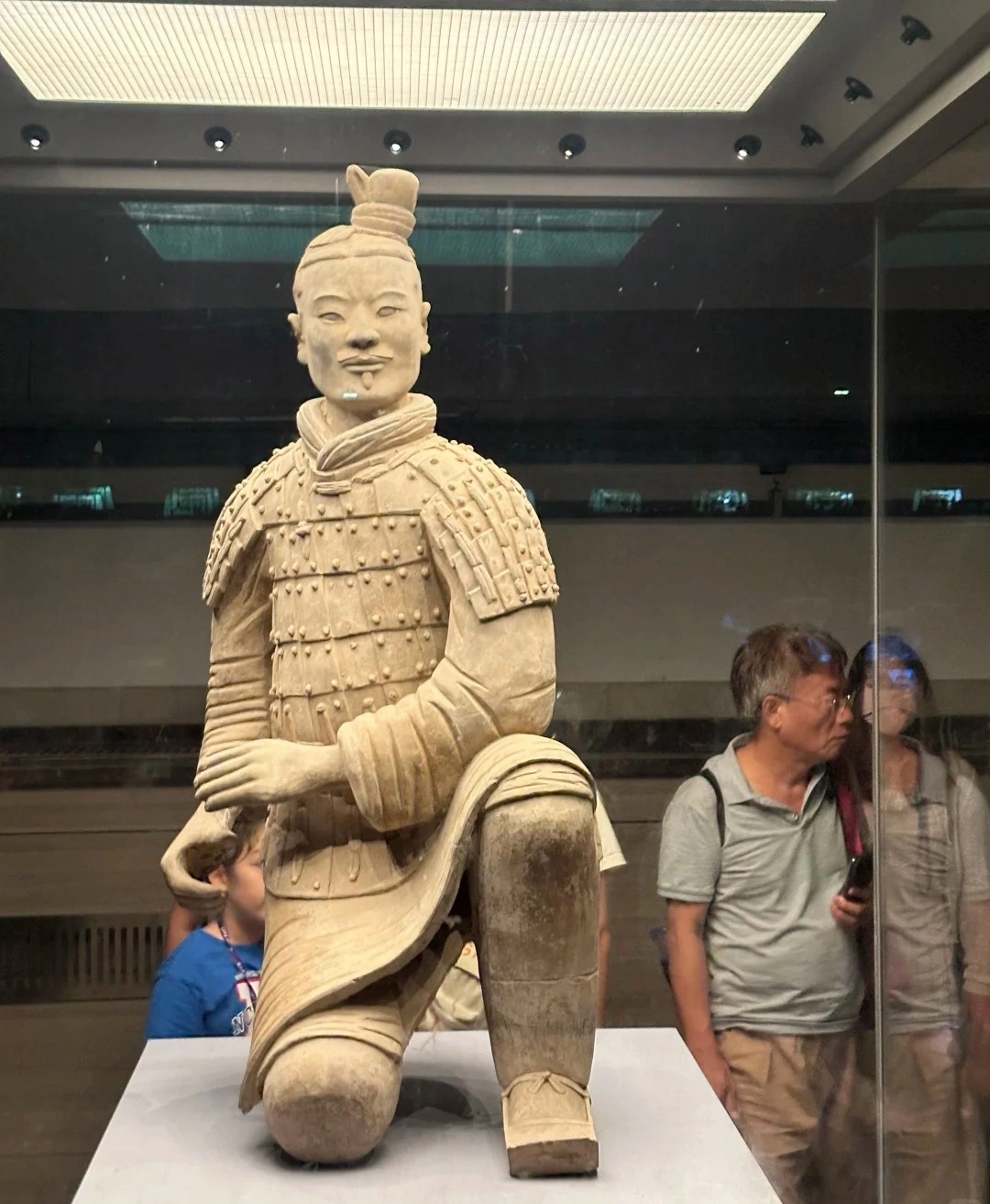
As a solo traveler from Canada, I was nervous about navigating China alone—but this 11-day tour was PERFECT! From hiking the Great Wall at sunrise (Day 3) to gasping at the Terracotta Army (Day 5), every day delivered ‘pinch-me’ moments. The real showstopper? Zhangjiajie’s Avatar Mountains (Day 7)! Our guide made the stone pillars come alive with stories.
Massive thanks for handling all logistics—bullet train tickets, entry passes, car! And the 4-star hotels surprised me.
Destination(s):
Beijing Xian Zhangjiajie Shanghai
Date of
Experience:
June 02,2025

Simon
America
Reviewed on May 29,2025
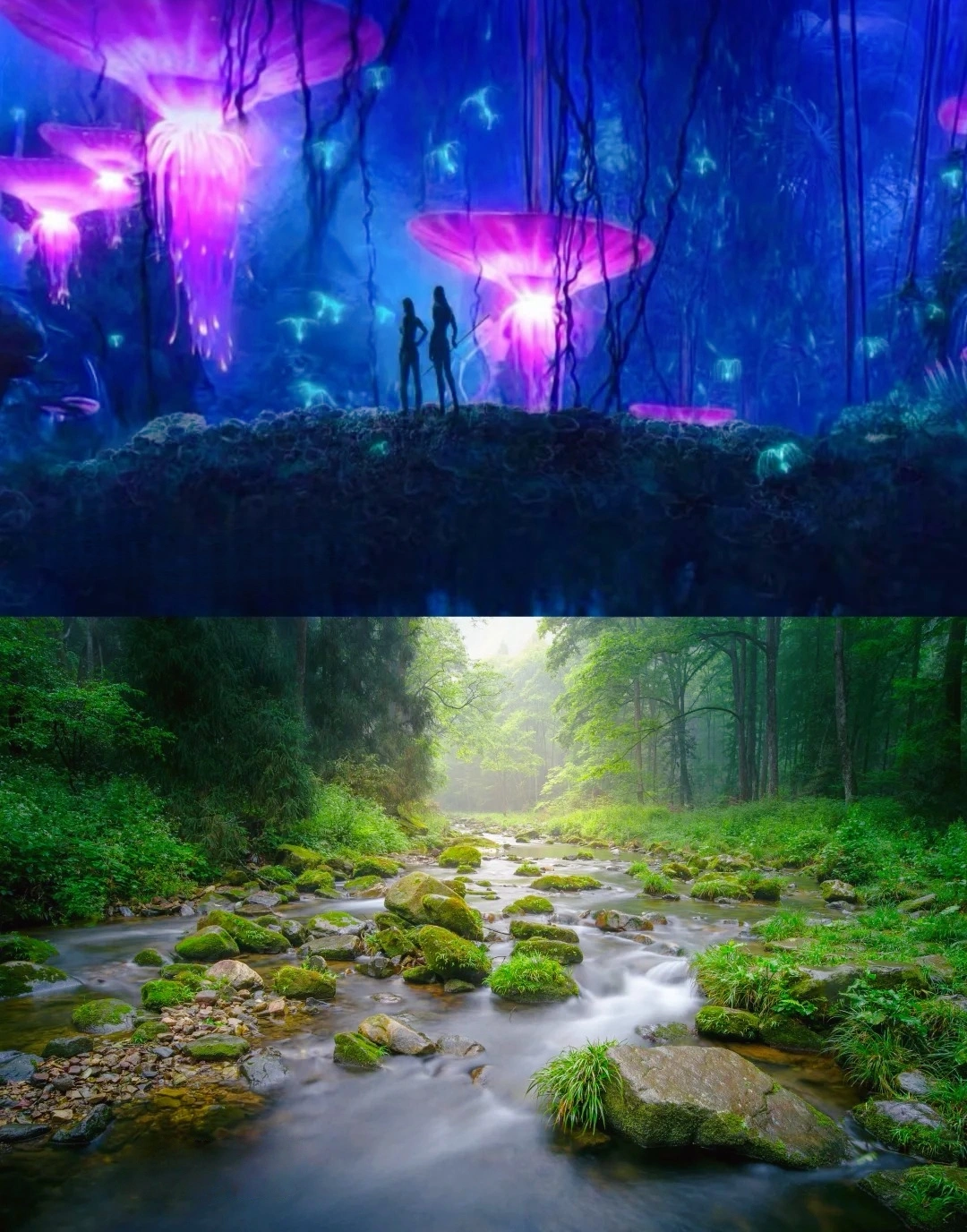
Our 2-day Zhangjiajie tour was beyond spectacular! As someone who’s visited Beijing and Shanghai for work, this trip revealed China’s wild, magical heart. Day 1 in Zhangjiajie National Forest Park felt like stepping onto Pandora—I’m a huge Avatar fan, and Yuanjiajie’s floating peaks left me breathless. The misty pillars and lush valleys like pure movie magic!
Then came Fenghuang Ancient Town, we eat dinner beside the thundering waterfall. It seems Unreal! The night views of stilt houses glowing over the river were straight from a fairy tale.
For fellow Avatar lovers and adventure seekers: Don’t miss this bucket-list experience! 10/10 would return.
A Well-Traveled Film Buff, May 2025
Destination(s):
Zhangjiajie
Date of
Experience:
May 08,2025