
Harbin Grand Theatre
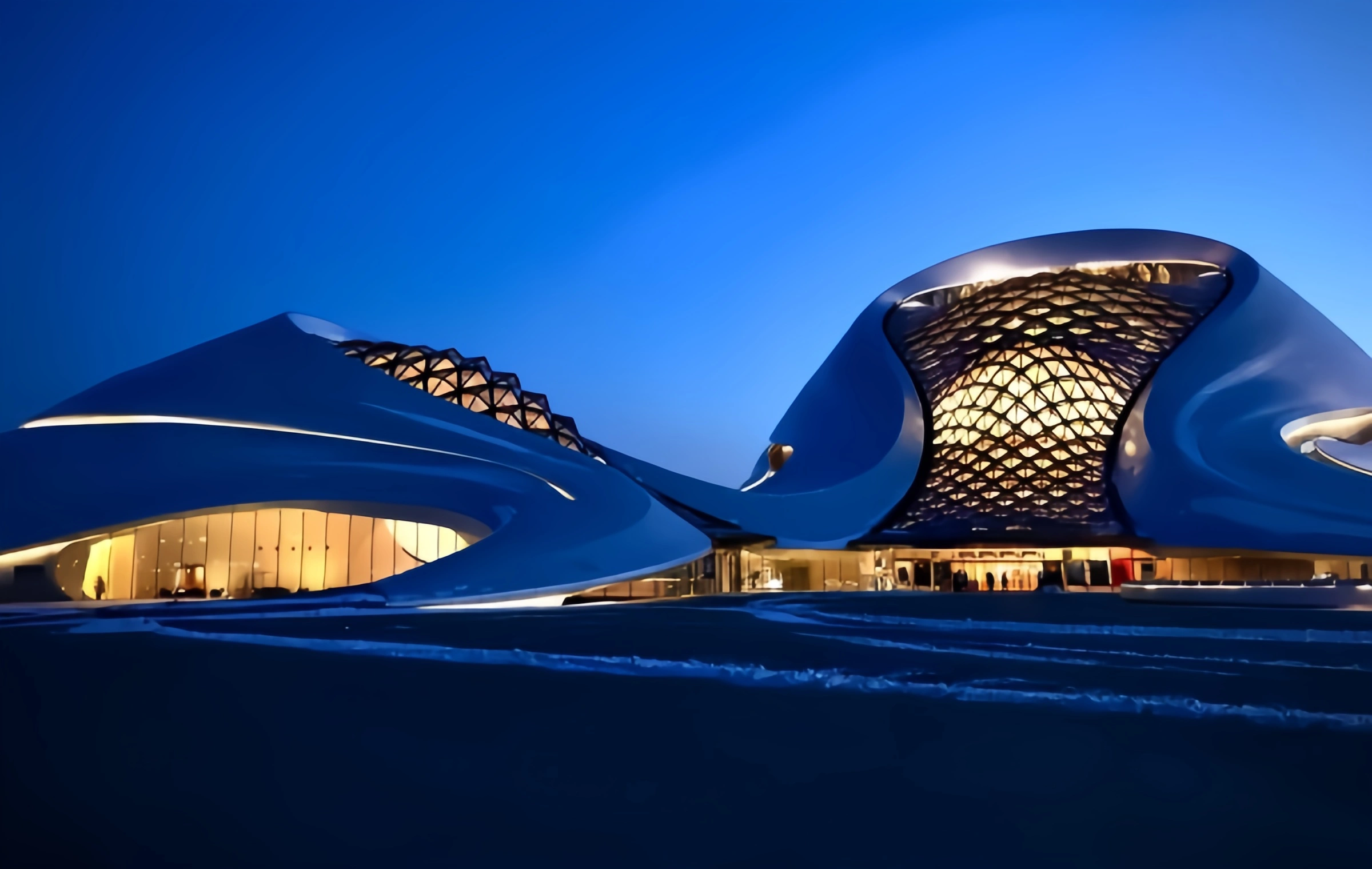
Harbin Grand Theatre, a masterpiece of contemporary architecture, stands as an iconic cultural landmark in China’s northernmost metropolis. Designed by renowned architect Ma Yansong of MAD Architects, the theatre opened in 2015 and has since become a symbol of Harbin’s artistic vitality. Its fluid, snow-like curves echo the region’s wintry landscapes, while its interior blends cutting-edge acoustics with organic design. Hosting world-class opera, ballet, and symphony performances, the theatre is both a functional arts venue and a sculptural marvel. Recognized globally, it received the 2015 Architectural Review Award and was shortlisted for the RIBA International Prize.
1. Architectural Vision
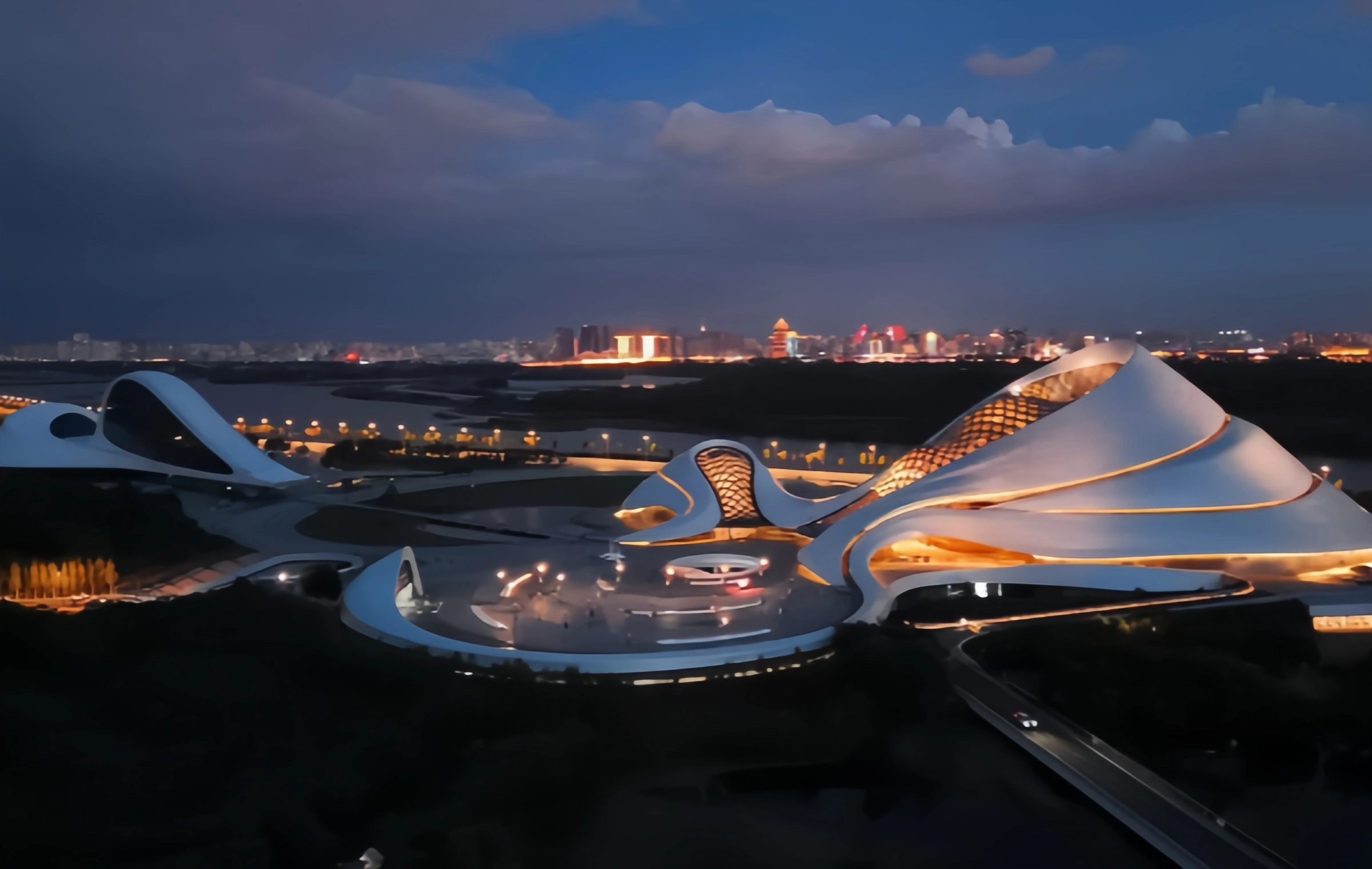
Inspired by Harbin’s icy vistas and the flowing Songhua River, the theatre’s design features two undulating structures: a larger performance hall and a smaller experimental stage. The exterior’s white aluminum panels mimic snowdrifts, while the interior’s wooden ceilings and curved walls create immersive acoustic environments. The design prioritizes sustainability, with natural ventilation systems and energy-efficient lighting.
2. Structural Design
The theatre’s dual-building layout serves distinct purposes:
- Main Hall (1,600 seats): Hosts grand operas, ballets, and symphonies. Its horseshoe-shaped design ensures optimal sightlines and acoustics.
- Small Hall (400 seats): A flexible space for experimental theatre, chamber music, and community events.
The lobby’s spiral staircase and panoramic windows connect visitors to the surrounding wetlands, blurring indoor-outdoor boundaries.
3. Key Features
- Curved Exterior: The building’s wave-like form reduces wind resistance and integrates with the riverfront landscape.
- Acoustic Mastery: Engineered by Arup, the halls achieve near-perfect sound diffusion without artificial amplification.
- Public Plaza: A sunken garden and amphitheater outside host outdoor concerts and Festivals.
- Skywalk: A glass-enclosed bridge connects the two halls, offering views of the river and city skyline.
4. Cultural Significance
Harbin Grand Theatre revitalized the city’s cultural scene, attracting international troupes like the Mariinsky Ballet and the Berlin Philharmonic. It also supports local talent through the Harbin Opera House Residency Program, nurturing emerging choreographers and composers. The theatre’s annual Ice Festival Gala draws global audiences, merging winter sports with performing arts.
5. Performance Highlights
- Classical Music: Collaborations with the Vienna Symphony and Shanghai Symphony Orchestra.
- Ballet: Productions of Swan Lake and The Nutcracker with the Bolshoi Ballet’s guest artists.
- Experimental Theatre: Immersive shows blending technology and traditional Chinese storytelling.
- Community Events: Free outdoor screenings and workshops for local schools.
6. Visitor Experience
- Guided Tours: Hourly backstage tours (¥50) reveal stage mechanics and costume design studios.
- Riverfront Café: Overlooks the Songhua River, serving local specialties like Harbin-style sausages and Russian pastries.
- Art Exhibitions: Rotating displays in the foyer showcase contemporary Chinese and Nordic art.
- Accessibility: Ramps, elevators, and Braille signage ensure inclusivity for all visitors.
7. Practical Information
- Location: Songhua River Wetland, Harbin New District (20 km from downtown).
- Transport:
- Subway: Line 3 to Harbin Grand Theatre Station (Exit A).
- Bus: Routes 122, 126, or 29 to Songbei Cultural Center Stop.
- Taxi: Approx. ¥40 from Central Avenue.
- Parking: Free underground lot with 500 spaces.
- Prohibited Items: Large bags, food, and professional cameras (non-flash photography allowed).
8. Best Time to Visit
- Summer (June–August): Outdoor festivals and lush wetland views.
- Winter (December–February): Ice Sculptures and themed performances.
Tip: Arrive 1 hour early to explore the plaza and enjoy pre-show sunset views over the river.
9. Recommended itinerary


Contact Us
Que disent nos clients?
Basé sur plus de 10 000 avis de voyageurs

Daniel Dorothea
Canada
Reviewed on April 29,2025
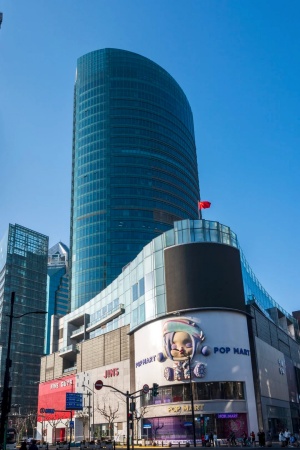
Shopping on Nanjing Road in Shanghai was just amazing! It's truly the "First Commercial Street of China", where tradition and modernity blend perfectly. You can find awesome souvenirs and experience the trendy vibes in cool stores. The neon lights at night are just spectacular, shining bright like Times Square in New York. The food here is incredible too. I had a feast for my taste buds. Shanghai, I'll definitely be back!
Destination(s):
Shanghai
Date of
Experience:
May 08,2024

Elvis Eva
Canada
Reviewed on June 20,2025
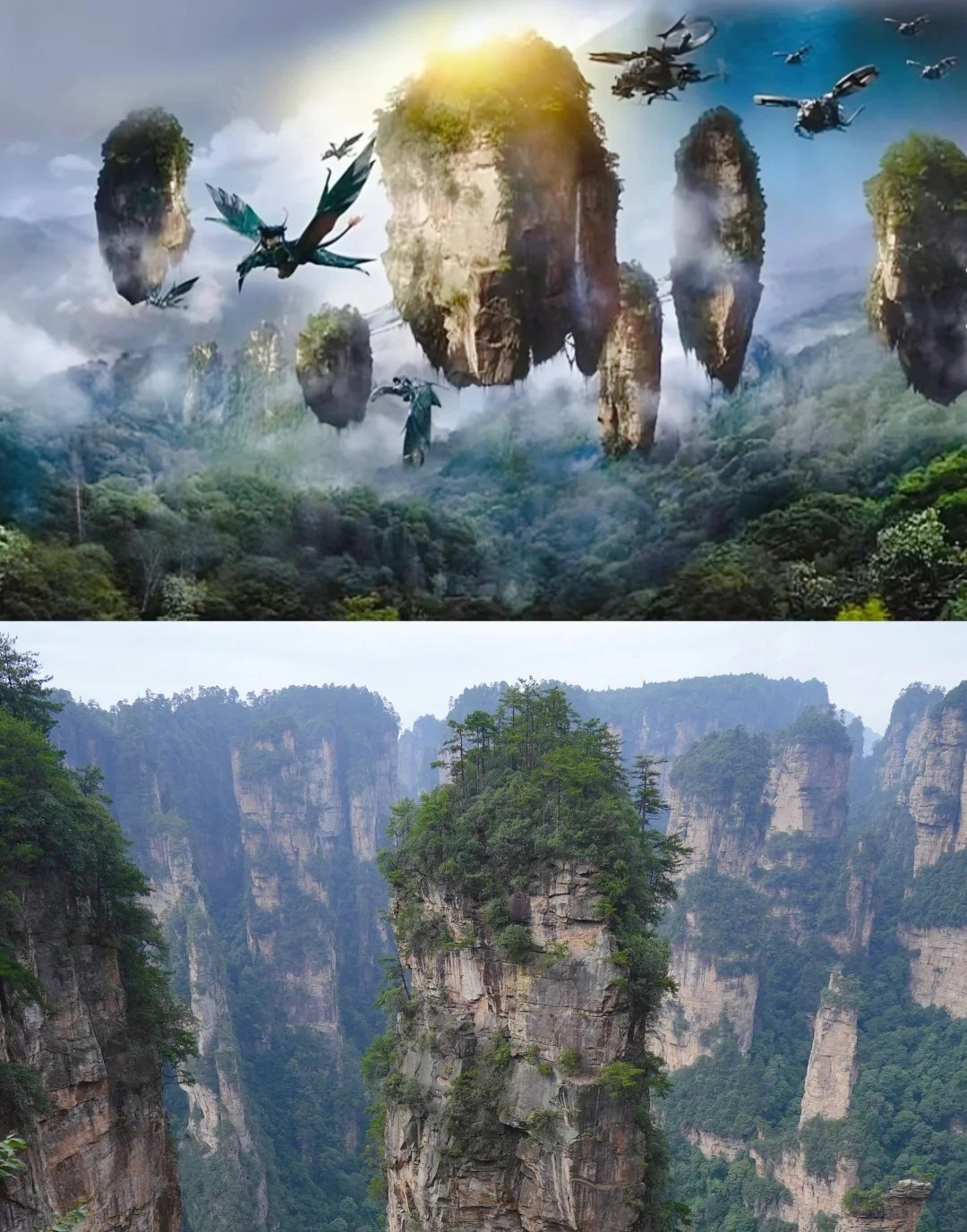
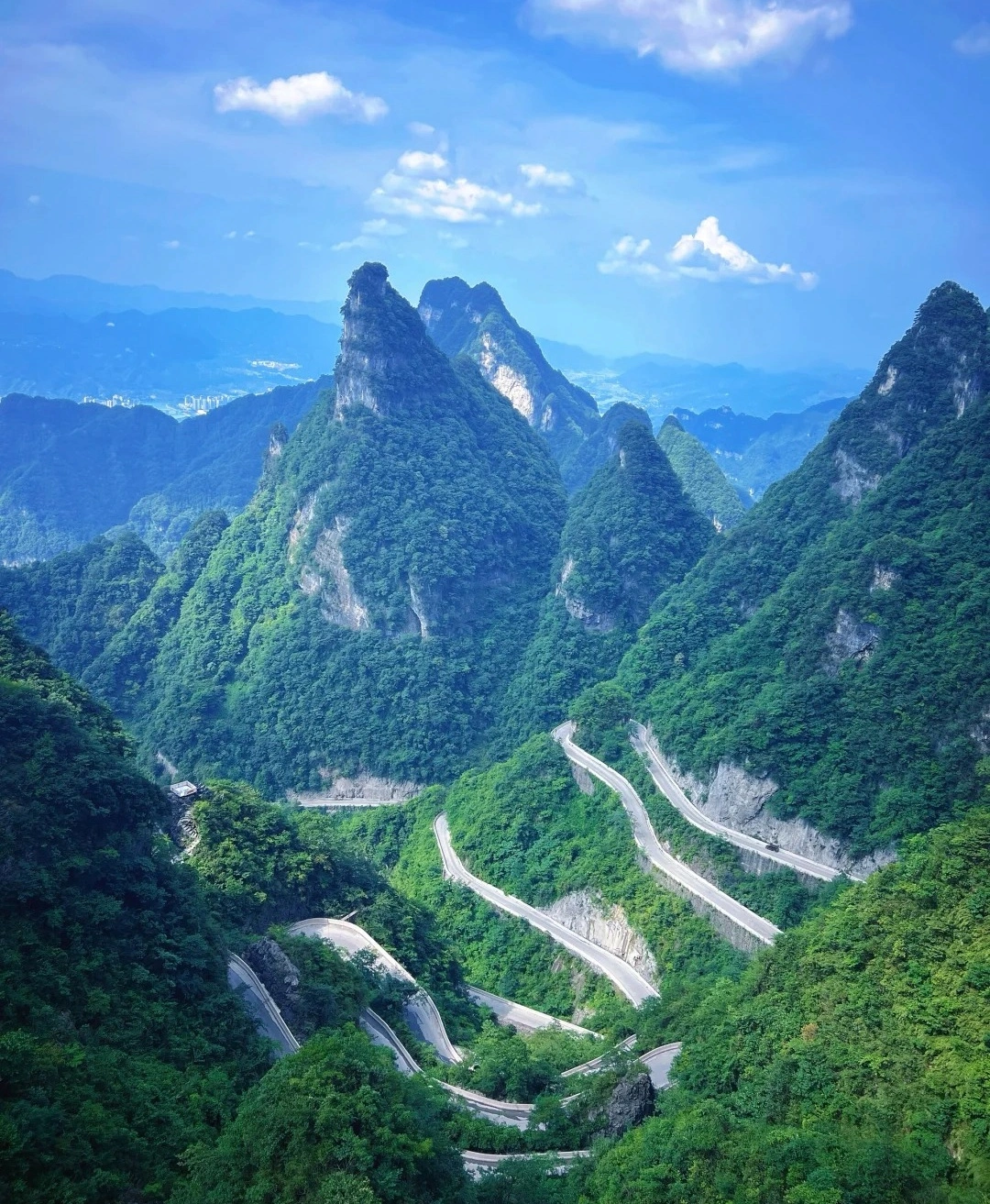
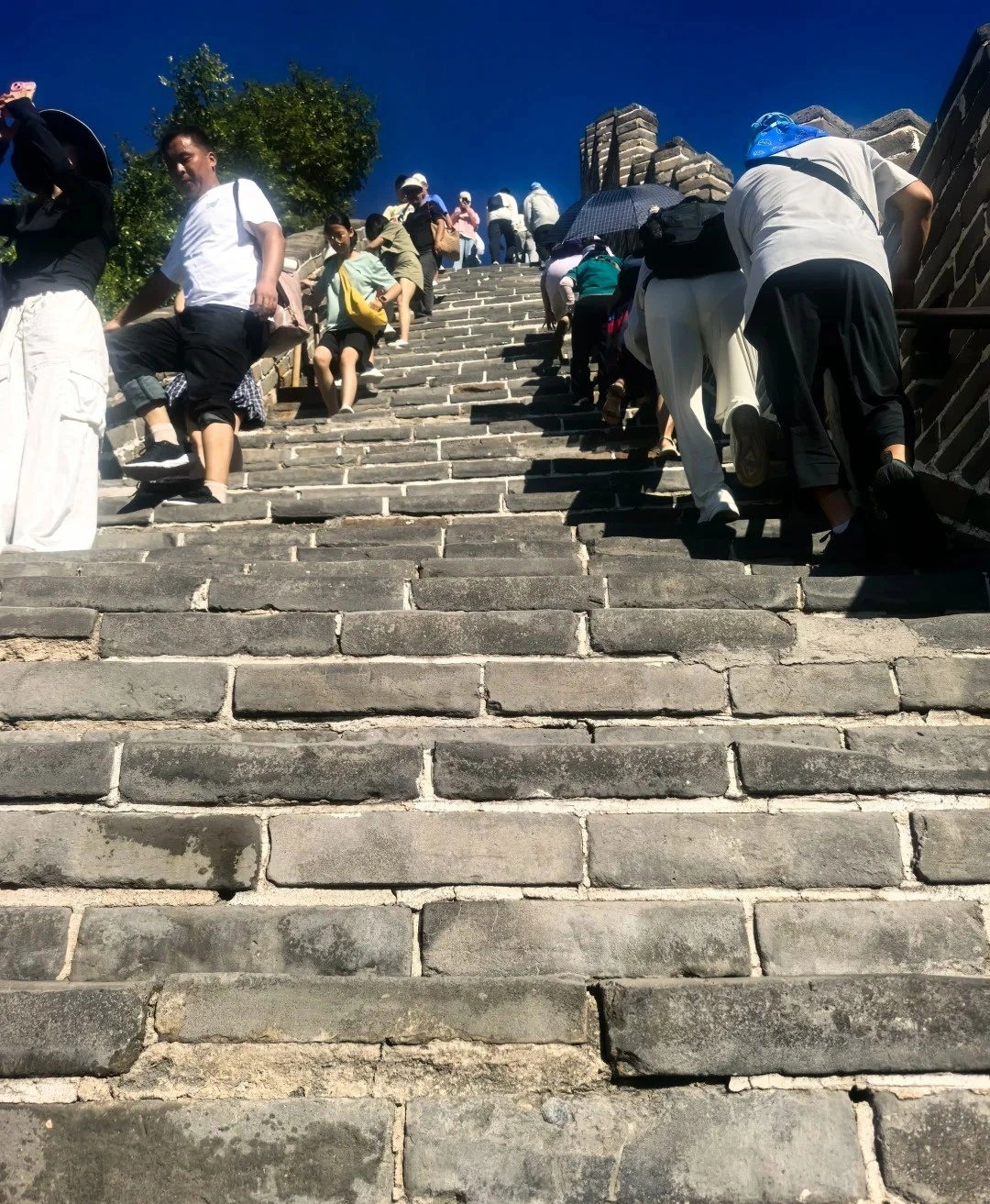
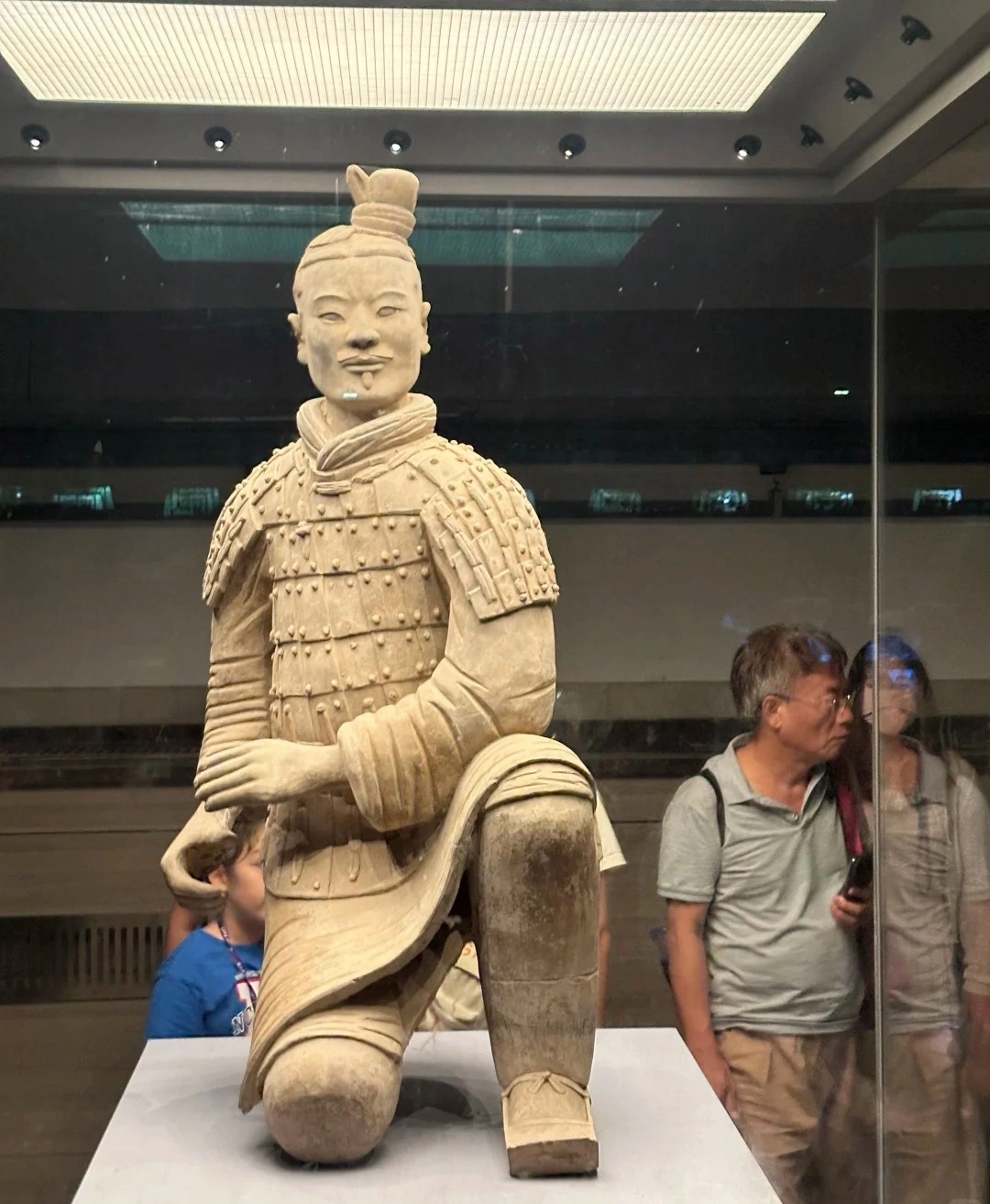
As a solo traveler from Canada, I was nervous about navigating China alone—but this 11-day tour was PERFECT! From hiking the Great Wall at sunrise (Day 3) to gasping at the Terracotta Army (Day 5), every day delivered ‘pinch-me’ moments. The real showstopper? Zhangjiajie’s Avatar Mountains (Day 7)! Our guide made the stone pillars come alive with stories.
Massive thanks for handling all logistics—bullet train tickets, entry passes, car! And the 4-star hotels surprised me.
Destination(s):
Beijing Xian Zhangjiajie Shanghai
Date of
Experience:
June 02,2025

Simon
America
Reviewed on May 29,2025
Our 2-day Zhangjiajie tour was beyond spectacular! As someone who’s visited Beijing and Shanghai for work, this trip revealed China’s wild, magical heart. Day 1 in Zhangjiajie National Forest Park felt like stepping onto Pandora—I’m a huge Avatar fan, and Yuanjiajie’s floating peaks left me breathless. The misty pillars and lush valleys like pure movie magic!
Then came Fenghuang Ancient Town, we eat dinner beside the thundering waterfall. It seems Unreal! The night views of stilt houses glowing over the river were straight from a fairy tale.
For fellow Avatar lovers and adventure seekers: Don’t miss this bucket-list experience! 10/10 would return.
A Well-Traveled Film Buff, May 2025
Destination(s):
Zhangjiajie
Date of
Experience:
May 08,2025