
Keketuohai UNESCO Global Geopark
The Keketuohai UNESCO Global Geopark, located in Xinjiang's Altay Region, is a geological wonderland spanning 788 square kilometers. Recognized by UNESCO in 2012 for its exceptional mineral diversity and geological heritage, this park features dramatic granite landscapes, alpine lakes, and the legendary 3-number rare metal mine. Its unique combination of Precambrian metamorphic rocks, Cenozoic volcanic formations, and glacial relics makes it a living laboratory for Earth's 4-billion-year history. The park's signature attractions include the emerald-hued Irtsh River Canyon, the glacial remnant Kanas Lake, and the historic mining site that supplied 40% of China's lithium during the Cold War.
Historical Overview
Geological exploration began in the 1930s when Russian geologists discovered significant beryllium and lithium deposits. The 3-number mine, operational from 1950-2004, produced over 200,000 tons of rare metals crucial for China's aerospace industry. Key historical milestones include the 1980s' international geological surveys confirming its scientific value, the 2008 National Geopark designation, and the 2012 UNESCO inscription. The site also preserves Silk Road-era mining traditions through its well-preserved Soviet-era industrial architecture and traditional Kazakh yurts.
Structural Layout
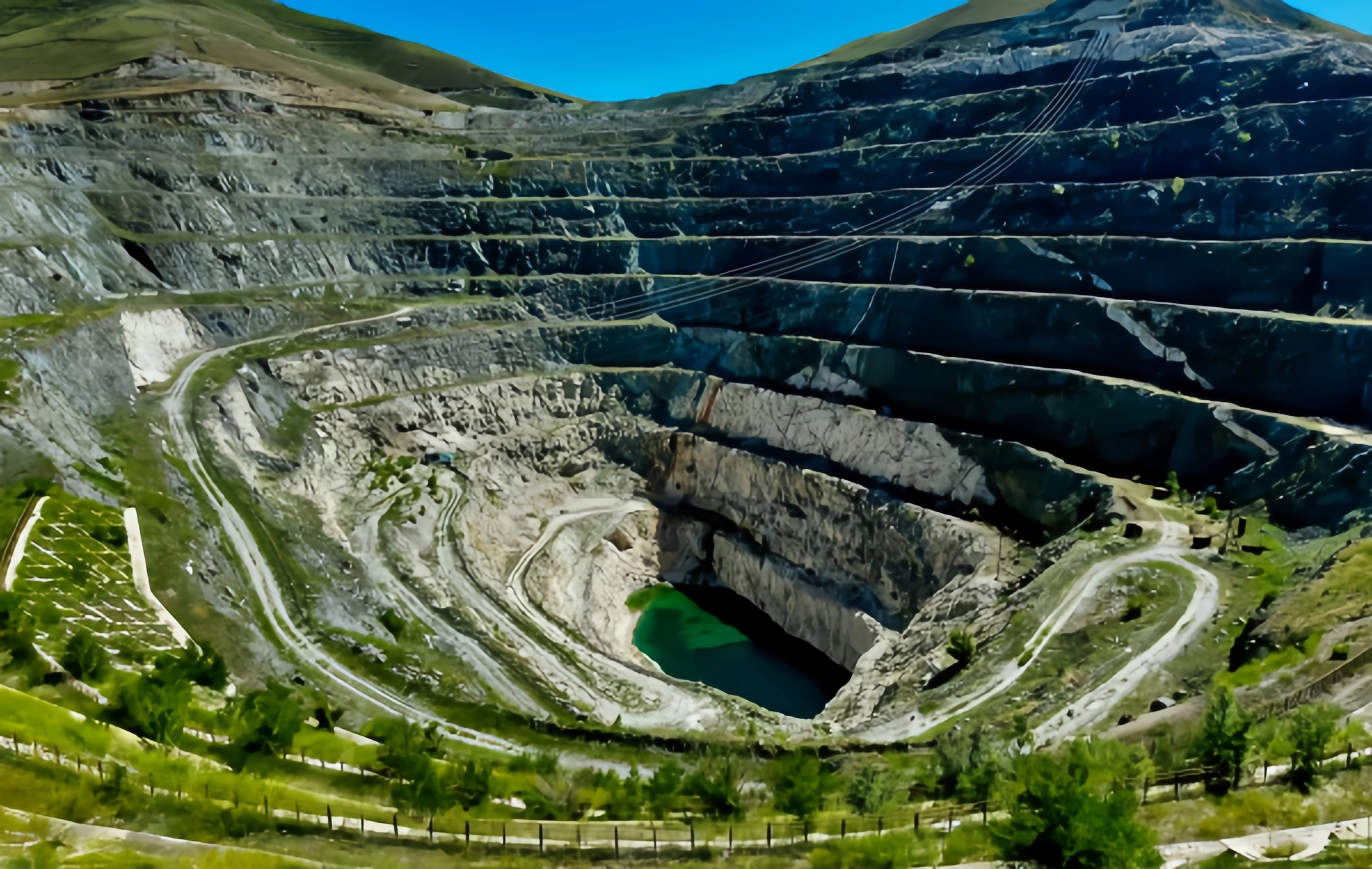
The park comprises four ecological zones: the Granite Canyon Zone, the Glacial Relict Zone, the Mineral Heritage Zone, and the Alpine Wetland Zone. The central visitor hub connects these zones via a 80km scenic road network. Key structures include the 3-number Mine Museum showcasing giant mineral crystals including 6-ton lithium-mica specimens, the 156-meter-deep open-pit mine pit, and the ancient geothermal springs used by nomads for millennia. The park's signature "Three Giants" formations - the 100m-high Eagle Rock, the 50m-tall Stone Buddha, and the naturally formed "Geological Clock" stratigraphic column - are protected as natural heritage.
Major Attractions
- Irtsh River Grand Canyon: A 30km-long canyon with multi-colored granite cliffs and 10 waterfalls.
- 3-number Mine Museum: Displays giant mineral crystals including 6-ton lithium-mica specimens.
- Kanas Lake Wetland: A Ramsar-designated wetland with migratory bird sanctuaries.
- Stone Buddha Formation: A natural rock formation resembling a seated Buddha.
- Geological Clock: A stratigraphic column showing 4 billion years of Earth's history.
- Nomadic Yurt Village: Traditional Kazakh yurts offering cultural experiences.
Suggested Itineraries
- Classic Route (4 hours): Visitor Center → 3-number Mine Museum → Stone Buddha → Kanas Lake.
Highlights: Core geological exhibits and iconic formations. - Extended Route (6 hours): Add Irtsh River Canyon hike and Nomadic Yurt cultural experience.
Highlights: Scenic hiking and cultural immersion. - Comprehensive Route (2 days): Include all zones plus overnight yurt stay and geological workshop.
Highlights: In-depth exploration with expert-guided tours and stargazing.
Ticket Purchase
- Online: Book via official Keketuohai UNESCO Geopark website or WeChat mini-program.
- On-Site: Adults ¥90, students/seniors ¥45; free for children under 1.2m.
- Seasonal Passes: Available for frequent visitors (¥500/year).
- Hours: 10:00-18:00 (last entry 17:00); closed Mondays in winter.
- Accessibility: Wheelchair access available at main entrances and key attractions.
- Payment Methods: Accepts cash, UnionPay, Alipay, and WeChat Pay.
Transportation
- By Air: Altay Airport (2-hour drive) with daily flights from Urumqi.
- By Train: High-speed rail to Fuyun Station, then shuttle bus (1.5 hours).
- By Car: G216 National Highway with scenic pull-offs.
- Local Transit: Electric shuttle buses connect main attractions (¥20/day).
Best Time & Tips
- Peak Seasons: June-September for mild weather and wildflower blooms.
- Winter Activities: December-February for snow sports and frozen waterfall views.
- Essentials: Bring sun protection, sturdy hiking boots, and reusable water bottles. Photography permits required for drone use.
- Local Cuisine: Try Kazakh horse milk wine and roasted lamb in yurt villages.
- Conservation Tip: Stay on marked trails to protect fragile mineral formations.
Related Itineraries


Contact Us
Que disent nos clients?
Basé sur plus de 10 000 avis de voyageurs

Daniel Dorothea
Canada
Reviewed on April 29,2025
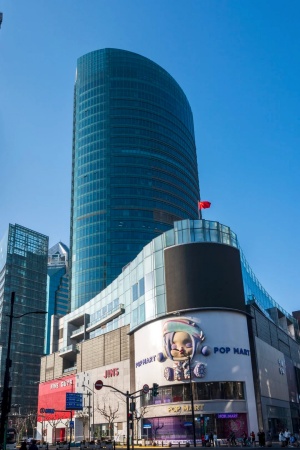
Shopping on Nanjing Road in Shanghai was just amazing! It's truly the "First Commercial Street of China", where tradition and modernity blend perfectly. You can find awesome souvenirs and experience the trendy vibes in cool stores. The neon lights at night are just spectacular, shining bright like Times Square in New York. The food here is incredible too. I had a feast for my taste buds. Shanghai, I'll definitely be back!
Destination(s):
Shanghai
Date of
Experience:
May 08,2024

Elvis Eva
Canada
Reviewed on June 20,2025
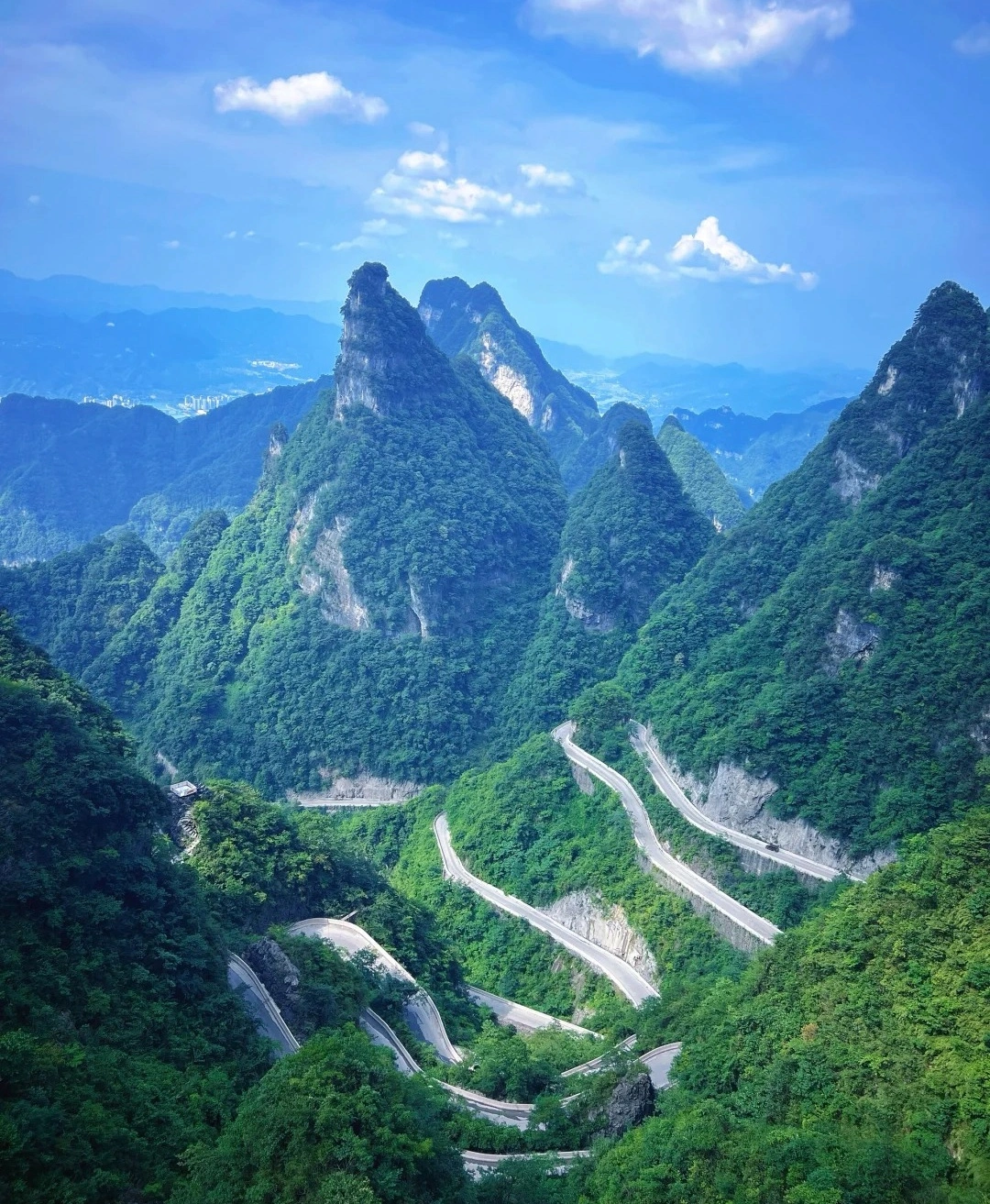
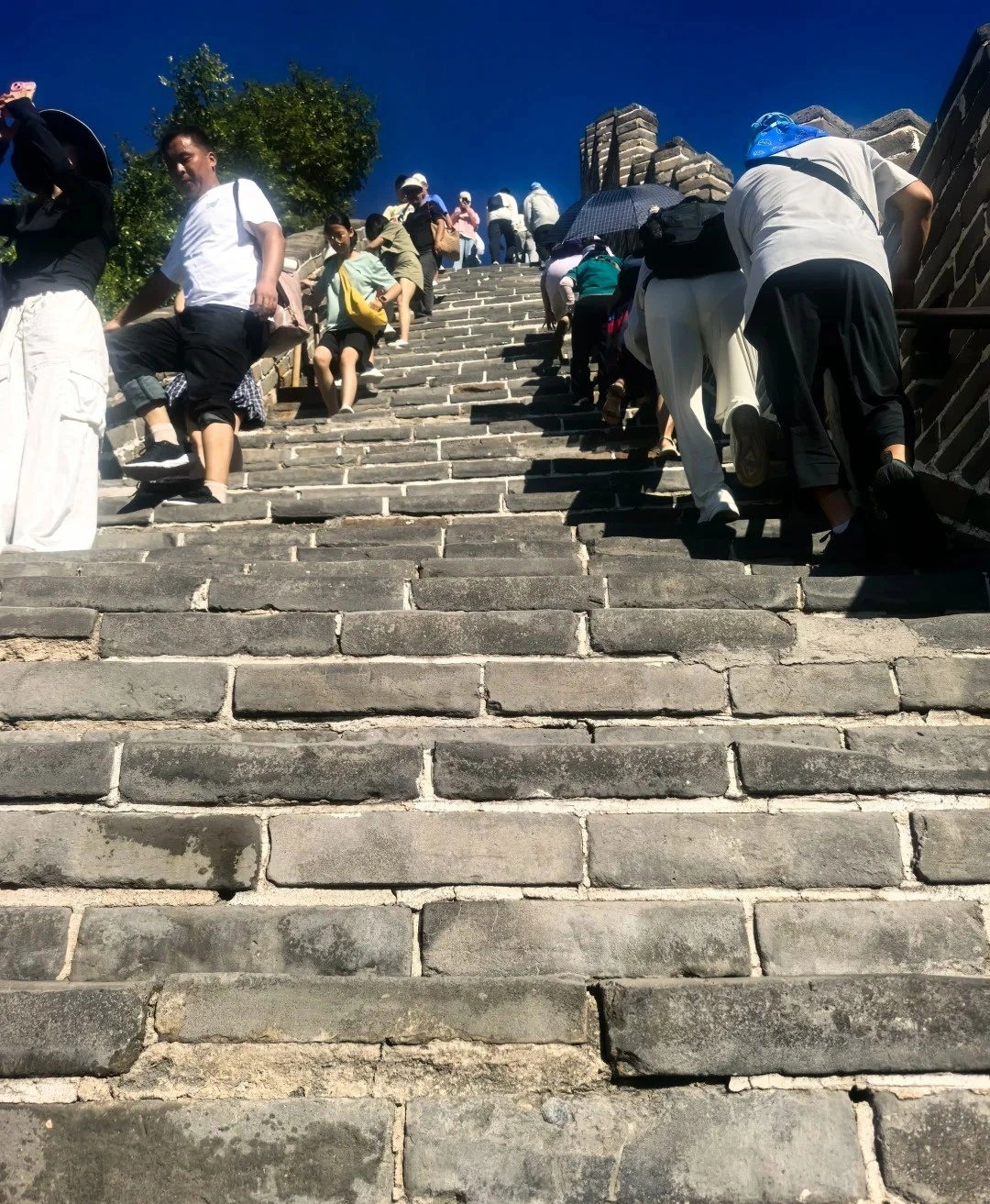
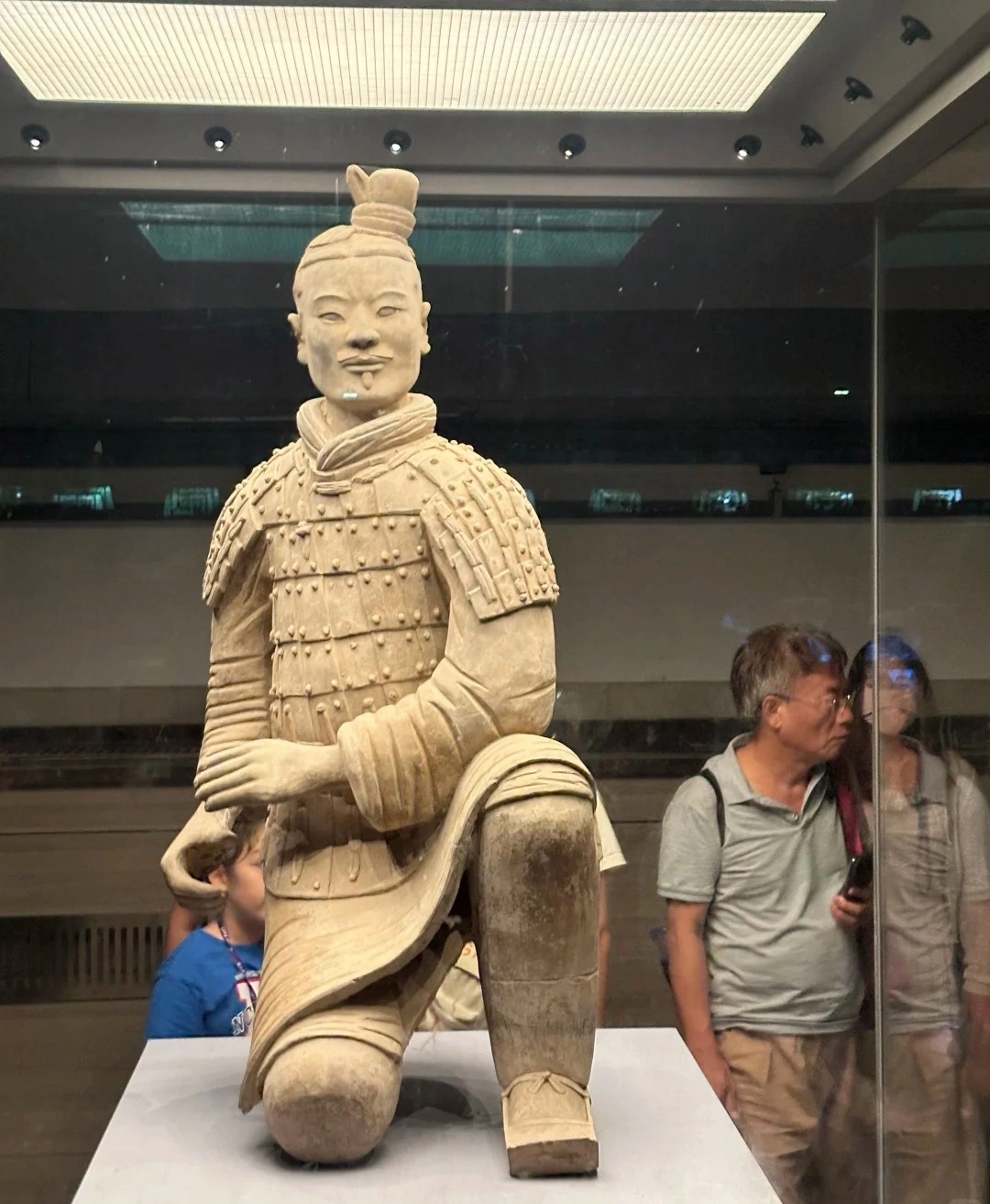
As a solo traveler from Canada, I was nervous about navigating China alone—but this 11-day tour was PERFECT! From hiking the Great Wall at sunrise (Day 3) to gasping at the Terracotta Army (Day 5), every day delivered ‘pinch-me’ moments. The real showstopper? Zhangjiajie’s Avatar Mountains (Day 7)! Our guide made the stone pillars come alive with stories.
Massive thanks for handling all logistics—bullet train tickets, entry passes, car! And the 4-star hotels surprised me.
Destination(s):
Beijing Xian Zhangjiajie Shanghai
Date of
Experience:
June 02,2025

Simon
America
Reviewed on May 29,2025
Our 2-day Zhangjiajie tour was beyond spectacular! As someone who’s visited Beijing and Shanghai for work, this trip revealed China’s wild, magical heart. Day 1 in Zhangjiajie National Forest Park felt like stepping onto Pandora—I’m a huge Avatar fan, and Yuanjiajie’s floating peaks left me breathless. The misty pillars and lush valleys like pure movie magic!
Then came Fenghuang Ancient Town, we eat dinner beside the thundering waterfall. It seems Unreal! The night views of stilt houses glowing over the river were straight from a fairy tale.
For fellow Avatar lovers and adventure seekers: Don’t miss this bucket-list experience! 10/10 would return.
A Well-Traveled Film Buff, May 2025
Destination(s):
Zhangjiajie
Date of
Experience:
May 08,2025