
Chongsheng Three Pagoda Temple
The Chongsheng Three - Pagodas Temple, located near Dali Ancient City in Yunnan Province, is a renowned Buddhist cultural landmark with a history spanning over a thousand years. The temple complex is dominated by three ancient pagodas standing in a straight line, which are a masterpiece of ancient Chinese architecture. The central pagoda, known as Qianxun Pagoda, is the tallest, reaching a height of about 69.13 meters. The other two pagodas, symmetrically placed on either side, are slightly shorter. These pagodas have withstood the test of time, surviving numerous earthquakes and other natural disasters. Surrounding the pagodas are well - preserved temple buildings, exquisite Buddhist statues, and beautiful gardens. The temple not only serves as a place for religious worship but also attracts countless tourists and scholars interested in history, architecture, and Buddhism, offering a profound glimpse into the rich cultural heritage of the Dali region.
Introduction & Historical Significance
Nestled at the foot of Cangshan Mountain in Dali City, Yunnan Province, Chongsheng Three Pagodas Temple is a 5A-level scenic area and national key cultural relic protection unit with a history spanning over 1,200 years. Originally built during the Tang Dynasty's Nanzhao Kingdom (836 CE), the complex consists of three pagodas—the central Qianxun Pagoda (69.13m tall, 16-tiered square brick pagoda) and two smaller octagonal pagodas (42.19m each)—alongside the reconstructed Chongsheng Temple. As a symbol of Dali's "Buddhist Kingdom" heritage, it served dual purposes: promoting Buddhism (with nine Dali kings ordained here) and mitigating water disasters through its "tower-and-garuda"Water Calming tradition. Recognized as a UNESCO-listed gem, it integrates Nanzhao-Dali history, Buddhist architecture, and white ethnic culture.
Architectural Layout & Design
The 5.68km² site harmonizes natural landscapes with human craftsmanship:
- Qianxun Pagoda: A 16-story square-brick pagoda with intricate carvings, hollow interiors, and a copper-plated spire, reflecting Tang-Song architectural syncretism.
- North/South Pagodas: 10-story octagonal towers with curved profiles, adorned with Buddha niches and lotus motifs, showcasing Yunnan's distinct "even-tiered" design.
- Chongsheng Temple Complex: Reconstructed with 599 gilt-bronze Buddhist statues, including the 8.6m Rain-Copper Guanyin (a masterpiece of South-North transition aesthetics) and the "Four Great Treasures" (Nanzhao Jianji Bell, Buddha Inscription, Three Saints Gold Statues).
- Landscape Integration: The Three Pagodas stand against Cangshan-Erhai backdrops, complemented by the Three Pagodas Reflection Park, bamboo groves, and stone-paved paths.
Major Attractions
- Qianxun Pagoda & Treasures: Explore 1,000+ Tang-Song artifacts (e.g., pure gold Guanyin, scripture-inscribed bricks) unearthed in its base.
- Rain-Copper Guanyin Hall: Houses a 3-meter gilt-bronze statue rebuilt from 1999, blending masculine-feminine aesthetics.
- Nanzhao Jianji Bell: A 12th-century bronze bell inscribed with Buddhist hymns, once the largest in Southwest China.
- Reflection Park: Captures iconic mirror images of pagodas in tranquil ponds, perfect for dawn/dusk photography.
- Cultural Venues: The White Ethnic Woodcarving Gallery and Yunnan Calligraphy Museum display historical craftsmanship.
Ticket Information
- General Admission: ¥73 (adults), ¥37 (students/seniors), free for children under 1.2m and select elderly/disabled.
- Bundled Tickets: ¥98 for pagoda+electric shuttle; ¥148-308 for combined tickets with Erhai Lake/Cangshan cable cars.
- Opening Hours: 07:30-18:30 (last entry 17:30); special exhibitions require additional tickets.
Transportation Guide
- Bus: Routes 6/51/94 directly to the site; direct buses from Dali Railway Station.
- Subway: Line 3 to Xishan Station (Exit B), then 10-minute shuttle.
- Self-Drive: 30-minute via G5611 Highway; parking at north gate (¥10/day).
- Local Access: Electric shuttles connect major sites; shared bikes available for scenic lanes.
Best Time & Tips
- Optimal Seasons: March-June (cherry blossoms) and September-November (mild weather); avoid summer rains and winter fog.
- Photography: Dawn for misty reflections; sunset for golden-hour lighting on pagodas.
- Cultural Etiquette: Remove hats in temples; respect quiet zones during meditation.
- Packing: Light layers, sunscreen, hats, and sturdy shoes; bring cash for artisan markets.
- Dining: Must-try dishes include "Bai-style Cool Chicken" at temple cafés and rose-flavored pastries near Dali Old Town.
Nearby Attractions & Itineraries
- Combined Tours:
- Morning: Pagoda exploration + reflection park photography.
- Afternoon: Visit Dali Ancient City (1.8km) for cultural strolls or Erhai Lake for boat cruises.
- Evening: Jinma Biji Square night market or Cangshan sunset hike.
- Cultural Synergy: Pair with the Yunnan Nationalities Village for Ethnic Diversity or Shaxi Ancient Town for historic trades.
Chongsheng Three Pagodas Temple embodies the soul of Dali—where ancient stonework meets celestial vistas, and Buddhist wisdom resonates through millennia. As a UNESCO-recognized sanctuary, it continues to captivate global travelers seeking spiritual depth and architectural grandeur in China’s Southwest.


Contact Us
Cosa dicono i nostri clienti?
Basato su più di 10.000 recensioni di viaggiatori

Daniel Dorothea
Canada
Reviewed on April 29,2025
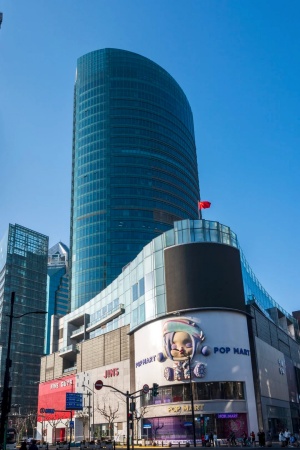
Shopping on Nanjing Road in Shanghai was just amazing! It's truly the "First Commercial Street of China", where tradition and modernity blend perfectly. You can find awesome souvenirs and experience the trendy vibes in cool stores. The neon lights at night are just spectacular, shining bright like Times Square in New York. The food here is incredible too. I had a feast for my taste buds. Shanghai, I'll definitely be back!
Destination(s):
Shanghai
Date of
Experience:
May 08,2024

Elvis Eva
Canada
Reviewed on June 20,2025
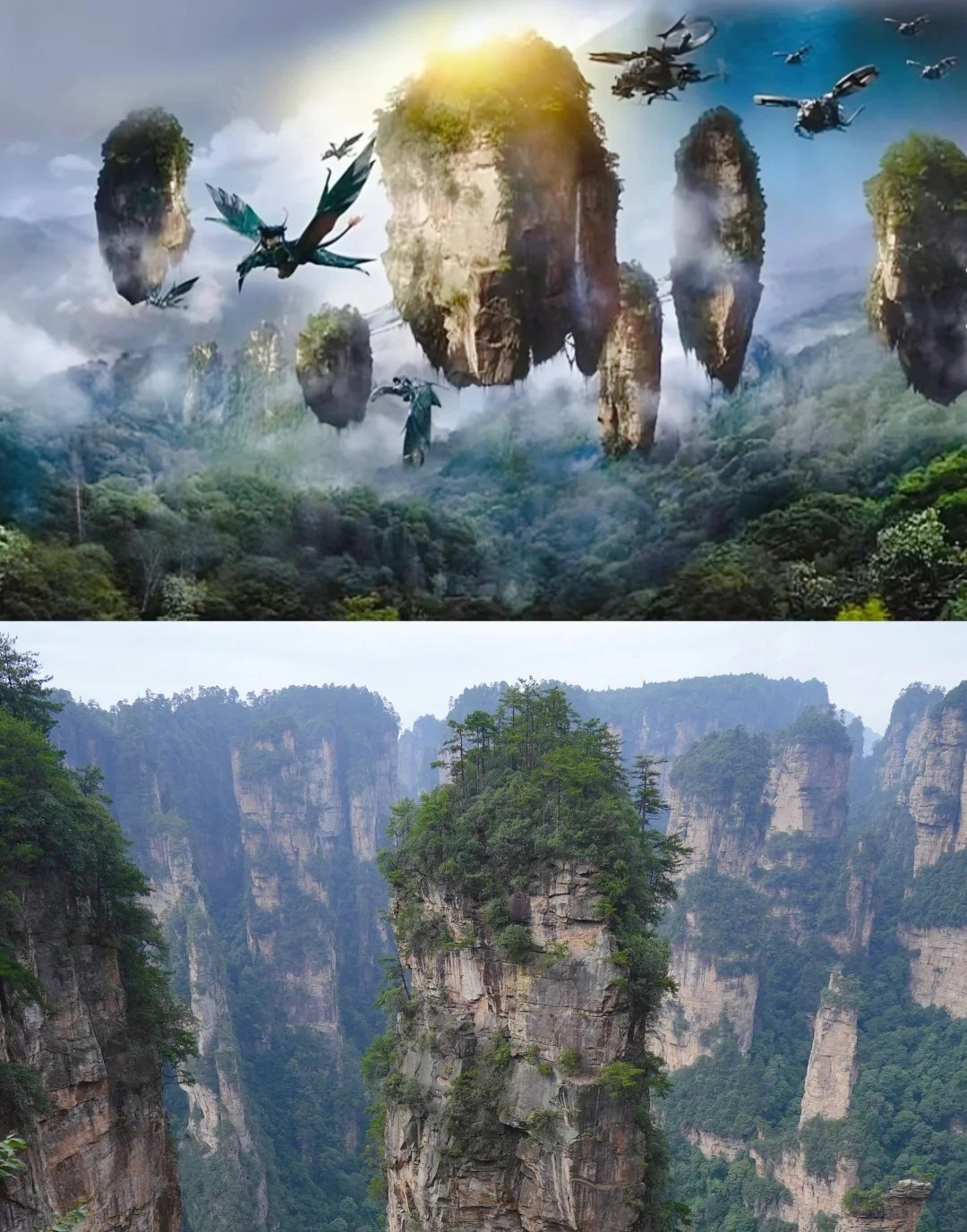
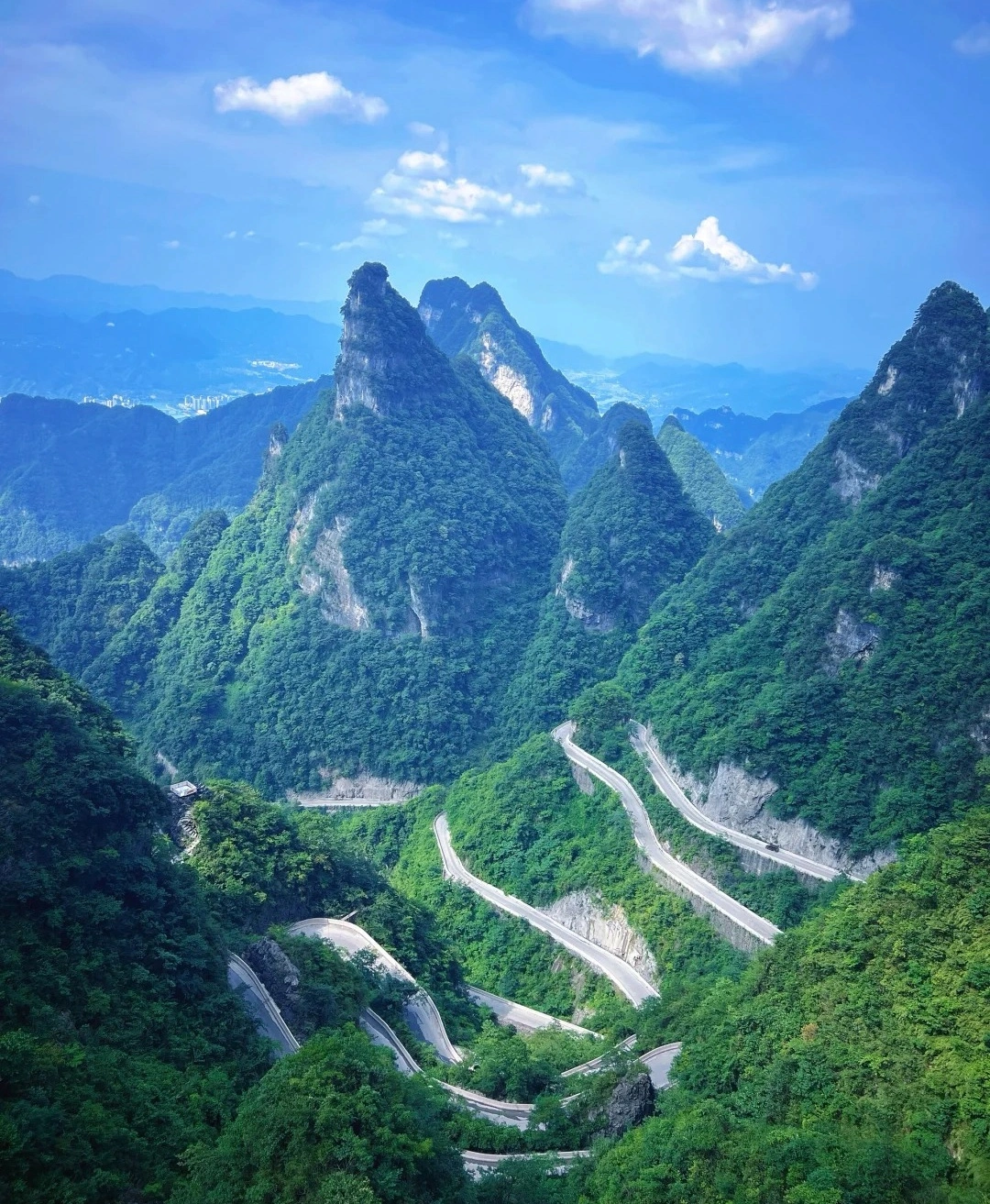
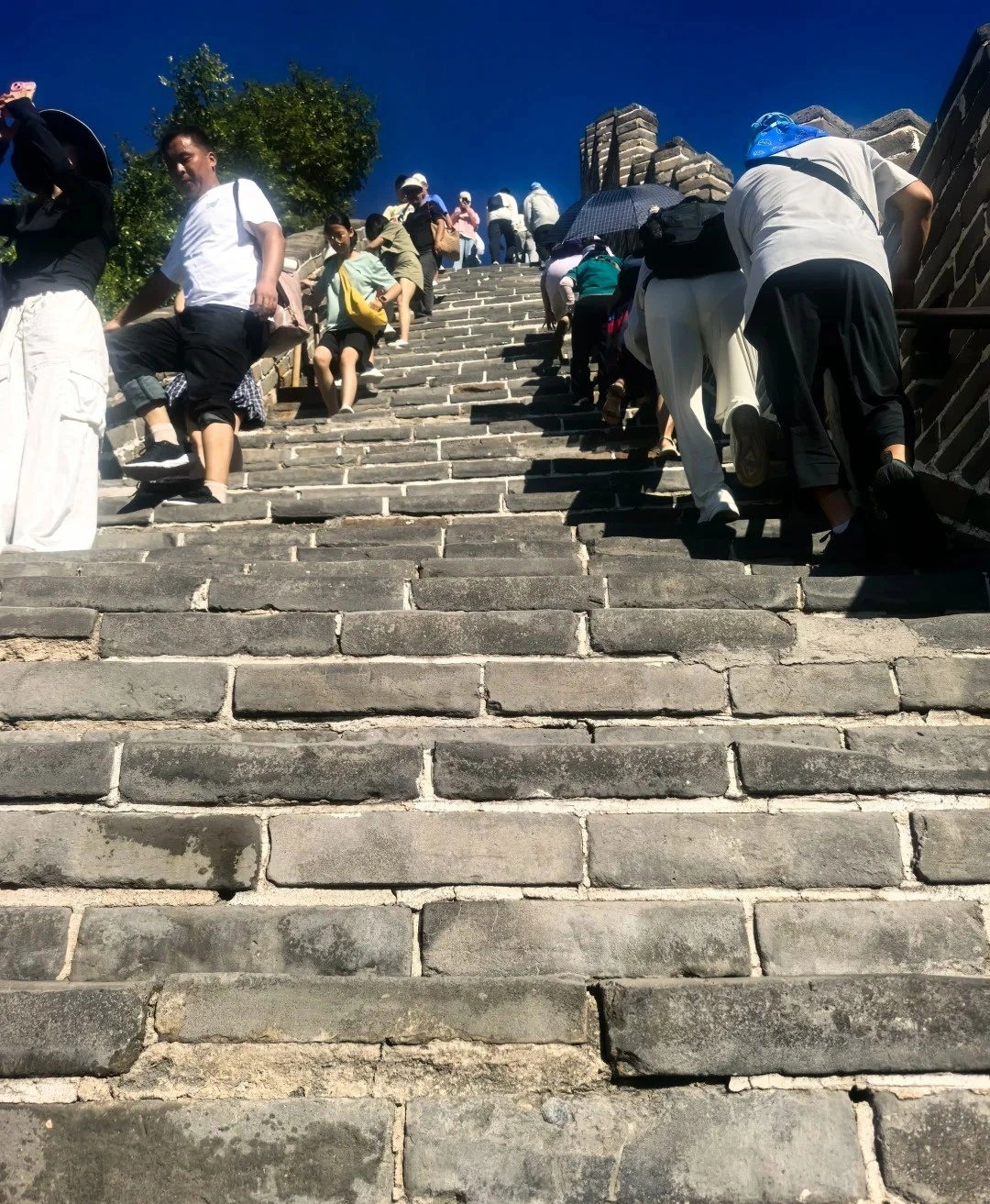
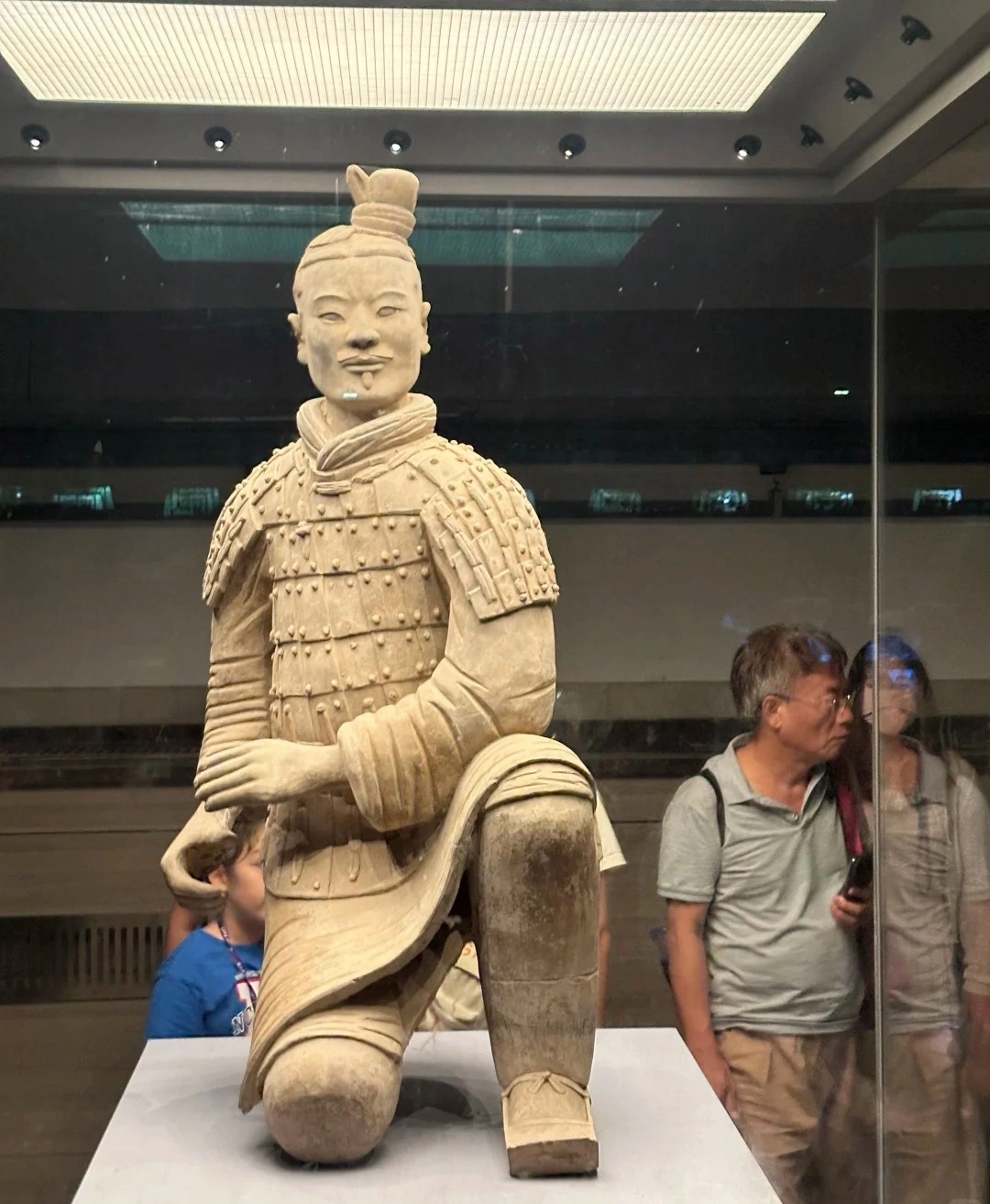
As a solo traveler from Canada, I was nervous about navigating China alone—but this 11-day tour was PERFECT! From hiking the Great Wall at sunrise (Day 3) to gasping at the Terracotta Army (Day 5), every day delivered ‘pinch-me’ moments. The real showstopper? Zhangjiajie’s Avatar Mountains (Day 7)! Our guide made the stone pillars come alive with stories.
Massive thanks for handling all logistics—bullet train tickets, entry passes, car! And the 4-star hotels surprised me.
Destination(s):
Beijing Xian Zhangjiajie Shanghai
Date of
Experience:
June 02,2025

Simon
America
Reviewed on May 29,2025
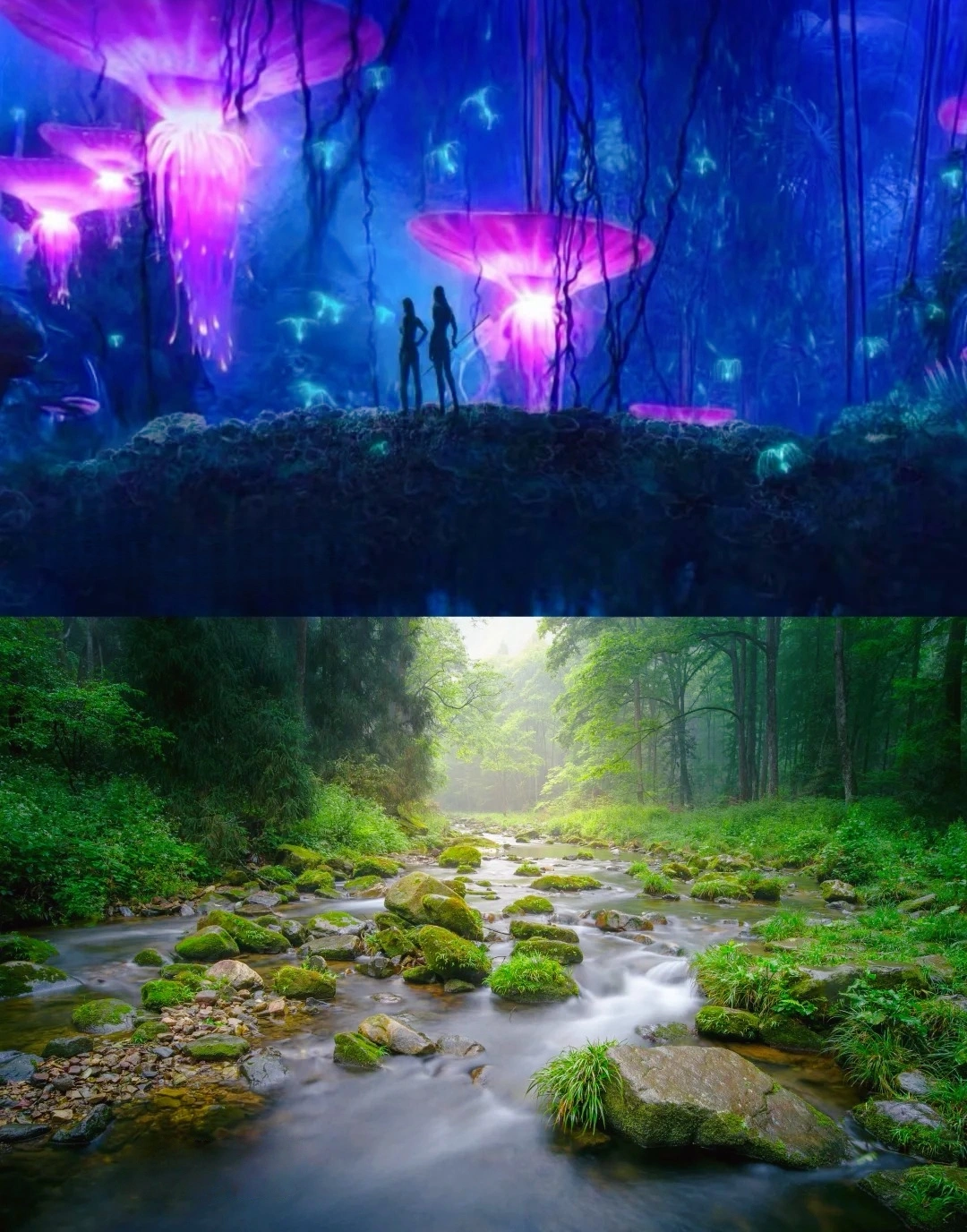
Our 2-day Zhangjiajie tour was beyond spectacular! As someone who’s visited Beijing and Shanghai for work, this trip revealed China’s wild, magical heart. Day 1 in Zhangjiajie National Forest Park felt like stepping onto Pandora—I’m a huge Avatar fan, and Yuanjiajie’s floating peaks left me breathless. The misty pillars and lush valleys like pure movie magic!
Then came Fenghuang Ancient Town, we eat dinner beside the thundering waterfall. It seems Unreal! The night views of stilt houses glowing over the river were straight from a fairy tale.
For fellow Avatar lovers and adventure seekers: Don’t miss this bucket-list experience! 10/10 would return.
A Well-Traveled Film Buff, May 2025
Destination(s):
Zhangjiajie
Date of
Experience:
May 08,2025