
Ganbao Tibetan Village
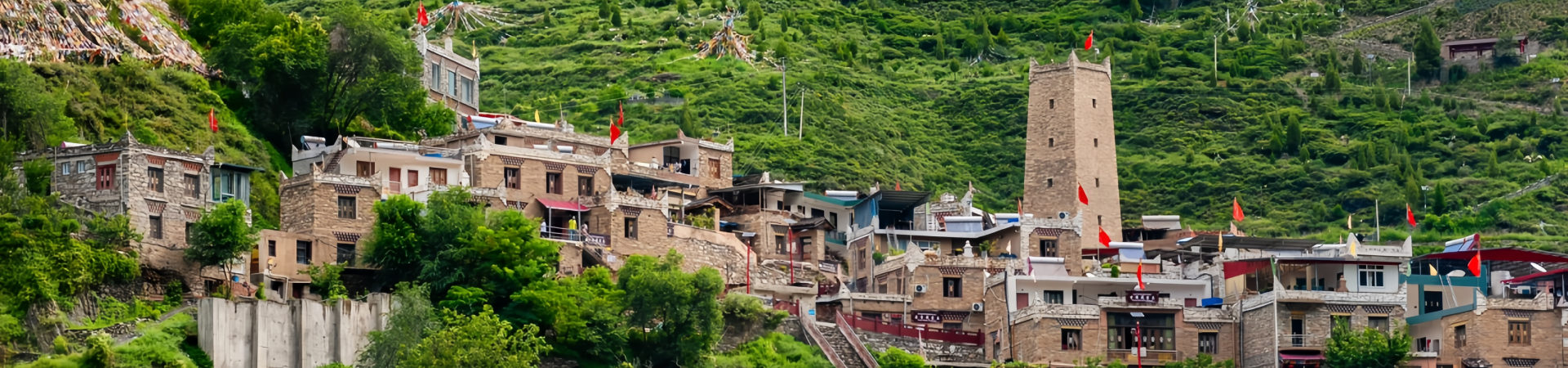
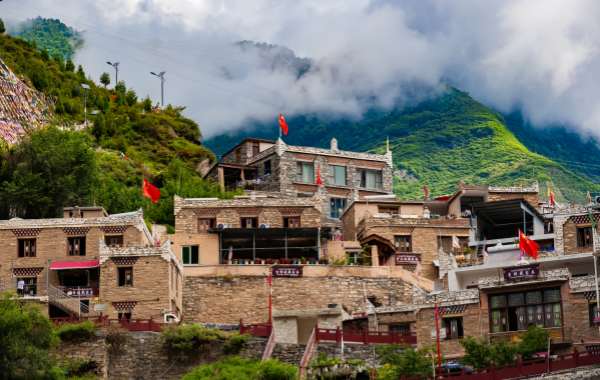
Ganbao Tibetan Village, nestled in the scenic foothills of the Minshan Mountains in Sichuan's Aba Tibetan and Qiang Autonomous Prefecture, is a captivating Tibetan settlement renowned for its well-preserved stone architecture, vibrant cultural traditions, and breathtaking mountain vistas. Visitors can explore the village's intricate stone houses, adorned with colorful Tibetan prayer flags, and witness traditional dances, music, and handicrafts that reflect the rich heritage of the Tibetan people. Ganbao Tibetan Village offers a unique glimpse into Tibetan life and culture, set against a backdrop of stunning natural beauty.
Introduction & Historical Significance
Ganba Tibetan Village, located in Ganba Township, Lixian County, Aba Tibetan and Qiang Autonomous Prefecture, Sichuan Province, is a 2,000-year-old Gyara Tibetan settlement nestled on mountain slopes overlooking the Zagu River. Known as "Ganba Jiaqiong" (Hundred-Household Village) in Tibetan, it spans 12 km² and integrates military, agricultural, and religious traditions. As a key node on the 317 National Highway and the Lixian-Ma'erkang Cultural Corridor, it holds UNESCO-recognized heritage status and is a 4A-level scenic area. The village symbolizes ethnic harmony, blending Tibetan, Qiang, and Han cultures through its unique stone architecture, military relics like the Qing Dynasty drill grounds, and the national Intangible Cultural Heritage "Bobasengen" Guozhuang dance—created to commemorate soldiers who fought against British forces in Ningbo during the 1841 Opium War.
Architectural Layout & Design
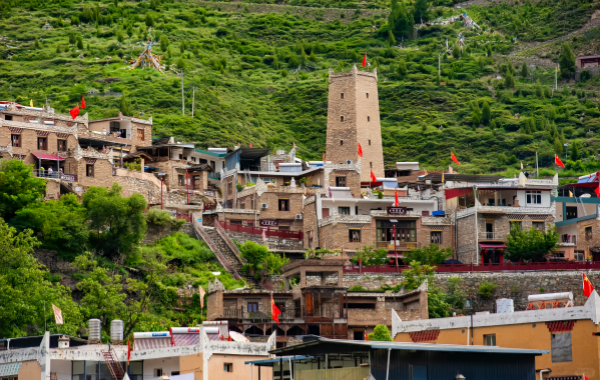
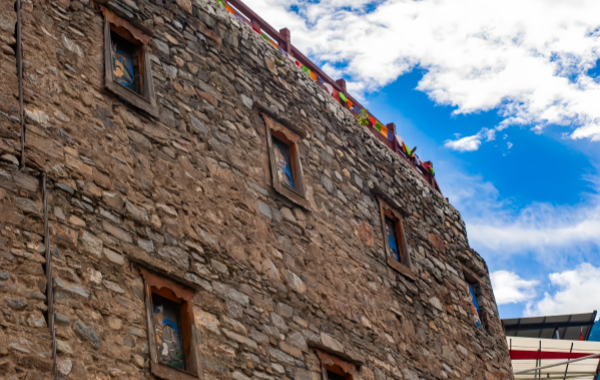
The village features over 300 traditional stone houses built with locally sourced river boulders and clay, forming three-story structures with ground-floor storage, middle-level living quarters, and rooftop terraces for drying crops. Key architectural elements include:
- Military Fortifications: Remnants of Qing-era屯兵制 (military settlement system) such as the drill platform, watchtowers with arrow slits, and the "Ganba Command Post" ruins.
- Religious Spaces: White stupa temples, prayer wheel squares, and colorful prayer flags fluttering across the mountainside.
- Cultural Integration: Wood-carved doors with Buddhist motifs (e.g., lions, lotus), stone-paved lanes, and courtyards adorned with red lanterns and corn stalks—symbolizing prosperity.
- Ecological Adaptation: Houses are winter-warm and summer-cool, earthquake-resistant, and fireproof, reflecting ancient sustainable building wisdom.
Major Attractions
- Bobasengen Square: Centerpiece for the annual Dragon Boat Festival Guozhuang dance, where hundreds perform synchronized movements narrating military valor.
- Drill Platform & Warrior Statues: Life-sized bronze sculptures depicting Qing soldiers with swords, rifles, and drummers, alongside a massive "Warrior" stone inscription.
- Ancient Stone Houses: Over 200 well-preserved homes showcasing traditional craftsmanship, with some offering homestay experiences.
- Scenic Overlooks: Panoramic views from the mountain-top observation deck of the entire village, river valleys, and snow-capped peaks.
- Cultural Workshops: Hands-on activities like Tibetan paper-making, thangka painting, and yak wool weaving—available during summer Festivals.
Ticket Information
- Free Entry: Most areas open 24/7; special exhibitions or cultural workshops may require ¥30–¥100 booking fees.
- Guided Tours: ¥150–¥300 for in-depth tours covering military history, architecture, and non-material heritage.
- Homestay Packages: ¥200–¥500 per night including meals, cultural performances, and local craft experiences.
Transportation Guide
- From Chengdu:
- Self-Drive: 3-hour drive via 317 National Highway; parking at village entrance (¥10/day).
- Bus: Direct tourist shuttles from Chengdu Chaqiuzhu Bus Station (¥50–¥80).
- High-Speed Train: To Dujiangyan Station, then taxi (¥100, 40 mins) or local bus (Route 365).
- Local Transit: Shared electric bikes and walking paths connect key attractions; shuttle buses run between Lixian County and the village.
Best Time & Tips
- Optimal Seasons: April–June (spring blossoms) and September–October (autumn foliage); winter offers snow-covered vistas.
- Photography: Dawn for misty river views; sunset for golden-hour lighting on stone houses and prayer flags.
- Cultural Etiquette: Remove hats in temples; turn prayer wheels clockwise; respect local customs during festivals.
- Dining: Must-try dishes include "Stone Pot Yak Hot Pot," "Highland Barley Wine," and "Buttered Tea" at local taverns.
- Packing: Comfortable shoes for cobblestone paths; layers for temperature changes; sunscreen for high-altitude sun.
Nearby Attractions & Itineraries
- Combined Tours:
- Morning: Explore Ganba Village stone houses + military relics.
- Afternoon: Visit Taoping Qiang Village (UNESCO-listed "Living Fossil") or Dujiangyan Irrigation System.
- Evening: Enjoy Jinsha River night cruise or attend a Bonfire Festival performance.
- Cultural Synergy: Pair with the "Silk Road" heritage of the Ancient Tea Horse Road for a journey through Sino-Tibetan trade history.
Ganba Tibetan Village embodies the spirit of resilience and cultural fusion—a living museum where ancient military traditions, ecological wisdom, and vibrant folk arts converge. As a UNESCO-recognized gem, it continues to inspire global travelers seeking authentic encounters with China's ethnic minorities and timeless mountain landscapes.


Contact Us
우리 고객들은 무슨 말을 하는지?
1만 개 이상의 여행객 리뷰를 바탕으로

Daniel Dorothea
Canada
Reviewed on April 29,2025
Shopping on Nanjing Road in Shanghai was just amazing! It's truly the "First Commercial Street of China", where tradition and modernity blend perfectly. You can find awesome souvenirs and experience the trendy vibes in cool stores. The neon lights at night are just spectacular, shining bright like Times Square in New York. The food here is incredible too. I had a feast for my taste buds. Shanghai, I'll definitely be back!
Destination(s):
Shanghai
Date of
Experience:
May 08,2024


Elvis Eva
Canada
Reviewed on June 20,2025
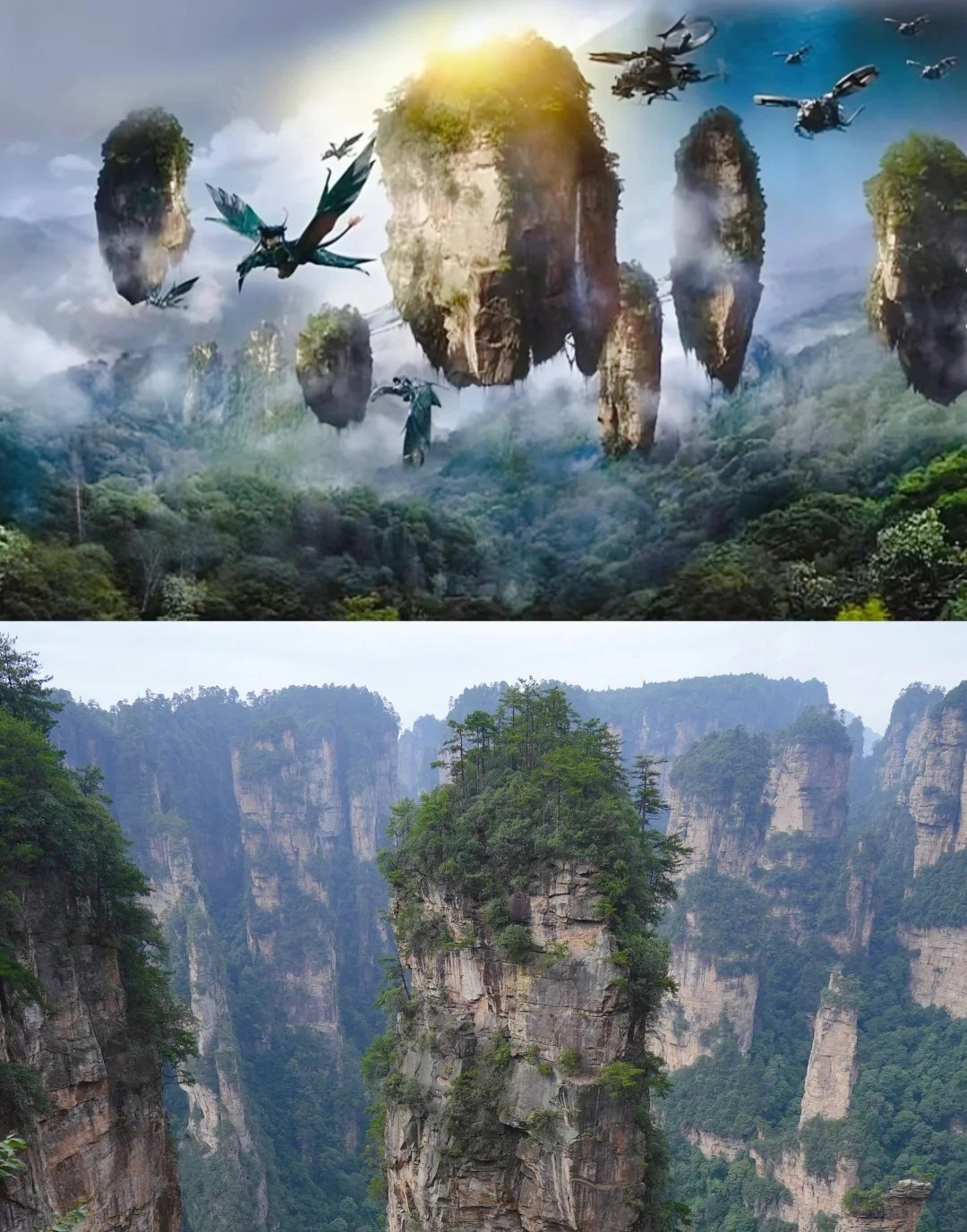
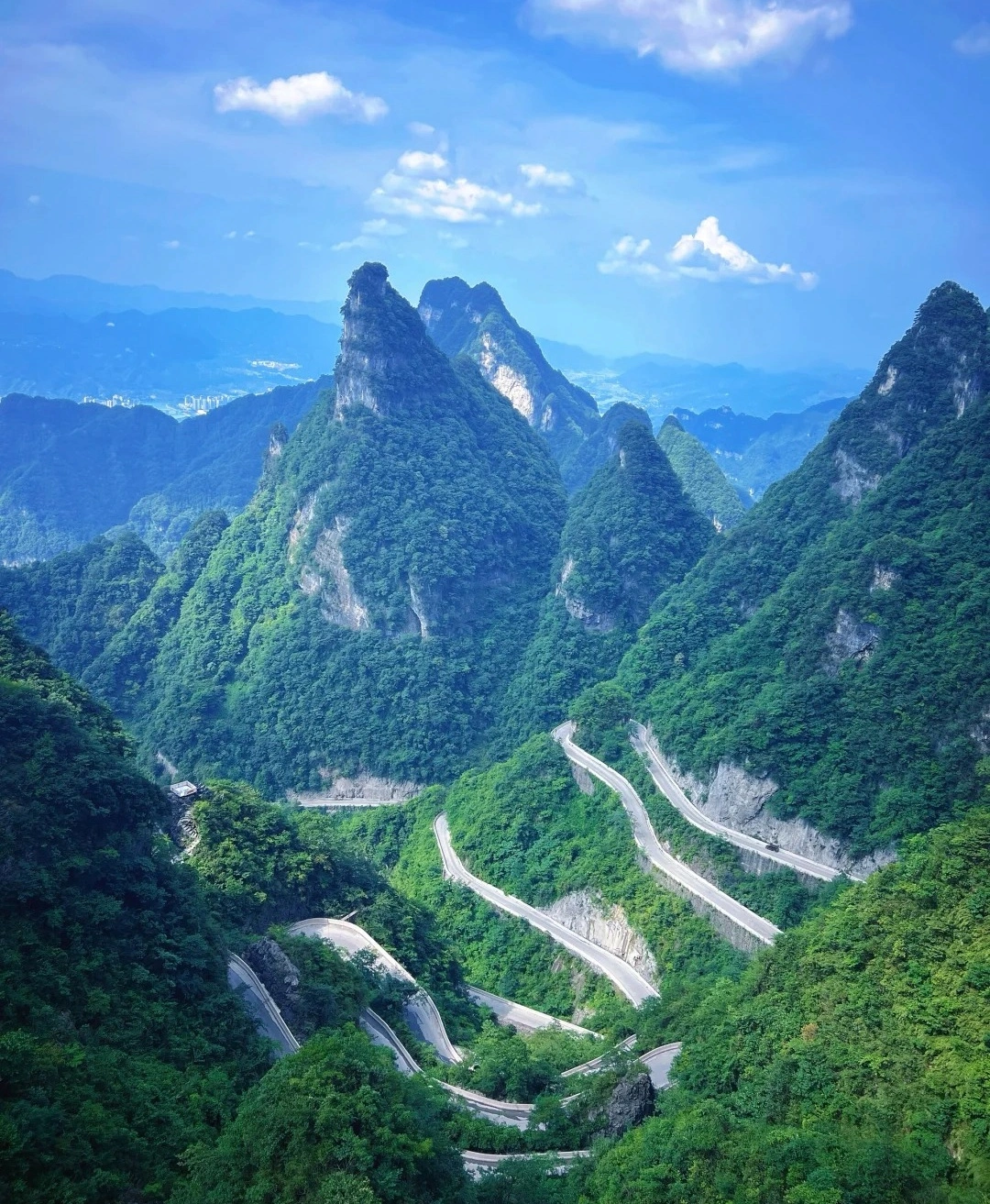
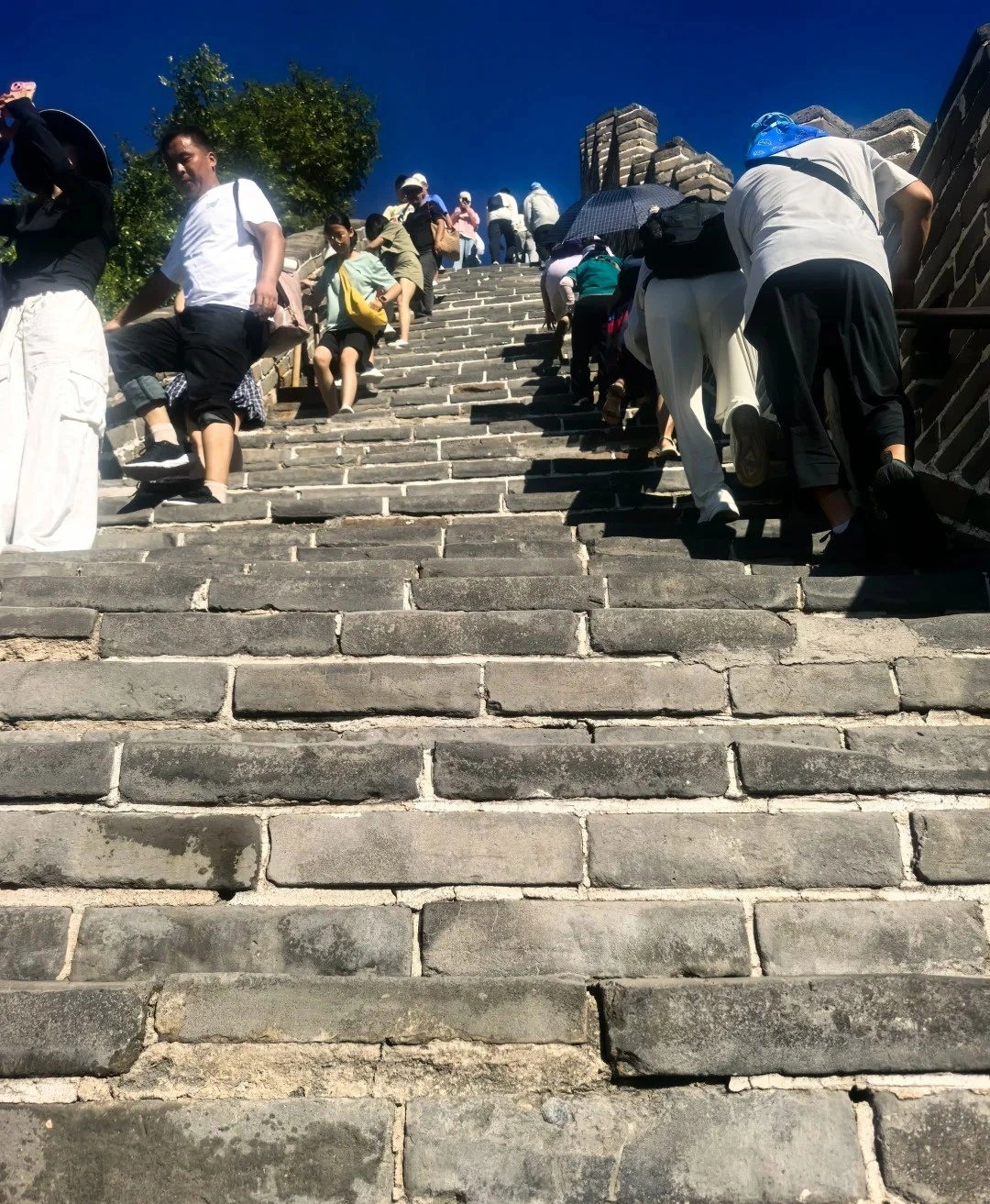
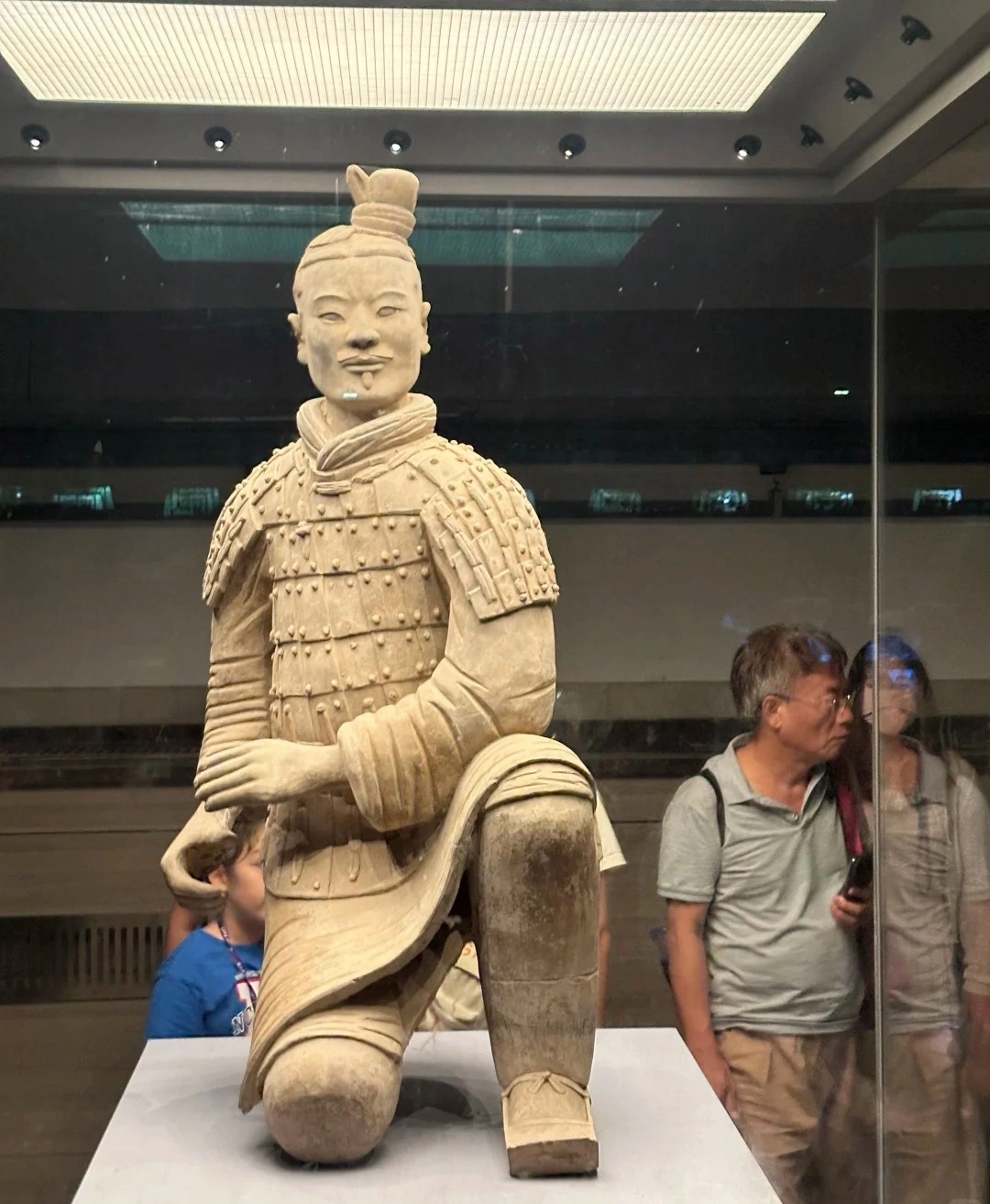
As a solo traveler from Canada, I was nervous about navigating China alone—but this 11-day tour was PERFECT! From hiking the Great Wall at sunrise (Day 3) to gasping at the Terracotta Army (Day 5), every day delivered ‘pinch-me’ moments. The real showstopper? Zhangjiajie’s Avatar Mountains (Day 7)! Our guide made the stone pillars come alive with stories.
Massive thanks for handling all logistics—bullet train tickets, entry passes, car! And the 4-star hotels surprised me.
Destination(s):
Beijing Xian Zhangjiajie Shanghai
Date of
Experience:
June 02,2025

Simon
America
Reviewed on May 29,2025
Our 2-day Zhangjiajie tour was beyond spectacular! As someone who’s visited Beijing and Shanghai for work, this trip revealed China’s wild, magical heart. Day 1 in Zhangjiajie National Forest Park felt like stepping onto Pandora—I’m a huge Avatar fan, and Yuanjiajie’s floating peaks left me breathless. The misty pillars and lush valleys like pure movie magic!
Then came Fenghuang Ancient Town, we eat dinner beside the thundering waterfall. It seems Unreal! The night views of stilt houses glowing over the river were straight from a fairy tale.
For fellow Avatar lovers and adventure seekers: Don’t miss this bucket-list experience! 10/10 would return.
A Well-Traveled Film Buff, May 2025
Destination(s):
Zhangjiajie
Date of
Experience:
May 08,2025