
South Bridge
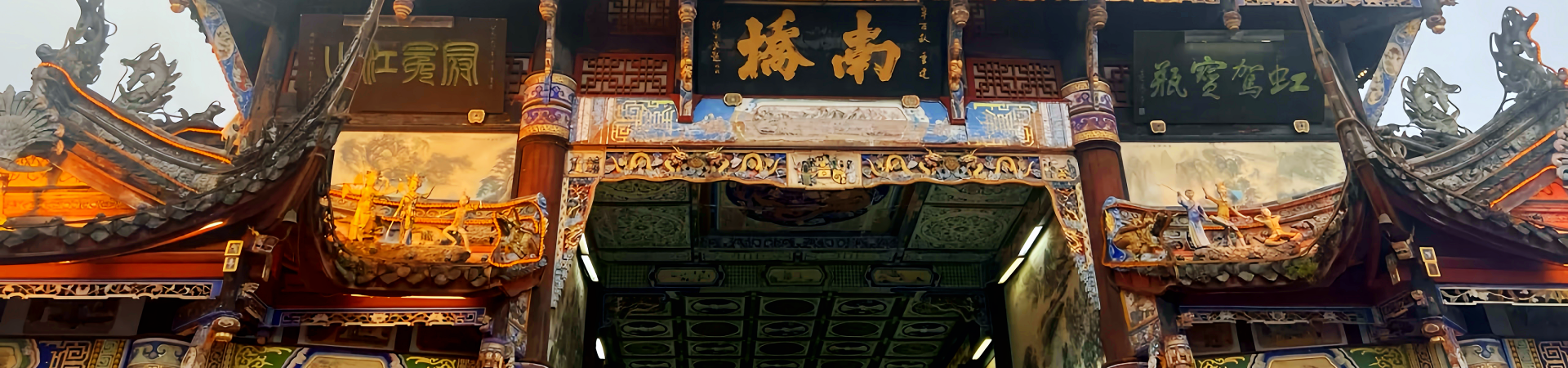
Nan Bridge, an iconic structure spanning the Min River in Dujiangyan, Sichuan Province, is renowned for its elegant architecture and cultural significance. This historic bridge, adorned with intricate carvings and traditional Chinese decorative elements, serves as both a vital transportation link and a popular gathering spot for locals and tourists. At night, the bridge is beautifully illuminated, creating a picturesque scene that reflects off the river's surface. Nan Bridge stands as a symbol of Dujiangyan's rich heritage and offers visitors a charming glimpse into the region's architectural and cultural traditions.
Introduction & Historical Significance
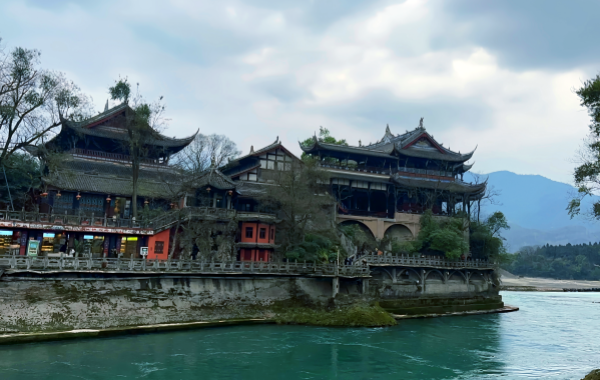
The South Bridge (Nanqiao), originally named "Puji Bridge," is a historic corridor-style bridge spanning the inner Minjiang River at the foot of Baopingkou in Dujiangyan, Sichuan. Constructed in 1878 during the Qing Dynasty under Governor Ding Baozhen's supervision, it replaced earlier rope and earthen bridges to resolve the "no road south of Guan County" dilemma. Renamed "South Bridge" after a 1958 flood reconstruction, the current 1979-built structure integrates 2,200-year-old Dujiangyan Irrigation System wisdom with modern engineering. As a UNESCO-recognized cultural relic, it symbolizes the fusion of ancient hydraulic ingenuity and Ba-Shu architectural artistry.
Architectural Layout & Design
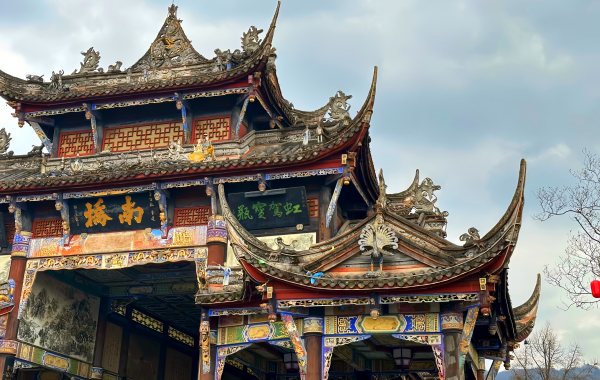
The 54-meter-long, 12-meter-wide bridge features five-arch pavilion-style triple-eaves halls with upturned flying eaves. Key elements include:
- Wood-and-Stone Framework: Reinforced concrete piers support carved wooden beams, decorated with dragon motifs, floral panels, and painted rafters.
- Cultural Integration: Murals depicting "Ha Rui Dismissed from Office" and "Journey to the West" stories, couplets by local scholars, and gilded plaques create a "floating painting gallery."
- Landscape Harmony: Positioned 1km from Baopingkou, it offers panoramic views of the ancient water diversion system and Yulei Mountain.
Major Attractions
- Architectural Marvels: The three-tiered eaves, carved balustrades, and colorfully tiled roofs showcase Ba-Shu craftsmanship. Night lighting transforms it into a "blue corridor" rivaling the Blue Tears spectacle.
- Cultural Spaces: The adjacent riverside food street serves local delicacies like "Bamboo Shoot Hot Pot," while historic tea houses host Sichuan Opera performances.
- Scenic Vistas: Dawn offers misty river views; sunset illuminates the bridge's golden-tiled roofs against Baopingkou's stone cliffs.
- Festivals: Annual Li Bing Cultural Festival features rituals, lantern parades, and folk performances honoring the irrigation system's creators.
Cultural & Spiritual Value
Beyond its utilitarian role, the bridge embodies the Taoist philosophy of "harmony between humans and nature." Inscriptions like "Water Flows, Virtue Remains" reflect ancient wisdom, while its preservation amidst earthquakes and floods symbolizes resilience. As a pilgrimage site for hydraulics scholars and cultural tourists, it bridges past and present, earning titles like "First Bridge of the Jiangyuan Source."
Visitor Information
- Tickets: Free access; nearby Dujiangyan Scenic Area costs ¥90/adult (¥45 concessions).
- Hours: 24/7 access; Dujiangyan Scenic Area open 08:00-18:00.
- Facilities: Riverside benches, wheelchair ramps, and audio guides available.
Transportation Guide
- From Chengdu:
- High-Speed Train: 20 minutes to Dujiangyan Station, then taxi (10 mins) to the bridge.
- Self-Drive: 1-hour via Chengdu-Dujiangyan Expressway; parking at South Bridge Lot (¥10/day).
- Local Transit: Bus 365 from Dujiangyan City Center; shared bikes for riverside paths.

Best Time & Tips
- Optimal Seasons: April-June (cherry blossoms) and September-November (ginkgo corridors).
- Photography: Morning mist for ethereal shots; evening golden hour for rooftop reflections.
- Etiquette: Remove hats in sacred zones; avoid loud voices near ritual areas.
- Dining: Savor "Sweet Water Tofu" at riverside stalls or "Sichuan Cold Noodles" in old town alleys.
Nearby Attractions & Itineraries
- Combined Tours:
- Morning: South Bridge exploration + Baopingkou water diversion tour.
- Afternoon: Qingcheng Mountain Daoist retreat + Taikoo Li luxury shopping.
- Evening: Jinjiang River night cruise + Jiuyan Bridge bar-hopping.
- Cultural Synergy: Pair with Erwang Temple for insights into Li Bing's hydraulic legacy.
The South Bridge stands as a testament to ancient engineering genius and Ba-Shu cultural heritage, offering a timeless journey through water wisdom, artistic grandeur, and spiritual resonance. As both a UNESCO site and a living museum, it continues to inspire global admiration for sustainable coexistence with nature.


Contact Us
우리 고객들은 무슨 말을 하는지?
1만 개 이상의 여행객 리뷰를 바탕으로

Daniel Dorothea
Canada
Reviewed on April 29,2025
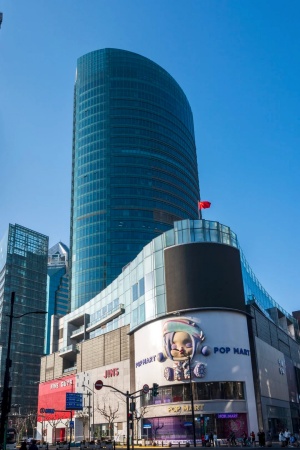
Shopping on Nanjing Road in Shanghai was just amazing! It's truly the "First Commercial Street of China", where tradition and modernity blend perfectly. You can find awesome souvenirs and experience the trendy vibes in cool stores. The neon lights at night are just spectacular, shining bright like Times Square in New York. The food here is incredible too. I had a feast for my taste buds. Shanghai, I'll definitely be back!
Destination(s):
Shanghai
Date of
Experience:
May 08,2024

Elvis Eva
Canada
Reviewed on June 20,2025
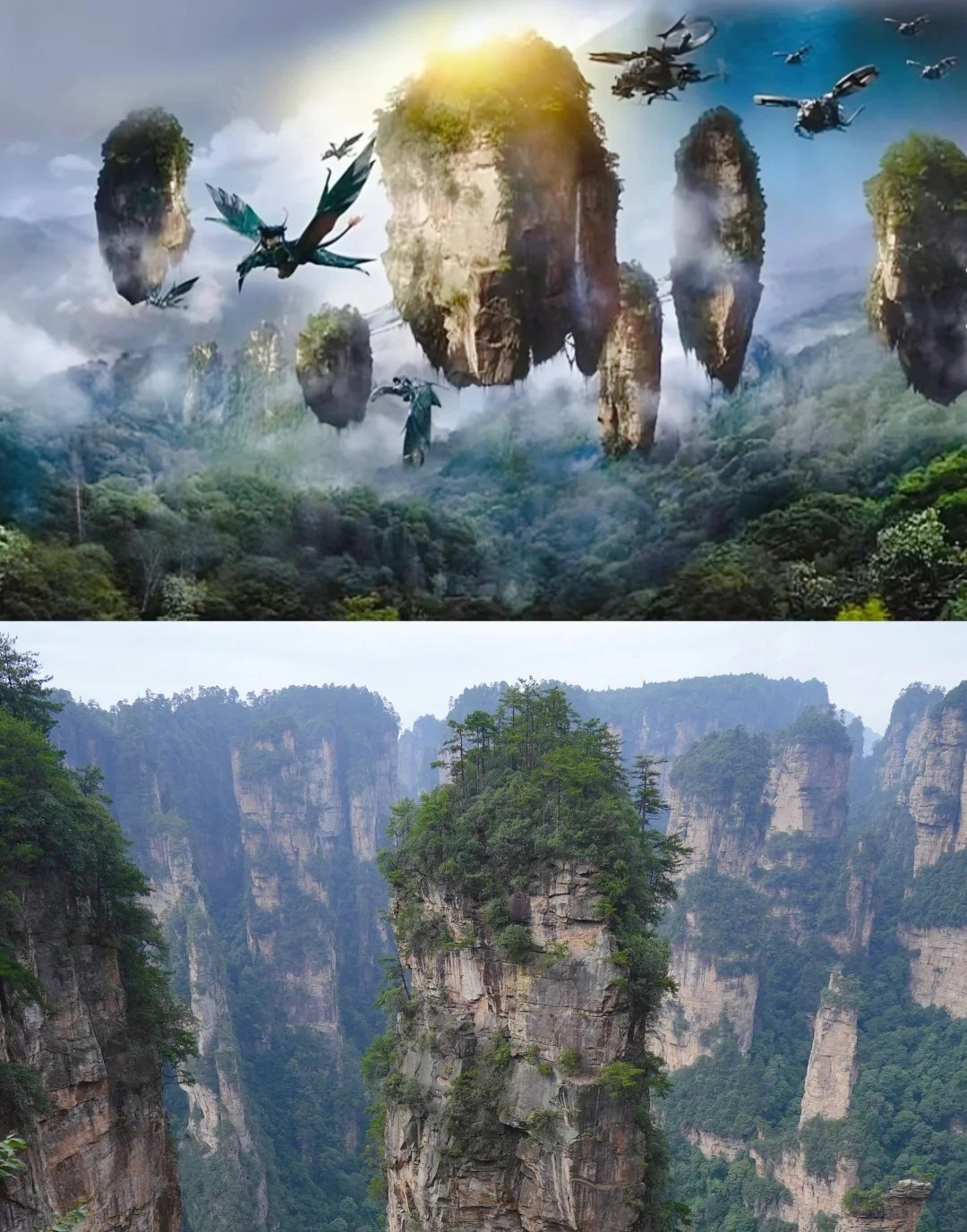
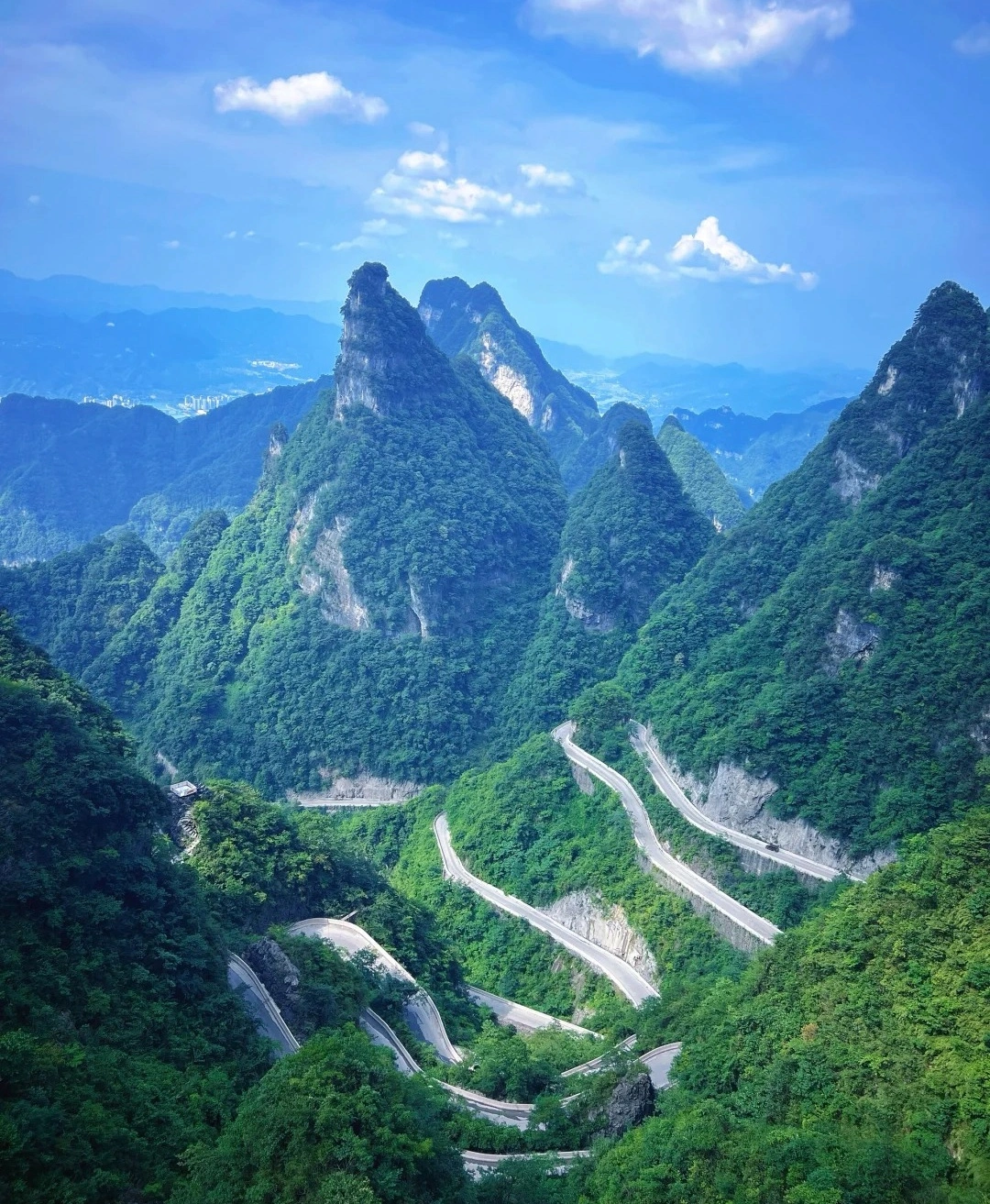
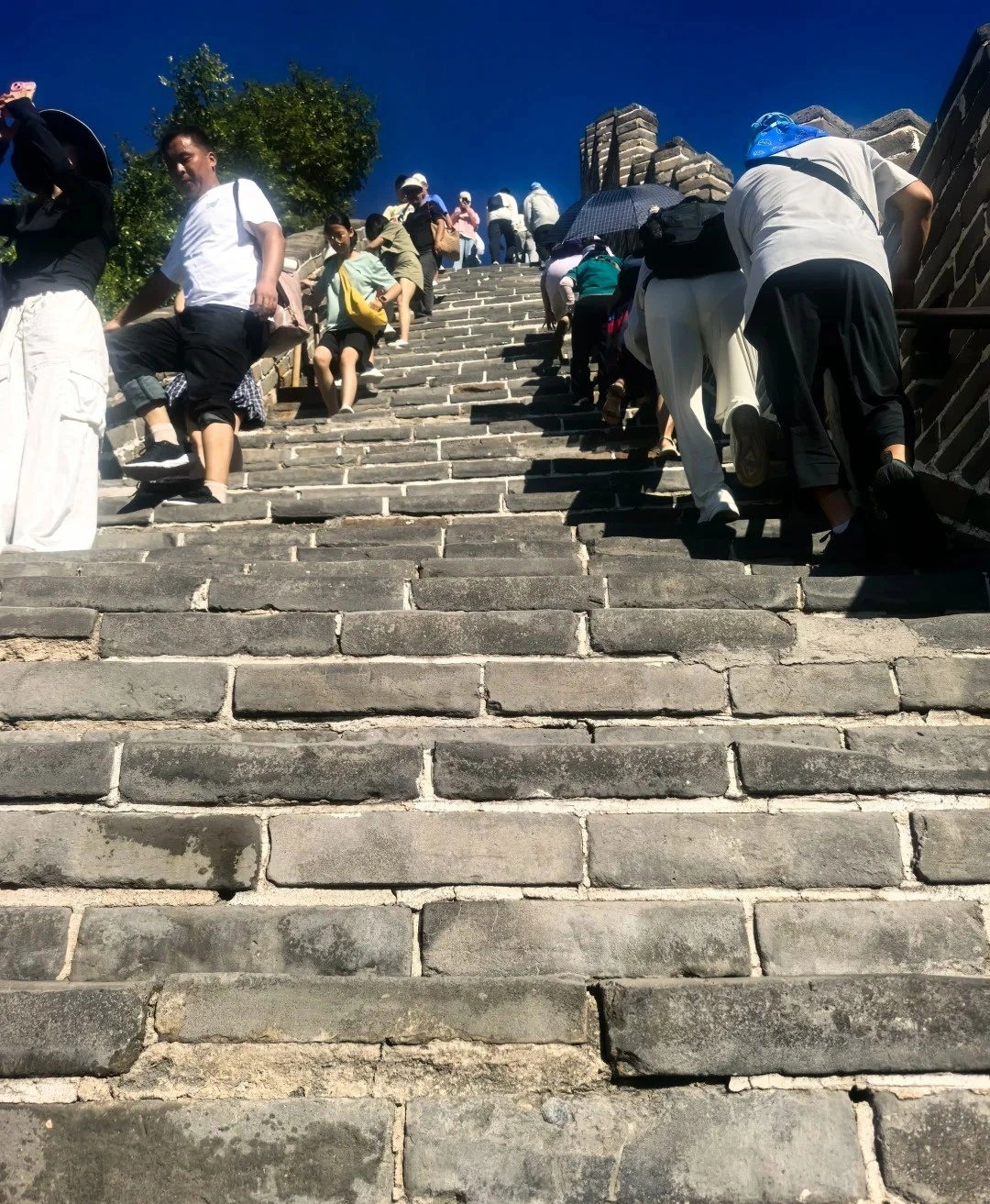
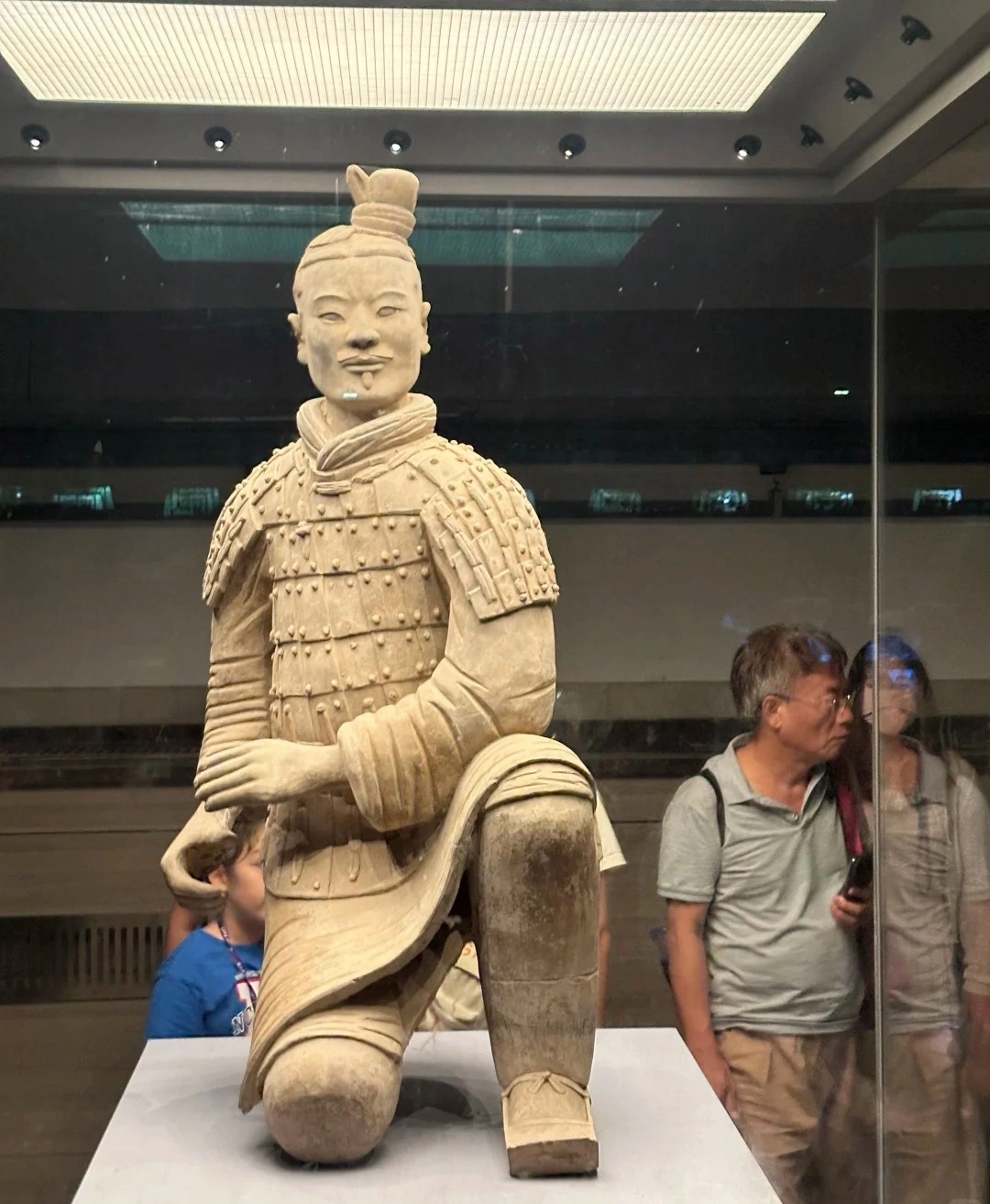
As a solo traveler from Canada, I was nervous about navigating China alone—but this 11-day tour was PERFECT! From hiking the Great Wall at sunrise (Day 3) to gasping at the Terracotta Army (Day 5), every day delivered ‘pinch-me’ moments. The real showstopper? Zhangjiajie’s Avatar Mountains (Day 7)! Our guide made the stone pillars come alive with stories.
Massive thanks for handling all logistics—bullet train tickets, entry passes, car! And the 4-star hotels surprised me.
Destination(s):
Beijing Xian Zhangjiajie Shanghai
Date of
Experience:
June 02,2025

Simon
America
Reviewed on May 29,2025
Our 2-day Zhangjiajie tour was beyond spectacular! As someone who’s visited Beijing and Shanghai for work, this trip revealed China’s wild, magical heart. Day 1 in Zhangjiajie National Forest Park felt like stepping onto Pandora—I’m a huge Avatar fan, and Yuanjiajie’s floating peaks left me breathless. The misty pillars and lush valleys like pure movie magic!
Then came Fenghuang Ancient Town, we eat dinner beside the thundering waterfall. It seems Unreal! The night views of stilt houses glowing over the river were straight from a fairy tale.
For fellow Avatar lovers and adventure seekers: Don’t miss this bucket-list experience! 10/10 would return.
A Well-Traveled Film Buff, May 2025
Destination(s):
Zhangjiajie
Date of
Experience:
May 08,2025