
Moon Mountain
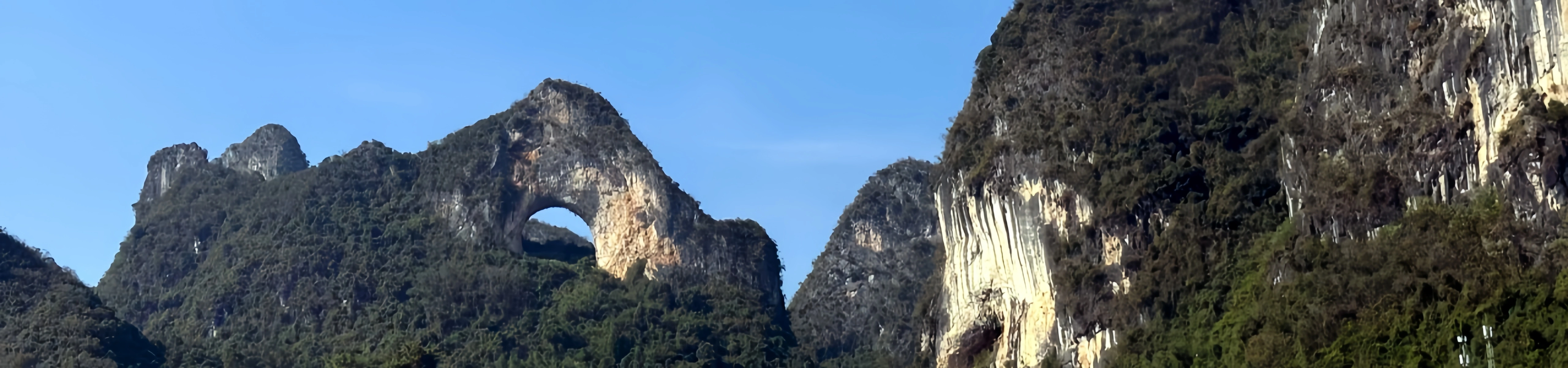
Moon Hill, located near Yangshuo in Guilin, Guangxi, China, is a renowned karst formation celebrated for its striking natural arch resembling a crescent moon. Rising approximately 380 meters (1,247 feet) above the surrounding countryside, the hill offers panoramic views of lush rice paddies, limestone peaks, and the Li River valley. Visitors can hike a scenic trail to the arch’s base or ascend a steep stairway to an observation deck for breathtaking vistas. Known as a symbol of Yangshuo’s landscapes, Moon Hill attracts photographers, hikers, and nature enthusiasts, making it a highlight of the region’s "Ten-Mile Gallery" and a must-see destination for experiencing Guilin’s iconic karst beauty.
Introduction & Historical Significance
Nestled in Gaotian Town, Yangshuo County, Guilin City, Guangxi Zhuang Autonomous Region, Moon Mountain is a 5A-level scenic area and iconic karst landmark within the Ten-Mile Gallery landscape belt. Formed during the Quaternary glacial period, its 380m-high peak features a 50m-wide natural stone arch resembling a crescent moon, earning it the name "Moon Hill." Revered as a "Spirit Mountain" in local folklore, it embodies harmony between nature and human settlement. Ancient legends trace its origins to a celestial elephant that transformed into stone to protect villagers from floods, while historical records from the Tang-Song Dynasty document its role as a pilgrimage site. The mountain’s dynamic "moon phases"—visible from different angles—have inspired poets like Xu Xiake and artists for centuries, making it a UNESCO-recognized gem of China’s southern karst landscapes.
Architectural Layout & Design
The mountain harmonizes karst topography with human-engineered access:
- Stone Arch & Viewing Platforms: The 50m-wide arch, with walls as thin as several meters, features stalactites resembling Wu Gang (moon god) and the Jade Rabbit. Three observation decks offer panoramic views: the base for full moon photography, mid-level for arch structure analysis, and the summit for 360° vistas of rice terraces and peak forests.
- Climbing Trails: An 800-step marble staircase leads to the arch, while 14 climbing paths equipped with expansion cones cater to rock climbers—earning it the title "Natural Climbing Gym."
- Cultural Landmarks: The adjacent Moon Hill Village preserves traditional Zhuang stilt houses with carved sun/moon motifs, while the "Mama Moon" homestay offers multilingual tours and local cuisine like winter melon soup.
- Eco-Integration: Permeable stone paths, bamboo fences, and rainwater systems blend tradition with sustainability.
Major Attractions
- Moon Arch: A geological marvel where sunlight creates "moon phase" effects—from crescent to full moon—depending on viewing angle.
- Moon Hill Village: A cultural hub with batik workshops, traditional medicine gardens, and the "Pomelo Lamp" Mid-Autumn Festival custom, where lanterns float on the Li River for blessings.
- Big Banyan Tree: A 1,400-year-old tree with a 28m canopy, linked to Liu Sanjie’s love legend, located 2km away.
- Rice Terraces & Peaks: Surrounding landscapes include tiered fields, ancient volcanic rock formations, and peaks like Nine Cows Hill and Lying Tiger Hill.
- Underground River System: Poly Dragon Pond features holographic light shows and butterfly-shaped stalactites.
Ticket Information
- Moon Hill Entry: ¥35 full price; ¥15-20 for specific viewpoints (e.g., arch observation deck).
- Combined Tickets: ¥80-150 for multi-site passes including Big Banyan Tree and Butterfly spring.
- Guided Tours: ¥100-200 for eco-tours covering geology, culture, and local history.
- Discounts: Students/seniors receive 50% off; children under 1.2m free.
Transportation Guide
- Public Transit: Bus from Guilin North Station to Yangshuo (¥25, 2.5h); shuttle to Moon Hill entrance (¥10).
- Self-Drive: 1.5h from Guilin via G321 Highway; parking at village entrance (¥10/day).
- Local Access: Electric shuttles (¥5/ride) and shared bikes for village lanes; horseback tours available.
- Maritime Access: Boat tours from Guilin to Yangshuo (¥180-200, 4h), then shuttle to gallery.
- Air/Rail: Direct flights to Guilin Liangjiang Airport or trains to Guilin Railway Station.
Best Time & Tips
- Optimal Seasons: autumn (Oct-Nov) for golden rice fields and clear skies; spring (Mar-May) for wildflowers. Avoid July-August monsoons.
- Photography: Dawn for misty karst peaks; sunset for golden-hour lighting. Use polarizing filters for color saturation.
- Cultural Etiquette: Respect Zhuang customs during Festivals like "Singing Fair" (August) and Mid-Autumn lantern releases.
- Packing: Polarized sunglasses, layered clothing (15-25°C), reusable water bottles, and high-SPF sunscreen.
- Safety: Acclimatize to altitude; avoid unmarked trails. Carry emergency contacts and oxygen tanks (¥30).
Nearby Attractions & Itineraries
- Combined Tours:
- Morning: Hike to Moon Arch + Big Banyan Tree + rice terraces.
- Afternoon: Butterfly Spring cave exploration + traditional batik workshop.
- Evening: Yangshuo West Street night markets or "Impression Liu Sanjie" outdoor show.
- Multi-Day Routes:
- 3-Day: Guilin → Yangshuo → Ten-Mile Gallery → Longji Terraces → Li River Cruise.
- 5-Day: Nanning → Guilin → Yangshuo → Dragon’s Back Terraces → Huangluo Yao Village.
Moon Mountain epitomizes the convergence of karst grandeur, ethnic culture, and sustainable tourism. As a UNESCO gem, it invites global travelers to witness Earth’s raw beauty while honoring the resilient spirit of Guangxi’s minority communities—a true sanctuary of China’s southern karst landscapes.


Contact Us
우리 고객들은 무슨 말을 하는지?
1만 개 이상의 여행객 리뷰를 바탕으로

Daniel Dorothea
Canada
Reviewed on April 29,2025
Shopping on Nanjing Road in Shanghai was just amazing! It's truly the "First Commercial Street of China", where tradition and modernity blend perfectly. You can find awesome souvenirs and experience the trendy vibes in cool stores. The neon lights at night are just spectacular, shining bright like Times Square in New York. The food here is incredible too. I had a feast for my taste buds. Shanghai, I'll definitely be back!
Destination(s):
Shanghai
Date of
Experience:
May 08,2024


Elvis Eva
Canada
Reviewed on June 20,2025
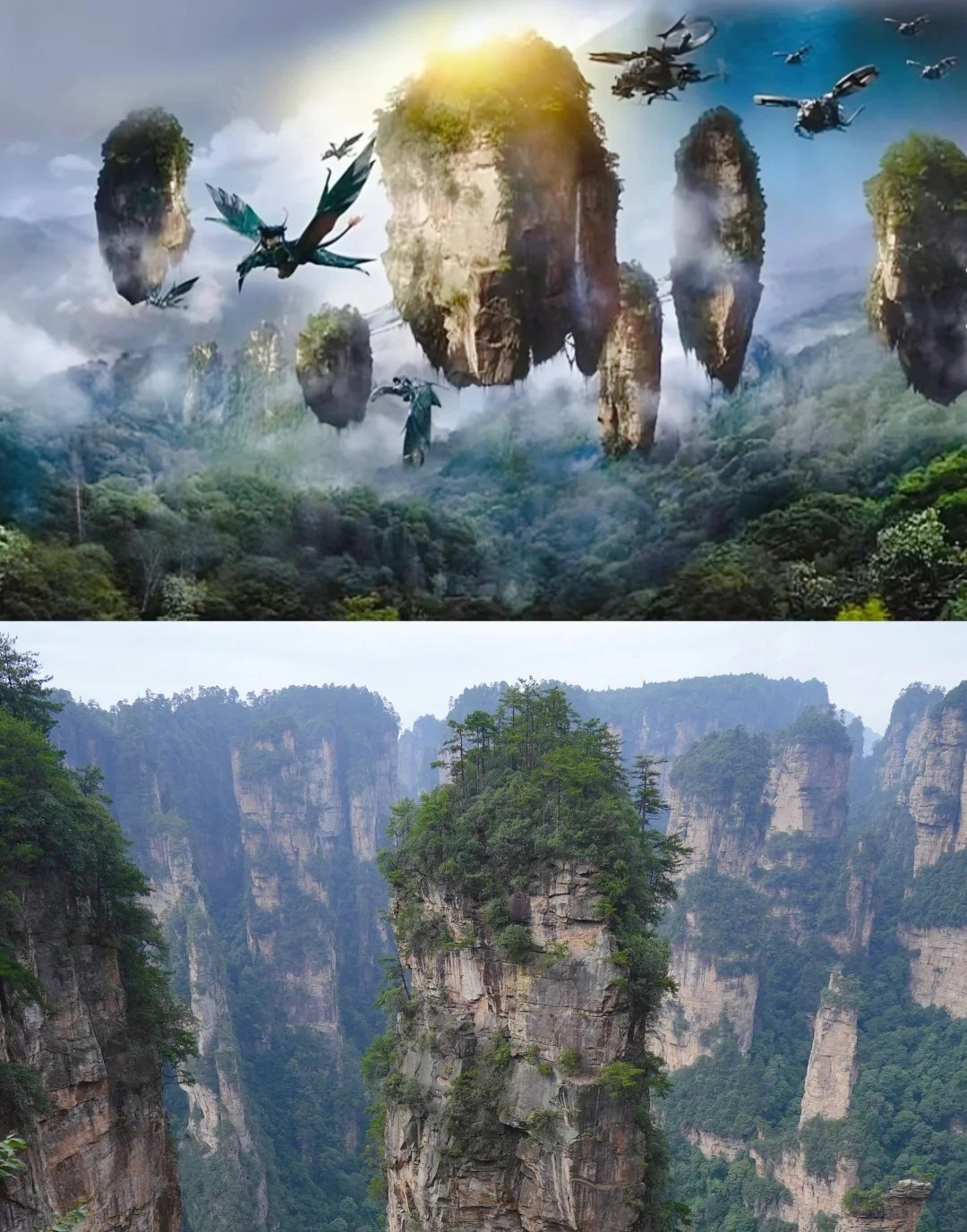
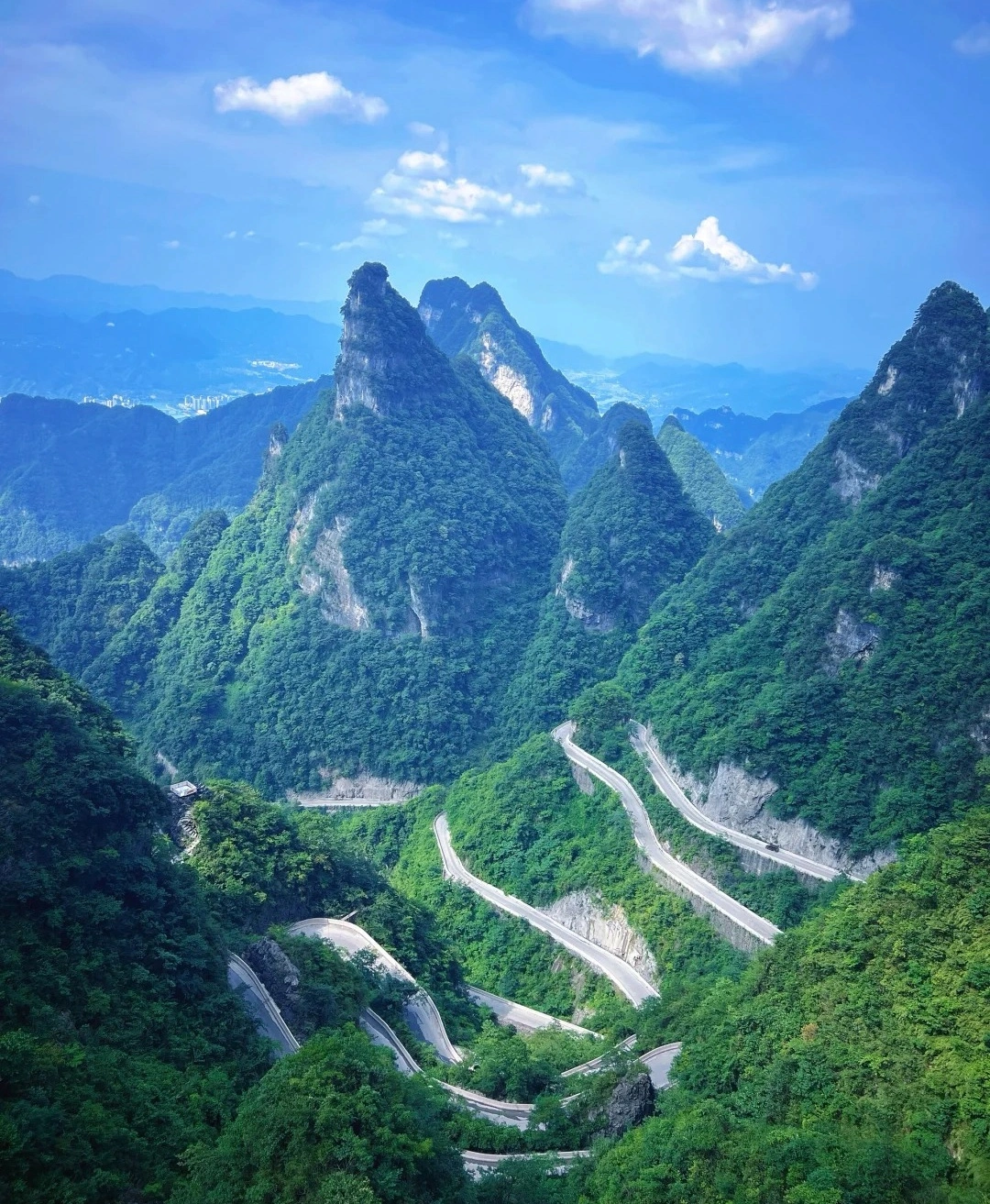
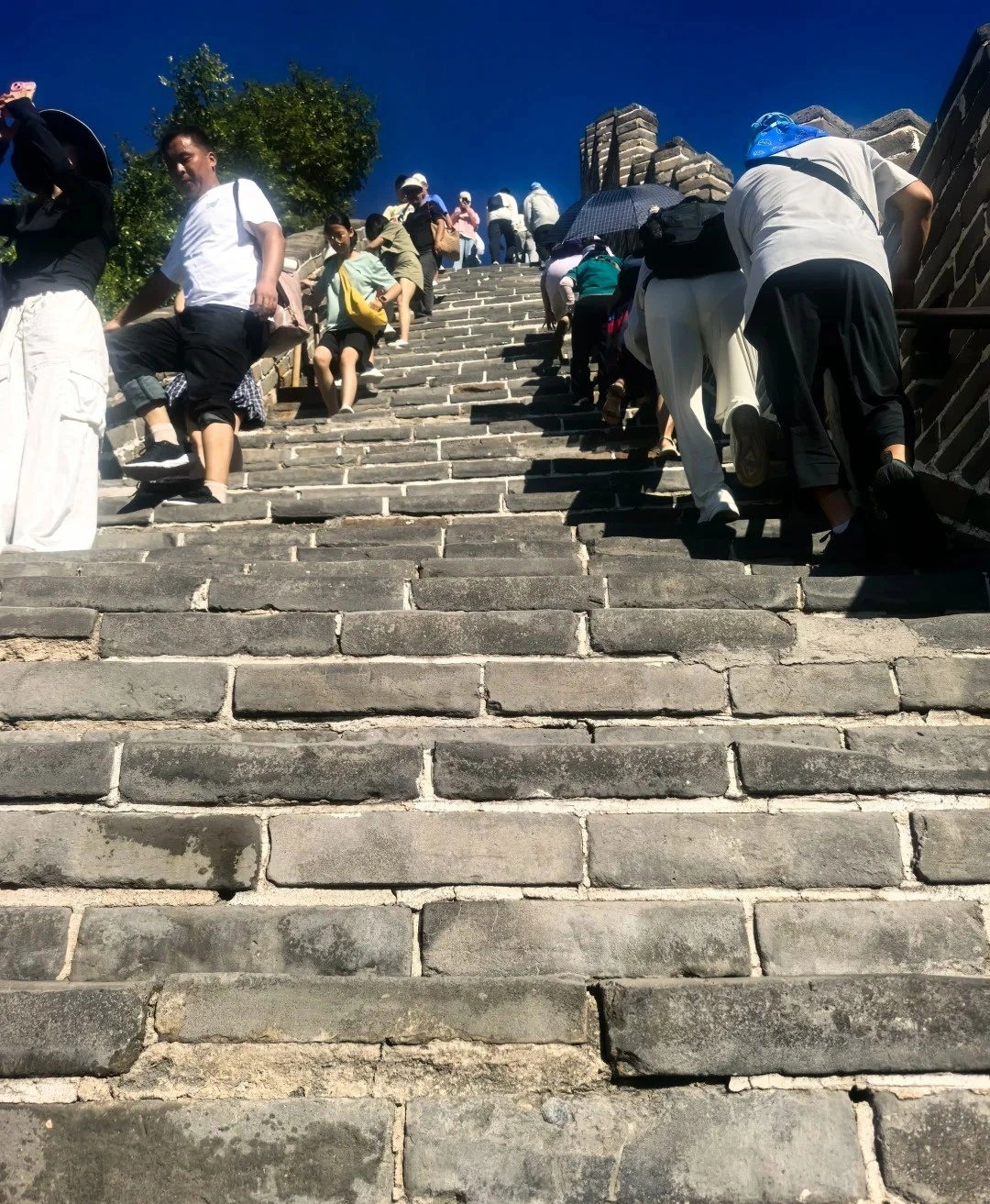
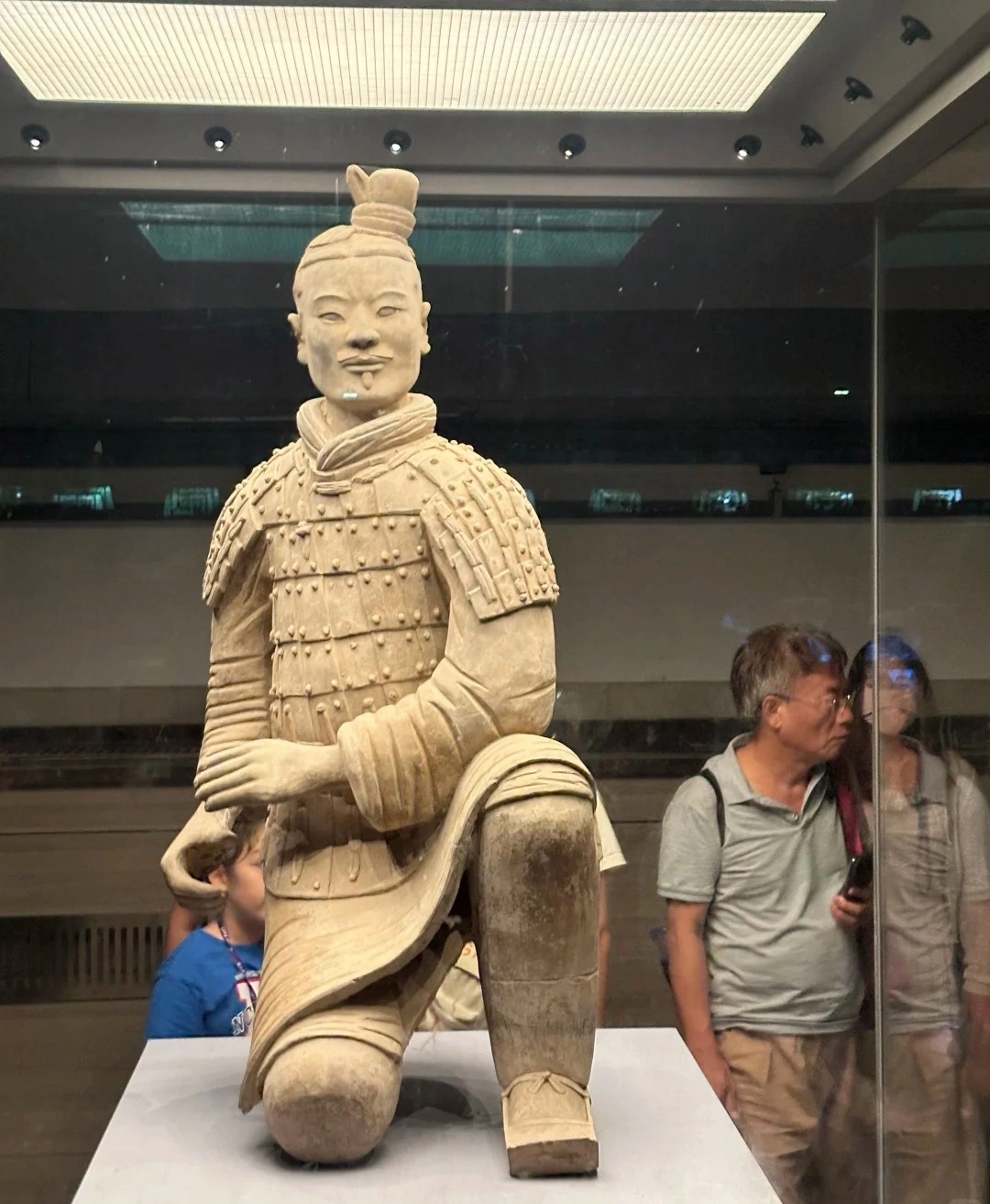
As a solo traveler from Canada, I was nervous about navigating China alone—but this 11-day tour was PERFECT! From hiking the Great Wall at sunrise (Day 3) to gasping at the Terracotta Army (Day 5), every day delivered ‘pinch-me’ moments. The real showstopper? Zhangjiajie’s Avatar Mountains (Day 7)! Our guide made the stone pillars come alive with stories.
Massive thanks for handling all logistics—bullet train tickets, entry passes, car! And the 4-star hotels surprised me.
Destination(s):
Beijing Xian Zhangjiajie Shanghai
Date of
Experience:
June 02,2025

Simon
America
Reviewed on May 29,2025
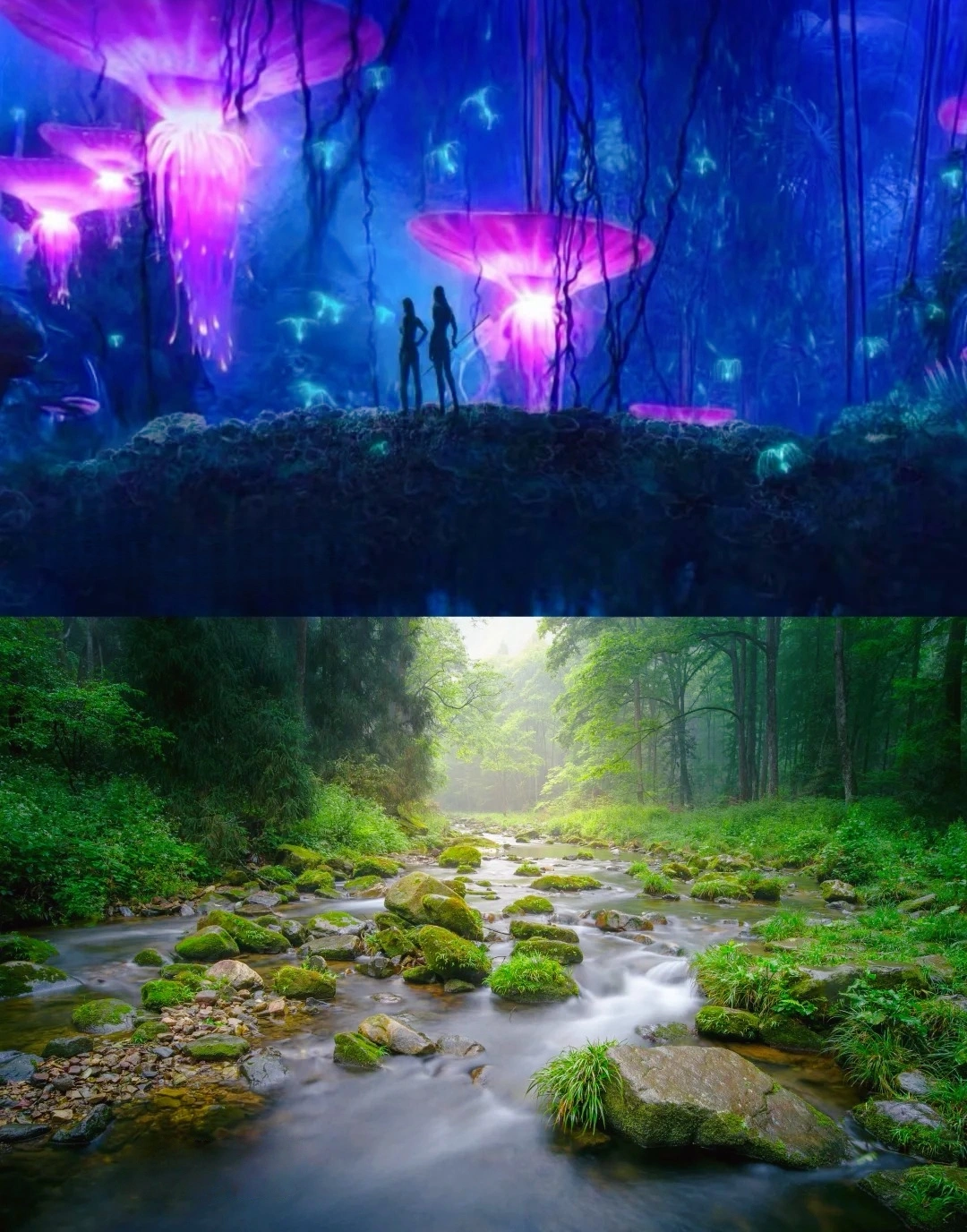
Our 2-day Zhangjiajie tour was beyond spectacular! As someone who’s visited Beijing and Shanghai for work, this trip revealed China’s wild, magical heart. Day 1 in Zhangjiajie National Forest Park felt like stepping onto Pandora—I’m a huge Avatar fan, and Yuanjiajie’s floating peaks left me breathless. The misty pillars and lush valleys like pure movie magic!
Then came Fenghuang Ancient Town, we eat dinner beside the thundering waterfall. It seems Unreal! The night views of stilt houses glowing over the river were straight from a fairy tale.
For fellow Avatar lovers and adventure seekers: Don’t miss this bucket-list experience! 10/10 would return.
A Well-Traveled Film Buff, May 2025
Destination(s):
Zhangjiajie
Date of
Experience:
May 08,2025