Glacier Park
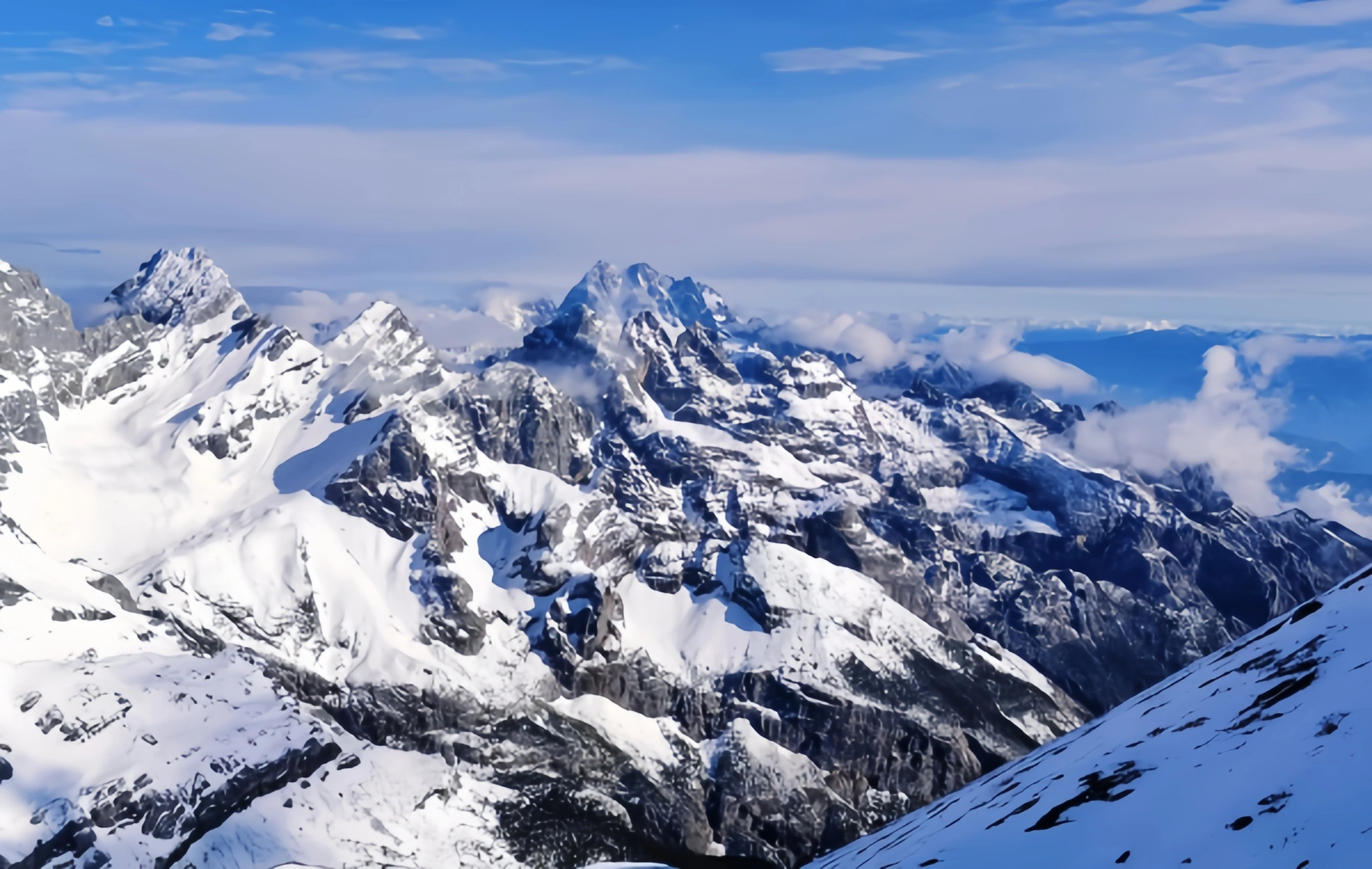
Glacier Park, a breathtaking natural wonder, is renowned for its stunning glaciers, alpine landscapes, and diverse ecosystems. Nestled in a region of rugged mountains and pristine wilderness, the park offers visitors a chance to witness the awe-inspiring beauty of massive ice formations, crystal-clear lakes, and snow-capped peaks. Hiking trails wind through lush forests and meadows, providing opportunities for wildlife viewing and outdoor adventure. Glacier Park serves as both a sanctuary for nature enthusiasts and a reminder of the Earth's fragile and ever-changing environment, making it a must-visit destination for those seeking to connect with the raw power and serenity of the natural world.
Introduction & Historical Significance
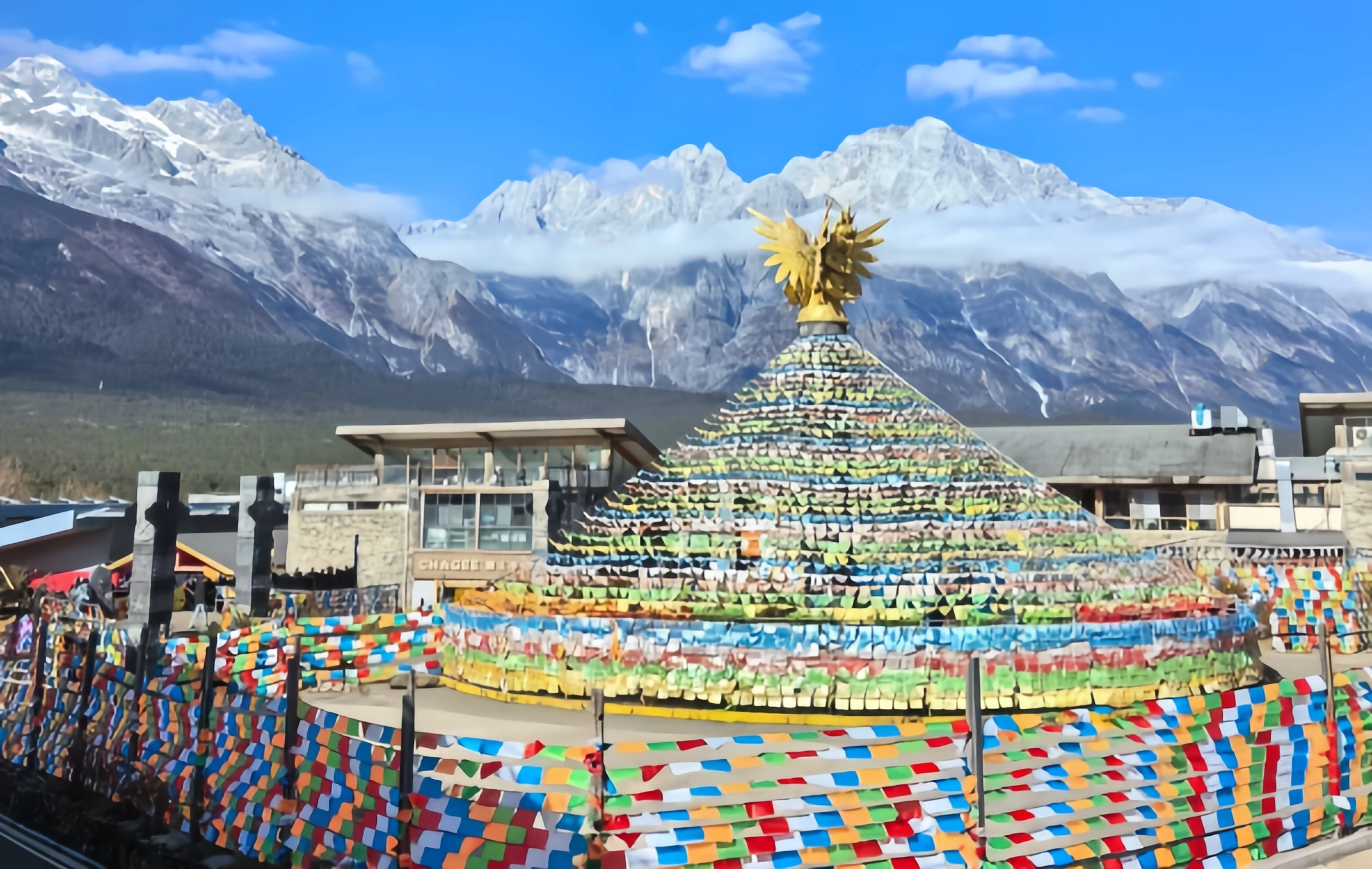
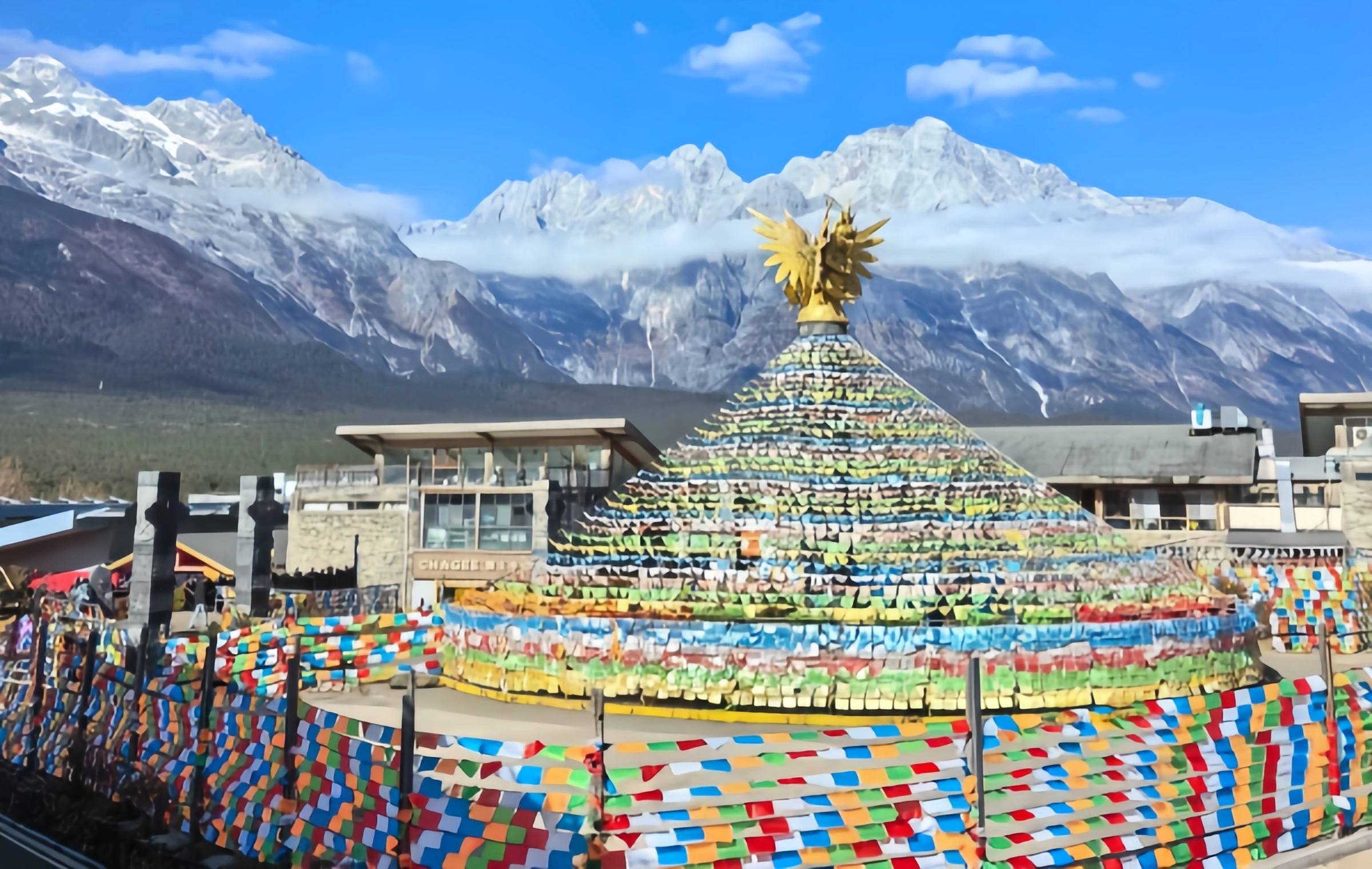
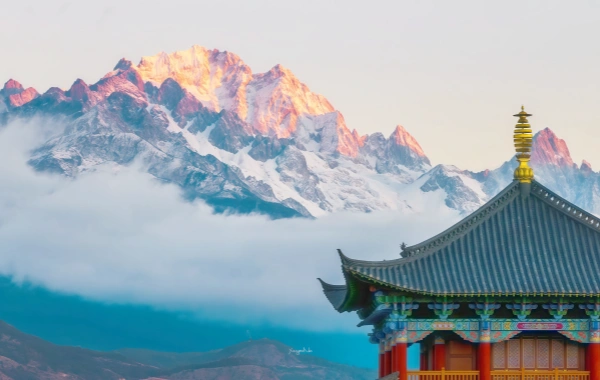
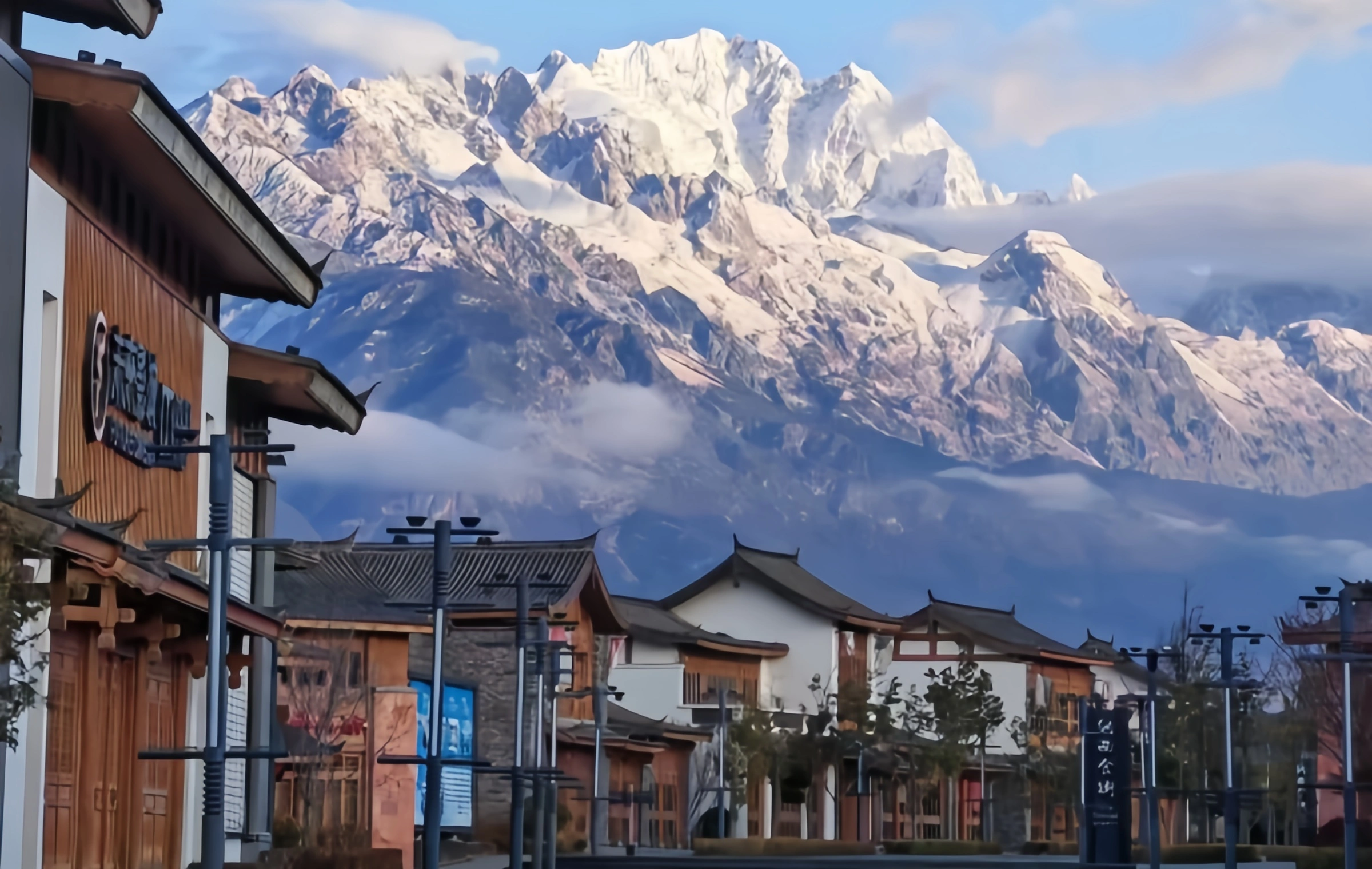
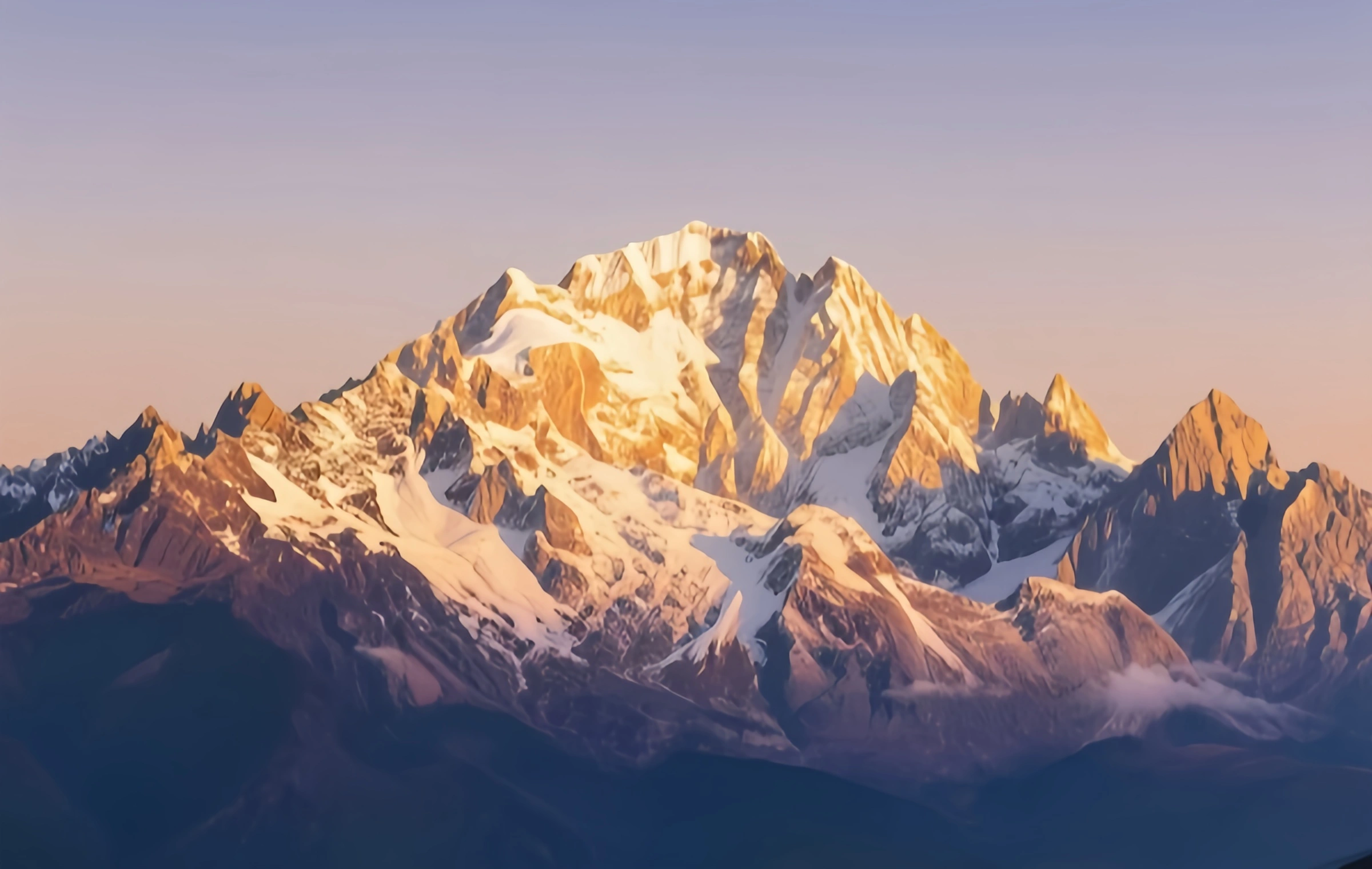
Nestled within the UNESCO-protected Yulong Snow Mountain Scenic Area in Lijiang, Yunnan Province, Glacier Park is a 5A-level national tourist destination and a living testament to Earth’s glacial history. Established as a key site for climate research and ecological preservation, it safeguards 19 modern glaciers formed over 40,000 years, earning the title "Natural Glacier Museum." The park’s origin traces back to the geological uplift of the Tibetan Plateau, where ancient marine sediments transformed into the 5,596-meter Fanzi Peak, the highest summit of Yulong Snow Mountain. Sacred to the Naxi people, the mountain is revered as the "Jade Dragon" guarding The Old Town of Lijiang, with myths narrating its twin peaks—Yulong and Haba—battling demons to protect the Golden Sand River. As a critical node in China’s "Third Pole" glacial studies, it monitors climate change impacts through ice core samples and real-time glacial dynamics.
Architectural Layout & Design
The park integrates natural grandeur with human-engineered access:
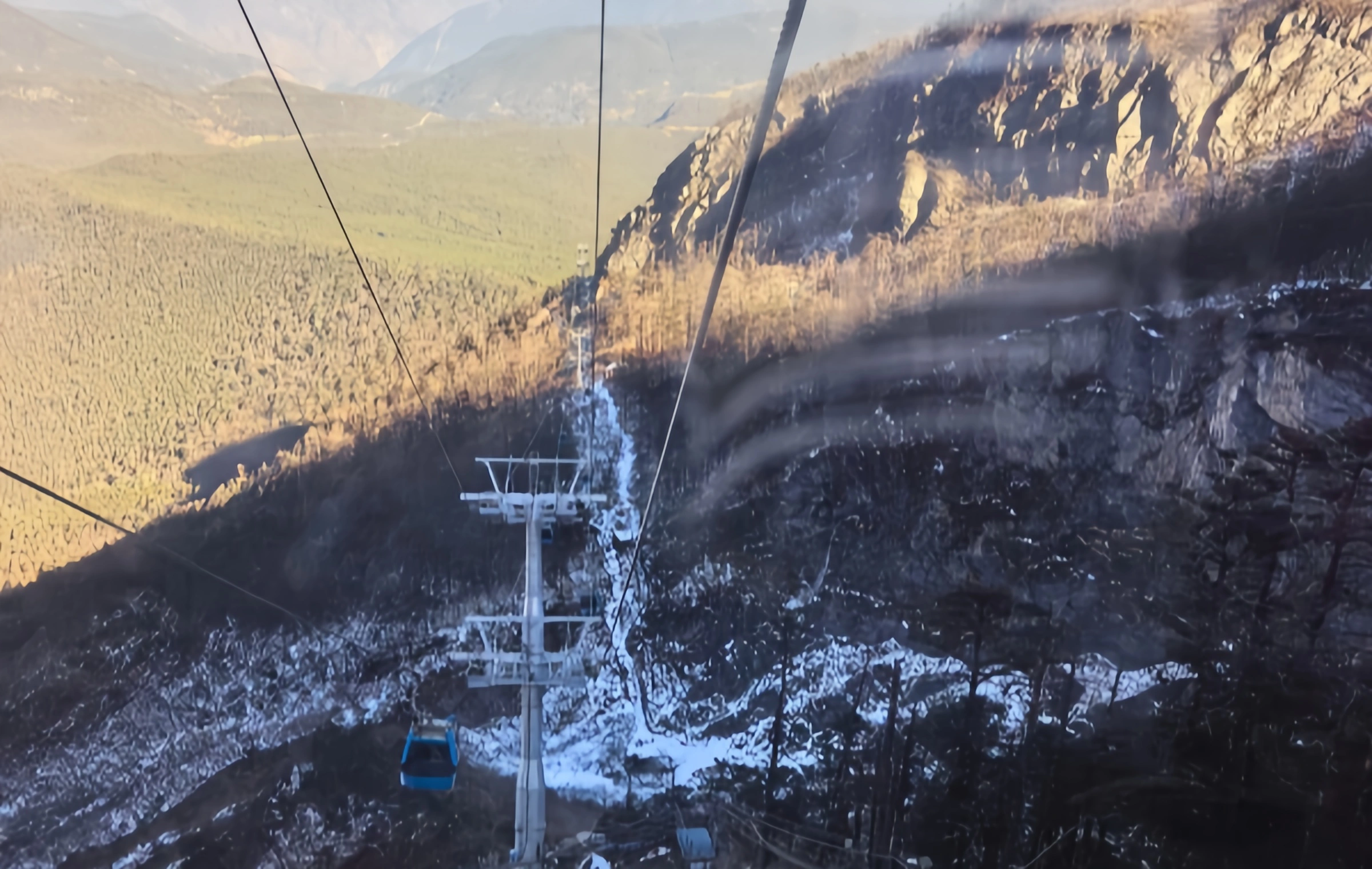
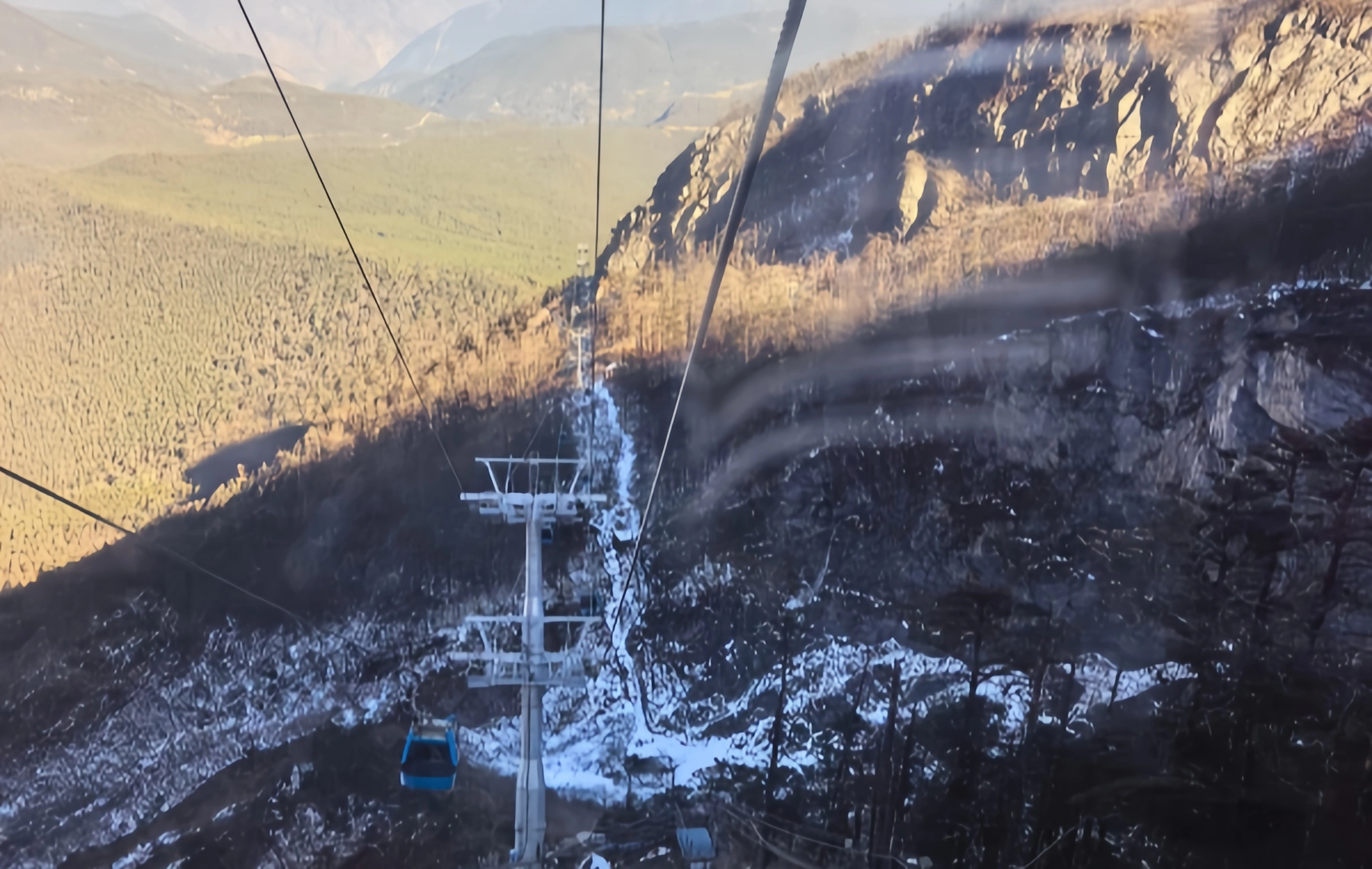
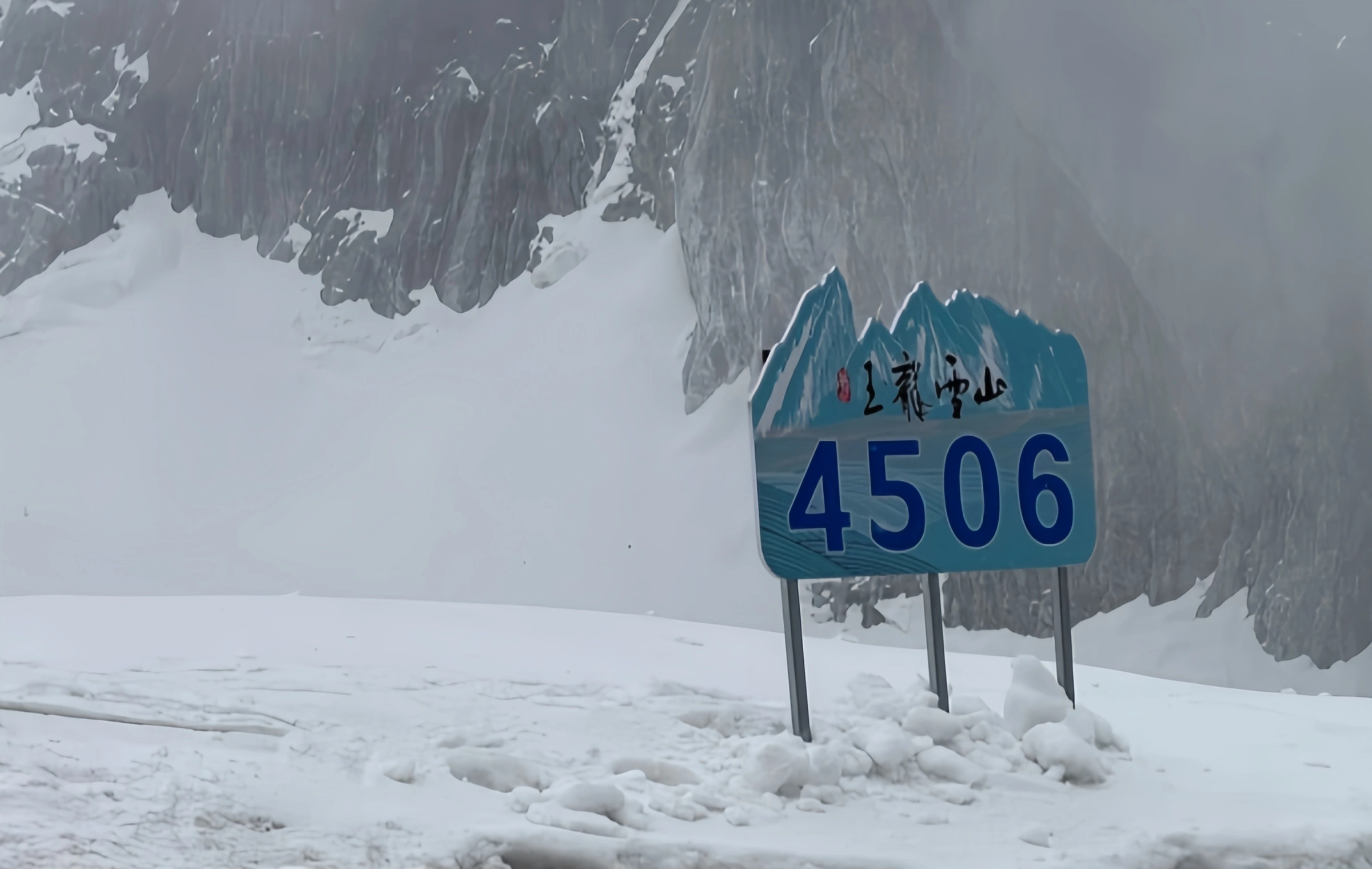
- Glacier Park Cableway: A 15-minute aerial journey from the base to 4,680 meters, offering panoramic views of glacial valleys and the 13 snow-capped peaks. The cableway station sits at the park’s heart, surrounded by ice塔林 (seracs) glowing turquoise under sunlight.
- Observation Decks & Stone Markers: The 4,688-meter summit stone and glacial observation platforms provide 360° vistas of the Yunnan-Guizhou Plateau. Ancient stone markers document glacial retreat and Naxi cultural rituals.
- Eco-Adaptive Infrastructure: Permeable asphalt paths, solar-powered lighting, and piezoelectric speed bumps reduce environmental impact. The park’s design harmonizes with traditional Naxi architecture seen in nearby villages.
- Cultural Integration: Adjacent to Ganhaizi (the visitor hub) and Blue Moon Valley, it connects to historic sites like the Mural of Dali Kingdom and Naxi orchards, blending natural wonders with ethnic heritage.
Major Attractions
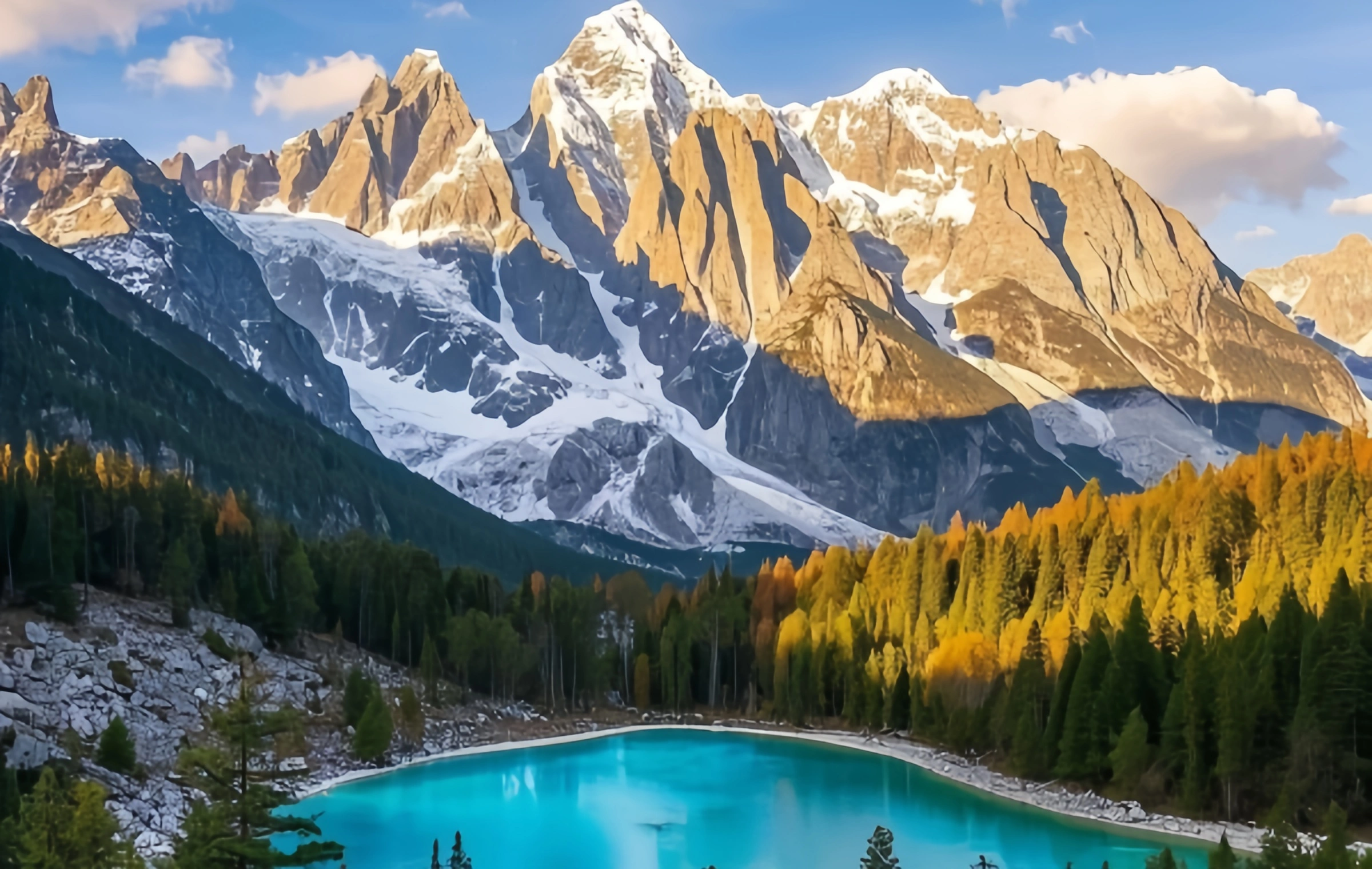
- Glacial Landscape: Witness the 40,000-year-old White Water Glacier No. 1, exposed in summer, and seasonal snowscapes from autumn to spring. The "Green Snow Peak" phenomenon showcases glacial blue hues under sunlight.
- Blue Moon Valley: Four interconnected lakes—"Jade Liquid," "Mirror Pool," "Blue Moon," and "Listening to Waves"—formed by meltwater, featuring crystal-clear waters against limestone cliffs.
- Impression Lijiang: A daytime outdoor spectacle by Zhang Yimou, staged at 3,100 meters, celebrating Naxi Culture through dance, music, and equestrian performances.
- Yunshan Ping & Maoniuping: Alpine meadows offering views of Yulong’s peaks and yak herds, accessible via eco-friendly shuttle buses.
- Glacier Museum: Interactive exhibits on glacial geology, climate change, and Naxi history, featuring ice core samples and holographic reenactments.
Ticket Information
- Park Entry: Included in the Yulong Snow Mountain entrance fee (¥100), with additional costs for cableways (¥120-180) and shuttle buses (¥20). Combined tickets (¥320-458) include cableways, performances, and eco-tours.
- Guided Tours: ¥100-200 for heritage walks, glacial science tours, or cultural immersion programs.
- Special Access: Early morning "sunrise tours" require reservations; night visits prohibited for ecological protection.
- Free Entry: Children under 1.2m, seniors over 70, and disabled visitors (with valid ID).
Transportation Guide
- Public Transit: Bus 7/16 from Lijiang Old Town to Yulong Snow Mountain (¥15, 45 mins). Direct shuttles from Lijiang Airport (¥50, 1 hour).
- Self-Drive: 30-minute drive via G320 Highway; parking at Ganhaizi (¥10/day). Electric shuttles connect cableway stations.
- Cableways & Shuttles: The park’s internal network links Glacier Park, Blue Moon Valley, and Yunshan Ping via eco-friendly buses.
- Maritime Access: Seasonal boat tours from Lashihai Lake to Yulong’s foothills (¥80-120/person).
Best Time & Tips
- Optimal Seasons: November-April for snowscapes; May-June for glacial visibility. Avoid July-August monsoons and crowds.
- Photography: Dawn for misty glacial vistas; sunset for golden-hour lighting on peaks. Drone permits required.
- Cultural Etiquette: Remove hats in temples; respect Naxi customs during Torch Festival (July) and Three Parallel Rivers ceremonies.
- Packing: Oxygen tanks (available for rent), polarized sunglasses, reusable water bottles, and layered clothing for altitude shifts (4,680m).
- Dining: Local specialties include Yunnan rice noodles, grilled yak meat, and Naxi-style fermented cheese at Ganhaizi’s food stalls.
Nearby Attractions & Itineraries
- Combined Tours:
- Morning: Glacier Park cableway + Blue Moon Valley photography + Naxi village tour.
- Afternoon: Impression Lijiang performance + Yunshan Ping hike + tea ceremonies.
- Evening: Lijiang Old Town night markets or star-gazing at Gaohai Plateau.
- Cultural Synergy: Pair with Shuhe Ancient Town for Naxi architecture or Tiger Leaping Gorge for canyon treks.
- Multi-Day Routes:
- 3-Day: Lijiang Old Town → Glacier Park → Jade Dragon Village → Lugu Lake.
- 5-Day: Dali → Lijiang → Shangri-La → Meili Snow Mountain.
Lijiang Glacier Park epitomizes the convergence of nature, culture, and science. As a UNESCO-recognized gem, it invites global travelers to witness Earth’s glacial legacy while honoring the traditions of the Naxi people—a true embodiment of sustainable heritage tourism in China’s southwest.