
Baishui Terrace
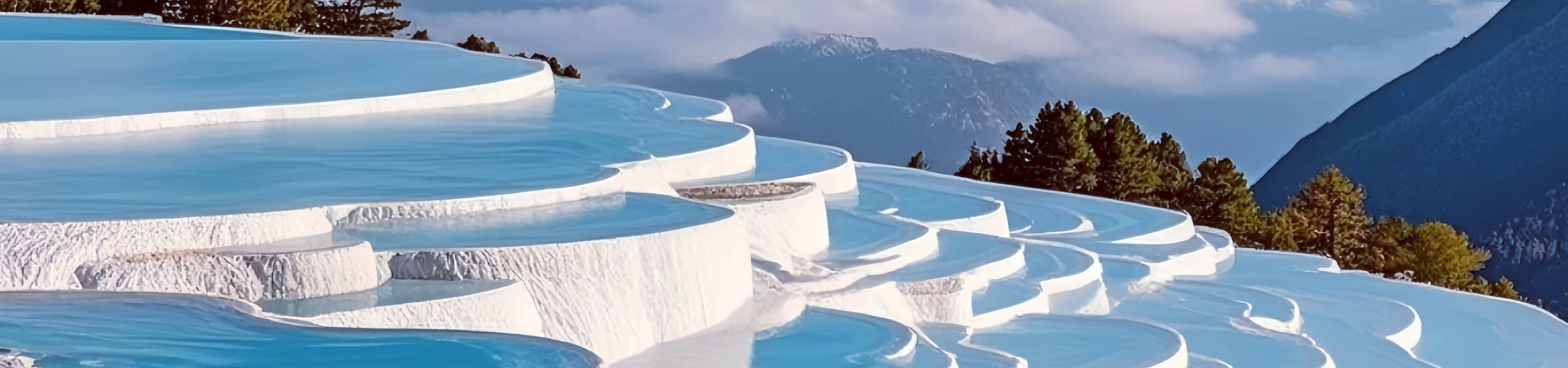
Baishuitai, located in Shangri-La, Yunnan Province, China, is a breathtaking natural wonder renowned for its striking terraced formations created by carbonate mineral deposits from thermal springs. Often referred to as the "China's Cotton Castle" or "Turkey's Pamukkale of the East," these cascading white terraces stretch across the hillside, fed by clear, mineral-rich waters that flow year-round. The site holds cultural significance for the local Naxi and Tibetan communities, who view it as a sacred landscape. Visitors can explore the terraces, hike nearby trails, and witness the interplay of light and water, which creates a mesmerizing, otherworldly atmosphere. Baishuitai’s unique geological features and serene beauty make it a must-see destination for nature enthusiasts and cultural travelers alike.
Introduction & Historical Significance
Nestled in the eastern Himalayas of Shangri-La, Yunnan, Baishui Terrace is a UNESCO-recognized natural and cultural treasure formed over millennia by carbonate calcium deposition. Dubbed "Fairy’s Legacy Field" in Chinese folklore, this 3km² calcium carbonate wonder—China's largest spring-fed terrace—dates back to the Tang Dynasty. As the birthplace of Naxi Dongba culture, it holds sacred status: Dongba patriarch Dingba Shilo established religious doctrines here, and the world's only surviving pictographic script, Dongba characters, originated from its stone inscriptions. The terrace’s layered white formations resemble celestial rice paddies, earning it the nickname "Eastern Pamukkale" on social media.
Architectural Layout & Design
The site harmonizes raw geology with spiritual symbolism:
- Terraced Landforms: Over 2,000 years of mineral-rich spring water created 100+ terraced pools ranging from sapphire-blue to turquoise, with the "Heart-Shaped Pool" and "Moon Bay" as iconic photo spots.
- Cultural Landmarks: The "Dongba Ancestral Shrine" houses ancient scripture-inscribed stones, while the reconstructed "Amu Cave" preserves ritual sites of Dongba sages.
- Eco-Design: Wooden boardwalks and permeable pathways minimize ecological impact; viewing platforms offer 360° vistas of the terrace against Haba Snow Mountain’s backdrop.
- Traditional Villages: Naxi hamlets like Badi Village showcase rammed-earth houses with "three-house-one-screen" courtyards, where artisans demonstrate Dongba paper-making—a thousand-year-old technique using mulberry bark.
Major Attractions
- Terrace Exploration: Hike through tiered carbonate formations, including the "Fairy’s Milky Way" (main terrace cluster) and "Jade Mirror Lake" (reflection pool capturing Haba Snow Mountain).
- Cultural Experiences: Annual "Chao Bai Shui" Festival (Lunar February 8) features Dongba rituals, yak-butter tea ceremonies, and traditional dance.
- Geological Wonders: "Black-White Water Junction" where mineral springs create natural color contrasts; "Stone Forest Trail" through rhododendron-draped karst formations.
- Wildlife Spotting: Bar-headed geese and black-necked cranes frequent wetland areas; dawn birdwatching reveals migratory patterns.
Ticket Information
- General Admission: ¥30/adult; ¥15/student; free for Guangzhou ID holders.
- Opening Hours: 08:30-17:00 daily; last entry 16:30.
- Special Permits: Climbing/trekking requires local guide registration (¥200-500/day).
- Bundled Tickets: ¥100 for combined access to Haba Snow Mountain and Tiger Leaping Gorge.
Transportation Guide
- Self-Drive: 100km from Shangri-La city center (2.5h via G214); parking at north gate (¥10/day).
- Public Transport: Daily buses from Shangri-La Bus Station (09:00/14:00, ¥26); shared taxis (¥150-200/group) offer flexible timing.
- Airport Access: Direct shuttle from Diqing Airport (¥40) or combined with songzanlin monastery tours.
- Hiking Trails: 3km circular route with observation decks; 5km trail to Haba Village for homestays.
Best Time & Tips
- Optimal Seasons: April-June (full water levels for vibrant blues) and September-November (golden rhododendron blooms).
- Photography: Dawn for misty terrace vistas; golden hour for snow-peak reflections.
- Cultural Etiquette: Remove shoes in shrines; avoid touching ancient inscriptions; seek permission before photographing locals.
- Packing Essentials: Layered clothing (5-20°C), SPF50+ sunscreen, hiking boots, and anti-altitude sickness medication.
- Eco-Practices: Stay on marked paths to protect fragile carbonate formations; avoid littering.
Nearby Attractions & Itineraries
- Combined Tours:
- Morning: Terrace exploration + Dongba cultural workshop.
- Afternoon: Visit Tiger Leaping Gorge (20km) for river rapids or Napa Hai for migratory bird watching.
- Evening: Shangri-La Old Town cultural stroll or "Impression Shangri-La" outdoor show.
- Cultural Synergy: Pair with Lijiang’s Mufu Mansion for Naxi architecture or Deqin’s Meili Snow Mountain for glacial vistas.
- Extended Itineraries: 5-day Hengduan Mountain crossing including Yading Sanctuary and Luguhu Lake boat tours.
Baishui Terrace is a symphony of earth and spirit—where ancient carbonate whispers Naxi secrets, and terraced pools guard the wisdom of millennia. As a UNESCO-recognized sanctuary, it continues to inspire global travelers seeking natural grandeur and cultural depth in China’s Southwest.


Contact Us
우리 고객들은 무슨 말을 하는지?
1만 개 이상의 여행객 리뷰를 바탕으로

Daniel Dorothea
Canada
Reviewed on April 29,2025
Shopping on Nanjing Road in Shanghai was just amazing! It's truly the "First Commercial Street of China", where tradition and modernity blend perfectly. You can find awesome souvenirs and experience the trendy vibes in cool stores. The neon lights at night are just spectacular, shining bright like Times Square in New York. The food here is incredible too. I had a feast for my taste buds. Shanghai, I'll definitely be back!
Destination(s):
Shanghai
Date of
Experience:
May 08,2024


Elvis Eva
Canada
Reviewed on June 20,2025
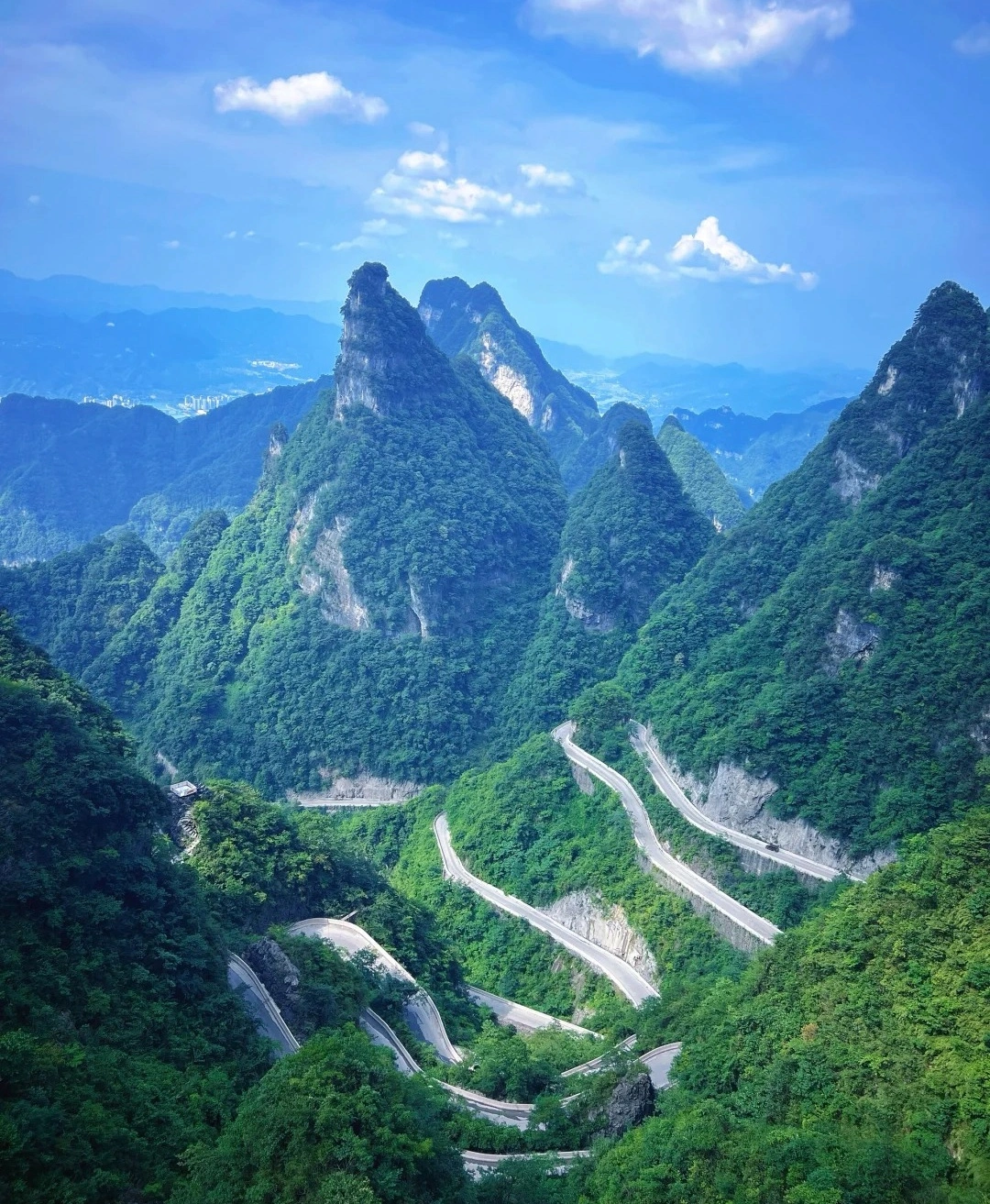
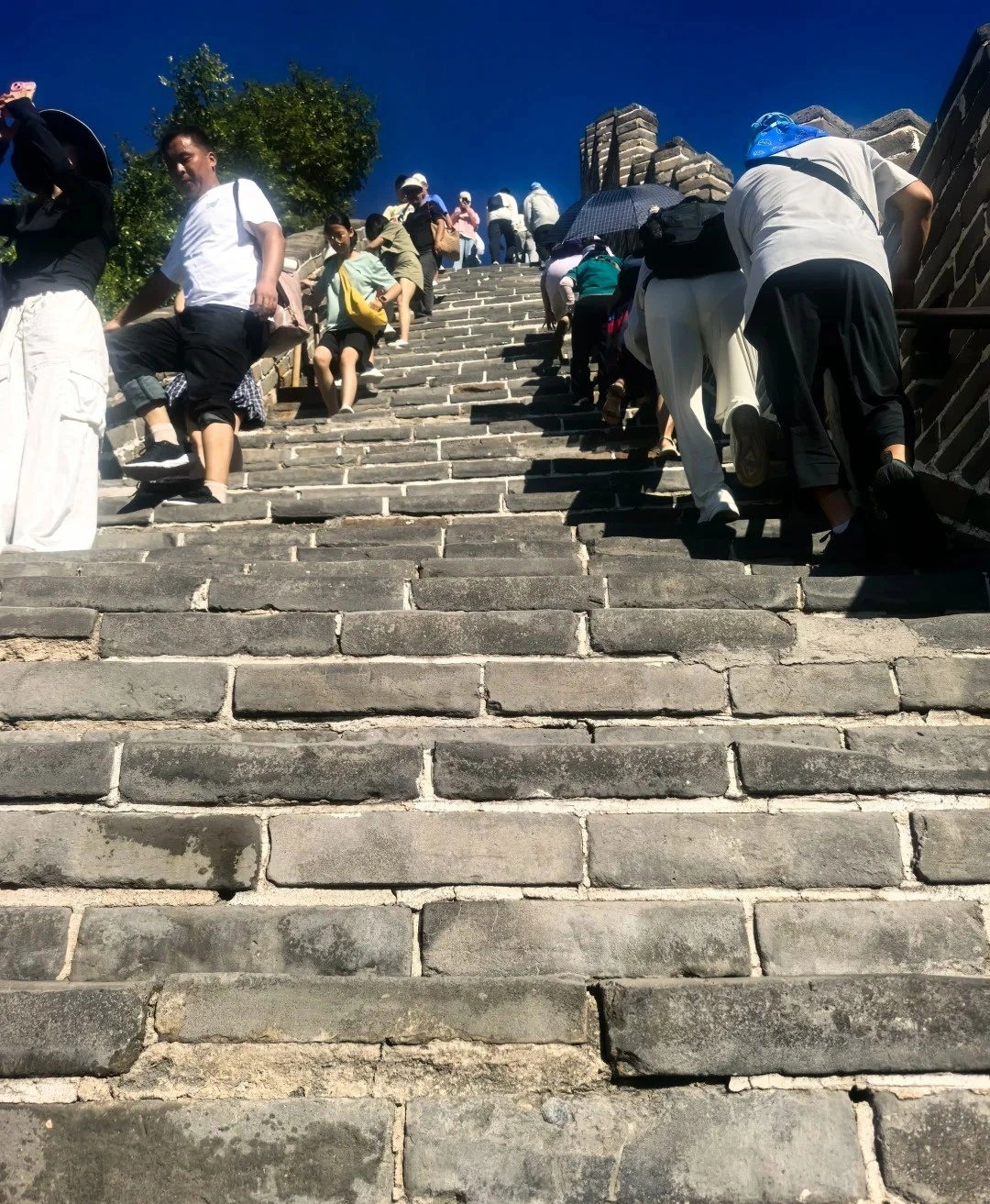
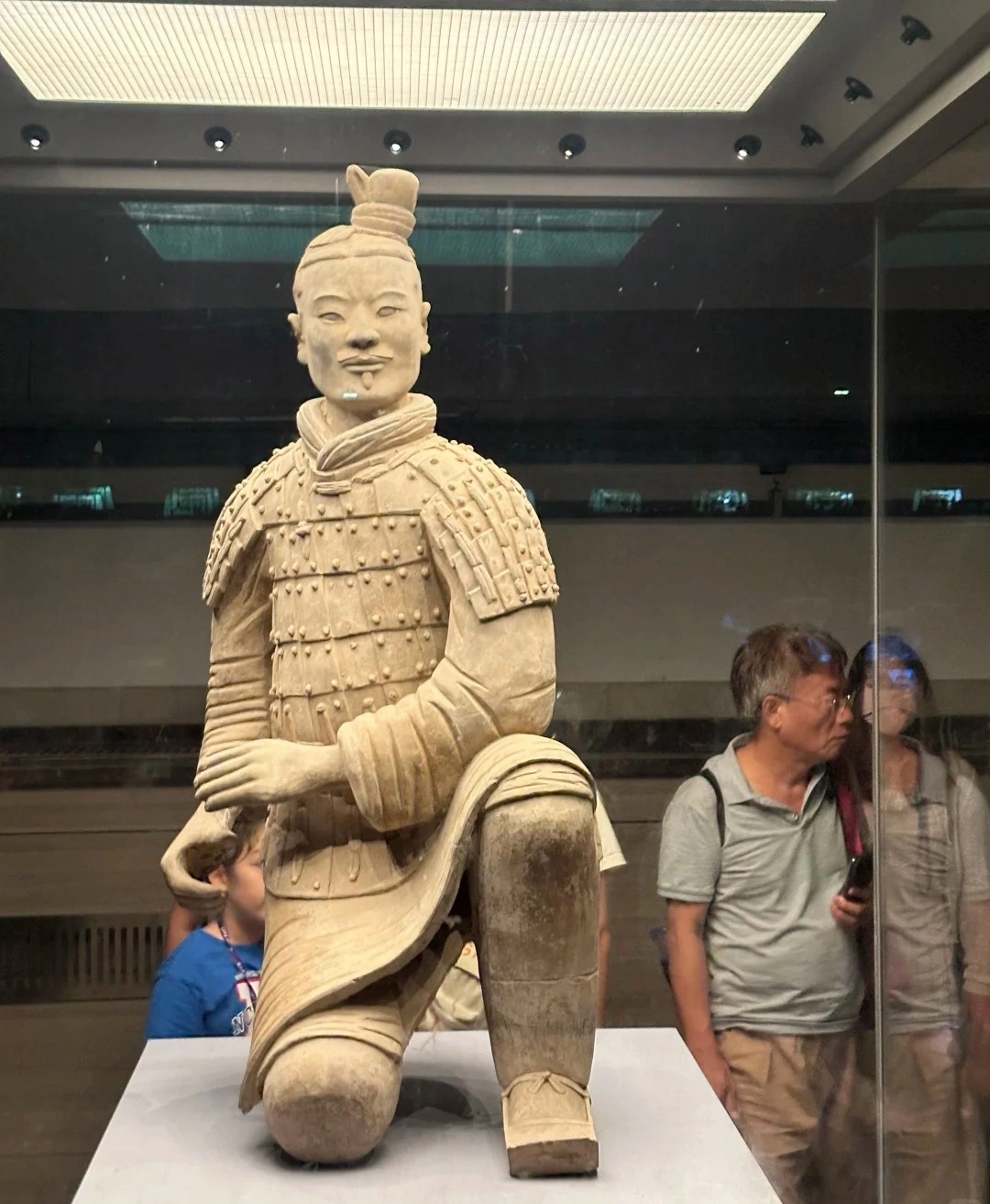
As a solo traveler from Canada, I was nervous about navigating China alone—but this 11-day tour was PERFECT! From hiking the Great Wall at sunrise (Day 3) to gasping at the Terracotta Army (Day 5), every day delivered ‘pinch-me’ moments. The real showstopper? Zhangjiajie’s Avatar Mountains (Day 7)! Our guide made the stone pillars come alive with stories.
Massive thanks for handling all logistics—bullet train tickets, entry passes, car! And the 4-star hotels surprised me.
Destination(s):
Beijing Xian Zhangjiajie Shanghai
Date of
Experience:
June 02,2025

Simon
America
Reviewed on May 29,2025
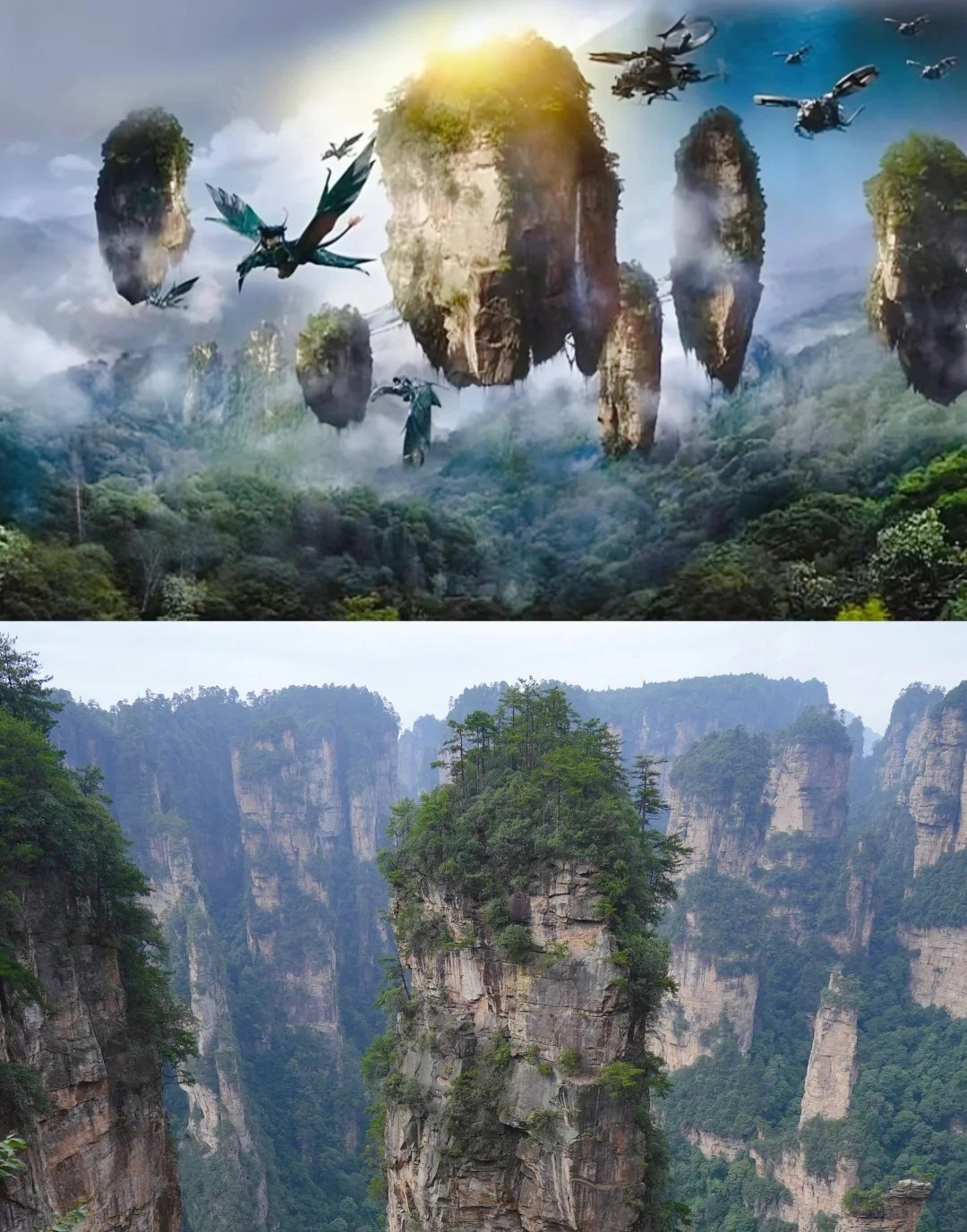
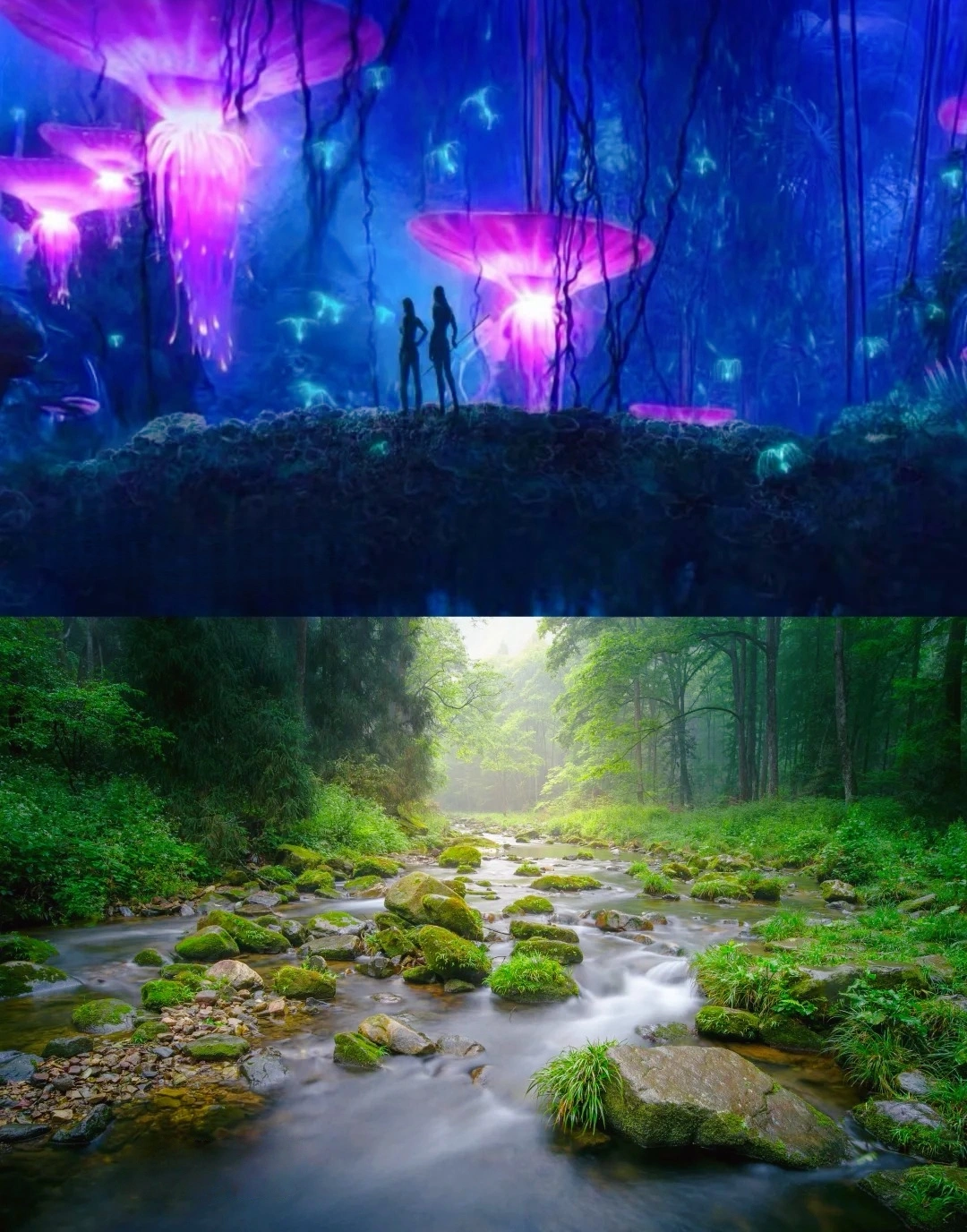
Our 2-day Zhangjiajie tour was beyond spectacular! As someone who’s visited Beijing and Shanghai for work, this trip revealed China’s wild, magical heart. Day 1 in Zhangjiajie National Forest Park felt like stepping onto Pandora—I’m a huge Avatar fan, and Yuanjiajie’s floating peaks left me breathless. The misty pillars and lush valleys like pure movie magic!
Then came Fenghuang Ancient Town, we eat dinner beside the thundering waterfall. It seems Unreal! The night views of stilt houses glowing over the river were straight from a fairy tale.
For fellow Avatar lovers and adventure seekers: Don’t miss this bucket-list experience! 10/10 would return.
A Well-Traveled Film Buff, May 2025
Destination(s):
Zhangjiajie
Date of
Experience:
May 08,2025