
Ganden Monastery
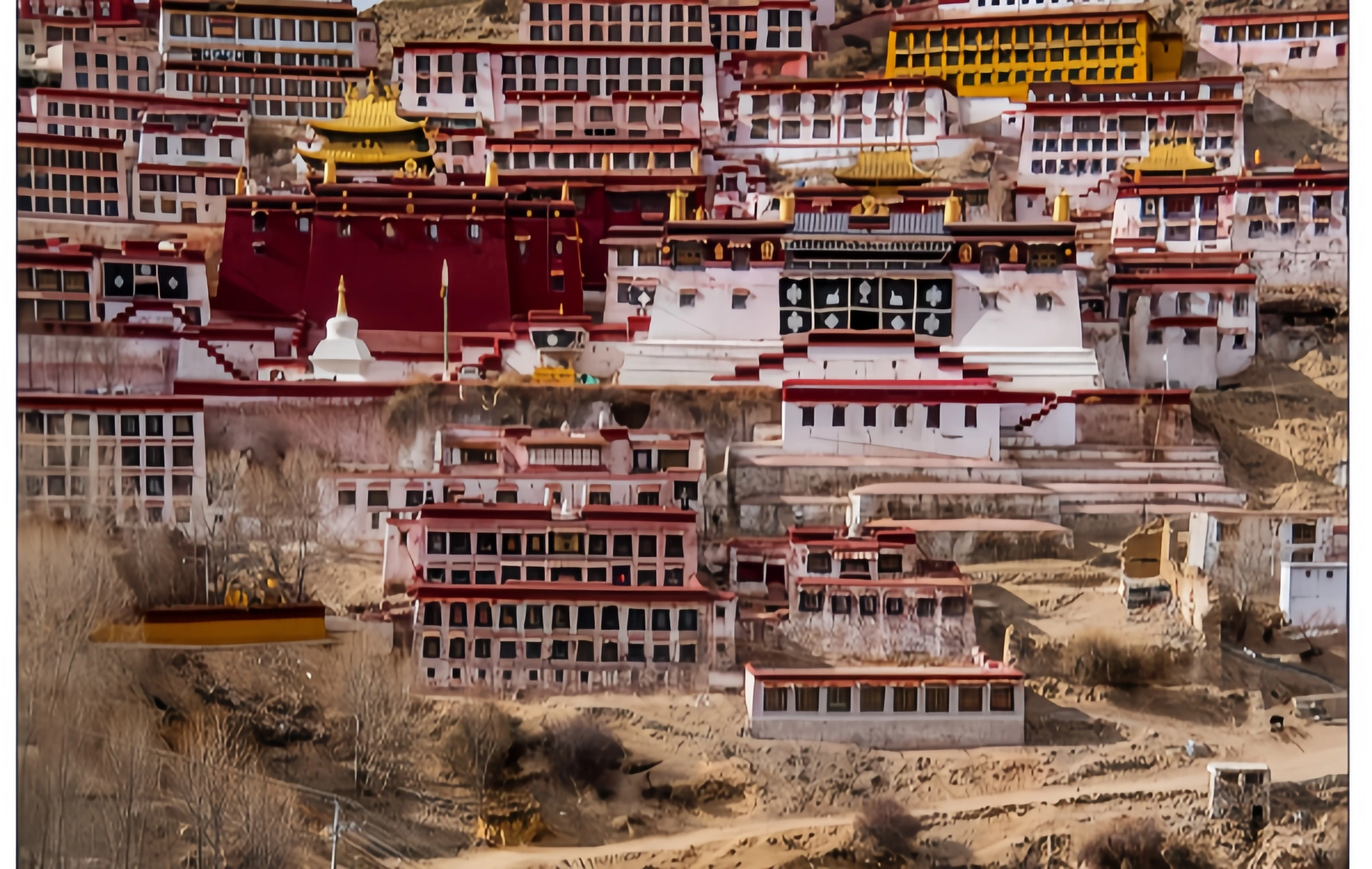
Ganden Monastery, one of the three principal Gelugpa monasteries in Tibet (alongside Sera and Drepung), is a spiritual and cultural cornerstone of Tibetan Buddhism. Founded in 1409 by the revered scholar and saint Tsongkhapa, the founder of the Gelugpa tradition, it sits atop Wangpori Hill near Lhasa. Known as the "Abode of Happiness," the monastery blends breathtaking Himalayan vistas with profound religious heritage. As the original seat of the Gelugpa order, it houses invaluable Buddhist scriptures, thangkas, and statues, and remains a vital center for Tibetan philosophical studies and rituals.
Ganden Monastery
Ganden Monastery, one of the three principal Gelugpa monasteries in Tibet (alongside Sera and Drepung), is a spiritual and cultural cornerstone of Tibetan Buddhism. Founded in 1409 by the revered scholar and saint Tsongkhapa, the founder of the Gelugpa tradition, it sits atop Wangpori Hill near Lhasa. Known as the "Abode of Happiness," the monastery blends breathtaking Himalayan vistas with profound religious heritage. As the original seat of the Gelugpa order, it houses invaluable Buddhist scriptures, thangkas, and statues, and remains a vital center for Tibetan philosophical studies and rituals.
Historical Overview
Ganden Monastery was established in 1409 by Tsongkhapa, marking the formal founding of the Gelugpa school. Its construction symbolized the consolidation of Buddhist teachings and the establishment of a monastic code. Over centuries, it became a hub for intellectual and spiritual growth, attracting scholars from across Tibet and Mongolia. Key historical events include the 17th-century conflicts with the Jonangpa sect, the monastery’s reconstruction after damage during the Cultural Revolution, and its revival as a center for Tibetan Buddhist learning. In 1980, it reopened to pilgrims and scholars, preserving its legacy as a living testament to Tibetan culture.
Structural Layout
The monastery complex is divided into two main sections:
- Upper Monastery (Jangtse): The spiritual heart, housing the main assembly hall (Dukhor), the Tsongkhapa Chapel, and the stupa containing his relics.
- Lower Monastery (Shartse): Dedicated to academic pursuits, featuring debate courtyards, scripture halls, and residences for monks.
Key structures include the Tsongkhapa Museum, the Golden Chorten (stupa), and the serene Kunchok Sum temple. The monastery’s architecture, with white-washed walls and golden roofs, harmonizes with the rugged mountain landscape.
Major Attractions
- Tsongkhapa Chapel: A sanctum housing a life-sized statue of Tsongkhapa and murals depicting his life.
- Golden Chorten: A 16th-century stupa enshrining relics of Tsongkhapa, adorned with gold leaf and prayer flags.
- Dukhor Assembly Hall: The main prayer hall, with 108 columns and a 10-meter-high Buddha statue.
- Debate Courtyard: Where monks engage in daily philosophical debates, a cornerstone of Gelugpa education.
- Kunchok Sum Temple: Dedicated to the Three Jewels (Buddha, Dharma, Sangha), with intricate thangka paintings.
- Tsongkhapa Museum: Displays rare manuscripts, ritual objects, and the founder’s personal belongings.
Suggested Itineraries
- Classic Route (2–3 hours):
Jangtse Entrance → Tsongkhapa Chapel → Golden Chorten → Dukhor Assembly Hall → Kunchok Sum Temple → Debate Courtyard.
Highlights: Core spiritual sites and the founder’s legacy. - Extended Route (4–5 hours):
Jangtse Entrance → Tsongkhapa Museum → Shartse Academic Zone → Debate Courtyard → Kunchok Sum Temple → Golden Chorten → Pilgrim’s Path (hike to vantage points).
Highlights: Academic heritage and scenic vistas. - Comprehensive Route (Full Day):
Jangtse Entrance → Tsongkhapa Chapel → Dukhor Assembly Hall → Tsongkhapa Museum → Shartse Zone → Debate Courtyard → Kunchok Sum Temple → Golden Chorten → Sunset Prayers → Overnight Stay (if permitted).
Highlights: Immersive experience with rituals and monastic life.
Ticket Purchase
- On-Site: Entry is typically free, but donations are encouraged to support preservation. Special exhibitions or guided tours may require a fee.
- Guided Tours: Available through local travel agencies or monastery-approved guides (¥100–200 per person).
- Permits: Foreign visitors may need a Tibet Travel Permit and a military escort for regions near the monastery.
Transportation
- By Car: A 2-hour drive from Lhasa via the G318 highway, with scenic stops at Drepung Monastery and Kamba La Pass.
- By Bus: Daily buses from Lhasa’s Norbulingka Bus Station to Ganden (¥50–80, 3 hours).
- By Taxi: Shared taxis from Lhasa cost ¥150–200 per person (round-trip).
- Trek: Advanced hikers can embark on a 2-day trek from Lhasa via Ganden La Pass (4,500m), offering stunning mountain views.
Best Time & Tips
- Best Seasons: May–October for mild weather and clear skies. Avoid July–August (monsoon rains).
- Essentials:
- Dress modestly (cover shoulders and knees); remove hats indoors.
- Bring sunscreen, sunglasses, and warm layers (temperatures drop sharply after sunset).
- Respect silence in prayer halls; avoid touching religious objects.
- Photography: Permitted in courtyards and exteriors; prohibited inside chapels and during rituals.
- Altitude: At 4,300m, acclimatize in Lhasa for 2–3 days before visiting. Stay hydrated and avoid strenuous activity.
- Cultural Etiquette: Circumambulate stupas clockwise; offer donations discreetly.
Related Itineraries
Contact Us
Что говорят наши клиенты?
На основе более 10 000 отзывов путешественников

Daniel Dorothea
Canada
Reviewed on April 29,2025
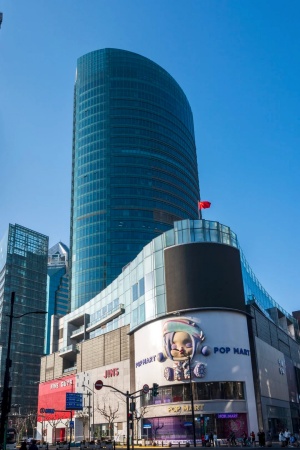
Shopping on Nanjing Road in Shanghai was just amazing! It's truly the "First Commercial Street of China", where tradition and modernity blend perfectly. You can find awesome souvenirs and experience the trendy vibes in cool stores. The neon lights at night are just spectacular, shining bright like Times Square in New York. The food here is incredible too. I had a feast for my taste buds. Shanghai, I'll definitely be back!
Destination(s):
Shanghai
Date of
Experience:
May 08,2024

Elvis Eva
Canada
Reviewed on June 20,2025
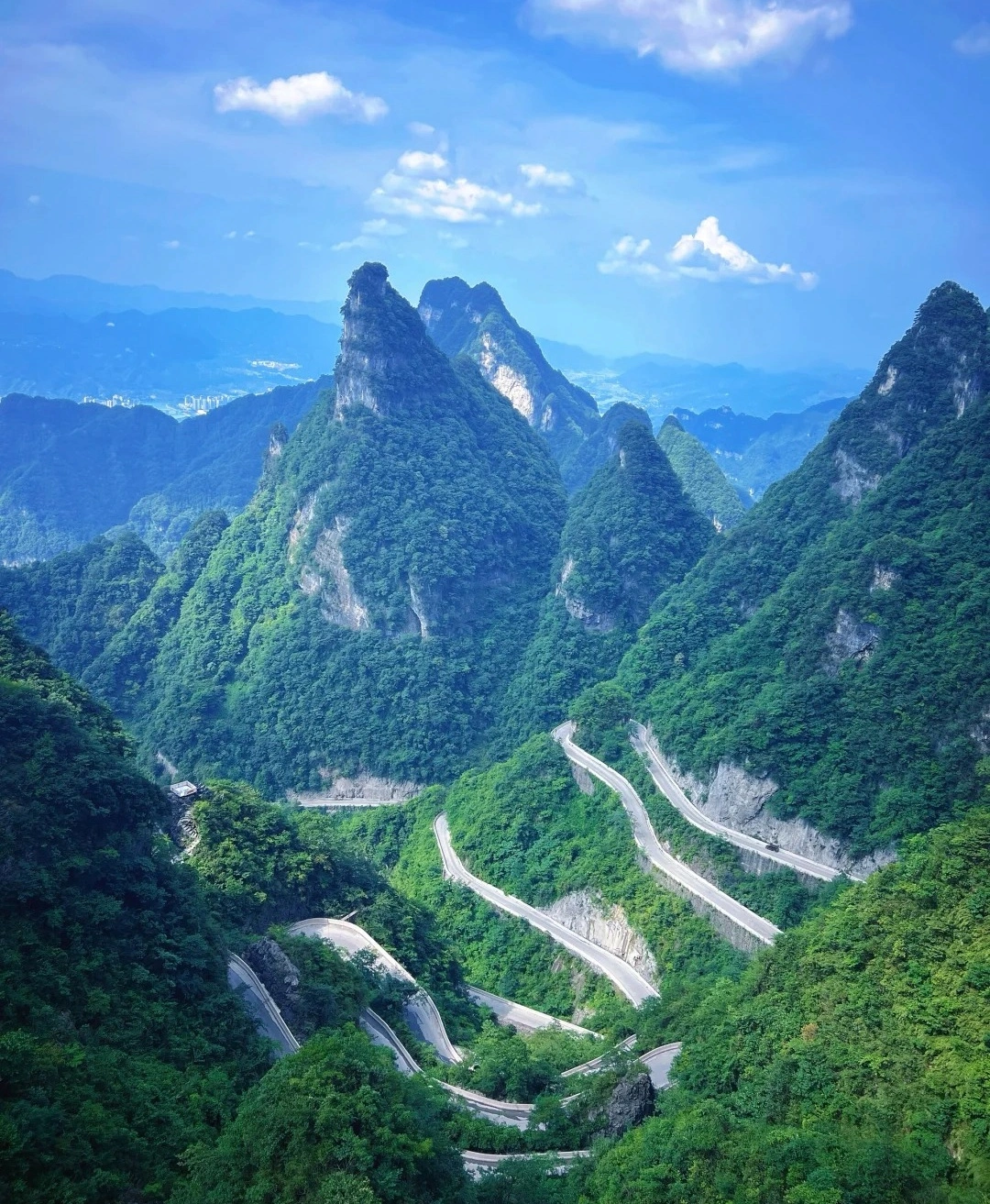
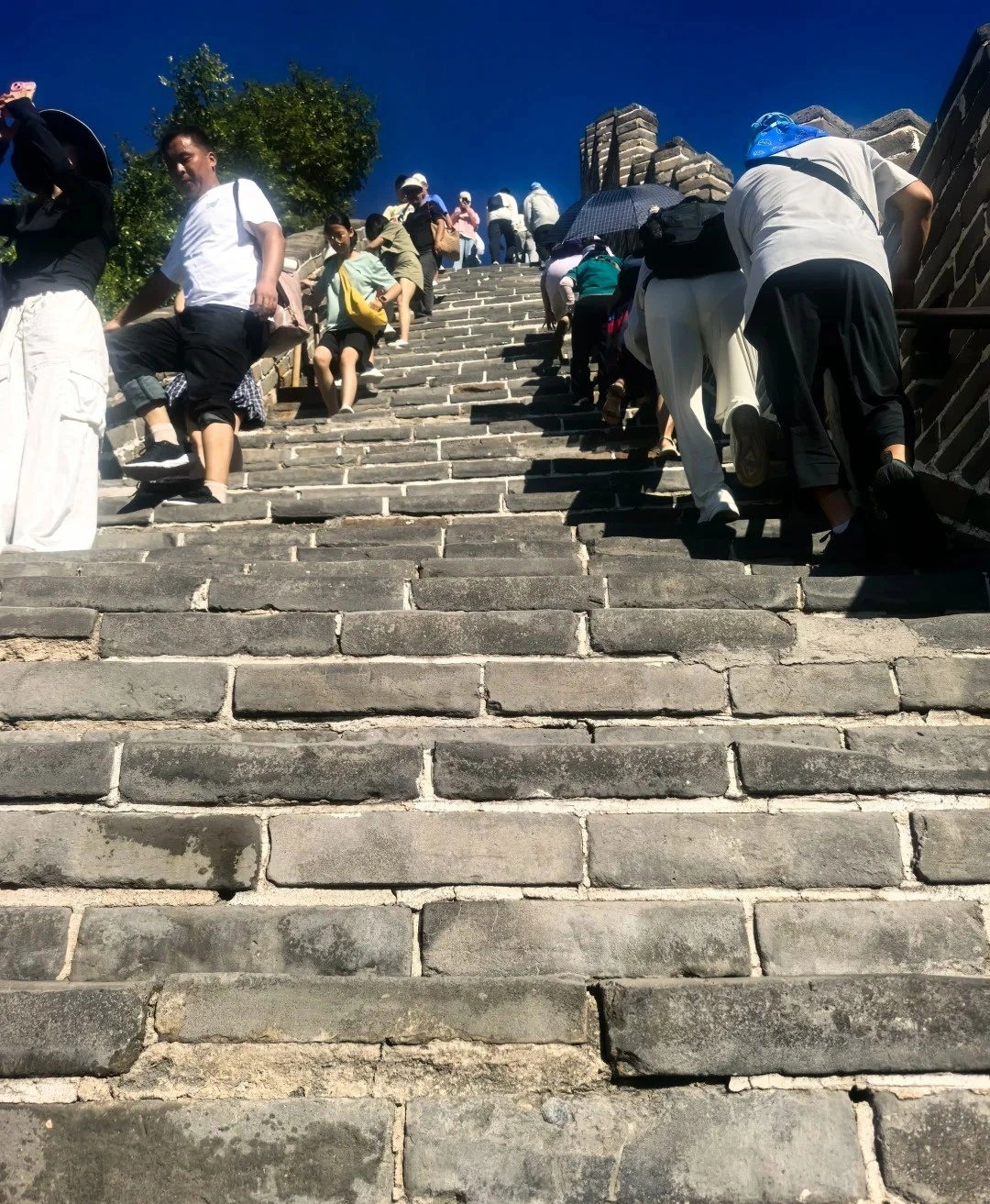
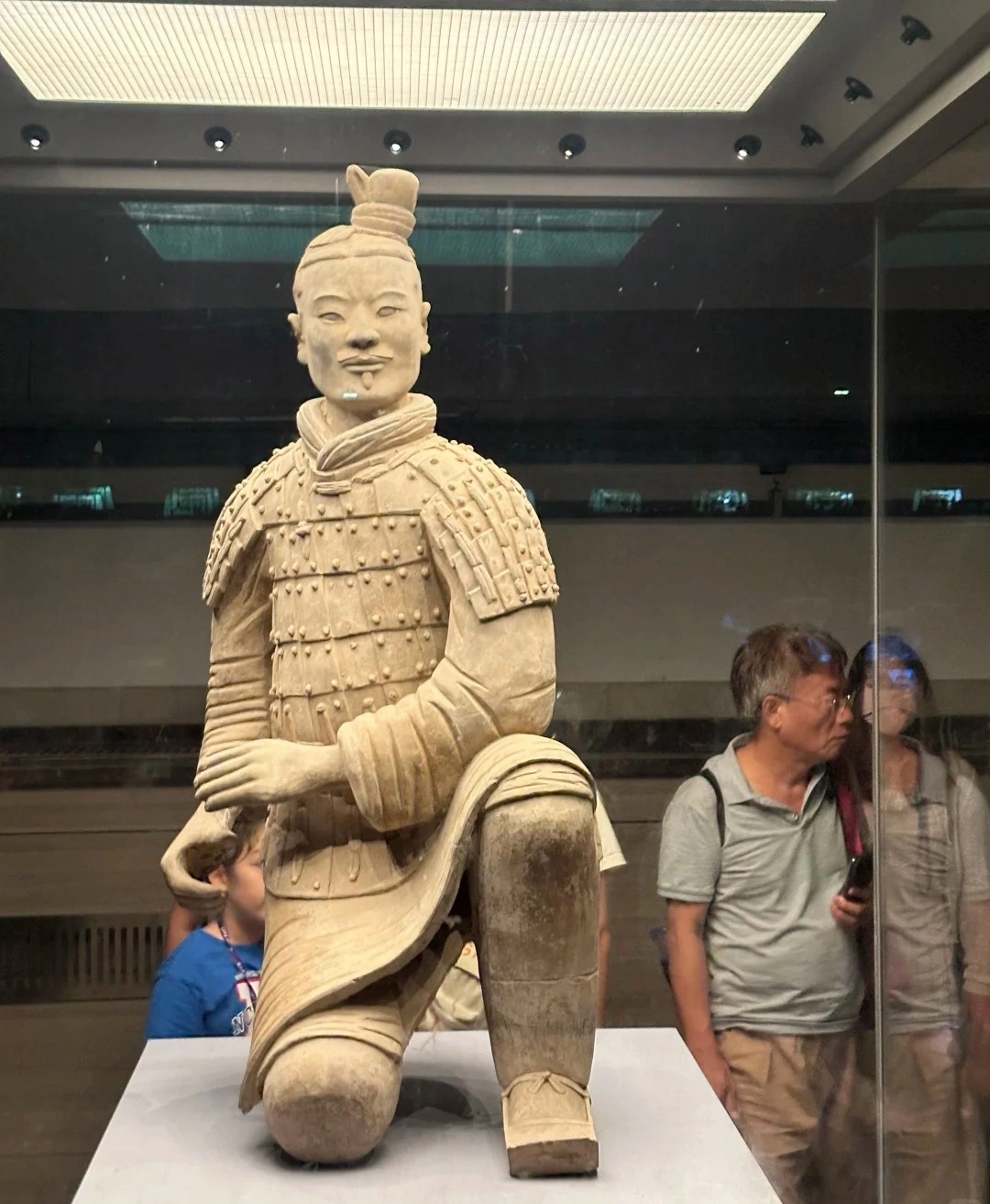
As a solo traveler from Canada, I was nervous about navigating China alone—but this 11-day tour was PERFECT! From hiking the Great Wall at sunrise (Day 3) to gasping at the Terracotta Army (Day 5), every day delivered ‘pinch-me’ moments. The real showstopper? Zhangjiajie’s Avatar Mountains (Day 7)! Our guide made the stone pillars come alive with stories.
Massive thanks for handling all logistics—bullet train tickets, entry passes, car! And the 4-star hotels surprised me.
Destination(s):
Beijing Xian Zhangjiajie Shanghai
Date of
Experience:
June 02,2025

Simon
America
Reviewed on May 29,2025
Our 2-day Zhangjiajie tour was beyond spectacular! As someone who’s visited Beijing and Shanghai for work, this trip revealed China’s wild, magical heart. Day 1 in Zhangjiajie National Forest Park felt like stepping onto Pandora—I’m a huge Avatar fan, and Yuanjiajie’s floating peaks left me breathless. The misty pillars and lush valleys like pure movie magic!
Then came Fenghuang Ancient Town, we eat dinner beside the thundering waterfall. It seems Unreal! The night views of stilt houses glowing over the river were straight from a fairy tale.
For fellow Avatar lovers and adventure seekers: Don’t miss this bucket-list experience! 10/10 would return.
A Well-Traveled Film Buff, May 2025
Destination(s):
Zhangjiajie
Date of
Experience:
May 08,2025