
Eastern Buddhist Capital
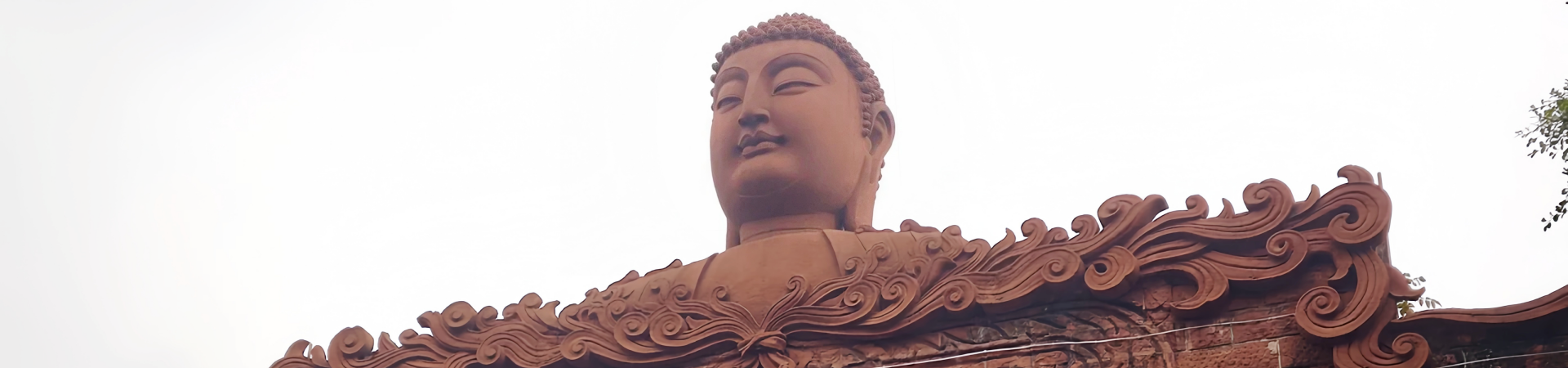
Eastern Buddha Paradise, located near the renowned Leshan Giant Buddha in Sichuan Province, China, is a sprawling cultural and religious site that showcases an impressive collection of Buddhist statues and sculptures. Set amidst lush natural scenery, the park features a diverse array of Buddha figures in various poses and styles, reflecting the rich artistic heritage of Buddhism. Visitors can explore tranquil gardens, ancient-style caves, and grand halls, all dedicated to the worship and appreciation of Buddhist art and culture, making it a must-visit destination for those seeking spiritual enrichment and cultural exploration.
Introduction & Historical Significance
Located in Leshan City, Sichuan Province, this UNESCO-recognized 4A-level scenic area adjoins The Leshan Giant Buddha. Originally established during the Tang Dynasty, it was rebuilt in 1994 to restore Tang-style architecture after anti-Yuan war destruction. As an extension of the World Heritage Site, it merges ancient Buddhist art with modern sculptural techniques, earning the title "Eastern Louvre" for its artistic and historical value.
Architectural Layout & Design
The 632,000 m² complex features over 100 interconnected stone caves and sculptures, including:
- 170m Eastern Reclining Buddha: Depicting Buddha's nirvana with intricate drapery details.
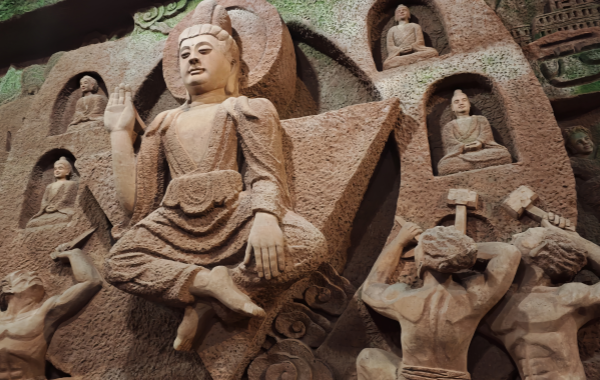
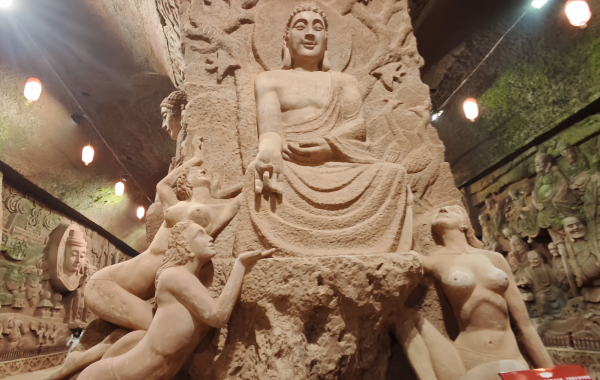
- 700m Palace of Ten Thousand Buddhas: Underground cave system with thousands of statues, including giant Four Heavenly Kings.
- 51m Medicine Buddha Statue: Gilded sculpture surrounded by Buddhist medical murals.
Designed by Sichuan Academy of Fine Arts professors with顾问刘开渠, it integrates cliff carving traditions with Western anatomical aesthetics, enhanced by warm-toned cave lighting for sacred ambiance.
Major Attractions
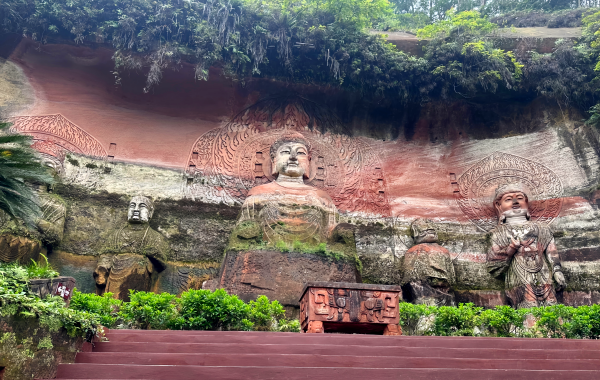
- Eastern Reclining Buddha: Monumental sandstone sculpture with expressive facial details.
- Palace of Ten Thousand Buddhas: Labyrinthine caves showcasing Sakyamuni and thousands of smaller Buddhas.
- Medicine Buddha Hall: 51m-high statue with accompanying medicinal lore murals.
- Lianxin Mountain: Linked to Su Shi's romantic legend, offering panoramic views.
- Arhat Cave: 500 life-sized arhat sculptures in dynamic poses.
Ticket Information
- Standard Ticket: ¥80/adult (¥40-50 concessions); free for children <1.2m.
- Combined Tickets: ¥159 with Leshan Giant Buddha access.
- Hours: 08:00-18:00 (last entry 17:30).
Transportation Guide
- From Chengdu:
- High-Speed Train: 1-hour to Leshan Station, then bus 3/13 to site.
- Self-Drive: 2-hour via Chengdu-Leshan Expressway.
- Local Transit: Shuttle buses connect with Leshan Giant Buddha; bike rentals available.
Best Time & Tips
- Seasons: April-June (blossoms) and September-November (foliage).
- Photography: Dawn for misty vistas; dusk for golden-hour lighting.
- Etiquette: Remove hats in sacred zones; join guided meditation.
- Dining: Try Sweet Skin Tofu and Sichuan hotpot near exit.
Nearby Attractions & Itineraries
- Combined Tours:
- Morning: Cave exploration + Leshan Giant Buddha boat tour.
- Afternoon: Emei Mountain temples or Luocheng Ancient Town.
- Evening: Jinjiang River night cruise.
- Cultural Synergy: Pair with Dujiangyan Irrigation System for engineering-spiritual insights.
Eastern Buddha Metropolis stands as a testament to China's Buddhist art legacy—a living museum where ancient wisdom meets modern creativity, inspiring global visitors with its monumental sculptures and spiritual resonance.
Contact Us
Что говорят наши клиенты?
На основе более 10 000 отзывов путешественников

Daniel Dorothea
Canada
Reviewed on April 29,2025
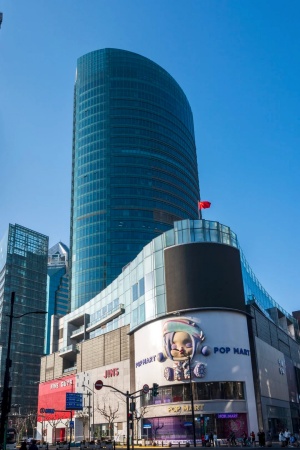
Shopping on Nanjing Road in Shanghai was just amazing! It's truly the "First Commercial Street of China", where tradition and modernity blend perfectly. You can find awesome souvenirs and experience the trendy vibes in cool stores. The neon lights at night are just spectacular, shining bright like Times Square in New York. The food here is incredible too. I had a feast for my taste buds. Shanghai, I'll definitely be back!
Destination(s):
Shanghai
Date of
Experience:
May 08,2024

Elvis Eva
Canada
Reviewed on June 20,2025
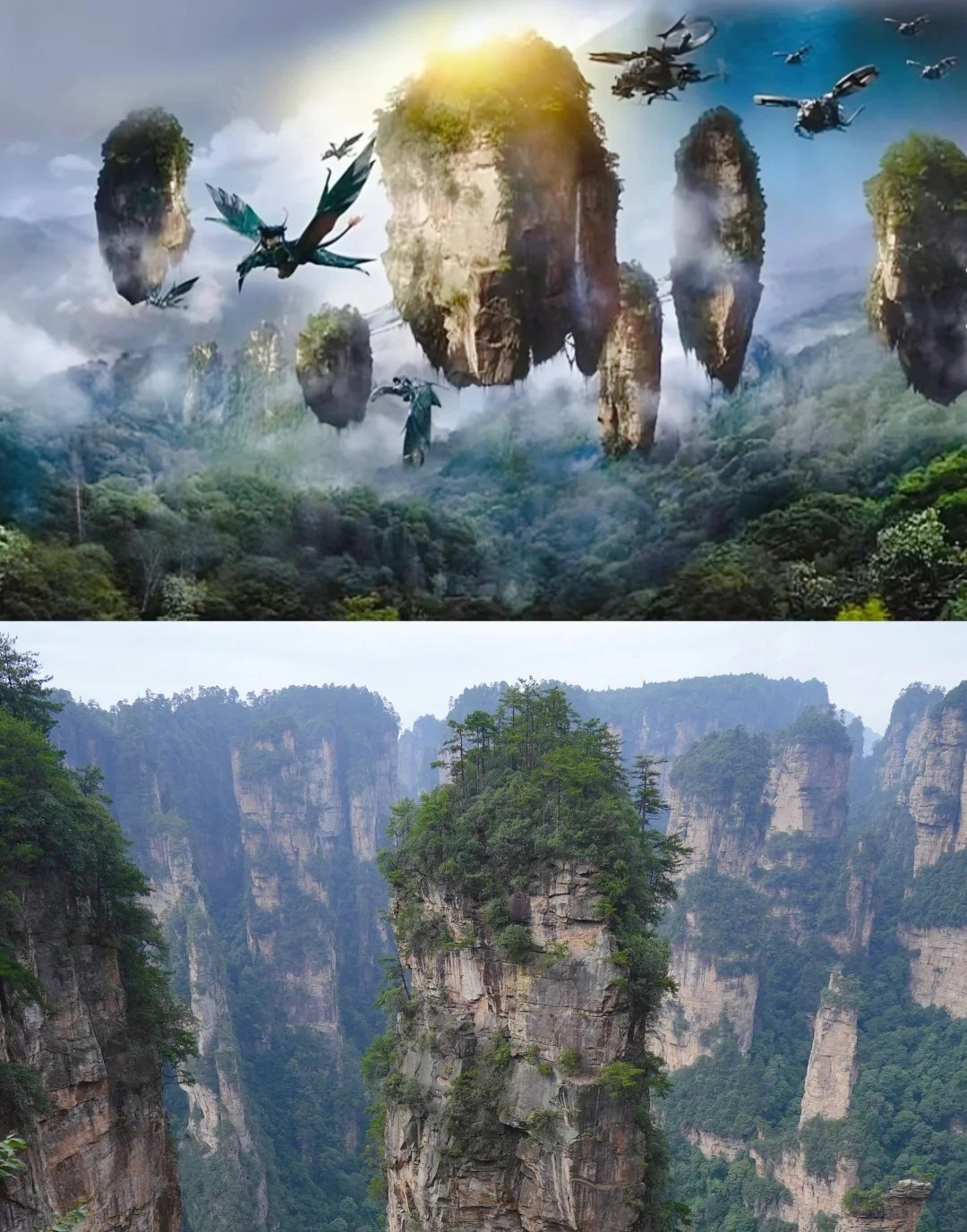
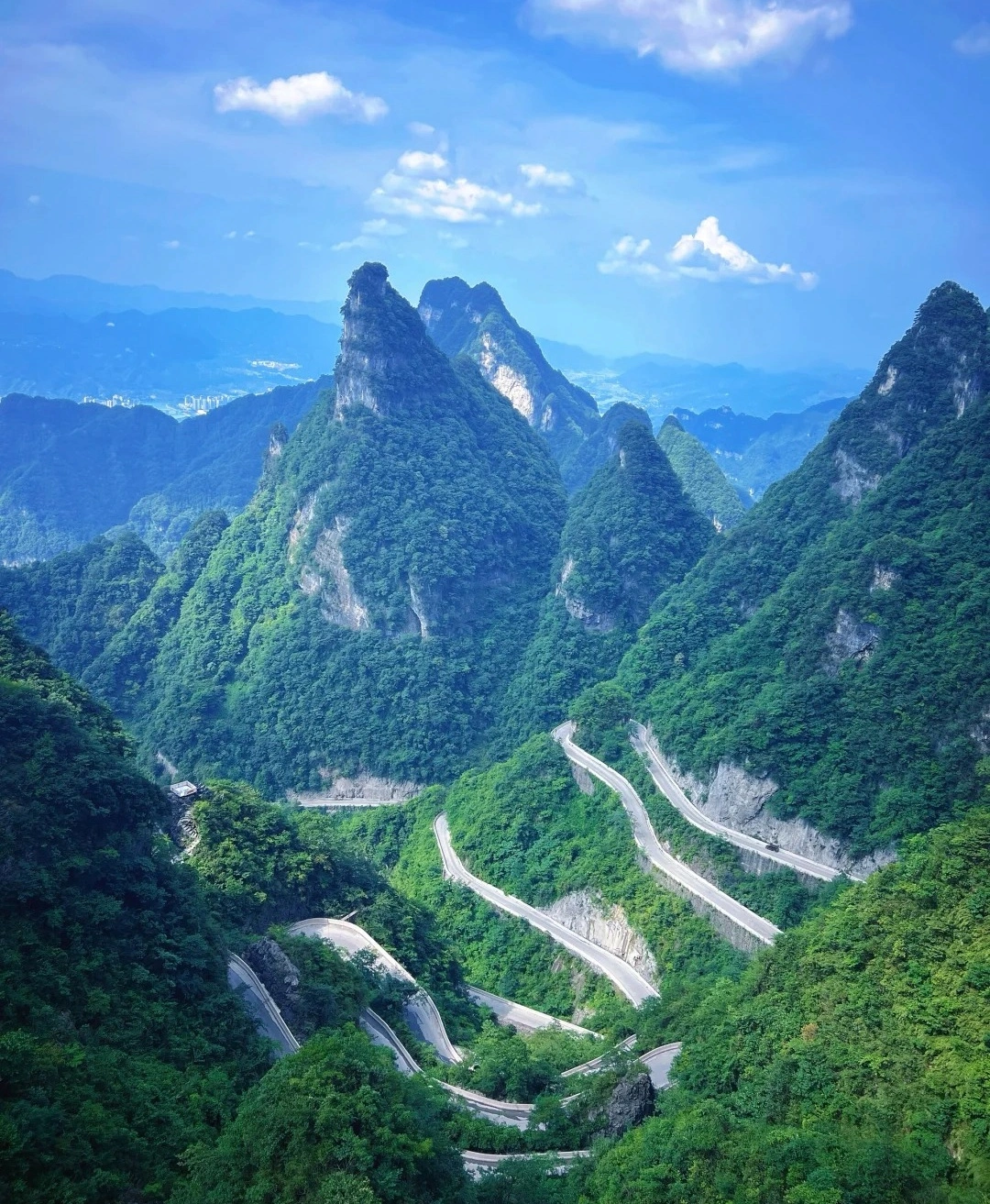
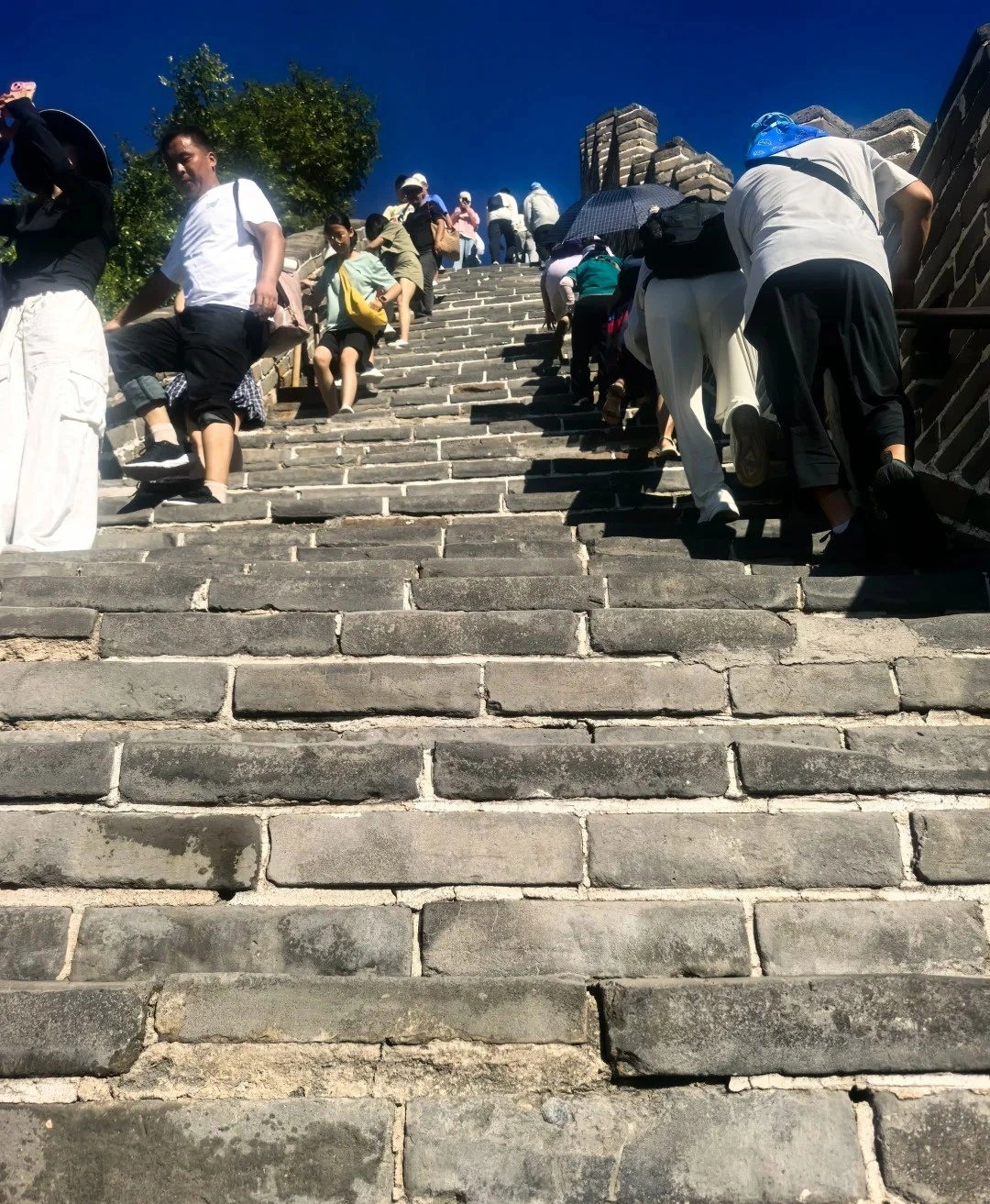
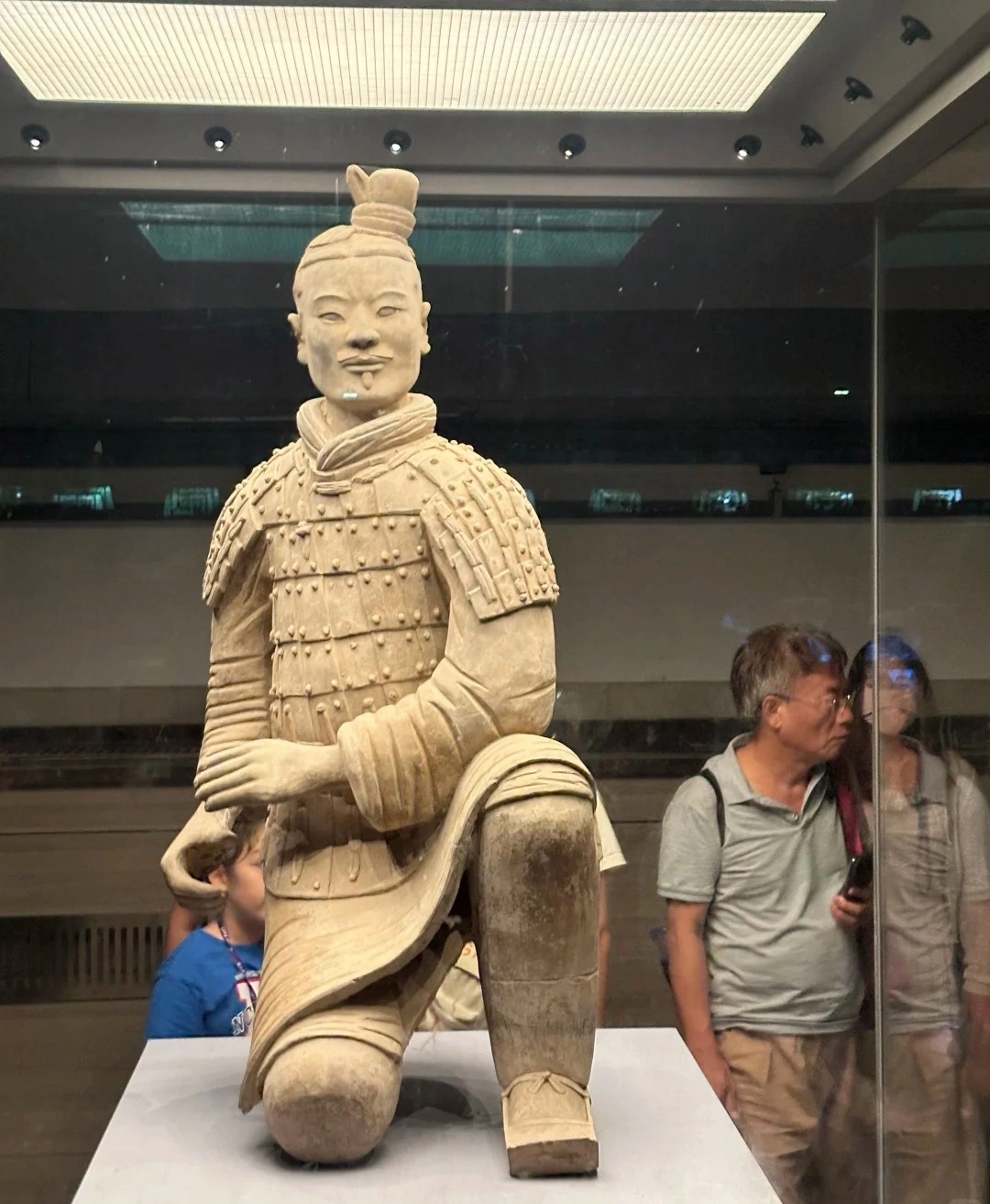
As a solo traveler from Canada, I was nervous about navigating China alone—but this 11-day tour was PERFECT! From hiking the Great Wall at sunrise (Day 3) to gasping at the Terracotta Army (Day 5), every day delivered ‘pinch-me’ moments. The real showstopper? Zhangjiajie’s Avatar Mountains (Day 7)! Our guide made the stone pillars come alive with stories.
Massive thanks for handling all logistics—bullet train tickets, entry passes, car! And the 4-star hotels surprised me.
Destination(s):
Beijing Xian Zhangjiajie Shanghai
Date of
Experience:
June 02,2025

Simon
America
Reviewed on May 29,2025
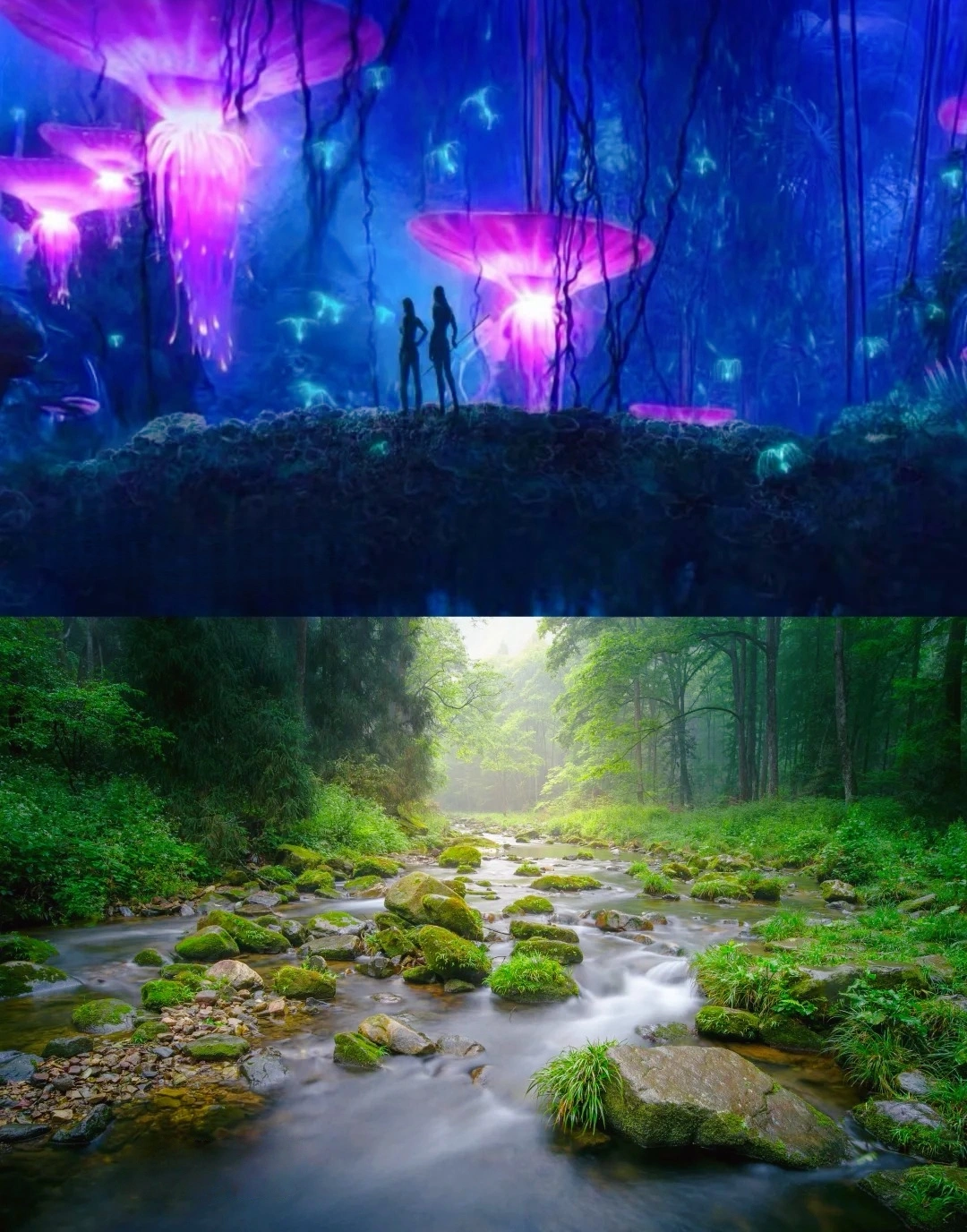
Our 2-day Zhangjiajie tour was beyond spectacular! As someone who’s visited Beijing and Shanghai for work, this trip revealed China’s wild, magical heart. Day 1 in Zhangjiajie National Forest Park felt like stepping onto Pandora—I’m a huge Avatar fan, and Yuanjiajie’s floating peaks left me breathless. The misty pillars and lush valleys like pure movie magic!
Then came Fenghuang Ancient Town, we eat dinner beside the thundering waterfall. It seems Unreal! The night views of stilt houses glowing over the river were straight from a fairy tale.
For fellow Avatar lovers and adventure seekers: Don’t miss this bucket-list experience! 10/10 would return.
A Well-Traveled Film Buff, May 2025
Destination(s):
Zhangjiajie
Date of
Experience:
May 08,2025