
Wenbi Village
Wenbi Village, nestled beside the shimmering Erhai Lake in Dali, Yunnan Province, China, is a charming and tranquil destination that blends natural beauty with cultural richness. The village is renowned for its picturesque landscapes, featuring terraced fields, lush greenery, and traditional Bai ethnic architecture. Visitors to Wenbi Village can enjoy leisurely strolls along the lakeside promenade, explore ancient temples, and immerse themselves in the local way of life. The village's serene ambiance and stunning scenery make it an ideal retreat for those seeking peace and a deeper connection with nature and culture.
Introduction & Historical Significance
Nestled on the eastern shore of Erhai Lake in Dali City, Yunnan Province, Wenbi Village is a historic settlement with roots tracing back to the Yuan Dynasty when it served as the administrative center of Xinghua County. Renamed "Wenbi" for its resemblance to a writing brush pointing skyward, the village embodies a fusion of ancient Nanzhao culture, Bai ethnic traditions, and modern coastal charm. As a UNESCO-recognized cultural gem, it preserves over 1,200 years of history through its Ancient City walls, Buddhist temples, and Tang-Song stone carvings, including the famed "Fugu Shanhe" cliff inscription by anti-Japanese general Huang Zhenwu. Today, it thrives as a vibrant "literary village" blending rural tranquility with creative tourism.
Architectural Layout & Design
The village harmonizes traditional Bai architecture with contemporary coastal aesthetics:
- Historic Core: Preserved Yuan-Ming structures like the Xinghua County God Temple (1312 CE) with dragon-carved stone slabs, and Wenfeng Palace (1226 CE) featuring Qing-era woodcarvings and a 14.33m jade-carved Mazu statue.
- Modern Landmarks: The 3km "Rainbow Road"—a vibrant coastal avenue with cacti and floral bands—connects to the iconic "Sea Chapel" (20元 entry), a white minimalist chapel offering panoramic Erhai views.
- Cultural Integration: Traditional "three-house-one-screen" courtyards coexist with luxury resorts like Yang Canshui Villa, featuring infinity pools, glass-walled dining, and starry-night terraces.
- Ecological Corridors: Stone-paved lanes wind through ancient ginkgo groves, rice terraces, and wetlands, culminating in cliff-top viewing platforms.
Major Attractions
- Rainbow Road & Coastal Views: Stroll or cycle along the colored coastal path for sunrise/sunset vistas over Erhai and Cangshan Mountain.
- Sea Chapel: A postcard-perfect white chapel with a sea-facing balcony, ideal for weddings and photography.
- Cliffside Observation Decks: 360° vistas from the village summit, especially magical during golden-hour sunsets.
- Cultural Relics: Explore Tang-Song cliff inscriptions, Ming-Qing stone bridges, and the ancient kiln sites of Guoyang Mountain.
- Artistic Hubs: The "Ink Stone Creative Park" hosts calligraphy workshops, while "Tranquil Sunset Restaurant" offers al fresco dining with sea views.
Ticket Information
- Free Entry: Most village areas open 24/7; specialized venues (e.g., Sea Chapel, museums) charge ¥20–50.
- Guided Tours: ¥80–150 for historical and ecological tours, including temple visits and ancient trail hikes.
- Special Venues: Separate tickets for cultural performances (¥50–100) and workshops (¥30–80).
- Parking: ¥10/day at north gate; electric shuttles connect major sites.
Transportation Guide
- Self-Drive: 40-minute drive from Dali Ancient City via G348; parking at village entrance.
- Public Transport: Take bus 2 to Erhai East Station, then taxi (¥30) or shuttle (¥10) to village.
- Rentals: Electric bikes (¥50–80/day) for coastal rides; shared cars available via app.
- Airport Access: Direct shuttle from Dali Airport (¥50) or taxi (¥120).
Best Time & Tips
- Optimal Seasons: March–June (spring blooms) and September–November (mild weather); avoid summer monsoons.
- Photography: Dawn for misty coastal vistas; dusk for golden-hour lighting on temples and cliffs.
- Cultural Etiquette: Remove hats in temples; greet locals with "Xing hao" (good morning).
- Packing: Light layers, sunscreen, hats, and sturdy shoes; bring cash for markets.
- Dining: Must-try dishes include "Bai-style spicy fish, fried cheese, and rose jam.
Nearby Attractions & Itineraries
- Combined Tours:
- Morning: Rainbow Road cycling + Sea Chapel sunrise photography.
- Afternoon: Visit Chongsheng Three Pagodas (15km) or Shuanglang Ancient Town (12km) for cultural immersion.
- Evening: Jinma Biji Square night market or Cangshan Mountain sunset hike.
- Cultural Synergy: Pair with Xizhou Village for Bai crafts or Erhai Lake boat tours for aquatic landscapes.
Wenbi Village is a symphony of history and nature—where ancient stones whisper tales of emperors, and coastal breezes carry the scent of wildflowers. As a UNESCO-recognized sanctuary, it continues to inspire global travelers seeking both cultural depth and coastal serenity in China’s Southwest.


Contact Us
Что говорят наши клиенты?
На основе более 10 000 отзывов путешественников

Daniel Dorothea
Canada
Reviewed on April 29,2025
Shopping on Nanjing Road in Shanghai was just amazing! It's truly the "First Commercial Street of China", where tradition and modernity blend perfectly. You can find awesome souvenirs and experience the trendy vibes in cool stores. The neon lights at night are just spectacular, shining bright like Times Square in New York. The food here is incredible too. I had a feast for my taste buds. Shanghai, I'll definitely be back!
Destination(s):
Shanghai
Date of
Experience:
May 08,2024


Elvis Eva
Canada
Reviewed on June 20,2025
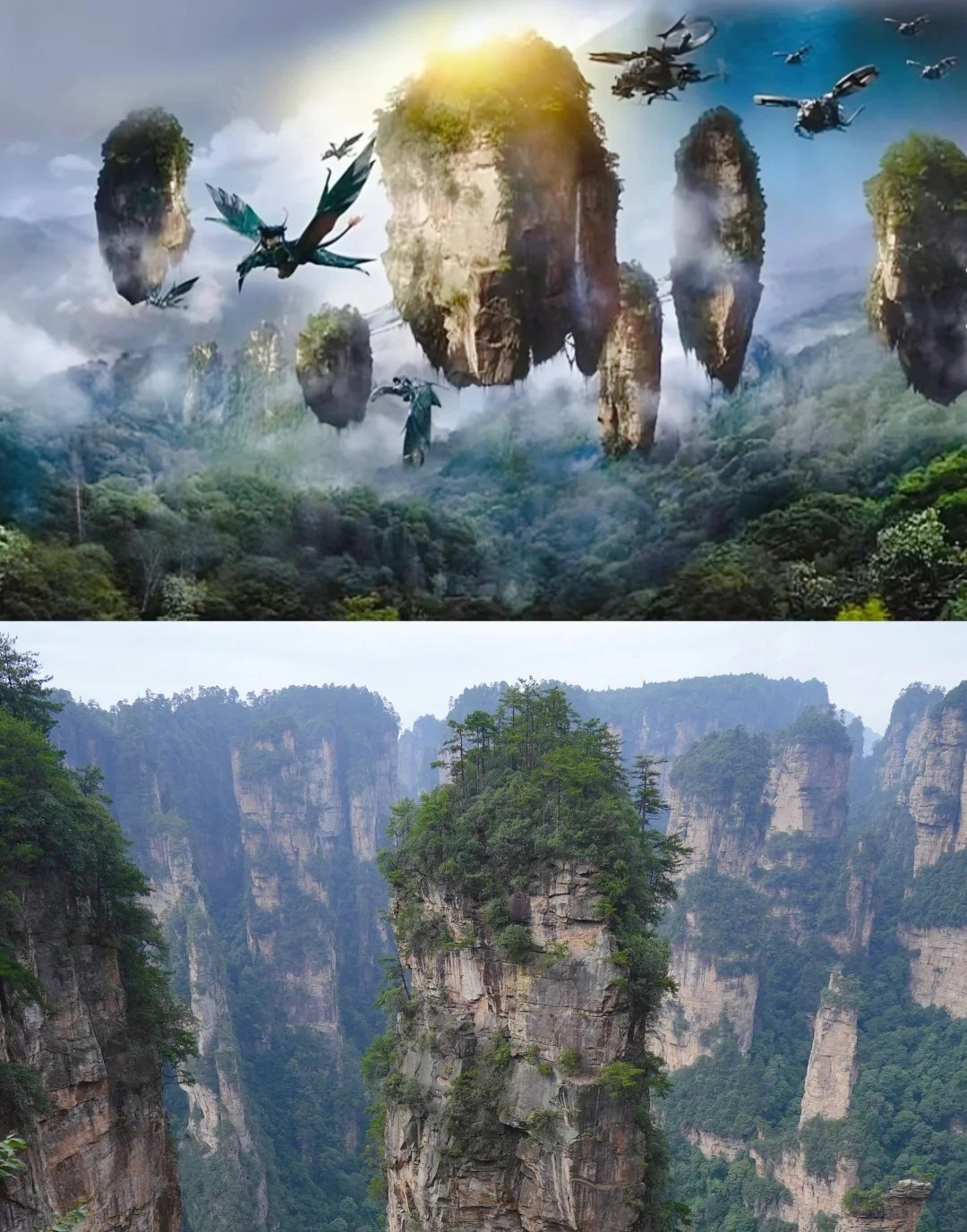
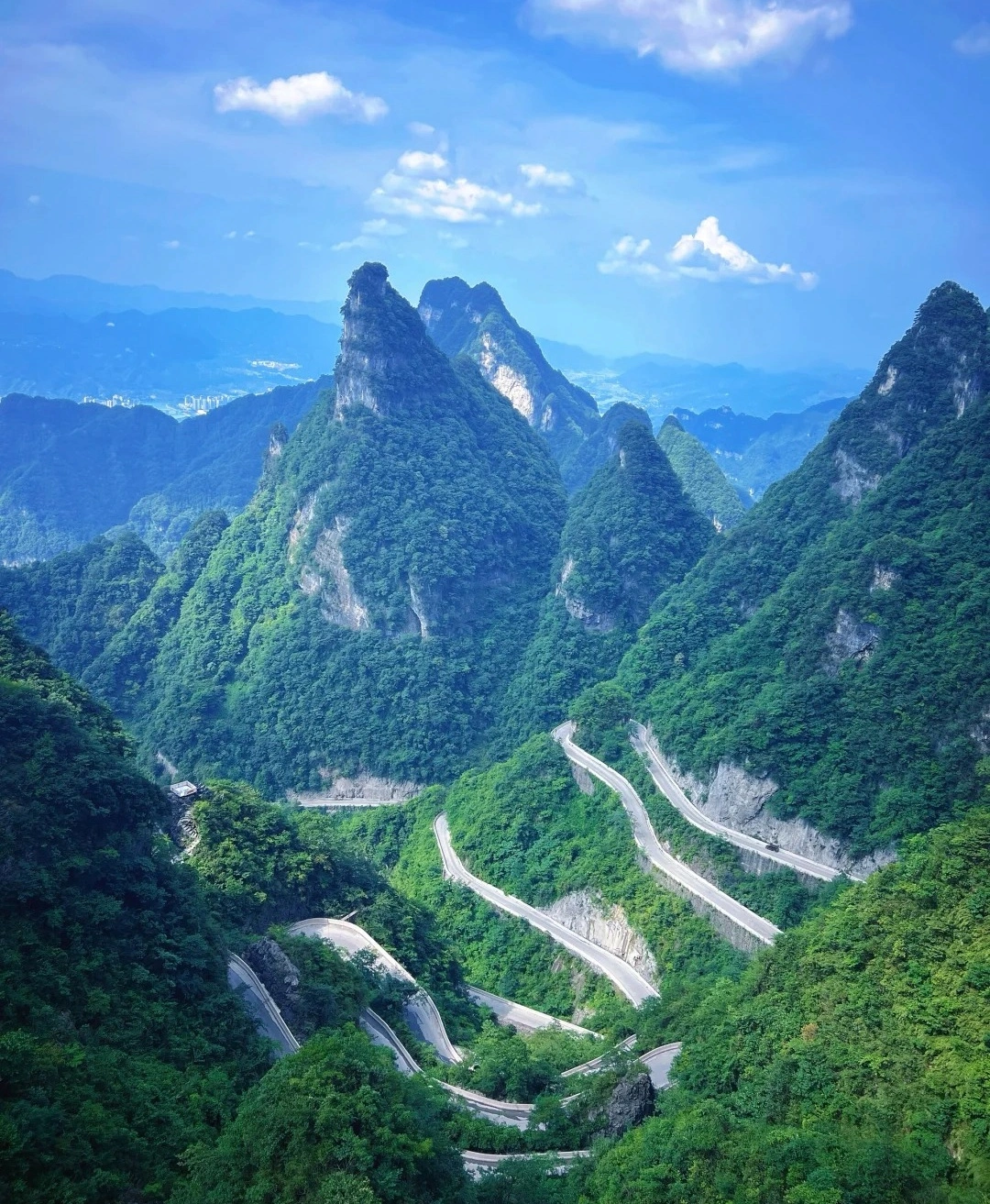
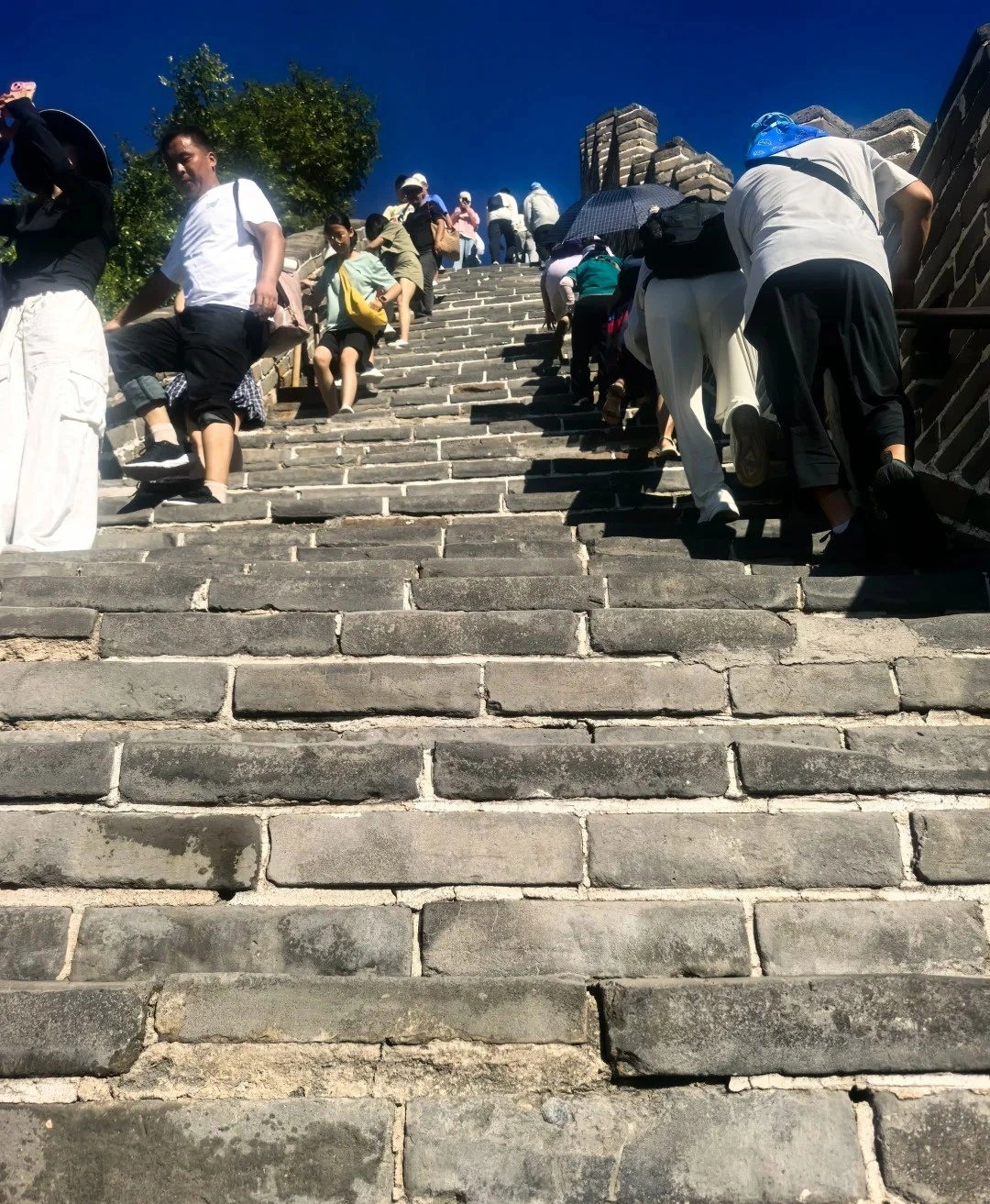
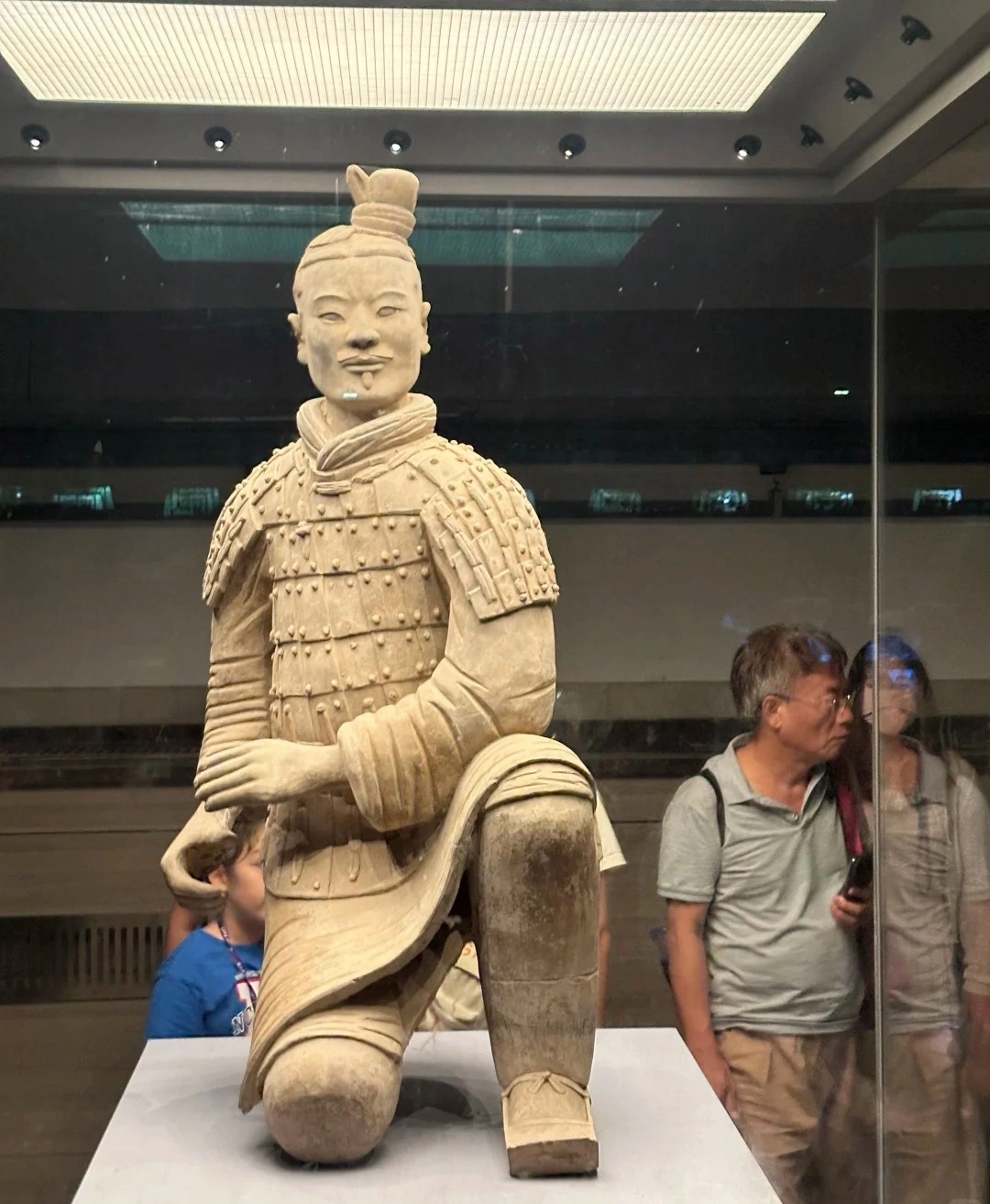
As a solo traveler from Canada, I was nervous about navigating China alone—but this 11-day tour was PERFECT! From hiking the Great Wall at sunrise (Day 3) to gasping at the Terracotta Army (Day 5), every day delivered ‘pinch-me’ moments. The real showstopper? Zhangjiajie’s Avatar Mountains (Day 7)! Our guide made the stone pillars come alive with stories.
Massive thanks for handling all logistics—bullet train tickets, entry passes, car! And the 4-star hotels surprised me.
Destination(s):
Beijing Xian Zhangjiajie Shanghai
Date of
Experience:
June 02,2025

Simon
America
Reviewed on May 29,2025
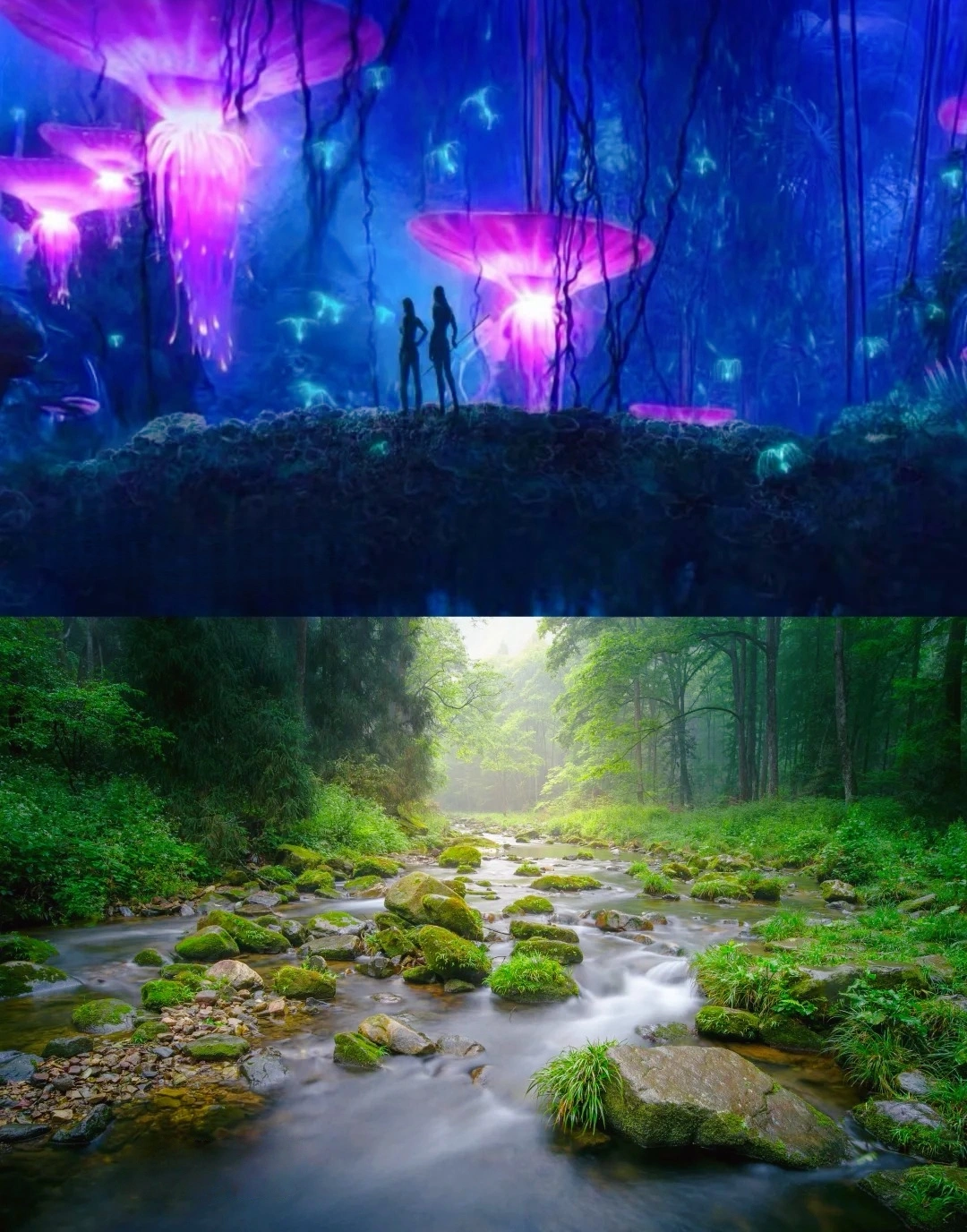
Our 2-day Zhangjiajie tour was beyond spectacular! As someone who’s visited Beijing and Shanghai for work, this trip revealed China’s wild, magical heart. Day 1 in Zhangjiajie National Forest Park felt like stepping onto Pandora—I’m a huge Avatar fan, and Yuanjiajie’s floating peaks left me breathless. The misty pillars and lush valleys like pure movie magic!
Then came Fenghuang Ancient Town, we eat dinner beside the thundering waterfall. It seems Unreal! The night views of stilt houses glowing over the river were straight from a fairy tale.
For fellow Avatar lovers and adventure seekers: Don’t miss this bucket-list experience! 10/10 would return.
A Well-Traveled Film Buff, May 2025
Destination(s):
Zhangjiajie
Date of
Experience:
May 08,2025