
Reed Flute Cave
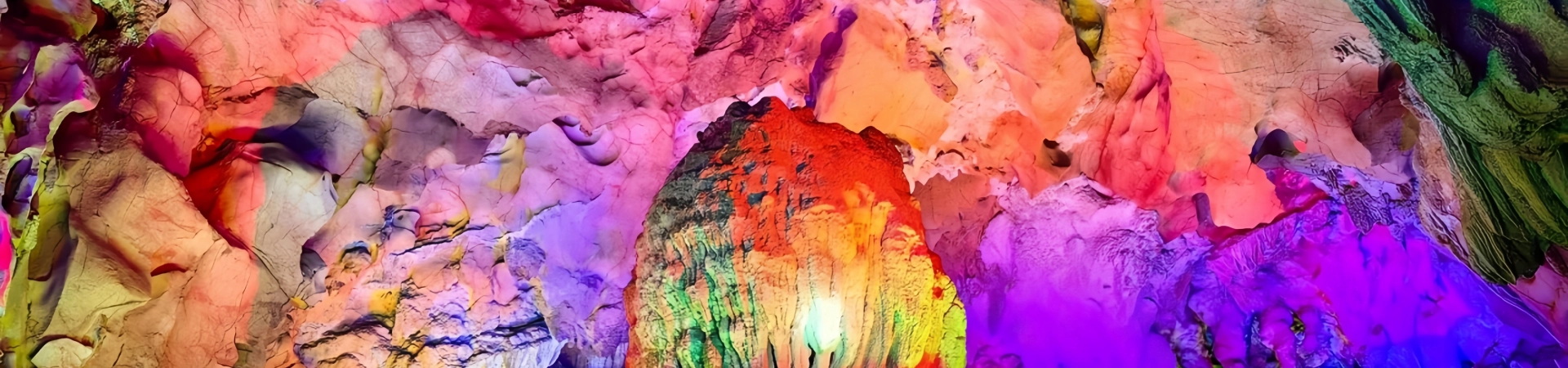
Reed Flute Cave (Ludi Dong), known as the "Palace of Natural Arts," is a stunning limestone cave located in Guilin, China, renowned for its spectacular rock formations, vibrant lighting, and historical inscriptions. Formed over millions of years, the cave features a labyrinth of stalactites, stalagmites, and other geological wonders illuminated by multicolored lights, creating a surreal, otherworldly atmosphere. Inside, visitors can admire famous formations like "Crystal Palace" and "Dragon Pagoda," while ancient Chinese inscriptions dating back to the Tang Dynasty (7th–9th centuries) add cultural depth. As one of Guilin’s most iconic attractions, Reed Flute Cave offers a mesmerizing blend of natural beauty and historical intrigue, making it a must-visit destination for travelers exploring southern China’s karst landscapes.
Introduction & Historical Significance
Nestled in Guilin, Guangxi Zhuang Autonomous Region, Ludi Cave (Reed Flute Cave) is a UNESCO-recognized 5A-level scenic area and one of China’s most iconic karst caves. Named for the reeds once used to craft flutes near its entrance, this "Natural Art Palace" has a history spanning over 1,300 years, with formal development since 1962. Revered as the "Crown of Guilin’s Karst," it embodies harmony between nature and human craftsmanship. The cave has hosted over 45 million visitors globally, including 300+ foreign dignitaries, earning the title "State Guest Cave." Geologically, it formed from ancient marine limestone through millennia of water erosion and mineral deposition, featuring spectacular stalactites, stalagmites, and flowstones shaped like mythical beasts, pagodas, and human figures.
Architectural Layout & Design
The cave integrates natural grandeur with modern technology:
- Crystal Palace: A 3,000㎡ chamber hosting a 4D immersive show projecting geological evolution—from ice ages to stalactite growth—on its domed ceiling.
- Light & Sound Spectacle: LED lighting and holographic projections transform limestone formations into ever-changing landscapes, while acoustic systems enhance the ethereal ambiance.
- Sustainable Infrastructure: Eco-friendly pathways, rainwater systems, and solar-powered lighting minimize environmental impact.
- Historic Landmarks: The "King’s Needle" stalagmite, legendarily the Dragon King’s scepter, and Tang Dynasty inscriptions adorn the walls.
Major Attractions
- Seven Scenic Zones: Over 240 formations include the "Lion Peering at the Moon," "Dragon Pagoda," and "Mushroom Cloud"—each framed by dynamic lighting.
- 4D Visual Show: "Reed Flute Mirror" uses projection mapping to narrate Earth’s geological history, blending science with artistry.
- Cultural Exhibitions: The adjacent Reed Flute Cave Museum displays ancient fossils, geological samples, and historical artifacts.
- Guided Tours: Multilingual tours by the award-winning "Ladies’ Guide Team" (average age 23) offer five-star service, blending geological insights with local folklore.
Ticket Information
- Entry Fees: ¥82 (adults), ¥45 (students/seniors), with ¥155 VIP packages including premium seating and guided tours. Free for children under 1.2m.
- Combined Tickets: ¥200-350 multi-site passes with nearby attractions like Elephant Trunk Hill and Seven-Star Cave.
- Booking: Instant confirmation via official platforms; free cancellation 24h prior.
- Accessibility: Wheelchair-friendly paths and audio guides in six languages ensure inclusivity.
Transportation Guide
- Public Transit: Bus 3 from downtown Guilin (¥2, 30 mins); shuttle from Airport/railway stations (¥30-50).
- Self-Drive: 20-minute drive from central Guilin via G321 Highway; parking at site (¥10/day).
- Air/Rail: Direct flights to Guilin Liangjiang Airport or high-speed trains to Guilin Station, followed by shuttle/bus connections.
- Local Access: Electric shuttles within the park; bike rentals for nearby trails.
Best Time & Tips
- Optimal Seasons: Spring (Apr-May) for wildflowers; autumn (Oct-Nov) for clear skies. Avoid July-August monsoons.
- Photography: Dawn for misty cave entrances; sunset for golden-hour lighting. Use polarizing filters for color saturation.
- Cultural Etiquette: Respect Zhuang/Miao traditions during Festivals like "Singing Fair" (Aug).
- Packing: Polarized sunglasses, sturdy shoes, reusable water bottles, and high-SPF sunscreen.
- Safety: Acclimatize to humidity; avoid unmarked trails. Carry emergency contacts and oxygen tanks (¥30).
Nearby Attractions & Itineraries
- Combined Tours:
- Morning: Reed Flute Cave exploration + 4D show + geological museum.
- Afternoon: Elephant Trunk Hill + Li River cruise + local market.
- Evening: "Impression Liu Sanjie" outdoor performance or traditional tea ceremonies.
- Multi-Day Routes:
- 3-Day: Guilin → Reed Flute Cave → Longji Terraces → Yangshuo → Li River Cruise.
- 5-Day: Nanning → Guilin → Yangshuo → Dragon’s Back Terraces → Huangluo Yao Village.
Ludi Cave epitomizes the convergence of geological wonder, cultural heritage, and sustainable tourism. As a UNESCO gem, it invites global travelers to witness Earth’s raw beauty while honoring Guangxi’s minority traditions—a true sanctuary of China’s southern karst landscapes.


Contact Us
Что говорят наши клиенты?
На основе более 10 000 отзывов путешественников

Daniel Dorothea
Canada
Reviewed on April 29,2025
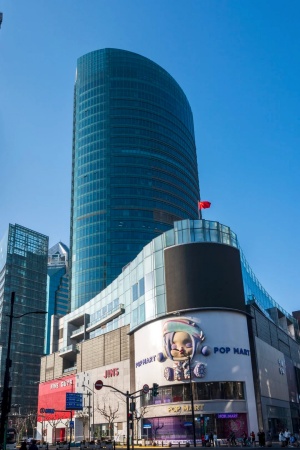
Shopping on Nanjing Road in Shanghai was just amazing! It's truly the "First Commercial Street of China", where tradition and modernity blend perfectly. You can find awesome souvenirs and experience the trendy vibes in cool stores. The neon lights at night are just spectacular, shining bright like Times Square in New York. The food here is incredible too. I had a feast for my taste buds. Shanghai, I'll definitely be back!
Destination(s):
Shanghai
Date of
Experience:
May 08,2024

Elvis Eva
Canada
Reviewed on June 20,2025
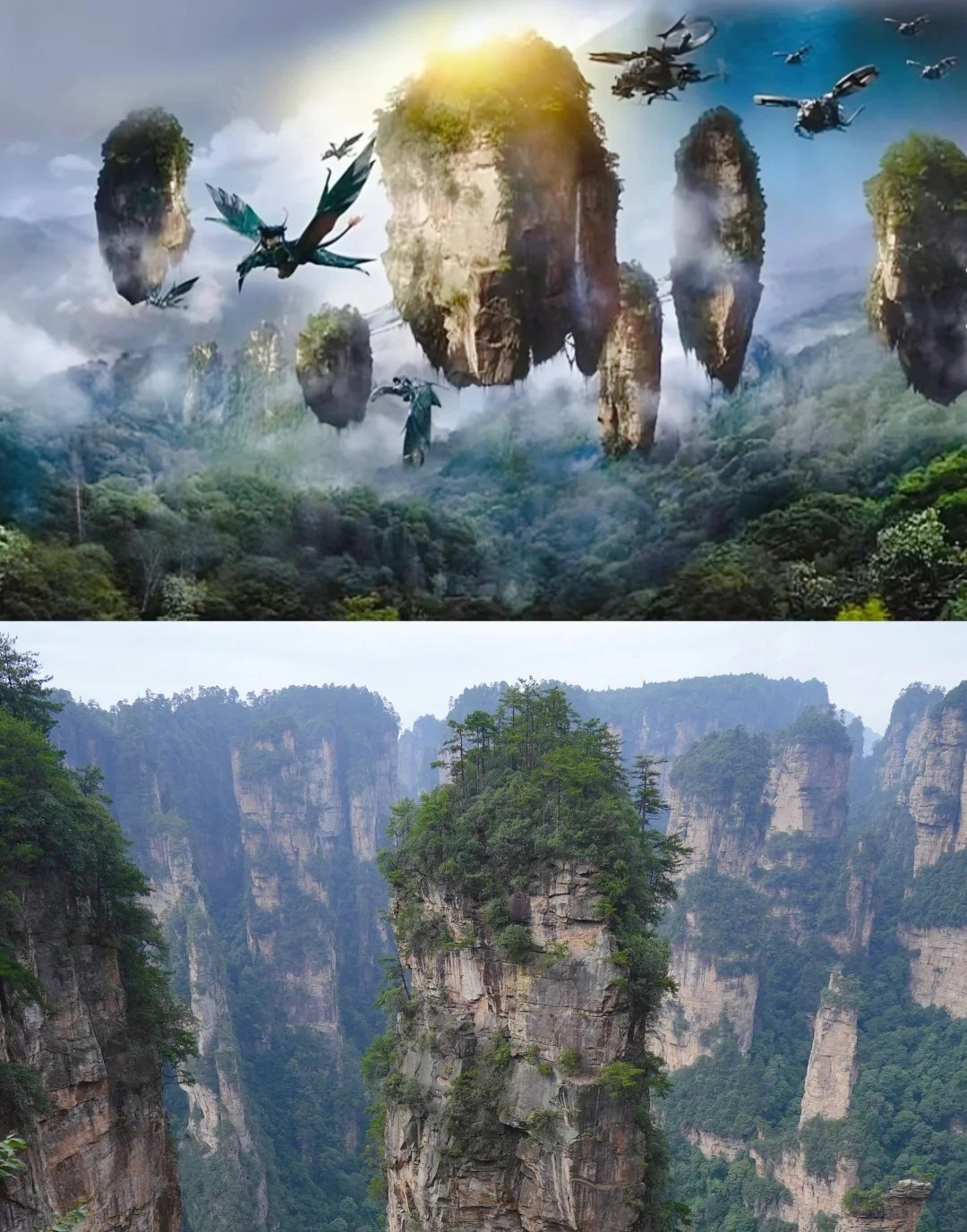
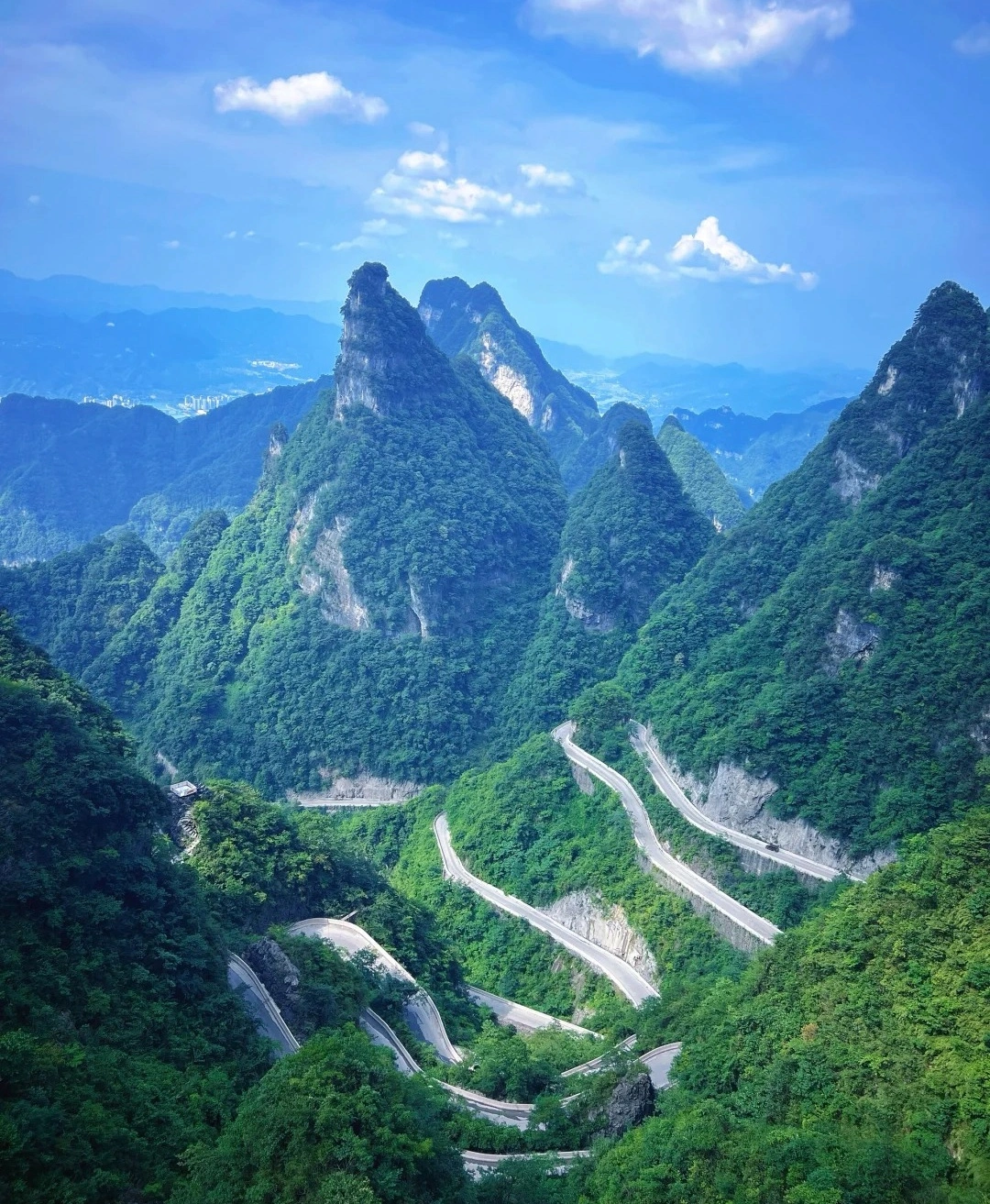
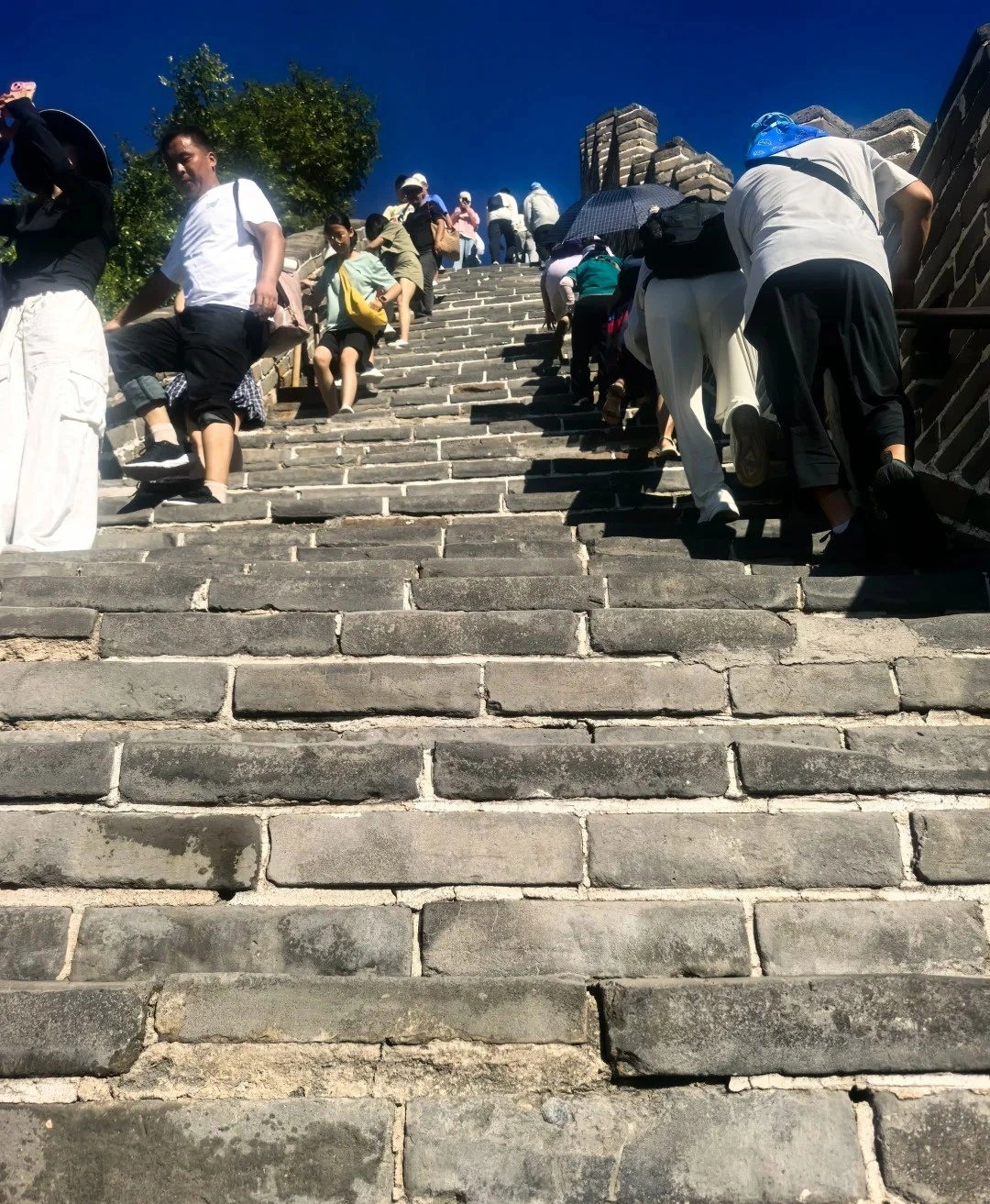
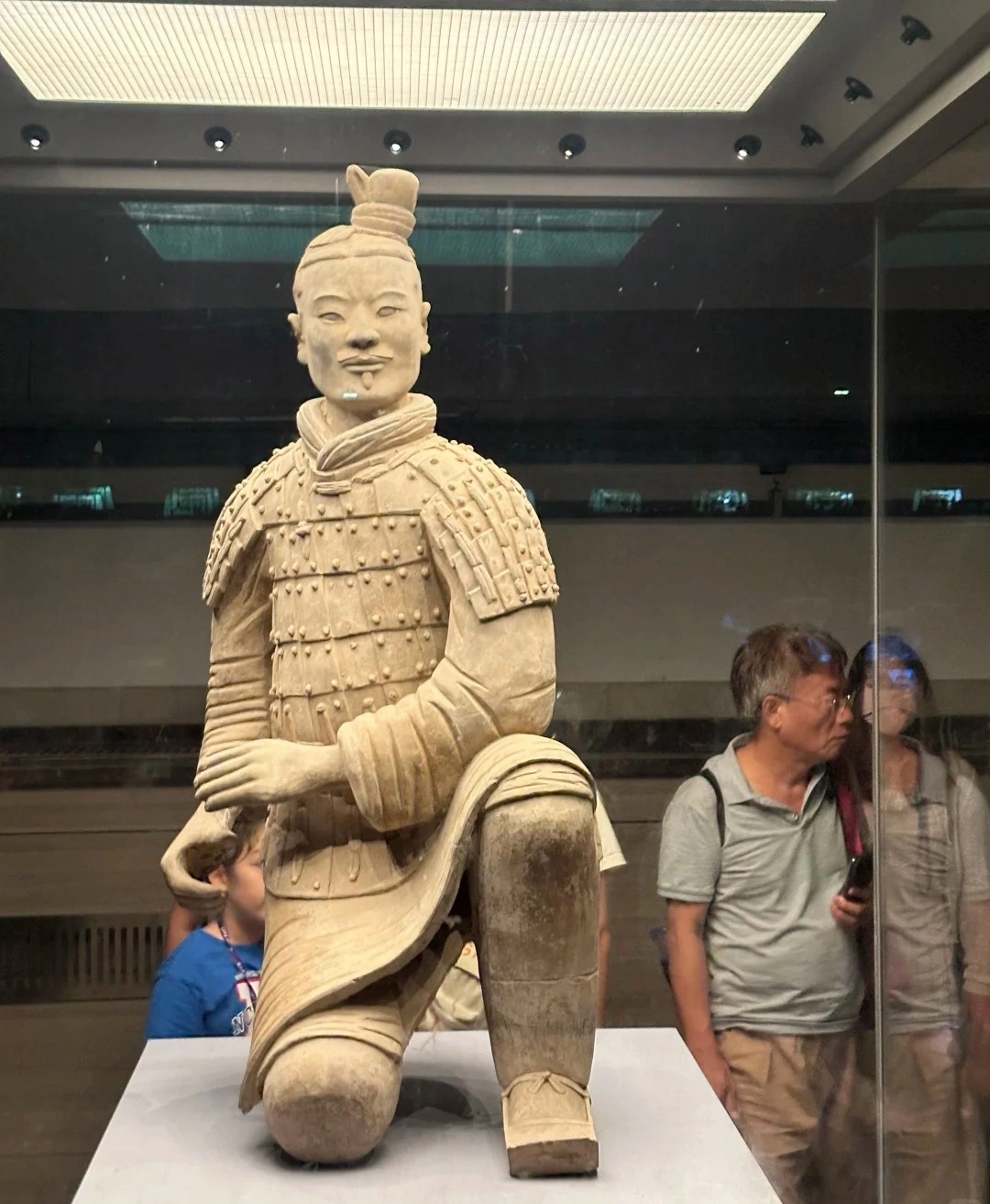
As a solo traveler from Canada, I was nervous about navigating China alone—but this 11-day tour was PERFECT! From hiking the Great Wall at sunrise (Day 3) to gasping at the Terracotta Army (Day 5), every day delivered ‘pinch-me’ moments. The real showstopper? Zhangjiajie’s Avatar Mountains (Day 7)! Our guide made the stone pillars come alive with stories.
Massive thanks for handling all logistics—bullet train tickets, entry passes, car! And the 4-star hotels surprised me.
Destination(s):
Beijing Xian Zhangjiajie Shanghai
Date of
Experience:
June 02,2025

Simon
America
Reviewed on May 29,2025
Our 2-day Zhangjiajie tour was beyond spectacular! As someone who’s visited Beijing and Shanghai for work, this trip revealed China’s wild, magical heart. Day 1 in Zhangjiajie National Forest Park felt like stepping onto Pandora—I’m a huge Avatar fan, and Yuanjiajie’s floating peaks left me breathless. The misty pillars and lush valleys like pure movie magic!
Then came Fenghuang Ancient Town, we eat dinner beside the thundering waterfall. It seems Unreal! The night views of stilt houses glowing over the river were straight from a fairy tale.
For fellow Avatar lovers and adventure seekers: Don’t miss this bucket-list experience! 10/10 would return.
A Well-Traveled Film Buff, May 2025
Destination(s):
Zhangjiajie
Date of
Experience:
May 08,2025