Оригинальное название: Seamless Connection Guide
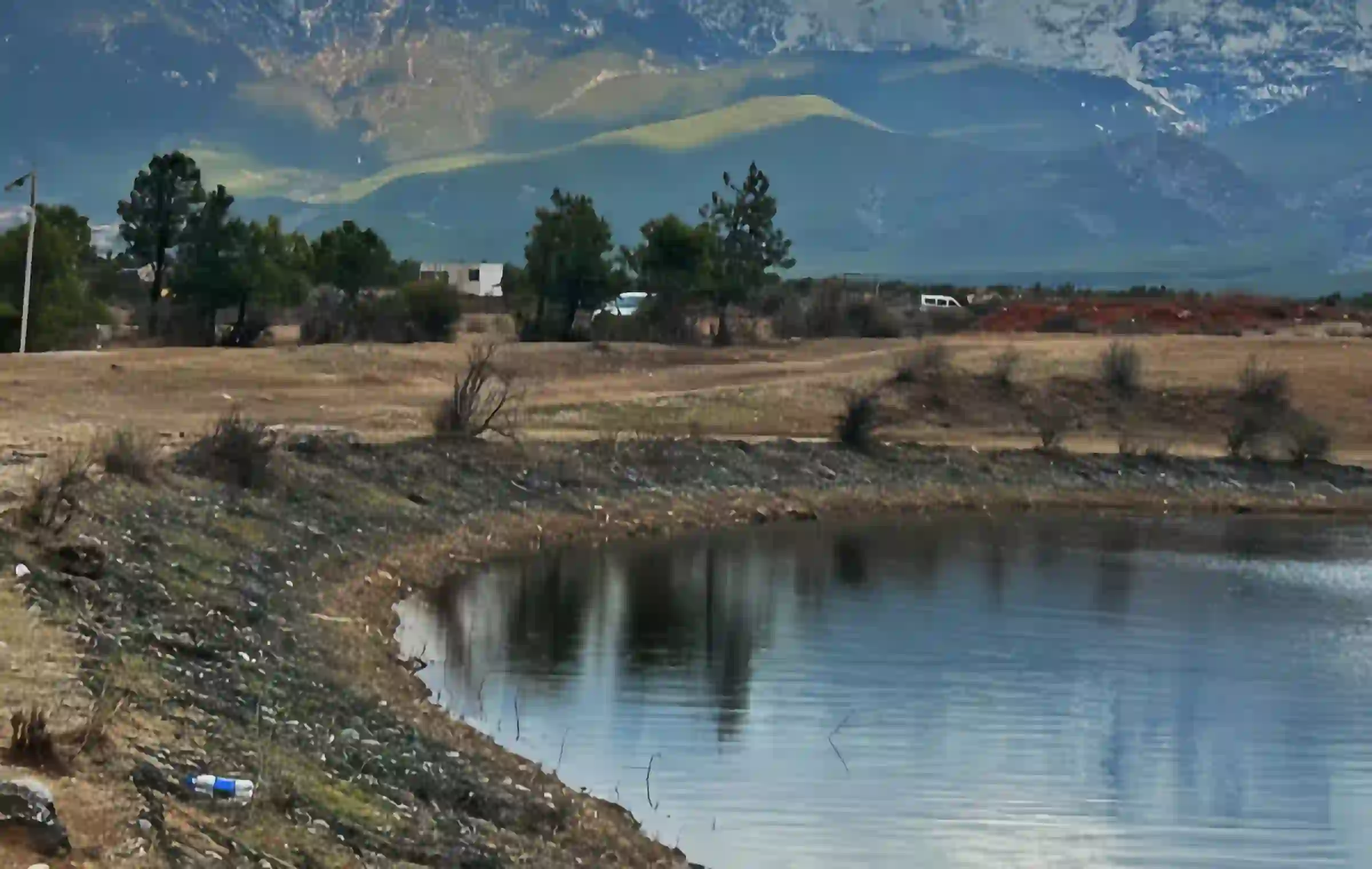
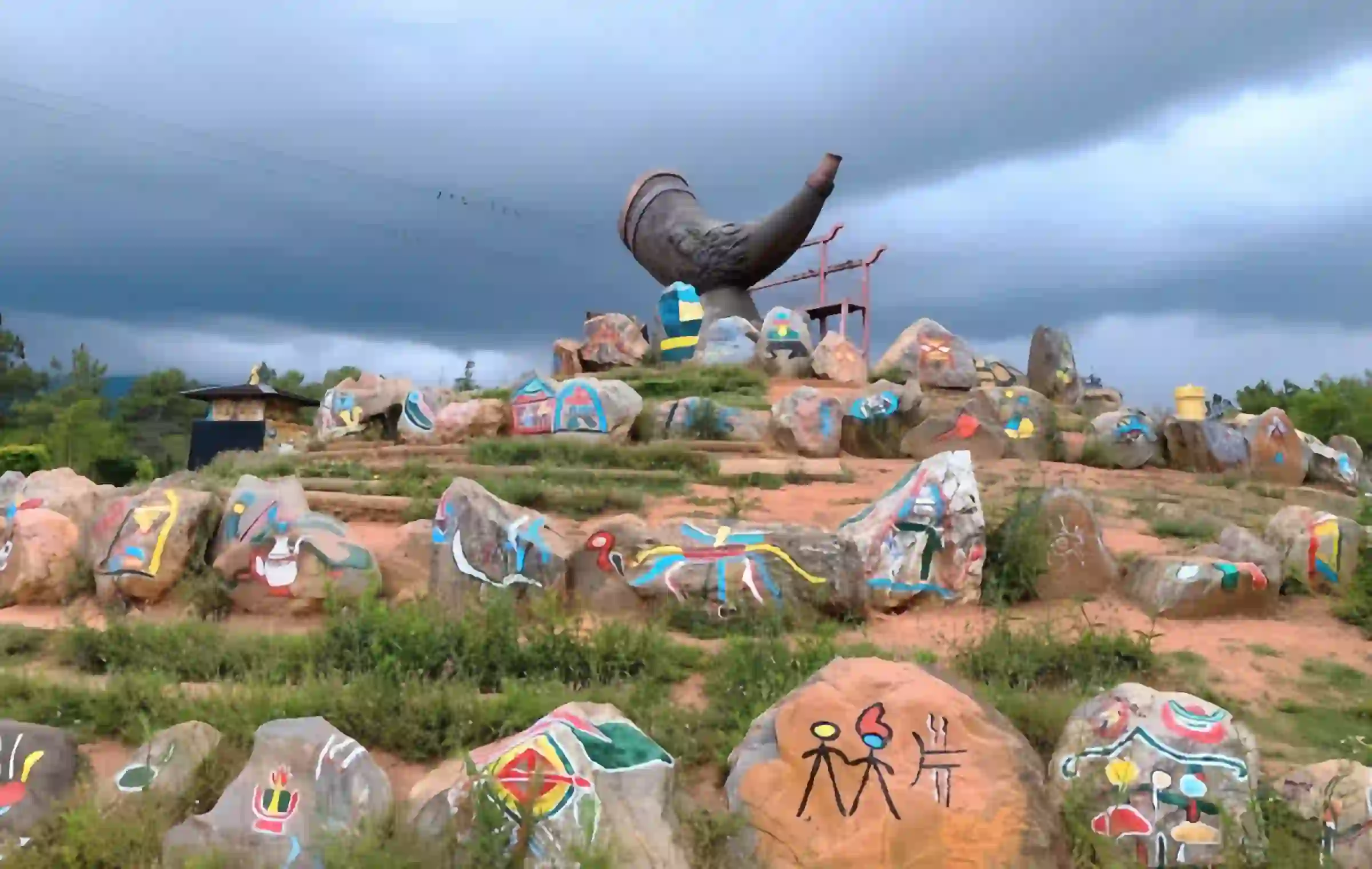
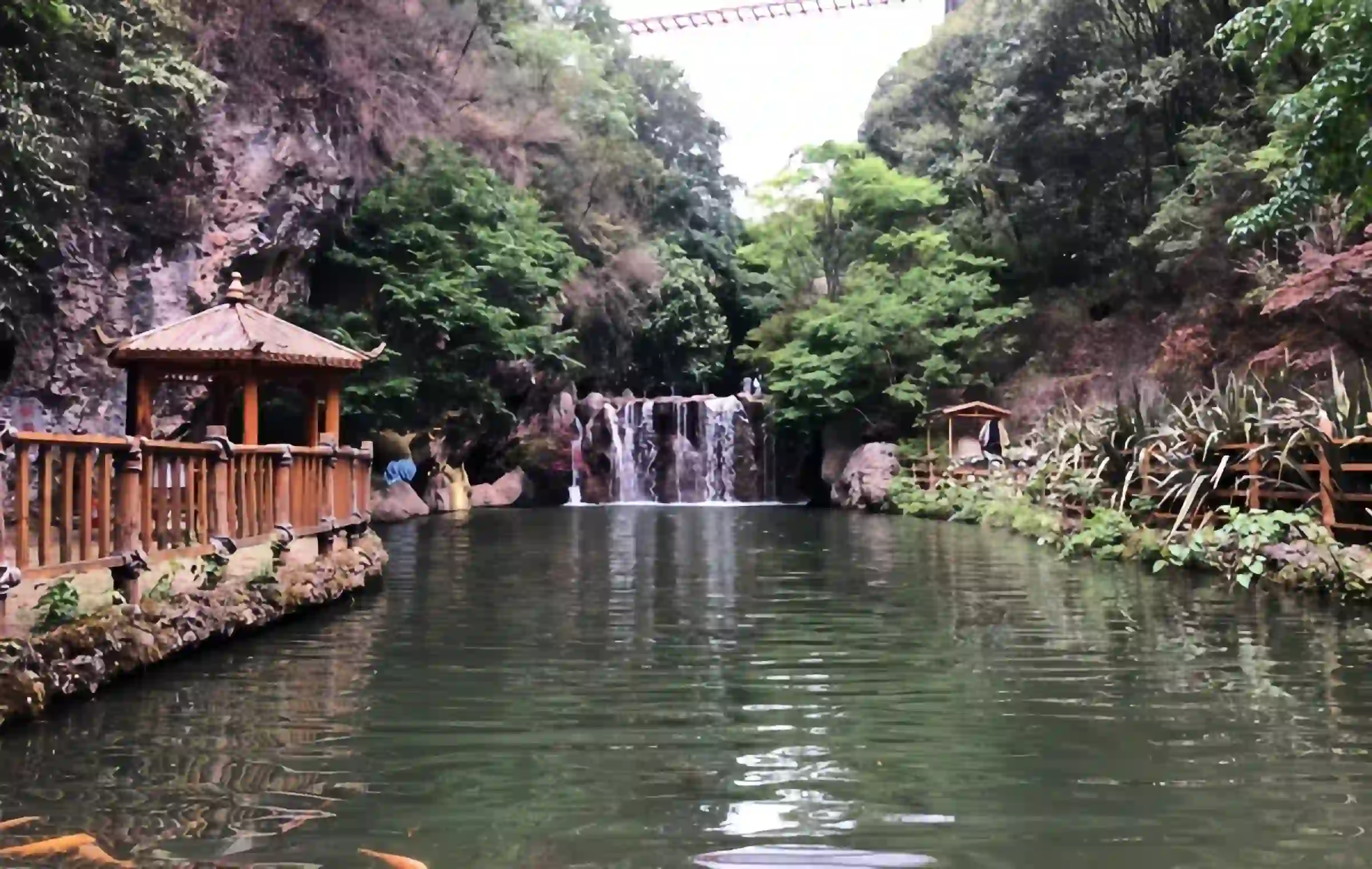
Долина Дунба расположена рядом с необходимым маршрутом из города Лицзян в живописный район Снежной горы Юлонг, с удобным транспортом. Основным центром является городская зона Лицзяна и различные древние города. Самый гибкий способ — арендовать автомобиль или ехать самостоятельно. Начиная со Старого города Лицзяна, проезжайте по «Дороге Юфэнси» в направлении Снежной горы Юлонг. Это занимает около 30-40 минут. Дунба Долина может стать первой остановкой однодневной поездки на снежную гору. Вы также можете взять такси из древнего города или воспользоваться услугой града, чтобы добраться туда. Некоторые туристические автобусы, направляющиеся в Снежную гору Юлонг, остановятся в долине Дунба и должны подтвердить с водителем перед посадкой. Долина Дунба является независимой живописной областью и отделена от маршрута, чтобы войти в основную живописную область Снежной горы Юлонг (которая требует платы за вход). Если вы планируете путешествовать вместе, требуется отдельный маршрут и покупка билетов.
Лучшее время для путешествия
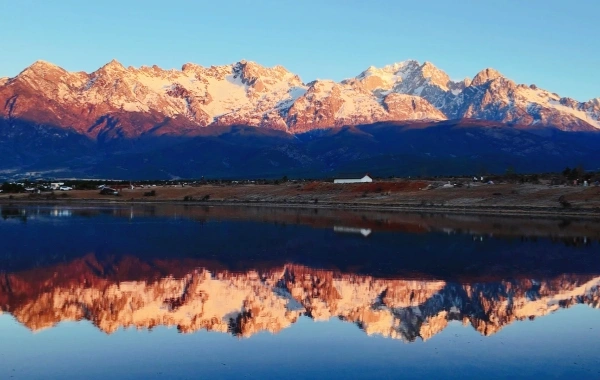
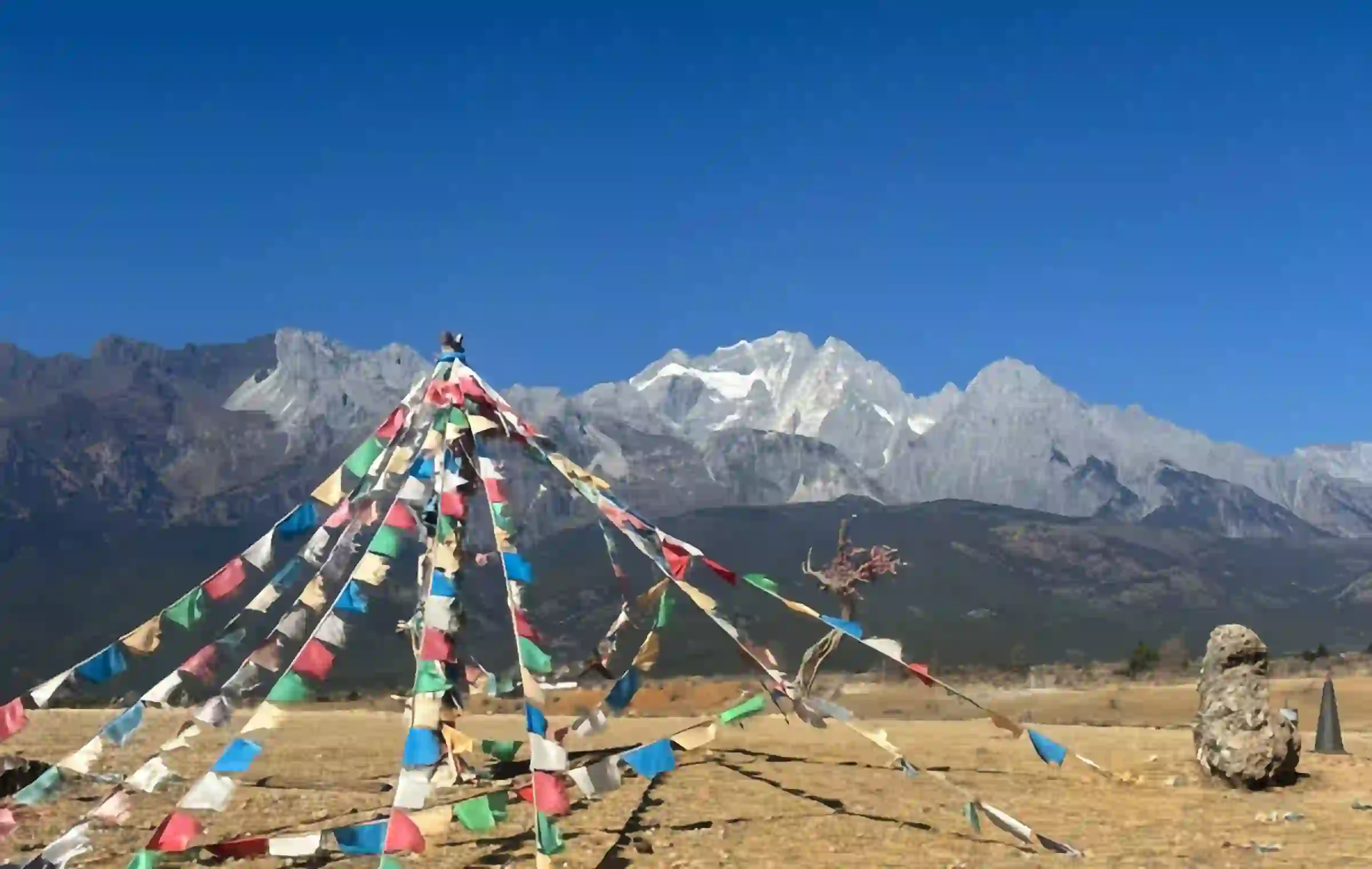
Долина Дунба подходит для всех сезонов, но весна и осень - золотые сезоны, чтобы испытать двойное очарование природы и культуры.
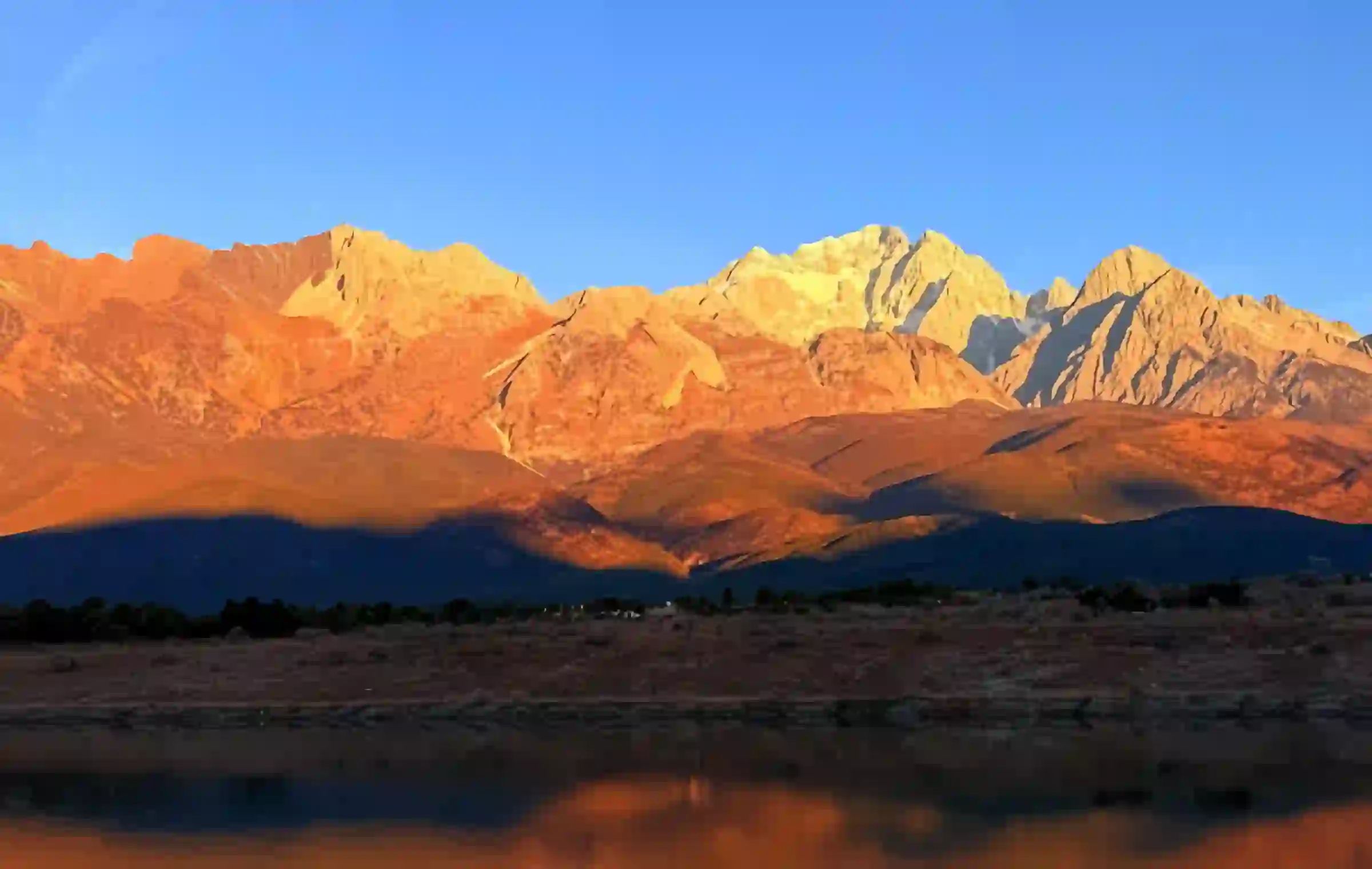
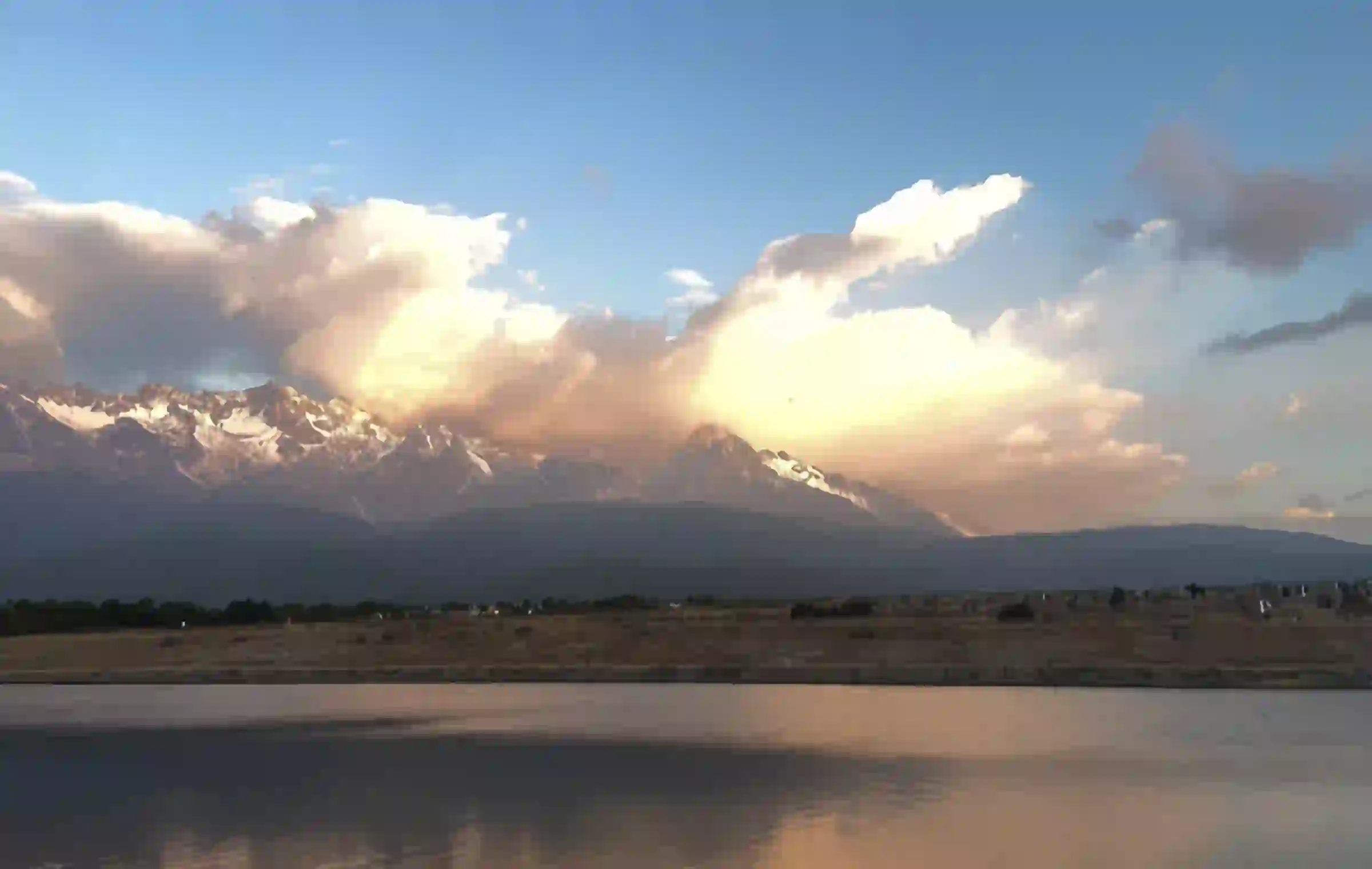
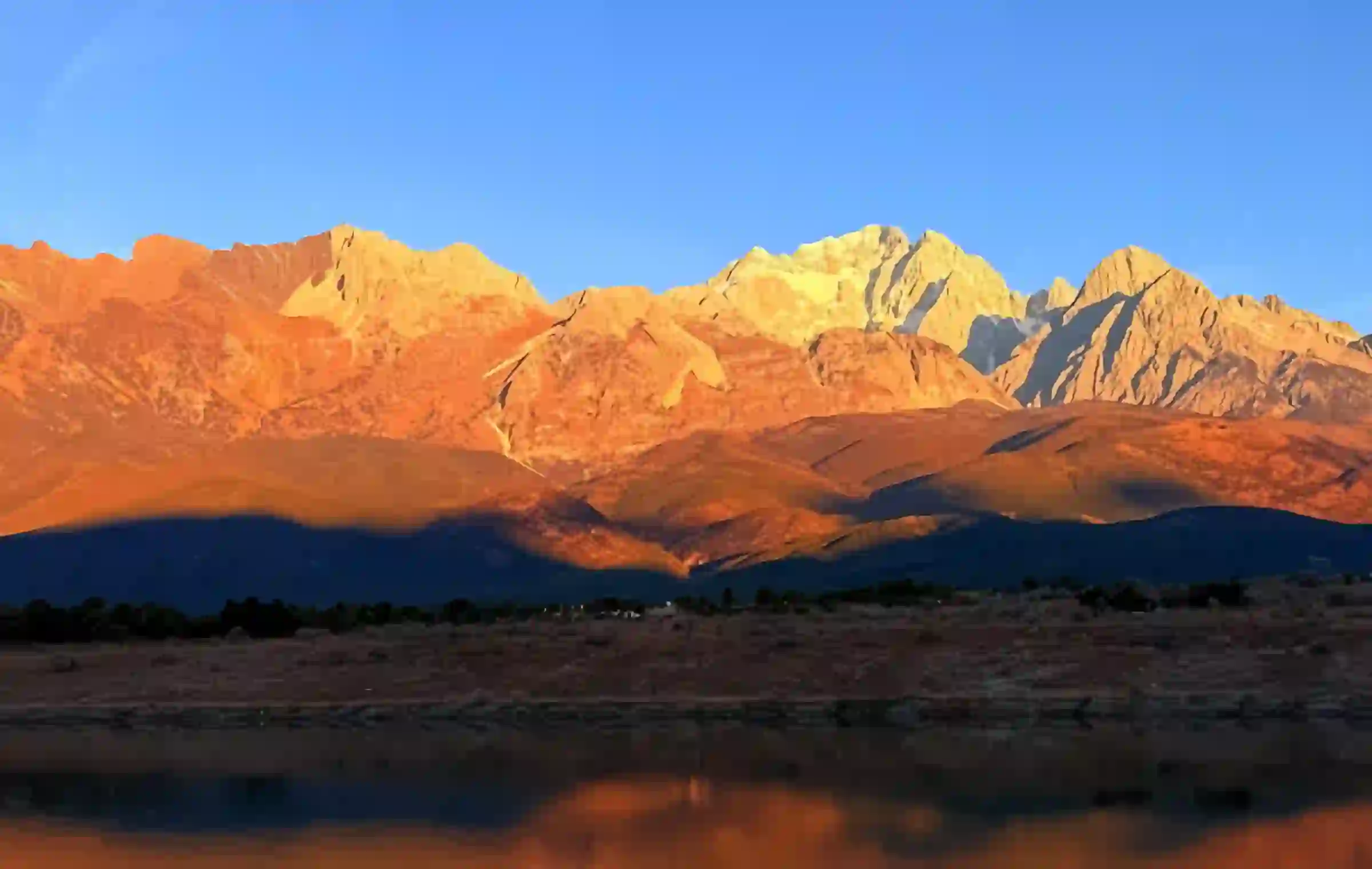
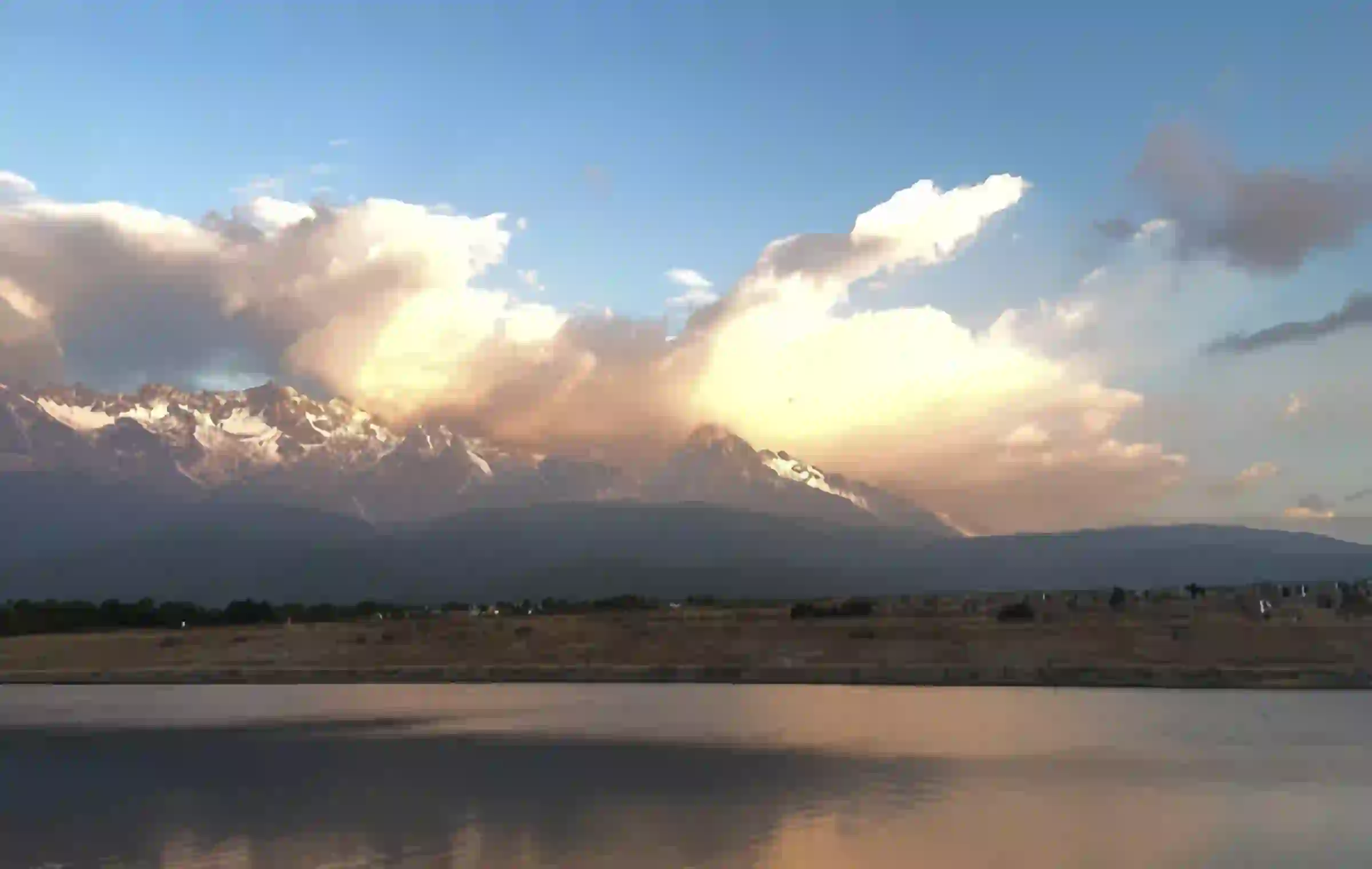
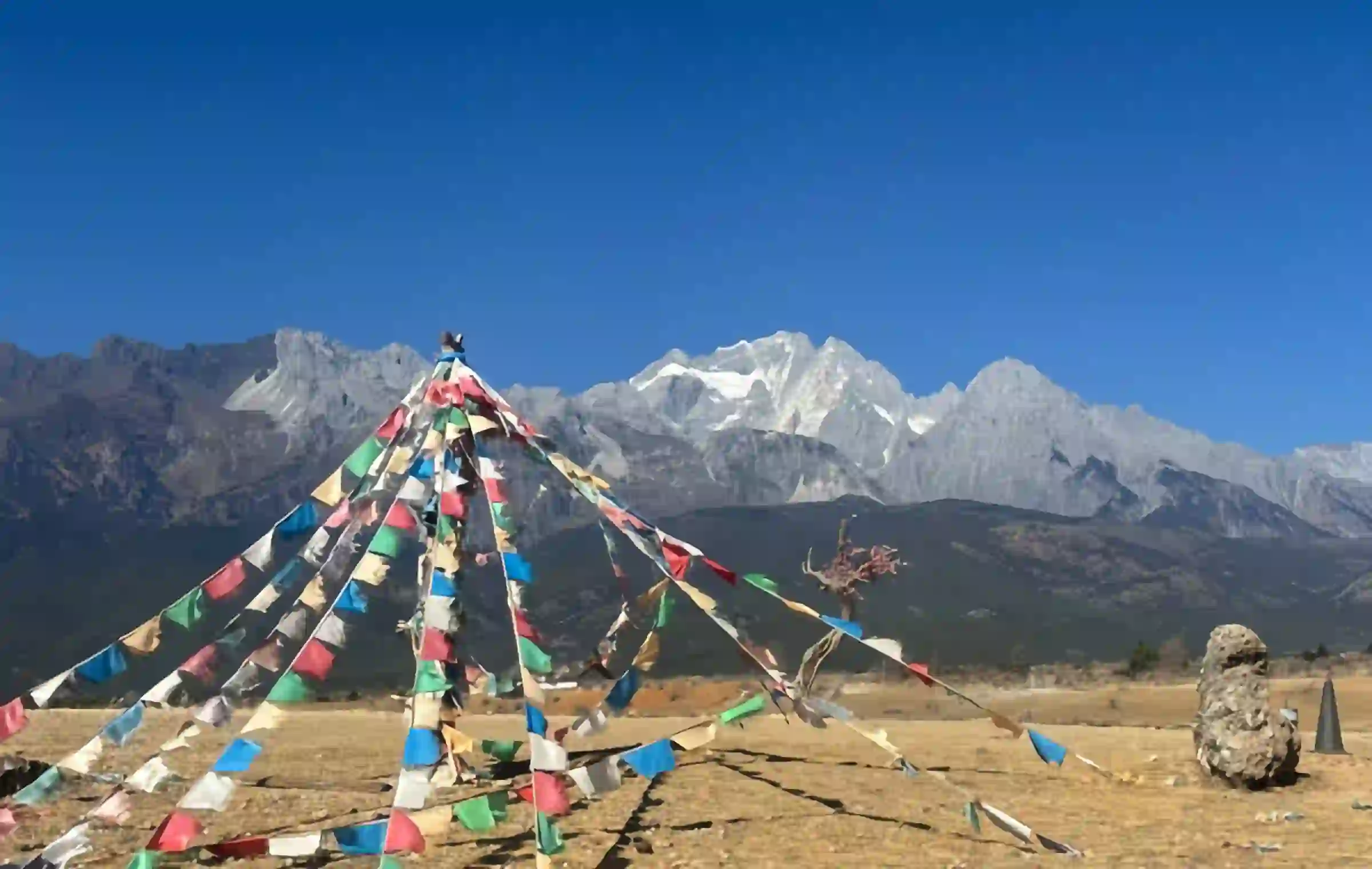
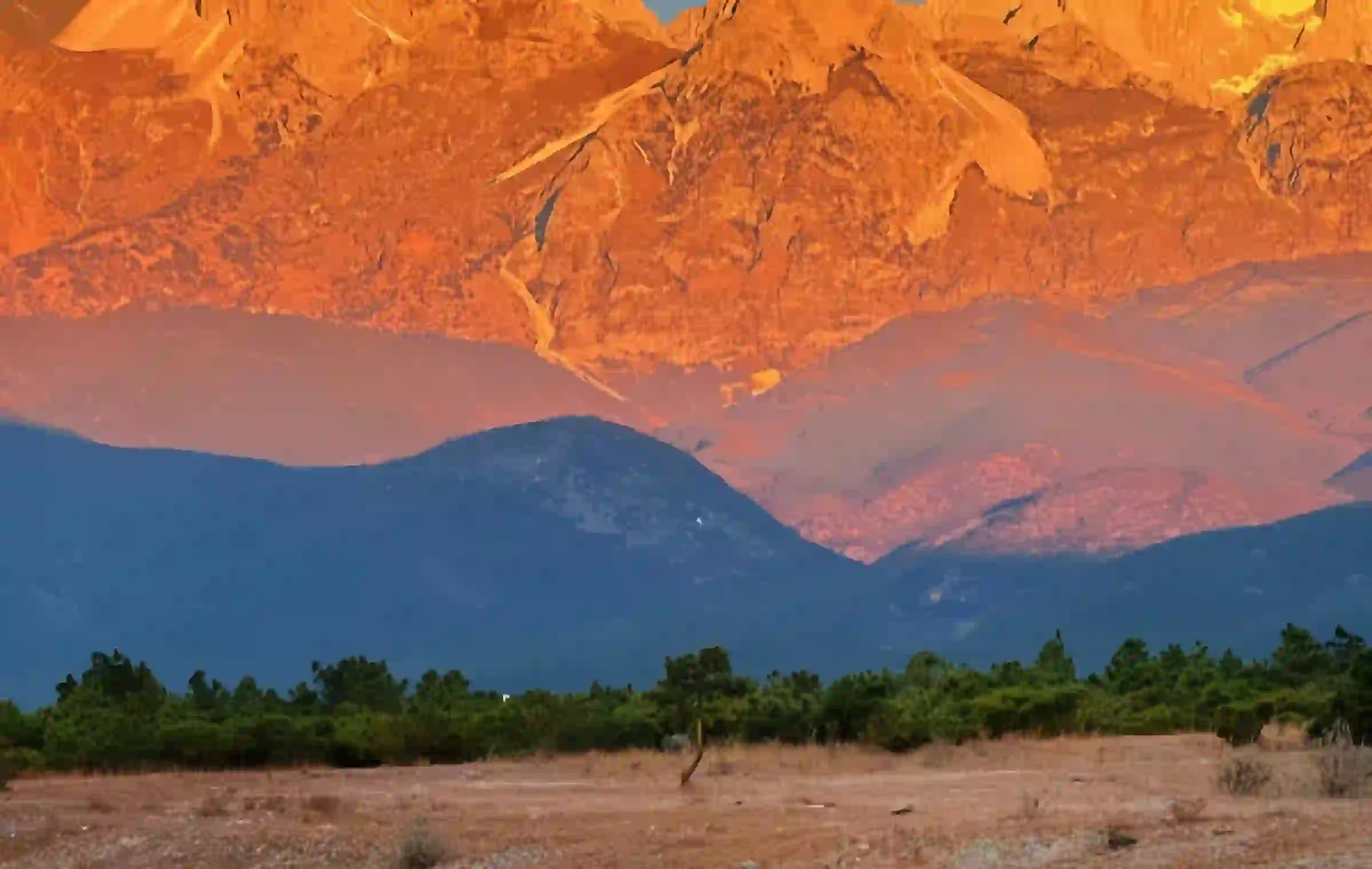
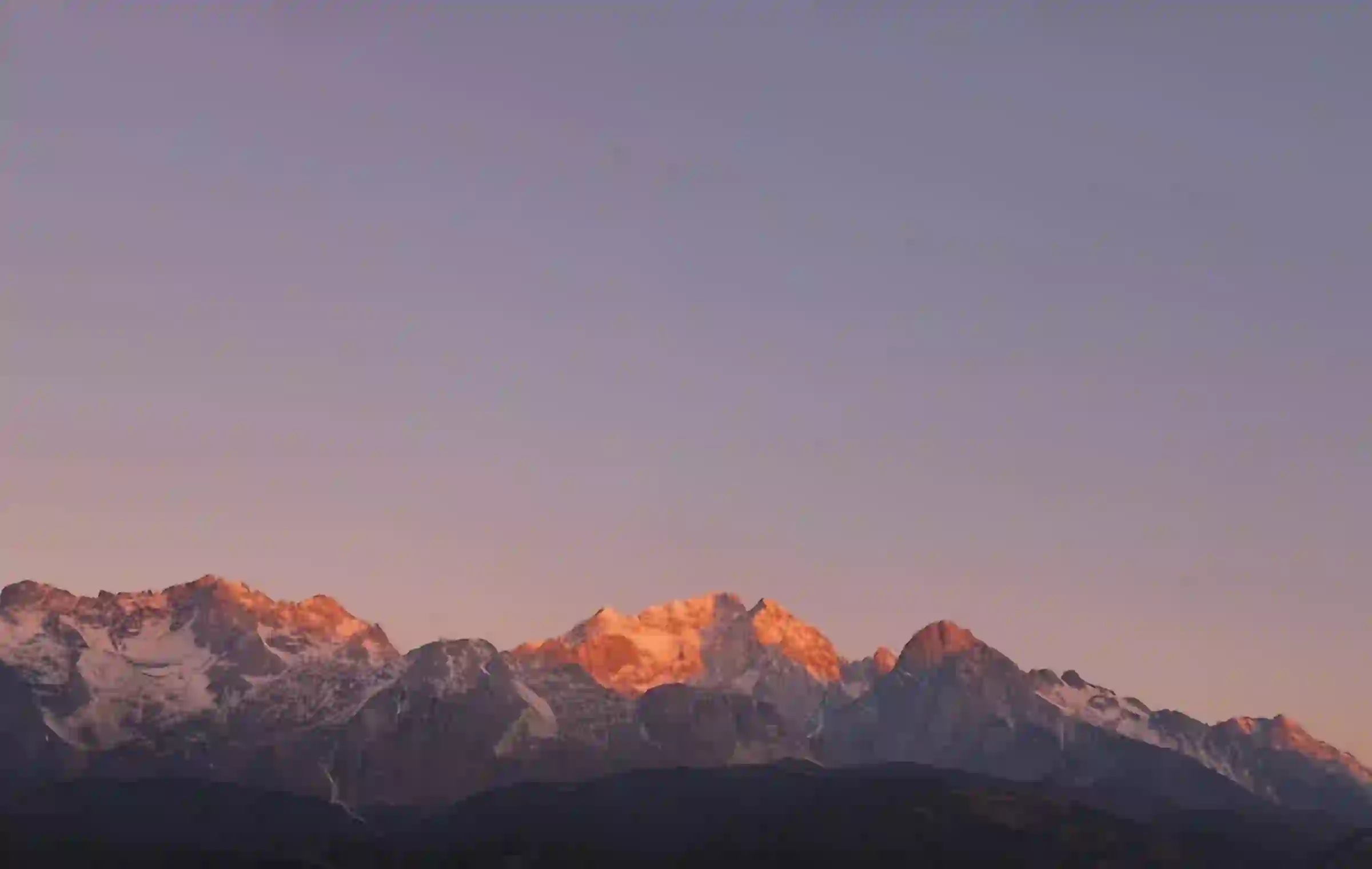
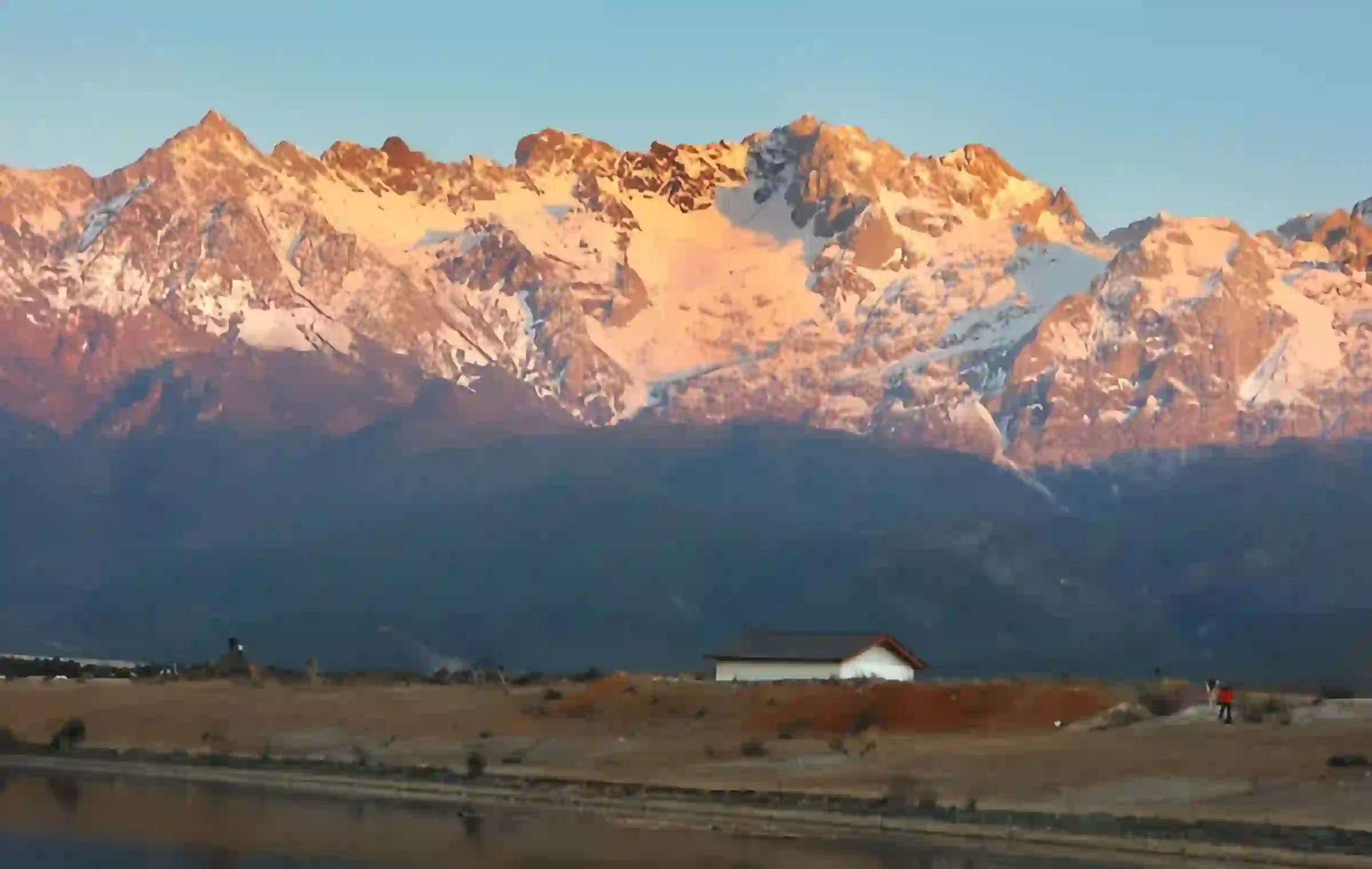
Золотой сезон весны и осени (март-май, сентябрь-ноябрь) имеет самый комфортный климат, со многими солнечными днями и чрезвычайно высокой видимостью, что делает его лучшим временем, чтобы насладиться и захватить панорамный вид на Нефритовую Снежную гору Дракона. Весной в каньоне цветут азалии, а осенью лес полностью окрашивается. Во время летнего сезона дождей (июнь-август) есть обильные осадки, пышная растительность и свежий воздух. Однако заснеженные горы часто окутаны облаками и туманом, поэтому необходимо подготовить дождевое снаряжение для активного отдыха. Зимний сухой сезон (с декабря по февраль следующего года) имеет стабильную погоду и яркое солнце, что делает его сезоном с наибольшей вероятностью увидеть зрелище «Солнечная Золотая Гора». Снежные пики самые ясные и самые потрясающие, но есть большая разница температур между утром и вечером, поэтому важно сохранять тепло.
Варианты размещения
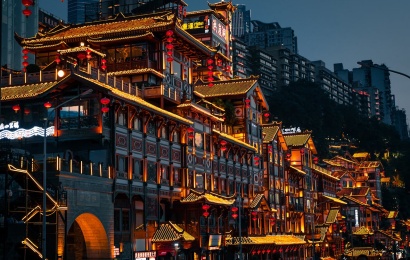
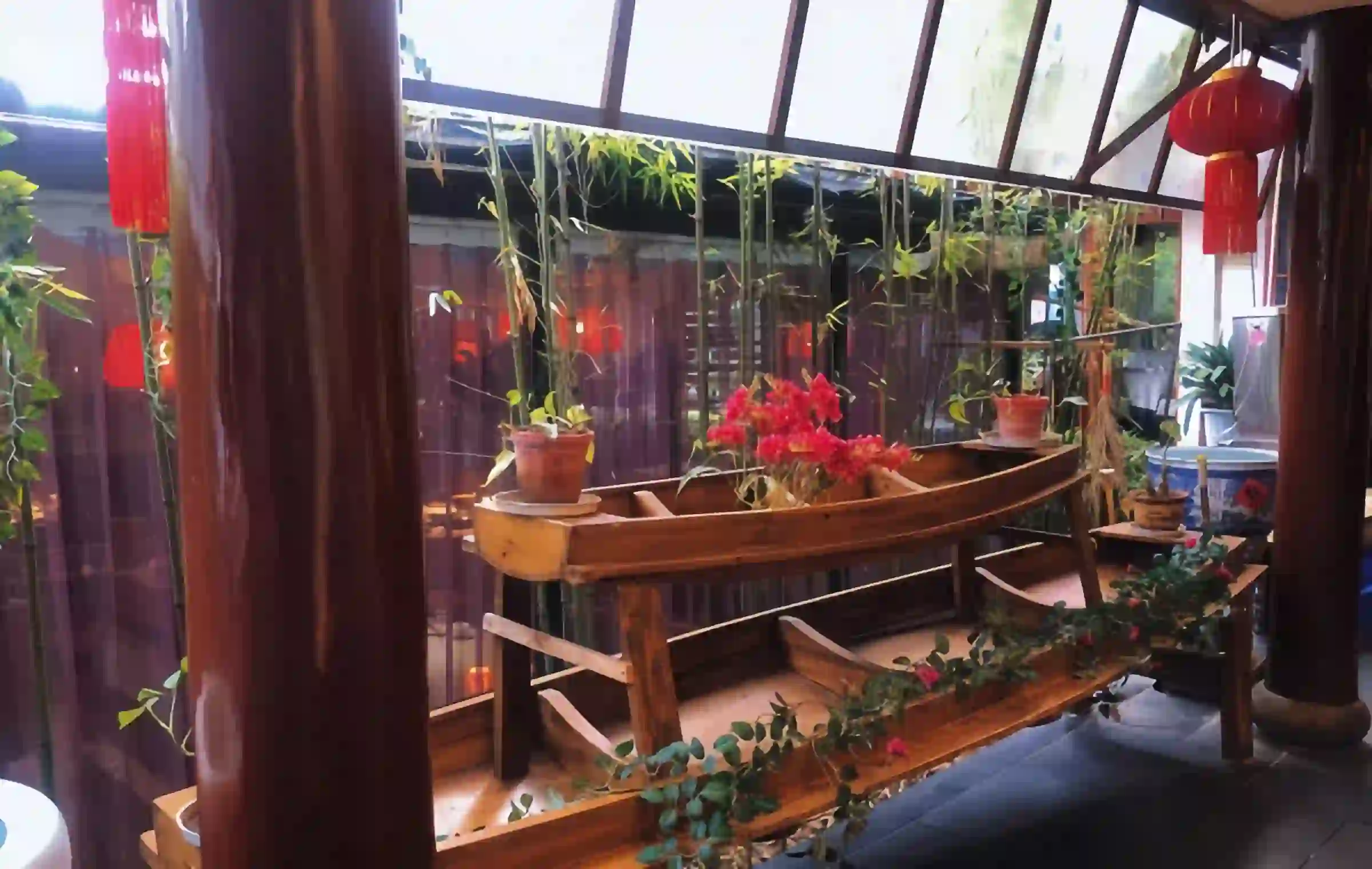
При посещении долины Дунба обычно рекомендуется остановиться в Старом городе Лицзяна или Старом городе Шухэ, где есть самые распространенные варианты размещения. Ночная жизнь и питание завершены, что удобно для посещения многих живописных мест в Лицзяне. Если вы хотите получить более глубокий опыт культуры Наси, древний город Байша - отличный выбор. Атмосфера здесь причудливая и тихая, ближе к долине Дунба, и есть много характерных домов, обращенных к заснеженным горам. Несколько высококлассных курортных отелей расположены у подножия Снежной горы Юлонг, снежная гора видна через окно. Окружающая среда является частной и мирной, подходящей для туристов, которые стремятся к конечному ландшафту.
Путешествие Советы по бронированию жилья в Китае: Бронируя с нами, мы можем не только порекомендовать наиболее подходящее место размещения на основе вашего маршрута, но и помочь вам в бронировании проектов культурного опыта, которые требуют предварительного контакта. >> Нажмите, чтобы связаться с IntoTravel Китайский туристический консультант