
Yubeng Village
Yubeng Village, nestled in the heart of the Meili Snow Mountain range in Deqin County, Yunnan Province, China, is a remote and enchanting Tibetan hamlet renowned for its pristine alpine landscapes and profound spiritual significance. Accessible only by foot or horseback via scenic trails, the village is divided into Upper Yubeng and Lower Yubeng, surrounded by lush forests, glacial streams, and sacred peaks, including the revered Kawagebo. Yubeng is a haven for trekkers and pilgrims, offering routes to sacred sites like the Ice Lake and Neu La Pass, where visitors can witness breathtaking views of snow-capped mountains and experience Tibetan Buddhist traditions. Its untouched beauty, tranquil atmosphere, and cultural richness make Yubeng a hidden gem for adventure seekers and spiritual travelers alike.
Introduction & Historical Significance
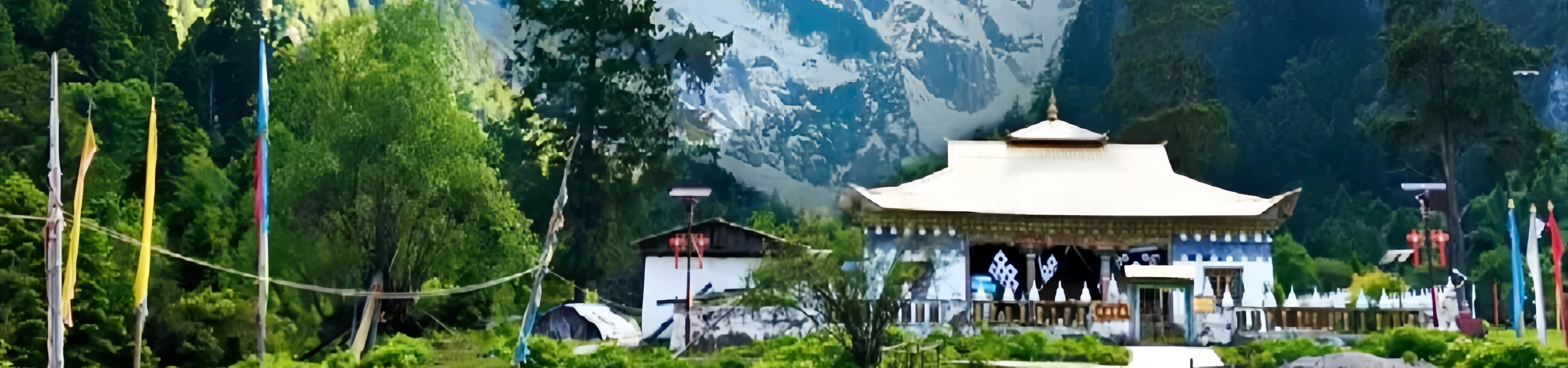
Nestled at the base of Meili Snow Mountain in Deqin County, Diqing Tibetan Autonomous Prefecture, Yubeng Village is a 5A-level scenic area and sacred Tibetan site with over 800 years of history. Revered as the "Pearl of Meili," it serves as a spiritual sanctuary where the 6,740m Kawagebo Peak—a divine mountain in Tibetan Buddhism—dominates the skyline. The village, divided into Upper and Lower Yubeng, embodies the harmony of nature and human tradition. Upper Yubeng leads to the turquoise Ice Lake and historic Xiaonong Base Camp (a 1991 Sino-Japanese mountaineering site), while Lower Yubeng connects to the Sacred Waterfall, a pilgrimage site where glacial meltwaters cascade like a "silver ribbon." The 10th Panchen Lama once meditated here, and Yubeng Temple, a 500-year-old monastery, anchors the village’s religious life with vibrant murals and daily ceremonies.
Architectural Layout & Design
Traditional Tibetan stone-and-wood architecture defines the village, featuring "three-courtyard-one-screen-wall" layouts and prayer flag-adorned houses. Key structures include:
- Yubeng Temple: A 15th-century monastery with intricate murals and golden roofs, central to local rituals.
- Xiaonong Base Camp: A former mountaineering base at 3,623m, now a scenic viewpoint overlooking glacial valleys.
- Stone Mani Walls: Engraved with "Om Mani Padme Hum" inscriptions, marking spiritual pathways.
The landscape merges seamlessly with nature—snow-capped peaks, ancient forests, and alpine meadows surround the village, while permeable stone paths and reed-bed wastewater systems blend tradition with eco-innovation.
Major Attractions
- Ice Lake (3,900m): A glacial lake fed by Meili Snow Mountain’s meltwater, its turquoise waters contrast with surrounding seracs. Hiking trails pass through forests and offer views of Kawagebo’s reflection.
- Sacred Waterfall: A 30m-high cascade where pilgrims circumambulate three times for blessings. The water, believed to purify sins, flows into prayer pools.
- Sacred Lake (4,600m): A remote alpine lake accessible via a challenging 6-hour hike, revered for its crystal-clear waters and panoramic peaks.
- Nanyi Gorge: A biodiverse canyon with dramatic cliffs, ideal for eco-tourism and photography.
- Village Life: Traditional Tibetan homes, yak herds, and rotating tea ceremonies immerse visitors in local culture.
Ticket Information
- Village Entry: ¥55 per person (includes insurance).
- Transport: From Xidang Village, hike (5-6 hours) or take a 4x4 vehicle (¥200-260 one-way). Internal shuttles connect Upper/Lower Yubeng (¥20-30).
- Guided Tours: ¥100-300 for heritage walks, glacial hikes, or cultural immersion.
- Combined Packages: ¥500-800 with meals, guides, and premium stays.
Transportation Guide
- External Transport: From Lijiang/Shangri-La, bus to Deqin (4-5 hours), then shared taxi to Feilai Temple (1 hour). Shuttle to Xidang Village (1 hour).
- Internal Transport: Hiking or 4x4 vehicles; horseback tours available (¥200-300).
- Self-Drive: Via G214 Highway (1.5h from Shangri-La); winter driving requires snow chains.
- Air/Rail: Direct flights to Diqing Airport or Lijiang-Shangri-La Rail (1.5h from Lijiang).
Best Time & Tips
- Optimal Seasons: autumn (Oct-Nov) for clear skies and foliage; spring (Apr-Jun) for wildflowers. Avoid monsoons (Jul-Sep) and extreme winter cold.
- Photography: Dawn for misty vistas; sunset for golden-hour peaks. Use polarizing filters for color saturation.
- Cultural Etiquette: Remove hats in temples; turn prayer wheels clockwise. Respect local customs during Festivals like Torch Festival.
- Packing: Polarized sunglasses, layered clothing (3,000-4,600m altitude), reusable water bottles, and high-SPF sunscreen.
- Safety: Acclimatize to altitude; avoid solo hikes on unmarked trails. Carry oxygen tanks (¥30) and emergency contacts.
Nearby Attractions & Itineraries
- Combined Tours:
- Morning: Ice Lake hike + Sacred Waterfall circumambulation.
- Afternoon: Yubeng Temple meditation + Nanyi Gorge exploration.
- Evening: Star-gazing or attending local festivals.
- Multi-Day Routes:
- 3-Day: Lijiang → Shangri-La → Yubeng Village → Ice Lake → Sacred Waterfall.
- 5-Day: Dali → Lijiang → Shangri-La → Meili Snow Mountain → Yubeng Village.
Yubeng Village epitomizes the convergence of faith, nature, and culture. As a UNESCO-recognized gem, it invites global travelers to witness Earth’s raw beauty while honoring the resilient spirit of the Tibetan people—a true sanctuary of the Himalayas.


Contact Us
Что говорят наши клиенты?
На основе более 10 000 отзывов путешественников

Daniel Dorothea
Canada
Reviewed on April 29,2025
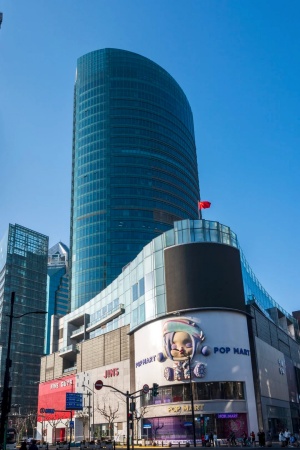
Shopping on Nanjing Road in Shanghai was just amazing! It's truly the "First Commercial Street of China", where tradition and modernity blend perfectly. You can find awesome souvenirs and experience the trendy vibes in cool stores. The neon lights at night are just spectacular, shining bright like Times Square in New York. The food here is incredible too. I had a feast for my taste buds. Shanghai, I'll definitely be back!
Destination(s):
Shanghai
Date of
Experience:
May 08,2024

Elvis Eva
Canada
Reviewed on June 20,2025
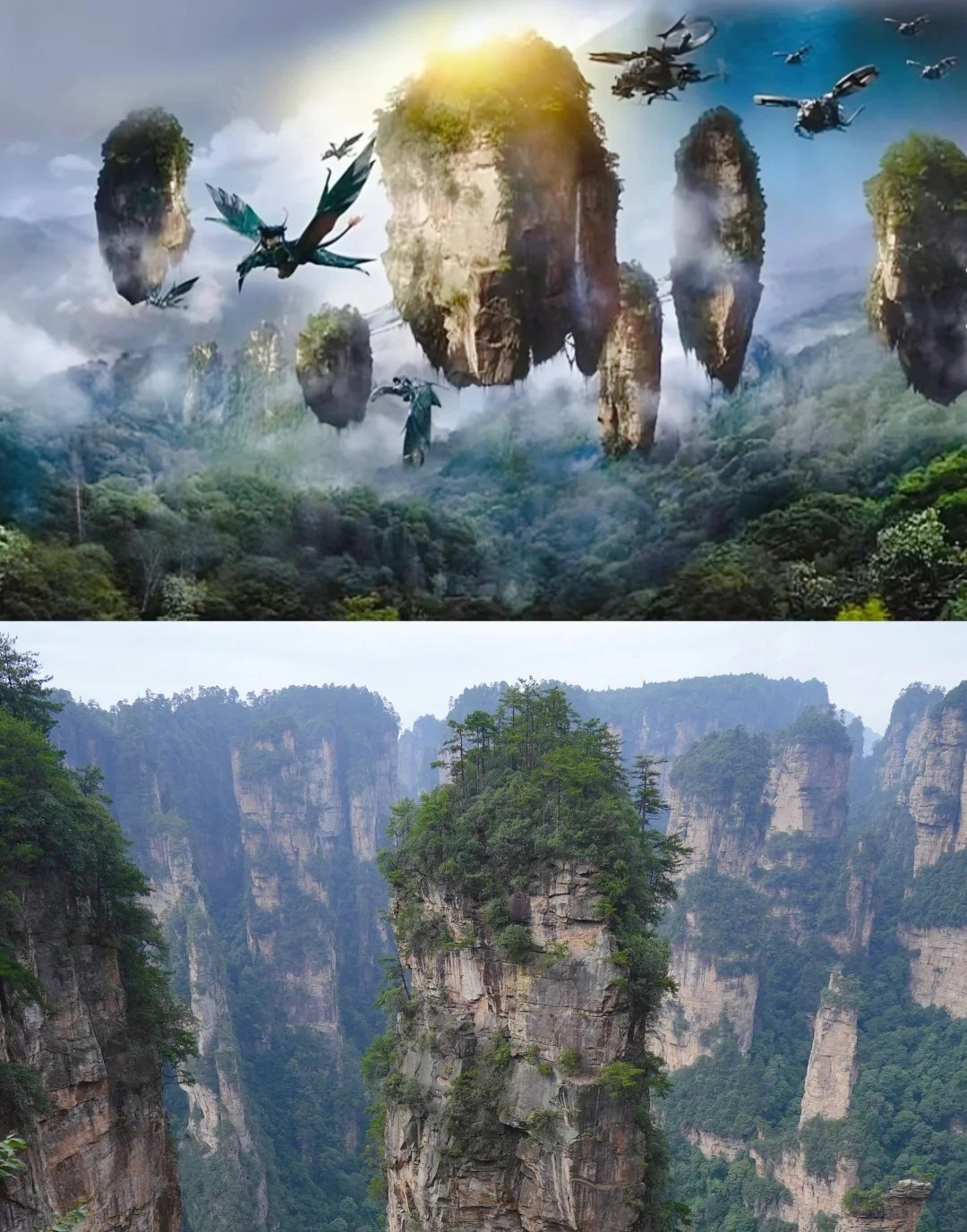
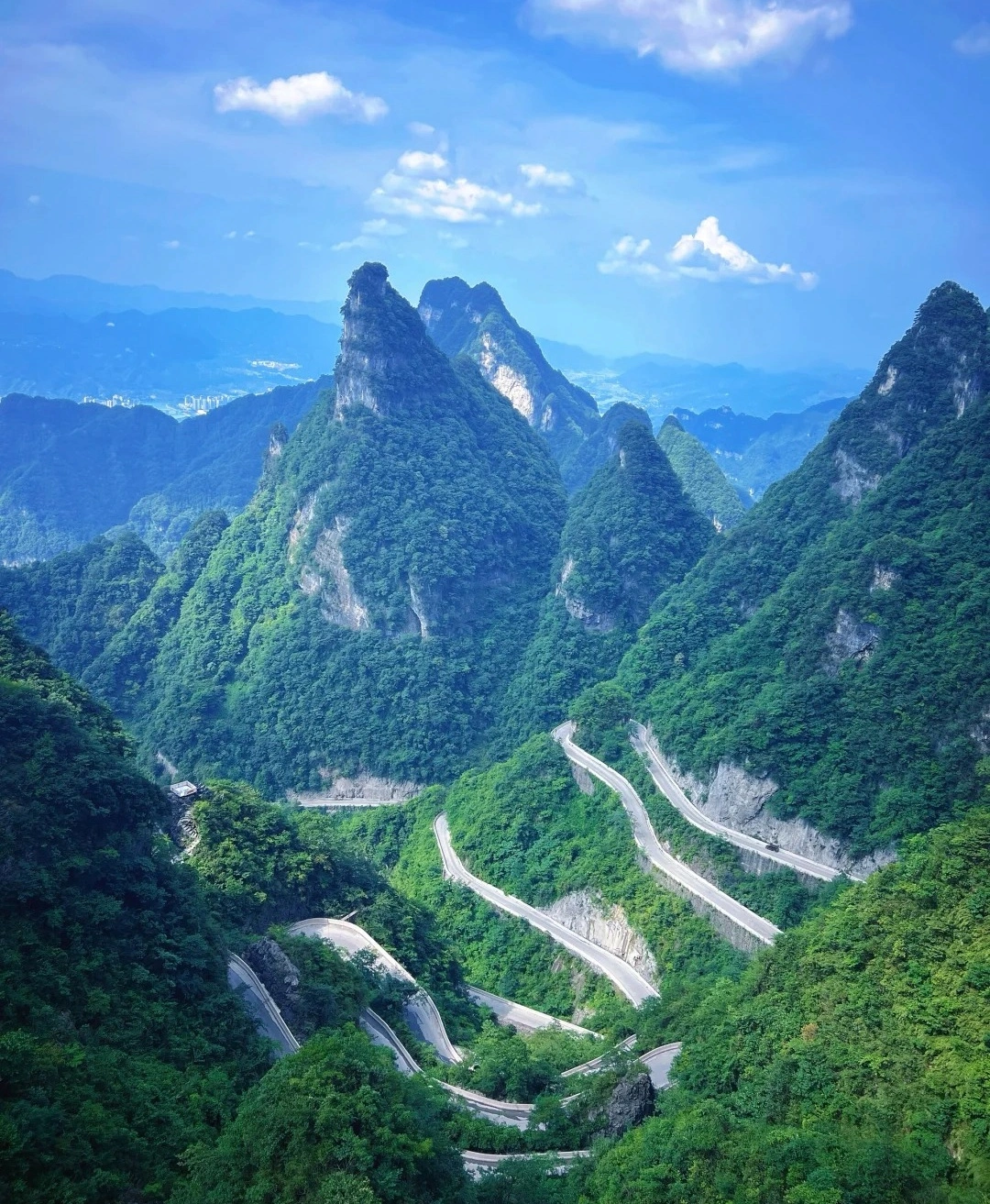
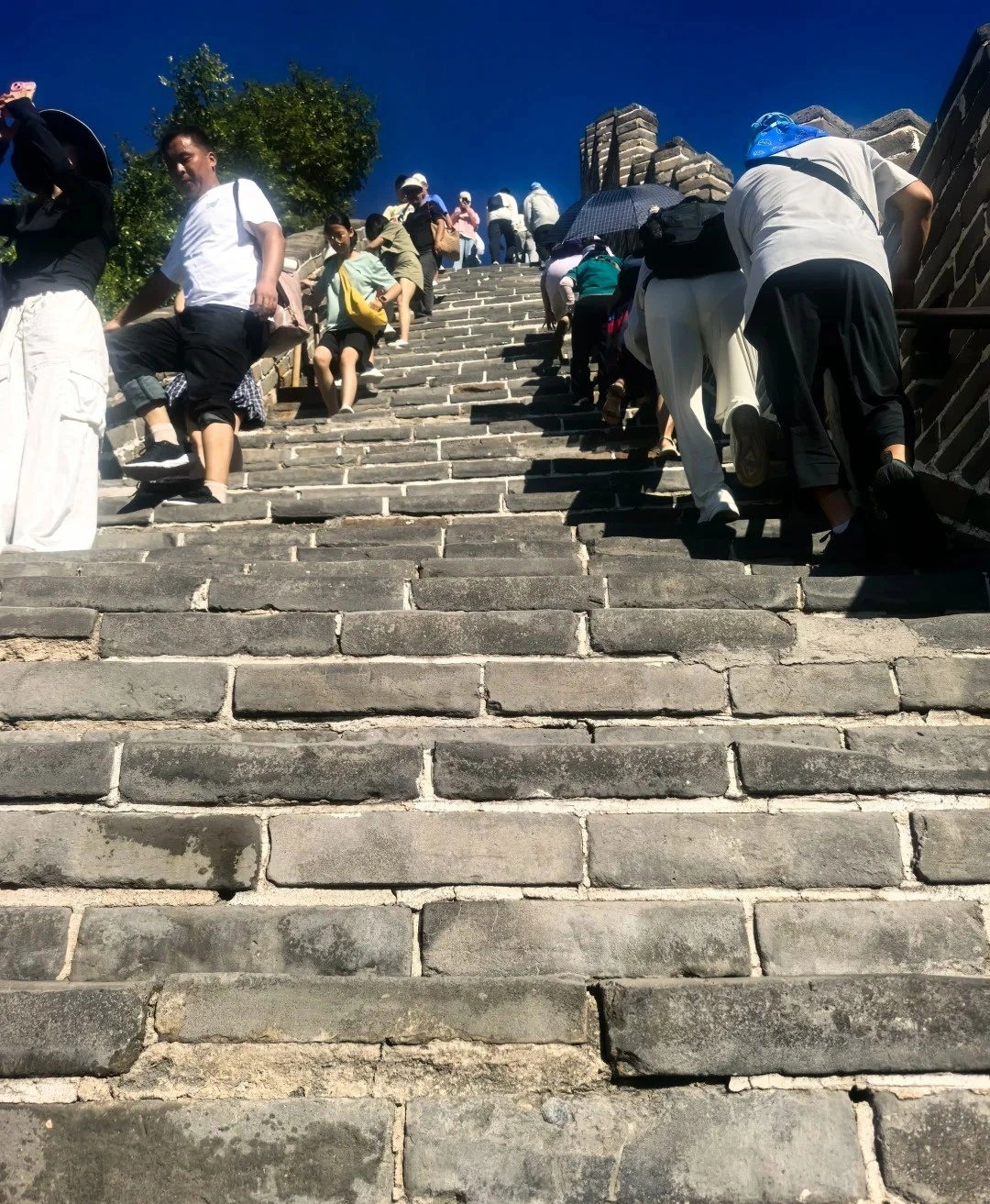
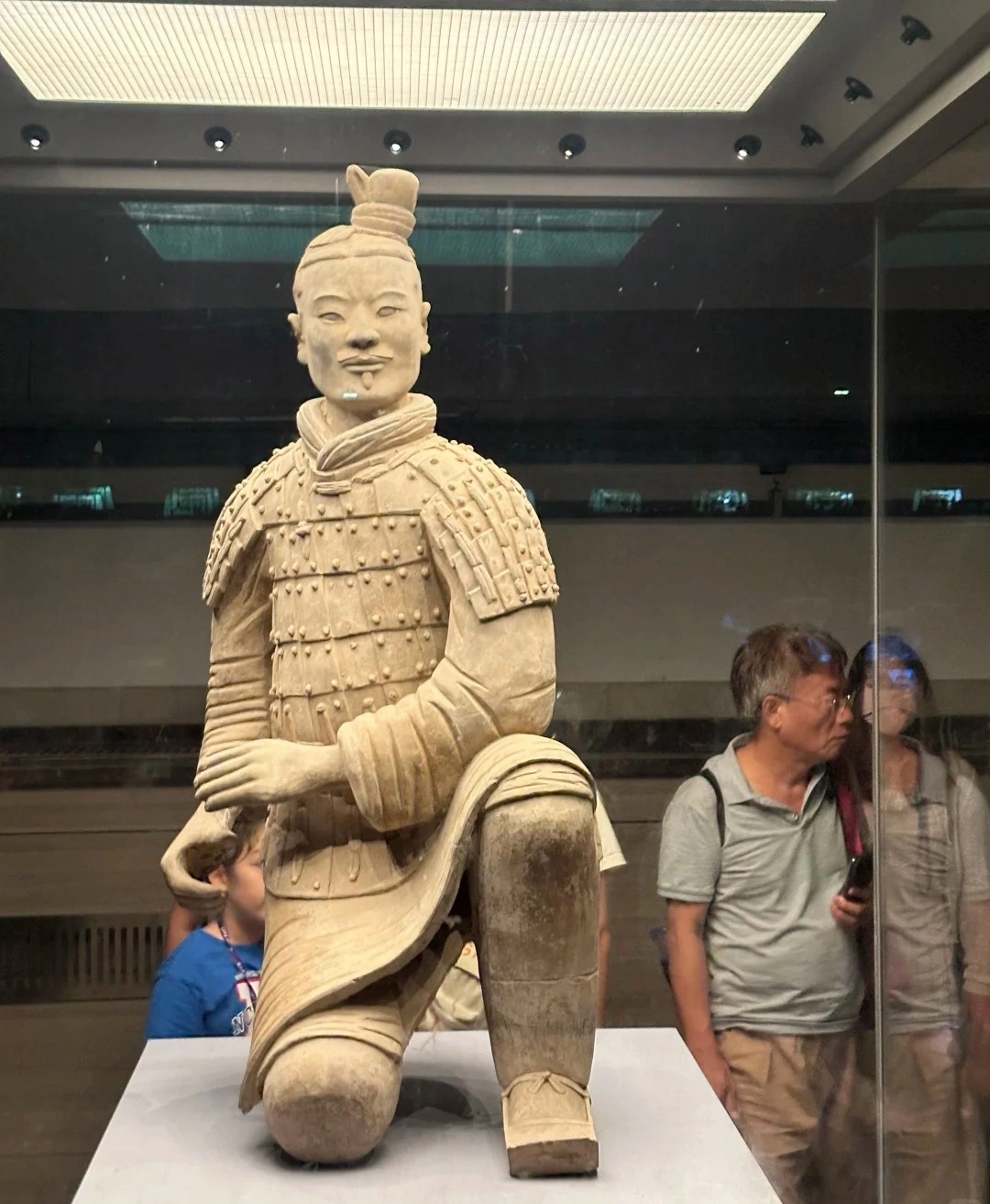
As a solo traveler from Canada, I was nervous about navigating China alone—but this 11-day tour was PERFECT! From hiking the Great Wall at sunrise (Day 3) to gasping at the Terracotta Army (Day 5), every day delivered ‘pinch-me’ moments. The real showstopper? Zhangjiajie’s Avatar Mountains (Day 7)! Our guide made the stone pillars come alive with stories.
Massive thanks for handling all logistics—bullet train tickets, entry passes, car! And the 4-star hotels surprised me.
Destination(s):
Beijing Xian Zhangjiajie Shanghai
Date of
Experience:
June 02,2025

Simon
America
Reviewed on May 29,2025
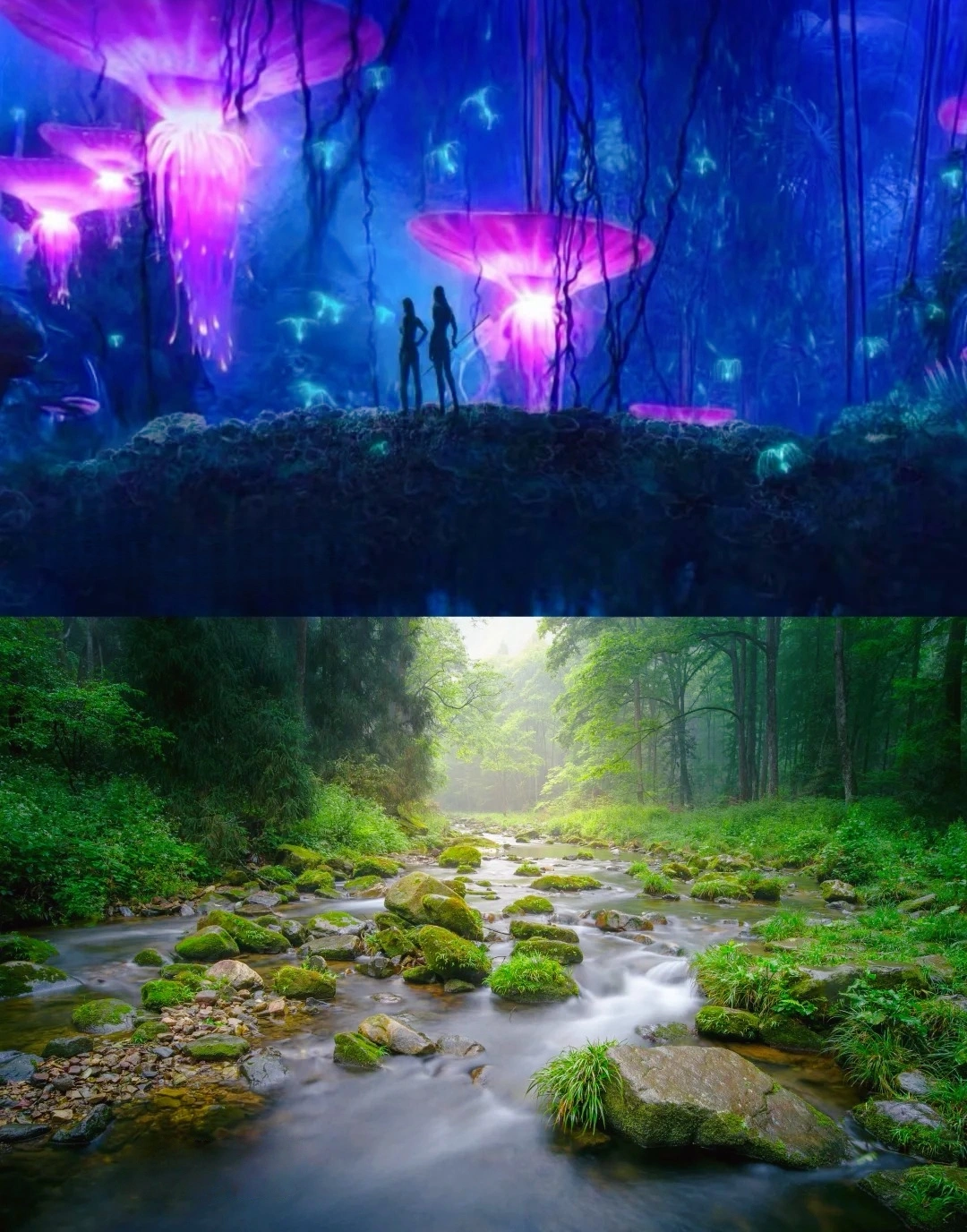
Our 2-day Zhangjiajie tour was beyond spectacular! As someone who’s visited Beijing and Shanghai for work, this trip revealed China’s wild, magical heart. Day 1 in Zhangjiajie National Forest Park felt like stepping onto Pandora—I’m a huge Avatar fan, and Yuanjiajie’s floating peaks left me breathless. The misty pillars and lush valleys like pure movie magic!
Then came Fenghuang Ancient Town, we eat dinner beside the thundering waterfall. It seems Unreal! The night views of stilt houses glowing over the river were straight from a fairy tale.
For fellow Avatar lovers and adventure seekers: Don’t miss this bucket-list experience! 10/10 would return.
A Well-Traveled Film Buff, May 2025
Destination(s):
Zhangjiajie
Date of
Experience:
May 08,2025