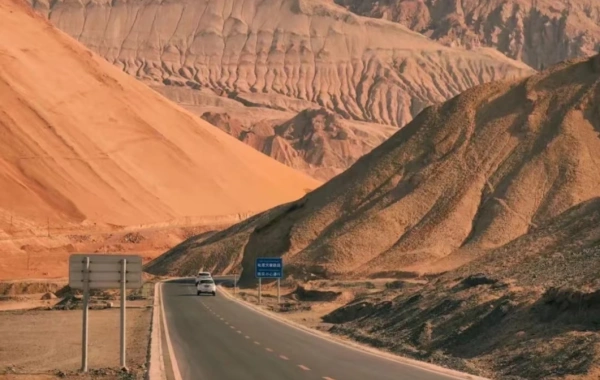
После завтрака проезжайте по Гранд-Каньону Пламенная гора до Туюгу.
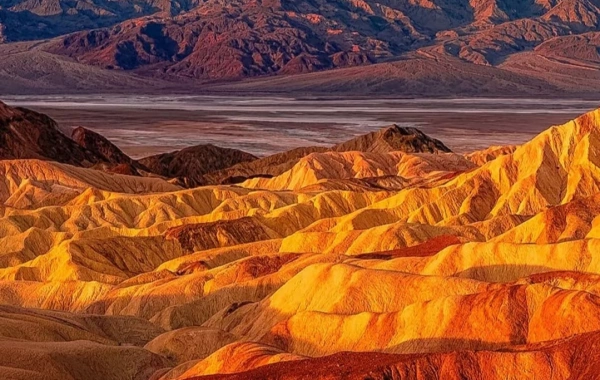
Пламенная гораСамое жаркое место в Китае, где летом температура достигает максимума в 47,8 ° C, а поверхность под воздействием солнца достигает 82,3 ° C — достаточно горячий, чтобы приготовить яйца на песке. Названный из-за его палящего климата и ржаво-красного песчаника, который светится, как огонь под солнцем пустыни, это одна из самых знаковых достопримечательностей Турпана. Его уникальный ландшафт в сочетании с его ролью в
Путешествие на Запад (где паломничество Тан Санзанга здесь заблокировано, и Сунь Вуконг трижды заимствует Бананового Фана), связывает его с легендарными фигурами, такими как Тан Монк, Сунь Вуконг, Принцесса Железный Фан и Король Быков, усиливая его мифическое очарование. Посетители могут увидеть «Конюшню Тан Монка» — скалу в Шэньцзинкоу, идущую в небо, наряду с плоским склоном, который, как говорят, является его камнем, и «Свиную скалу Баджи» — вершину, напоминающую длинноносую свинью через каньон.
Большой каньон ТуюгуУ южного подножия восточной Горы Пламя светится малиновый от оксида железа, выглядя как горящее пламя под солнцем. Самая впечатляющая часть Пламенной горы, она простирается на 9 км от деревни Субаши до деревни Мажа, со средней шириной 1 км и максимальной высотой 831,7 м, в 13 км к юго-западу от древнего города Гаочан.
Завершается вдоль горных скал, достигает
Деревня Мажа в Туйугу - Самый старый сохранившийся Синьцзян Уйгурское поселение, возрастом более 1700 лет. Известная как «живая окаменелость народной культуры», она сохраняет древние уйгурские традиции и обычаи в неприкосновенности, а древние глиняные здания по-прежнему сияют светом «культуры желтой глины».
Продолжать
Безеклик Тысяча пещер БуддыРасположенный на скалах к западу от долины Мутугу в центральной Горе Пламени. Впервые раскопанный в 5-6 веках (Королевство Ку Ши Гаочан, Северные и Южные династии Тан), он процветал в период Гаочан Уйгур (9-13 века), представляя классическое древнее буддийское искусство Гаочан. 83 существующие пещеры — в основном прямоугольные сводчатые пещеры, некоторые центральные пещеры — построены в трех ярусах: верхняя ступа, средняя зона поклонения и нижняя жилая зона. Среди 83 пещер более 40 имеют фрески.
- УрумчиМеждународный аэропорт Дивопу, крупнейший авиационный узел Синьцзяна и один из ключевых международных аэропортов на северо-западе Китая, обслуживает внутренние, международные и центральноазиатские маршруты. Кроме того, поезда из Урумчи соединяются с несколькими китайскими городами.
- Турфан: Здесь есть аэропорт и железнодорожная станция для поездок в крупные китайские города. Аэропорт Turpan Jiaohe, аэропорт гражданского транспорта уровня 4E в Синьцзяне, соединяется с такими городами, как Пекин, Чэнду, Сиань и Гуанчжоу. Вы также можете выбрать поезд. Проконсультируйтесь с консультантами Intotravelchina для получения дополнительной информации.