Hunan Provincial Museum:A Journey Through 5,000 Years of Huxiang Civilization and the"World-Shaking Miracles"of Mawangdui

Hunan Provincial Museum:A Journey Through 5,000 Years of Huxiang Civilization and the

Overview:A"Cultural Gene Bank"for Understanding Half of Huxiang's History

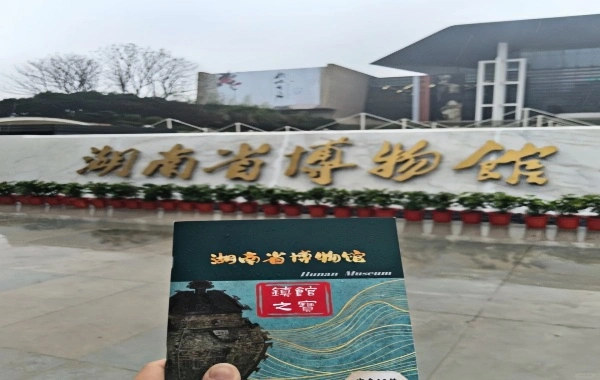
Located at No.50 Dongfeng Road in the Kaifu District of Changsha,Hunan Province—and adjacent to the Hunan Martyrs'Park—the Hunan Provincial Museum is the largest historical and artistic museum in the province.It is also one of the first institutions designated as a"National First-Class Museum"and stands as one of eight key national-level museums jointly established by the central and local governments.

Core Highlights at a Glance

Identity Tags:A Key National-Level Museum Jointly Built by Central and Local Governments/Home to Rare Treasures from One of the World's Top Ten Ancient Tombs

Core Experiences:Pay homage to the remarkably preserved,incorruptible remains of Lady Xin Zhui(dating back 2,100 years).

Suggested Visit Duration:3–4 hours

Address:No.50 Dongfeng Road,Kaifu District,Changsha,Hunan Province

  • Hunan Provincial Museum:A Journey Through 5,000 Years of Huxiang Civilization and the
  • Hunan Provincial Museum:A Journey Through 5,000 Years of Huxiang Civilization and the
  • Hunan Provincial Museum:A Journey Through 5,000 Years of Huxiang Civilization and the
  • Hunan Provincial Museum:A Journey Through 5,000 Years of Huxiang Civilization and the

Origins:A Museum and the Ebbs and Flows of 5,000 Years of Xiaoxiang Civilization

Furong Ancient Town Furong Ancient Town

The Founding:From a Regional Museum to a National Cultural Cornerstone

The brilliance of the Hunan Provincial Museum stems from a long history of cultural accumulation.In March 1951,preparations began for the establishment of the museum's predecessor;the site chosen was the former location of the Qing Dynasty-era Hunan Examination Hall(Gongyuan),situated amidst scenic landmarks.In 1956,the museum—dedicated to the collection,research,and exhibition of Huxiang's local history and culture—officially opened its doors to the public,becoming one of the earliest museums established in the New China era.However,what truly propelled this museum into the global spotlight was a monumental archaeological excavation that took place in the early 1970s.

The Mawangdui Miracle:An Underground Treasury and a 2,000-Year-Old World Wonder

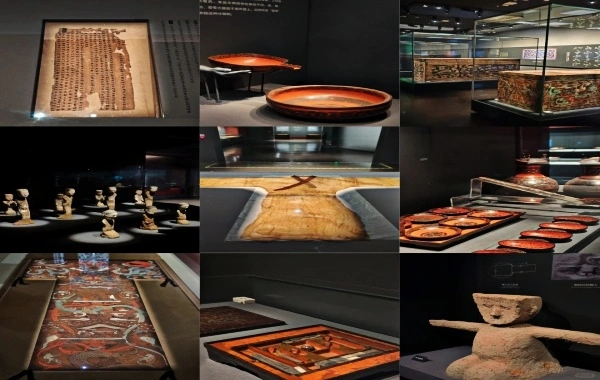
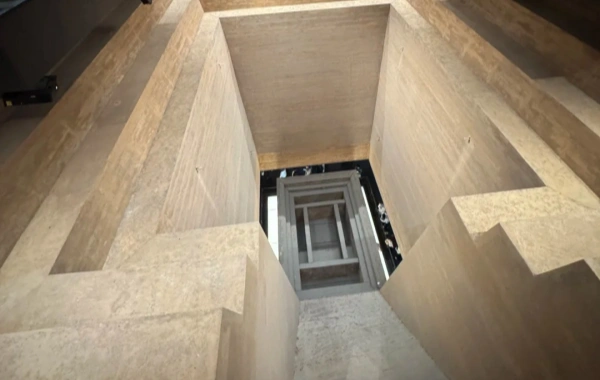
If one were to identify the very"soul"of the Hunan Provincial Museum,it would undoubtedly be the Mawangdui Han Tombs.In late 1971,during construction work at a hospital in the eastern suburbs of Changsha,workers accidentally discovered combustible gas;this discovery ultimately unveiled an underground treasury from the Western Han Dynasty that had lain dormant for over 2,100 years.From 1972 to 1974,archaeologists conducted large-scale,systematic excavations of Tombs No.1,No.2,and No.3 at Mawangdui.The three tombs collectively yielded over 3,000 precious artifacts,most of which were remarkably well-preserved—akin to an"underground museum"dating back to the early Western Han Dynasty.Defying the ravages of time,the silk textiles,lacquerware,bamboo slips,and silk manuscripts unearthed from these three tombs astonished the entire world.The artifacts from the Mawangdui Han Tombs are frequently cited in the same breath as the Terracotta Army of Qin Shi Huang—encapsulated by the adage,"The Terracotta Army in the North;Mawangdui in the South"—and stand as one of the most significant archaeological discoveries of the 20th century.

The Return of the Min Fang Lei—A Century-Long Saga of Reunion and Homecoming

Perhaps the most poignant artifact housed at the Hunan Provincial Museum is the Min Fang Lei—a monumental bronze vessel from the Shang Dynasty that had wandered in exile overseas for nearly a century.Unearthed in Taoyuan County,Hunan Province,in 1919,the vessel suffered the unfortunate fate of having its lid separated from its body.Subsequently,the body of the vessel drifted overseas,while the lid remained within China.In 2001,the body of the Min Fang Lei surfaced at a Christie's auction in New York City,USA,where it set a new auction record for Chinese bronzeware and Chinese art with a hammer price of US$9.246 million;however,the Chinese buyer who won the bid ultimately failed to complete the transaction due to financial and other constraints.In 2014,as the vessel's body was once again poised to go under the hammer,six leading enterprises in Hunan launched a fundraising initiative.With the support of the Hunan Provincial Committee and the Provincial Government—and through the collective efforts of overseas Chinese communities—they engaged in arduous negotiations with both the seller and the auction house.Ultimately,they successfully reached a private purchase agreement at a price less than half of the projected auction value.Upon its successful repatriation to China,the vessel's body was gratuitously donated to the Hunan Provincial Museum.Thus,the body and lid of the Min Fang Lei brought an end to nearly a century of turbulent separation,achieving a true"reunion of body and lid"and a complete"return to Hunan,"thereby pioneering a new model for the repatriation of cultural relics—one driven by corporate funding and supported by the government.>In-Depth Exploration:Discover More National Treasures<<[Yuelu Mountain National Key Scenic Area]

Must-See Wonders:The Enigmas of Han Tombs and the Bronze Symphony of the Shang and Zhou Dynasties

Furong Ancient Town Furong Ancient Town Furong Ancient Town Furong Ancient Town Furong Ancient Town

The Pinnacle of Cultural Heritage—The Exhibition of the Mawangdui Han Tombs

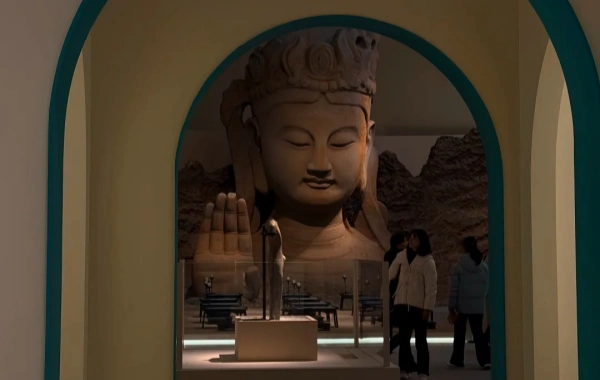
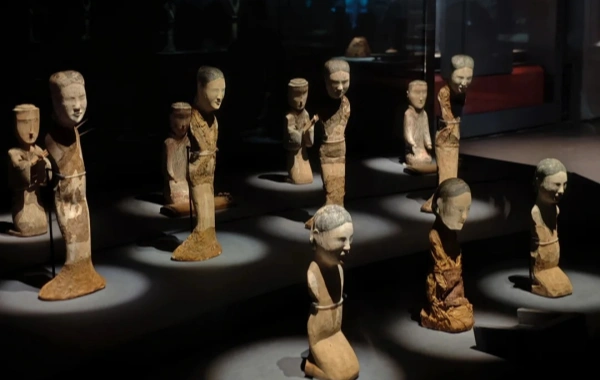
The undisputed heart and soul of the Hunan Museum is the"Exhibition of the Mawangdui Han Tombs in Changsha,"located in the galleries on the third floor.Divided into four major sections—"The Astonishing Excavation,""Life and Art,""The Collection of Bamboo and Silk Texts,"and"The Dream of Immortality"—this exhibition showcases over 1,000 artifacts.Here,visitors can engage in a dialogue across time and space with the Western Han nobility of 2,000 years ago.

Lady Xin Zhui:The Immortal Legend of the"Sleeping Beauty of the East"

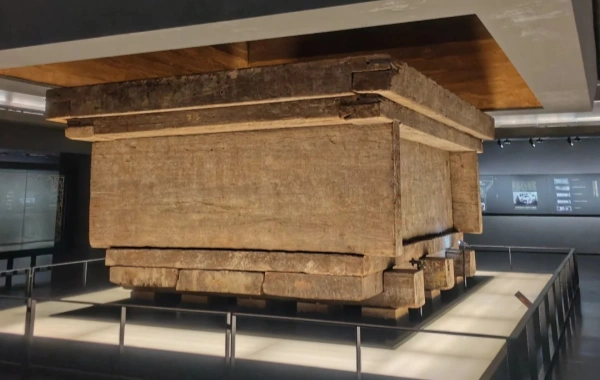
Buried approximately 20 meters underground,sealed within multiple layers of nested coffins,and packed in a moisture-absorbing white clay paste,the remains of Lady Xin Zhui survived for over 2,100 years.Upon excavation,her body remained remarkably well-preserved:her skin was still supple and elastic,most of her joints remained flexible,and some of her hair was still intact—a feat that stands as a miracle in the history of human corpse preservation.When she was unearthed in 1972,Lady Xin Zhui astonished the entire world.The advanced Western Han embalming techniques revealed by her preservation—along with the era's societal pursuit of immortality—remain invaluable subjects of research for the medical and archaeological communities to this day.

The Plain Gauze Robe:Western Han"High-Tech Textiles"Weighing Just 49 Grams

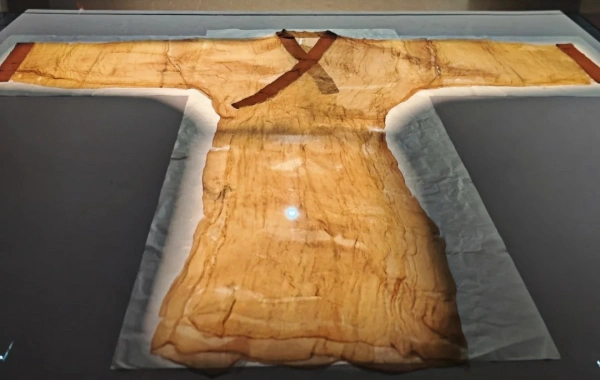
As thin as a cicada's wing,as light as wisps of mist—this is the immediate impression left by the"Plain Gauze Robe"(Su Sha Dan Yi),a national treasure unearthed from Mawangdui Tomb No.1.It stands as the oldest,most complete,and lightest garment of its kind known to exist.Two such plain gauze robes—one with a straight hem and one with a curved hem—were recovered from Mawangdui Tomb No.1.The straight-hemmed robe measures 128 centimeters in length with a total sleeve span of 190 centimeters,yet weighs a mere 49 grams—so light that,when folded,it can fit inside a small matchbox.In June 2024,the authentic curved-hem plain gauze robe—which had never before been displayed in a permanent exhibition—was unveiled to the public for the first time,garnering immense attention.Due to persistent rumors circulating among the public—suggesting that the Quju-style plain gauze undergarment was destroyed during a museum theft in 1983—the Hunan Museum issued a special online statement to"debunk the rumor."They clarified that the Quju-style plain gauze undergarment was never stolen and has,in fact,been meticulously preserved within the museum's artifact repository all along.

The T-Shaped Silk Painting:A Celestial Vision of the Soul’s Ascent

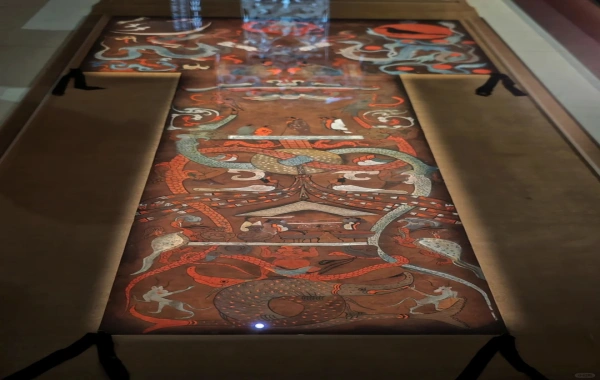
Unearthed from Tomb No.1 at Mawangdui,the T-shaped silk painting stands as the absolute pinnacle of Han Dynasty silk art.It is divided into three distinct sections:the celestial realm,the human realm,and the underworld.The upper section depicts a mythical heavenly kingdom,featuring the Golden Crow(the Sun),a toad,the Torch Dragon,and the celestial gatekeepers.The middle section portrays the tomb's occupant—Lady Xin Zhui—slowly ascending to the heavens,flanked by three attendant maidens,while her family members are shown performing sacrificial rites.The lower section depicts a giant figure supporting the earth.With its vibrant colors,rich composition,and fluid lines,the entire silk painting reveals to us the rich spiritual world of the Han people—a world characterized by the belief in the"interaction between Heaven and Man"and the ultimate ascent of the soul.

Lacquerware and Bamboo/Silk Manuscripts:The Exquisite,Utterly Luxurious Lives of Western Han Aristocrats

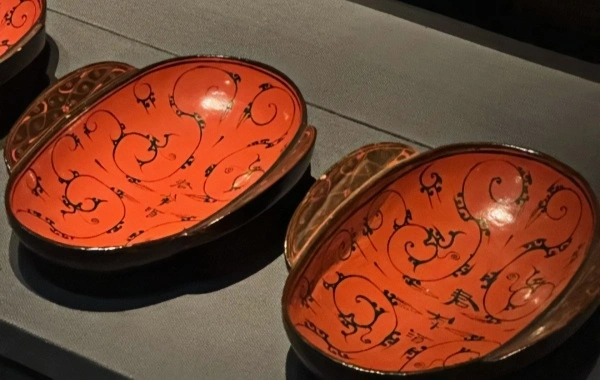
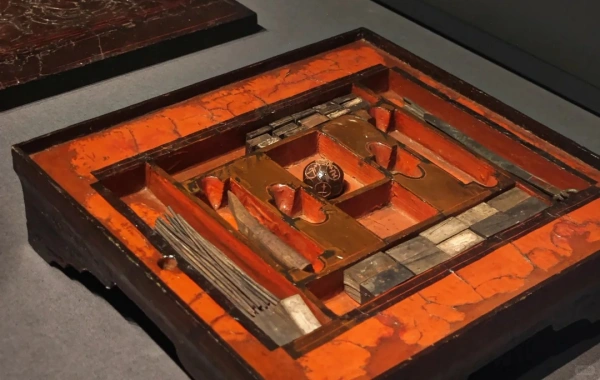
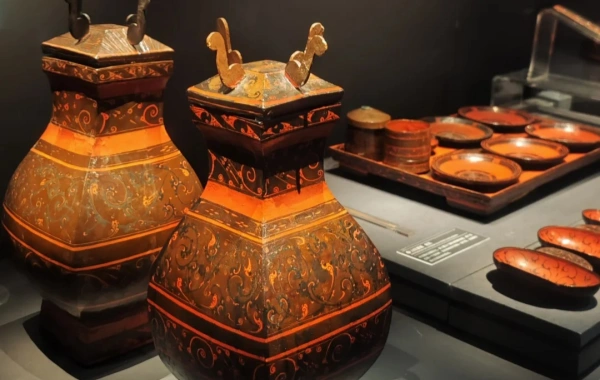
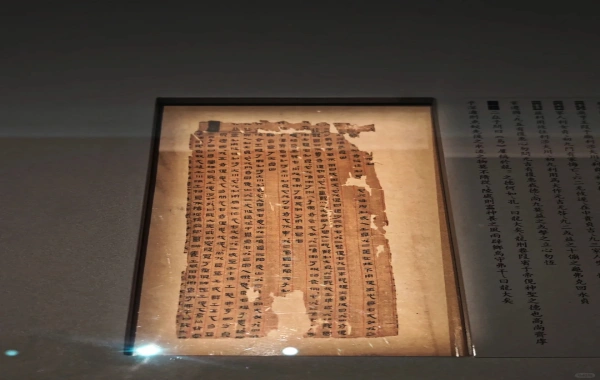
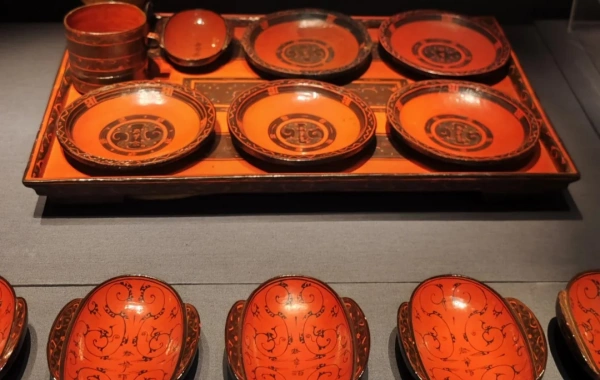
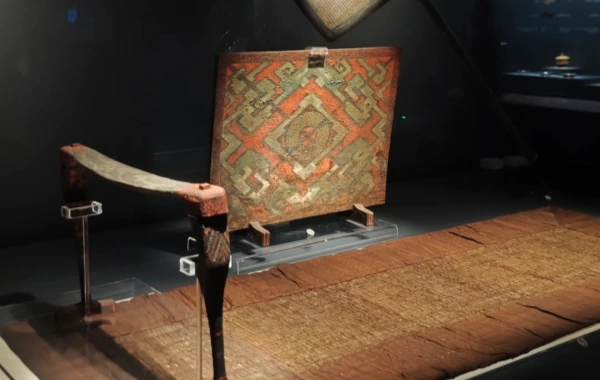
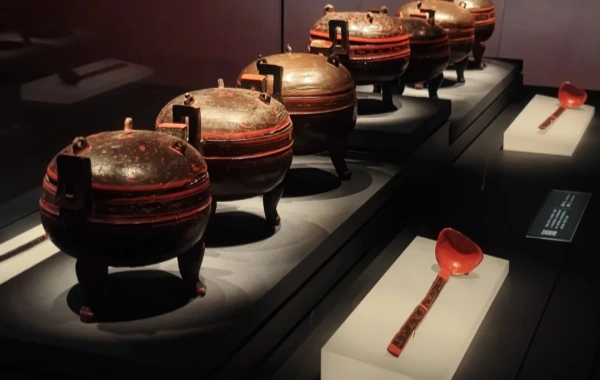
The exhibition hall also features a vast array of Western Han Dynasty lacquerware,pottery,silk textiles,and bamboo slips and silk manuscripts.These unadorned yet exquisite pieces of lacquerware silently attest to the extreme luxury that characterized the lives of the aristocracy during that era.Furthermore,the health regimens and astronomical divinations recorded on over 3,000 bamboo slips bring the wisdom of these ancients—from two millennia ago—vividly to life before our very eyes.

Deep Roots:Shang and Zhou Bronzeware and the People of Hunan

The Min Fanglei(Square Lei Vessel):The Peerless Majesty of the"King of Square Leis"

The Shang Dynasty Min Fanglei—unearthed in 1919 in Taoyuan,Hunan—is a vessel of colossal proportions,exuding a powerful and solemn grandeur.It seamlessly integrates three-dimensional sculpture,bas-relief,and incised line carving,presenting a truly magnificent appearance;it remains the largest and most exquisite bronze square lei vessel ever discovered to date.The vessel's body embarked on a journey across the ocean,and nearly a century later,it was finally reunited with its lid—a legendary saga that,in itself,constitutes a deeply moving historical epic.Standing before this heirloom of immense significance—safeguarded through the generations by the collective efforts of countless people—you witness not only the pinnacle of Shang Dynasty bronze-casting craftsmanship but also a profound,indissoluble sentiment of devotion to both family and nation.

The Ningxiang Bronze Assemblage:The Brilliant Legacy of Southern China’s Bronze Culture Hub

Ningxiang,Hunan,is one of China’s three major sites for the excavation of Shang Dynasty bronzeware,earning it the title of the"Center of Bronze Culture in Southern China."The Dahe Square Cauldron with Human-Face Motif—the only bronze ritual vessel in the nation to feature a human face as its primary decorative element—presents a mysterious,semi-human,semi-beastlike image that has sparked a myriad of enigmatic interpretations.Together with the Bronze Nao(Bell)with Elephant Motif and the Bronze Zun(Wine Vessel)in the Shape of a Swine,this Human-Face Square Cauldron forms the most brilliant tableau of the bronze civilization of the Hunan region.

"The People of Hunan"—A Historical and Cultural Exhibition:A Comprehensive History of Hunan,Rich in Local Flavor

Located on the second floor,the exhibition"The People of Hunan—A Historical and Cultural Exhibition of the Three Xiang Regions"unfolds gradually from a first-person perspective,spanning ten millennia—from the ancient homeland to the modern spirit of Hunan.From the radiant bronze cultures of the Shang,Zhou,and Chu states to the seafaring voyages of Changsha Kiln ceramics;from the fragrant rice-farming traditions of the Ming and Qing dynasties to the emergence of countless Hunanese luminaries in the modern era—an endless array of precious artifacts weaves together a clear narrative thread of the enduring"Hunan Spirit."

"The Brilliance of Hua":Ceramics,Calligraphy,Painting,and Exquisite Crafts

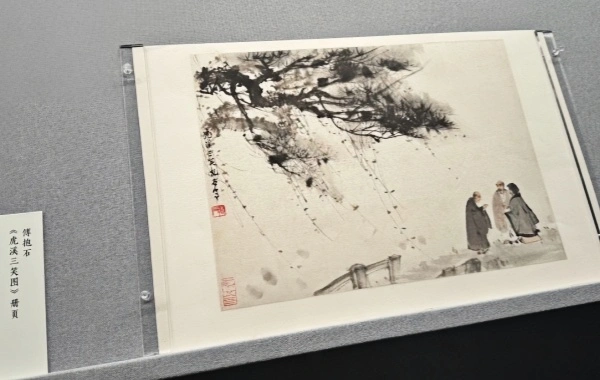
In the special exhibition halls on the second and third floors,you can admire the world-renowned ceramics of the Changsha Kiln.First fired during the Eastern Han Dynasty,this kiln pioneered underglaze painting techniques—incorporating painting,calligraphy,and poetry into ceramic decoration—and exported its wares extensively overseas,marking a true milestone in the history of Chinese ceramics.Among the precious calligraphy and painting masterpieces from various dynasties,two items are particularly unmissable:a Tang Dynasty copy of the Preface to the Poems Collected from the Orchid Pavilion(Lanting Xu)by the"Sage of Calligraphy,"Wang Xizhi;and the"Duyou"Guqin(zither)from the late Tang Dynasty—recognized by experts in the guqin world as one of the three definitive standard instruments for authenticating Tang Dynasty guqins.

>Photography Tips:The lighting in front of Lady Xin Zhui’s coffin and her Su Sha Dan Yi(plain gauze robe)—located in the Mawangdui exhibition on the third floor—is relatively dim.Conversely,the Min Square Lei(wine vessel)is dramatically illuminated;its majestic form makes it an ideal subject for close-up photography.Flash photography is prohibited within the museum;please capture your precious memories with a spirit of reverence.

Core Experience:An Immersive Journey Through the Civilization of Xiaoxiang

Furong Ancient Town Furong Ancient Town Furong Ancient Town Furong Ancient Town

Five Must-Do Activities to Unlock Your Visit to the Hunan Museum

1.Gaze upon the true visage of Lady Xin Zhui and be awestruck by a dialogue spanning two millennia.

Key Highlight:This is the absolute pinnacle of the Hunan Museum’s collection—an experience you simply cannot miss!

The Experience:Step into the core exhibition area of​​the Mawangdui Tombs on the third floor and pause for a moment before the remains of Lady Xin Zhui,unearthed from Tomb No.1.Through a specially designed glass display case,observe—at close range—the skin,joints,and hair of this Western Han Dynasty noblewoman from 2,100 years ago.It feels as though those frozen moments in time are merely an arm's length away,and here,the ultimate secrets of humanity's quest for immortality are unveiled.

2.Study the Plain Gauze Robe and the T-shaped Silk Painting,and marvel at the"high-tech"ingenuity of the ancients.

The Experience:Take your time admiring the ethereal lightness and sheer transparency of the Plain Gauze Robe,and observe the vivid narrative patterns on the T-shaped Silk Painting,which depict scenes of both the celestial realm and the human world.These artifacts represent the earliest,most complete,and most technically sophisticated examples of silk textiles and paintings from the Han Dynasty.

3.Witness the reunification of the Min Fang Lei bronze vessel—body and lid joined once more—and listen to the epic saga of its"Return to Xiaoxiang."

The Experience:Within the exhibition hall,closely examine the Min Fang Lei to appreciate the majestic and flawless craftsmanship of its casting.Then,reflect upon the moving story of how the vessel's body and lid were finally reunited—never to be separated again.From nearly a century of separation to its grand return in the modern era,this single artifact—guarded in succession by countless devoted individuals—embodies a profound and indissoluble sentiment of love for one's homeland.

4.Join a free guided tour and let an expert guide"help you understand the artifacts."

The Experience:The museum offers complimentary guided tours at the following times:10:00 AM,11:00 AM,2:00 PM,and 3:00 PM.Follow a professional guide and listen to fascinating anecdotes behind the artifacts—from the lively historical sleuthing that debunked myths surrounding the Plain Gauze Robe,to the dramatic twists and turns of the Min Fang Lei's journey across the ocean.Thanks to the depth of insight and compelling storytelling provided,these guided tours are highly recommended.

5.Take Home a"HNM Museum Shop"Souvenir—Capture a Millennium of Culture in the Palm of Your Hand

New Souvenir Recommendations:Silk Painting Refrigerator Magnets,Plain Gauze Robe Postcards,Min Fang Lei Vessel-Patterned Silk Scarves,and Custom Scented Sachets—items that offer both practical utility and commemorative value.The museum shops located on either side of the first-floor lobby also offer a"stamp-collecting"activity for visitors to check in;popular items from the"Designer Series"and"Collection Series"frequently sell out.

Ideal Tour Itinerary:Upon entering the museum,head first to the second floor for a quick overview of the general narrative of the"People of Hunan"permanent exhibition(approx.45 minutes).Alternatively,head directly to the third floor to examine the core highlights of the"Exhibition of the Han Tombs at Mawangdui,Changsha"in detail(1.5–2 hours).Finally,return to the second floor to visit the specialized galleries—covering ceramics,calligraphy and painting,and handicrafts—or the special exhibition hall on the first floor(approx.1 hour).

Suggested Tour Routes

Half-Day"Han Tomb Thrills"Highlights Tour(Ideal for Visitors with Limited Time):

Upon entry,head directly to the third floor for the"Exhibition of the Han Tombs at Mawangdui,Changsha,"touring through its four thematic units:"The Astonishing Discovery,""Life and Art,""Treasures of Bamboo Slips and Silk Manuscripts,"and"The Dream of Eternal Life"(1.5–2 hours)→Proceed to the first floor to visit the special exhibition areas,such as the Min Fang Lei gallery(approx.30 minutes)→Before exiting,browse the museum shop on the first floor to collect stamps and check in(20 minutes)→Tour concludes around 12:30 PM.

IntoTravelChina Tip:We recommend entering the museum right at opening time(9:00 AM)and heading straight to the third floor.While the Mawangdui exhibition tends to attract the largest crowds,visiting early ensures the best viewing experience.If you find the area crowded during the midday hours,you may opt to visit the permanent exhibitions on the second floor first before proceeding to the Mawangdui exhibition.One-Day"Comprehensive History of Huxiang"In-Depth Tour(Recommended Experience:Digital&Intelligent"Space-Time Journey"):

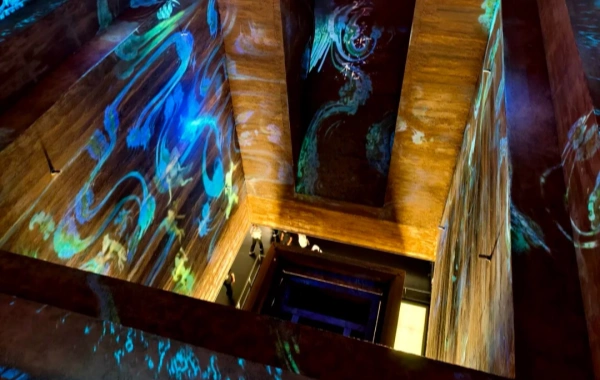
Morning:Begin with a visit to Halls A and B to view the Mawangdui Han Tombs Exhibition and the Museum's Core Collections,focusing particularly on Lady Xin Zhui,the Plain Gauze Robe,and the T-shaped Silk Painting(2 hours)→Lunch:Enjoy a light meal at the museum's restaurant or dine at a restaurant in the vicinity of Martyrs'Park→Afternoon(13:00):Head to the specialized exhibition galleries on the second floor to admire Shang and Zhou Dynasty bronzeware,Changsha Kiln ceramics,and rare calligraphy and paintings(2.5 hours)→Experience the museum's digital interactive installations or the"Space-Time Roam"immersive exhibition within the Digital&Intelligent Gallery(30 minutes)→Tour concludes around 16:00.

IntoTravelChina Advantages:We offer convenient ticket booking assistance,arrangements for professional tour guides,post-tour photography services,dining recommendations,and seamless coordination of your local transportation within the city.>> [Consult for Customization Now]

Comprehensive Travel Guide:Transport,Timing,and Seasons

Furong Ancient Town Furong Ancient Town Furong Ancient Town Furong Ancient Town

How to Get There:Convenient Access to a Prime Downtown Location

The Hunan Museum is situated on Dongfeng Road in the Kaifu District,northern Changsha,right next to the renowned Hunan Martyrs'Park.

Subway(Recommended):Take Subway Line 6 to the"Martyrs'Park South/Hunan Museum"station.Exit via Gate 1A and walk approximately 300 meters to reach the museum(a total walk of just 2 minutes).Alternatively,take Subway Line 2 to the"Yingbin Road Intersection"station;upon exiting,transfer to bus routes 131,113,or 146 to reach the museum.

Public Bus:Take bus routes 3,112,113,131,136,146,150,203,358,901,or others,and alight at the"Provincial Museum"stop.

Driving/Taxi:Navigate to"Hunan Museum."Parking spaces near the museum complex are limited,so taking the subway is highly recommended as the preferred mode of transport.

Museum Entrance:Enter via the West Gate;admission requires verification of your ID card against your reservation details.Food,large bags,and flammable or explosive materials are strictly prohibited inside the museum.

Important Departure Note:On weekdays,admission closes at 16:00,and the museum closes punctually at 17:00.Please pay attention to exhibition session times and manage your pace of sightseeing accordingly.

Best Time to Visit

The Hunan Museum is a great destination year-round,as the indoor exhibits remain unaffected by seasonal weather conditions.However,spring and autumn(March–May and September–November)offer the most pleasant climate,making it convenient to visit Martyrs'Park immediately after your museum tour.

Spring&Autumn(Peak Seasons:March–May,September–November):Ticket availability is released 7 days in advance.Demand is particularly high during these peak periods,making it more difficult to secure tickets;it is highly recommended that you pre-fill your"Visitor Information"details in advance to speed up the booking process.

Summer(June–August):Changsha weather tends to be hot during the summer months,making the museum an excellent choice for escaping the heat while enjoying a cultural excursion.However,ticket availability becomes exceptionally tight during the summer school holidays;you must be sure to book exactly 7 days in advance,right at the moment tickets are released.Daily Peak Hours:9:00 AM–10:00 AM marks the peak entry period following ticket releases;however,this is also when the artifacts are at their freshest and most vibrant,right after the museum opens.To avoid the crowds,consider entering after 2:00 PM;please note that admission closes at 4:00 PM,so be mindful of the museum's closing time.

Closed on Mondays:If a Monday falls on a statutory public holiday,the closure will be postponed to the following workday.Please plan your itinerary flexibly.

Tickets and Opening Hours

Ticket Price:Free admission.Reservations must be made in advance—starting at 8:00 PM,seven days prior to your intended visit—via the official"Hunan Museum"WeChat Official Account or Mini Program.You must present the original copy of your ID card,Hong Kong/Macau/Taiwan Travel Permit,or Foreigner's Permanent Residence ID card to scan for entry at the designated time.Certain special exhibitions may require a separate fee of approximately 30–50 RMB.

Opening Hours:Tuesdays through Sundays,9:00 AM–5:00 PM(last admission at 4:00 PM).The museum is closed on Mondays(except for statutory public holidays,in which case the closure is postponed;please check official announcements for specific schedule adjustments).

Guided Tours:Free public guided tours are available during four time slots:10:00 AM,11:00 AM,2:00 PM,and 3:00 PM.Self-service audio guides are available for rent at the first-floor service desk or via the official Mini Program for 20 RMB per unit.

Accommodation Options

Wuyi Square/Furong Square Commercial District(Top Choice):Located approximately a 15-minute drive from the museum with direct subway access.This area offers a wealth of options for shopping,dining,and enjoying the city's nightlife.Recommended hotels include the Hanting Hotel(Ji Hotel)and the Wyndham Grand Changsha.Reference Price:350–550 RMB per night.

Dongfeng Road/Martyrs'Park Vicinity(Best Value):Within easy walking distance of both the museum and Hunan Martyrs'Park.Recommended options include the Juzi Zhenpin Hotel and various Changsha folk-style guesthouses,offering budget-friendly rates(approx.150–250 RMB per night).

Kaifu Wanda/Xiangjiang Middle Road Area:Boasts prime,unobstructed views of the Xiangjiang River and Changsha's stunning cityscape—an extremely popular choice for photography enthusiasts and nightlife lovers.

IntoTravelChina Accommodation Booking Tips:

We recommend planning your itinerary and booking your accommodation at least 1–2 months in advance—especially if traveling during peak seasons such as the May Day holiday,National Day holiday,or the winter and summer school breaks.Although accommodations can be scarce due to high demand,we leverage our industry-insider connections to secure the best possible matches for you,ensuring that your very first night in Changsha is comfortable and that your subsequent sightseeing is effortless.

>Friendly Tip:When traveling in Changsha,booking your accommodation in advance—and visiting attractions during off-peak hours or later in the day—can significantly enhance the comfort and enjoyment of your trip.>>[Click to contact IntoTravelChina Travel Consultant]

Extend Your Journey:A Cultural Loop Connecting Changsha’s Highlights

The Hunan Provincial Museum is by no means the end of your journey;rather,it serves as the perfect starting point for deciphering the thousand-year history of Changsha.

Classic 2-Day"Citywalk"—The Hu-Xiang Cultural Heritage Route:Day 1:Hunan Provincial Museum(approx.3 hours)→Hunan Martyrs'Park(for a sunrise view or an evening stroll)→Changsha Binjiang Cultural Park(home to the"Three Museums and One Hall"complex).Day 2:Yuelu Academy+Aiwan Pavilion+Orange Isle(featuring the statue of the Great Leader and the Qinyuanchun:Changsha inscription).This route seamlessly links the Hunan Provincial Museum,Yuelu Academy,and China's"First Isle,"offering an efficient and comprehensive immersion into the spirit and essence of the Hu-Xiang region.

"A Glimpse of a Millennium—Creative Changsha"Route(Tailored for Trendsetting Youth):Hunan Provincial Museum→Explore vintage shops in Chaozong Street/Fengying West Lane→Catch the urban sunset from the rooftop helipad of the Wanjiali International Mall→Embark on a culinary street tour at Yangfan Night Market/Sifangping Night Market.

Hu-Xiang"Red"Cultural&Educational Route:Hunan Provincial Museum→Former Site of the Hunan First Normal University(where the young Mao Zedong studied)→Former Site of the New People's Study Society→Orange Isle.An immersive journey into the revolutionary roots and patriotic fervor of the people of the Hu-Xiang region.

Partner with IntoTravelChina to Embark on a Journey of Discovery into a Millennium of Hu-Xiang Civilization

The story of the Hunan Provincial Museum is one of the astonishing,millennia-spanning preservation of the Mawangdui tombs;of the deep,filial devotion that brought the Minfanglei bronze vessel home from across the globe;and of the enduring flame of civilization that has burned continuously across the land of"Three Xiang"for ten thousand years.As you step into this"Sanctuary of Hu-Xiang Culture,"you will not only witness with your own eyes the remarkably preserved remains of Lady Xinzhui,the ethereal Su Sha Dan Yi(Plain Gauze Robe),and the world-renowned Minfanglei—the museum's three legendary treasures—but you will also be able to trace the magnificent timeline of the"Three Xiang and Four Waters"region through a collection of over 590,000 precious cultural relics.

IntoTravelChina is dedicated to crafting deep,personalized,and worry-free travel experiences throughout China.Our travel experts can assist you by:

Tailoring Your Itinerary:Designing an optimal route—customized to your interests and schedule—that encompasses the Hunan Provincial Museum and a host of attractions in and around Changsha.

Providing One-Stop Service:Ensuring a seamless experience that covers VIP ticket booking,private guide arrangements,unique hotel accommodations,and local transportation.

Curating Exclusive Experiences:Arranging immersive performances held after museum closing hours,hands-on workshops featuring intangible cultural heritage crafts,and in-depth seminars on the culture of Mawangdui.

>Start Planning Your Journey Now

>We invite you to contact our professional travel consultants;we will provide you with a personalized itinerary proposal and price quote within 24 hours.>>[Click to contact IntoTravelChina Travel Consultant]

What Our Clients Say?

Based on 10,000+ traveler reviews

...
Daniel Dorothea
Canada
Reviewed on April 29,2025
Shopping on Nanjing Road in Shanghai was just amazing! It's truly the "First Commercial Street of China", where tradition and modernity blend perfectly. You can find awesome souvenirs and experience the trendy vibes in cool stores. The neon lights at night are just spectacular, shining bright like Times Square in New York. The food here is incredible too. I had a feast for my taste buds. Shanghai, I'll definitely be back!
Destination(s): Shanghai
Date of Experience: May 08,2024
...
...
Elvis Eva
Canada
Reviewed on June 20,2025
As a solo traveler from Canada, I was nervous about navigating China alone—but this 11-day tour was PERFECT! From hiking the Great Wall at sunrise (Day 3) to gasping at the Terracotta Army (Day 5), every day delivered ‘pinch-me’ moments. The real showstopper? Zhangjiajie’s Avatar Mountains (Day 7)! Our guide made the stone pillars come alive with stories. Massive thanks for handling all logistics—bullet train tickets, entry passes, car! And the 4-star hotels surprised me.
Destination(s): Beijing Xian Zhangjiajie Shanghai
Date of Experience: June 02,2025
... ... ...
...
Simon
America
Reviewed on May 29,2025
Our 2-day Zhangjiajie tour was beyond spectacular! As someone who’s visited Beijing and Shanghai for work, this trip revealed China’s wild, magical heart. Day 1 in Zhangjiajie National Forest Park felt like stepping onto Pandora—I’m a huge Avatar fan, and Yuanjiajie’s floating peaks left me breathless. The misty pillars and lush valleys like pure movie magic! Then came Fenghuang Ancient Town, we eat dinner beside the thundering waterfall. It seems Unreal! The night views of stilt houses glowing over the river were straight from a fairy tale. For fellow Avatar lovers and adventure seekers: Don’t miss this bucket-list experience! 10/10 would return. A Well-Traveled Film Buff, May 2025
Destination(s): Zhangjiajie
Date of Experience: May 08,2025
... ...

Ask a Question

Question Summary (100 characters)
Details (optional) (2,000 characters)
Name
Country
Phone
Email