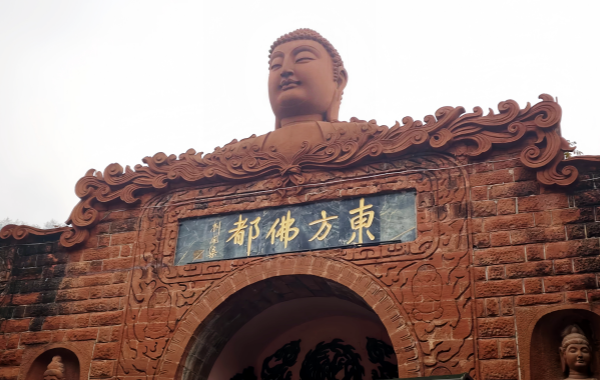
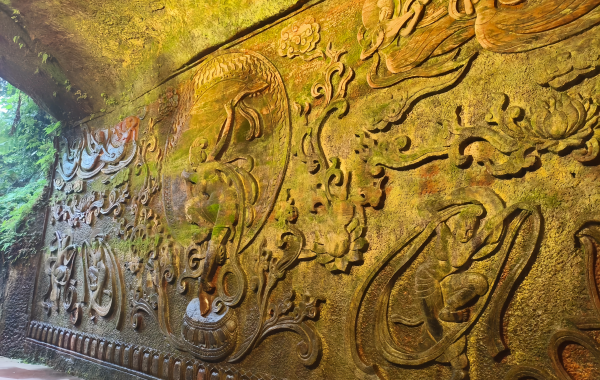
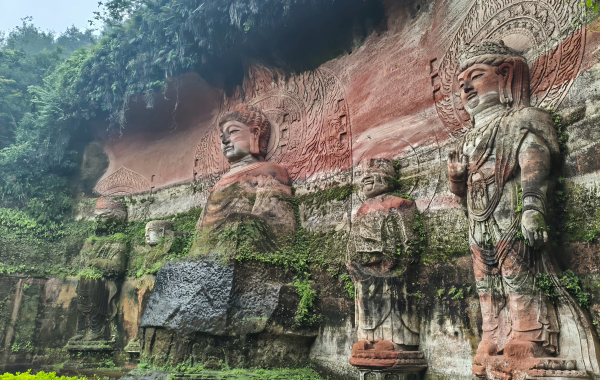
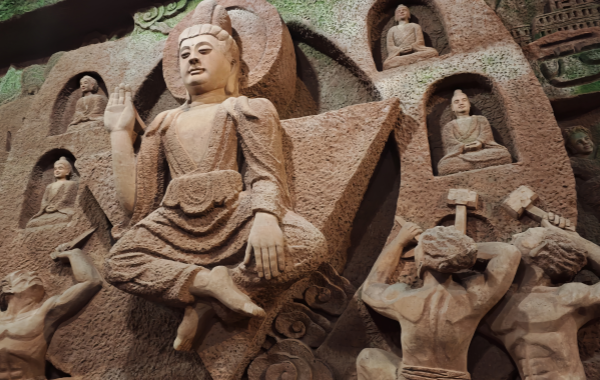
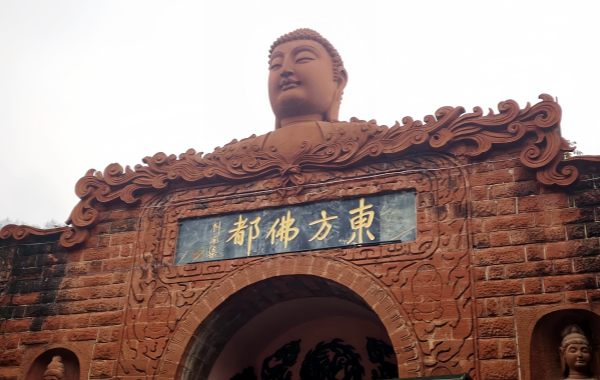
The core landscape of the Oriental Buddhist Capital is entirely composed of humanistic and artistic creations, and its main body can be summarized into three levels: "giant Buddha statues, cave Buddhist kingdoms, and gatherings of ten thousand Buddhas". The natural mountains and forests are its wonderful background and stage.
Humanistic Realm - Shocking Scale and Exquisite Craftsmanship
Lianxin Mountain - Giant Sleeping Buddha and Thousand Buddha Cave
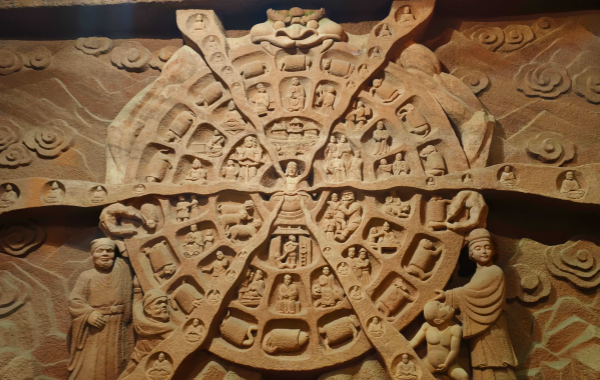
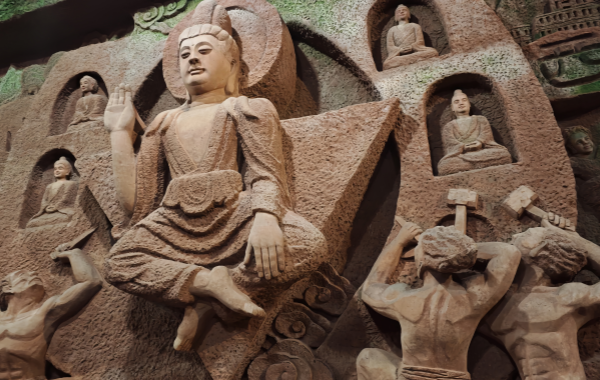
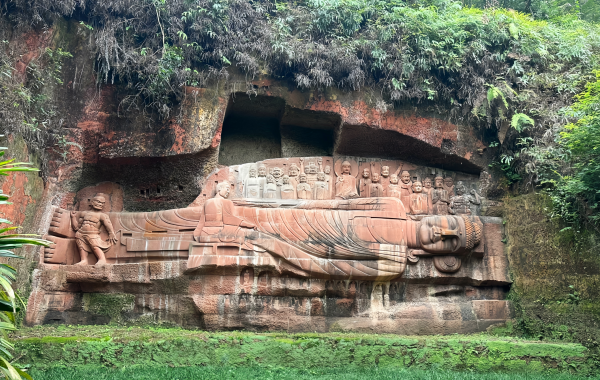
This is the treasure of the Eastern Buddhist capital and the starting point of visual impact. The giant reclining Buddha, measuring 173 meters in length, stretches across the ridge of Lianxin Mountain, with its head facing south and feet facing north, naturally exposed in the middle. The head and feet are intricately carved. Its scale is grand, especially spectacular when viewed from across the river or from the air. Beside the reclining Buddha is the Wanfo Cave excavated along the mountain. The cave is deep and wide, imitating the artistic style of famous grottoes such as Dunhuang, Yungang, and Longmen. Thousands of Buddha statues, bodhisattvas, and flying beings of different sizes and shapes are carved inside the cave, accompanied by colorful paintings, creating a solemn and magnificent Buddhist world. It can be called a three-dimensional history of Chinese Buddhist cave art.
Buddhist Paradise - the culmination of cave art
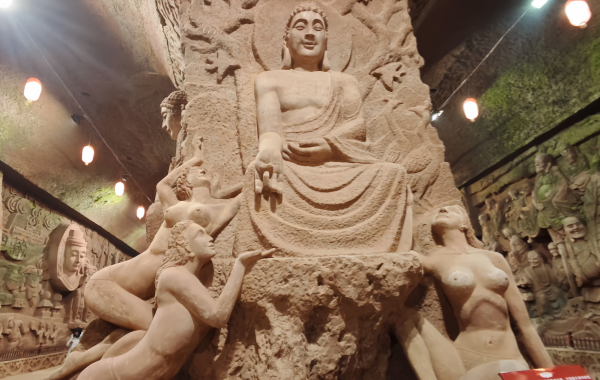
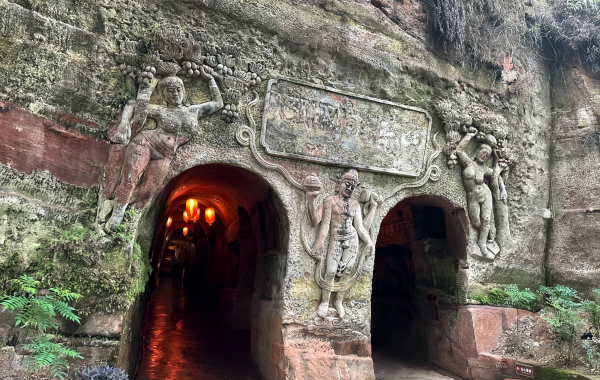
The cave Buddhist kingdom, which is formed by connecting and transforming dozens of natural caves of different sizes, is the most exquisite part of the scenic area. The most famous ones are undoubtedly the Medicine Buddha Cave and the Buddha Sitting Statue Cave. Inside the Medicine Buddha Cave, the main deity, Medicine Buddha, has a kind and benevolent expression. The twelve Medicine Fork Generals on both sides are powerful and vivid, and the cave ceiling is painted with flying and graceful colors, creating a complete Pure Land scene. The 33 meter high statue of Buddha was carved using the existing space of the towering cave, with a magnificent aura that evokes awe when viewed from above. The clever design of light and shadow inside the cave adds a mysterious and sacred atmosphere.
Chinese and Foreign Buddha Statue Corridor - Artistic Dialogue Across Time and Space
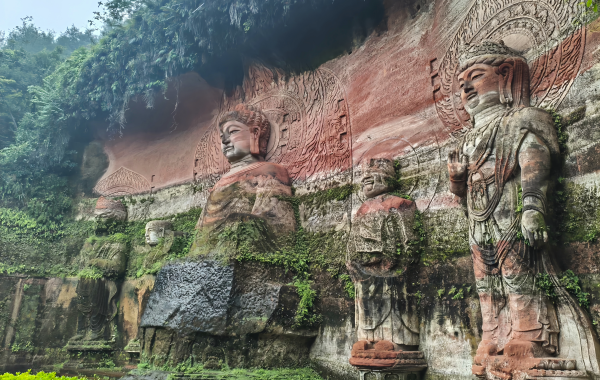
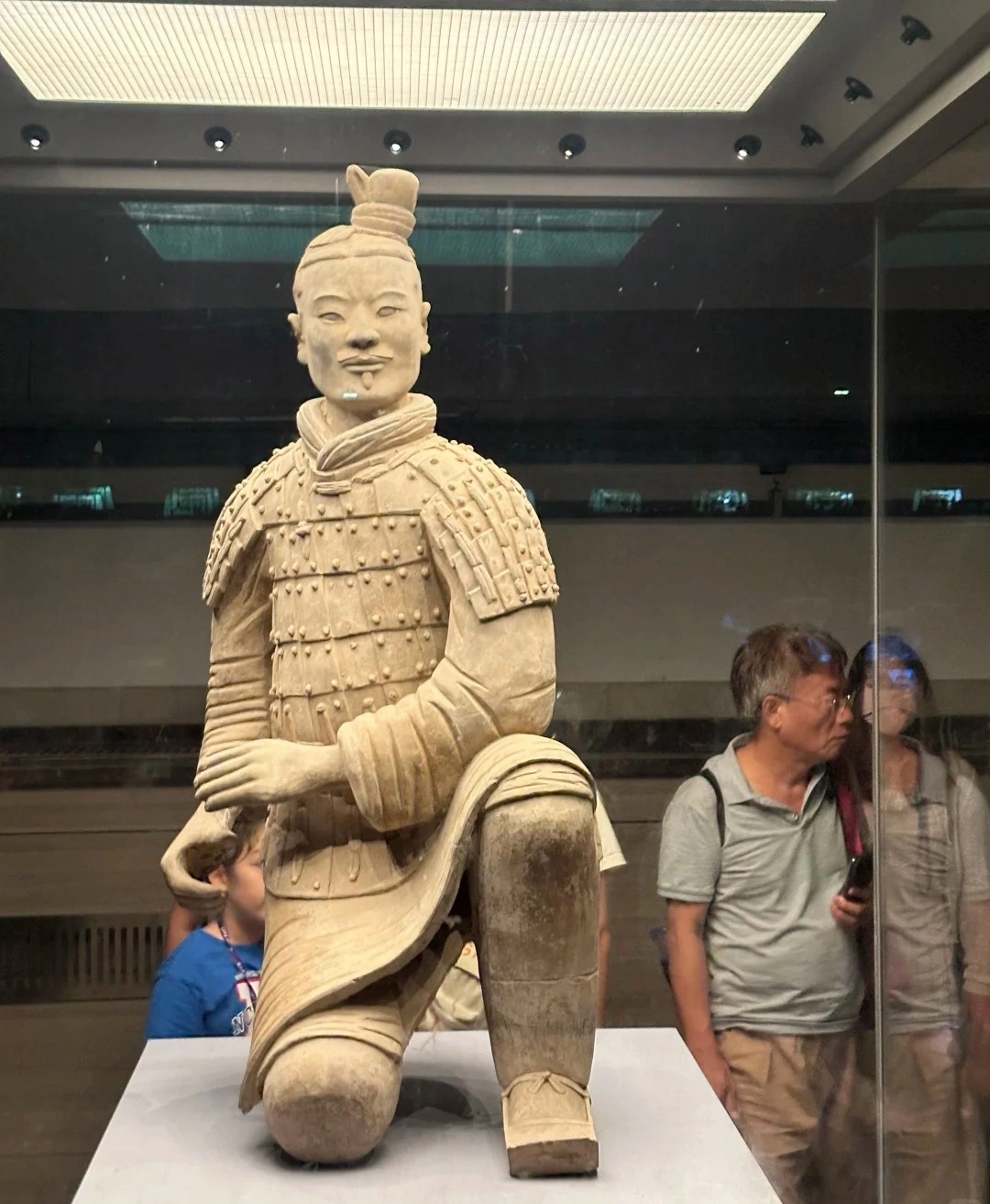
Along the scenic trail, there are groups of Buddha statues inspired by Buddhist art from around the world. There are not only Arhat and Bodhisattva in China, but also Buddha statues in Southeast Asia style, and even statues imitating Gandhara art in India. Although these works are imitations, their craftsmanship is exquisite, providing visitors with an excellent classroom for intuitive comparison of Buddhist art styles in different regions.
Natural Background - Green Zen of Lingyun Mountain
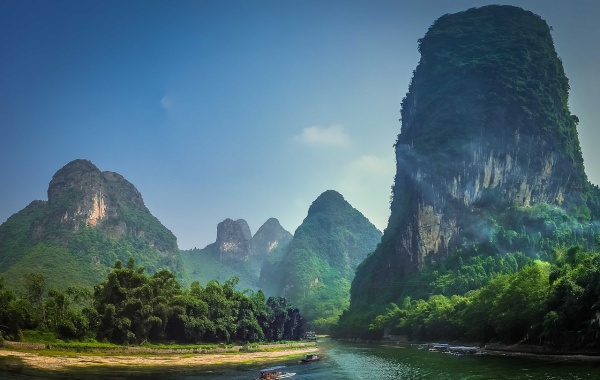
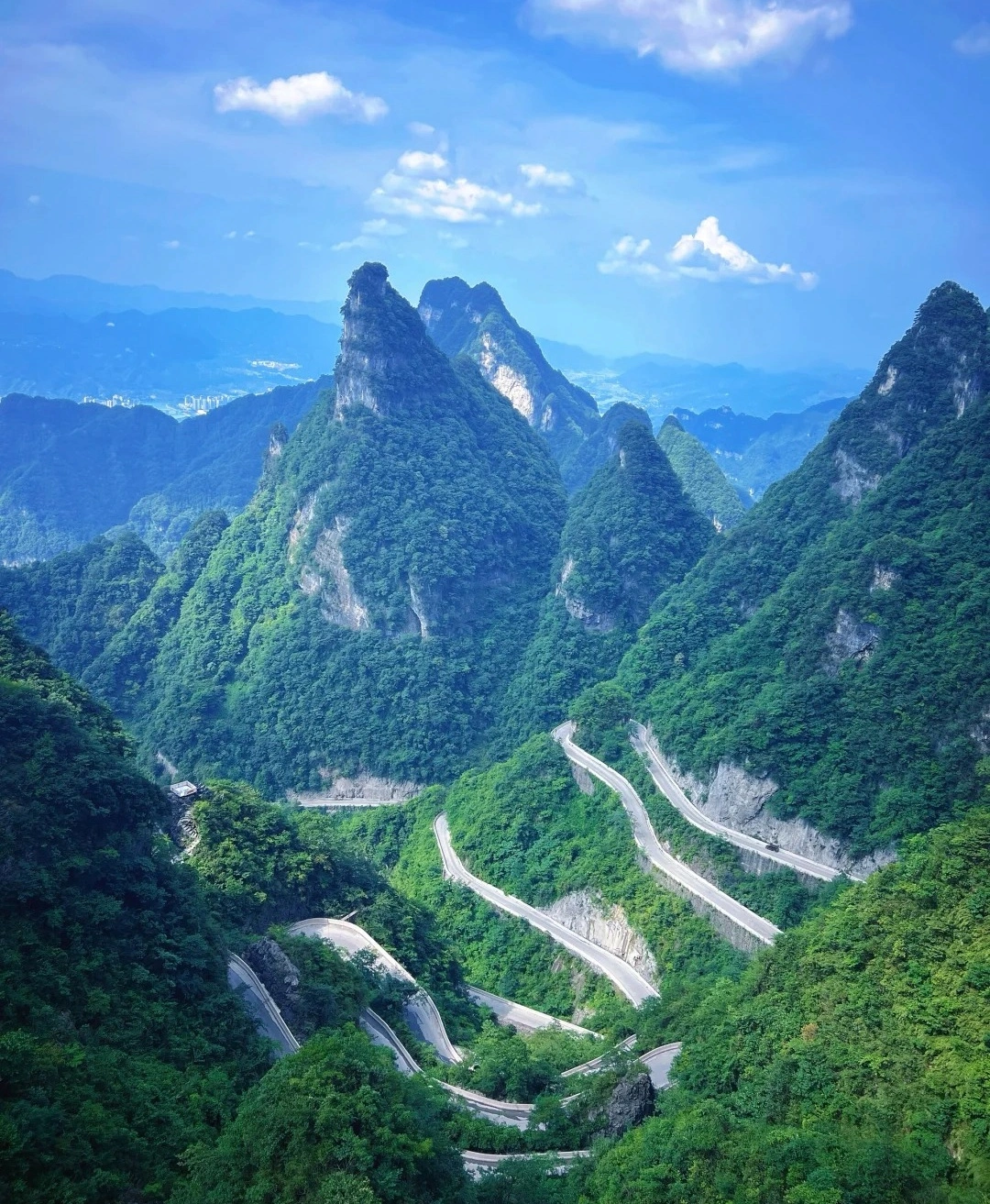
Although the core of the landscape is stone carvings, the natural environment of Lingyun Mountain itself provides an irreplaceable foundation for Eastern Buddhism.
Mountain and Forest Trail: The sightseeing trail winds through the dense forest, with towering ancient trees, hanging vines, and the chirping of birds and the fragrance of flowers. Walking among them is like taking a 'Zen meditation stroll', where the hustle and bustle of the world is naturally filtered out, and the soul has gained a moment of peace before moving towards the next Buddha statue.
Observation Deck for Distant View: There is an observation deck in the scenic area that offers a magnificent view of the confluence of the Minjiang River, Qingyi River, and Dadu River, as well as a distant view of Leshan City. Take in a panoramic view of humanistic art and natural landscapes, creating a broad artistic conception.
Photography tips:
Panoramic view of the reclining Buddha: It is necessary to use a drone or go to a specific high-altitude platform to capture the panoramic view of the reclining Buddha lying on the mountain ridge, which is magnificent.
Cave Light and Shadow: In the Wanfo Cave or Medicine Buddha Cave, use the natural side light at the entrance of the cave or the internal lighting to capture the contrast of light and shadow and the detailed texture of the Buddha statue, avoiding the use of flashlights.
Environmental portrait: In the forest next to the trail, with grottoes or Buddha statues as the background and figures in front, photos with a sense of story and Zen can be taken.