
Erwang Temple
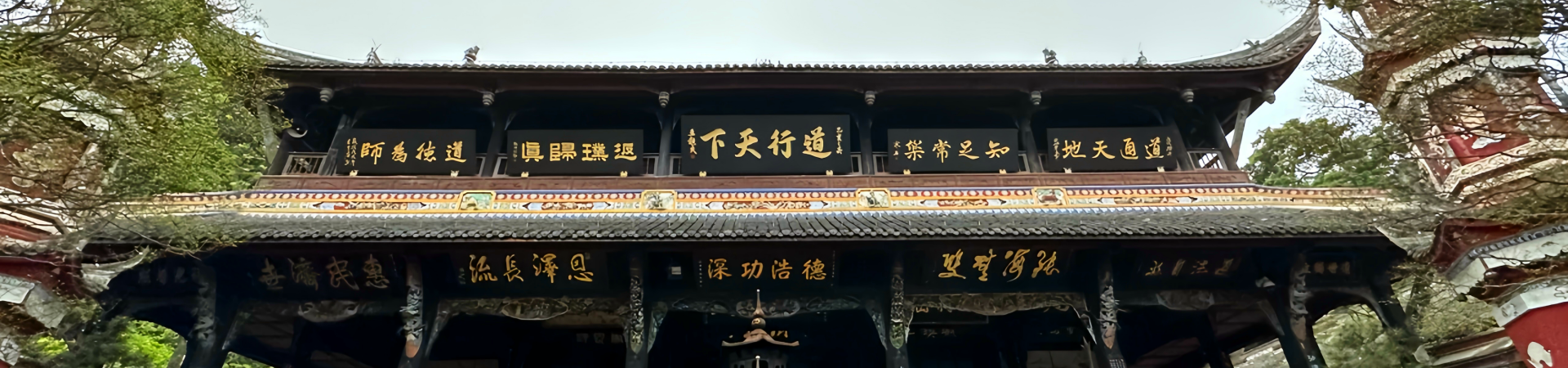
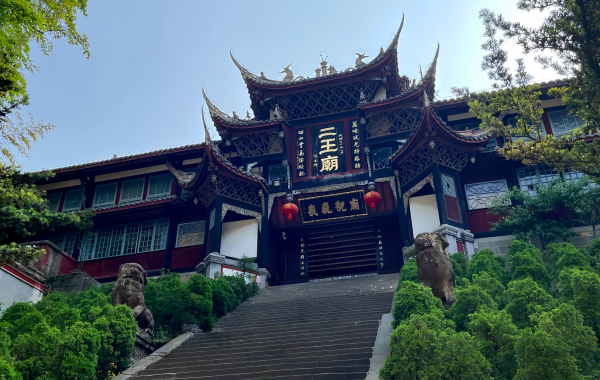
Erwang Temple, dedicated to the ancient Chinese hydraulic engineers Li Bing and his son, is a historic and culturally significant site located near Dujiangyan Irrigation System in Sichuan Province. Built to commemorate their remarkable contributions to flood control and irrigation, the temple features traditional Chinese architecture, intricate carvings, and serene gardens. Visitors can explore the halls and pavilions that house statues and relics related to Li Bing's legacy, while enjoying the peaceful ambiance and scenic views of the surrounding mountains and rivers. Erwang Temple stands as a testament to China's rich hydraulic engineering heritage and a place of reverence for those who appreciate its historical and cultural value.
Introduction & Historical Significance
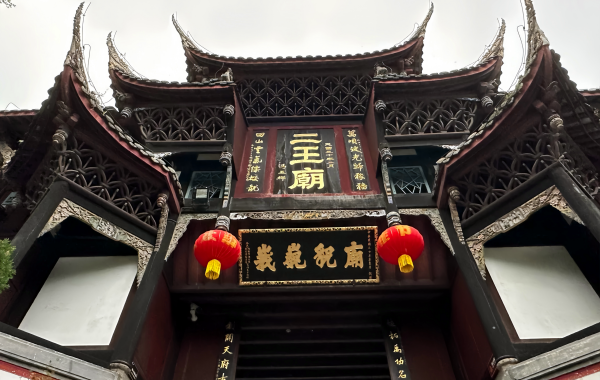
Erwang Temple, nestled on the slopes of Yulei Mountain in Dujiangyan, Sichuan, is a UNESCO-recognized cultural relic dedicated to Li Bing and his son, the legendary engineers of the ancient Dujiangyan Irrigation System (256 BCE). Originally built during the Northern and Southern Dynasties (494–498 CE) as Chongde Temple, it was renamed "Erwang" (Two Kings) in the Song Dynasty after the pair were deified. As the spiritual heart of China’s hydraulics heritage, the temple embodies the fusion of scientific ingenuity, religious reverence, and Taoist-Confucian philosophy. It symbolizes the enduring gratitude of the Sichuan people for Li Bing’s "water-control wisdom," epitomized by the six-character maxim "Deepen the Beach, Lower the Weir" inscribed on its walls.
Architectural Layout & Design
The temple spans 50,000 m² with a 10,000 m² building complex, blending terraced layouts and natural topography. Unlike symmetrical imperial palaces like Beijing’s Forbidden City, it adopts a free-form, mountain-adaptive design:
- Spatial Hierarchy: Three-layered courtyards connect via steep staircases and stone paths, creating a dynamic "ascending pilgrimage" experience.
- Key Structures: Li Bing Hall and Erlang Hall anchor the west (ritual zone), while the east hosts gardens with ancient gingko trees, bamboo groves, and pavilions.
- Decorative Artistry: Intricate wood carvings, glazed tiles, and murals depicting Daoist motifs and hydraulic myths adorn the eaves and walls.
- Engineering Marvels: The temple integrates with Dujiangyan’s water system, using stone channels and drainage systems to prevent erosion.
Major Attractions
- Sacred Halls:
- Li Bing Hall: Houses a restored statue of Li Bing, surrounded by inscriptions of his water-management principles.
- Erlang Hall: Dedicated to Li’s son, featuring dynamic sculptures of "water-taming" myths.
- Stone Tablet Corridor: Displays Tang-to-Qing dynastic steles, including the famed "Deepen the滩, Lower the Weir" calligraphy.
- Cultural Landscapes:
- Yulei Mountain Observatory: Panoramic views of the Dujiangyan’s fish-mouth diversion, flying-sand weir, and baopingkou intake.
- Ancient Plum Grove: A 500-year-old plum orchard symbolizing resilience, blooming in winter.
- Temple Gardens: Seasonal cherry blossoms (spring) and ginkgo corridors (autumn).
- Ritual Spaces:
- Annual Temple Fair (Lunar June 24): Features processions, Sichuan Opera, and incense rituals honoring Li Bing’s birthday.
- Lei Tai Stage: Historic theater for traditional performances and modern cultural events.

Cultural & Spiritual Value
The temple transcends mere architecture—it’s a "living museum" of hydraulic wisdom and communal faith. Its walls bear poetic couplets like "Water Flows, Virtue Remains" and "Harmony of Heaven, Earth, and Man," reflecting Daoist cosmology. The biannual "Li Bing Cultural Festival" combines scholarly forums on water conservation with grassroots rituals, embodying China’s ethos of "unity of nature and humanity." As a pilgrimage site, it draws millions annually, offering solace and inspiration through its timeless connection to nature’s rhythms.
Visitor Information
- Tickets: ¥90/adult (¥45 for students/seniors); free for children under 1.2m.
- Hours: 08:00–18:00 (last entry 17:30).
- Guided Tours: ¥150–300 for in-depth explorations of hydraulic engineering and temple history.
- Accessibility: Wheelchair ramps and audio guides available; major areas are stroller-friendly.
Transportation Guide
- From Chengdu:
- High-Speed Train: 20-minute ride to Dujiangyan Station, then 10-minute taxi to temple.
- Self-Drive: 1-hour via Chengdu-Dujiangyan Expressway; parking at Yulei Mountain Lot (¥10/day).
- Local Transit: Bus 365 from Dujiangyan City Center; shared bikes for scenic riverfront paths.
Best Time & Tips
- Optimal Seasons: April–June (spring blossoms) and September–November (autumn foliage).
- Photography: Dawn for misty mountain vistas; dusk for golden-hour light on temple eaves.
- Etiquette: Remove hats in halls; avoid loud voices during rituals.
- Dining: Savor local specialties like "Bamboo Shoot Hot Pot" at temple-side teahouses.
Nearby Attractions & Itineraries
- Combined Tours:
- Morning: Temple exploration + Dujiangyan Canal boat tour.
- Afternoon: Qingcheng Mountain Daoist retreat + Taikoo Li Chengdu shopping.
- Evening: Jinjiang River night cruise + Jiuyan Bridge bar-hopping.
- Cultural Synergy: Pair with Chengdu’s Jinsha Site Museum for a journey through ancient Shu civilization.
Erwang Temple stands as a testament to humanity’s harmonious coexistence with water—a timeless beacon where science, spirituality, and nature converge. As both a UNESCO heritage site and a sacred pilgrimage destination, it continues to inspire global efforts in sustainable development and cultural preservation, echoing the wisdom of Li Bing’s legendary water conservancy projects.


Contact Us
What Our Clients Say?
Based on 10,000+ traveler reviews

Daniel Dorothea
Canada
Reviewed on April 29,2025
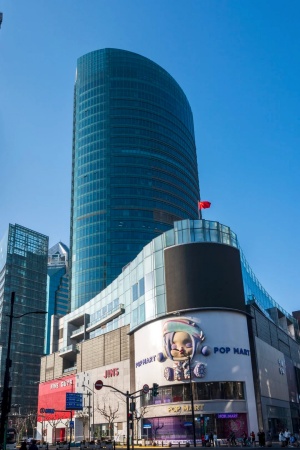
Shopping on Nanjing Road in Shanghai was just amazing! It's truly the "First Commercial Street of China", where tradition and modernity blend perfectly. You can find awesome souvenirs and experience the trendy vibes in cool stores. The neon lights at night are just spectacular, shining bright like Times Square in New York. The food here is incredible too. I had a feast for my taste buds. Shanghai, I'll definitely be back!
Destination(s):
Shanghai
Date of
Experience:
May 08,2024

Elvis Eva
Canada
Reviewed on June 20,2025
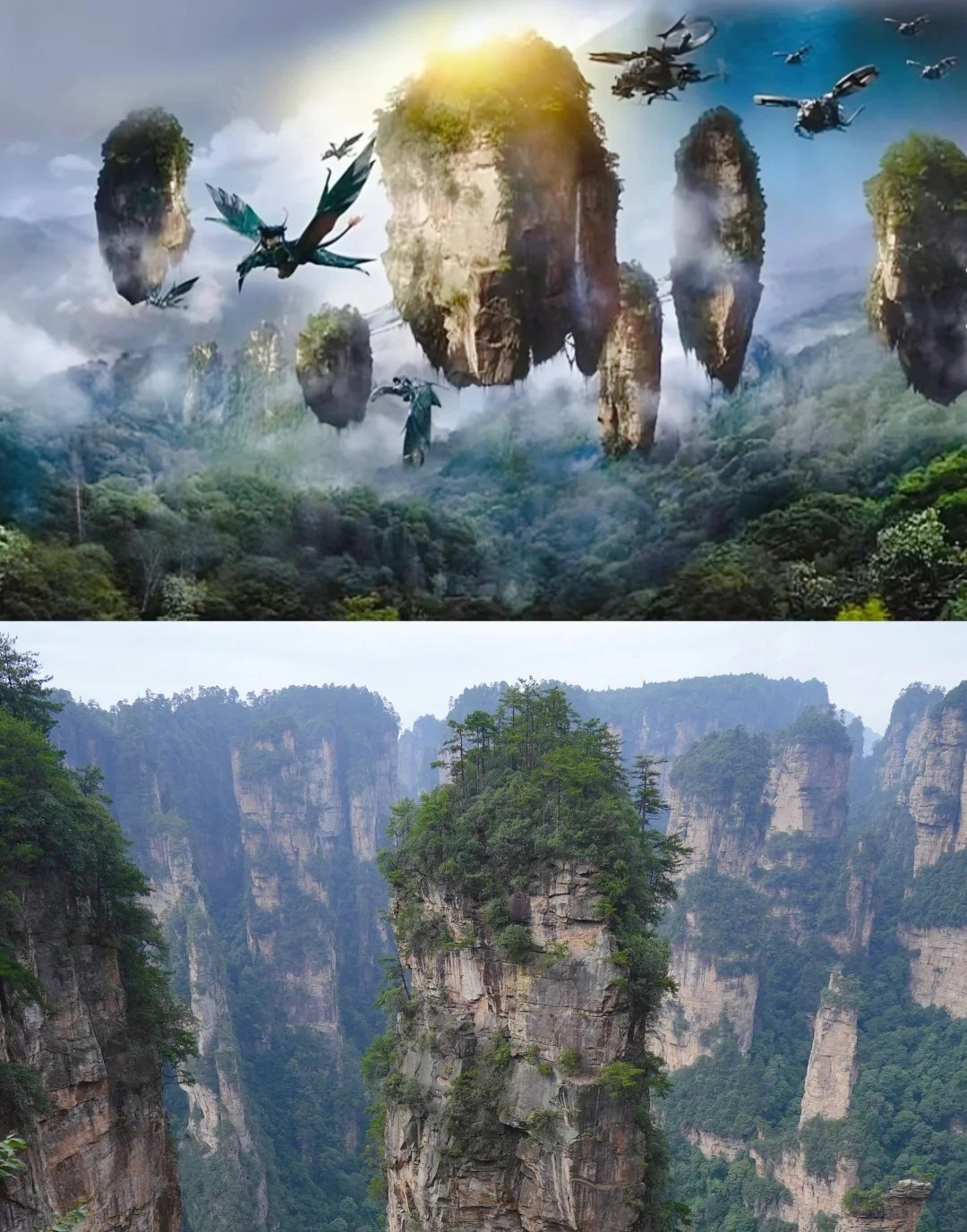
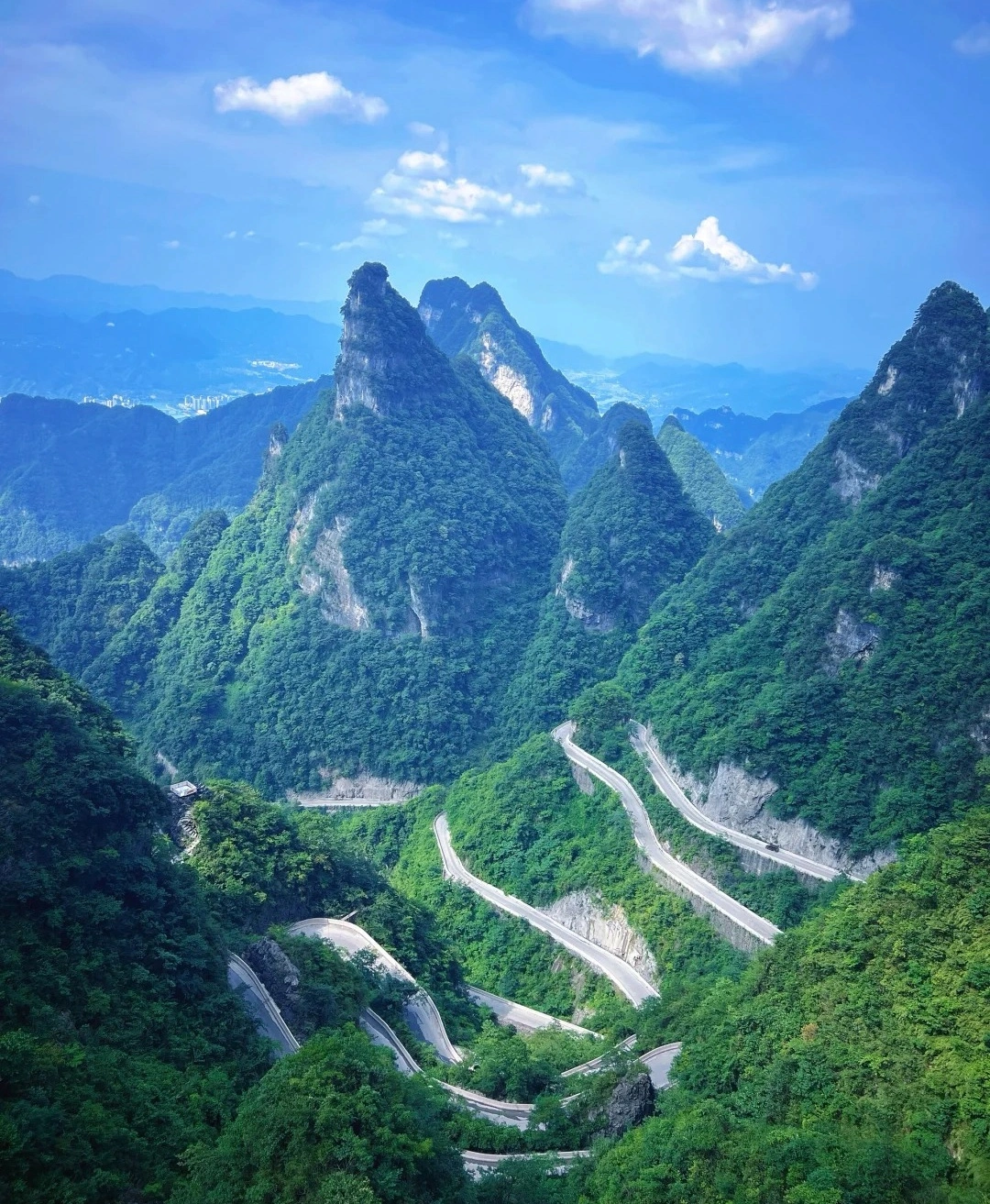
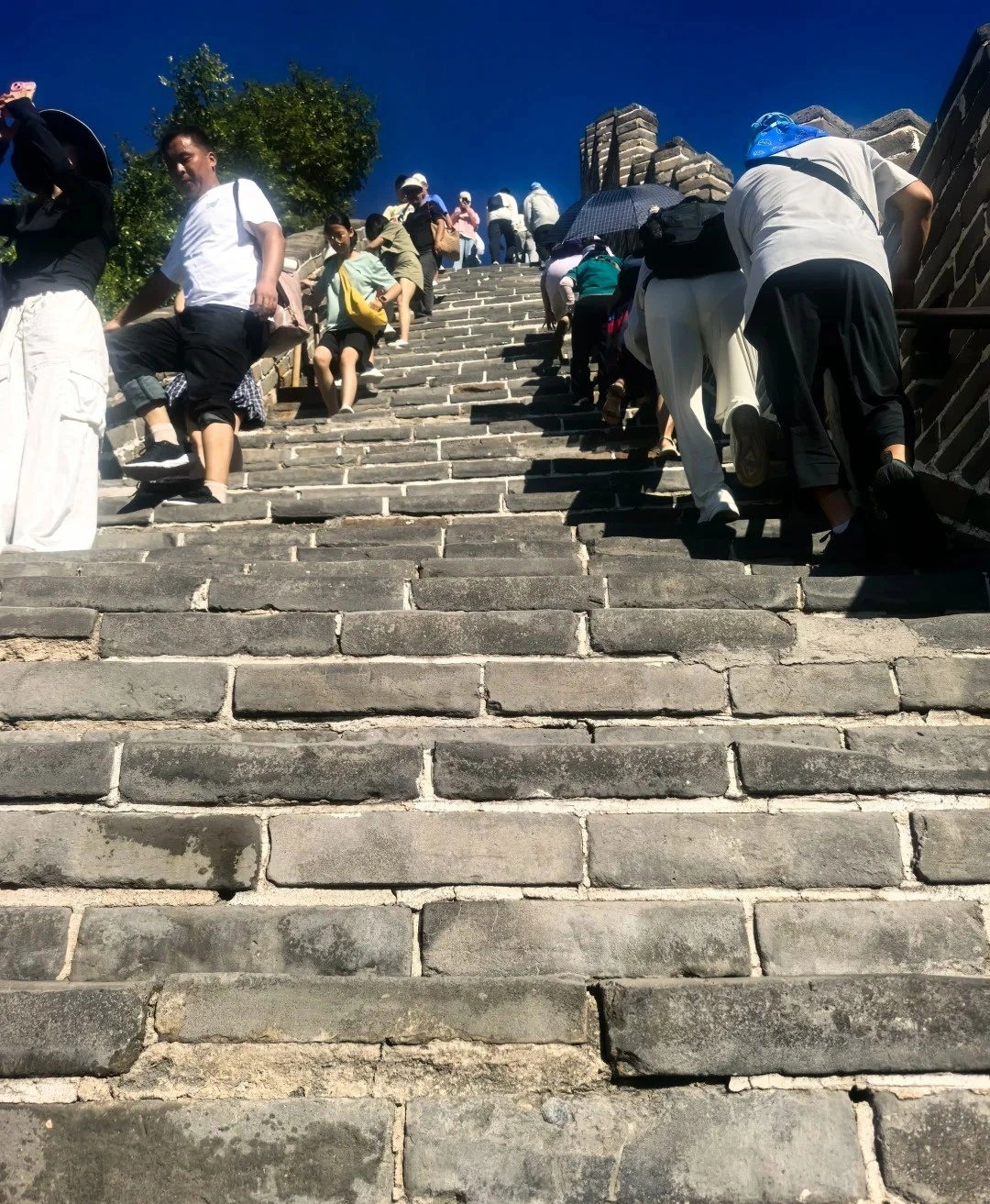
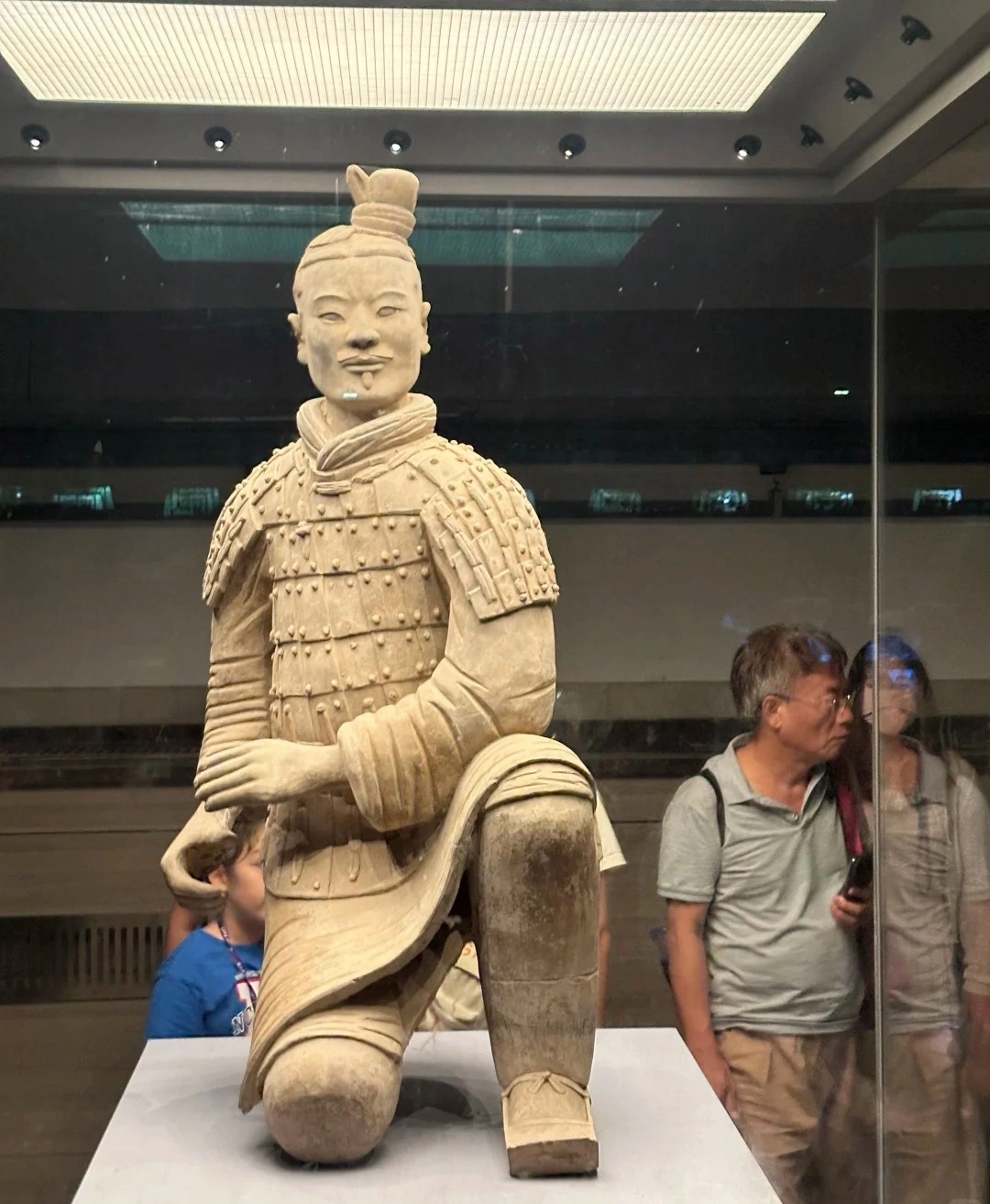
As a solo traveler from Canada, I was nervous about navigating China alone—but this 11-day tour was PERFECT! From hiking the Great Wall at sunrise (Day 3) to gasping at the Terracotta Army (Day 5), every day delivered ‘pinch-me’ moments. The real showstopper? Zhangjiajie’s Avatar Mountains (Day 7)! Our guide made the stone pillars come alive with stories.
Massive thanks for handling all logistics—bullet train tickets, entry passes, car! And the 4-star hotels surprised me.
Destination(s):
Beijing Xian Zhangjiajie Shanghai
Date of
Experience:
June 02,2025

Simon
America
Reviewed on May 29,2025
Our 2-day Zhangjiajie tour was beyond spectacular! As someone who’s visited Beijing and Shanghai for work, this trip revealed China’s wild, magical heart. Day 1 in Zhangjiajie National Forest Park felt like stepping onto Pandora—I’m a huge Avatar fan, and Yuanjiajie’s floating peaks left me breathless. The misty pillars and lush valleys like pure movie magic!
Then came Fenghuang Ancient Town, we eat dinner beside the thundering waterfall. It seems Unreal! The night views of stilt houses glowing over the river were straight from a fairy tale.
For fellow Avatar lovers and adventure seekers: Don’t miss this bucket-list experience! 10/10 would return.
A Well-Traveled Film Buff, May 2025
Destination(s):
Zhangjiajie
Date of
Experience:
May 08,2025