Jinsha Site Museum: The Light of Ancient Shu Civilization, Sleeping for Three Thousand Years, Awakens and Starts the World

Jinsha Site Museum: The Light of Ancient Shu Civilization, Sleeping for Three Thousand Years, Awakens and Starts the World

Overview: Archaeological Wonders and Civilization Treasures of Chengdu Plain
The Jinsha Site Museum, located in Qingyang District, Chengdu City, Sichuan Province, is a specialized museum established on the site of a national key archaeological site.

Quick overview of core highlights
Identity tags: One of the three major sites of ancient Shu civilization/China's first major archaeological discovery of the 21st century/National first-class museum/National Archaeological Site Park
Core Experience: Facing the original object of the "Sun God Bird", strolling through large sacrificial sites, immersing oneself in the life of ancient Shu, and exploring the treasures of gold and jade
Suggested tour: 3-4 hours, it is recommended to follow the guide or tour guide to gain a deeper understanding
Address: No.2 Jinsha Site Road, Qingyang District, Chengdu City, Sichuan Province

  • Jinsha Site Museum: The Light of Ancient Shu Civilization, Sleeping for Three Thousand Years, Awakens and Starts the World-1
  • Jinsha Site Museum: The Light of Ancient Shu Civilization, Sleeping for Three Thousand Years, Awakens and Starts the World-2
  • Jinsha Site Museum: The Light of Ancient Shu Civilization, Sleeping for Three Thousand Years, Awakens and Starts the World-3
  • Jinsha Site Museum: The Light of Ancient Shu Civilization, Sleeping for Three Thousand Years, Awakens and Starts the World-4

Origin: Accidental Surprise and System Unveiling

Furong Ancient Town Furong Ancient Town

A Shocking Discovery at a Construction Site
The modern story of Jinsha Site began on an ordinary afternoon in February 2001. In Jinsha Village, located in the western suburbs of Chengdu, the construction of a real estate project is in full swing. When the excavator's bucket glides through the soil, a large amount of precious ivory, jade, and bronze fragments are mixed in the soil and prominently displayed. Sharp construction workers immediately reported, and archaeologists rushed to the scene. With the unfolding of salvage archaeological excavations, the Jinsha Site, an important capital of the ancient Shu Kingdom that had been dormant for over three thousand years, has finally been rediscovered. This discovery instantly shocked the world and was hailed as "China's first major archaeological discovery since entering the 21st century", directly rewriting the history of Chengdu's founding and the development sequence of ancient Shu civilization.

Continuing and Moving Forward: The Civilization Relay from Sanxingdui to Jinsha
The Jinsha Site is not an isolated fragment of civilization. Archaeological research suggests that it is highly likely to be another political, economic, and cultural center of the ancient Shu Kingdom, following the Sanxingdui civilization of Guanghan. It dates back slightly later than Sanxingdui, and the two cultures are inherited and unique. When the ancient city of Sanxingdui suddenly declined, the center of the ancient Shu civilization may have shifted to Jinsha in the hinterland of the Chengdu Plain, where it continued its glory for hundreds of years. The discovery of Jinsha perfectly connected the direction of the Sanxingdui civilization, making the development of the ancient Shu civilization clearer and more complete. In order to protect and showcase this priceless heritage, the Jinsha Site Museum established on the site was officially opened to the public in 2007, allowing the public to visit the archaeological site and glimpse the mysterious figure of the ancient Shu Kingdom.

In depth understanding: Explore more journeys to explore the origins of Chinese civilization>>Exploring the Sanxingdui Museum of Ancient Shu Civilization

Must See Wonders: A Time Space Dialogue between Ruins and Treasures

Furong Ancient Town Furong Ancient Town

 Treasures of Humanities - The pinnacle of craftsmanship in ancient Shu
Over ten thousand precious cultural relics have been unearthed in Jinsha, among which the following are the most dazzling treasures of the museum. They embody the extraordinary religious beliefs, artistic achievements, and craftsmanship of the ancient Shu ancestors.
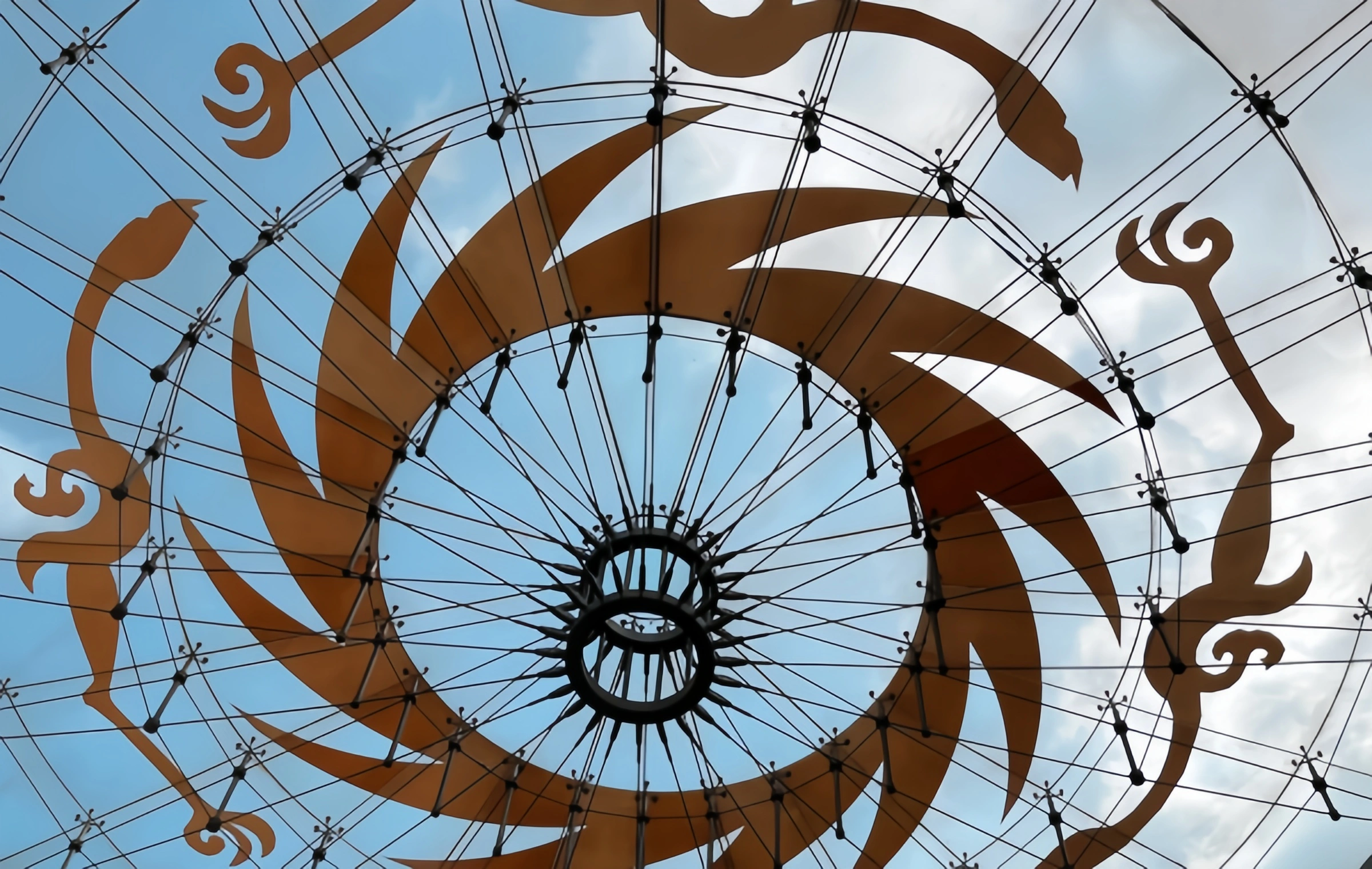
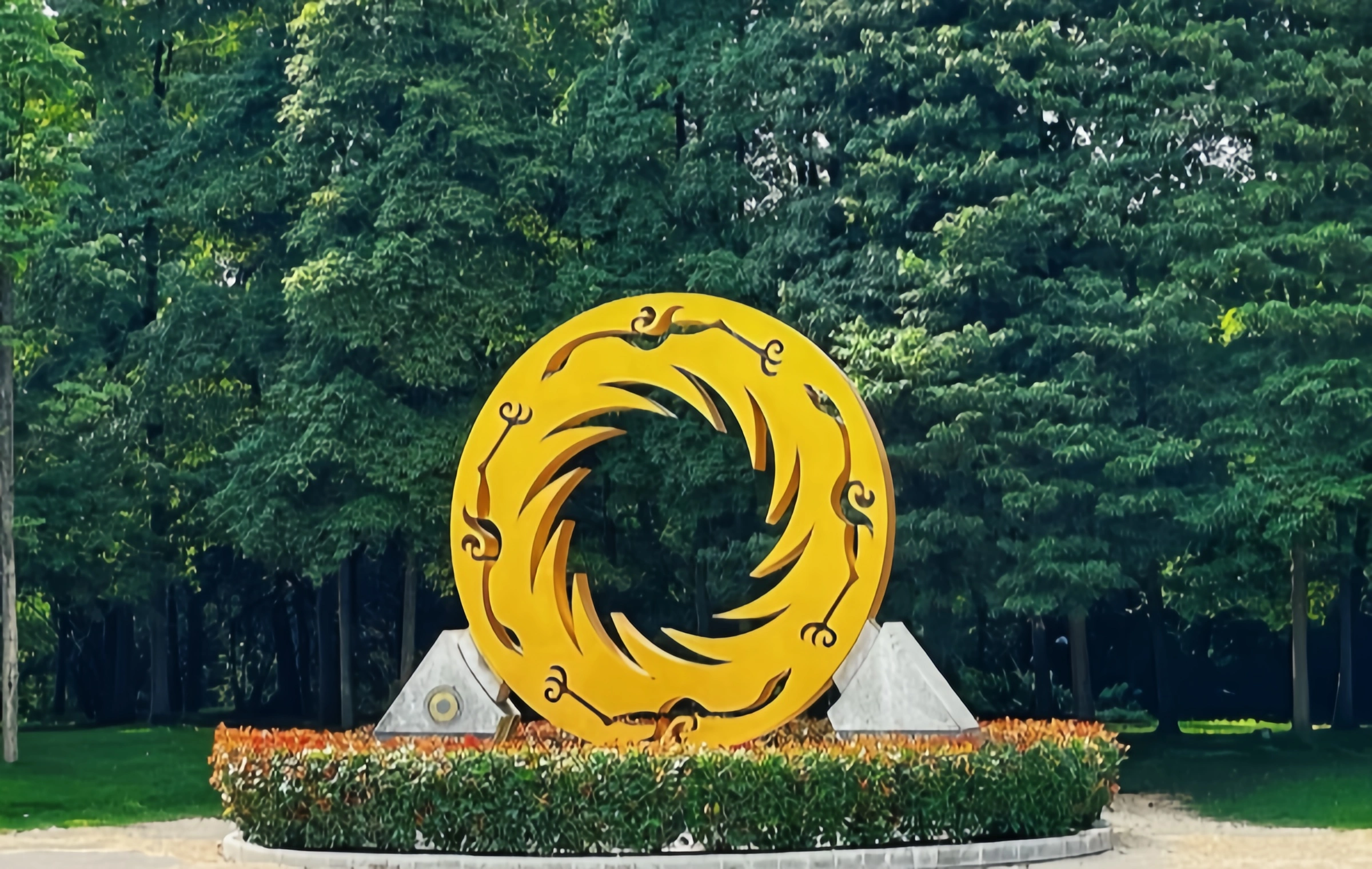
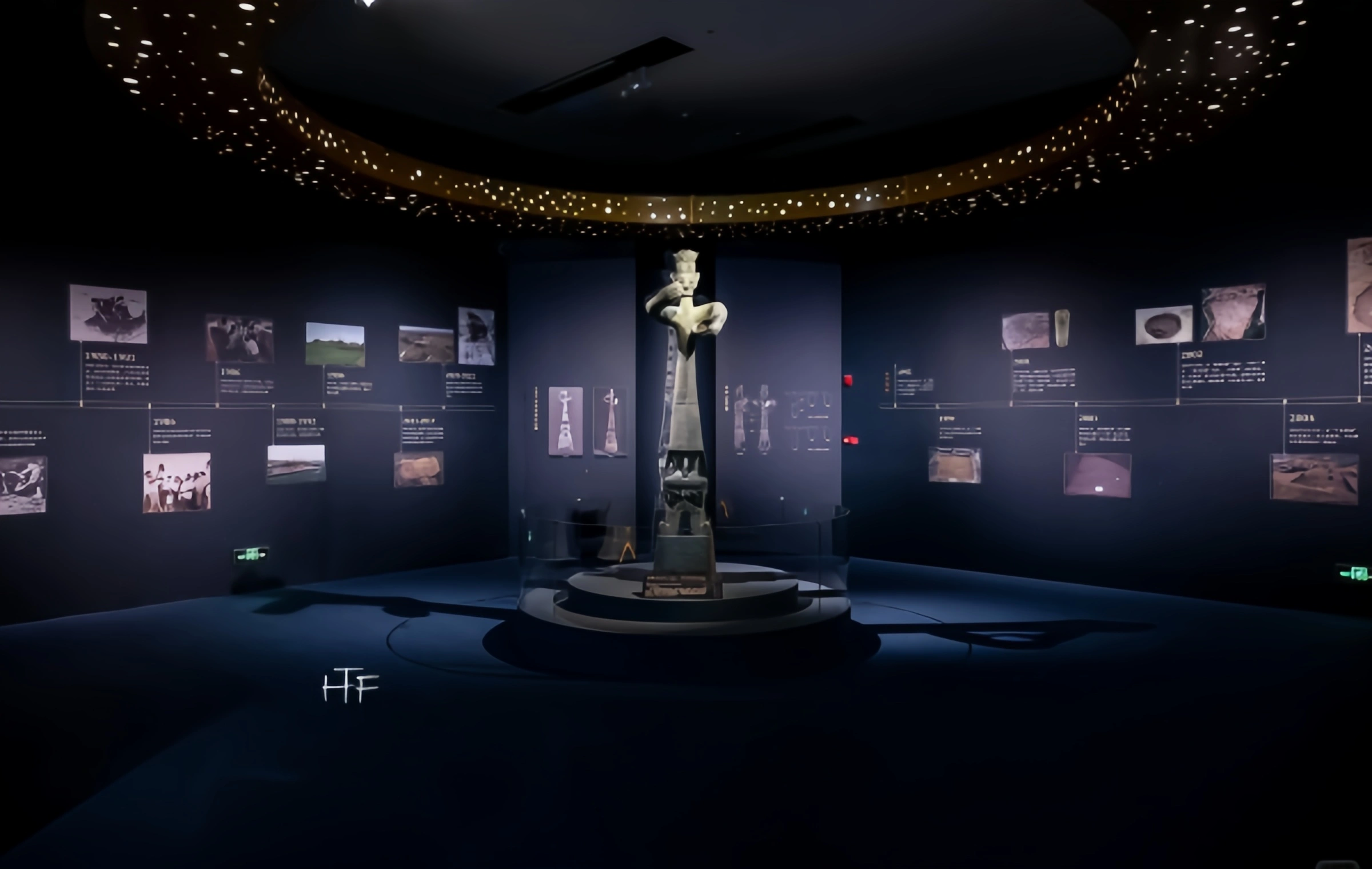
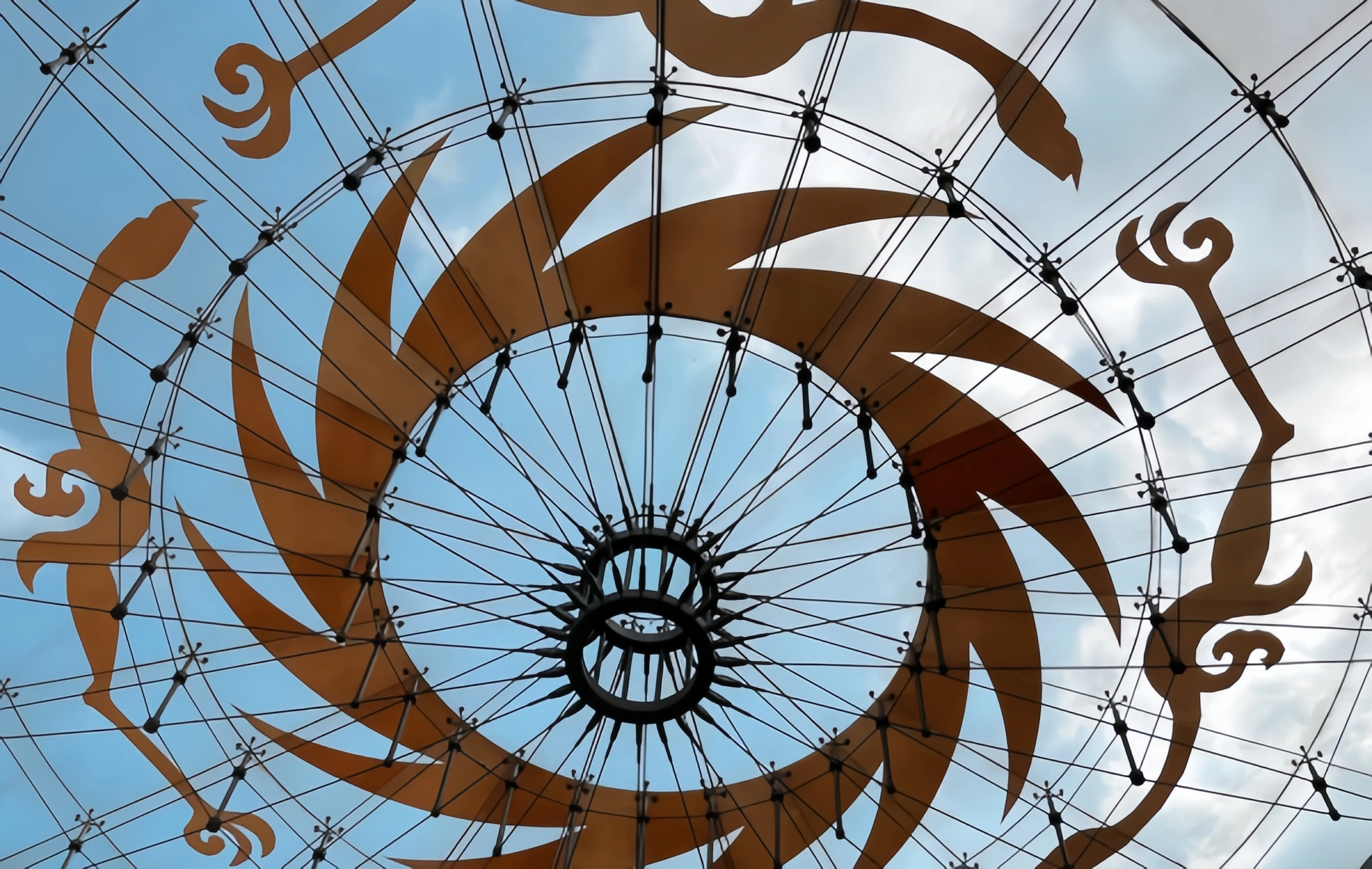
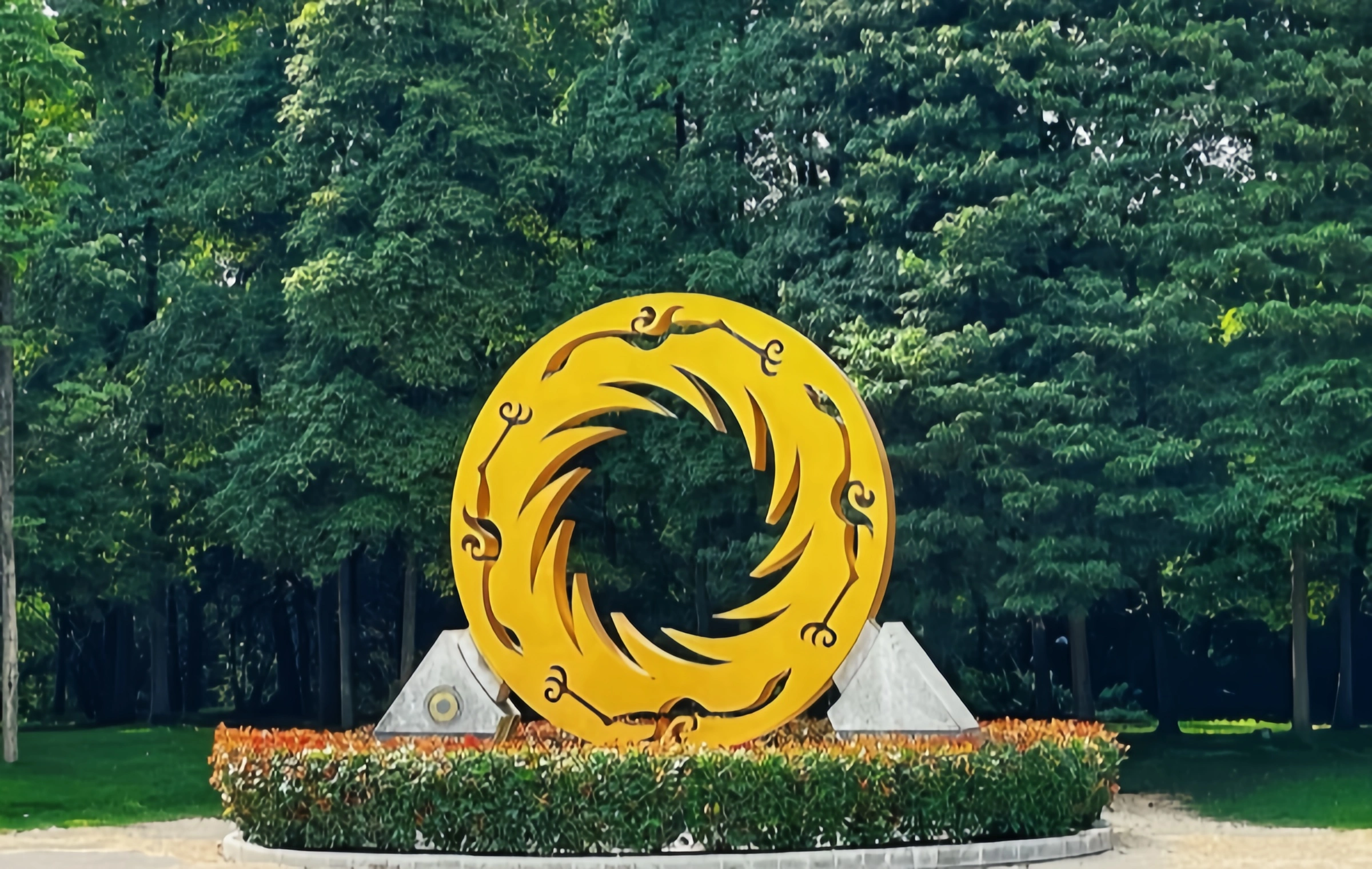
The golden decoration of the Sun God Bird is undoubtedly the "crown of the town hall" and a symbol of Chinese cultural heritage. This circular gold foil, with a thickness of only 0.02 centimeters and a gold content of up to 94.2%, uses skilled hollowing techniques. The inner layer is composed of twelve clockwise rotating rays of the sun, and the outer layer consists of four counterclockwise flying mythical birds. It succinctly interprets the ancient Shu people's worship of the sun, golden crow (divine bird), and the cycle of the four seasons, and is a perfect crystallization of ancient Shu's golden craftsmanship and philosophical concepts. The most important reason for coming to Jinsha is to witness the original object, which is as thin as cicada wings and shimmering with its own eyes.
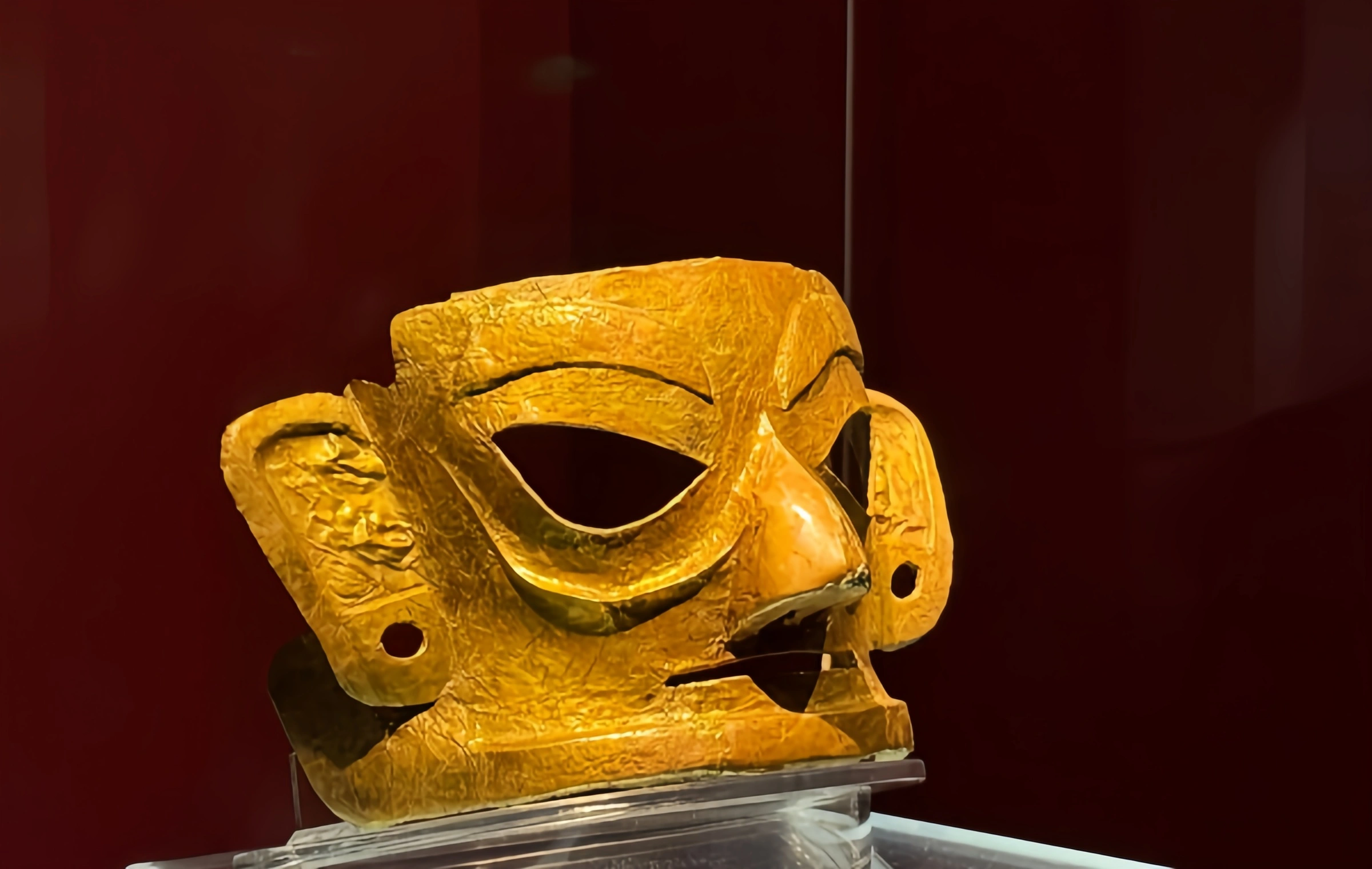
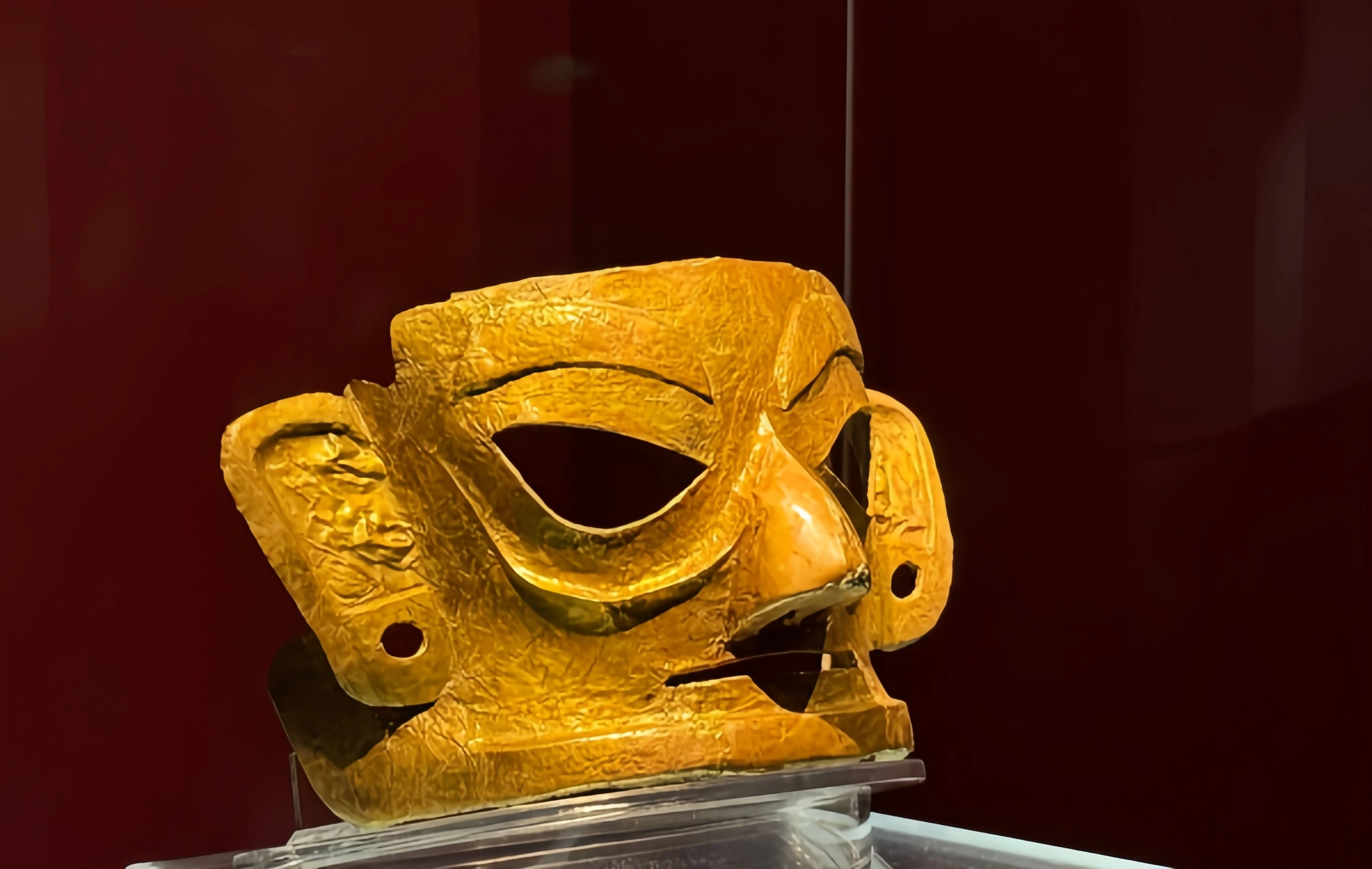
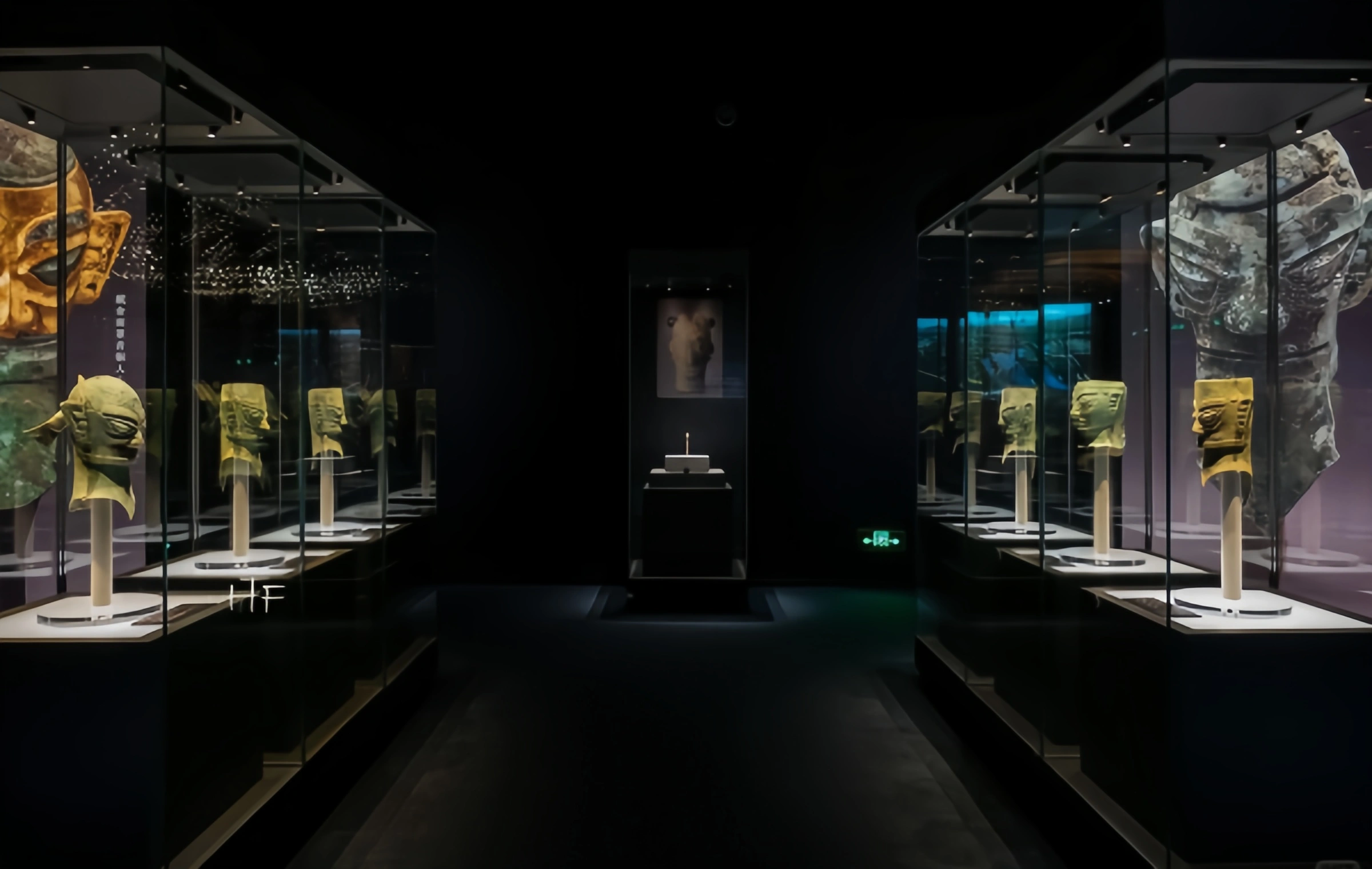
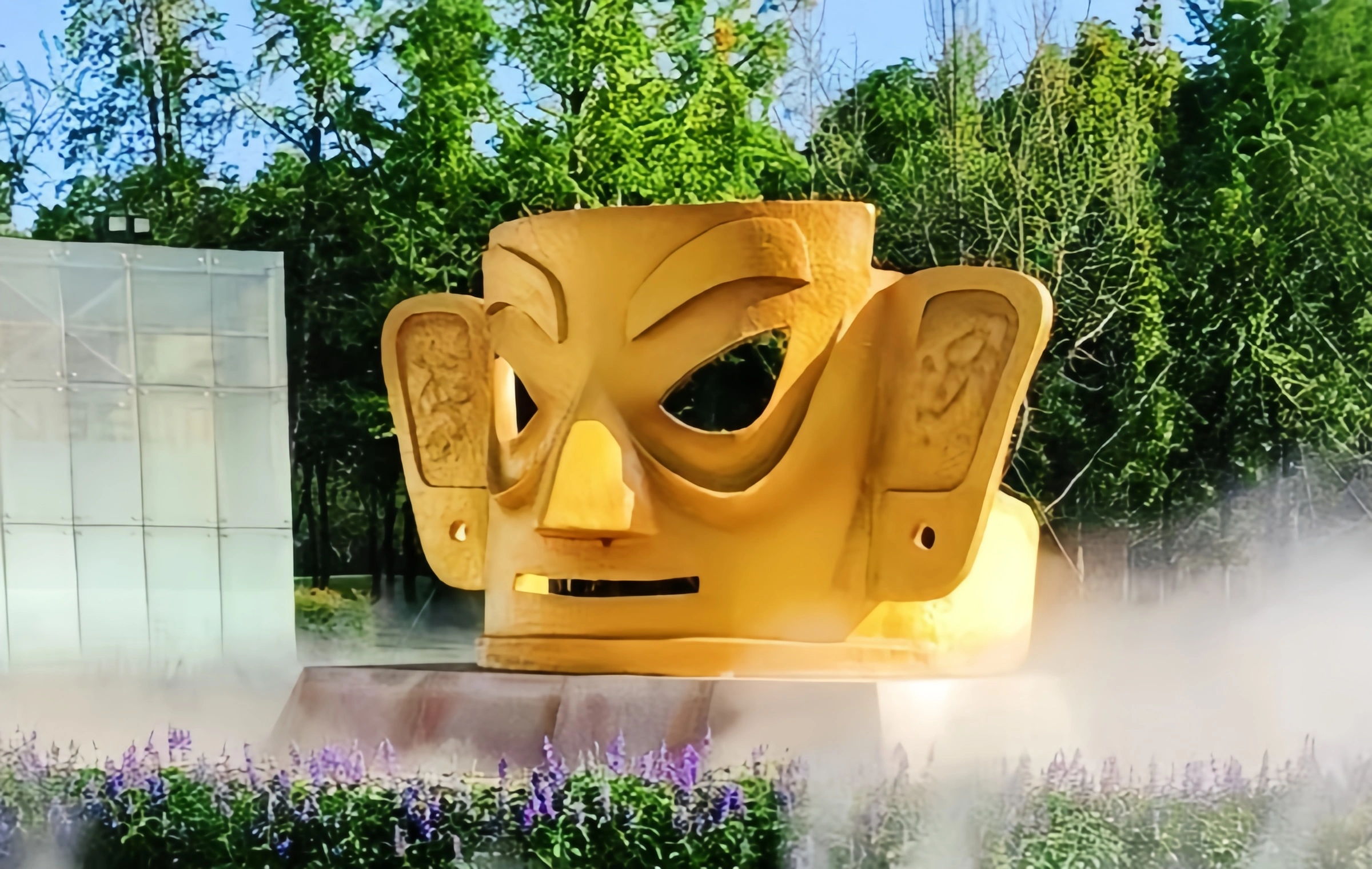
Golden Mask: Unlike the bronze masks from Sanxingdui, the golden mask unearthed from Jinsha is small and realistic, and it may be attached to the face of wooden or bronze figures. The mask has clear eyebrows and eyes, and a solemn expression. It is one of the most complete and exquisite golden masks discovered in China during the same period, showcasing the solemnity and luxury of the upper class sacrificial activities in ancient Shu society.
Ten section jade cong and Liangzhu culture jade cong: Jinsha unearthed the largest number of jade congs from the Shang and Zhou dynasties in China, including a 22 centimeter high ten section green jade cong engraved with 40 mysterious human face patterns, with exquisite craftsmanship. Even more astonishing is that the museum also houses a typical jade cong from the Liangzhu culture in the lower reaches of the Yangtze River (about 5000 years ago). How this jade cong, which spans thousands of years and travels thousands of miles, appeared in Jinsha is still an unsolved mystery. It silently tells the profound and mysterious exchanges between early civilizations on the Chinese land.
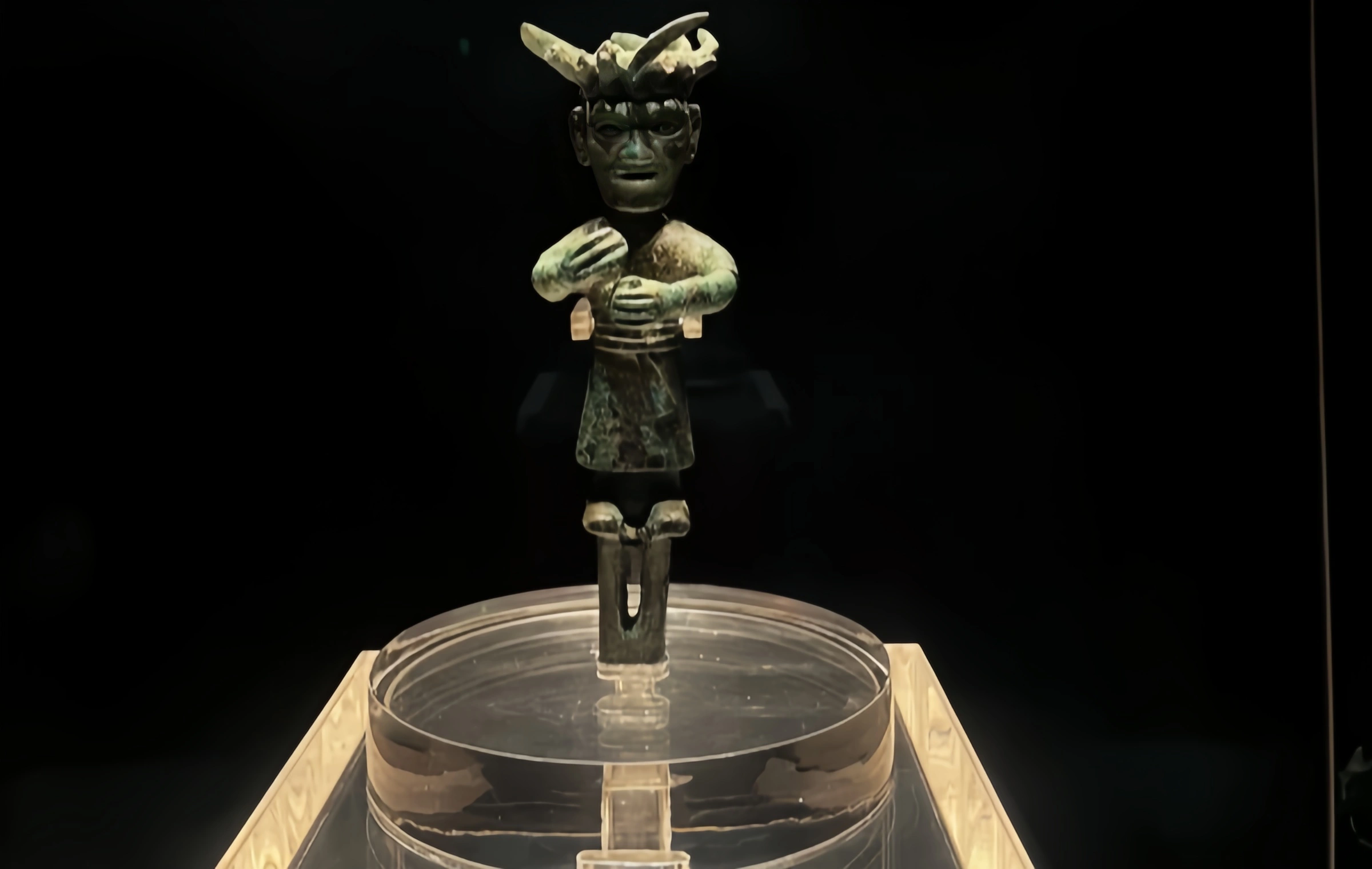
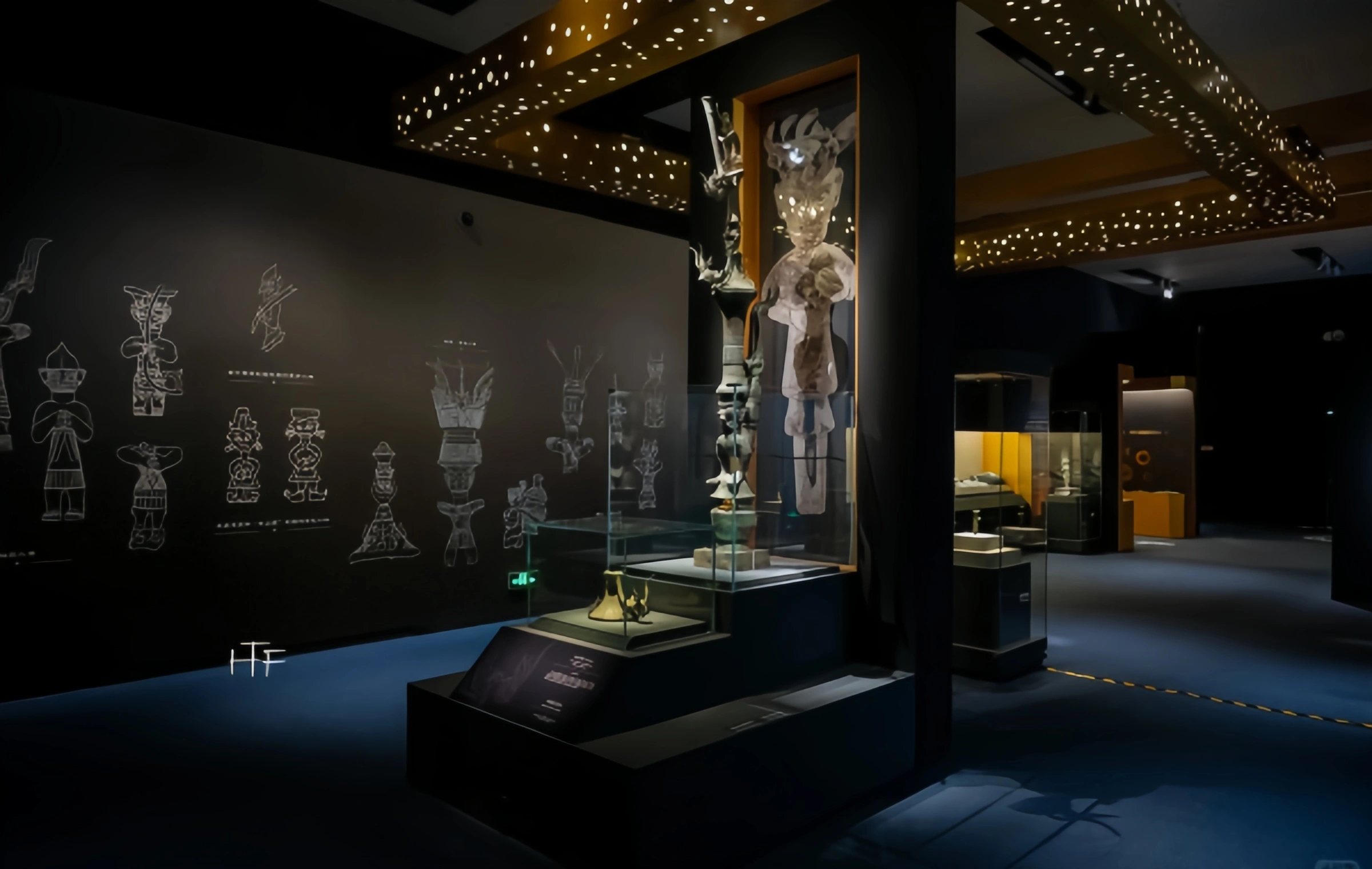
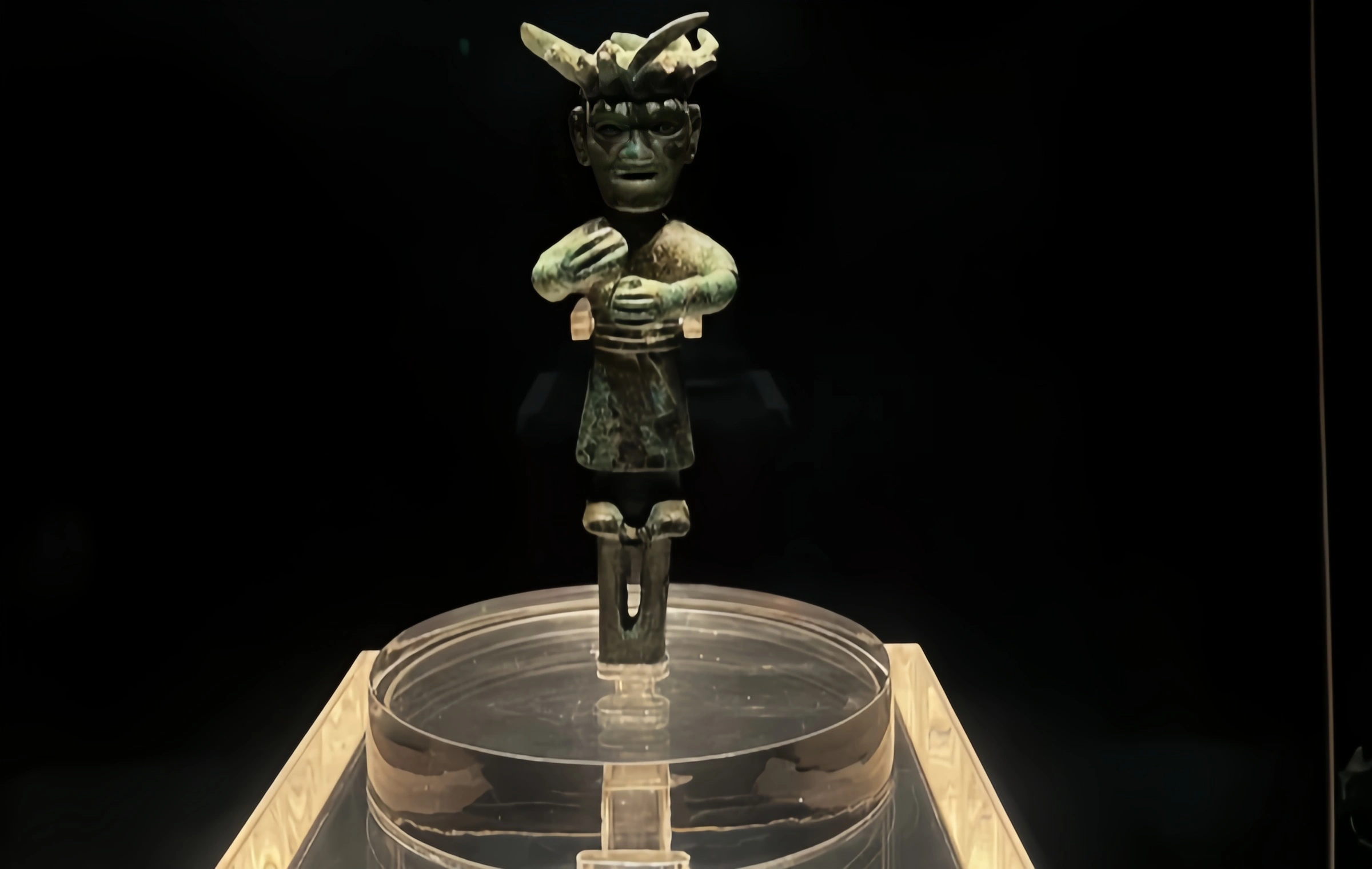
Bronze standing figure and stone tiger: The small bronze standing figure wears a high crown on its head and holds hands in a gripping shape. Its shape is inherited from the Sanxingdui standing figure and may be the image of a wizard or king. And dozens of kneeling stone tigers are carved vividly, majestic and fierce. They are important ritual vessels used by ancient Shu people for worship, reflecting their worship of tigers.

Secret Sites - Archaeological Sites Traversing Three Thousand Years
The charm of museums lies not only in the treasures displayed in their windows, but also in the archaeological sites preserved in situ and available for visitors to visit.
Ruins Museum - Former Site of Large Sacrificial Venues: This is the core soul of the museum. Underneath the massive steel dome, lies the original appearance of an archaeological excavation site spanning over 10000 square meters. Tourists can follow the suspended wooden boardwalk and overlook up close the sacrificial pits that still preserve ivory, wild boar tusks, antlers, beautiful stones, and other offerings, experiencing the mystery and solemnity of the grand sacrificial activities held here three thousand years ago. The sunlight shines through the ceiling, and time seems to freeze here.
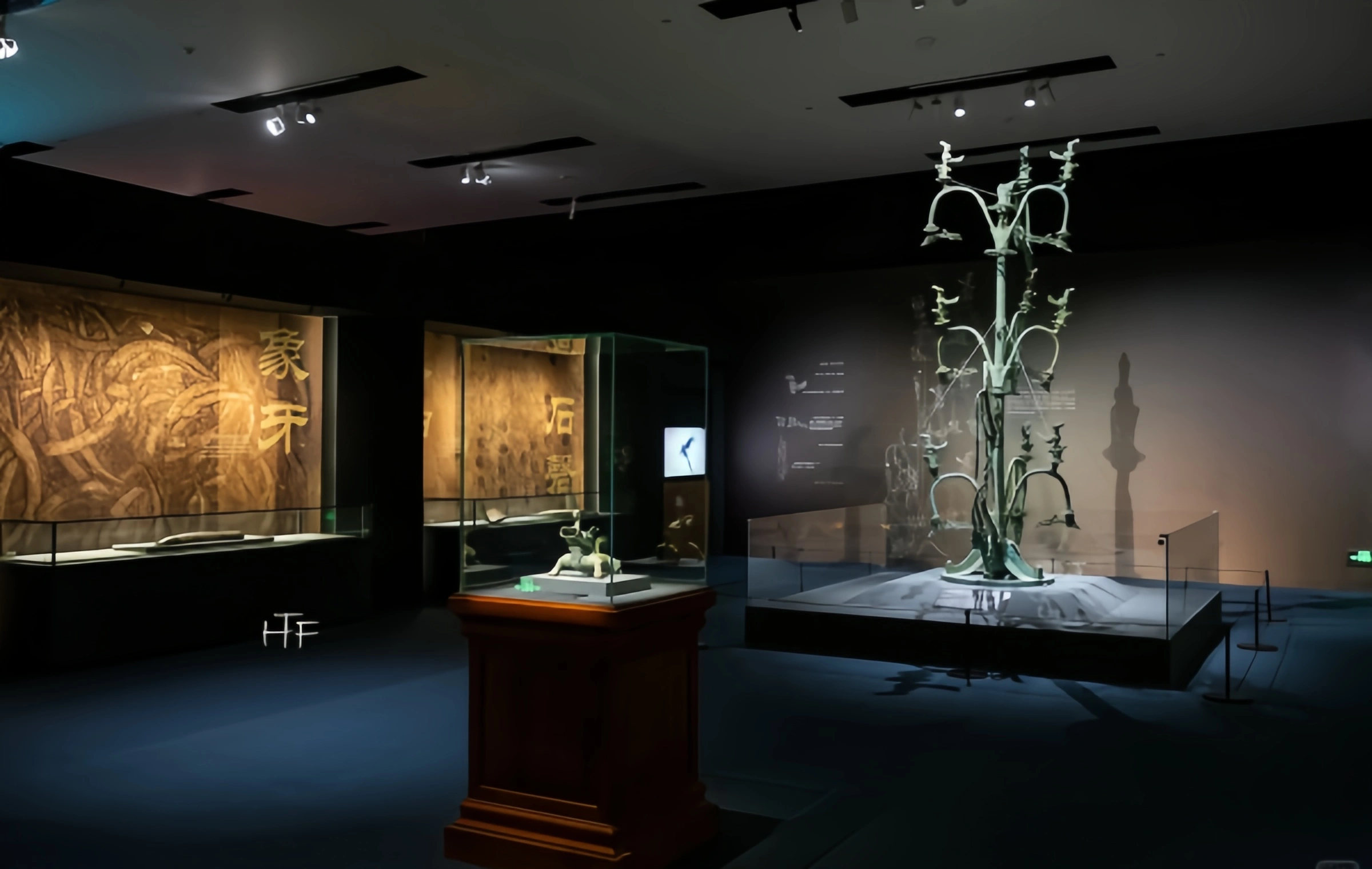
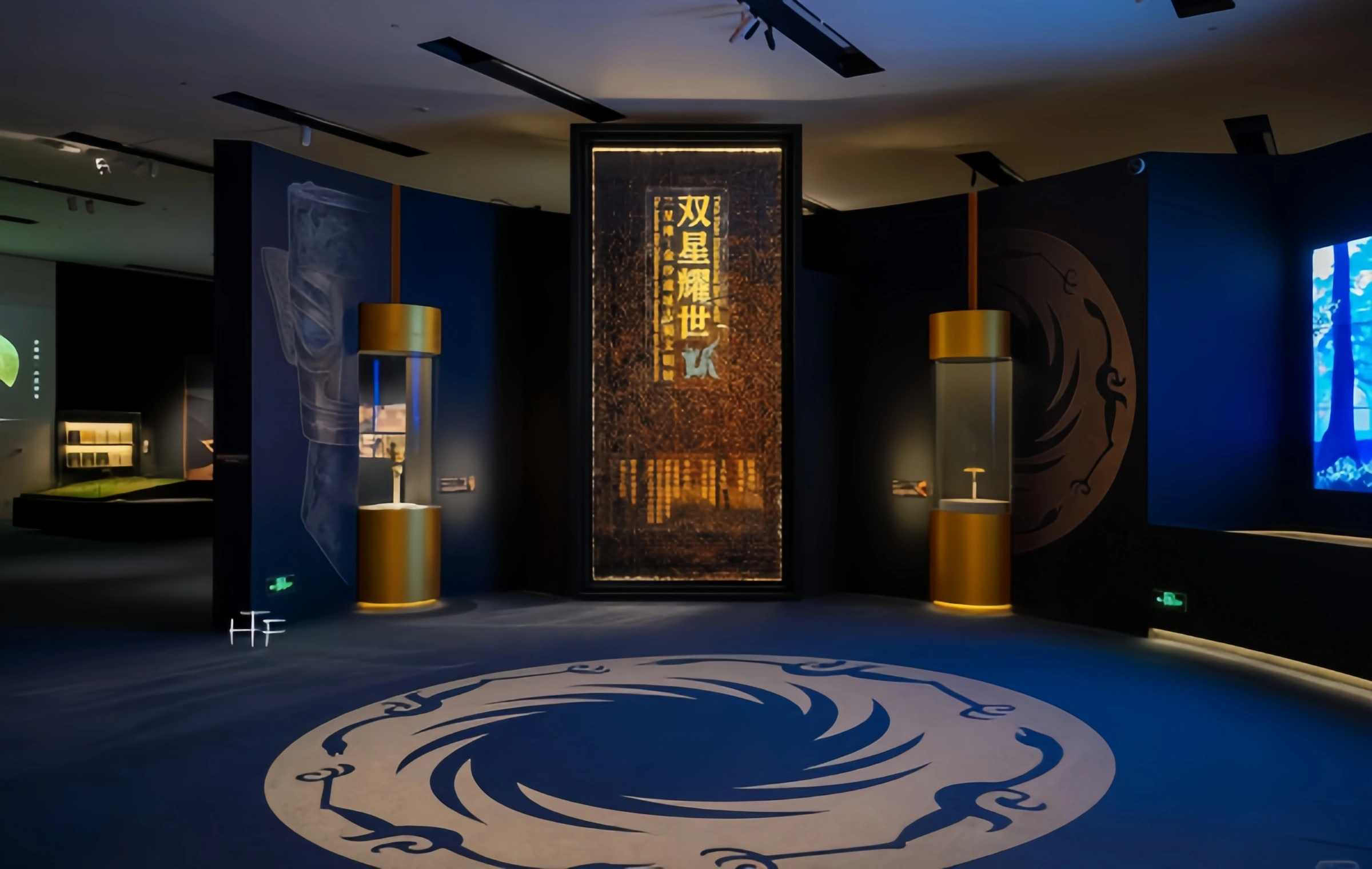
Exhibition Hall - Modern Interpretation of Civilization Narrative: Unlike the primitive shock of the ruins hall, the exhibition hall systematically combs through the natural environment, social life, religious worship, and technological achievements of the ancient Shu Jinsha through five exhibition halls: "Ancient Homeland", "Silhouette of the Royal Capital", "Endless Heaven and Earth", "Thousand year Heritage", and "Interpretation of Jinsha", using modern exhibition technology, restoring the fragmented archaeological discoveries into a vivid and perceptible civilization story.
Ebony Forest and Jade Road: The "Ebony Forest" in the park is composed of dozens of immortal giant ebony trees that have lasted for thousands of years. They are a witness to the dense forests of the Chengdu Plain during the ancient Shu period. The 'Road of Jade and Stone' is paved with various natural stones, symbolizing the ancient Shu ancestors' way of obtaining jade materials and communicating with the outside world, cleverly integrating natural landscapes with cultural imagery.

Photography tips:
Cultural Relic Light and Shadow: In the "Thousand Year Heritage Treasures" exhibition hall of the exhibition hall, use the side light of the display cabinet to capture the hollow details and golden luster of the golden decoration of the Sun God Bird (please do not use flash).
Depth of the ruins: On the viewing platform of the ruins museum, use a wide-angle lens to take a panoramic view of the entire sacrificial area, capturing the enormous scale and historical depth of the ruins.
Architecture and Nature: In the museum park, capture the modern ruins of the museum building framed with the ancient ebony forest, creating a dialogue that transcends time and space.

Core Experience: One Day Deep Civilization Exploration Guide

Furong Ancient Town

 Four Must Do Things to Unlock a Complete Journey to Jinsha
Staring at the 'Sun God Bird' and conversing with the ancient Shu Tianyu
In the center of the "Thousand Year Heritage" exhibition hall of the exhibition hall, stop quietly and spend ten minutes carefully gazing at the original "Sun God Bird" gold decoration placed in the circular independent display cabinet. Observing its extremely exquisite craftsmanship, imagine how ancient Shu craftsmen pounded out such thin and uniform gold foil, and how they carved such even and symmetrical patterns. At this moment, you are only separated by a layer of glass from the faith and wisdom of three thousand years ago.
Strolling through the ruins and experiencing the sacrificial atmosphere
At the ruins museum, slow down your pace. When walking along the boardwalk, don't just look at your feet. Try to imagine: Three thousand years ago, perhaps a solemn ceremony was held here, with smoke swirling and drums low. Priests wore golden masks and offered countless ivory, jade, and bronze artifacts to the gods of heaven and earth. This immersive experience is irreplaceable by any pictures or text.
Searching for the code of civilization and solving unsolved mysteries
Observe and think with curiosity. Why does Jinsha have so much ivory? What kind of journey did Yu Cong from Liangzhu go through? What kind of cosmology does the pattern of the Sun God Bird represent? The museum's graphic and multimedia installations provide a wealth of clues. You can piece together these fragments of civilization like a detective and construct your own understanding of the ancient Shu kingdom.
Experience the charm of cultural and creative industries, take away the memories of civilization
The museum's cultural and creative store is exquisitely designed, with numerous cultural and creative products developed around core elements such as "Sun God Bird" and "Golden Mask". Choose an exquisite bookmark, a cute doll, or an authoritative catalog to incorporate the symbols of ancient Shu civilization into daily life, becoming a unique cultural commemoration for this trip.

 Tourist Route Suggestions
The core area of the Jinsha Site Museum is concentrated, and a careful visit takes about 3-4 hours. We recommend connecting it with other cultural attractions in the western part of Chengdu city to plan a comprehensive one-day in-depth tour of "Ancient Shu Civilization and Tianfu Culture".
Half day "Jinsha essence" in-depth tour (suitable for people with tight time):
Arrive at 10am → head straight to the exhibition hall, focusing on visiting the "Thousand Year Heritage Treasures" and "Endless Heaven and Earth" exhibition halls (1.5 hours) → head to the ruins museum to immerse yourself in the archaeological site (1 hour) → stroll through the ebony forest and garden area (0.5 hours) → leave after 1pm.
One day panoramic tour of "Civilization Traceability" (highly recommended):
Morning (9:30-12:30): Arrive at the Jinsha Site Museum. First, visit the exhibition hall to gain a comprehensive understanding of the Jinsha civilization; Enter the ruins museum again and experience the shock of the scene.
Lunch (12:30-14:00): Have a meal at the restaurant or nearby in the museum.
Afternoon (14:30-17:00): Go to the Du Fu Thatched Cottage Museum, which is only a few kilometers away. From the mysterious and distant ancient kingdom of Shu, step into the thatched cottage where the poet Du Fu resides in Chengdu, and experience the cultural flow and inheritance from ancient sacrifices to Tang and Song poetry history among the bamboo forest and streams.
Evening: Enjoy an authentic Sichuan cuisine dinner near the thatched cottage or back to the city center, ending a cultural dialogue spanning thousands of years.
The advantages of IntoTravelChina: We can book the most suitable accommodation for you, arrange the connection of all activities, and provide detailed hiking routes and safety guidelines.

Professional guide: IntoTravelChina can provide you with a personalized itinerary, including exclusive tour guides, transportation, and activity arrangements, allowing you to have a worry free and in-depth experience. >>Consult now for customization

Travel Guide: Transportation, Time, and Surrounding Areas

Furong Ancient Town

How to reach: Convenient access to the city center
The Jinsha Site Museum is located between the second and third ring roads in the western part of Chengdu city, with a well-developed transportation network and convenient access.
Subway: This is the most recommended way. Take Chengdu Metro Line 7 to Jinsha Museum Station and exit from Exit C to reach the east gate of the museum.
Bus: Multiple buses (such as routes 5, 79, 82, 83, 111, 163, etc.) can reach the "East Gate of Jinsha Site" or "South Qingyang Avenue" stations.
Self driving/taxi: Simply navigate to "Jinsha Site Museum". The museum has an underground parking lot, but parking spaces may be tight during holidays, so it is recommended to prioritize the subway.

 Best Travel Time
The Jinsha Site Museum is suitable for all seasons, but the characteristic of indoor visits makes certain periods more enjoyable.
Spring and Autumn Golden Season (March May, September November): The climate is pleasant, and after visiting the indoor exhibition hall, it is very comfortable to take a walk and rest in the beautiful garden area of the museum.
Summer (June August): The weather in Chengdu is hot, and the indoor air conditioning in the museum is sufficient, making it an excellent place for summer escape and cultural recharge.
Winter (December February): There are relatively fewer tourists, allowing for a quieter and more leisurely appreciation of cultural relics. The museum is warm and the visiting experience is not affected by the weather.

 Practical Information and Surrounding Accommodation
Opening hours: 9:00 to 18:00 daily (ticket sales stop at 17:00), closed on Mondays (excluding statutory holidays and summer vacation periods).
Ticket cost: Real name ticketing is implemented, and the ticket price is usually 70 RMB per person. Students, elderly people, etc. can enjoy preferential ticket policies.
Attention: Flash and tripod photography are prohibited in the museum; Please keep quiet and do not touch the display cabinet; You can rent a voice guide or book a manual tour service to get the best viewing experience.

Surrounding accommodation options:
Cultural atmosphere hotels: Choose boutique hotels near Kuanzhai Alley, Qintai Road, or Qingyang Palace, which have a strong cultural atmosphere and convenient transportation. You can experience Chengdu's leisure life at night.
Comfortable and convenient hotels: There are many well-known chain hotels within 1-3 kilometers around the museum (such as the Traditional Chinese Medicine Provincial Hospital subway station and along Qingjiang East Road) with high cost-effectiveness.
Luxury hotels in the city center: If you want to stay in core business districts such as Tianfu Square and Chunxi Road, taking the subway to the museum only takes about 20 minutes, with a wide range of choices.

IntoTravelChina accommodation booking recommendation: There are many hotel options in Chengdu. By booking with us, you can not only get real-time room availability and the best prices, but also package accommodation, tickets, cultural experiences, and transportation planning. You can often get combined discounts and ensure seamless travel. >>Click to contact IntoTravelChina travel consultant

Extended Journey: Connecting the Golden Triangle of Bashu Civilization

Furong Ancient Town Furong Ancient Town

One day essence tour of Chengdu urban culture: Chengdu Museum (history)  Taikoo Li (modern fashion) → Kuanzhai Alley (traditional street) → Sichuan Opera Performance (night). This route crosses the past and present of Chengdu within a day.

Sichuan Sichuan Classic 6-day Ring Road: Chengdu → Leshan (Leshan Giant Buddha Scenic Area, Mount Emei) → Sanxingdui → People's Park, Jinli Old Street → Giant Panda Base, Chunxi Road. This is a classic Sichuan journey from modern cities to natural wonders and cultural heritage.>>Explore the 6-day essence of Sichuan

Join hands with IntoTravelChina to embark on your exclusive journey of exploring ancient Shu civilization

Furong Ancient Town Furong Ancient Town

 Our travel experts can assist you with:
Tailored itinerary: Based on your interests, cleverly integrate the natural, historical, and culinary journeys of Taikoo Li and Sichuan, and design a unique route.
One stop service: handle all transportation, accommodation, tour guide, and special activity reservations during the itinerary, making you worry free and effortless.
Exclusive perspective and arrangement: providing in-depth interpretation of urban culture, recommending hidden treasure shops and exhibition information, making your trip not just sightseeing, but also a deep experience of urban aesthetics and lifestyle. 

Start planning your journey now:Feel free to contact our professional travel consultants, and we will provide you with exclusive itinerary plans and quotes within 24 hours. >>Click to contact IntoTravelChina travel consultant

Recommended Tours

Top 3 tours chosen by most customers to explore in the best way. Check the detailed itinerary, or tailor your own trip now with us.

Zhangjiajie Tour
Lijiang Shangrila Chengdu 7-Day Tour
Zhangjiajie Tour
11-Day Chinese Classic In-depth Tour

11 Days  |  Chengdu-Zhangjiajie-Xi'an-Beijing

Zhangjiajie Tour
Zhangjiajie-Chengdu 7-Days Tour

What Our Clients Say?

Based on 10,000+ traveler reviews

...
Daniel Dorothea
Canada
Reviewed on April 29,2025
Shopping on Nanjing Road in Shanghai was just amazing! It's truly the "First Commercial Street of China", where tradition and modernity blend perfectly. You can find awesome souvenirs and experience the trendy vibes in cool stores. The neon lights at night are just spectacular, shining bright like Times Square in New York. The food here is incredible too. I had a feast for my taste buds. Shanghai, I'll definitely be back!
Destination(s): Shanghai
Date of Experience: May 08,2024
...
...
Elvis Eva
Canada
Reviewed on June 20,2025
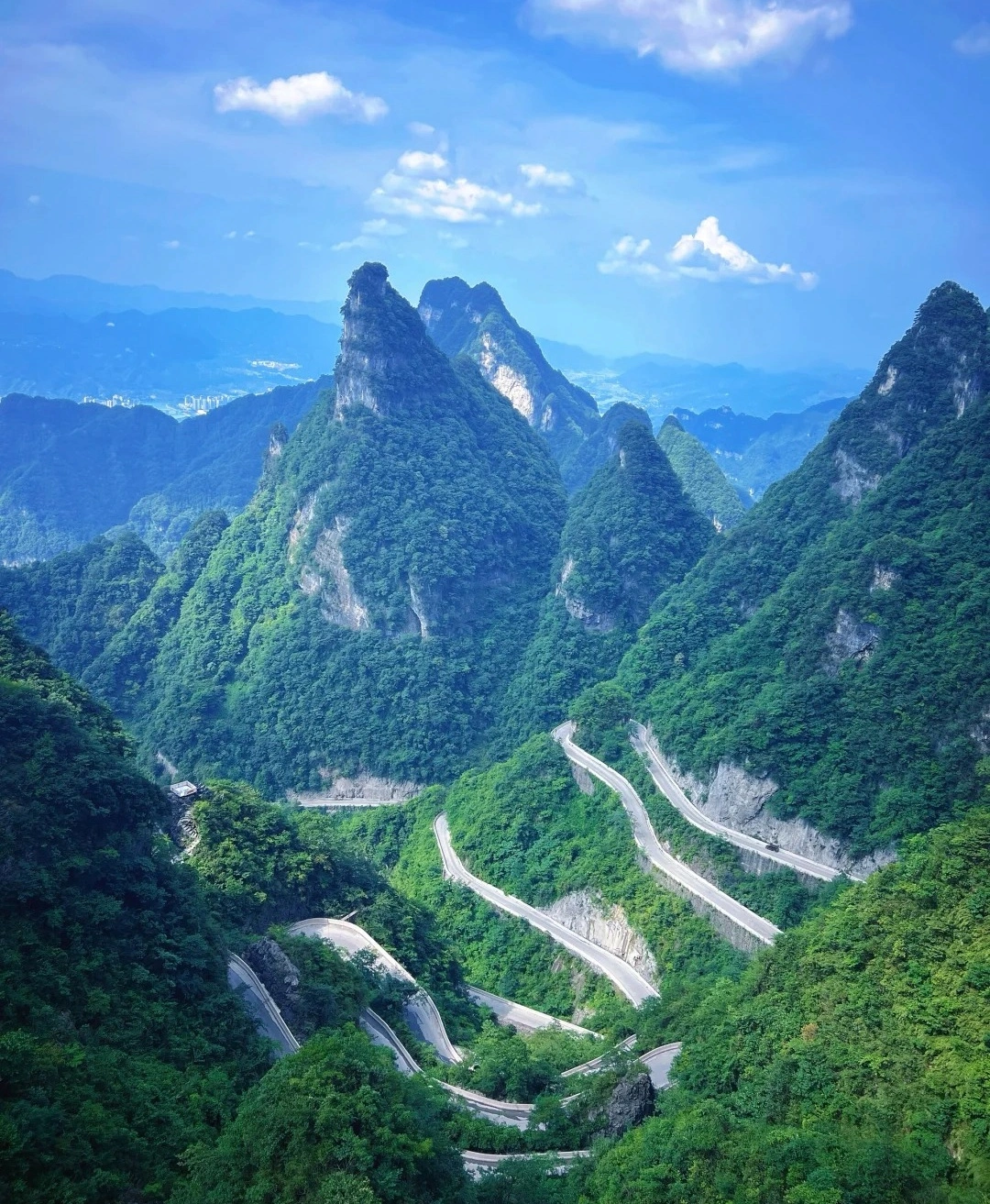
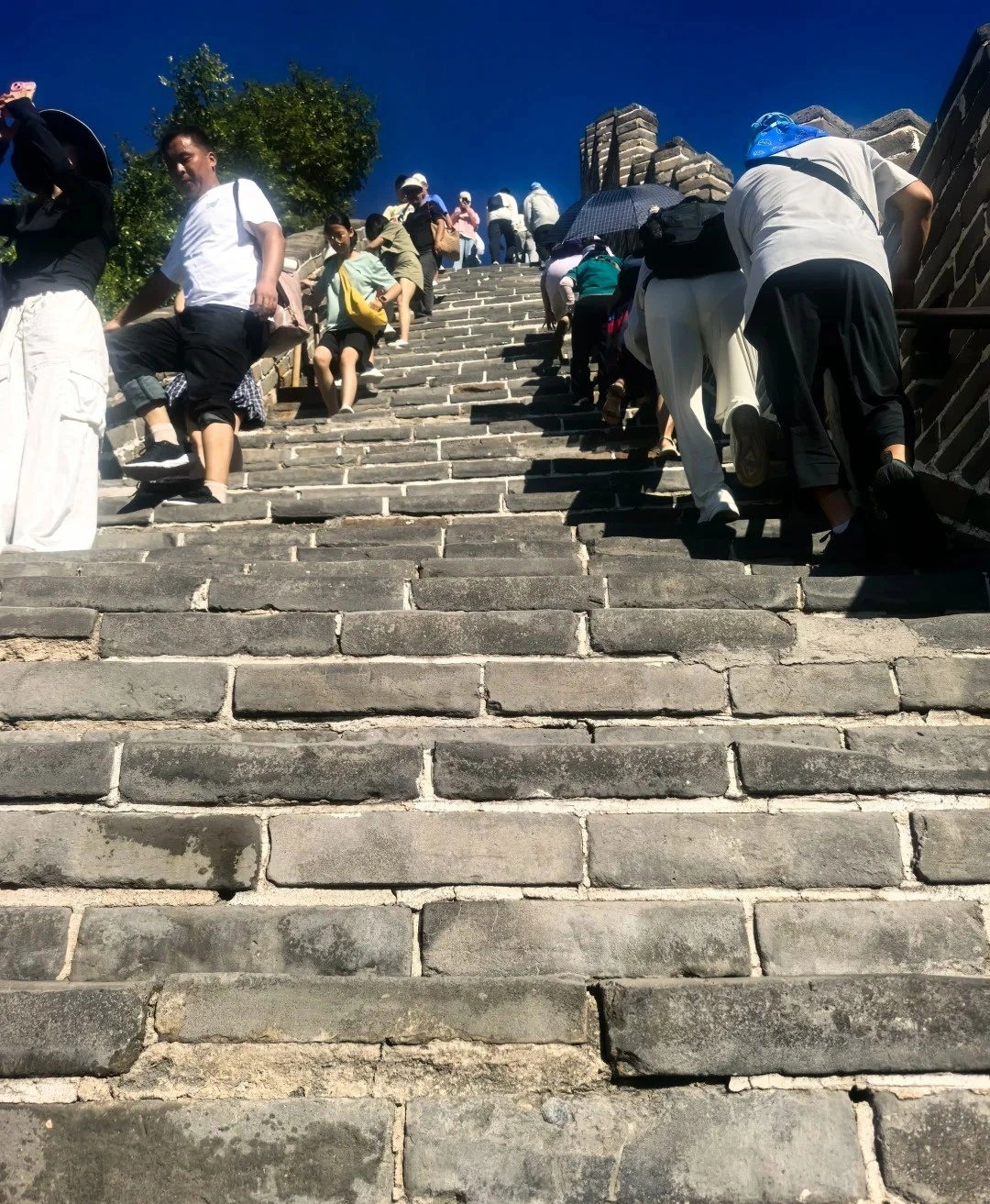
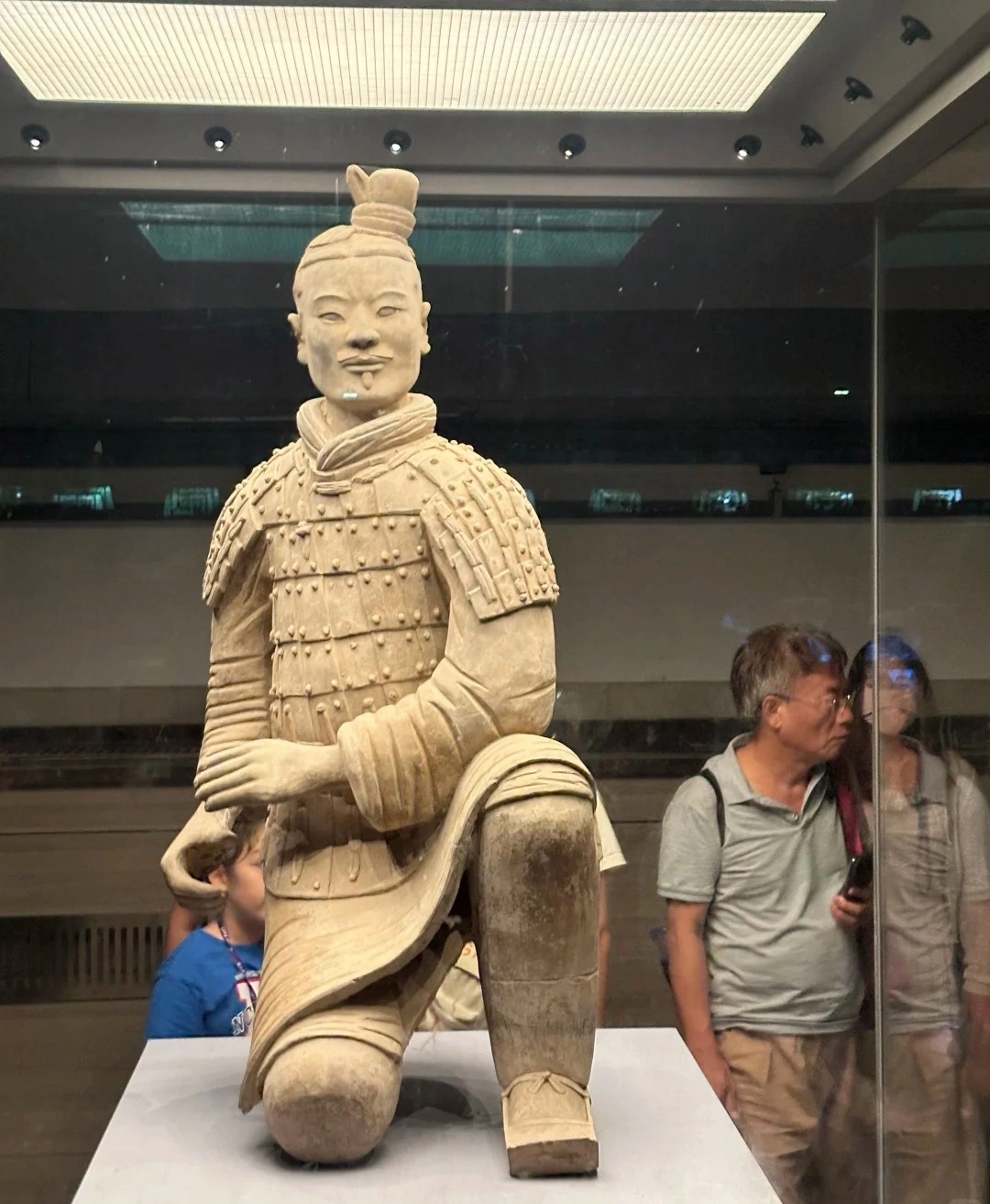
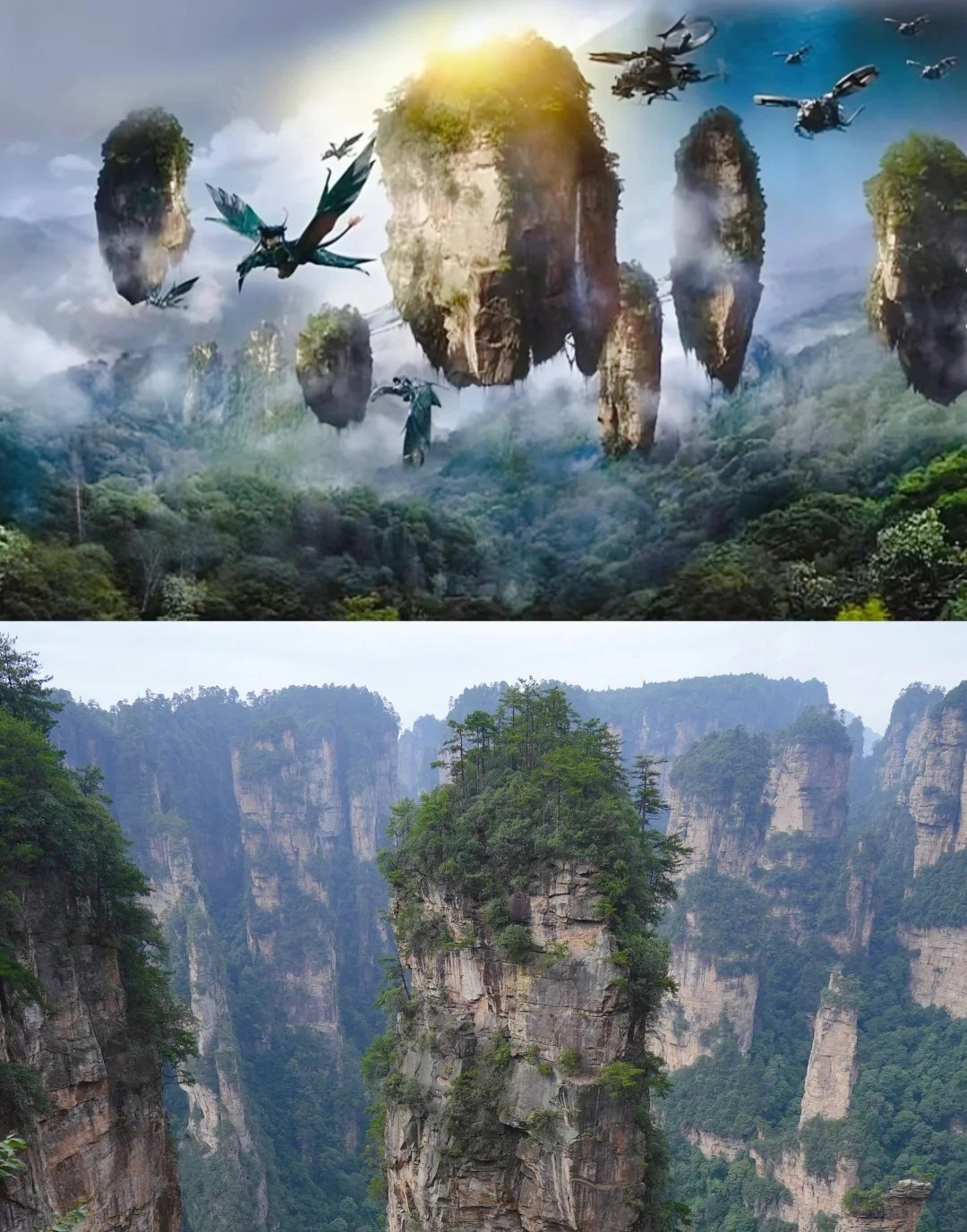
As a solo traveler from Canada, I was nervous about navigating China alone—but this 11-day tour was PERFECT! From hiking the Great Wall at sunrise (Day 3) to gasping at the Terracotta Army (Day 5), every day delivered ‘pinch-me’ moments. The real showstopper? Zhangjiajie’s Avatar Mountains (Day 7)! Our guide made the stone pillars come alive with stories. Massive thanks for handling all logistics—bullet train tickets, entry passes, car! And the 4-star hotels surprised me.
Destination(s): Beijing Xian Zhangjiajie Shanghai
Date of Experience: June 02,2025
... ... ...
...
Simon
America
Reviewed on May 29,2025
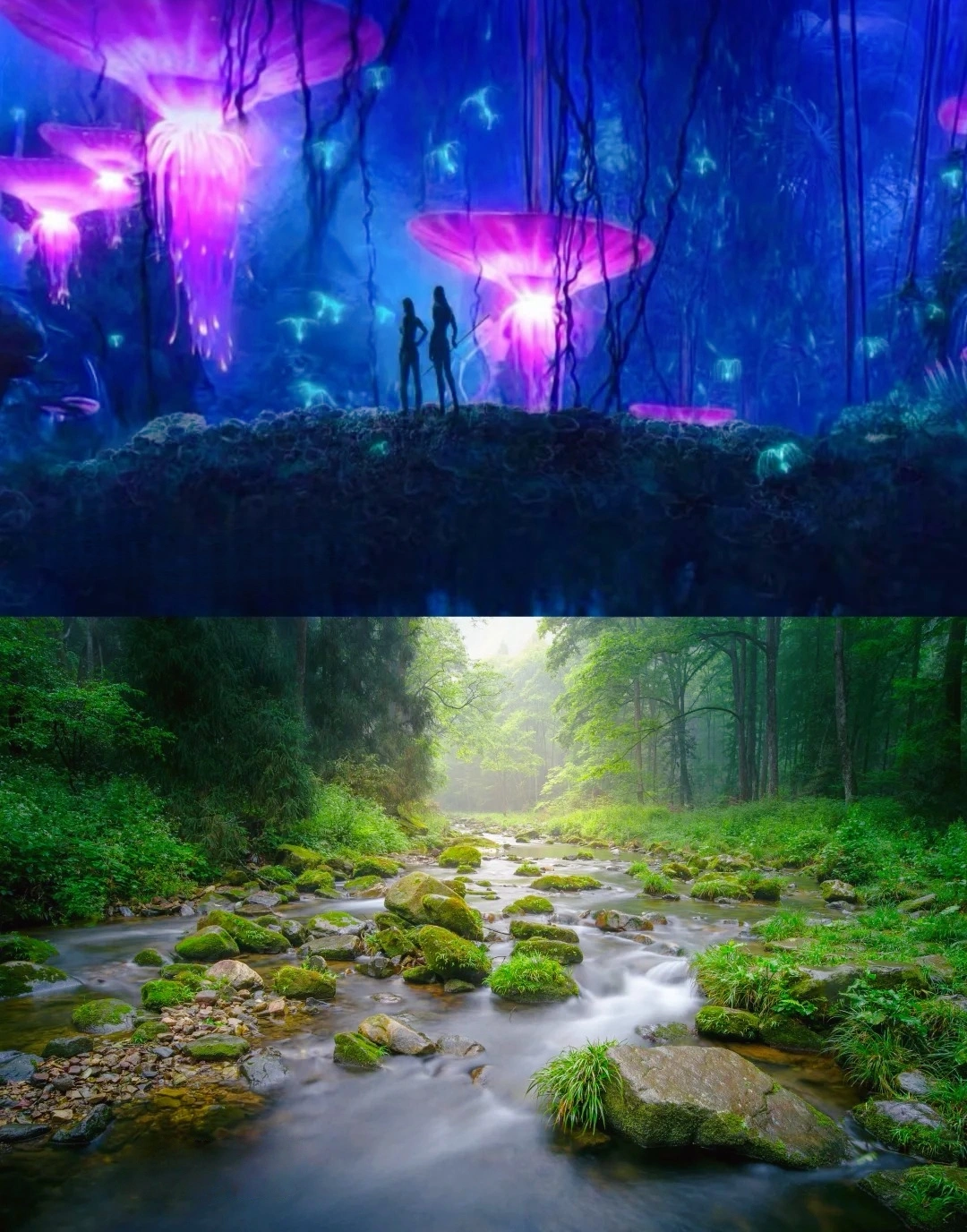
Our 2-day Zhangjiajie tour was beyond spectacular! As someone who’s visited Beijing and Shanghai for work, this trip revealed China’s wild, magical heart. Day 1 in Zhangjiajie National Forest Park felt like stepping onto Pandora—I’m a huge Avatar fan, and Yuanjiajie’s floating peaks left me breathless. The misty pillars and lush valleys like pure movie magic! Then came Fenghuang Ancient Town, we eat dinner beside the thundering waterfall. It seems Unreal! The night views of stilt houses glowing over the river were straight from a fairy tale. For fellow Avatar lovers and adventure seekers: Don’t miss this bucket-list experience! 10/10 would return. A Well-Traveled Film Buff, May 2025
Destination(s): Zhangjiajie
Date of Experience: May 08,2025
... ...

Ask a Question

Question Summary (100 characters)
Details (optional) (2,000 characters)
Name
Country
Email