Natural Creation - Canyon Secret Realm Simulating Native Habitats
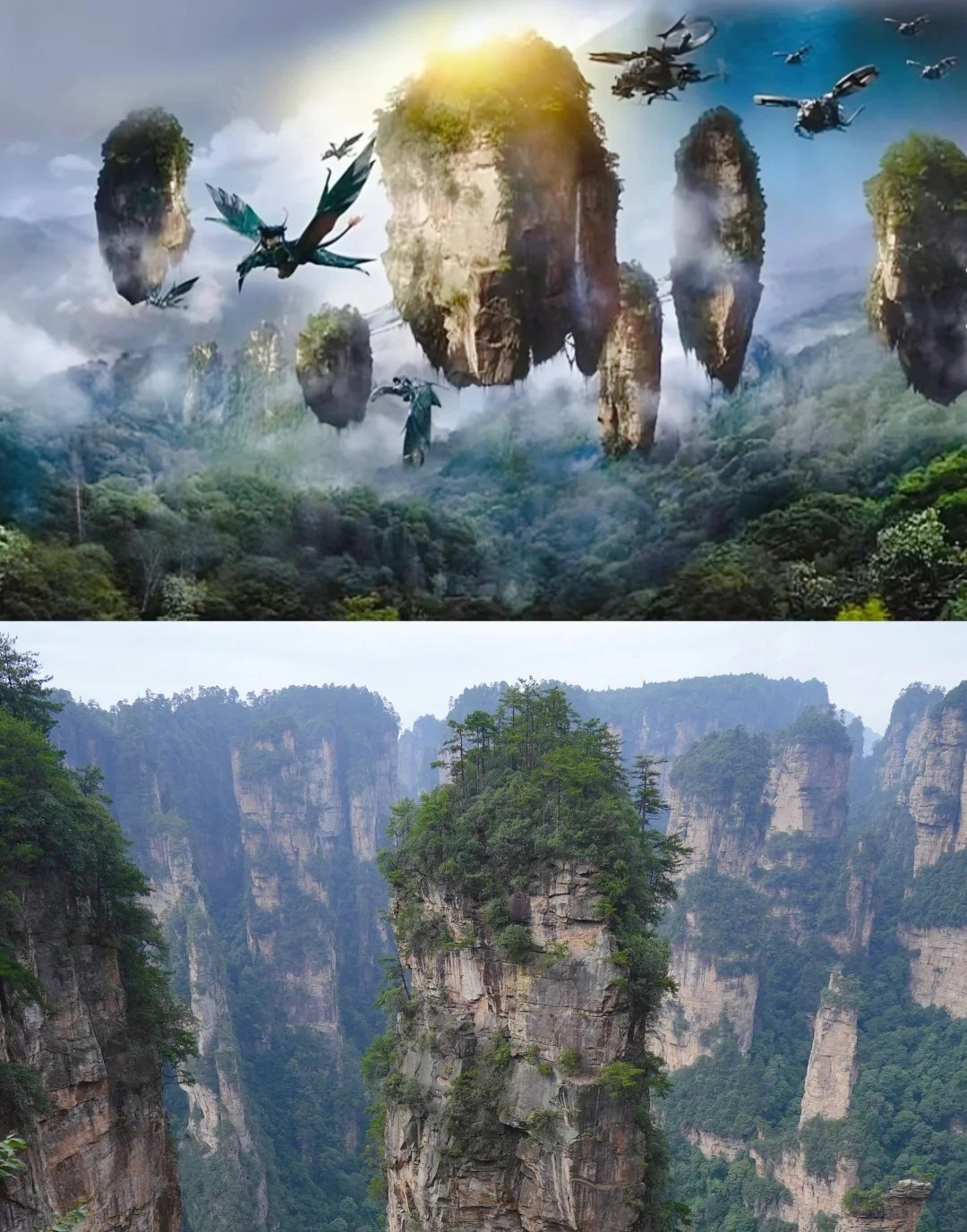
The charm of Panda Valley lies first and foremost in its carefully crafted and rigorously protected high mountain canyon ecosystem.
Canyon habitat: a flowing three-dimensional painting
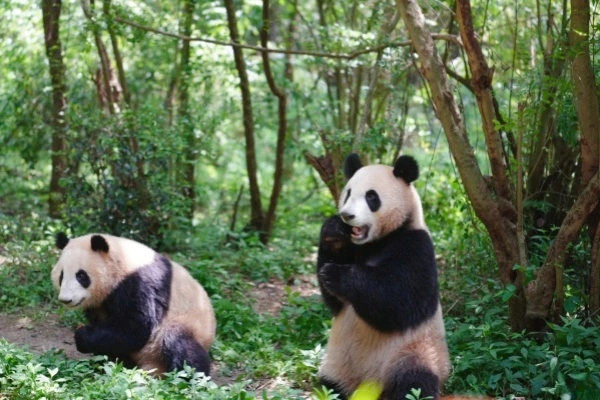
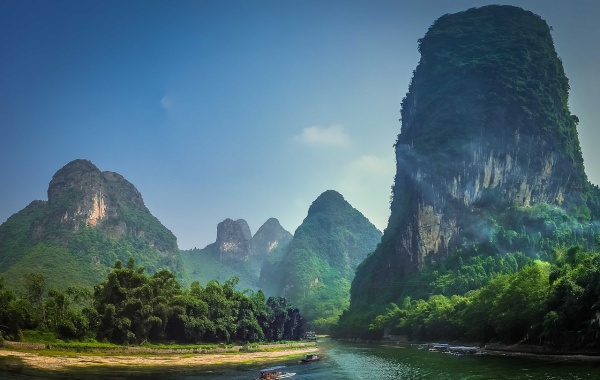
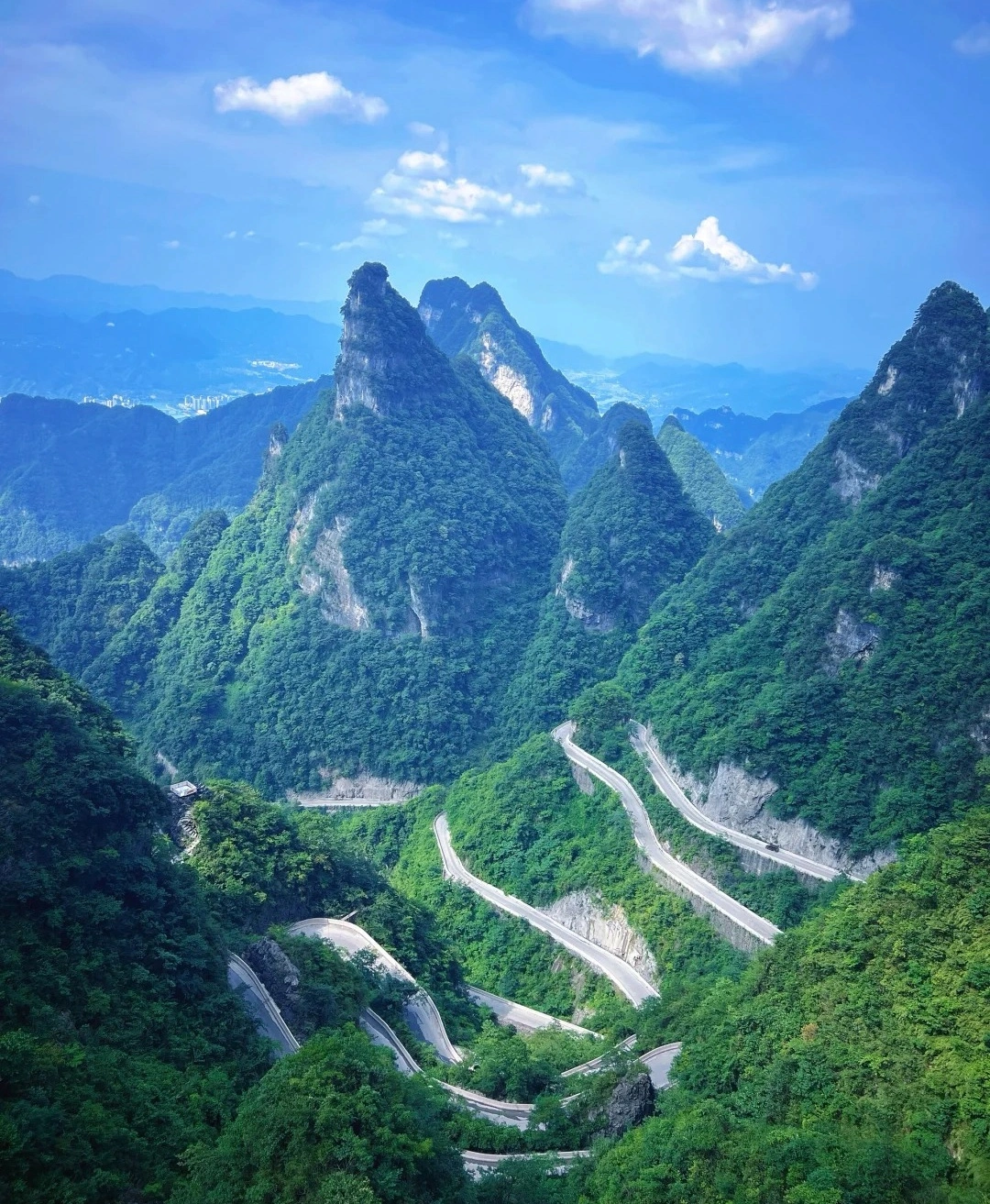
The entire park is built along the mountain terrain, with a clear stream running through the valley floor. The tourist trail winds through native forests, bamboo forests, streams, and cliffs, creating a richly layered three-dimensional habitat. The vegetation here is dense, and the fresh scent of trees and soil permeates the air, isolating the outside noise. Strolling through it, it feels like stepping into a deep mountain wonderland in Sichuan ahead of time, which is completely different from the viewing experience of traditional zoos.
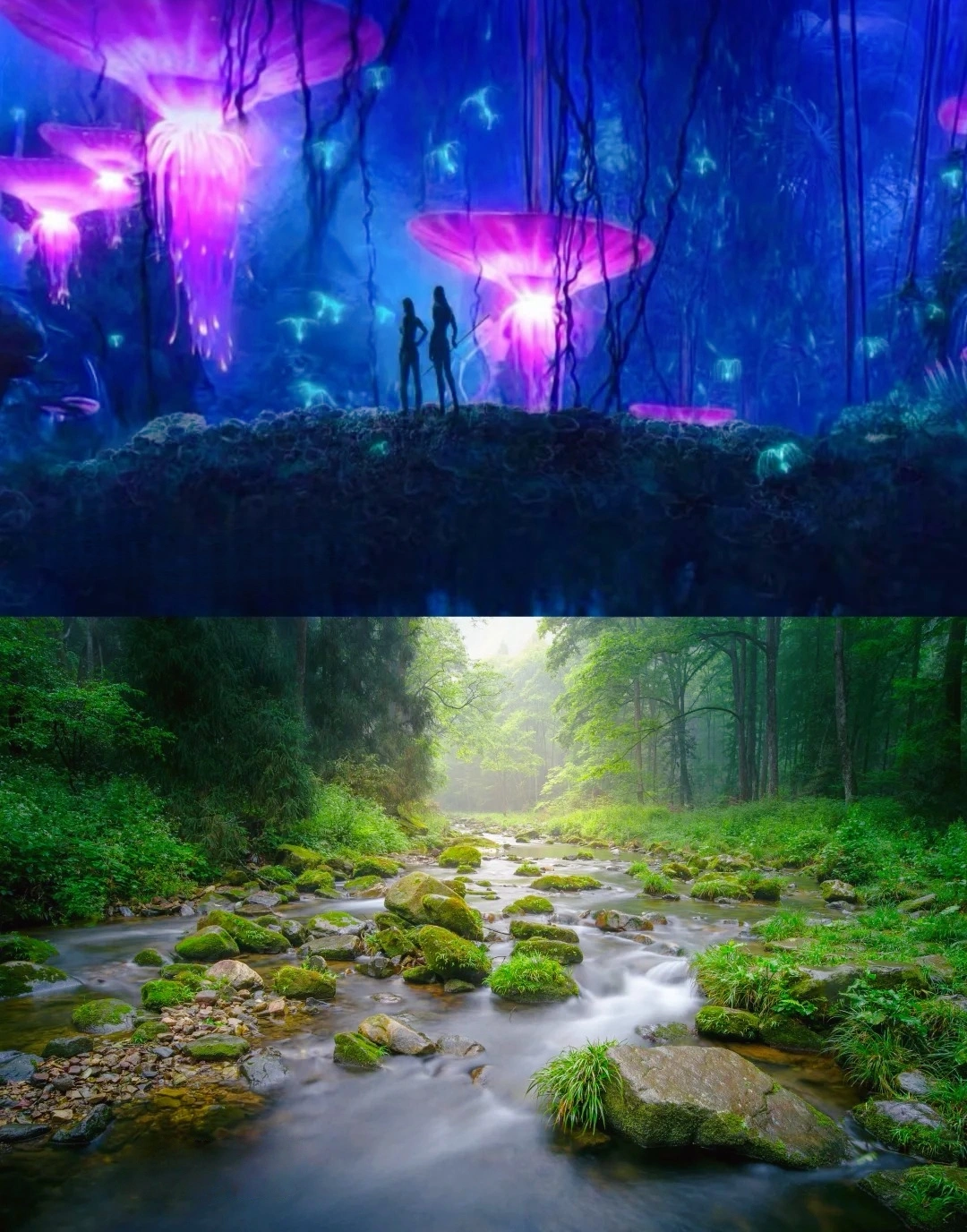
The dynamic water and rugged stones
The valley stream is not only a landscape, but also an important component of the ecosystem. The sound of flowing water and bird chirping constitute the natural white noise. The shallow shoals, small waterfalls, and pools formed by the erosion of streams add vitality to the environment. The naturally distributed boulders and cliffs on both sides of the strait not only serve as facilities for giant pandas to climb and exercise, but also shape the magnificent natural scenery of the canyon, making it an excellent backdrop.
Companion animal community: a complete ecological puzzle
The biodiversity of Panda Valley is not limited to "star species". This is a window to observe the local wildlife and plants in Sichuan. Various rare birds such as thrushes and sunbirds can often be seen in the forest. The abundance of insects and amphibians is also a sign of ecological health. This complete display of biological communities allows visitors to understand the importance of giant pandas as "umbrella species" and their conservation efforts for the entire high-altitude ecosystem.
Humanistic Craftsmanship - Integration of Scientific Research, Conservation, and Public Education
All designs here serve a core goal: scientific conservation and public enlightenment.
Wilderness Training Ground: The Art of Science
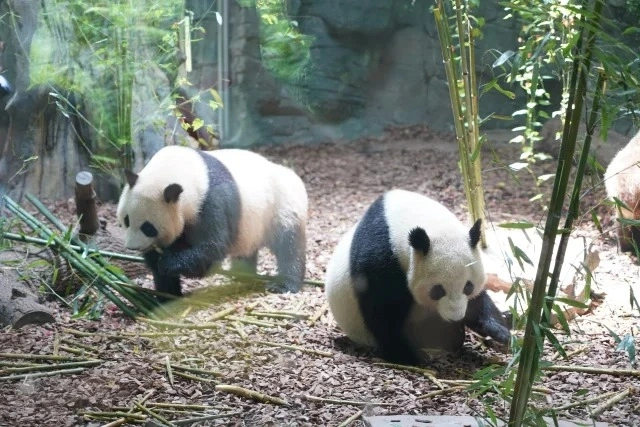
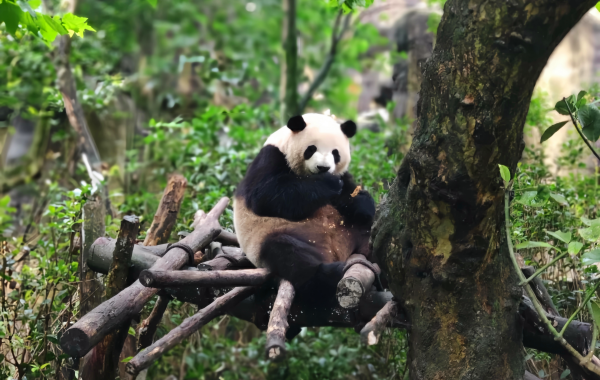
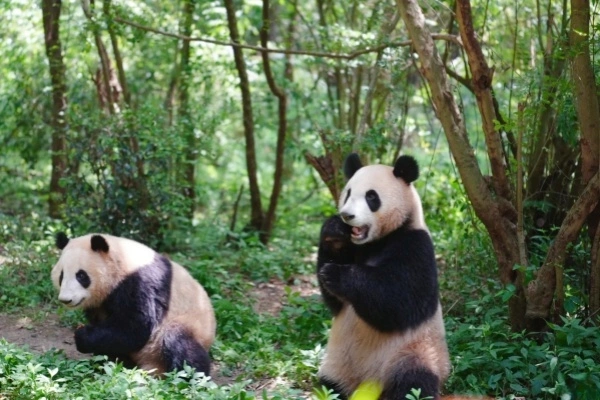
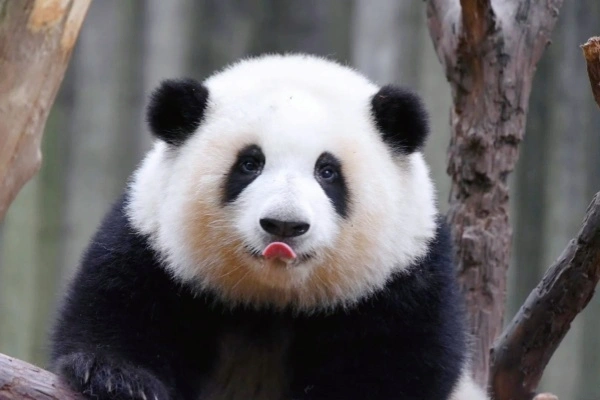
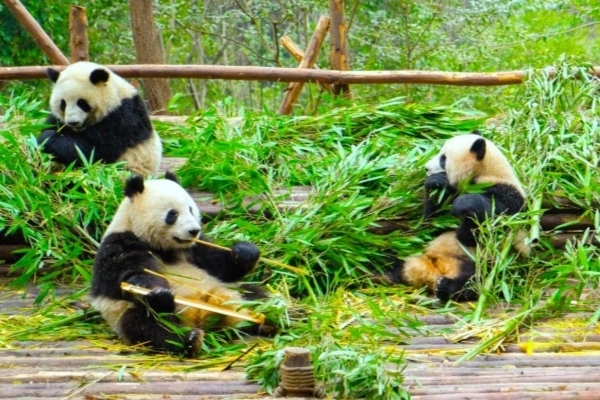
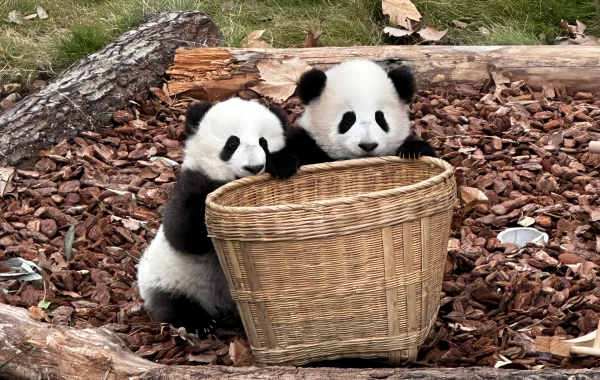
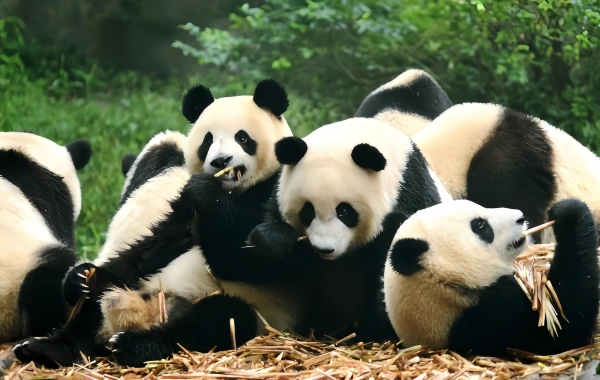
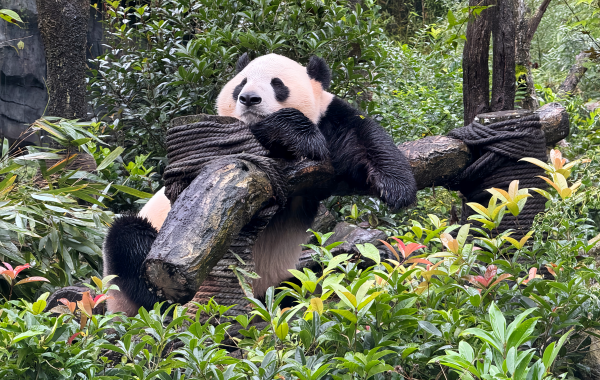
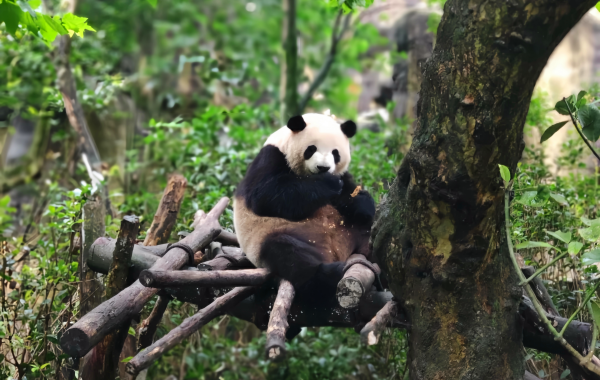
The core area of Panda Valley is the semi wild training ground for giant pandas, which appears natural but actually contains ingenious ideas. The venue has a vast area, and through clever terrain design, vegetation cover, and ecological fencing, human interference is minimized to the greatest extent possible. Tourists can observe pandas autonomously foraging in complex environments (searching for scattered bamboo and snacks), climbing trees, exploring water bodies, marking territories, and other natural behaviors. This is a respect for animal nature and the most vivid conservation education lesson.
Ecological free range area for red pandas: a unique encounter experience
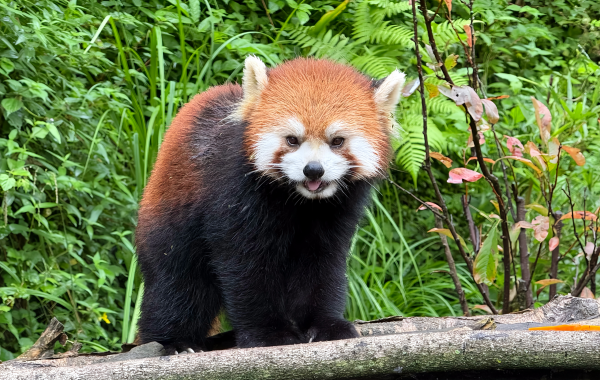
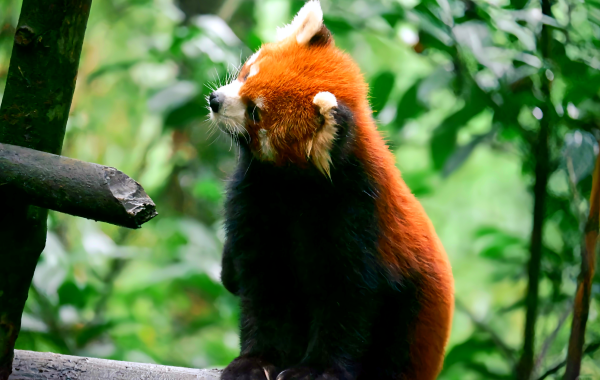
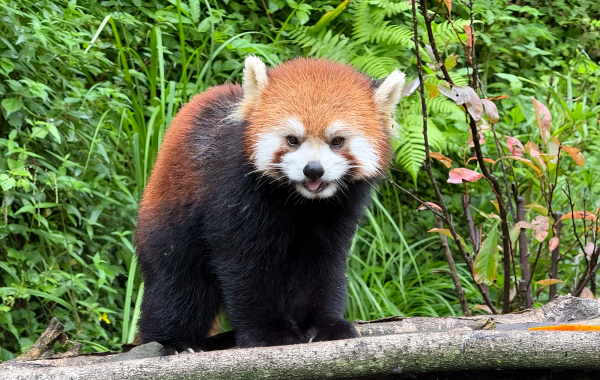
This is the most interactive area in Panda Valley. A dense forest opens up a trail for tourists, where dozens of red pandas live freely. They may suddenly pass by the branches above your head or nap on the wooden stakes by the roadside. This unexpected surprise greatly enhances the fun of the tour and visually demonstrates the harmonious scenery of a forest where humans and animals can share it under good protection. Please be sure to follow the rules, observe quietly, and do not feed or touch.
Scientific research exhibition and popular science explanation
The explanatory signs and science popularization corridors in the park are not simply introductions, but deeply integrated with cutting-edge content such as behavioral research, wilderness training steps, and release stories. Tourists can learn about deep level information such as "why this panda lives in Panda Valley," "what training it is undergoing," and "what challenges it faces when released," elevating a sightseeing trip to a rewarding scientific exploration journey.
Observation and Photography Tips:
The best observation time is from 9am to 11am, when giant pandas are most active, with frequent feeding and activity.
It is recommended to use a medium telephoto lens for capturing giant pandas, which can capture vivid details without disturbing them. Be patient and wait, wonderful moments (such as climbing trees or playing in the water) often appear while waiting.
Shooting red pandas requires quick eyes and quick hands. Keeping quiet and moving in ecological free range areas makes it easier to spot their figures. The plush texture under backlighting is particularly charming.
Respect scientific research, do not use flashlights, do not make loud noises or tap glass.