Humanistic craftsmanship - the solemn axis of Qing Dynasty architecture
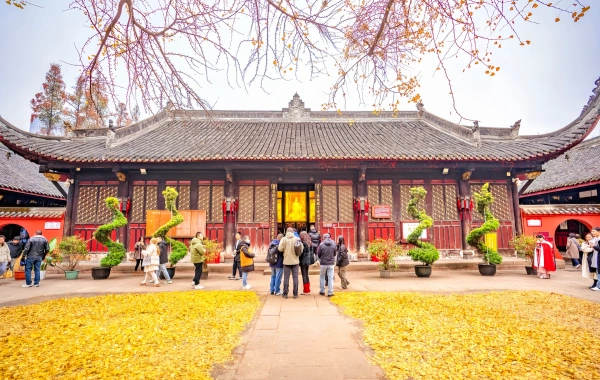
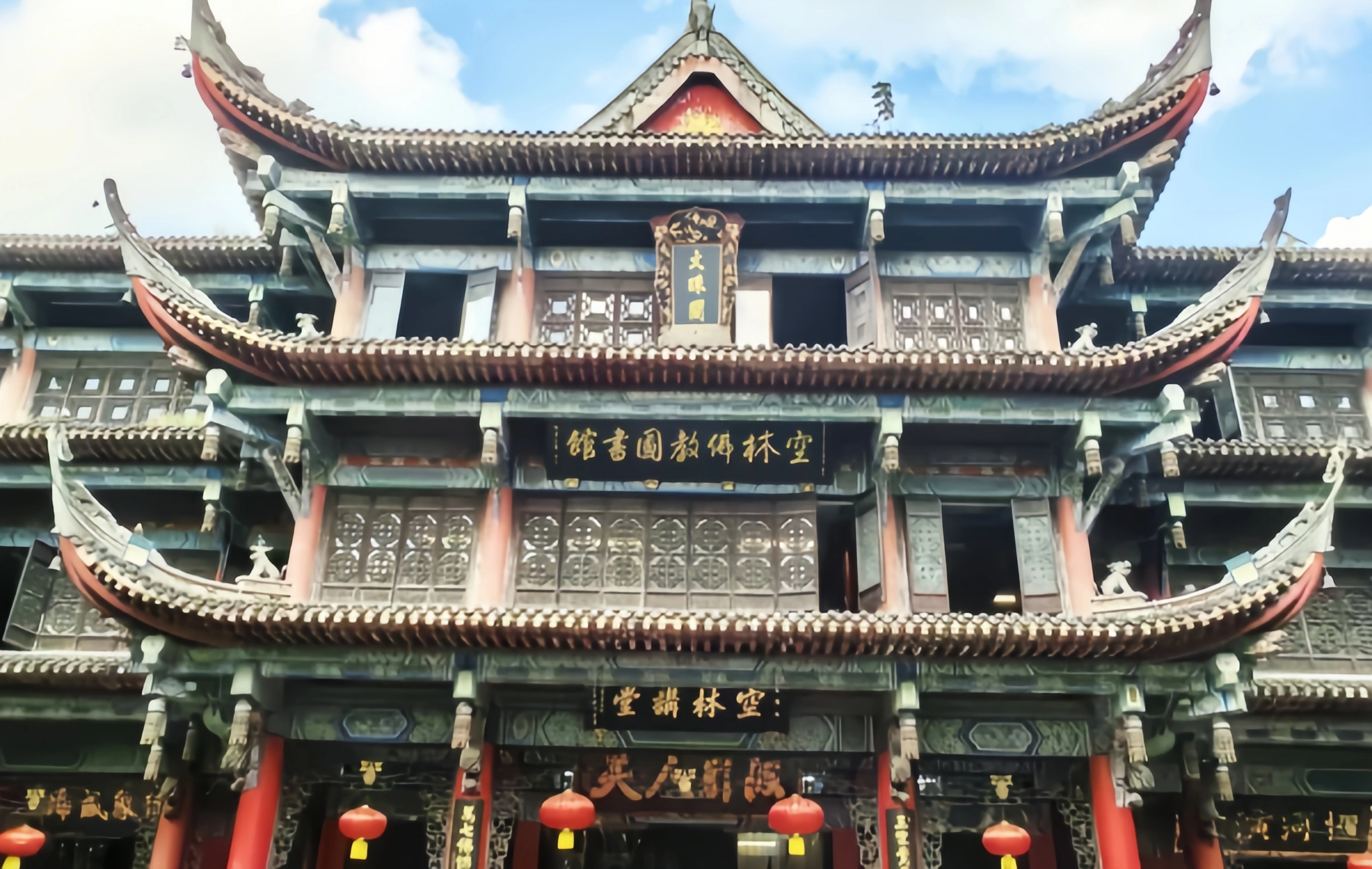
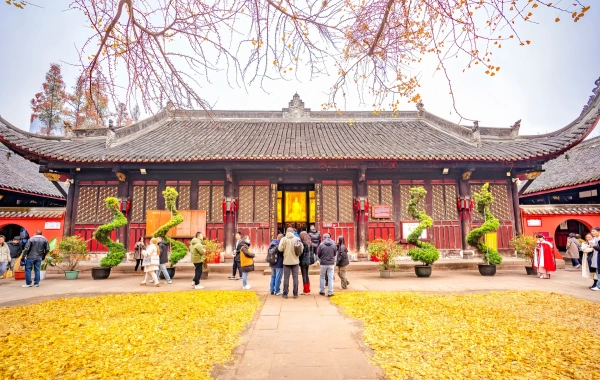
The architectural complex of Wenshu Temple is a typical Qing Dynasty temple pattern in the western Sichuan Plain, strictly symmetrically distributed along the central axis, starting from the mountain gate and progressing layer by layer, solemn and profound.
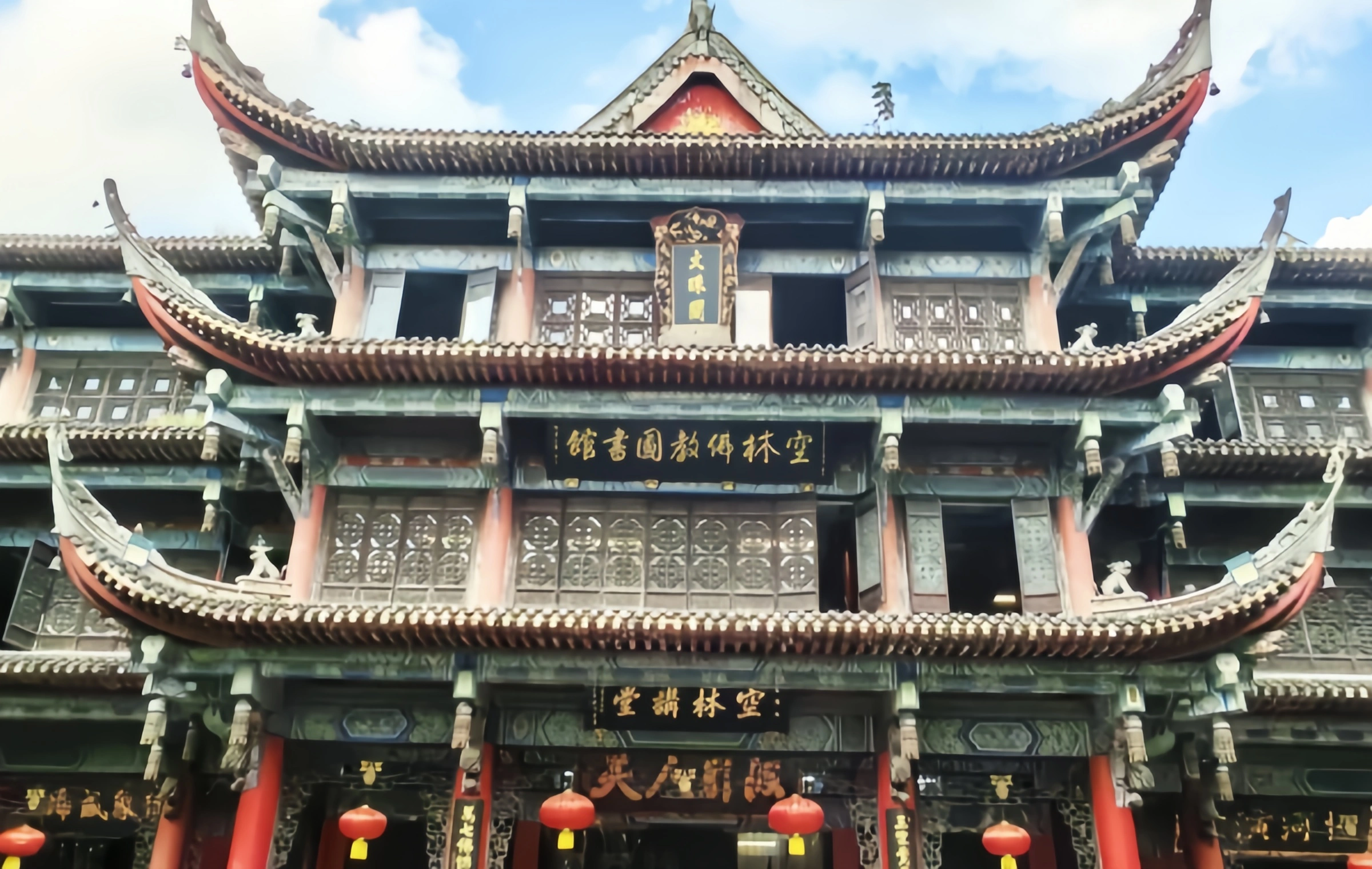
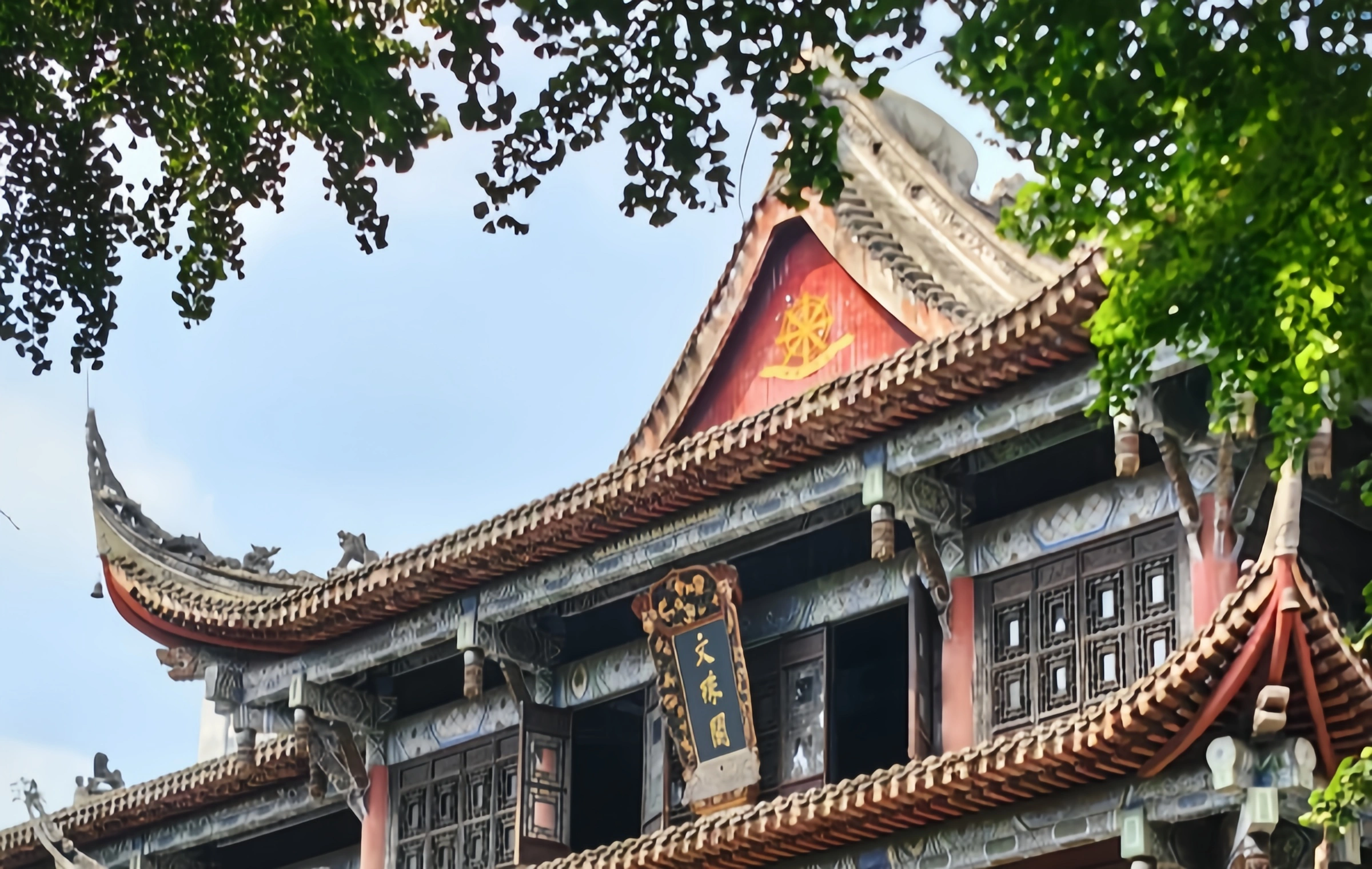
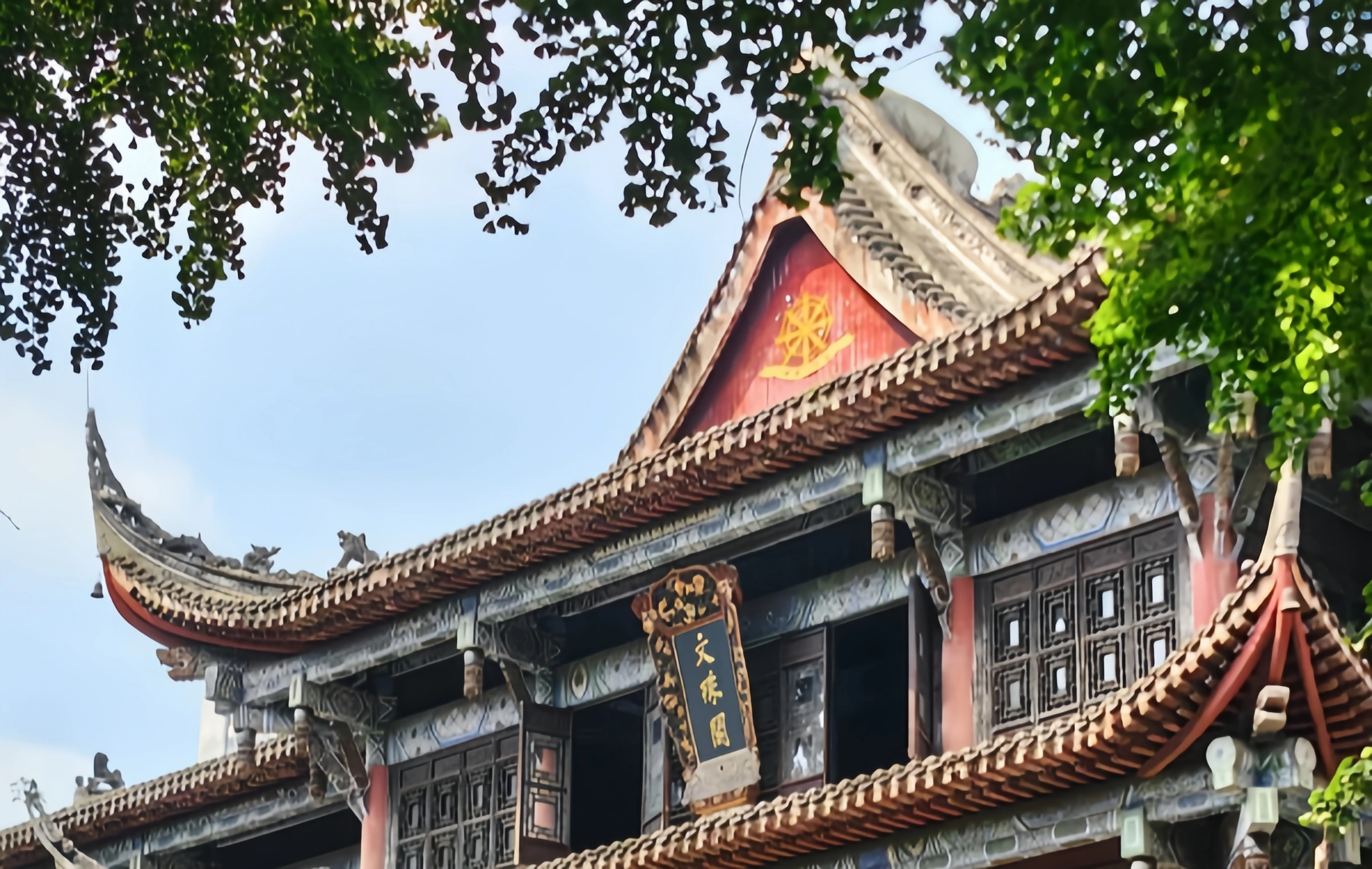
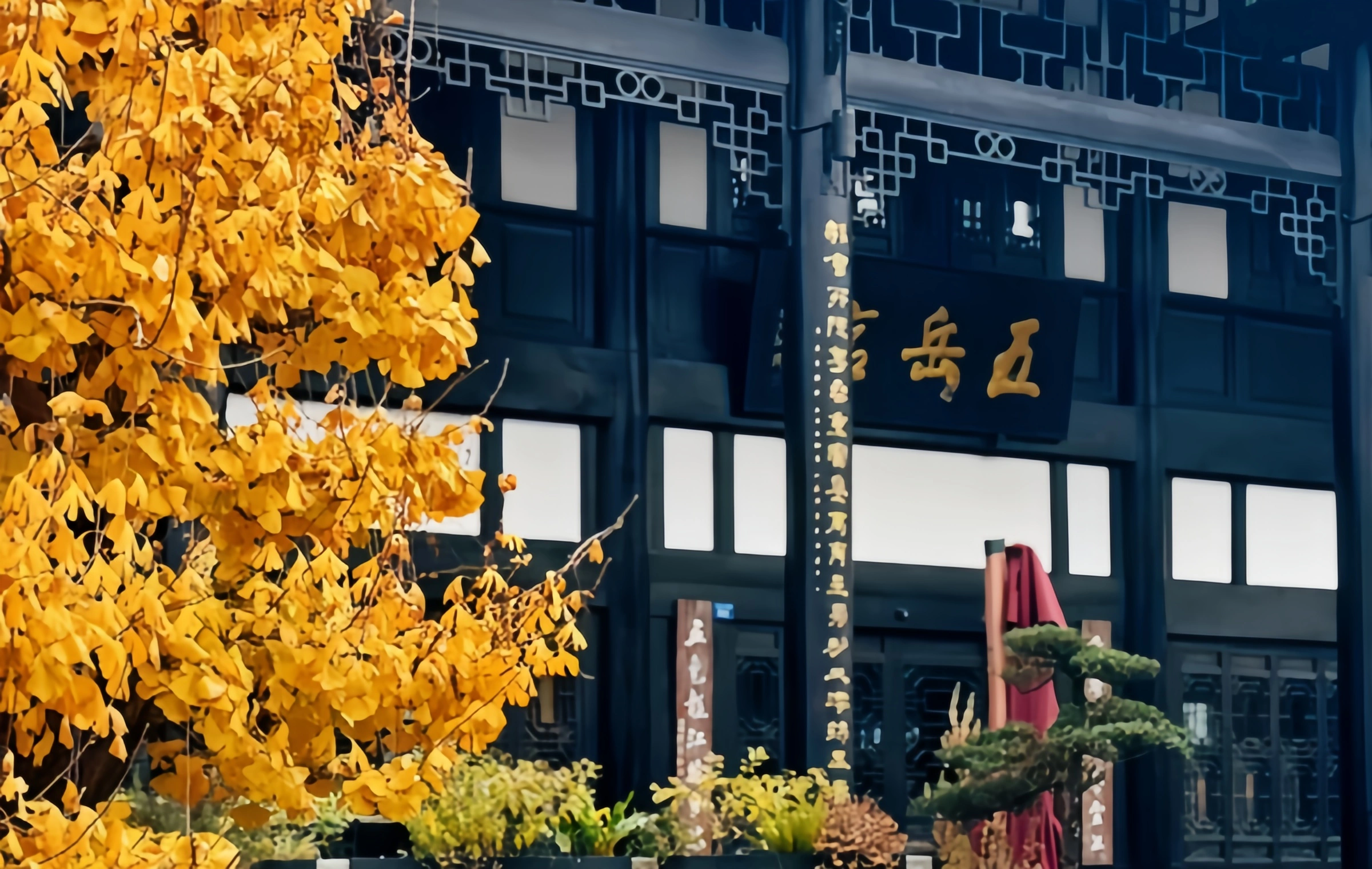
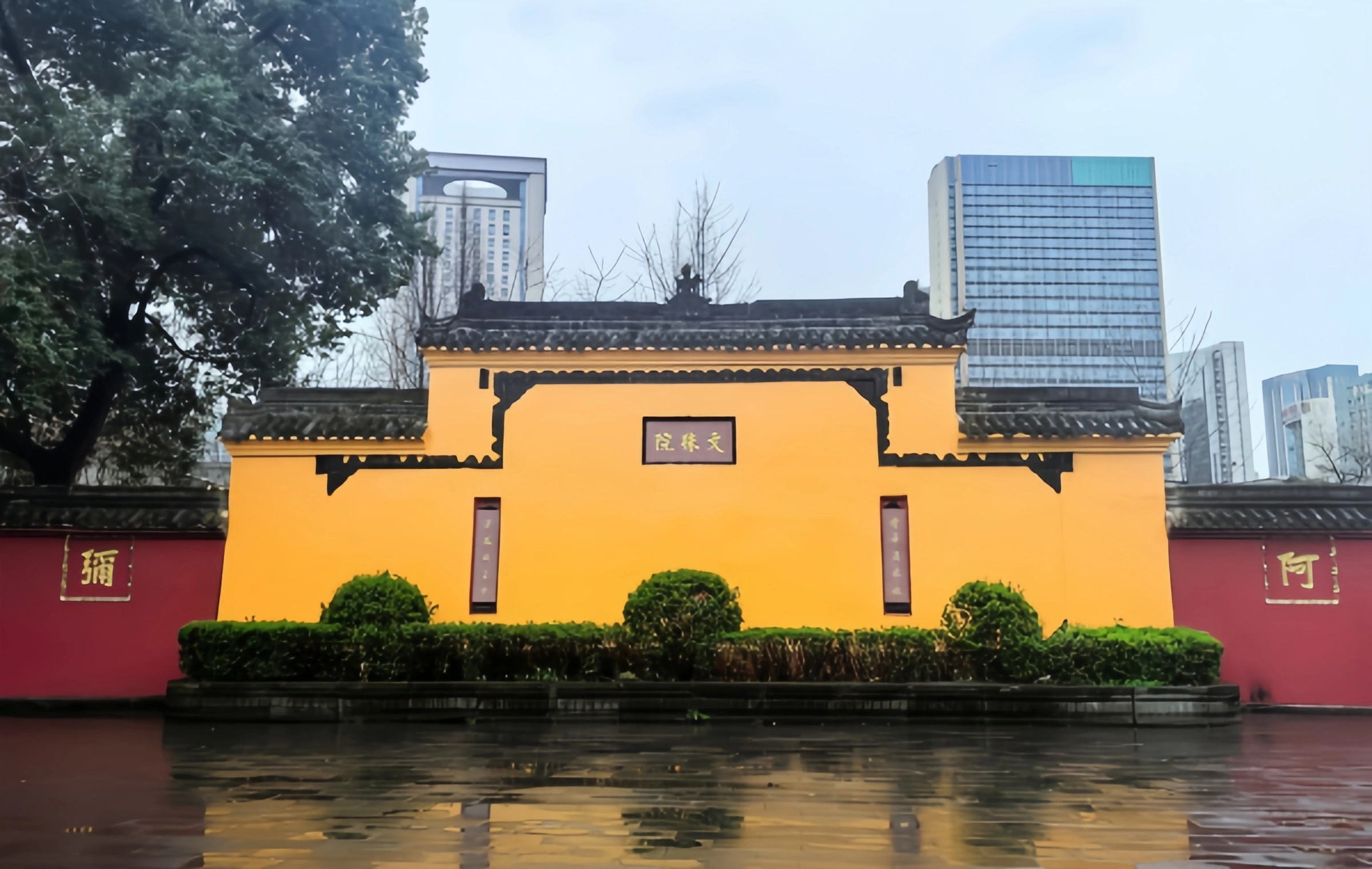
Shanmen and the Hall of the Three Great Scholars: The golden plaque of "Wenshu Yuan" hanging high on the Shanmen Hall was inscribed by the famous calligrapher He Shaoji in the Qing Dynasty. Inside the hall, there are enshrined the "Three Saints of the West", embarking on a pilgrimage journey.
Temple of Heavenly Kings and the Shakya ManiHall: The Temple of Heavenly Kings is located through the mountain gate. The statues of Maitreya and the four Heavenly Kings in the hall are vivid and vivid. The following the Shakya ManiHall is the core of the temple, where Sakyamuni Buddha is enshrined. The gold plaque of "Empty Forest" hanging above is the real work of Emperor Kangxi, which is the treasure of the temple.
The Sutra Pavilion and Manjusri Pavilion: At the end of the central axis, the Sutra Pavilion is magnificent and houses the relics of Tang Xuanzang's skull (only open for viewing at specific times), the blood stained "Avatamsaka Sutra", as well as numerous ancient Buddhist scriptures, calligraphy and painting treasures. The newly built Manjusri Pavilion is majestic and grand, serving as the main hall for the worship of Manjusri Bodhisattva.
Cultural relics and treasures:
Iron cast "Ring God" statues - the ten protector statues of the Ming Dynasty, are the oldest cultural relics preserved in the temple after experiencing disasters, with simple and powerful shapes.
Myanmar Jade Buddha - a jade carved Buddha statue of Shakyamuni Buddha brought back from Myanmar in the Qing Dynasty, crystal clear and solemn in appearance.
Thousand Buddha Robe - a robe embroidered with thousands of Buddha statues on bright yellow satin using gold thread, with exquisite craftsmanship.
Photography tips:
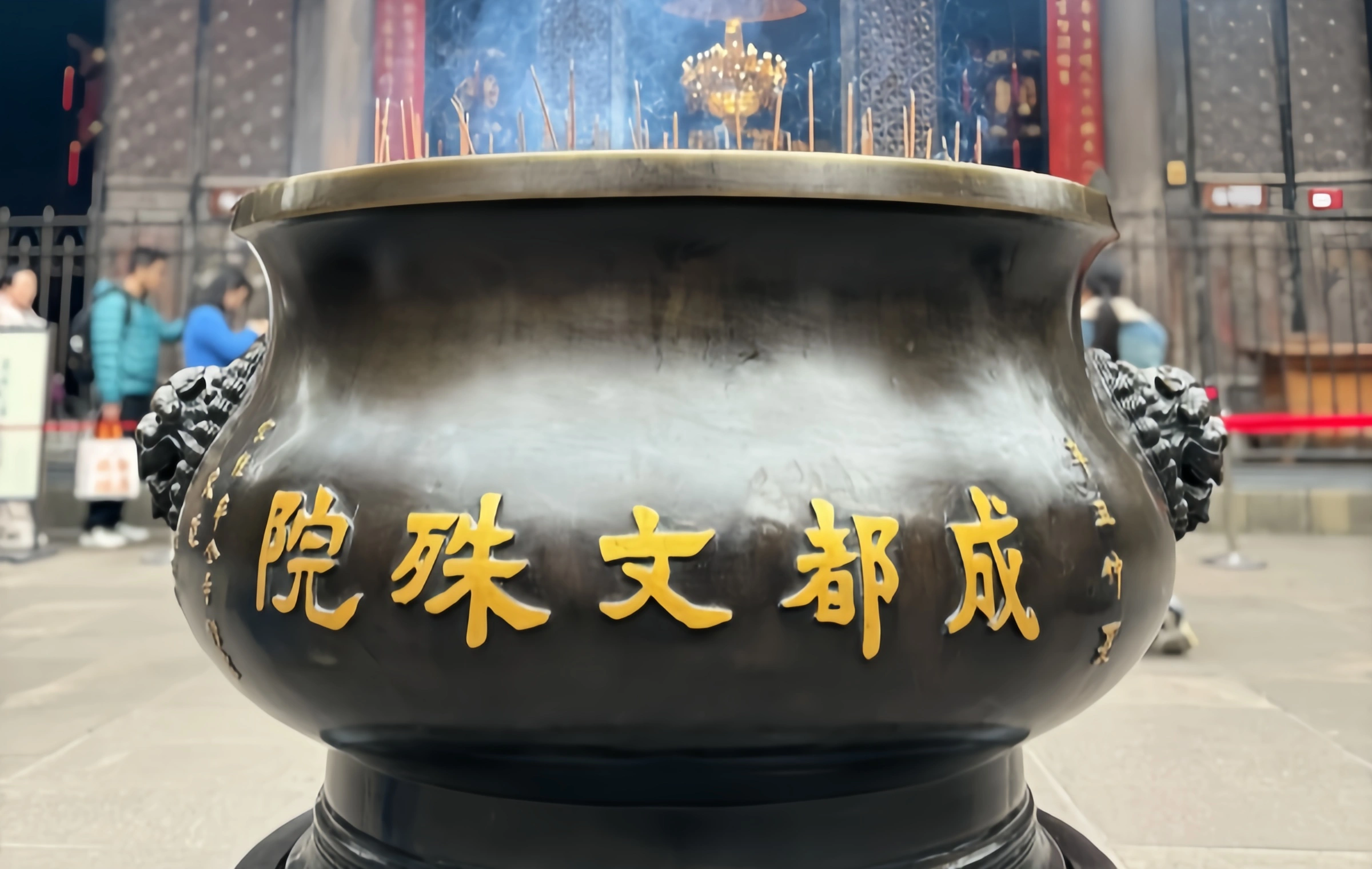
The best light and shadow plane: Looking back at the Heavenly King Hall from the the Shakya ManiHall, the eaves and incense burner form an excellent composition in the morning light.
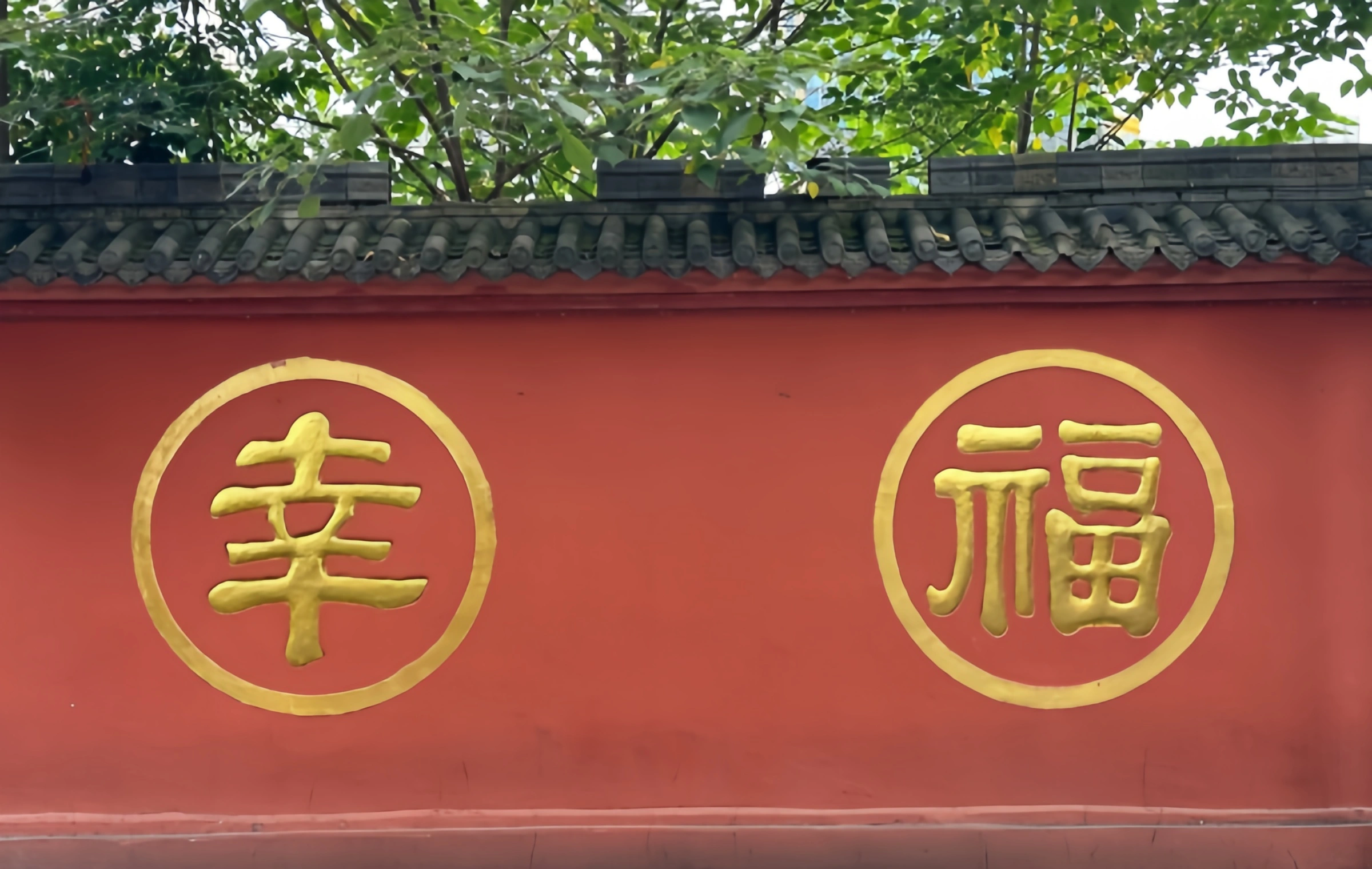
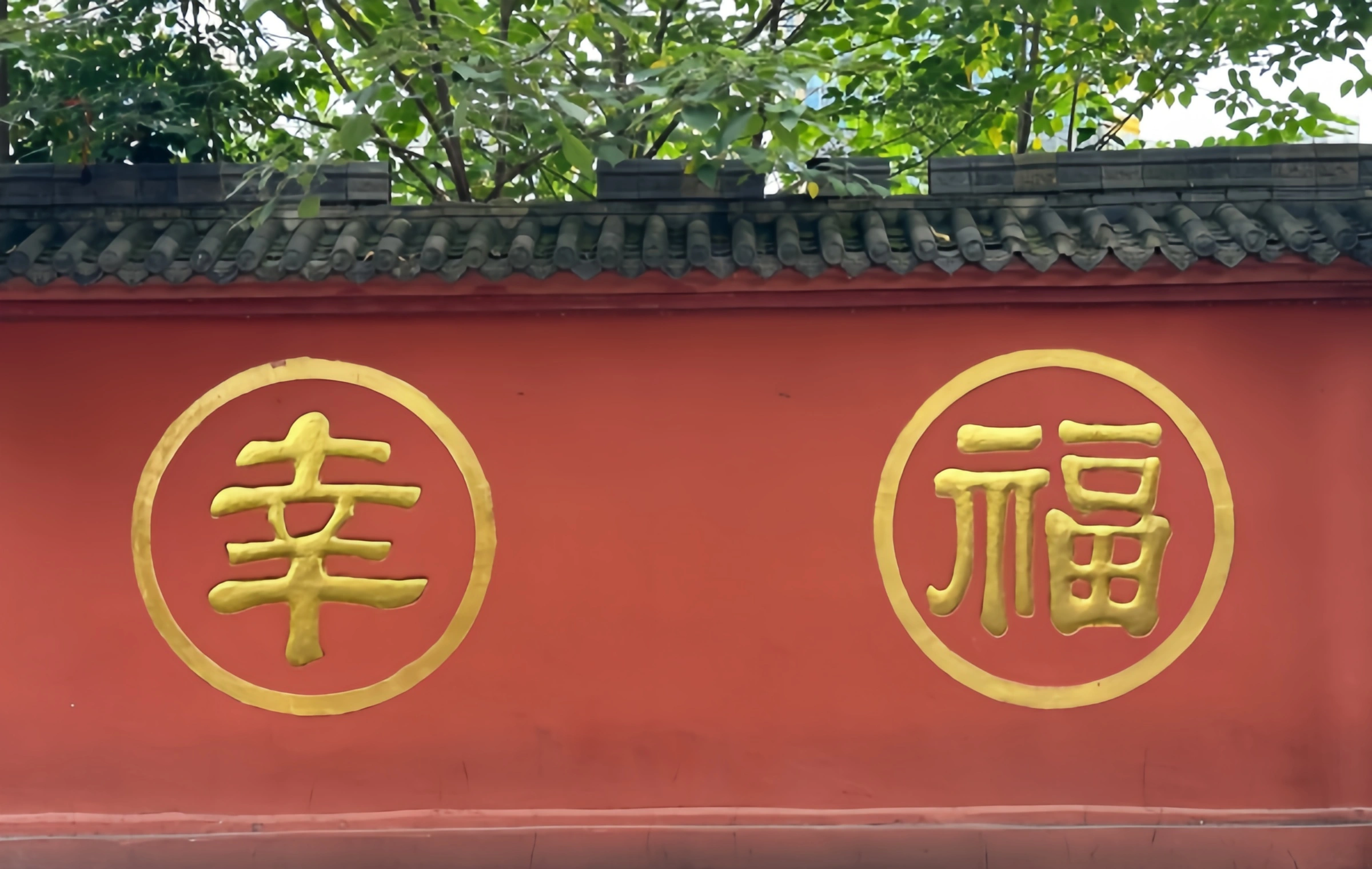
Classic check-in spot: The famous red wall bamboo shadow area of Manjusri Monastery, where sunlight shines through the bamboo forest and casts mottled light and shadow on the red wall, full of Zen atmosphere.
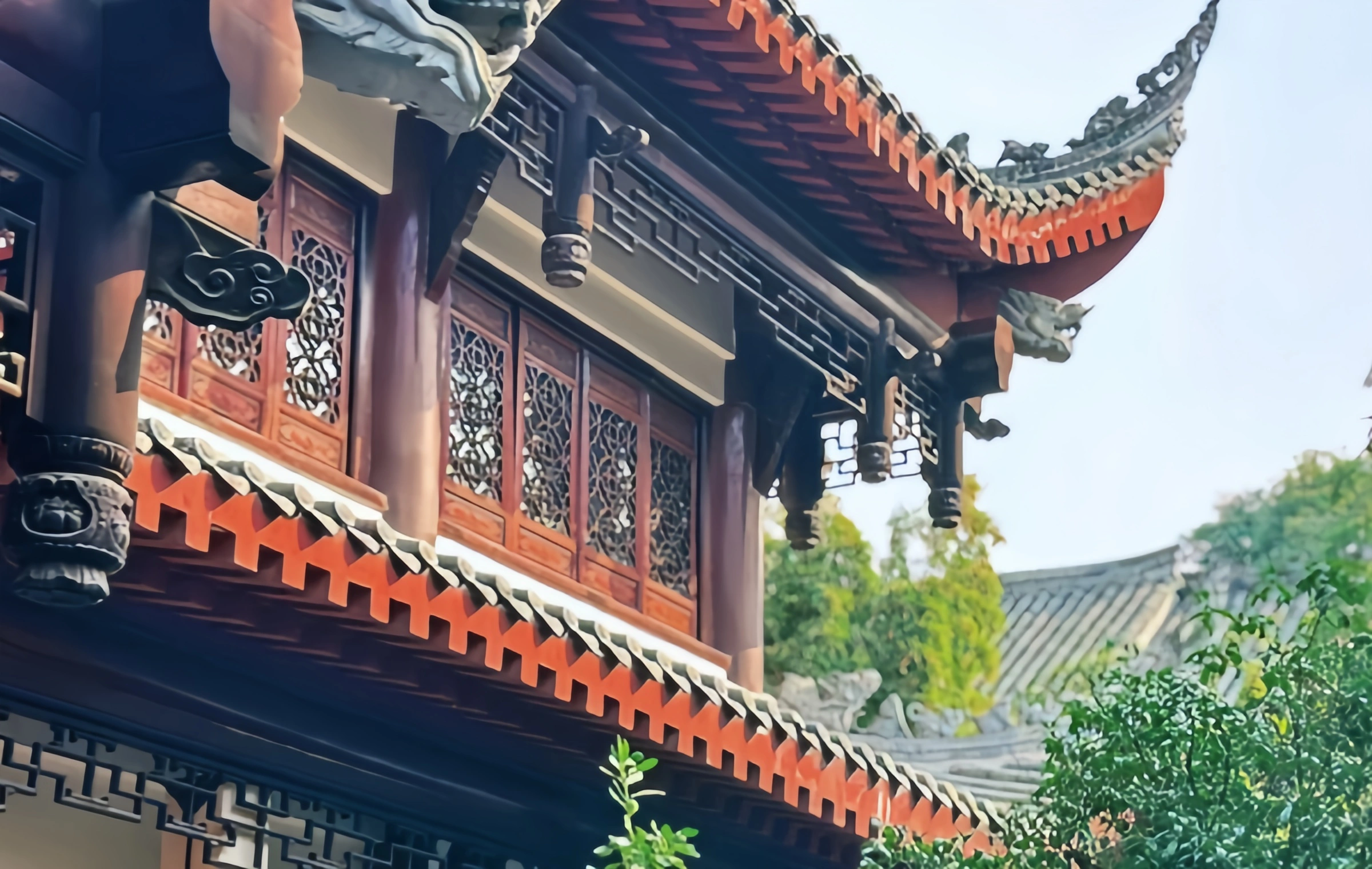
Architectural details: Focusing on the Qing Dynasty carved doors and windows of each hall, as well as the exquisite kissing beasts on the roof, they are all witnesses of time.
The Green of the Secret Realm - Classical Gardens in the City
Wenshu Monastery is not only a temple, but also an exquisite classical garden.
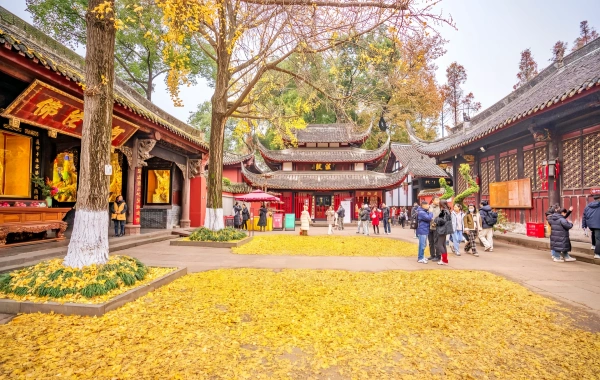
Tall ancient trees: There are more than 200 ancient and famous trees distributed in the courtyard, especially the hundreds of years old ginkgo and ancient fir trees, which are the most eye-catching. In the late autumn season, golden ginkgo leaves fall, decorating the temple into a golden Buddhist kingdom, which is one of the most famous autumn scenery in Chengdu.
Fragrant Garden and Tea Garden: The "Fragrant Garden" on the east side of the temple is a serene courtyard that integrates a vegetarian restaurant, tea house, and guqin hall. Here, you can experience the most authentic Chengdu cup tea under the century old ginkgo tree, with the faint sound of chanting in your ears, truly immersing yourself in the local life of "Zen tea flavor".