Comment atteindre: Guide de connexion sans couture
Hongen Temple Forest Park est situé dans la zone urbaine principale de Chongqing, avec des transports en commun pratiques.
Transports publics (préféré): Prendre Chongqing Rail Transit Line 3, descendre aux stations "Huaxin Street" ou "Guanyinqiao", transférer vers les bus (comme 631, 847, etc.) à la station "Hong'en Temple Park"; Sinon, prenez la ligne 5 et descendez à la station "Dashiba", puis marchez ou transférez vers un bus pour atteindre la destination. Plusieurs entrées sont couvertes par des bus.
Automobile/taxi : naviguez jusqu'à la porte Est du parc forestier de Hong'ensi ou à la porte Nord du parc forestier de Hong'ensi. Il y a des parkings autour du parc, mais les places de parking peuvent être serrées le week-end et les vacances. Il faut environ 15 minutes pour prendre un taxi du quartier commercial de Guanyinqiao.
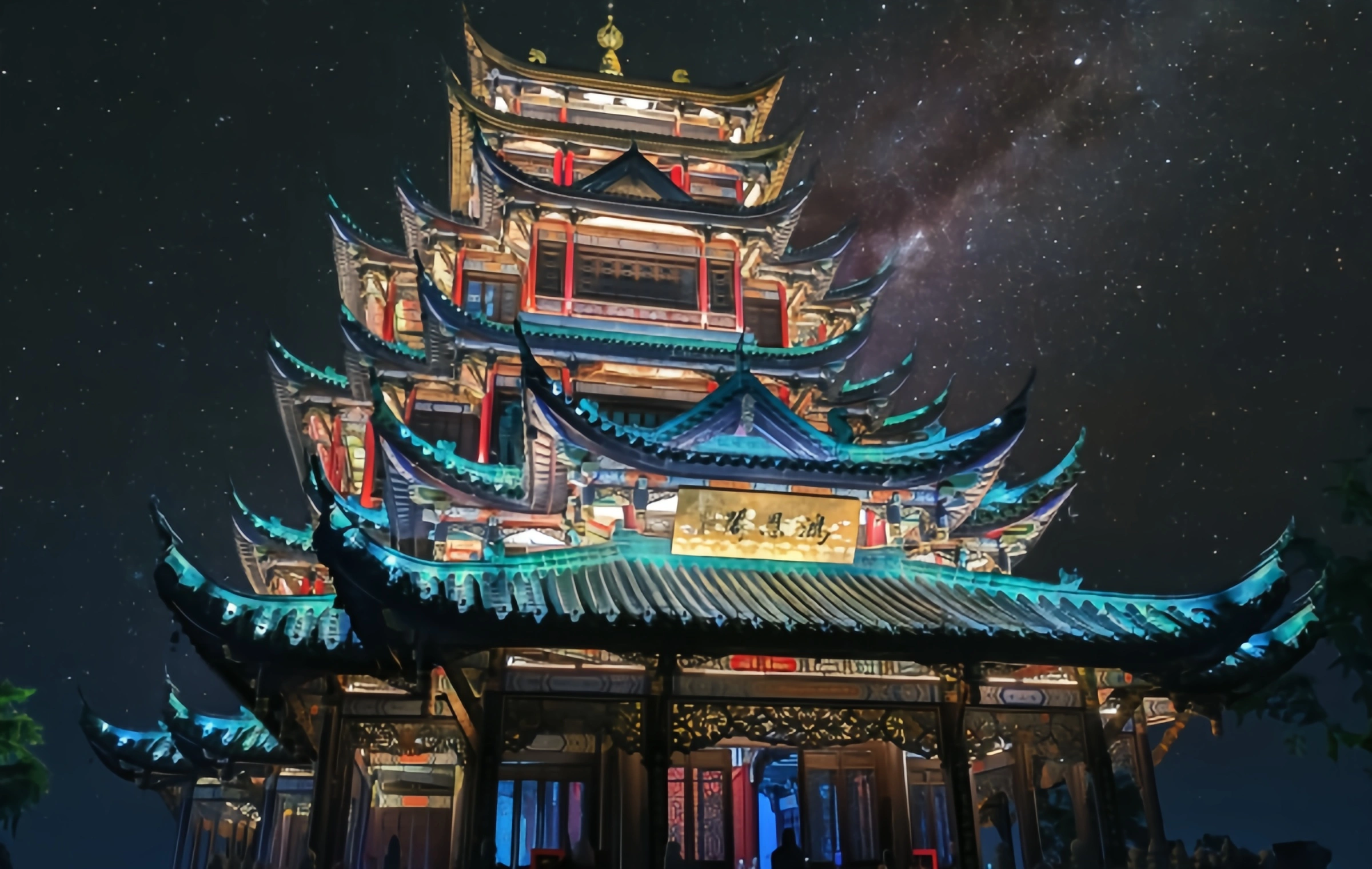
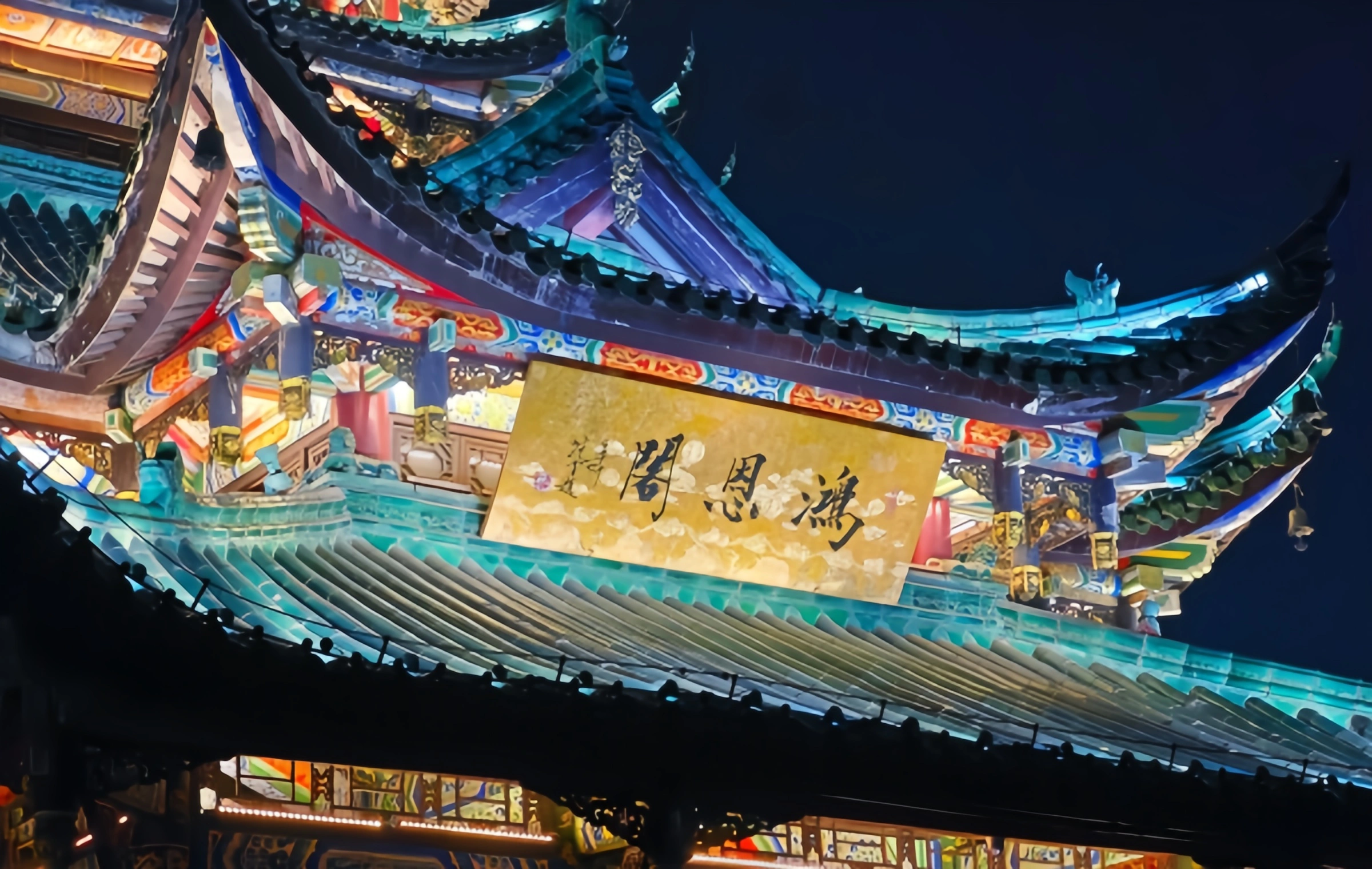
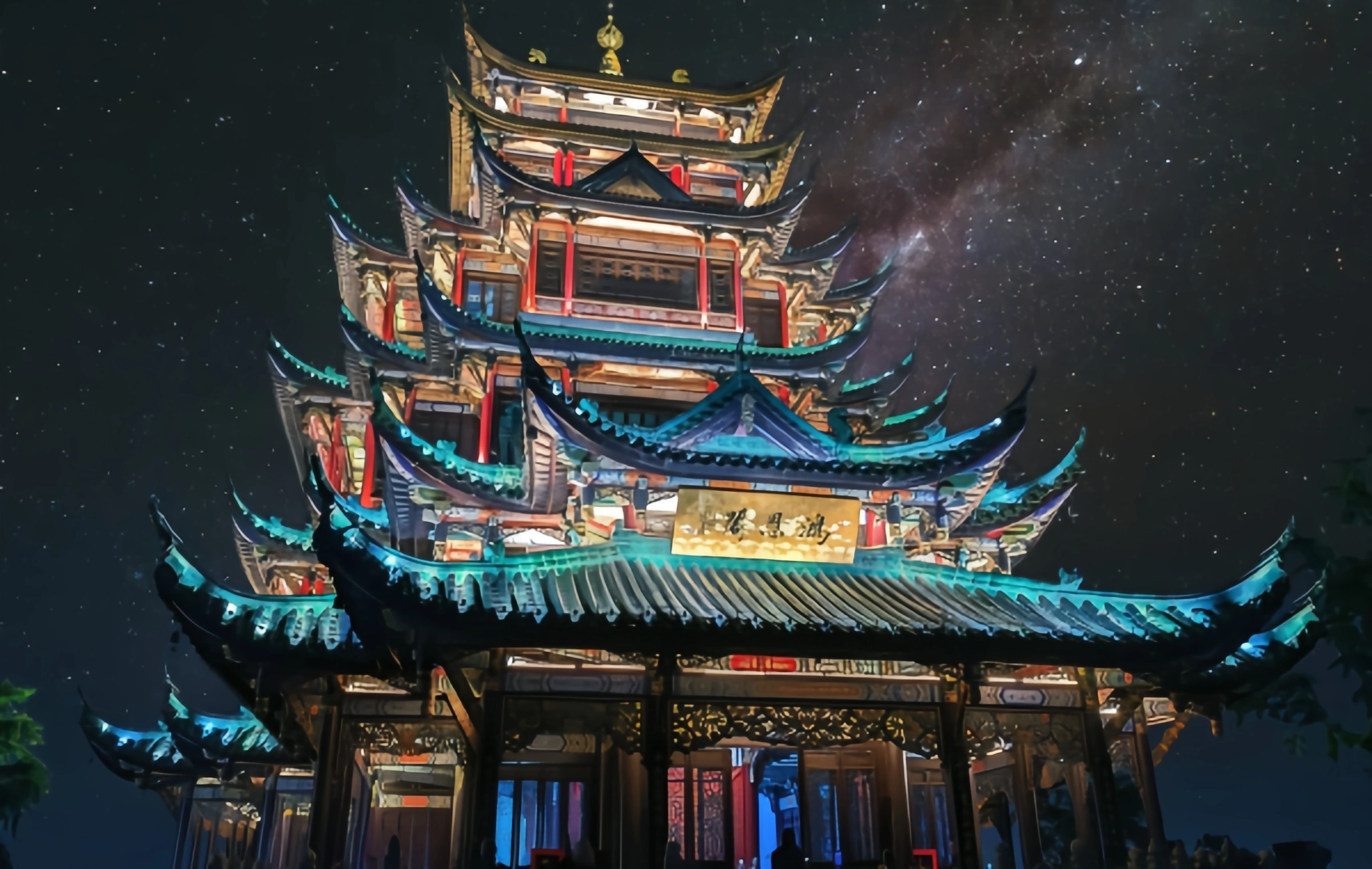
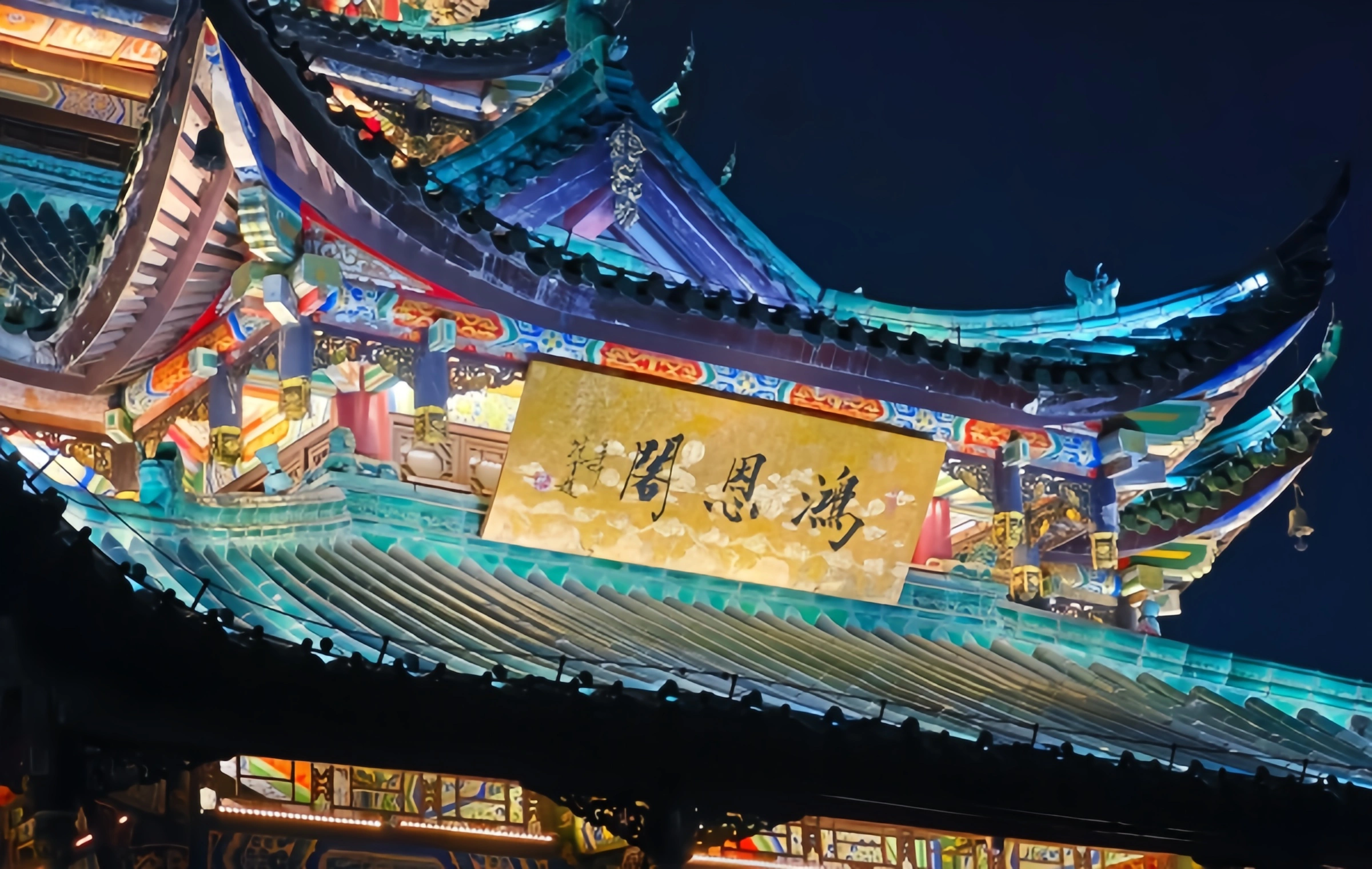
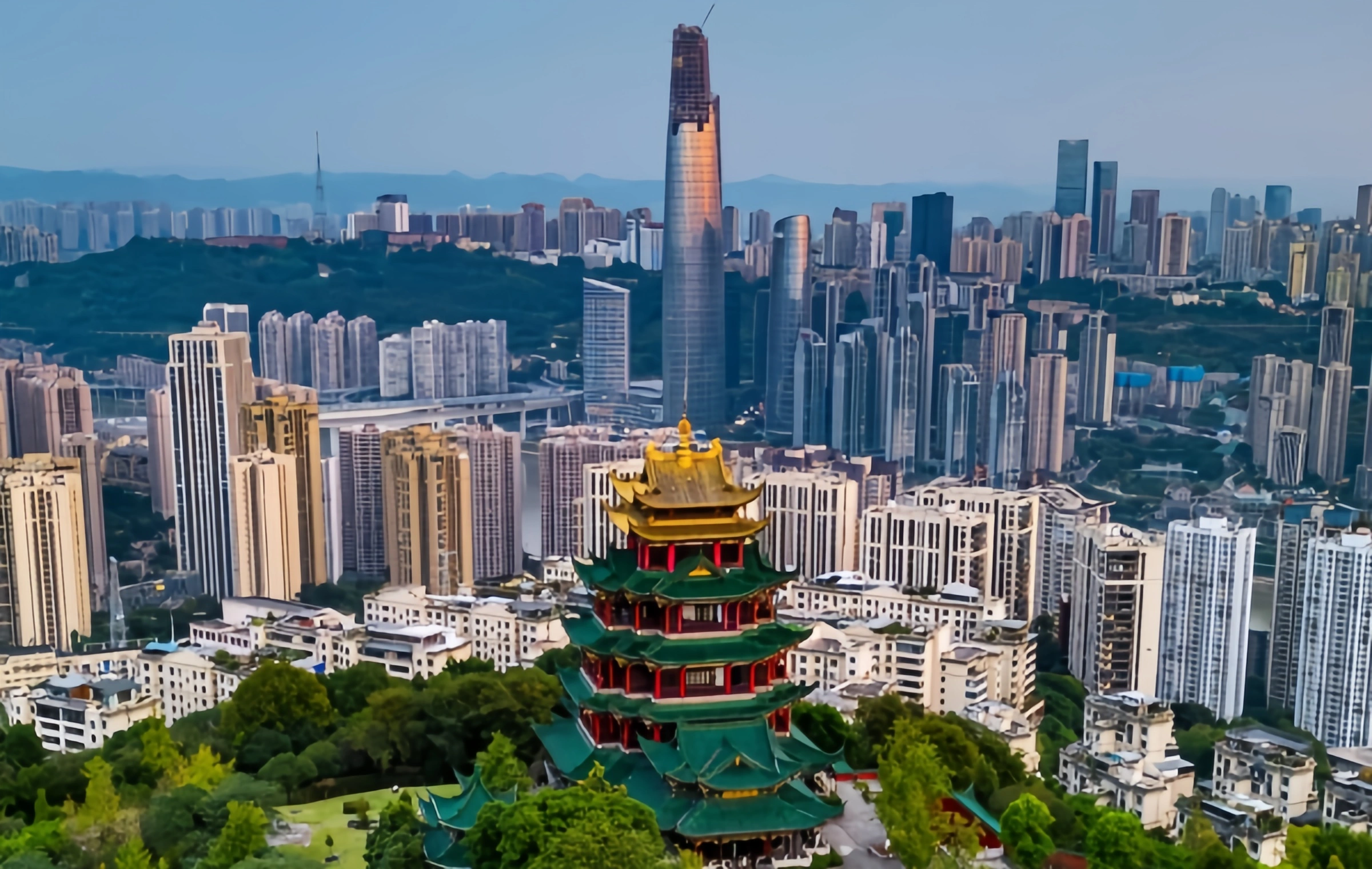
Rappel important: Le parc a une grande superficie, et l'ascension à Hong'en Ge nécessite une certaine force physique. Il y a également un service de bus touristique dans le parc, qui peut directement rejoindre les environs du pavillon de Hong'en à partir de certaines des portes, adapté aux personnes âgées et aux enfants.
Meilleur temps de déplacement
Hongen Le temple peut être visité en toutes saisons, mais l'automne (septembre novembre) est sans aucun doute le sommet de l'expérience complète, suivi par le temps ensoleillé du printemps et de l'hiver.
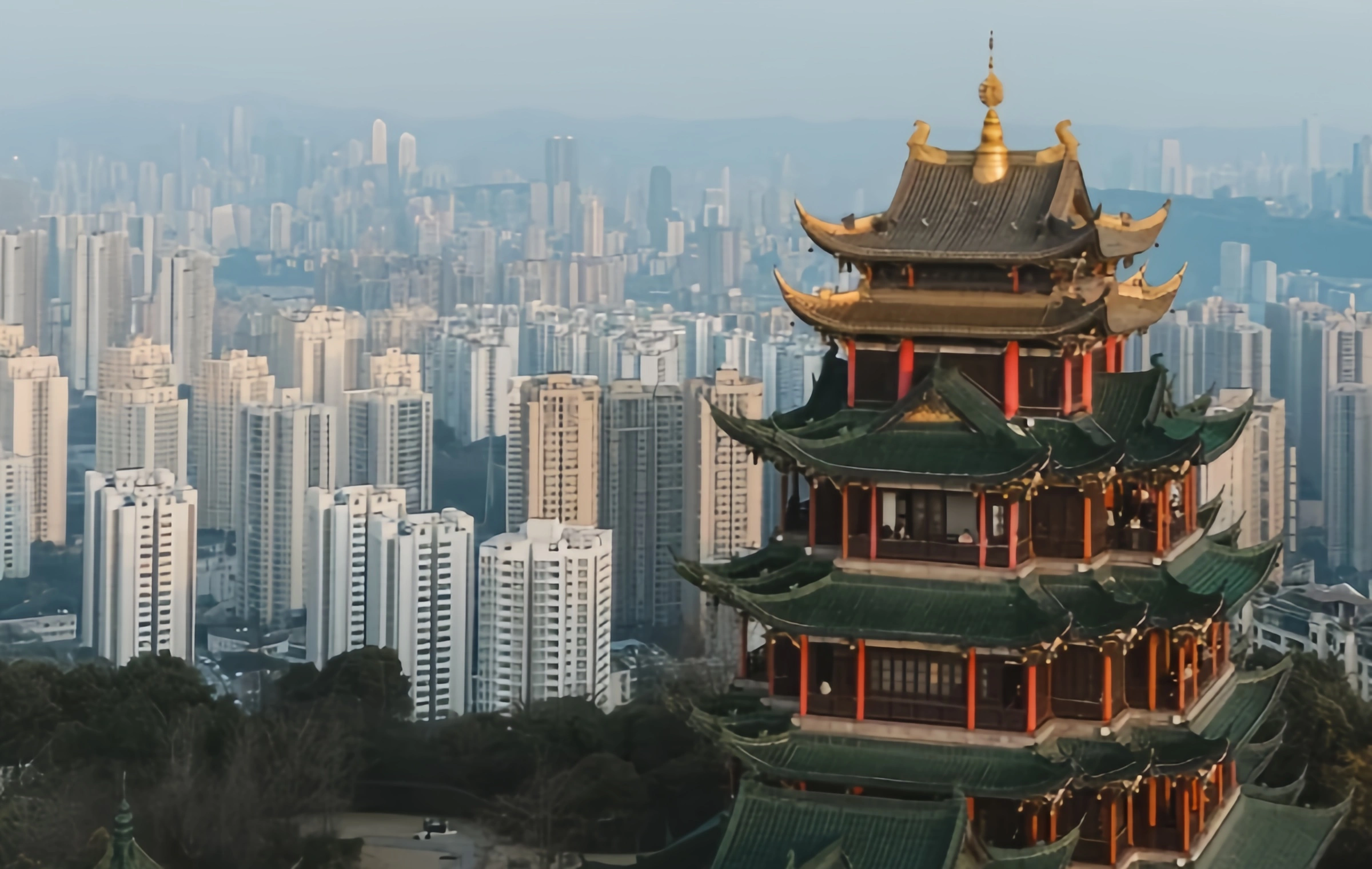
Saison d'automne : À ce moment, le ciel est clair et la visibilité est la meilleure, ce qui en fait le meilleur moment pour grimper haut et regarder loin. De plus, les fleurs d'osmanthus sont en pleine floraison dans le parc, débordant de parfum, réalisant une combinaison parfaite de sentiments visuels, olfactifs et rafraîchissants.
Saison fraîche du printemps (mars mai): Le climat est doux, et le jardin est luxuriant avec une nouvelle verdure, orné de fleurs de printemps, ce qui en fait un excellent moment pour la randonnée et la marche.
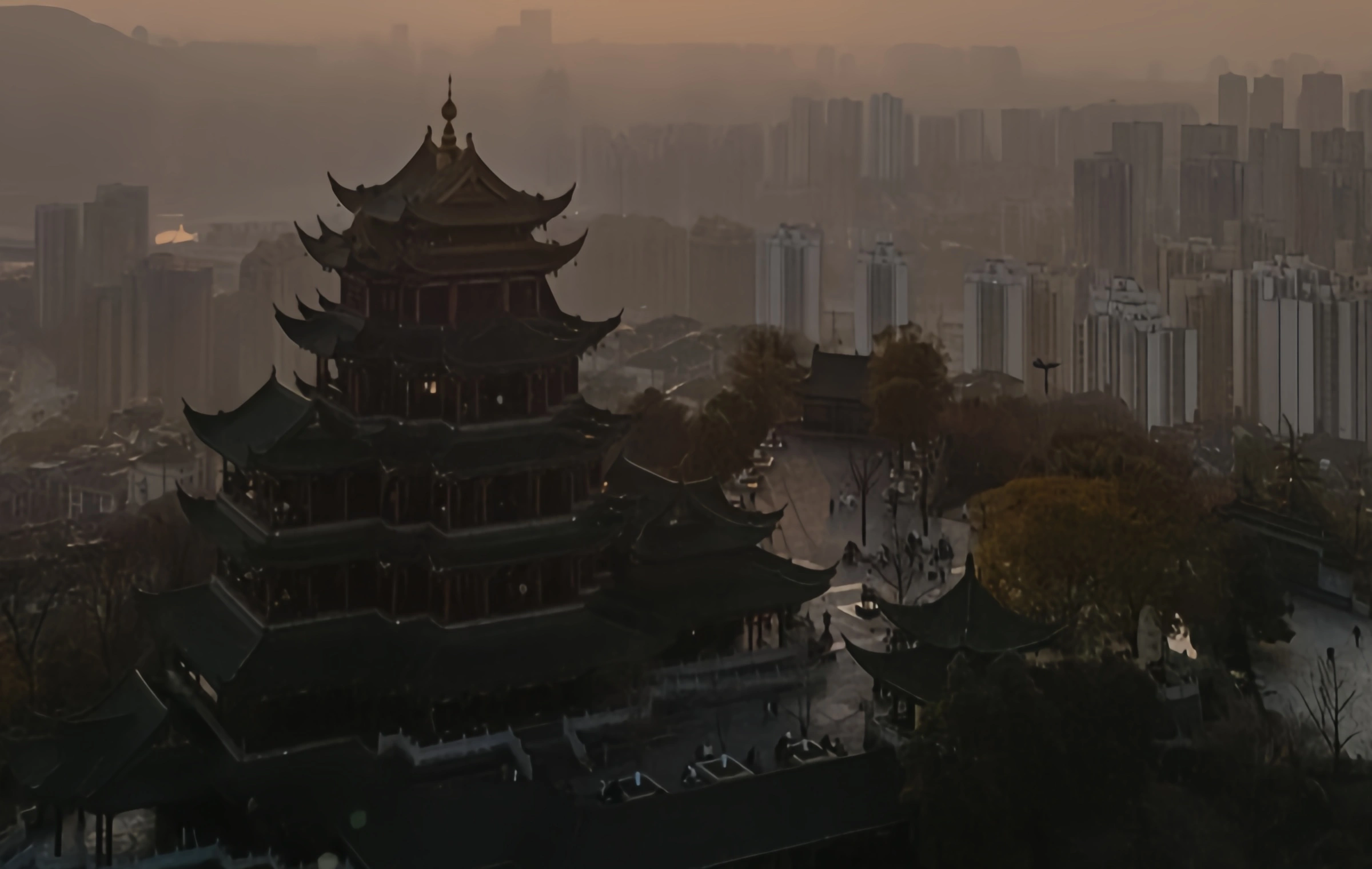
Saison d'hiver (décembre février) : Chongqing est souvent brumeux en hiver, mais s'il y a un temps clair, l'air est clair, la vue est excellente, et il y a relativement peu de touristes.
Saison estivale des oignons (juin août) : La végétation est la plus luxuriante, mais le temps est chaud et l'escalade est plus difficile. Vous pouvez choisir de visiter le matin ou le soir, et prêter attention à la prévention des coups de chaleur.
Options d'hébergement
Quartier commercial de Guanyinqiao (préféré, extrêmement pratique)
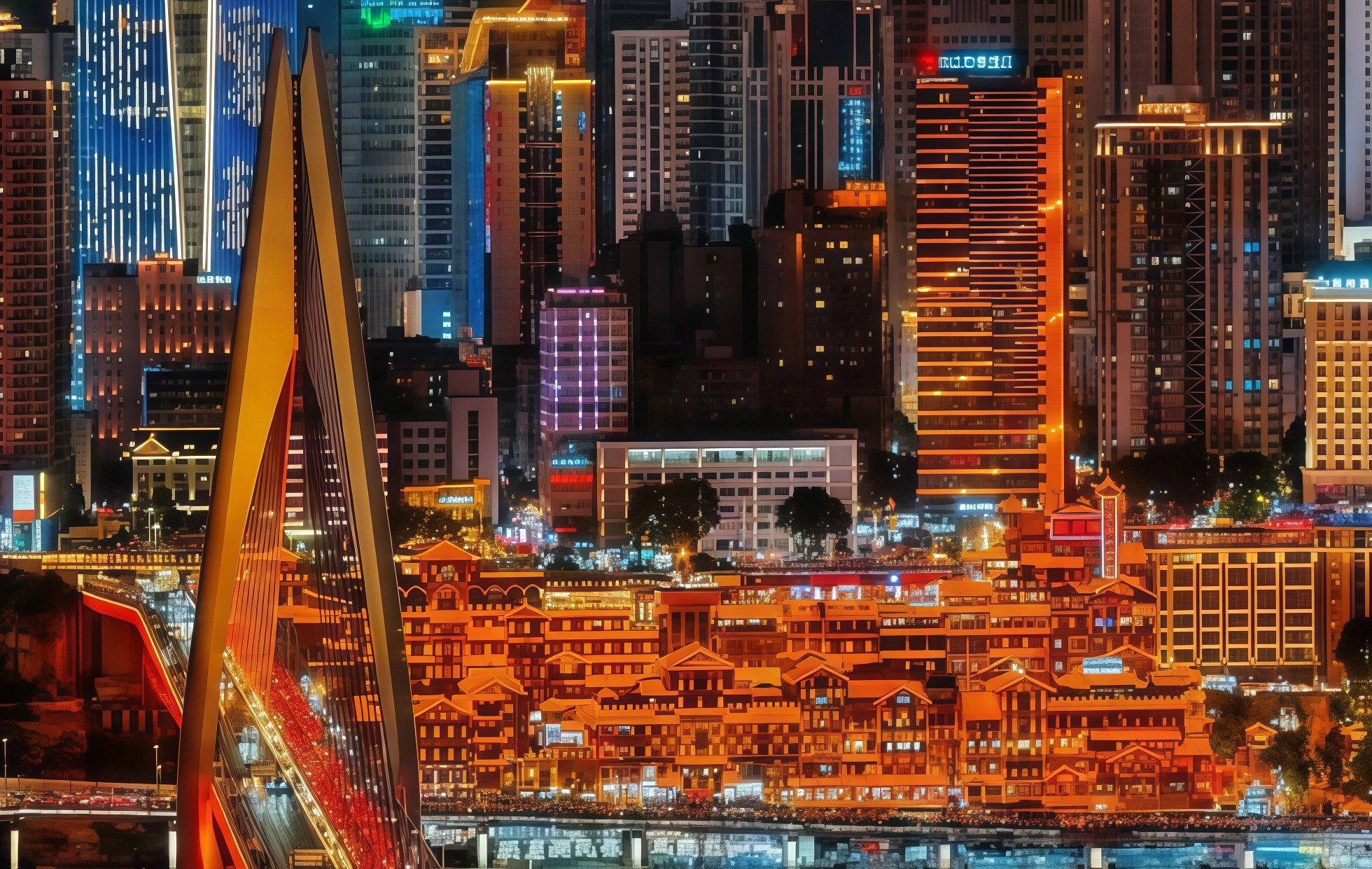
L'un des quartiers d'affaires les plus fréquentés de Chongqing, offrant une gamme complète de choix, des hôtels de luxe aux résidences de charme, avec des restaurants, des magasins et des installations de divertissement de premier ordre. Il est très pratique de prendre un bus ou un taxi pour Hong'en Temple Park (10-20 minutes en voiture).
Convient à presque tous les touristes, en particulier ceux qui apprécient la commodité dans la vie et la vie nocturne.
Le long de la route Jiangbeizui/Beibin (avec paysage et commodité)
Les hôtels de cette région sont de haute qualité, avec de nombreuses chambres offrant une vue directe sur la rivière. L'environnement est relativement plus calme que le pont de Guanyin, et il est également pratique d'aller à Hong'en Temple et d'autres endroits pittoresques à Jiangbei.
Convient aux touristes qui ont des exigences élevées pour le paysage d'hébergement et la qualité.
Shapingba ou district de Yuzhong
Large gamme de choix, adapté aux touristes qui envisagent de voyager en profondeur dans plusieurs districts de Chongqing. Mais voyager de ces régions au Temple de Hong'en nécessite un transport croisé, et le temps de trajet est légèrement plus long (30-40 minutes).
Voyage Recommandations de réservation d'hébergement en Chine:
Temple Hongen Le parc lui-même n'est pas un endroit pittoresque de nuit, et les choix d'hébergement sont entièrement basés sur votre itinéraire global à Chongqing. En réservant avec nous, nous pouvons vous assortir à l'hébergement le plus pratique et le plus économique en fonction des zones clés que vous prévoyez de visiter, comme Jiangbei, Yuzhong, ou les paysages de nuit, et emballer votre itinéraire en conséquence. >> Cliquez pour contacter IntoTravel Consultant en voyages en Chine