Hong'en Temple

Hong'en Temple

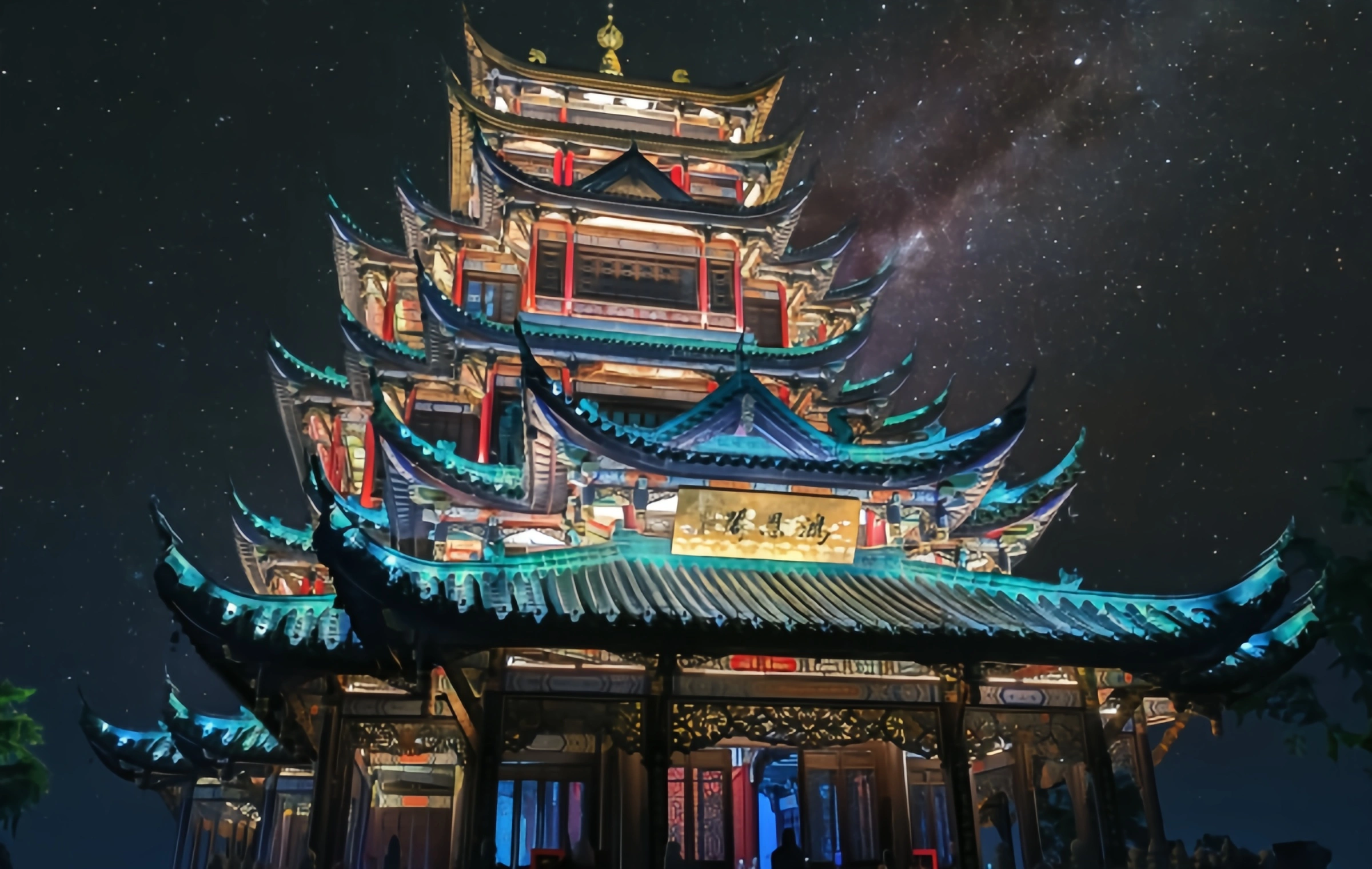
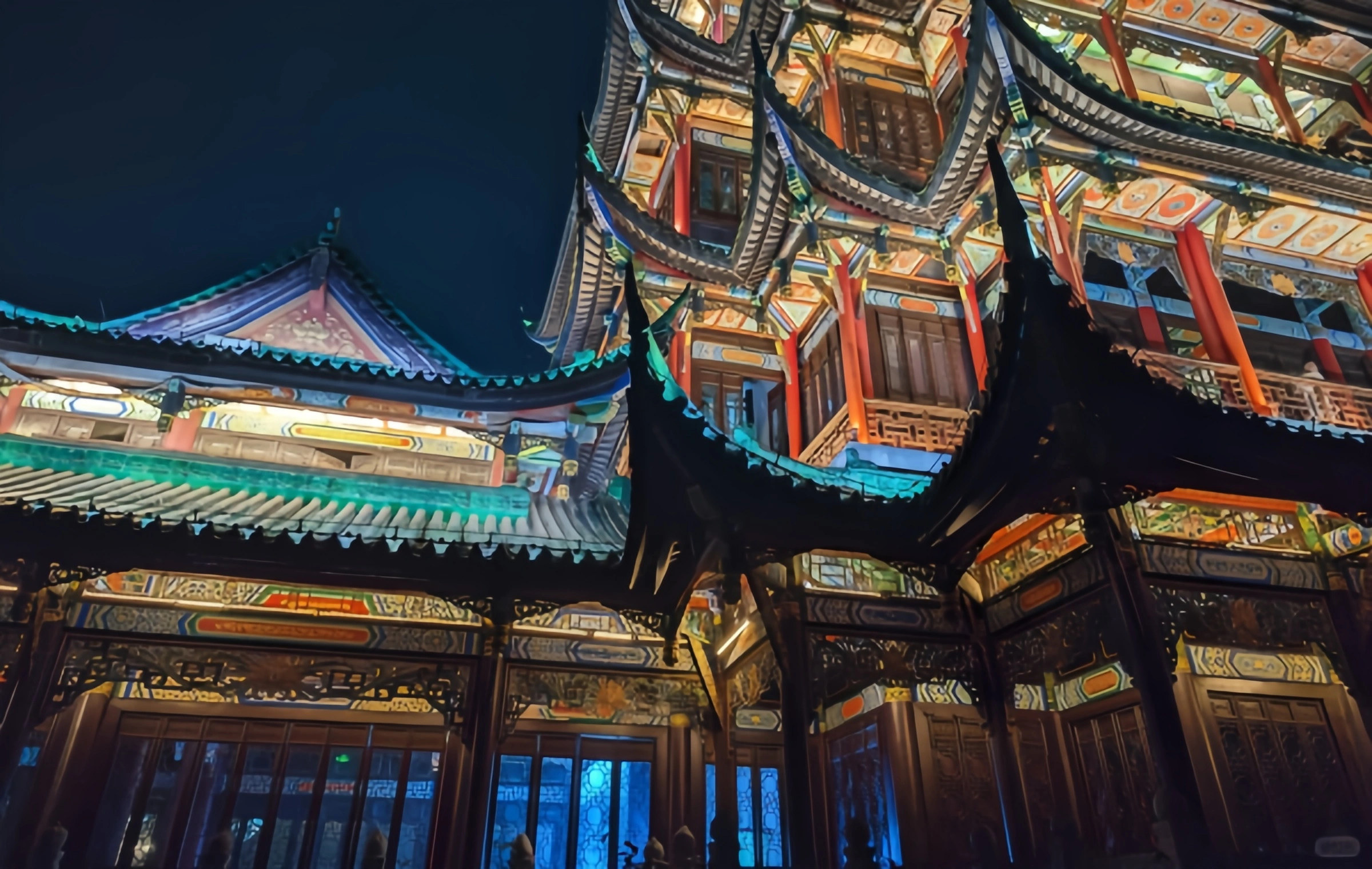
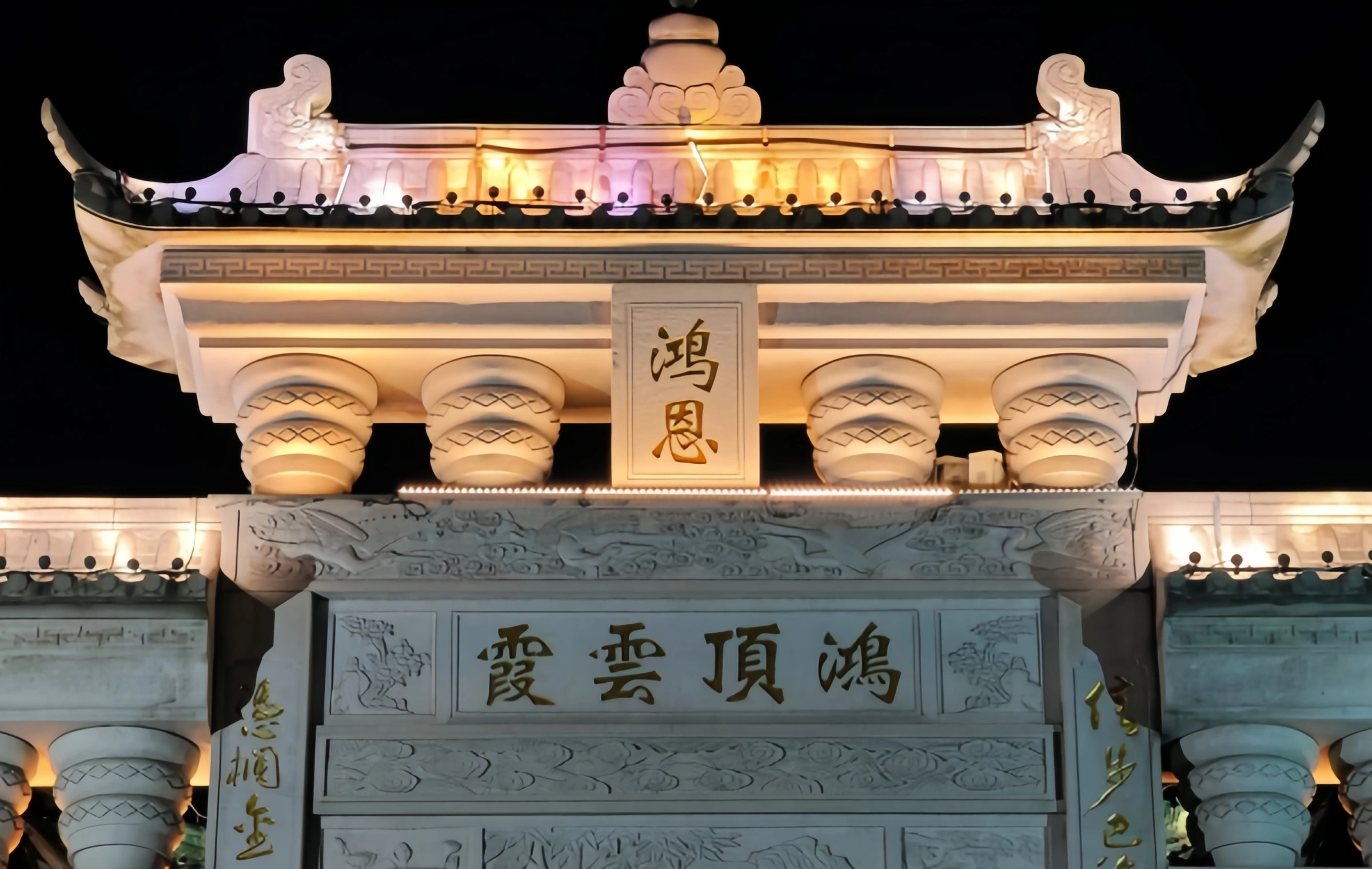
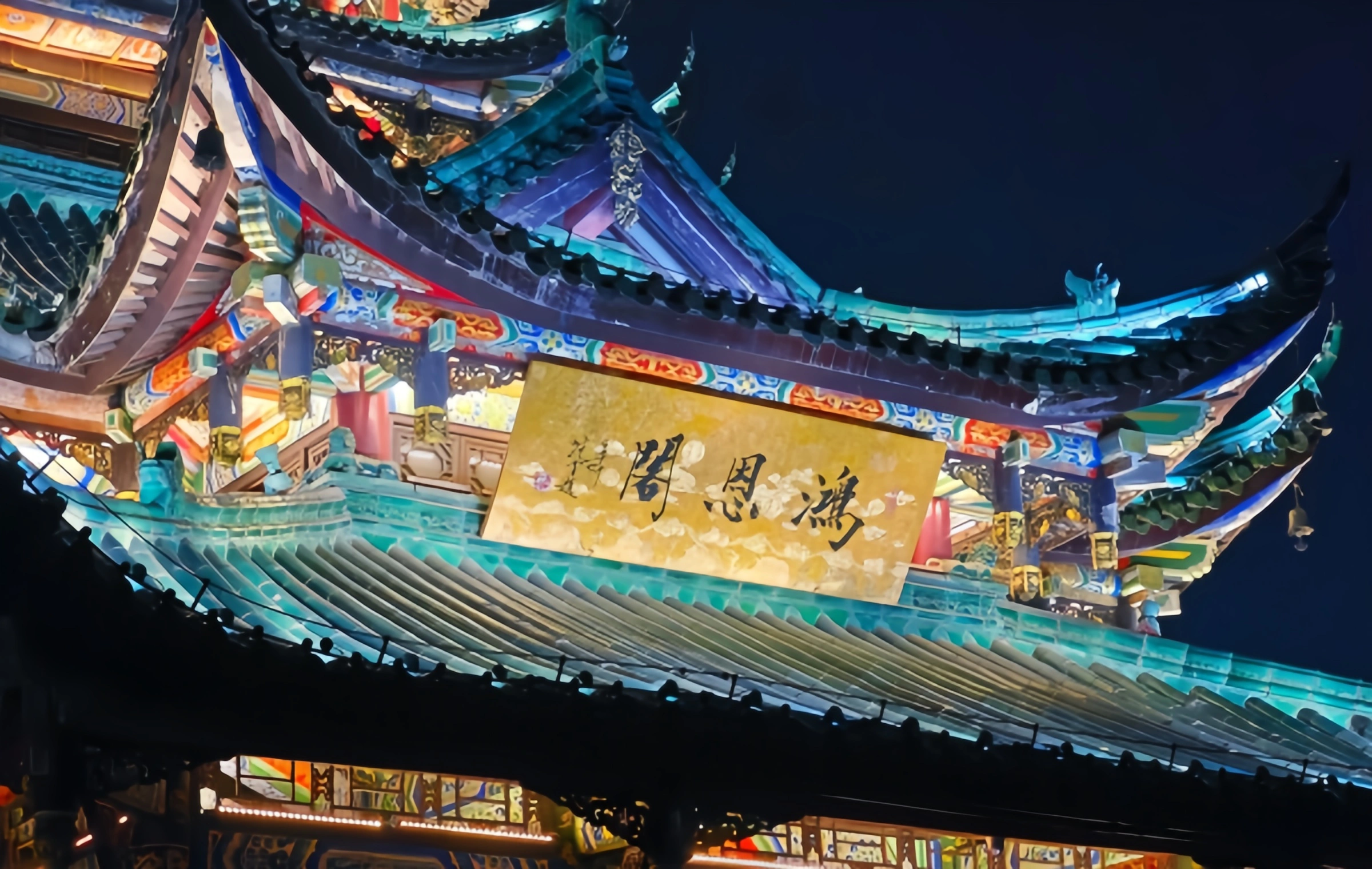
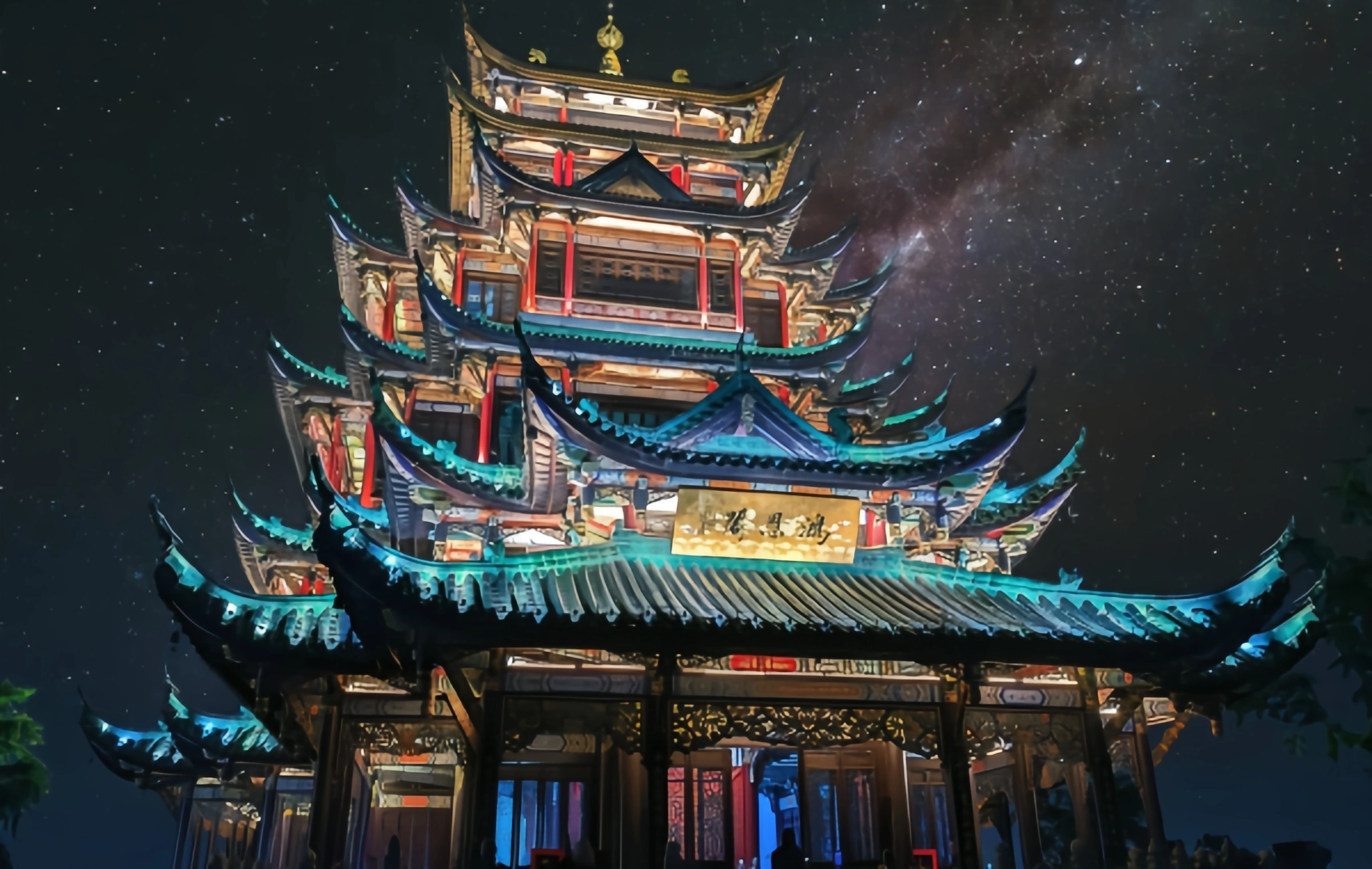
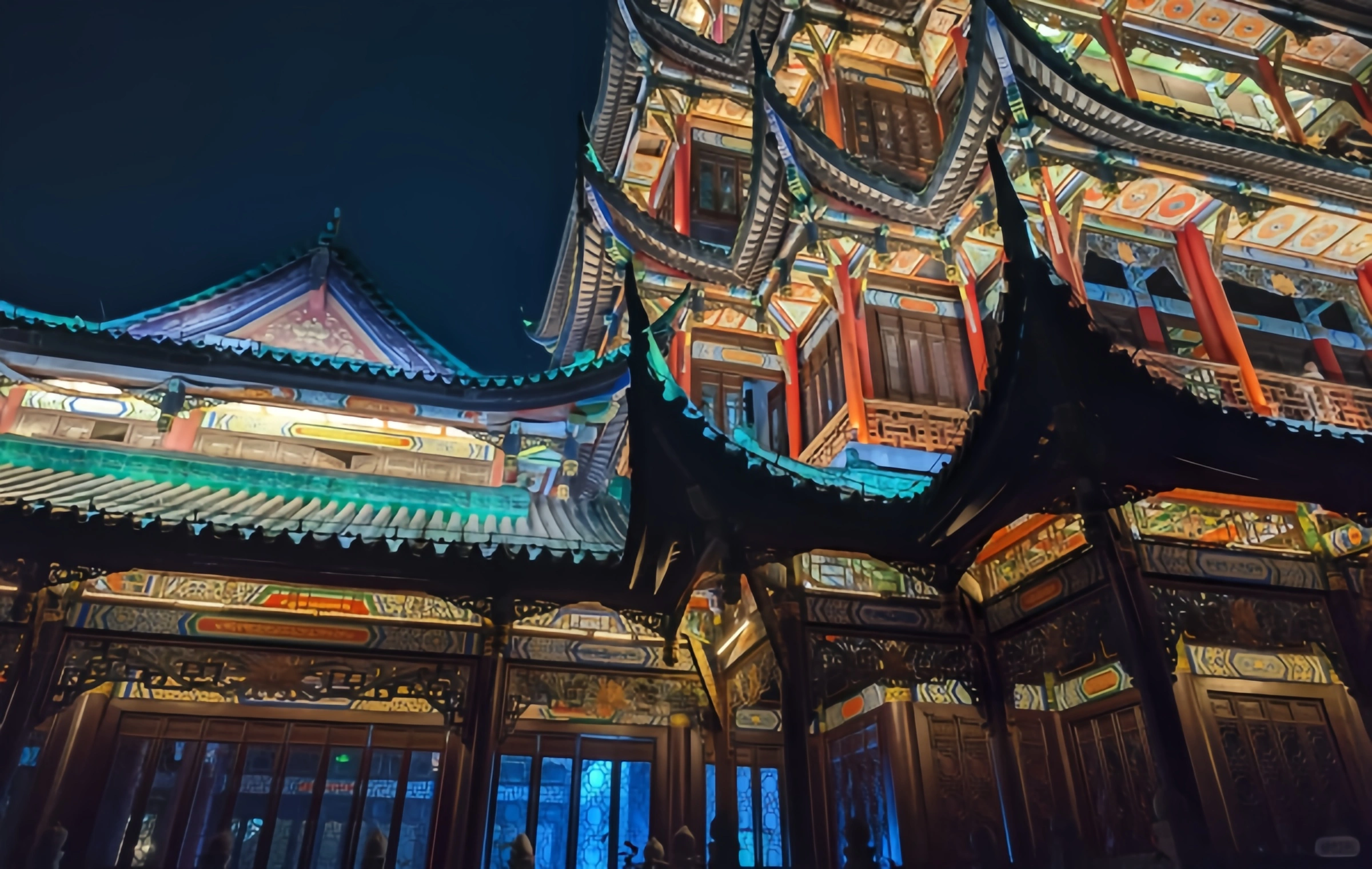
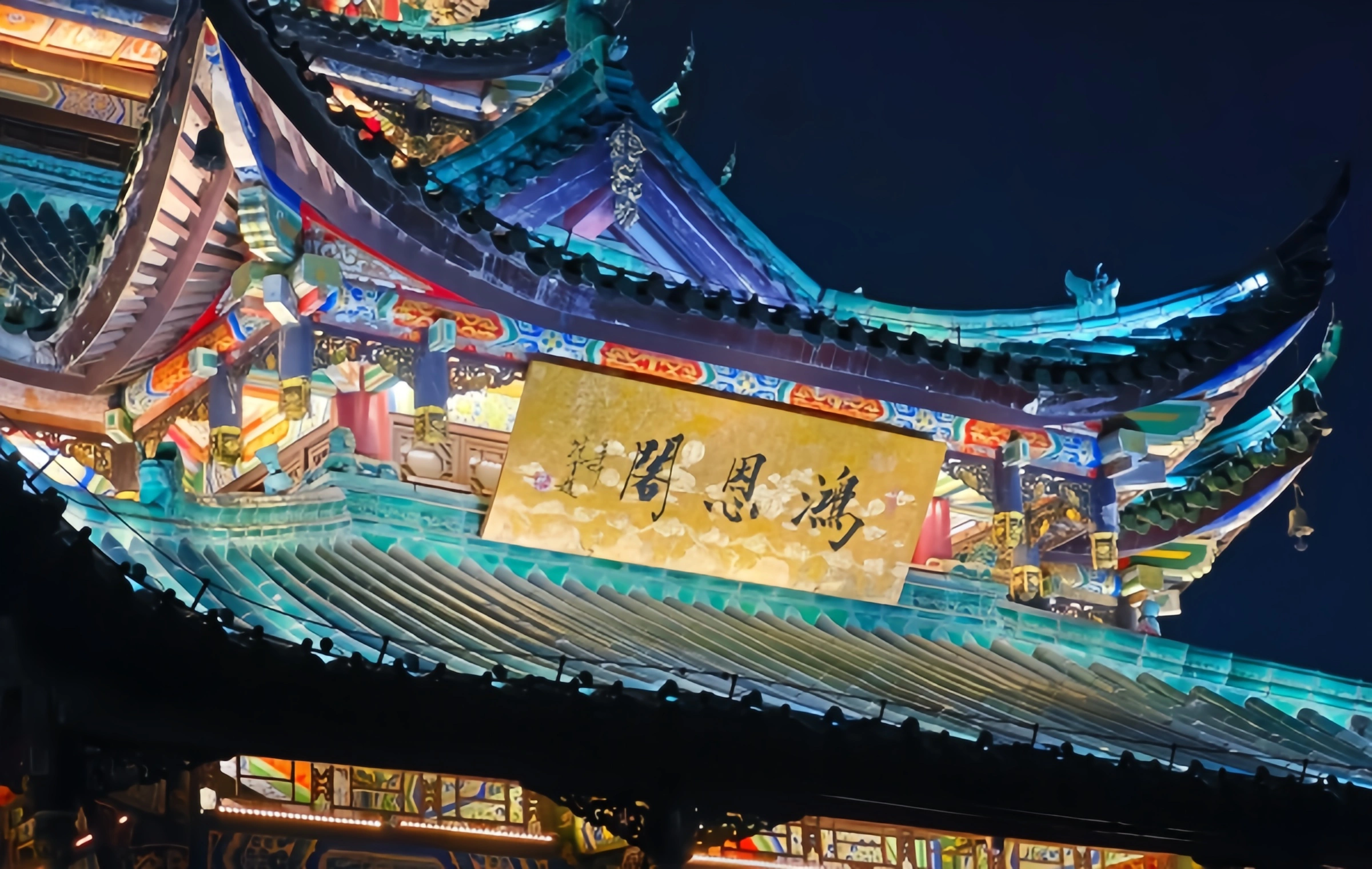
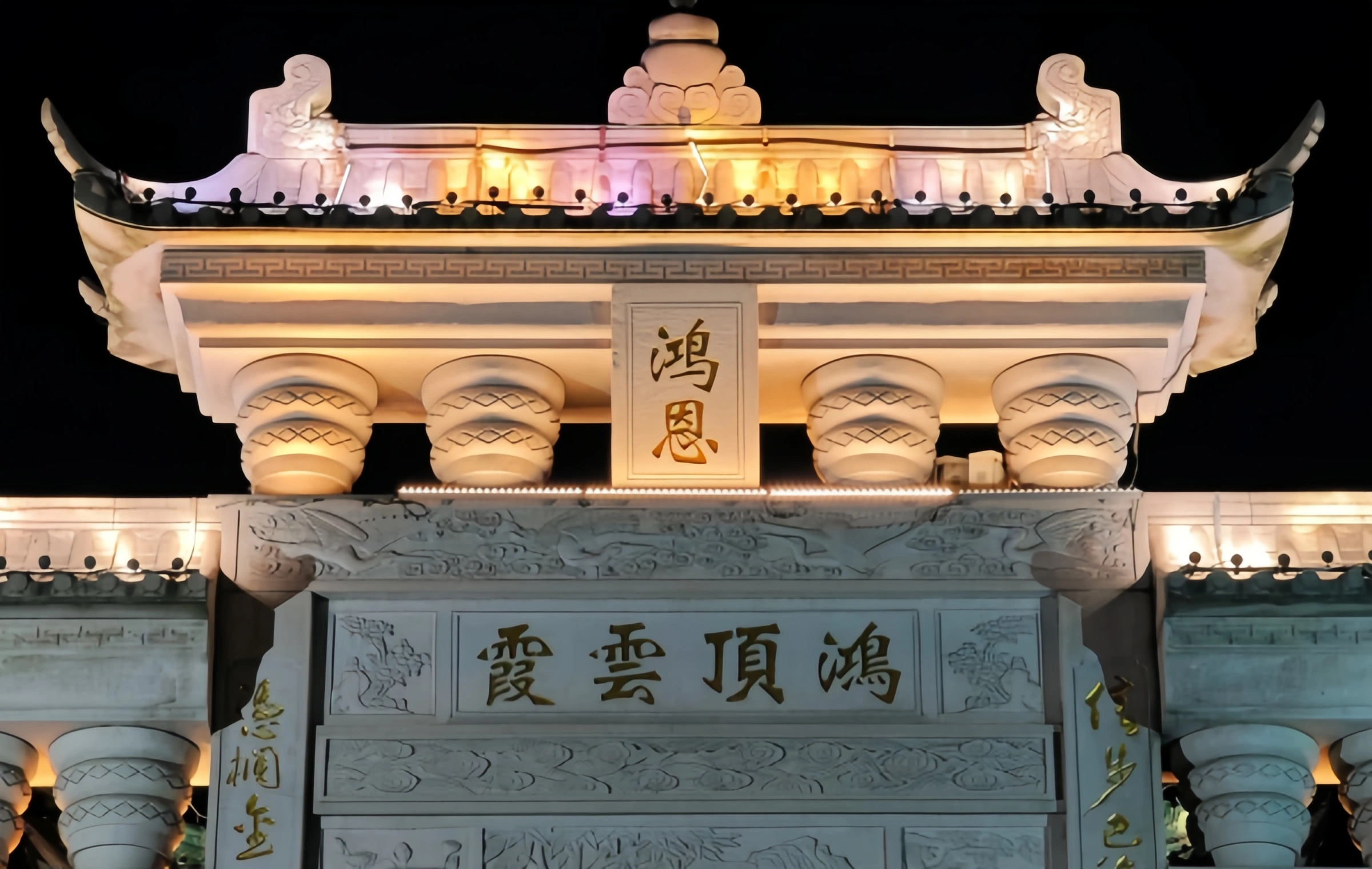
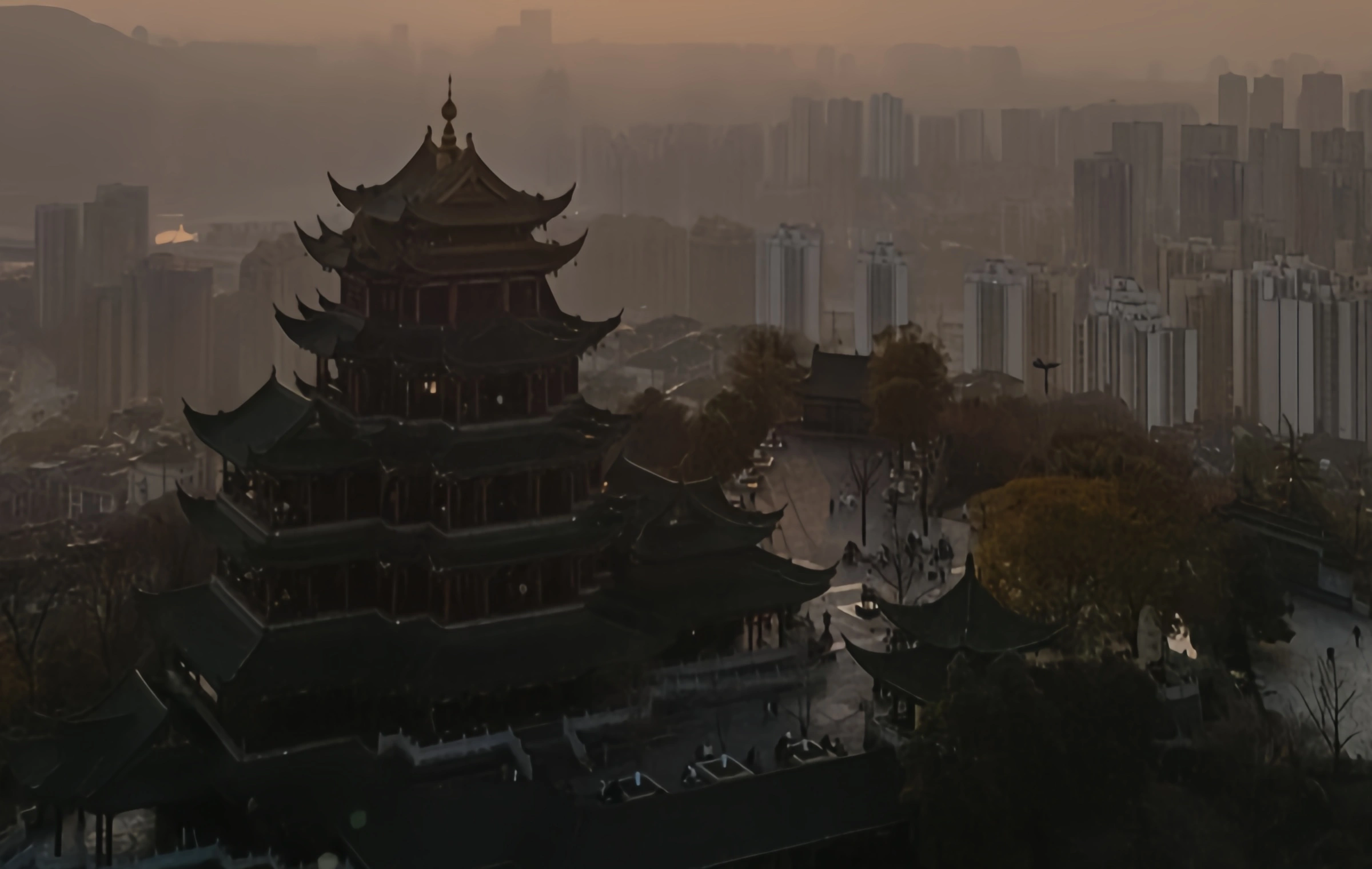
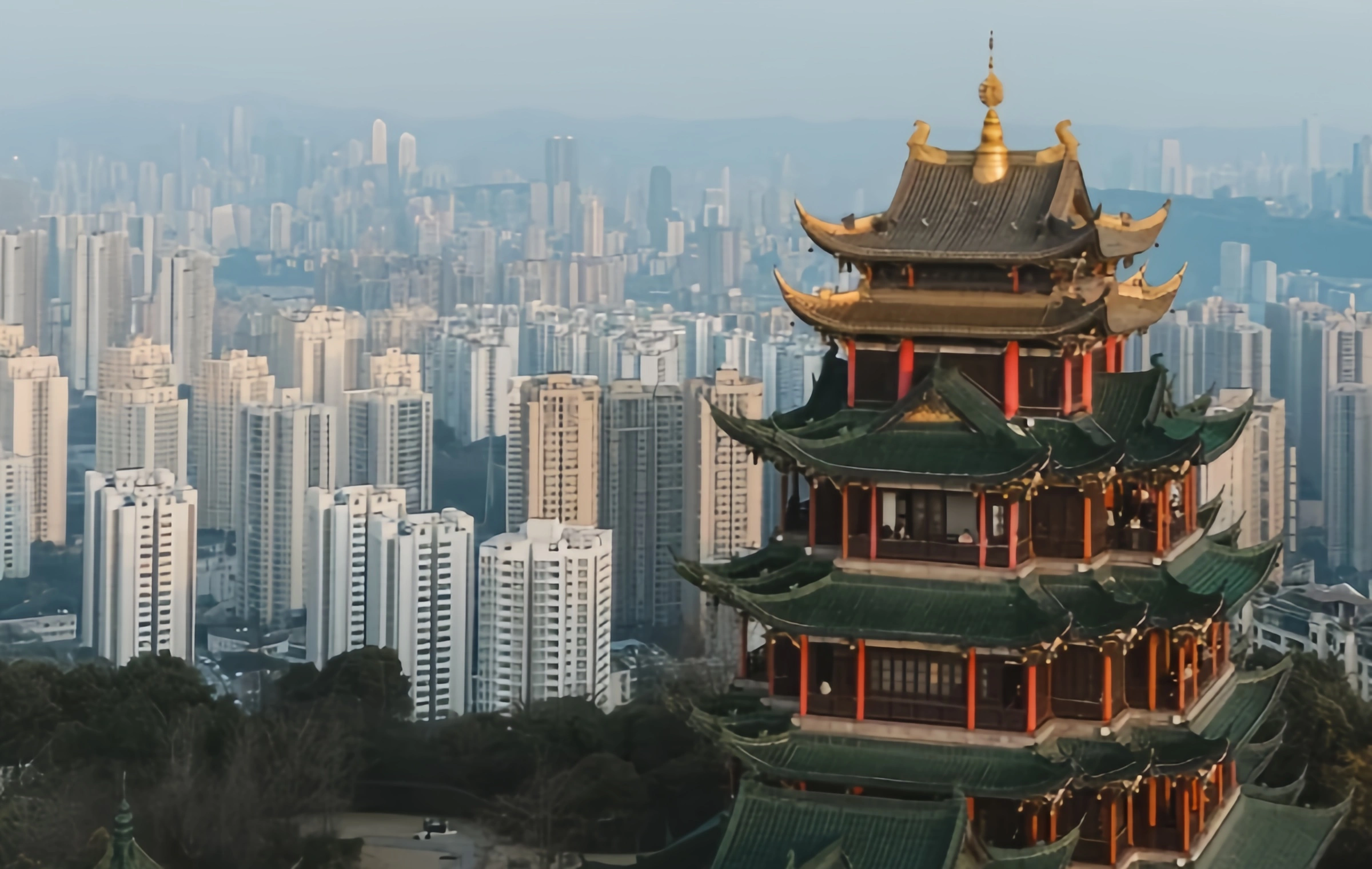
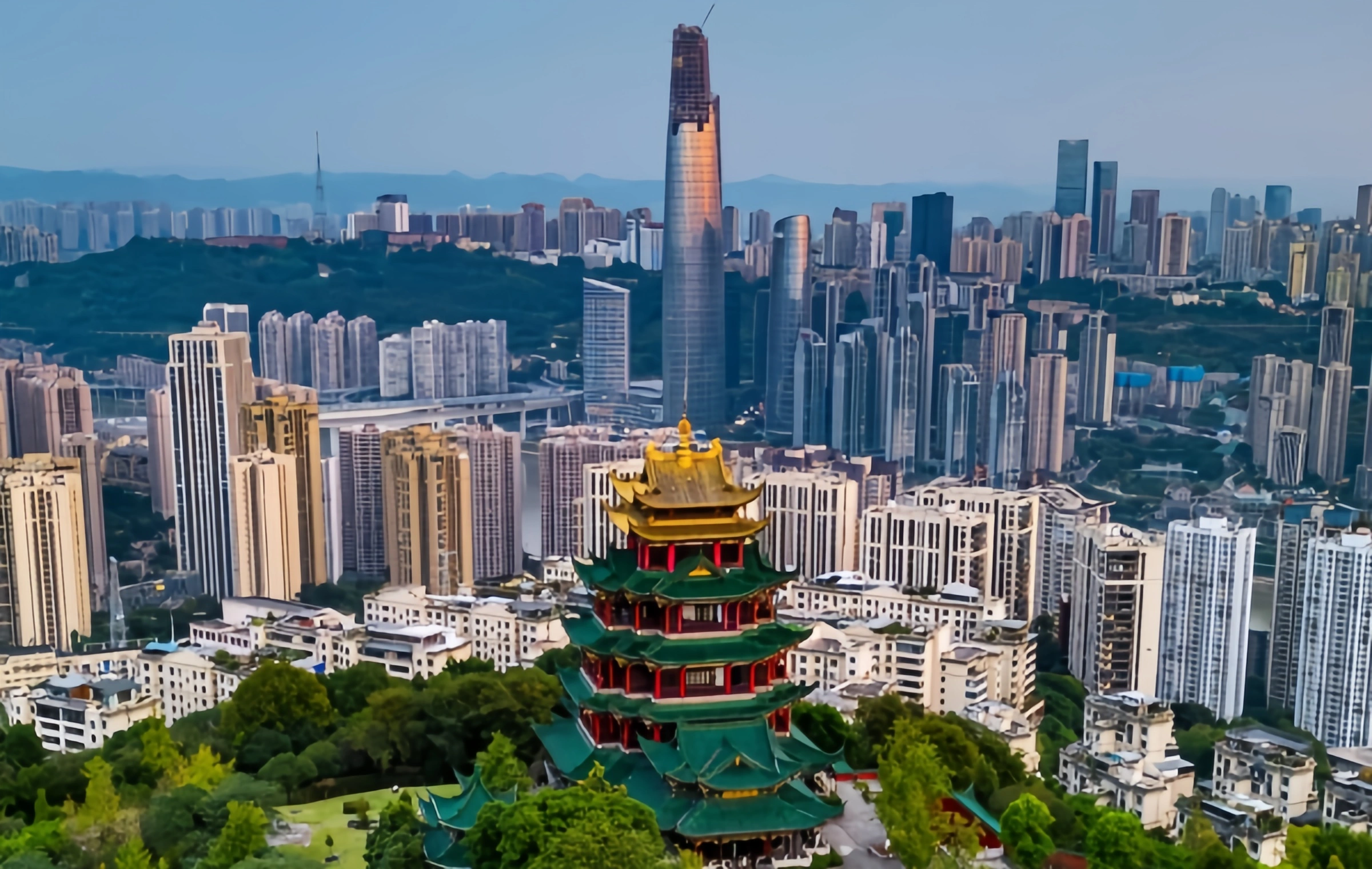
Hong'en Temple, nestled atop Hong'en Hill in Chongqing, China, is a serene Buddhist cultural complex renowned for its elegant architecture and panoramic city views. Originally built during the Ming Dynasty and later restored, the temple features traditional halls, pagodas, and lush gardens, creating a tranquil retreat amidst urban bustle. Its iconic seven-story Hong'en Pavilion stands as one of Chongqing’s tallest landmarks, offering sweeping vistas of the Jialing River and skyline. The site blends spiritual heritage with natural beauty, attracting visitors seeking meditation, cultural exploration, and breathtaking scenery. As a symbol of harmony between history and modernity, Hong'en Temple remains a cherished destination in Chongqing’s cultural landscape.

Introduction & Historical Significance
Nestled atop Hong'en Temple Hill in Chongqing’s Jiangbei District, Hong'en Temple is a revered Buddhist sanctuary dating back to the Ming Dynasty (1371), later rebuilt during the Qing Dynasty. As one of Chongqing’s "Four Great Ancient Temples," it embodies the city’s spiritual and architectural heritage. The temple complex, crowned by the 48m-high Hong'en Pavilion, harmonizes with the surrounding 800-acre Hong'en Park, creating a serene oasis amidst urban hustle. Historically, it served as a pilgrimage site for locals and hosted significant rituals like the annual "Lantern Festival" and "Buddhist Lecture Ceremonies." In 2013, it was designated a Chongqing Municipal Protected Cultural Relic, symbolizing Chongqing’s resilience and cultural continuity.

Architectural Layout & Design
The temple complex blends traditional Chinese Buddhism with modern ecological design:

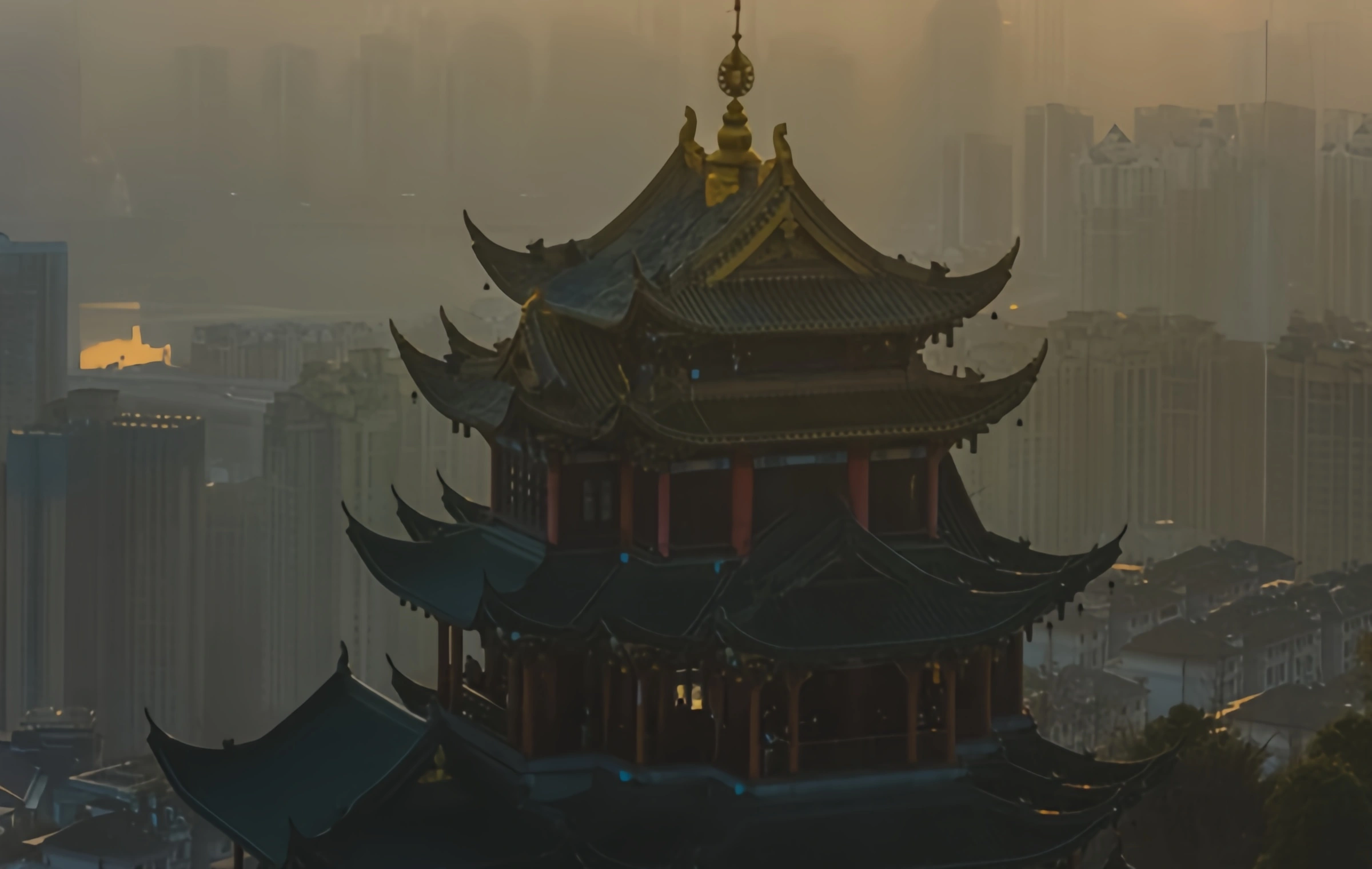
  • Hong'en Pavilion: A 7-story octagonal tower with green-glazed tile eaves, housing a 6.6m-tall gilded Buddha statue and offering panoramic views of the Yangtze River, Chaotianmen, and Yuzhong Peninsula.
  • Main Halls: The Grand Hall (featuring a 3m-tall Shakyamuni Buddha), Hall of Heavenly Kings, and Guanyin Pavilion showcase Ming-Qing era wood carvings, Lacquerware, and mural paintings.
  • Sacred Gardens: The "10,000 Buddha Garden" with 10,000 miniature Buddha statues, and the "Medicine Buddha Garden" with medicinal herb plantations, highlight spiritual-ecological integration.
  • Sustainable Design: Solar-powered lighting, rainwater harvesting systems, and permeable stone paths minimize environmental impact, while locally sourced timber and stone ensure authenticity.

Major Attractions

  • Hong'en Pavilion: Ascend for 360° vistas of Chongqing’s skyline, including the "Two Rivers Four Districts" landscape and the "Hotpot-shaped" Yangtze-Jialing confluence.
  • Sacred Springs: The "Immortal Spring" and "Dragon Spring" are believed to possess healing properties, with locals collecting water for rituals.
  • Cultural Exhibitions: The onsite Chongqing Buddhist Art Museum displays Tang-dynasty sutras, Ming-Qing bronze bells, and contemporary Buddhist sculptures.
  • Seasonal Events: spring Cherry Blossom Festival, autumn Osmanthus Fragrance Month, and the Mid-Autumn Lantern Fair draw millions annually.

Ticket Information

  • Entry Fees: ¥15 (adults), ¥10 (students/seniors), free for children under 1.2m.
  • Combined Tickets: ¥50-80 for packages including Hong'en Pavilion, Buddhist Art Museum, and nearby attractions like Guanyin Bridge.
  • Opening Hours: 6:00-22:00 (peak season), 7:00-21:00 (off-season). Specific halls close at 17:00.
  • Guided Tours: ¥50-100 for heritage tours combining history, architecture, and Buddhist philosophy.

Transportation Guide

  • Public Transit: Take Line 5 to Hong'en Temple Station (Exit 2), then 5-minute walk. Bus routes 139, 631, and 847 stop at Hong'en Park entrance.
  • Self-Drive: Park at Hong'en Park West Gate (¥5/hour). GPS to "Chongqing Jiangbei District Hong'en Temple Road 1".
  • Air/Rail: Direct flights to Chongqing Jiangbei Airport; high-speed trains to Chongqing North Station, followed by metro/shuttle transfers.
  • Local Access: Electric shuttles within the park; bike rentals for nearby trails.

Best Time & Tips

  • Optimal Seasons: Spring (Mar-May) for cherry blossoms; autumn (Oct-Nov) for osmanthus fragrance. Avoid summer humidity and winter fog.
  • Photography: Dawn for misty temple vistas; sunset for golden-hour lighting. Use ND filters for long exposures on the pavilion’s reflective windows.
  • Cultural Etiquette: Remove shoes in halls; respect silence during prayers. Participate in traditions like incense burning and sutra copying.
  • Packing: Sturdy shoes for uneven paths; polarized sunglasses; reusable water bottle. Winter requires thermal layers; summer needs mosquito repellent.
  • Safety: Acclimatize to humidity; avoid unmarked trails. Carry emergency contacts and oxygen tanks (¥30) for altitude adjustments.

Nearby Attractions & Itineraries

  • Combined Tours:
    • Morning: Hong'en Temple pilgrimage + pavilion sunrise photography + Buddhist Art Museum visit.
    • Afternoon: Guanyin Bridge exploration + Hong'en Park botanical gardens + local tea house experience.
    • Evening: Night cruise on the Yangtze River or Nanbin Road promenade light shows.
  • Multi-Day Routes:

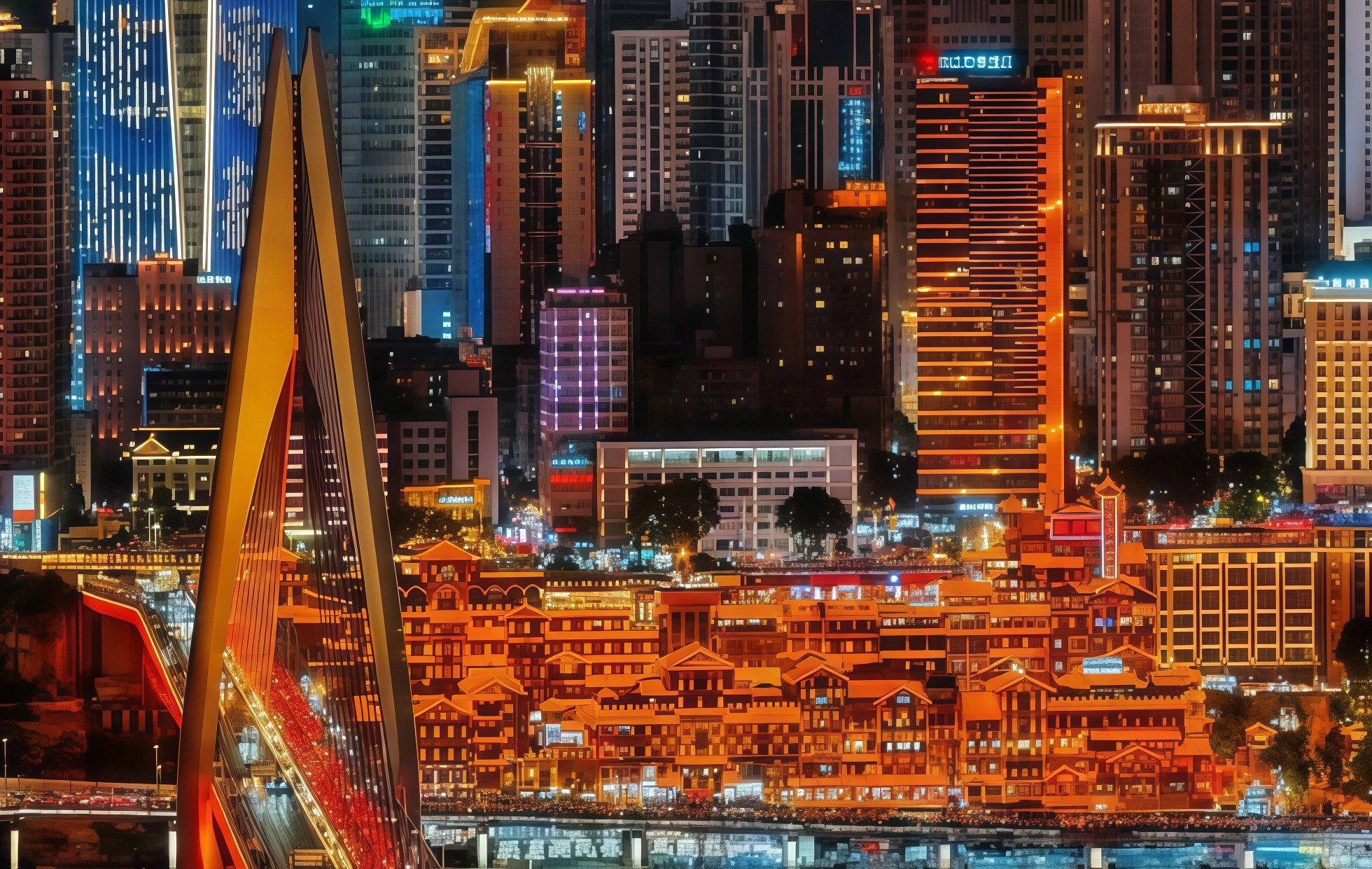
Hong'en Temple embodies Chongqing’s identity as a "mountain-city-river" symbiosis. It bridges ancient spirituality with modern urban life, where centuries-old temples coexist with skyscrapers. As a UNESCO-recognized gem, it invites global travelers to witness the harmony of nature, history, and human creativity—a true sanctuary of China’s southwestern grandeur.

Contact Us

私たちの顧客は何と言っているでしょうか?

1 万件以上の旅行者のレビューに基づいて

...
Daniel Dorothea
Canada
Reviewed on April 29,2025
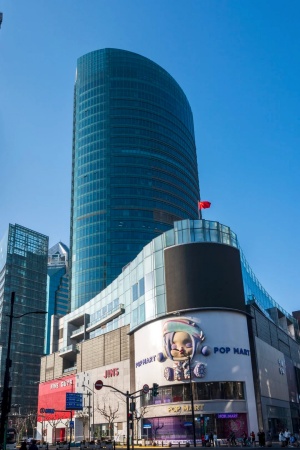
Shopping on Nanjing Road in Shanghai was just amazing! It's truly the "First Commercial Street of China", where tradition and modernity blend perfectly. You can find awesome souvenirs and experience the trendy vibes in cool stores. The neon lights at night are just spectacular, shining bright like Times Square in New York. The food here is incredible too. I had a feast for my taste buds. Shanghai, I'll definitely be back!
Destination(s): Shanghai
Date of Experience: May 08,2024
...
...
Elvis Eva
Canada
Reviewed on June 20,2025
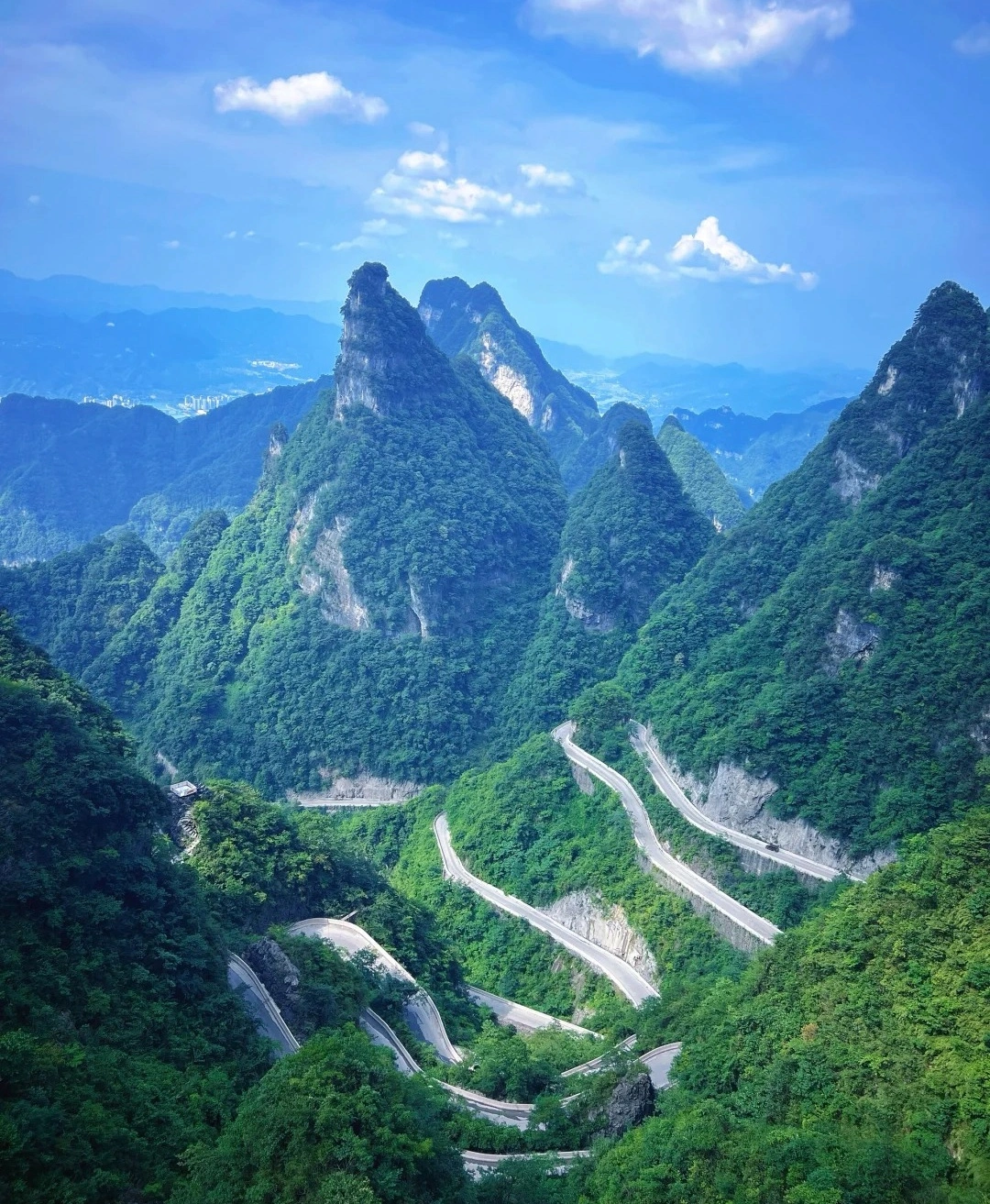
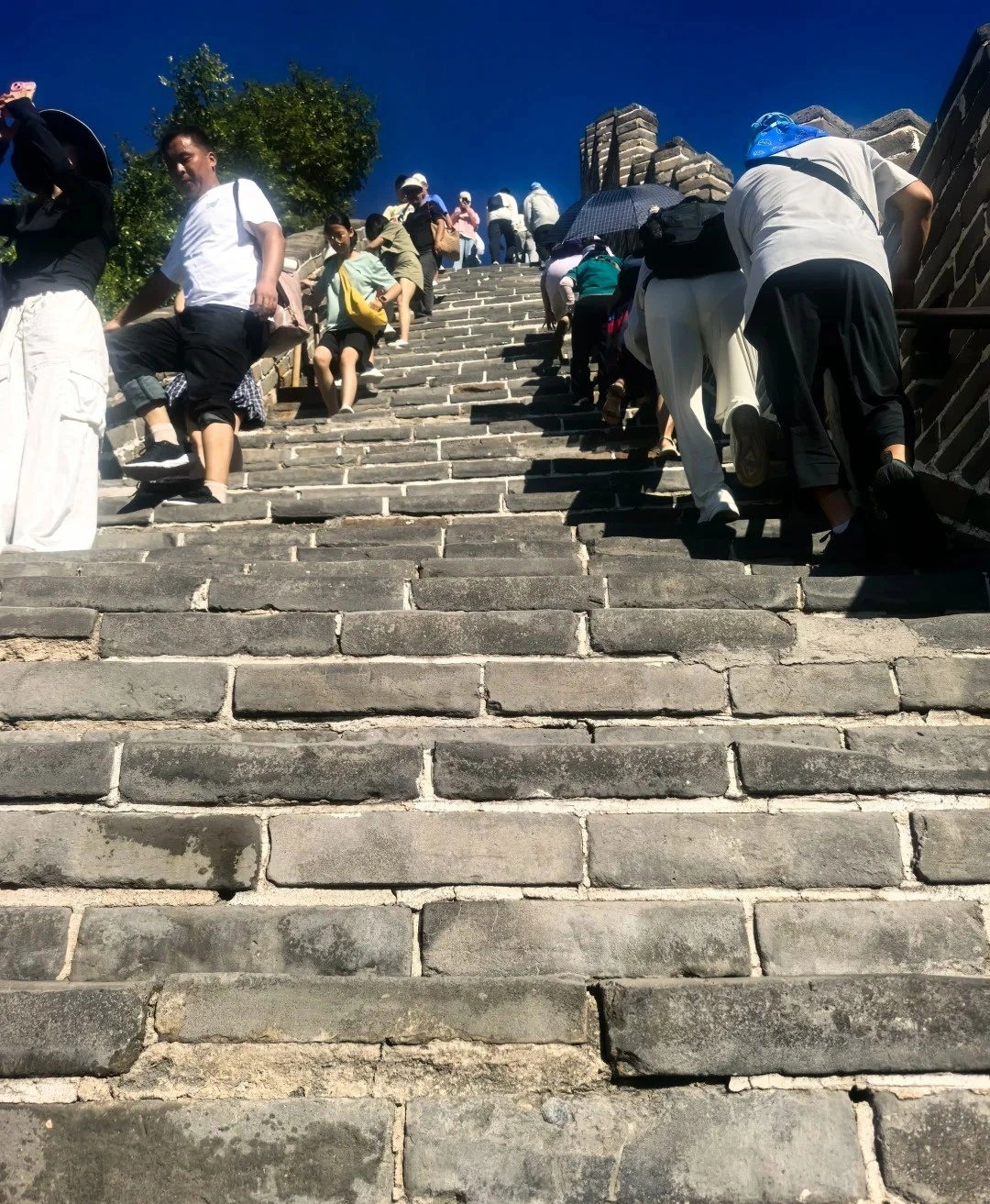
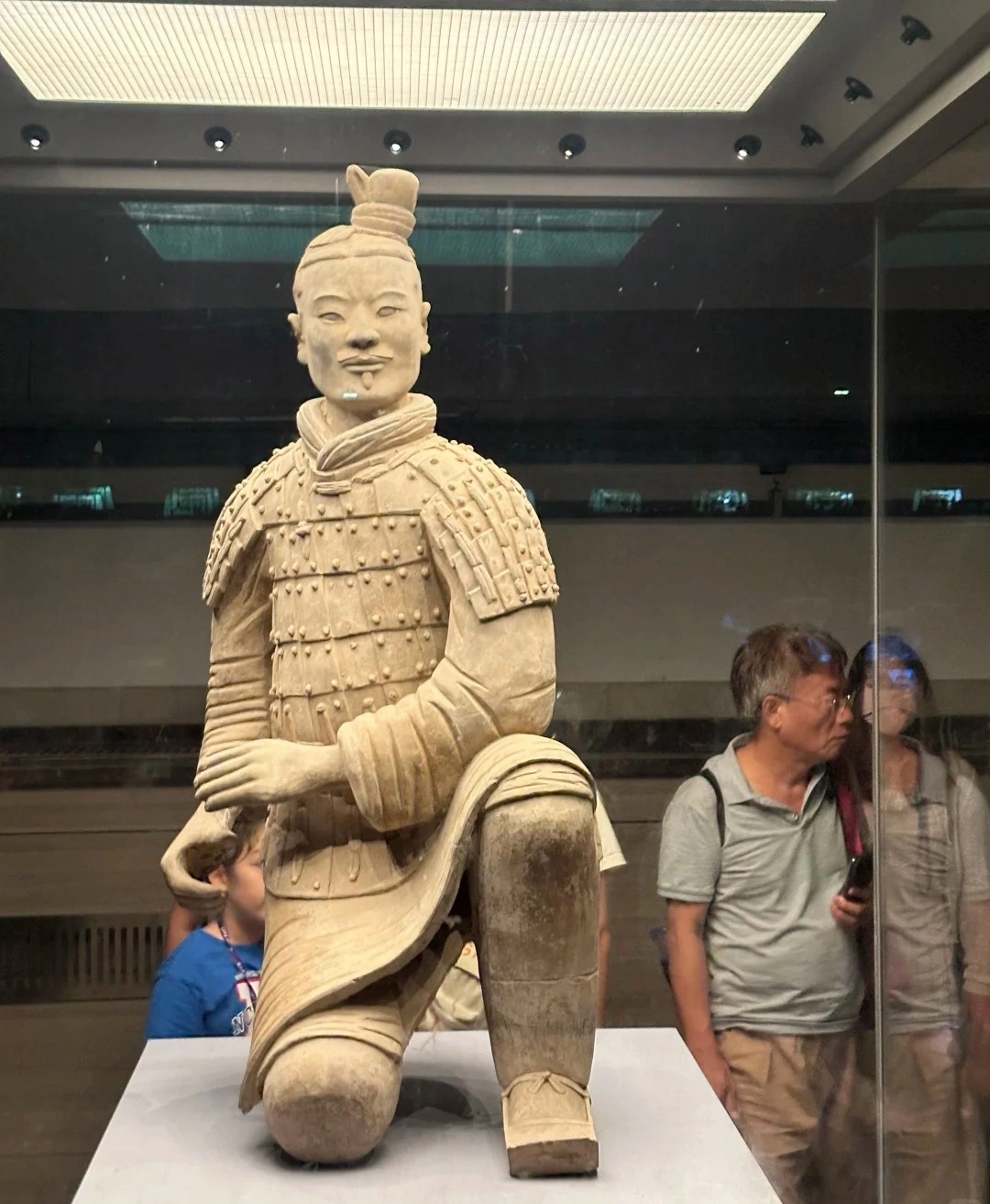
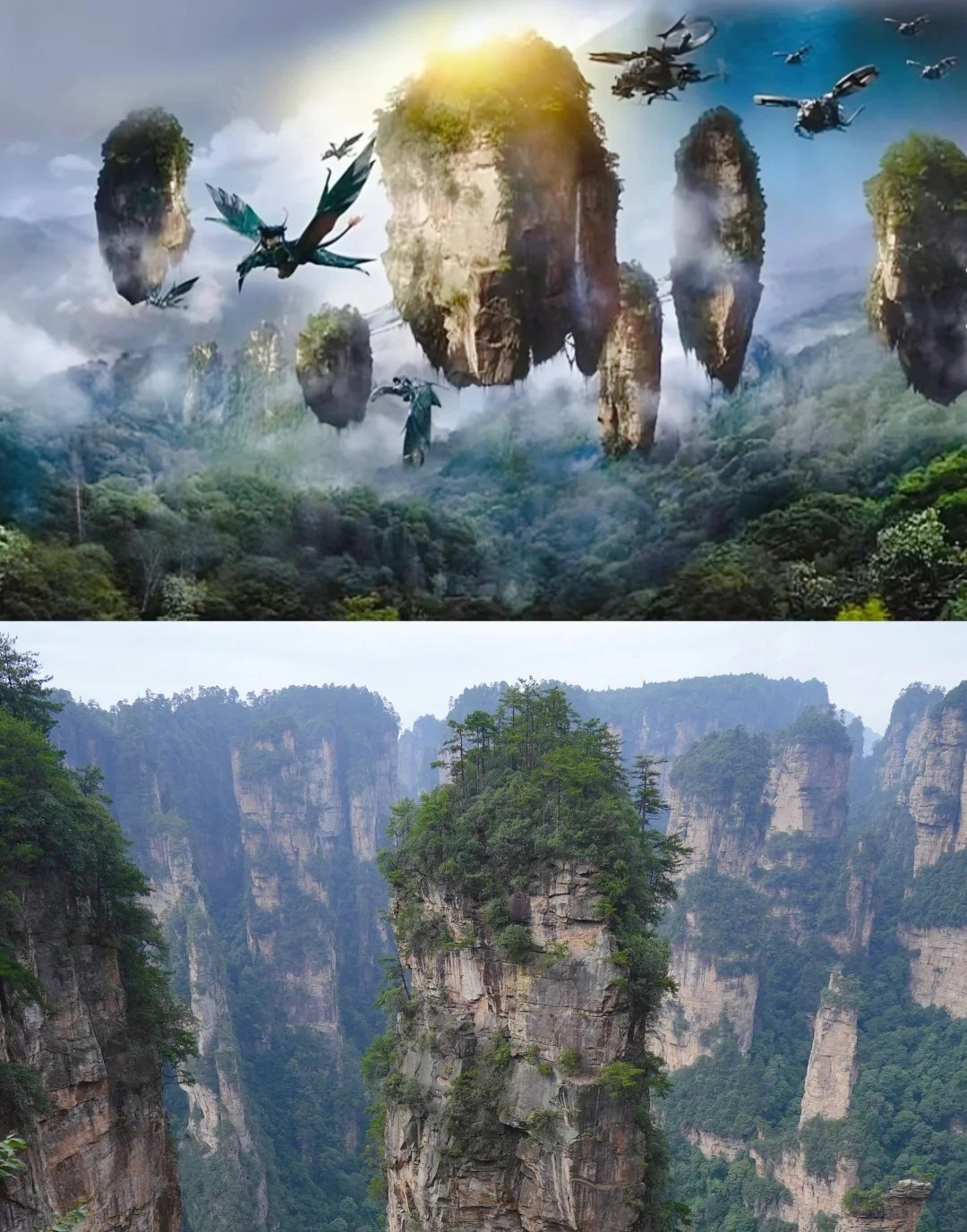
As a solo traveler from Canada, I was nervous about navigating China alone—but this 11-day tour was PERFECT! From hiking the Great Wall at sunrise (Day 3) to gasping at the Terracotta Army (Day 5), every day delivered ‘pinch-me’ moments. The real showstopper? Zhangjiajie’s Avatar Mountains (Day 7)! Our guide made the stone pillars come alive with stories. Massive thanks for handling all logistics—bullet train tickets, entry passes, car! And the 4-star hotels surprised me.
Destination(s): Beijing Xian Zhangjiajie Shanghai
Date of Experience: June 02,2025
... ... ...
...
Simon
America
Reviewed on May 29,2025
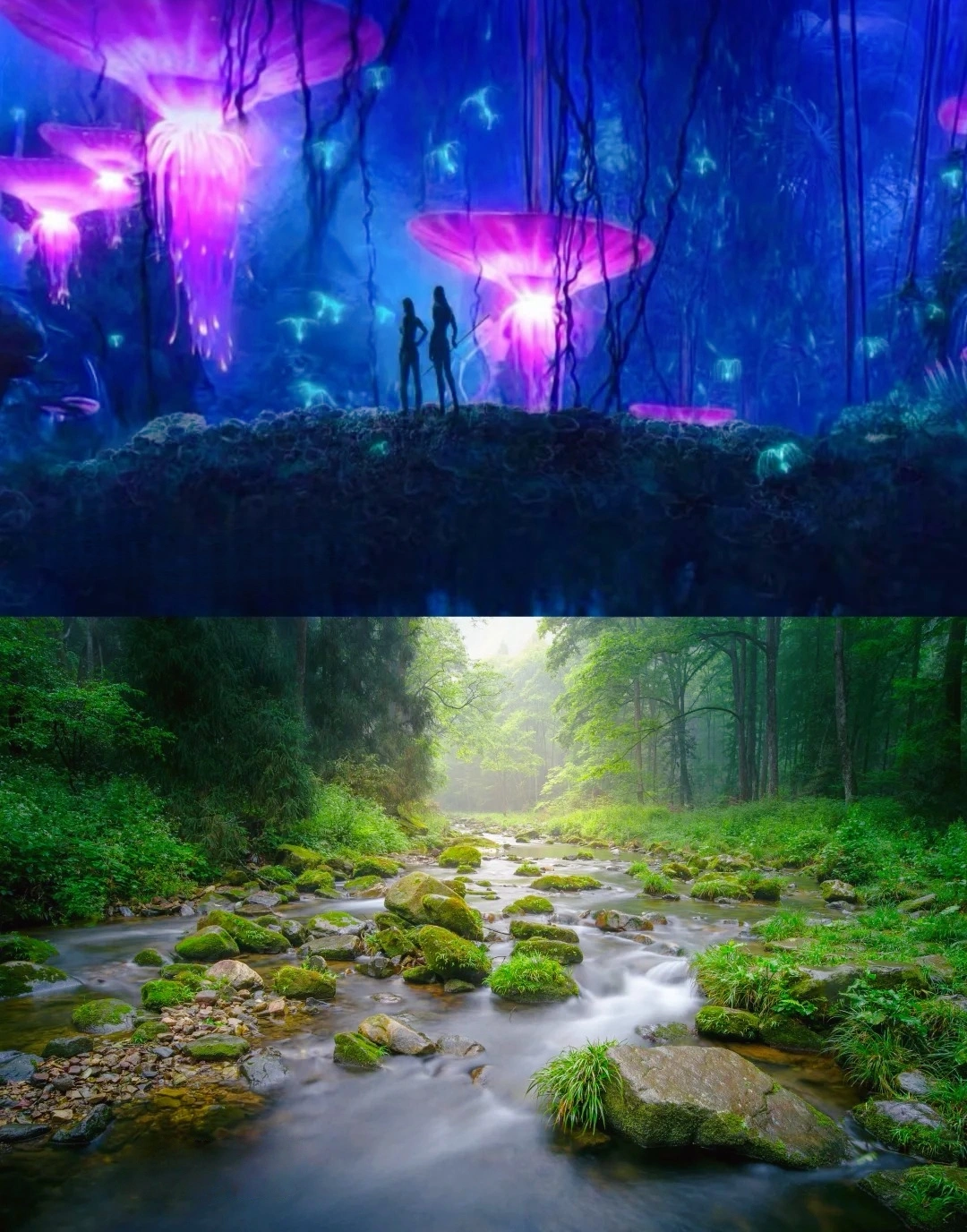
Our 2-day Zhangjiajie tour was beyond spectacular! As someone who’s visited Beijing and Shanghai for work, this trip revealed China’s wild, magical heart. Day 1 in Zhangjiajie National Forest Park felt like stepping onto Pandora—I’m a huge Avatar fan, and Yuanjiajie’s floating peaks left me breathless. The misty pillars and lush valleys like pure movie magic! Then came Fenghuang Ancient Town, we eat dinner beside the thundering waterfall. It seems Unreal! The night views of stilt houses glowing over the river were straight from a fairy tale. For fellow Avatar lovers and adventure seekers: Don’t miss this bucket-list experience! 10/10 would return. A Well-Traveled Film Buff, May 2025
Destination(s): Zhangjiajie
Date of Experience: May 08,2025
... ...

質問をする

質問の概要(100 文字)
詳細(任意)(2000 文字)
名前
メール