Creazione naturale - Montagne di neve e prati dietro i banner Sutra
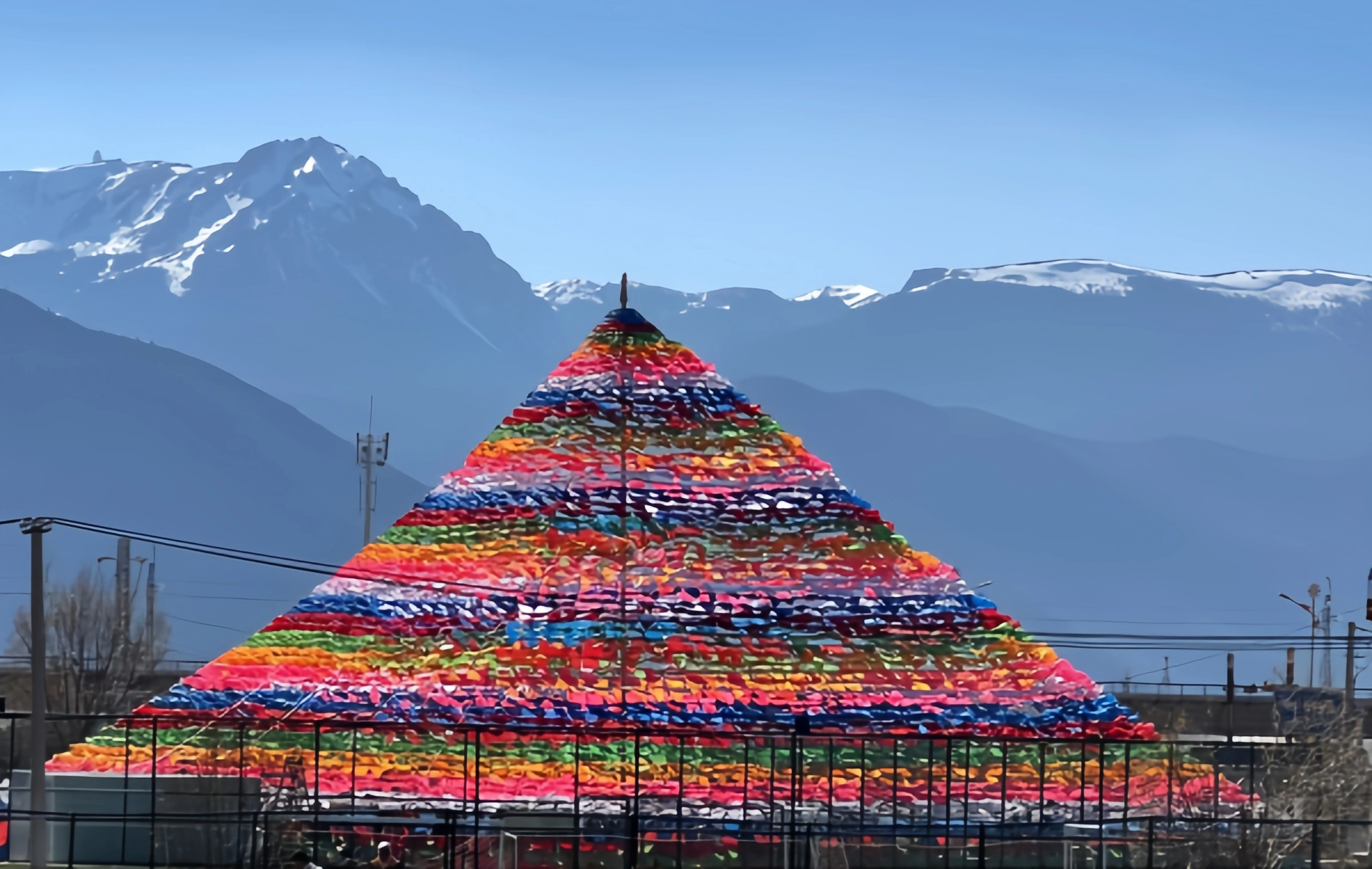
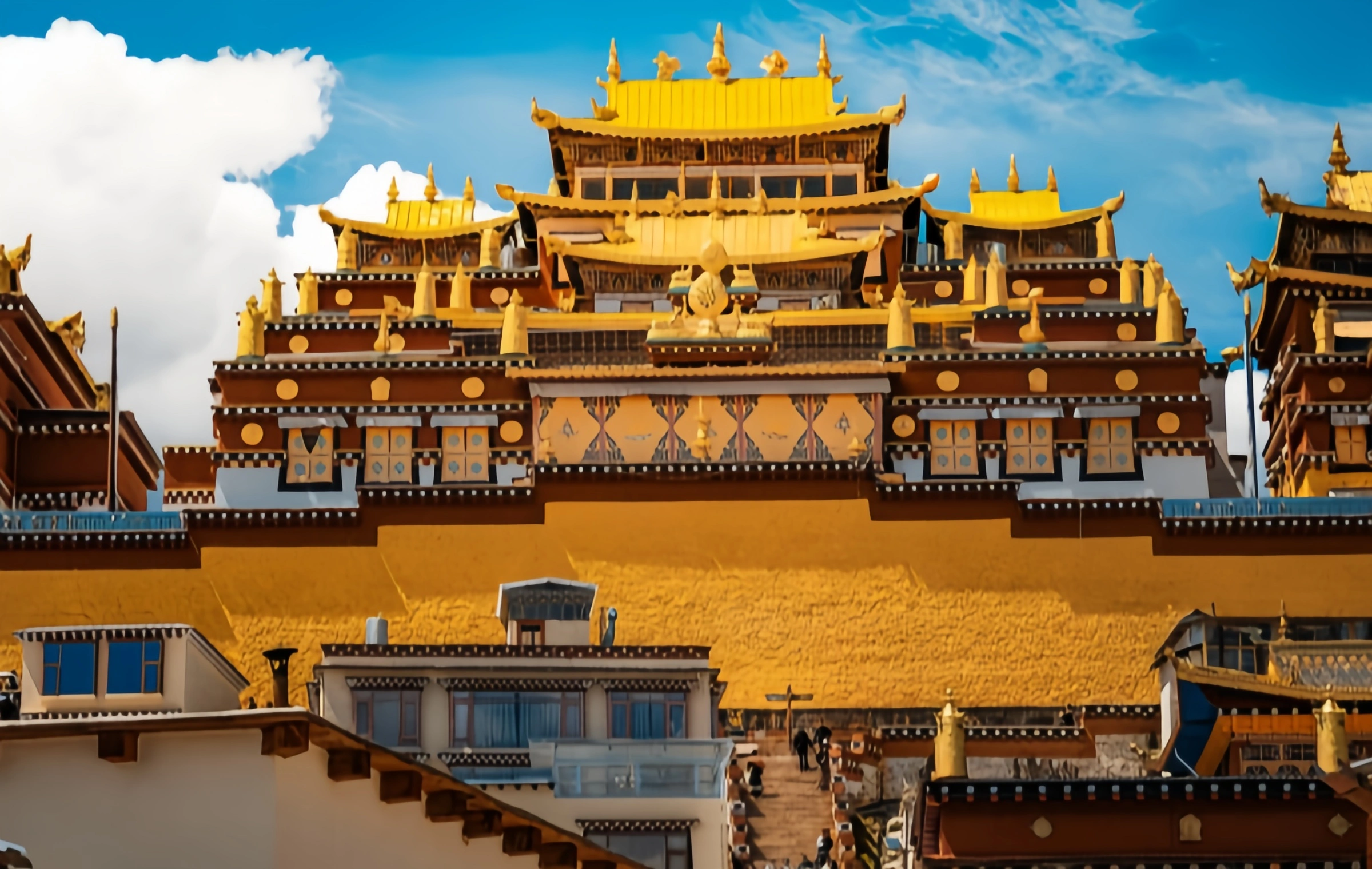
Lo shock della Grande Bandiera Sutra è in parte attribuito all'ultimo stadio naturale dietro di essa, noto come "Shangri La".
Top of the Pass: Danza del vento, delle nuvole e delle bandiere
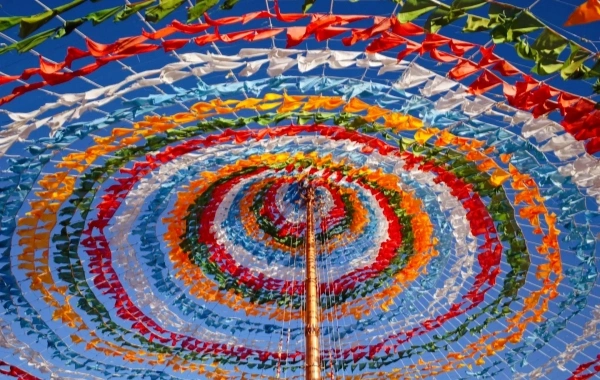
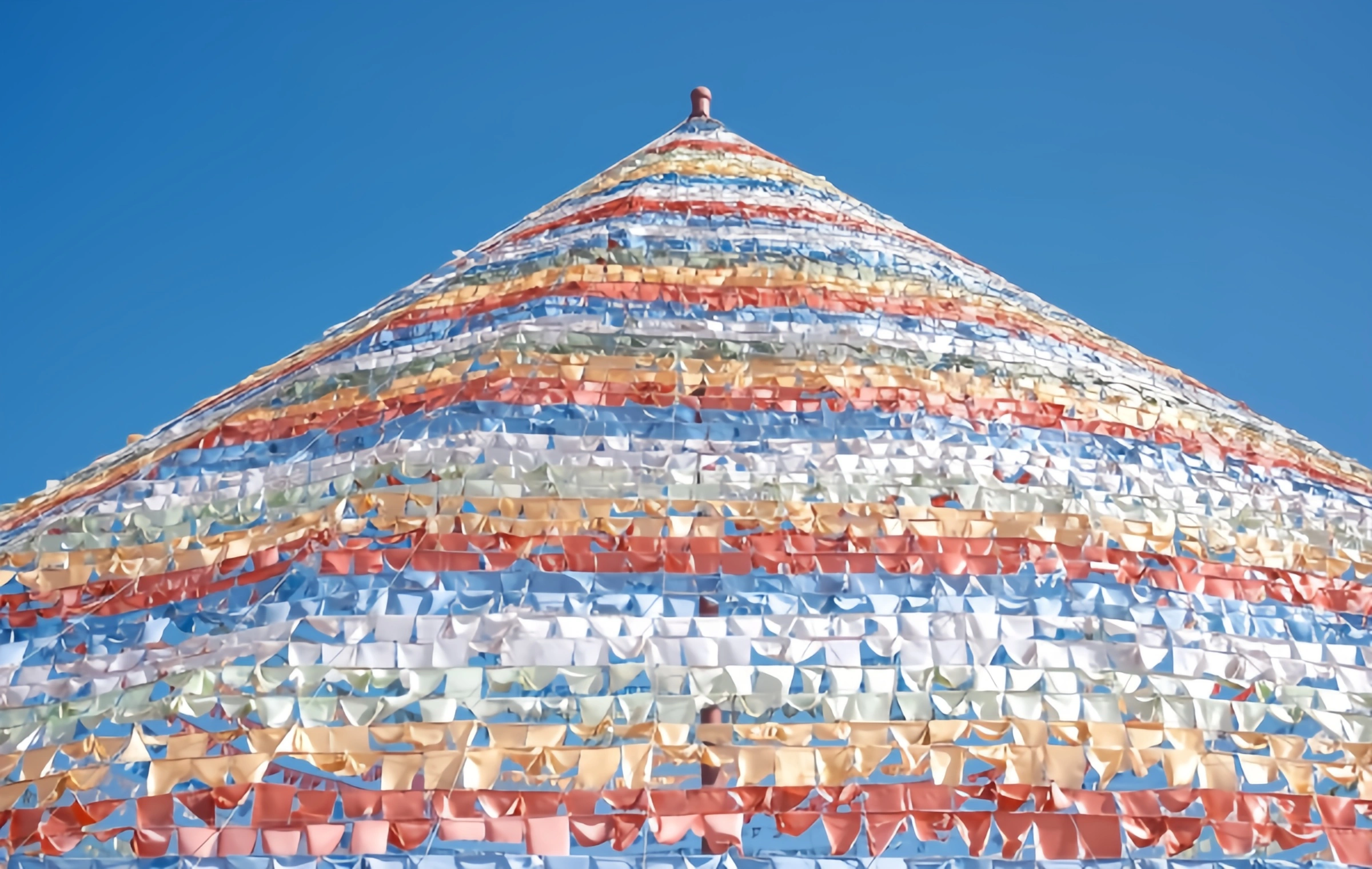
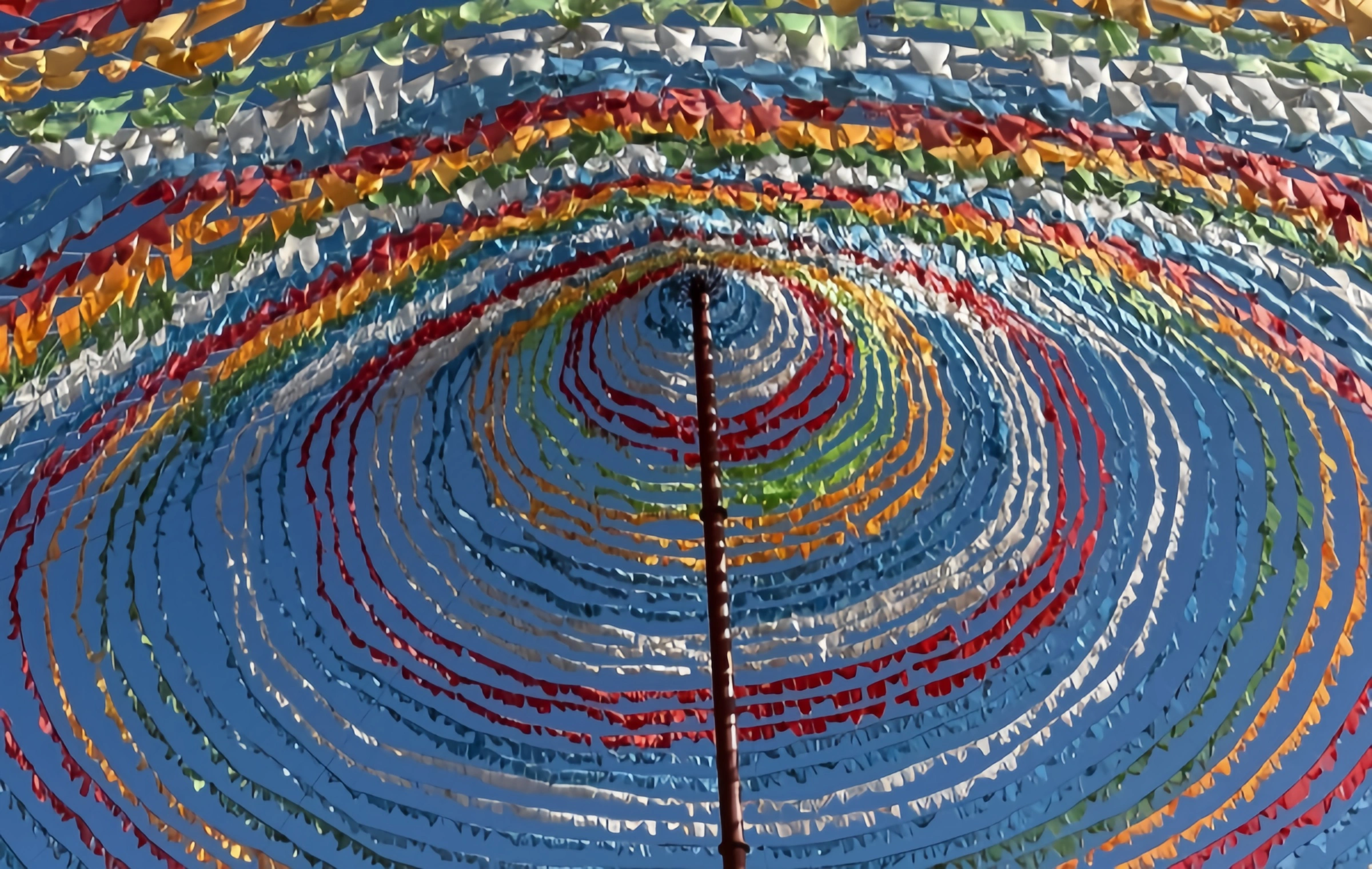
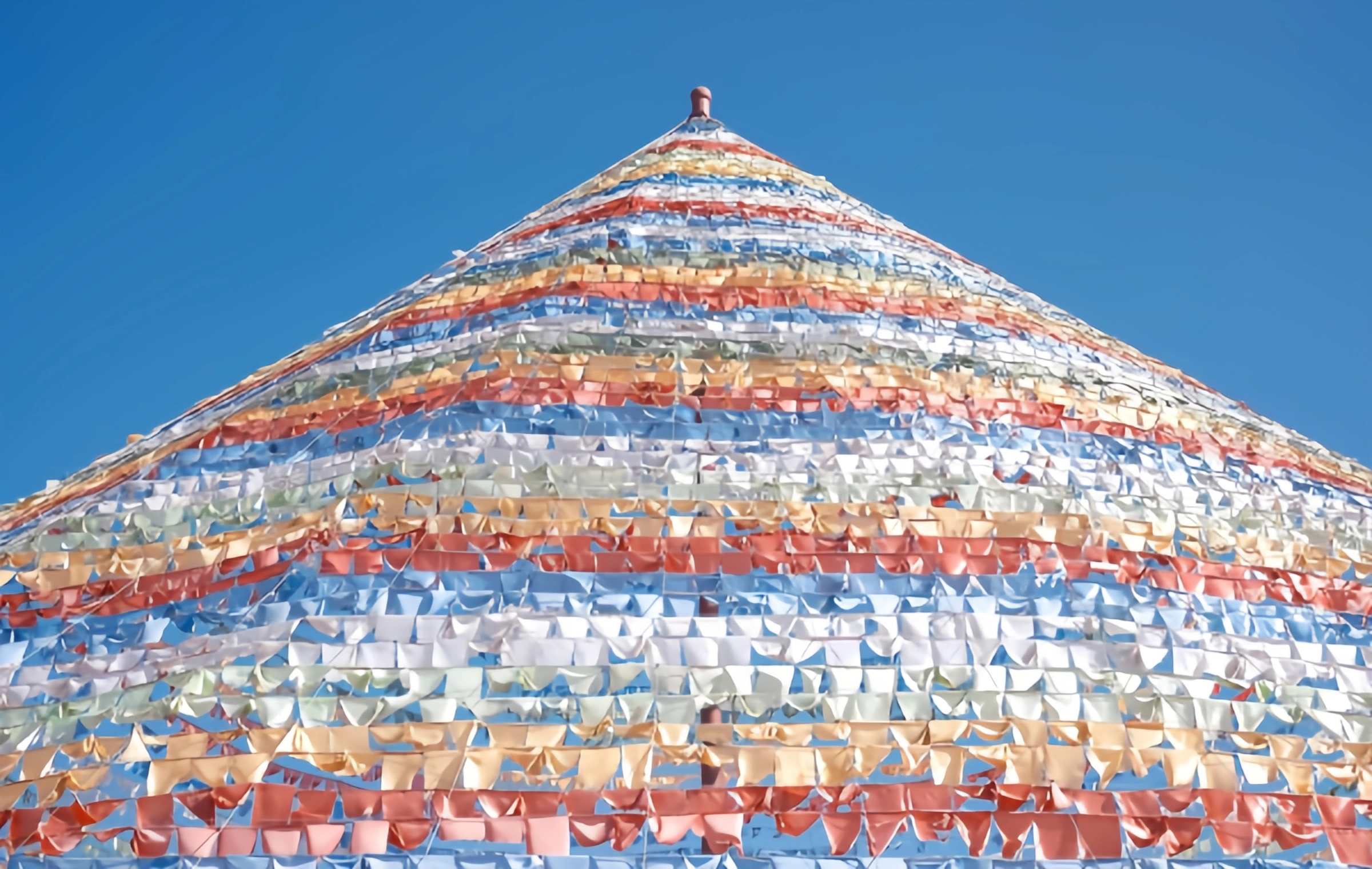
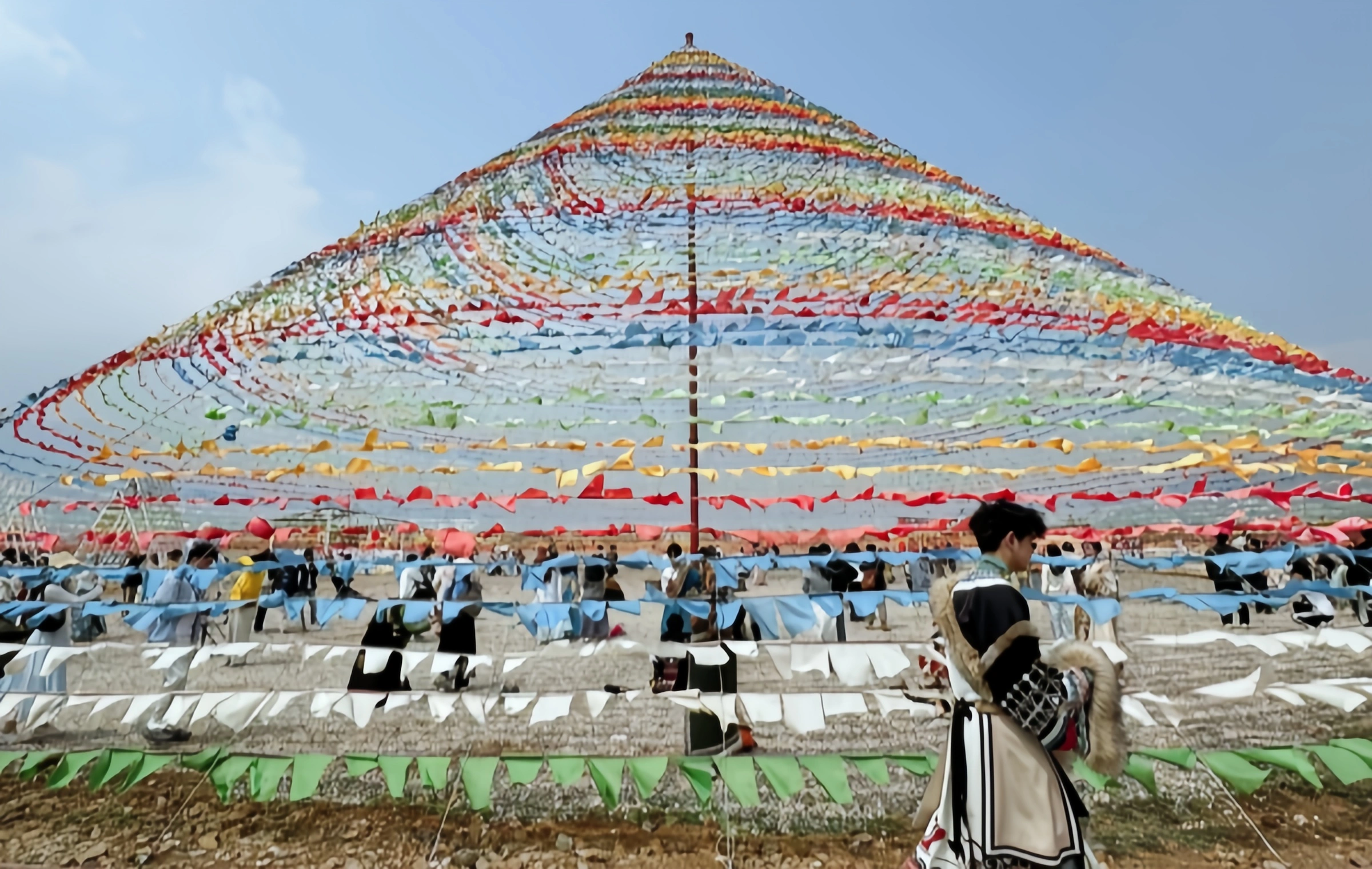
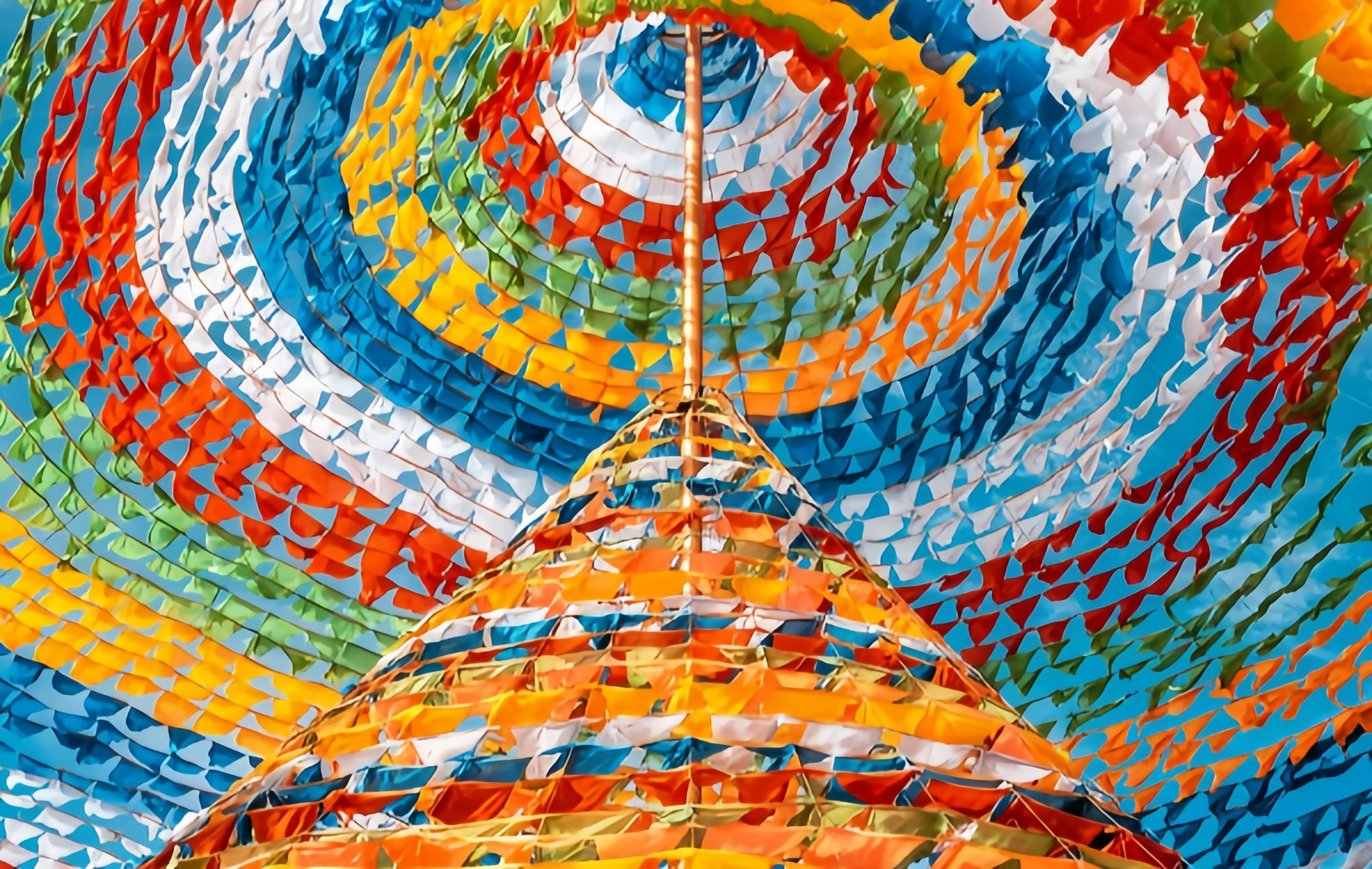
La più spettacolare formazione sutra banner spesso si trova al passo di montagna. Il terreno qui è pericoloso e i forti venti non cessano mai. Guardando intorno, decine di migliaia di bandiere di preghiera sono fatti di enormi cornici di legno o corde come ossa, strato impilato da strato, piercing dritto nel cielo da terra. Quando l'aria calda e umida dell'Oceano Indiano si scontrava con i venti freddi dell'altopiano, forti cascate nubi versarono giù, e le bandiere di preghiera oscillavano vigorosamente nel mare turbolento delle nuvole e del vento mordente. Essere immersi in essa, si può sentire simultaneamente il potere fisico della natura e la perseveranza delle credenze spirituali umane, rendendolo un luogo eccellente per sperimentare i quattro in uno di "vivo, terra, uomo e dio".
Accanto al lago: Riflessione tranquilla e colori colorati
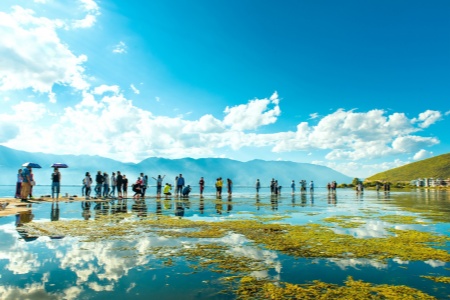
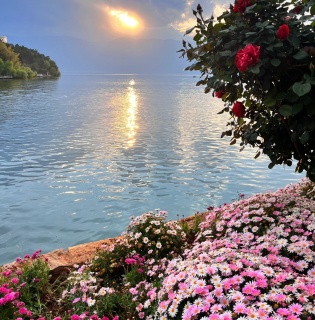
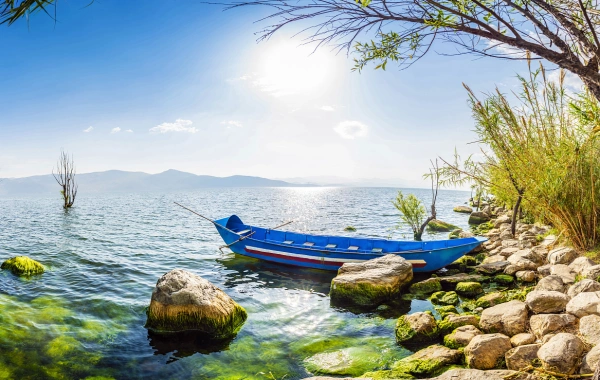
Il gruppo di bandiere di preghiera situato nei prati lacustri di Napahai e altre aree esibisce un altro fascino sereno e bello. In primavera ed estate, il lago trabocca, la prateria è lussureggiante, e mandrie di bestiame e pecore la adornano. Le colorate bandiere di preghiera si riflettono nel chiaro e specchio come l'acqua, formando una pittura pastorale pacifica e serena con le montagne innevate lontane e le vicine case tibetane. In autunno e in inverno, come il lago recedes, prati d'oro e zone umide esposte formano tessiture inumidite, e le bandiere di preghiera appaiono ancora più colorate e piene di vitalità nel vasto cielo e terra.
Magia della luce e dell'ombra: una sinfonia dei colori che cambiano rapidamente
L'anima del paesaggio delle bandiere di preghiera sta nella luce e nell'ombra. Al mattino, il primo raggio di sole tingeva la bandiera di preghiera caldo oro arancione, e le scritture sulla bandiera sembravano essere accese; a mezzogiorno, sullo sfondo di un cielo blu profondo, i cinque colori di blu, bianco, rosso, verde, e giallo sono particolarmente vibranti e abbaglianti, con saturazione che raggiunge il suo picco; la sera, il dopodomani dell'ambientazione sole avvolto le bandiere di preghiera in un rosso. Nel giro di un giorno, come l'angolo e la temperatura del colore della luce cambiano, la stessa bandiera di preghiera può presentare emozioni e estetica molto diverse.
Artigianato Umanistico - Le Scritture e i Riti Antichi
Le bandiere di preghiera sono biblioteche a cielo aperto e musei di fede che non richiedono la scrittura.
Filosofia a cinque colori: un sistema simbolico di elementi cosmici
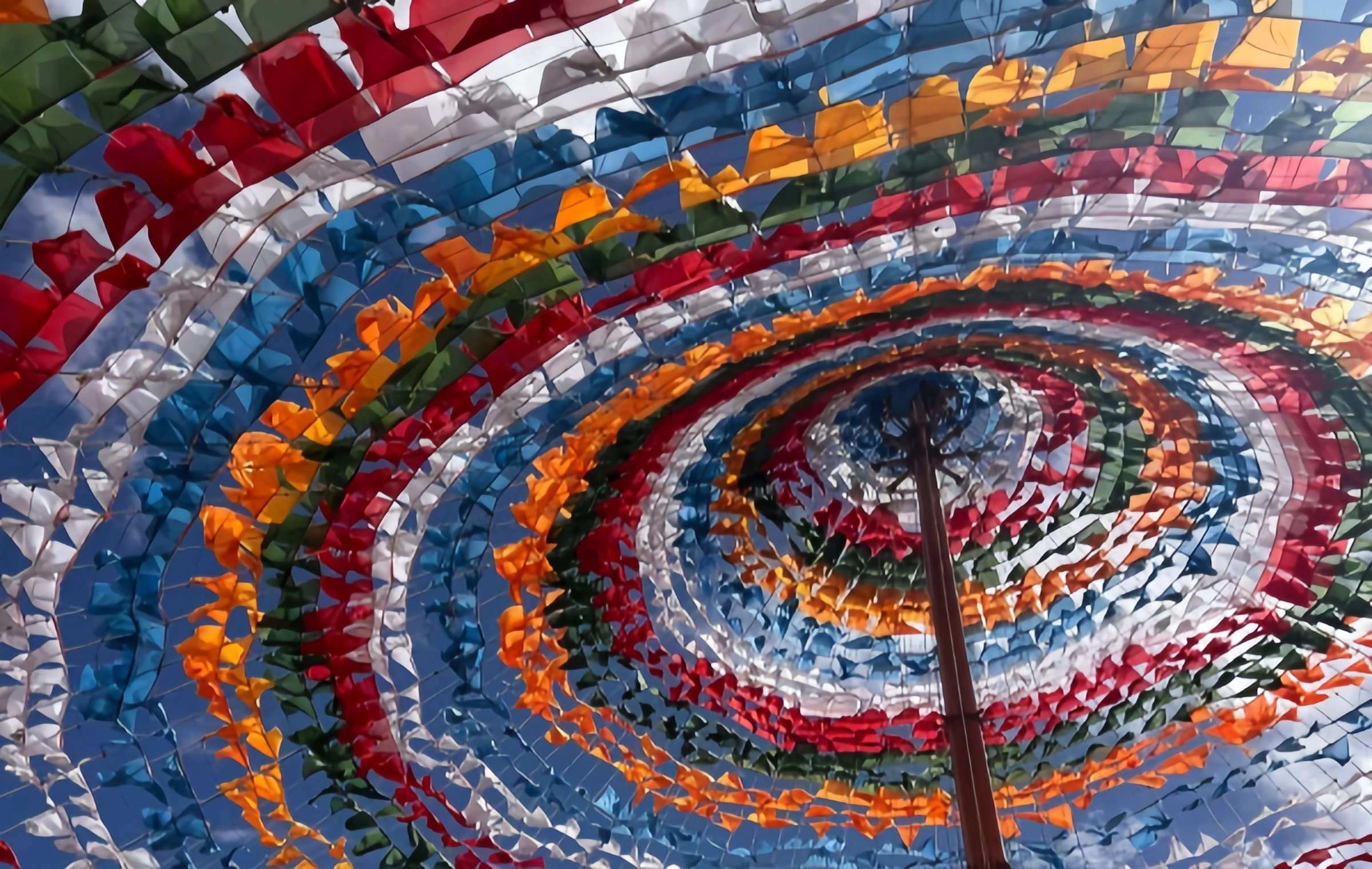
I colori di ogni bandiera di preghiera seguono rigorosamente l'antico sistema simbolico: il blu rappresenta il cielo (spazio), il bianco rappresenta le nubi (nubi belle), il rosso rappresenta le fiamme (sun), il verde rappresenta i fiumi (acqua), e il giallo rappresenta la terra (loess). Questi cinque colori sono disposti in sequenza e ciclo avanti e indietro, formando un modello completo dell'universo. Capire il codice culturale dietro questo è la chiave per apprezzare la bellezza delle bandiere di preghiera.
Scrittura e modello: Saggezza che trasporta la seta
Sulla stoffa, oltre al core "equilino a vento", ci sono più densamente imballati scritture buddiste, mantra e statue di Buddha stampate. Il più comune è il Heart Mantra di Guanyin Bodhisattva, conosciuto come il "Six Character Mantra" (Om Mani Bami). Ogni volta che il vento soffia la bandiera di preghiera, è equivalente a recitare la Scrittura sopra. Questo canto continuo attraverso il potere della natura incarna la saggezza spirituale unica del Buddhismo tibetano.
Hanging e Updating: il ciclo della vita sacra
L'impiccagione delle bandiere di preghiera segue rigorosi rituali religiosi. Di solito, giorni auspici nel calendario tibetano sono scelti e presiediti da monaci o anziani. Dopo essere stati esposti a vento, sole e pioggia tutto l'anno, le bandiere di preghiera gradualmente svaniranno e diventeranno usurati. In questo momento, le vecchie bandiere di preghiera non saranno casualmente scartate, ma saranno rispettabilmente raccolte e bruciate in un luogo pulito per tornare alla natura. Successivamente, le persone impiccheranno nuove bandiere di preghiera, che simboleggiano il ciclo di vita, la continuazione delle preghiere e il rinnovamento dello spirito. Questo processo stesso è una profonda educazione alla vita.
Consigli per la fotografia:
Utilizzando una lente grandangolare per sparare verso l'alto può catturare il senso verticale della matrice della bandiera di preghiera che punta direttamente verso il cielo, che è altamente visivamente impatto.
Utilizzare le lenti telefoto per comprimere lo spazio e catturare le belle curve e i dettagli della texture locali formati da bandiere di preghiera nel vento.
Posizionare i personaggi come scale all'interno di una vasta gamma di bandiere di preghiera può contrastare visivamente la grandezza del paesaggio.
Seguendo la luce d'oro della mattina o della sera, la luce laterale può delineare la texture della bandiera della preghiera, mentre il retroilluminazione può catturare i colori brillanti che sono traslucidi.
La fotografia aerea di Drone è il modo migliore per mostrare la grande scala e la bellezza geometrica della formazione delle bandiere di preghiera (il volo dovrebbe essere prudente, rispettare le normative locali, e assolutamente rispettare la fede, evitando di volare direttamente sull'area centrale della bandiera di preghiera dall'alto).