Natürliche Schöpfung - Schnee Berge und Meadows Hinter den Sutra Banner
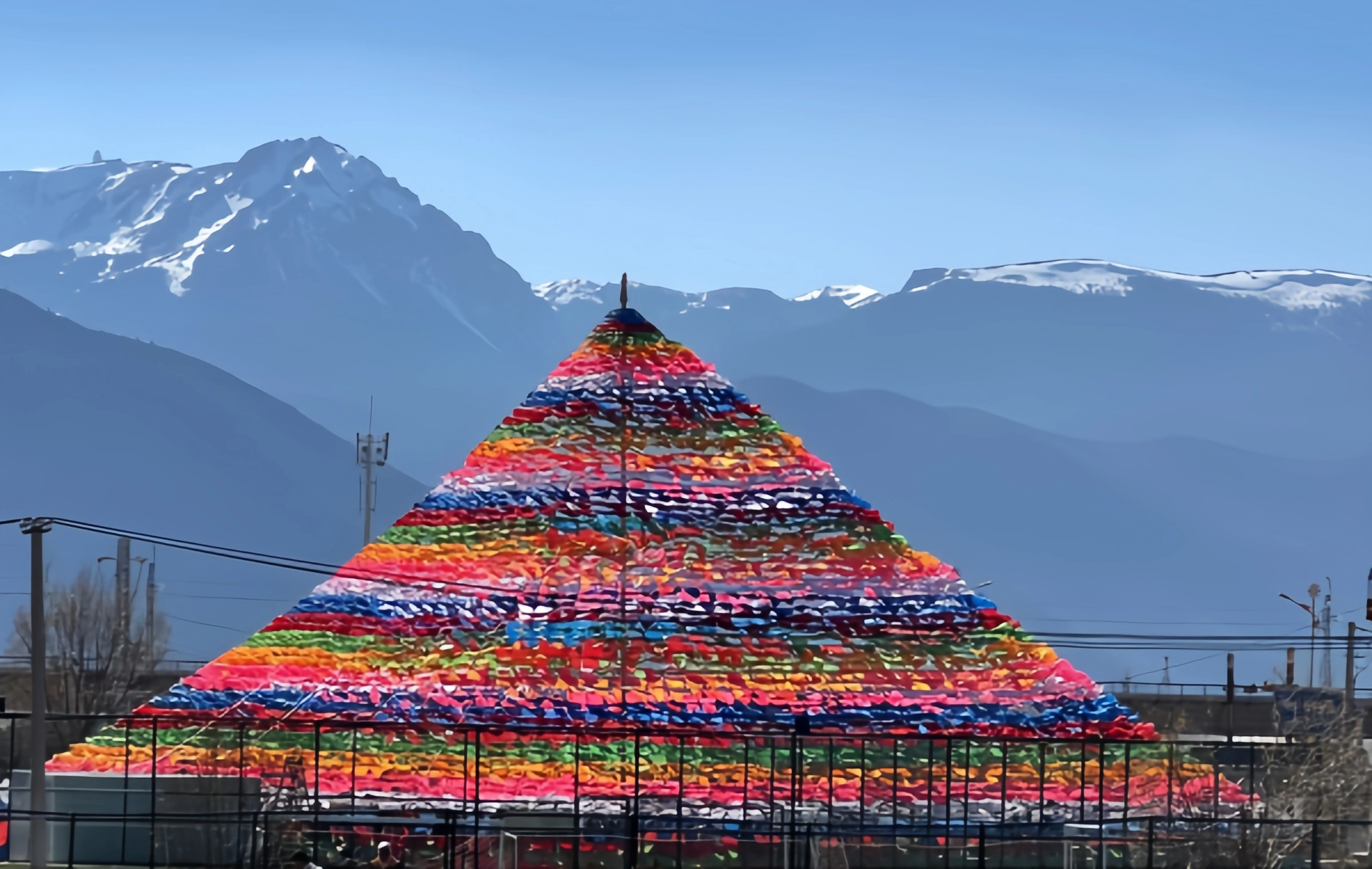
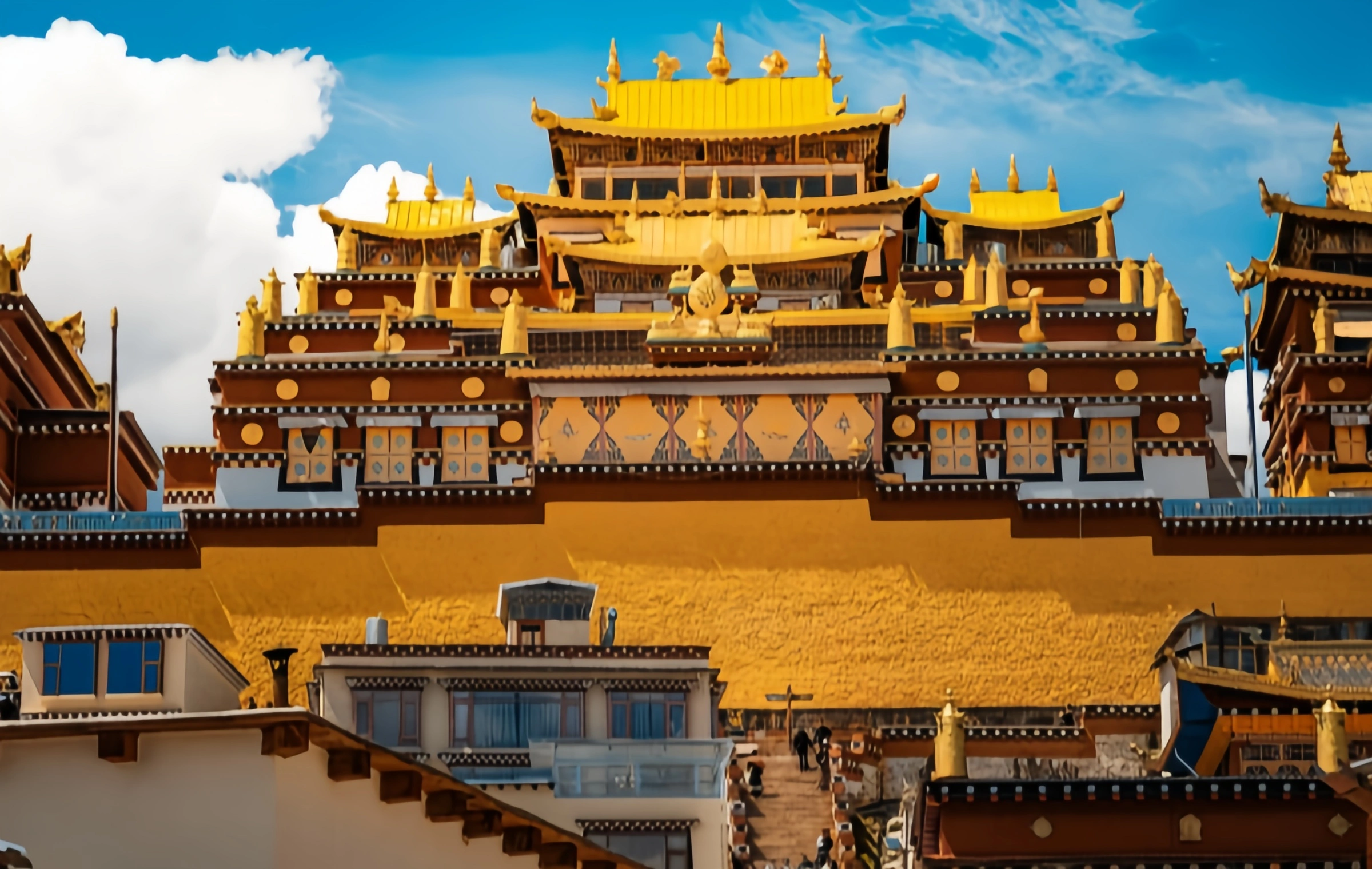
Der Schock des Großen Sutra-Banners ist teilweise auf die ultimative natürliche Bühne dahinter zurückzuführen, bekannt als "Shangri La".
Top des Passes: Tanz der Wind, Wolken und Flaggen
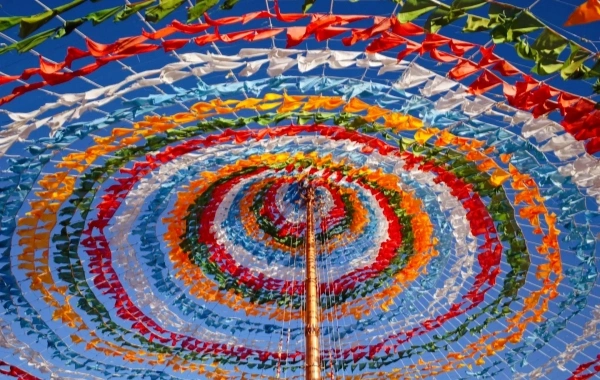
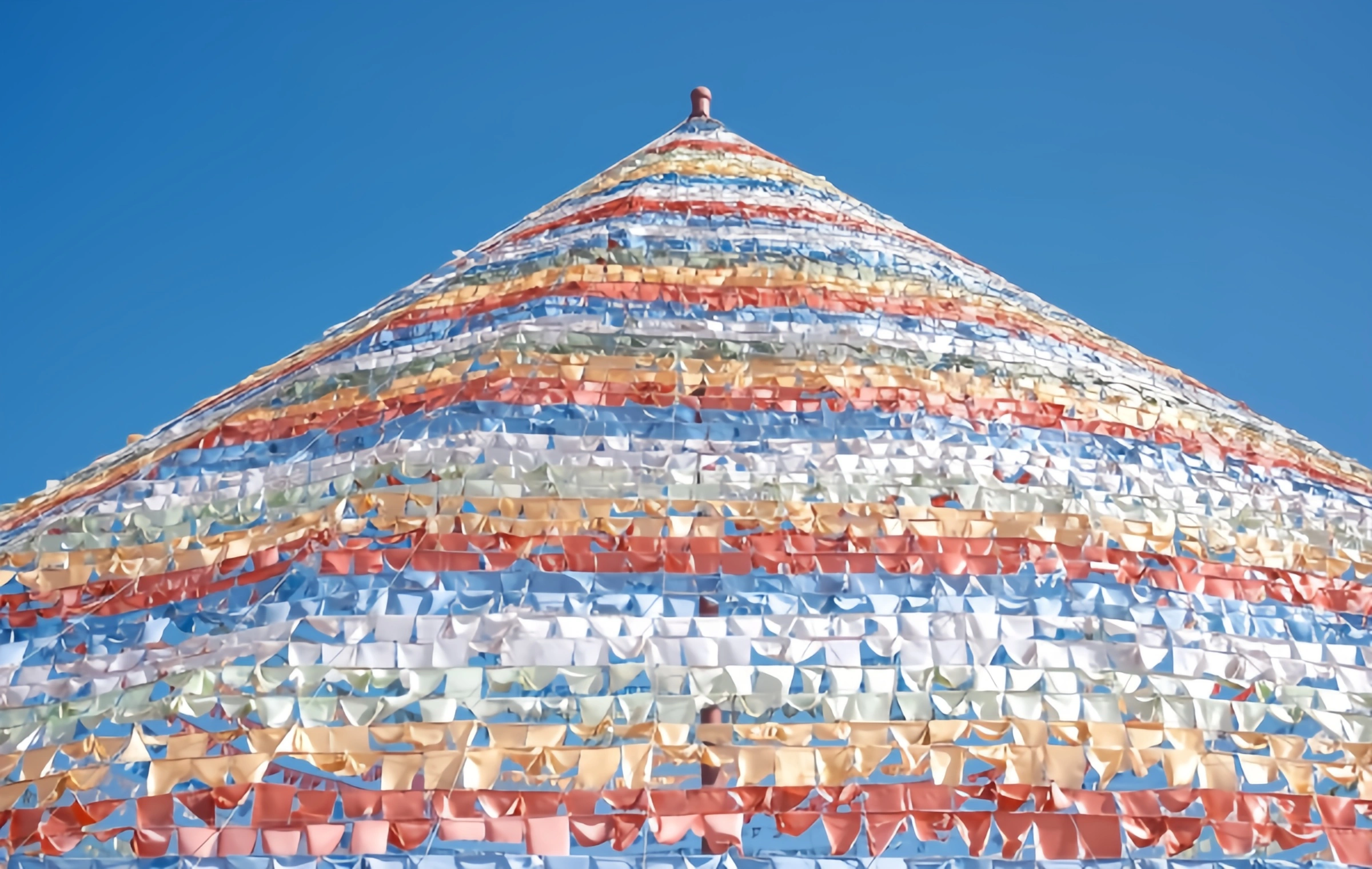
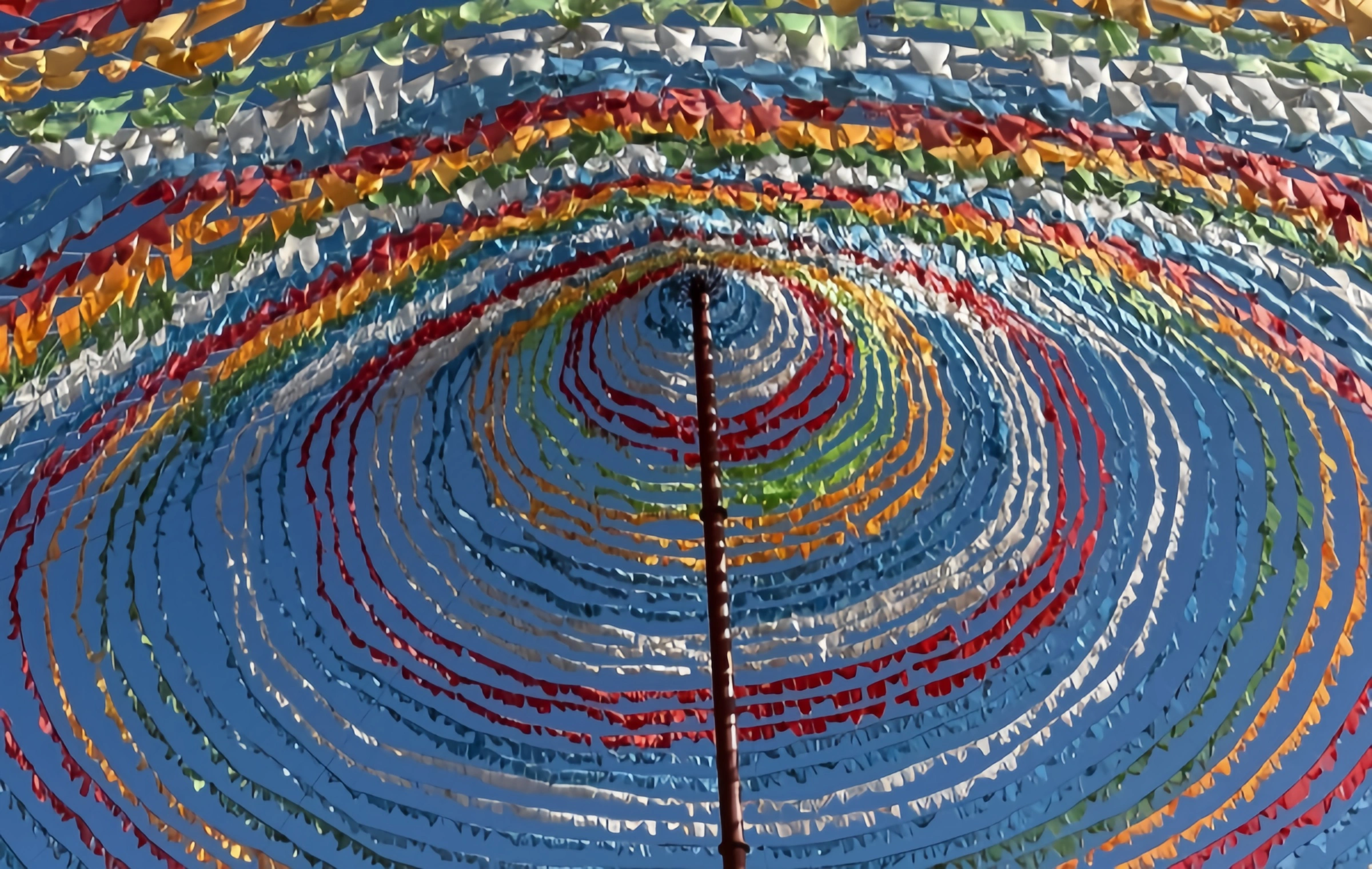
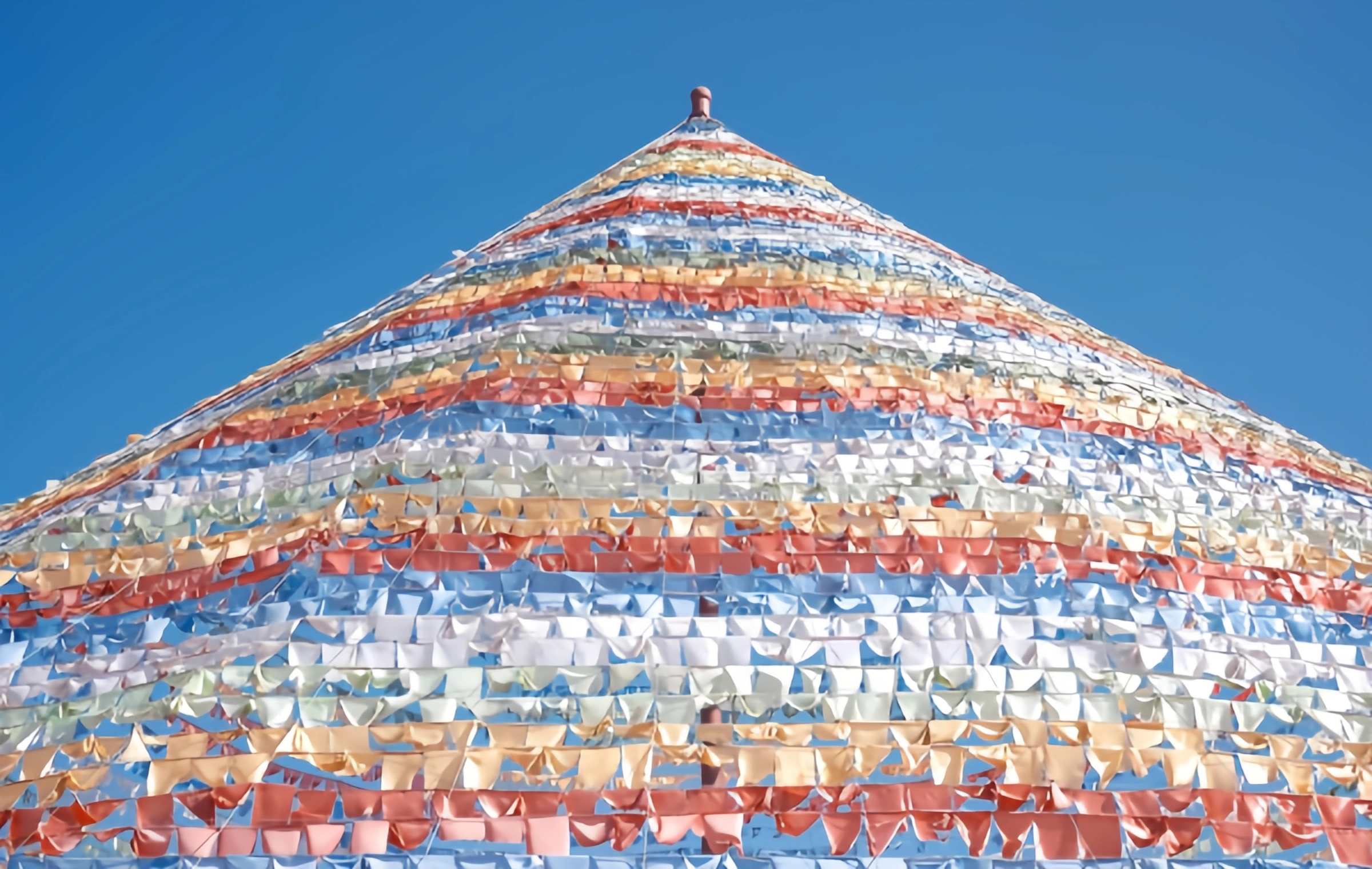
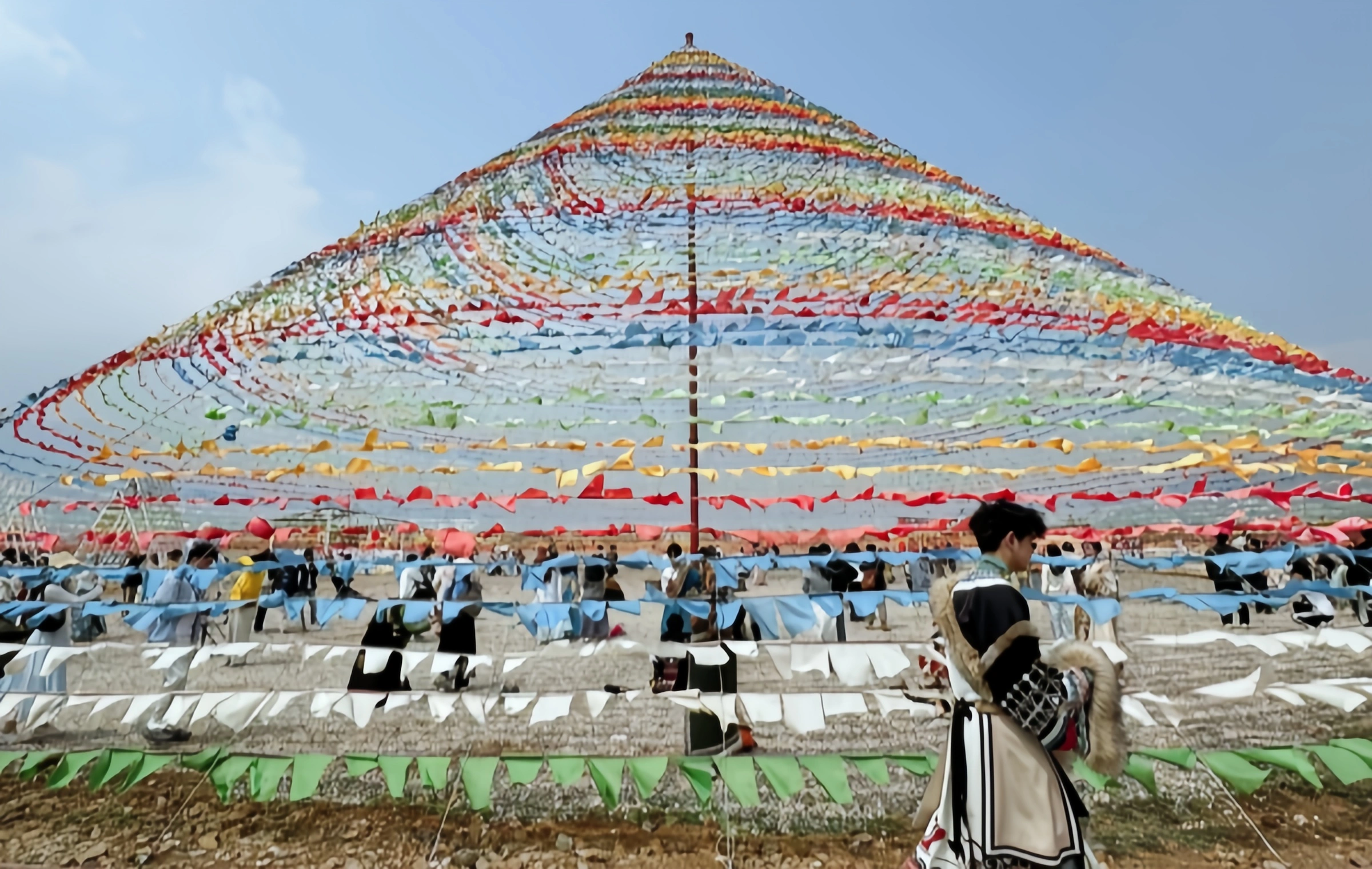
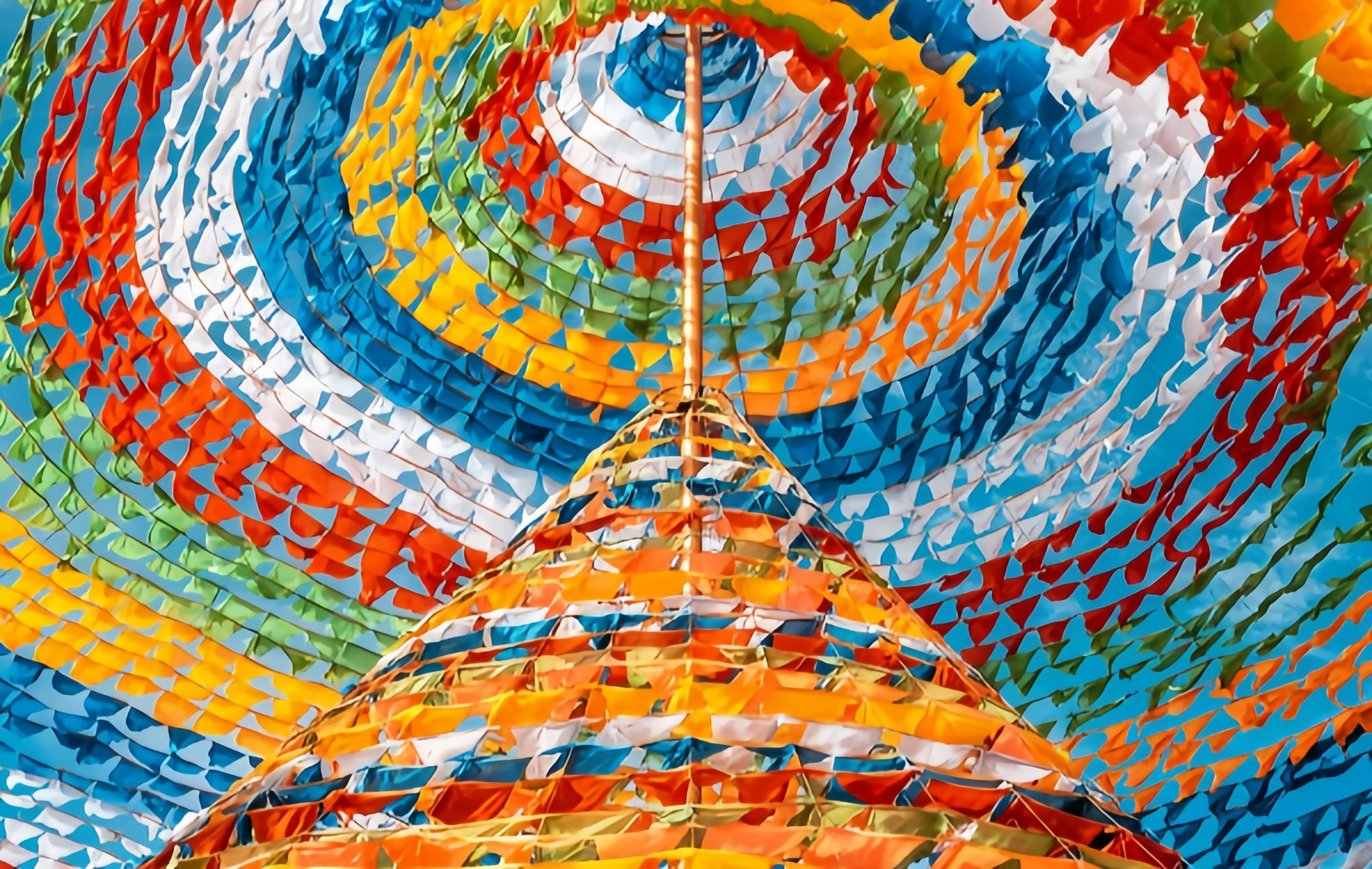
Die spektakulärste Sutra-Banner-Bildung steht oft am Bergpass. Das Gelände hier ist gefährlich und der starke Wind hört nie auf. Zehntausende von Gebetsfahnen sind aus riesigen Holzrahmen oder Seilen als Knochen, gestapelte Schicht durch Schicht, Piercing direkt in den Himmel vom Boden. Als die warme und feuchte Luft aus dem Indischen Ozean mit den kalten Winden aus dem Hochplateau kollabierte, schütteten schwere Wolkenwasserfälle ab, und die Gebetsfahnen flohen kräftig im turbulenten Meer der Wolken und dem beißenden Wind. In sie eingetaucht zu sein, kann man gleichzeitig die physische Kraft der Natur und die Beharrlichkeit menschlicher geistiger Überzeugungen spüren, so dass es ein ausgezeichneter Ort ist, die vier in einem von "Höhen, Erde, Mensch und Gott" zu erleben.
Neben dem See: Stille Reflexion und bunte Farben
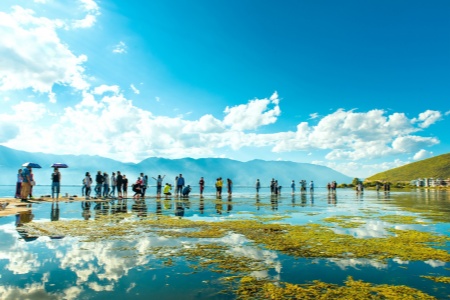
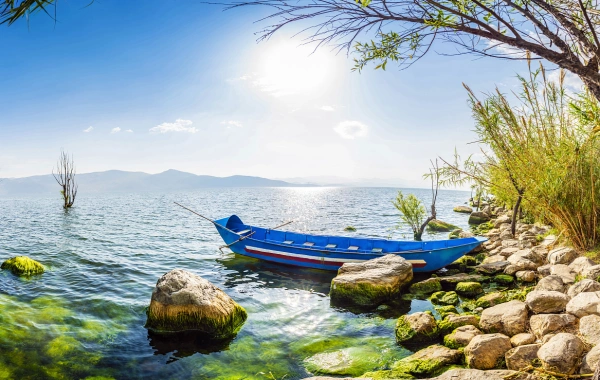
Die Gruppe der Gebetsfahnen in den Seewiesen von Napahai und anderen Bereichen zeigt einen weiteren ruhigen und schönen Charme. Im Frühling und Sommer überflutet der See, das Grasland ist üppig, und Herden von Rindern und Schafen schmücken es. Die bunten Gebetsfahnen spiegeln sich im klaren und spiegelnden Wasser wider und bilden eine friedliche und ruhige pastorale Malerei mit den fernen schneebedeckten Bergen und nahen tibetischen Häusern. Im Herbst und Winter, wie der See rezitiert, goldene Wiesen und belichtete Feuchtgebiete bilden verzierte Texturen, und Gebet Fahnen erscheinen noch farbenfroher und voller Vitalität im weiten Himmel und Erde.
Licht und Schatten Magie: Eine Symphonie der schnell wechselnden Farben
Die Seele der Gebetsfahnenlandschaft liegt in Licht und Schatten. Am Morgen färbte der erste Sonnenstrahl die Gebetsfahne warmes oranges Gold, und die Schriften auf der Fahne schienen gezündet zu werden; Mittags, gegen den Hintergrund eines tiefblauen Himmels, sind die fünf Farben blau, weiß, rot, grün und gelb besonders lebendig und schillernd, mit Sättigung erreicht ihren Höhepunkt; am Abend trocknete der Sonnenuntergang die Gebetfahnen rot. Innerhalb eines Tages, wie die Winkel- und Farbtemperatur des Lichtwechsels, kann die gleiche Gebetsfahne sehr unterschiedliche Emotionen und Ästhetik präsentieren.
Humanistische Handwerkskunst - Fluttern von Schriften und alten Riten
Die Gebetsfahnen selbst sind Freilichtbibliotheken und Glaubensmuseen, die kein Schreiben erfordern.
Fünf Farbphilosophie: ein symbolisches System von kosmischen Elementen
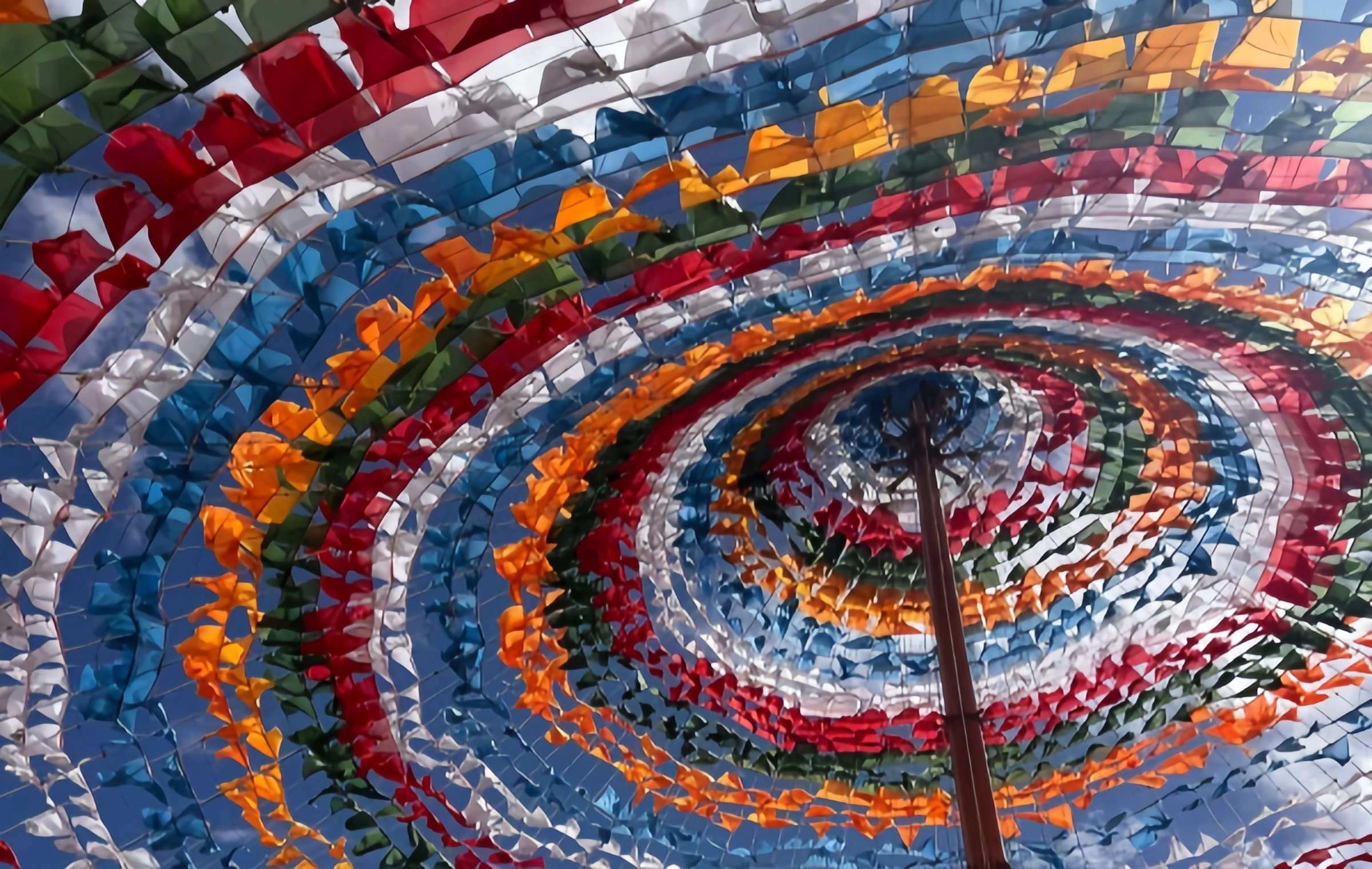
Die Farben jeder Gebetsflagge folgen streng dem antiken symbolischen System: blau repräsentiert den Himmel (Raum), weiß repräsentiert Wolken (auspicious Wolken), rot repräsentiert Flammen (Sonne), grün repräsentiert Flüsse (Wasser), und gelb repräsentiert die Erde (Lösse). Diese fünf Farben sind in Sequenz und Zyklus hin und her angeordnet und bilden ein komplettes Modell des Universums. Das Verständnis des kulturellen Codes dahinter ist der Schlüssel, um die Schönheit der Gebetsfahnen zu schätzen.
Schrift und Muster: Seide tragen Weisheit
Auf dem Stoff, neben dem Kern "Windpferd" Muster, gibt es mehr dicht verpackt buddhistische Schriften, Mantras und Buddha Statuen gedruckt. Am häufigsten ist das Herz Mantra von Guanyin Bodhisattva, bekannt als "Six Character Mantra" (Om Mani Bami). Jedes Mal, wenn der Wind die Gebetsfahne bläst, ist es gleichbedeutend mit der obigen Schrift. Dieses kontinuierliche Chanten durch die Kraft der Natur verkörpert die einzigartige spirituelle Weisheit des tibetischen Buddhismus.
Aufhängen und Aufrichten: Der Heilige Lebenszyklus
Das Aufhängen von Gebetsfahnen folgt strengen religiösen Ritualen. In der Regel werden abscheuliche Tage im tibetischen Kalender von Mönchen oder Ältesten ausgewählt und präsidiert. Nachdem sie das ganze Jahr über Wind, Sonne und Regen ausgesetzt waren, werden die Gebetsfahnen allmählich verblassen und abgenutzt. Zu dieser Zeit werden die alten Gebetsfahnen nicht lässig verworfen, sondern werden respektvoll gesammelt und an einem sauberen Ort verbrannt, um zur Natur zurückzukehren. Anschließend werden die Menschen neue Gebetsfahnen hängen, die den Kreislauf des Lebens symbolisieren, die Fortsetzung der Gebete und die Erneuerung des Geistes. Dieser Prozess selbst ist eine tiefgreifende Lebenserziehung.
Fototipps:
Mit einem Weitwinkel-Objektiv nach oben schießen kann das vertikale Gefühl der Gebetsfahnen-Matrix erfasst werden, die direkt zum Himmel zeigt, was sehr visuell schlagartig ist.
Verwenden Sie Telephotolinsen, um Platz zu komprimieren und die schönen Kurven und lokalen Texturdetails zu erfassen, die durch Gebetsfahnen im Wind gebildet werden.
Charaktere als Skalen in einer massiven Reihe von Gebetsfahnen zu platzieren, können die Größe der Landschaft visuell kontrastieren.
Das goldene Licht des frühen Morgens oder Abends zu erkennen, kann das Seitenlicht die Textur der Gebetsflagge umreißen, während die Hintergrundbeleuchtung die brillanten Farben erfassen kann, die durchscheinend sind.
Drohnen-Luftaufnahme ist der beste Weg, um die große Skala und die geometrische Schönheit der Gebetsfahnenbildung zu zeigen (fliegen sollte vorsichtig sein, erfüllen die lokalen Vorschriften, und absolut respektieren Glauben, vermeiden fliegen direkt über den Kernbereich der Gebetsfahne von oben).