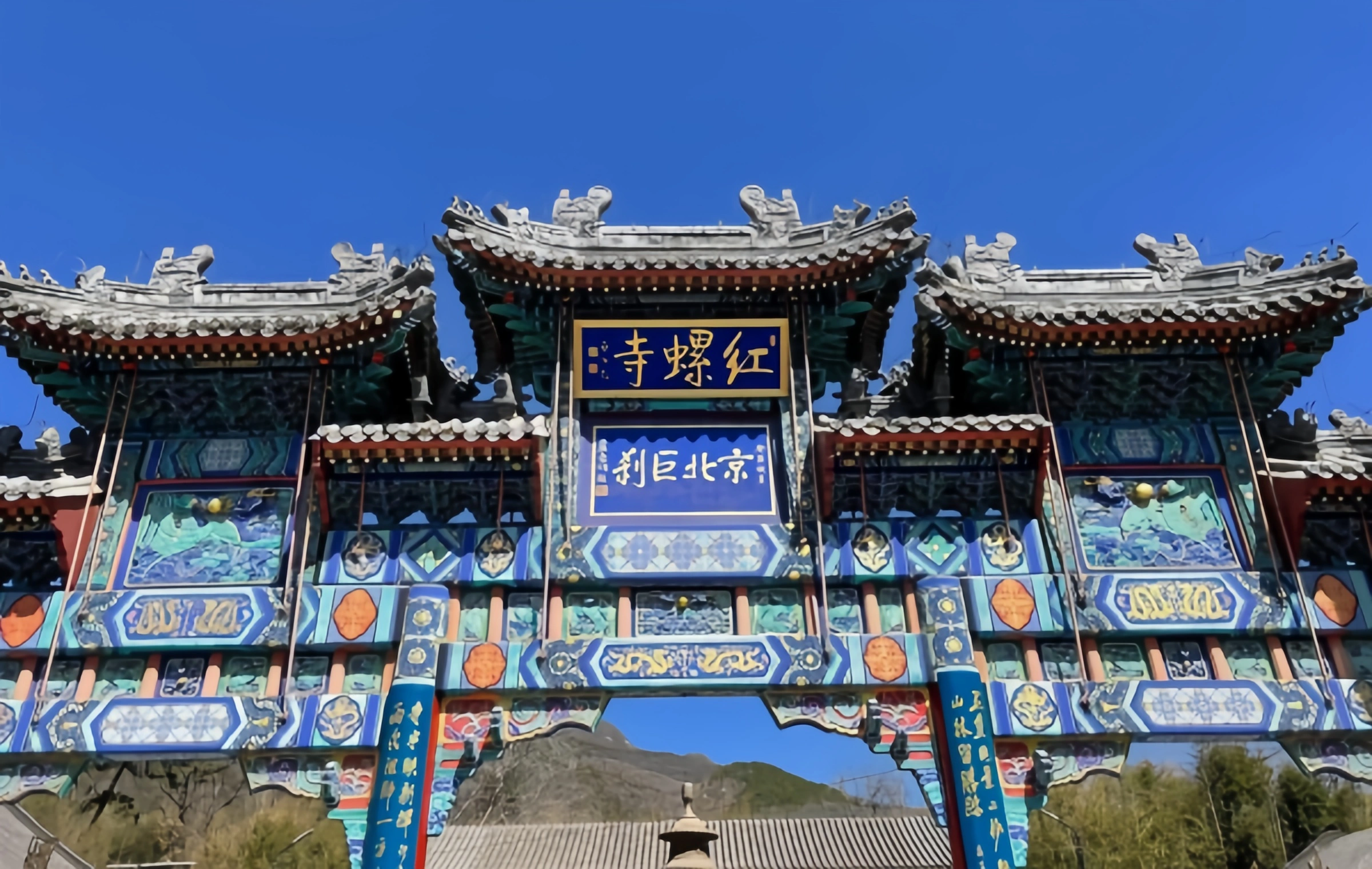
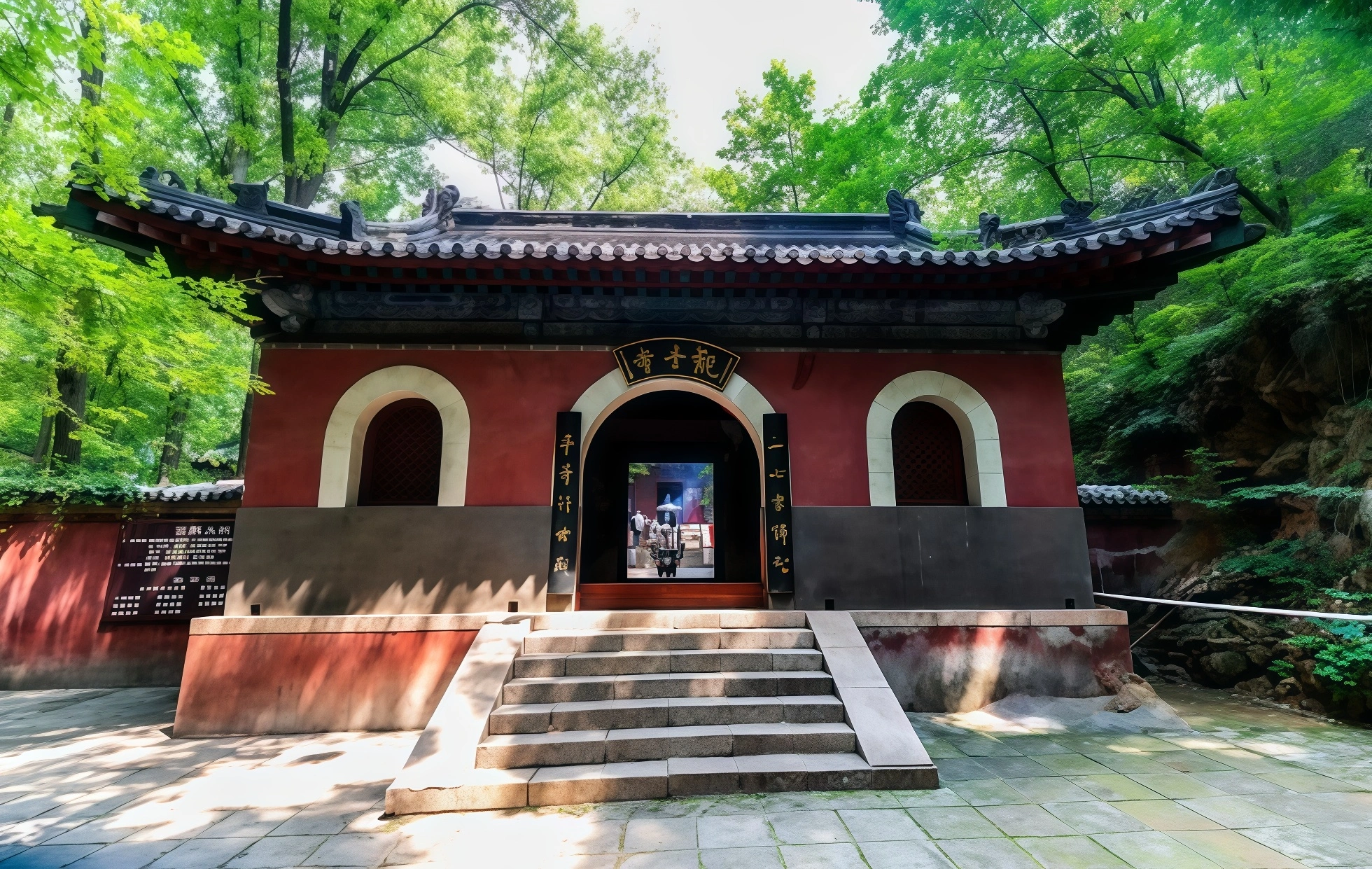
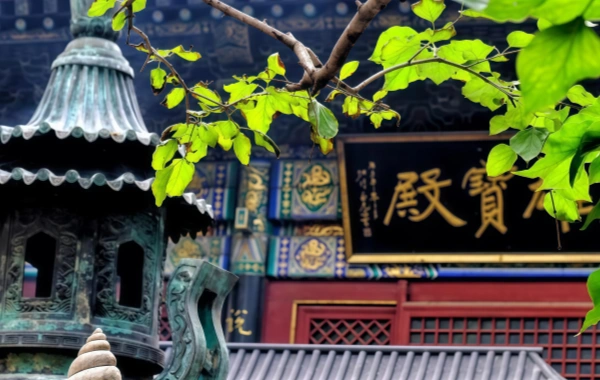
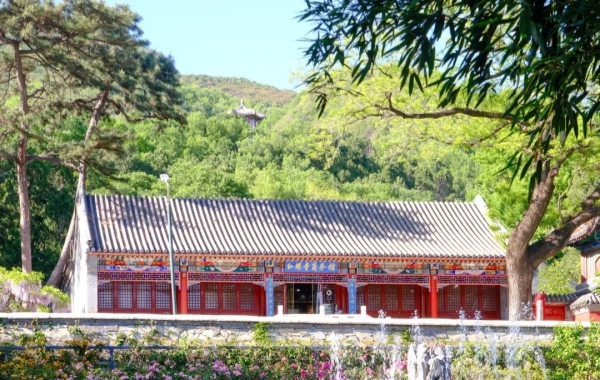
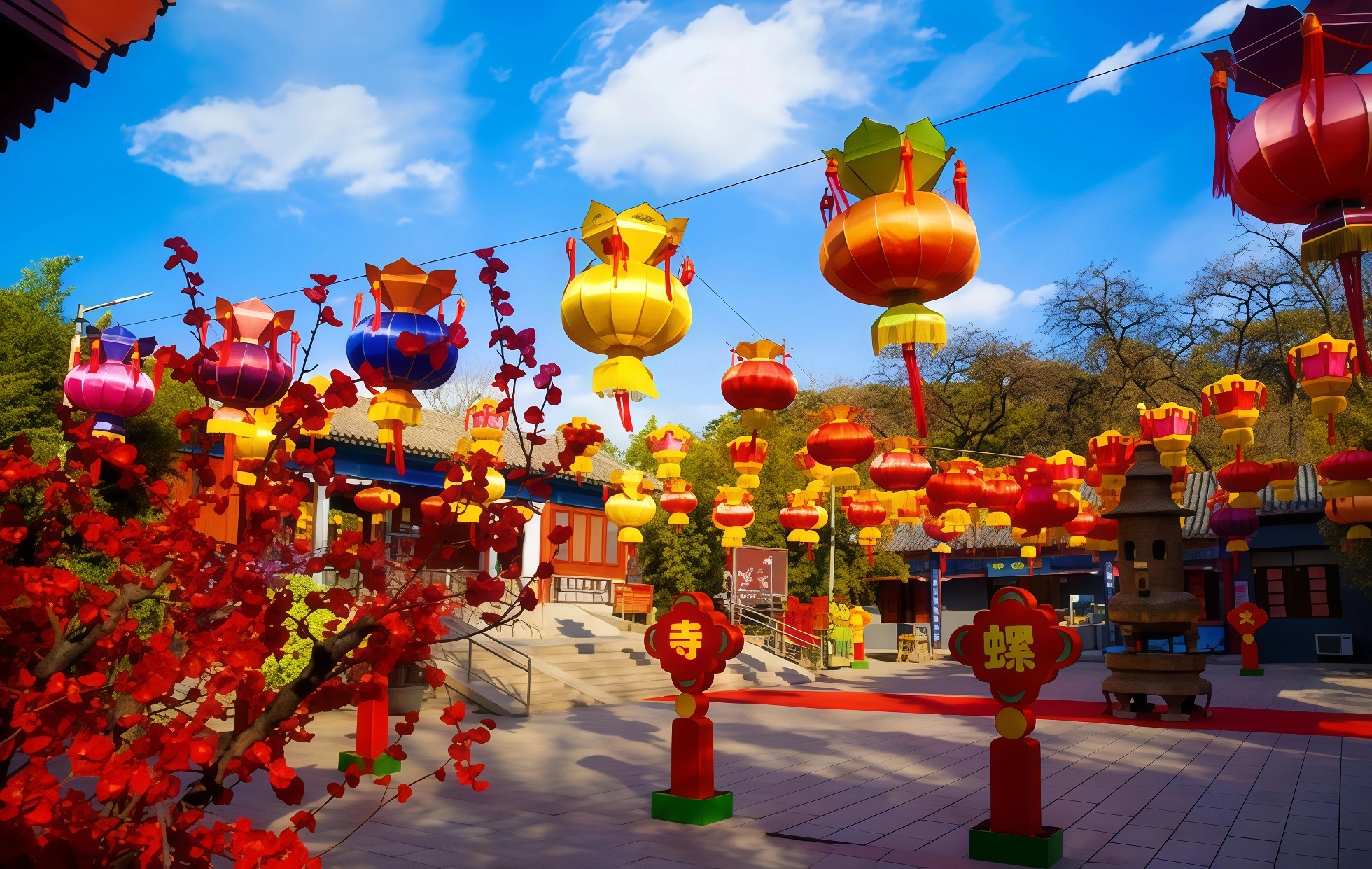
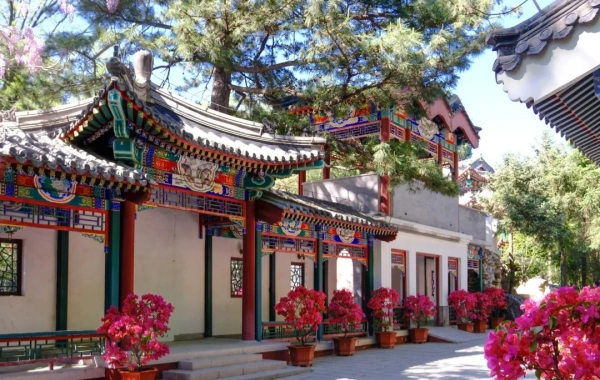
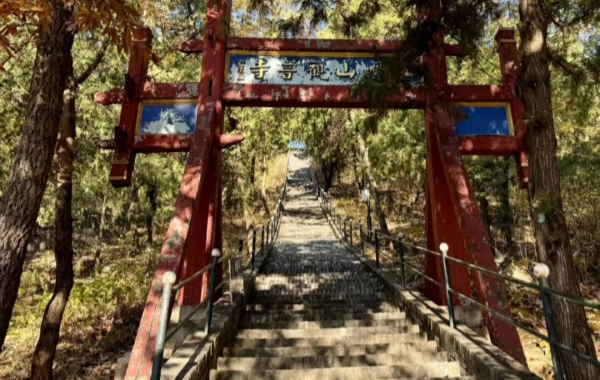
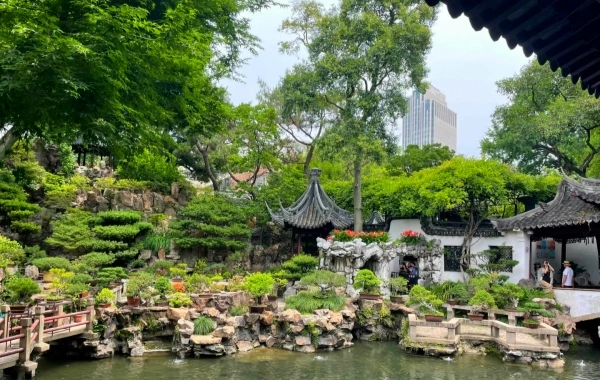
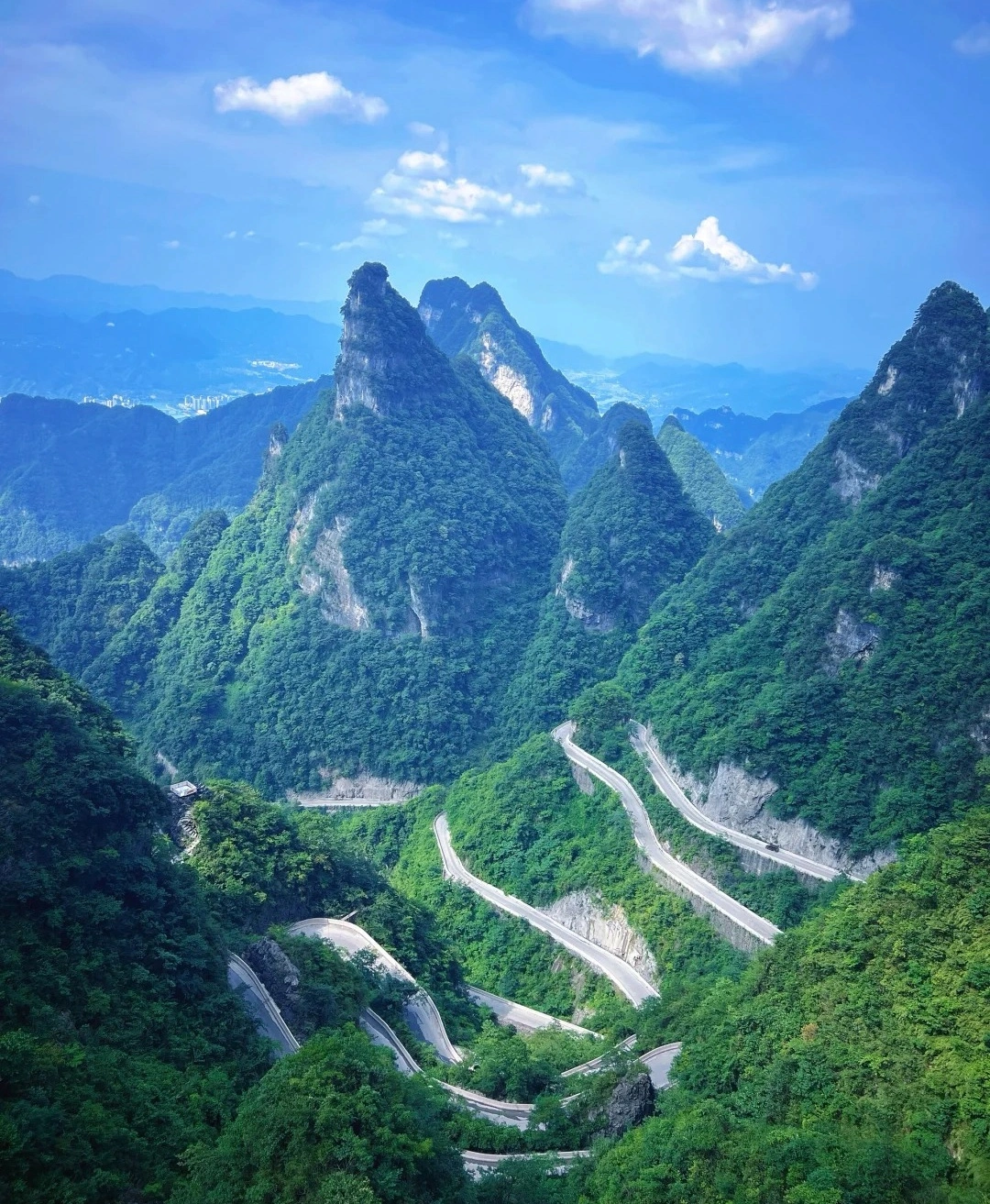
The scenery of Hongluo Temple is a prose poem composed of ancient architecture, ancient trees and the landscape.
Natural Wonders — Mountain Screens, Water Mirrors and a Sea of Pine Forests
Hongluo Mountain, against which Hongluo Temple rests, is part of the Yanshan Range. With its twin peaks resembling a great phoenix spreading its wings, it forms a natural barrier for the temple. To the south lies Hongluo Lake; with the mountains encircling and the waters embracing the temple, the site gathers auspicious energy, creating a realm of a ‘Pure Land of Buddhism’ that is utterly detached from the mundane world. The entire temple complex is nestled amidst a thousand acres of verdant ancient pine forests, forming a beautiful tableau of ‘an ancient temple hidden amidst emerald waves’.
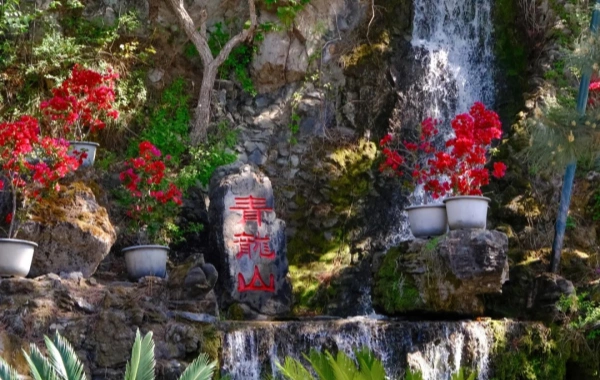
- Thousand-acre Ancient Pine Forest (Pine Forest Bathing Garden / Luohan Gully): On Qinglong Mountain to the east of the temple lies an ancient pine forest spanning over a thousand mu, home to more than ten thousand ancient trees over a century old, making it a significant ancient tree grove in the Beijing area. Within the forest stand stone sculptures of the Twelve Zodiac Animals, as well as 500 life-sized Arhats carved from blue stone, each with a unique posture. Together with the serene elegance of the pine forest, they create an atmosphere of profound mystery. A saying among the local people goes: ‘A walk through Luohangou brings robust health and dispels illness’.
- Hongluo Mountain Viewpoint: Ascend the hiking trail to the summit and, looking out in all directions, you can take in the stunning views of Hongluo Lake, Yanqi Lake and even the entire Huairou urban area. This is an excellent spot for photography enthusiasts, particularly for capturing panoramic views of the ancient temple in the morning light or evening mist.
Cultural Mastery — The ‘Three Wonders of Hongluo’ and Architectural Treasures
The ‘wonders’ here are not merely natural formations, but civilisational marvels sculpted by life and time.
- Imperial Bamboo Grove: The first wonder before the mountain gate. Planted by Zen Master Yunshan of the Yuan Dynasty, this grove of verdant bamboo is over 600 years old and is the largest and oldest bamboo grove in the Beijing area. According to the Huairou County Annals, in the 32nd year of the Kangxi reign (1694 AD), the Emperor paid a visit to Hongluo Temple to offer incense. Upon seeing this verdant bamboo grove, he was struck by its novelty and immediately ordered his attendants to count the bamboo plants, which numbered 613. He bestowed upon it the elegant name ‘Imperial Bamboo Grove’. The bamboo variety is ‘Jade Inlaid with Gold’ (Huangcao Jingzhu), which remains evergreen throughout the four seasons. With winding paths leading to secluded spots, it is a marvel to behold such a large-scale, elegant southern landscape in the north. In the north-western corner of the bamboo grove stands the ‘Bamboo Viewing Pavilion’, restored to its original appearance; it was here that Emperor Kangxi once sat on his imperial throne to admire the bamboo.
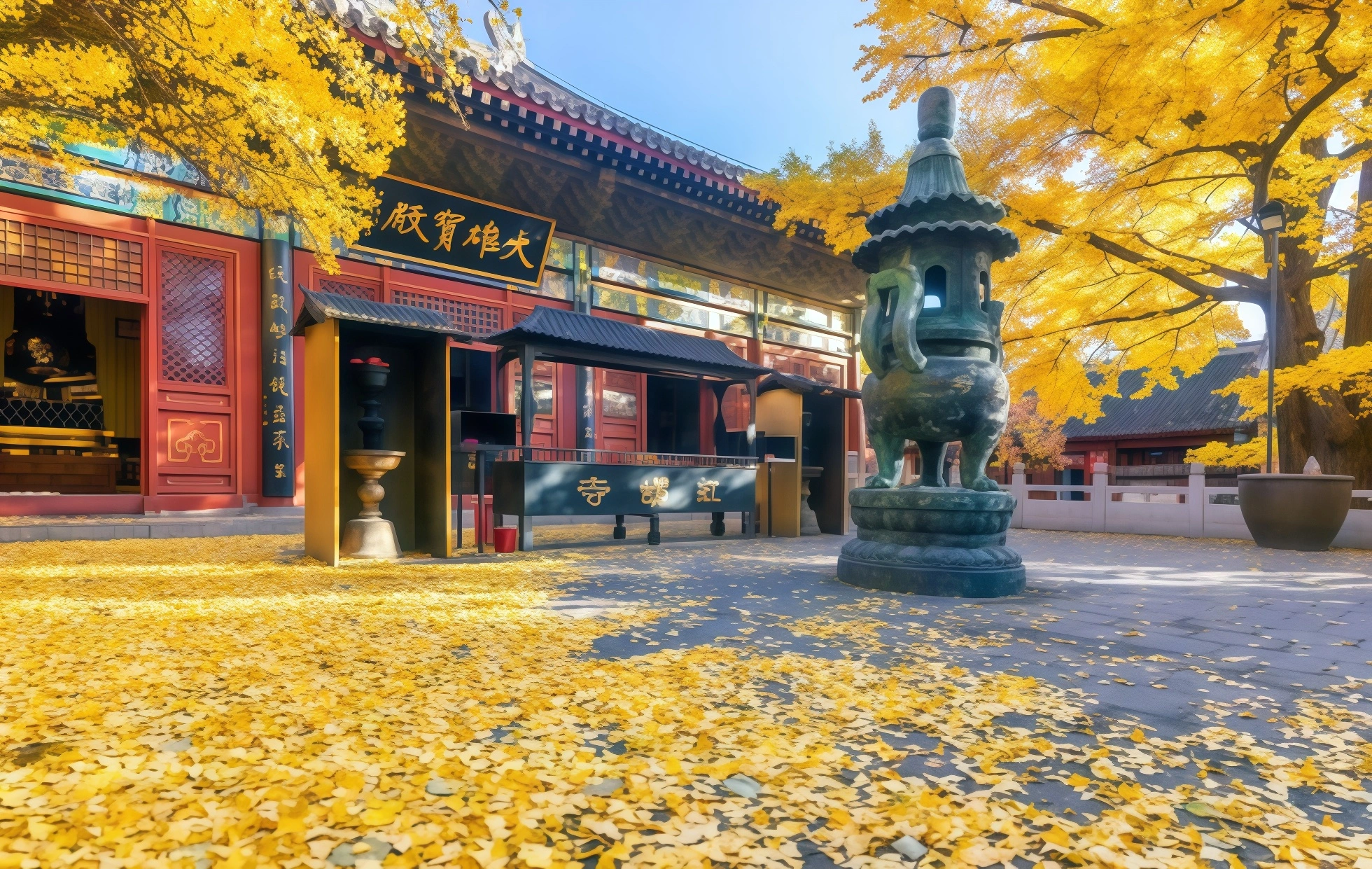
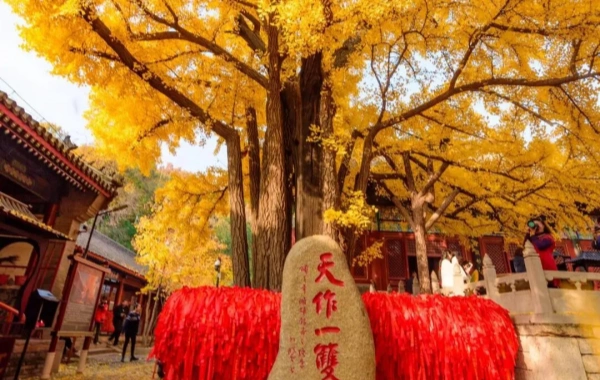
- The Male and Female Ginkgo Trees (Husband and Wife Trees): The second marvel in front of the Great Hall of the Buddha. These two enormous ancient ginkgo trees—the female to the east and the male to the west—are over 1,100 years old and stand more than 30 metres tall. The male tree is tall and sturdy, with ten straight branches sprouting from its base, creating the impression of ‘a forest within a single tree’. Local legend has it that a new branch emerges from the root with every change of dynasty; the female tree is graceful and elegant, bearing abundant fruit year after year. Interdependent and thriving together, they are regarded by locals as a perfect match, and have become a popular ‘Instagrammable’ spot for those seeking a happy marriage.
- Photography Tip: In late autumn (late October to early November), the trees are ablaze with gold and the ground is carpeted with fallen leaves. The gleaming ginkgo leaves complement the majestic Great Buddha Hall, marking Hongluo Temple’s most magnificent and spectacular season.
- Wisteria Clinging to the Pine: The third of the Three Wonders, situated before the Hall of the Three Saints. This scene is formed by a flat-topped pine tree over 800 years old and two wisteria vines as thick as a bowl’s rim. The pine stands approximately 6 metres tall, its branches splitting into nine forks that extend horizontally in all directions; the two wisteria vines, like dragons coiling around jade pillars, cover the entire pine framework, their lush growth forming a natural giant canopy providing shade over an area of nearly 300 square metres. The Yuan Dynasty inscription on the ‘Stele of Daming Temple on Hongluo Mountain’ records: ‘At night, in the gentle breeze, one hears the clanging of golden bells; the heavenly hosts guard the Dharma by the wisteria and pine.’ This scene has a history of at least 800 years.
- Viewing Tips: As the saying goes, ‘Where wisteria entwines the pine, the pine struggles to thrive’, yet here the pine and wisteria have coexisted harmoniously for over eight hundred years; the wisteria never leaves the pine, nor does the pine shun the wisteria. In early May each year, the wisteria blossoms in full splendour, like strings of purple agate dangling from the branches, or purple auspicious clouds floating between the halls. The fragrance fills the temple, marking the most romantic moment of the year for this ancient monastery.
> Photography Tips:
> The best vantage point for a panoramic view of the ginkgo trees is in front of the Great Hall of the Buddha, where you can capture both the golden leaves and the ancient architecture;
> The wisteria entwined with the pines is best photographed in May during the flowering season; a telephoto lens is required to capture the details of the vines;
> The Imperial Bamboo Grove is best photographed in the early morning light, when you can capture the serene atmosphere of the dancing bamboo shadows;
> Ascend to the Hongluo Mountain viewing platform for a bird’s-eye view of the ancient temple; the autumn scenery, with the forests ablaze with colour, makes for the most photogenic shots.