A Symphony of Nature and Architecture—The Wonder of the Nine Terraces
The most awe-inspiring experience at Danzishi Old Street is undoubtedly walking along its nine-tiered slopes, where one can sense the unique spatial rhythm of this "Mountain City."
The Nine Terraces: The Breathing Spine of the Mountain City
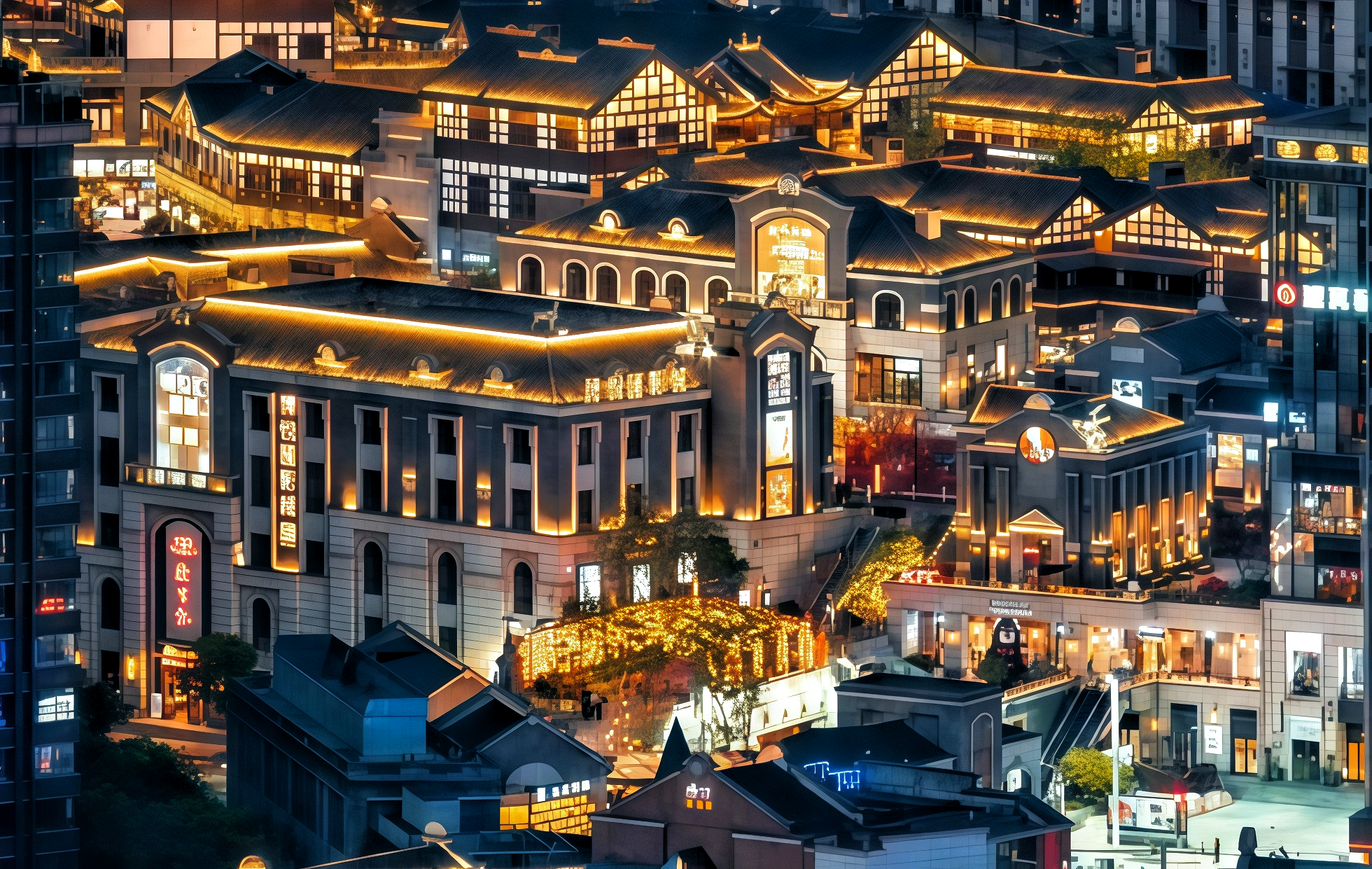
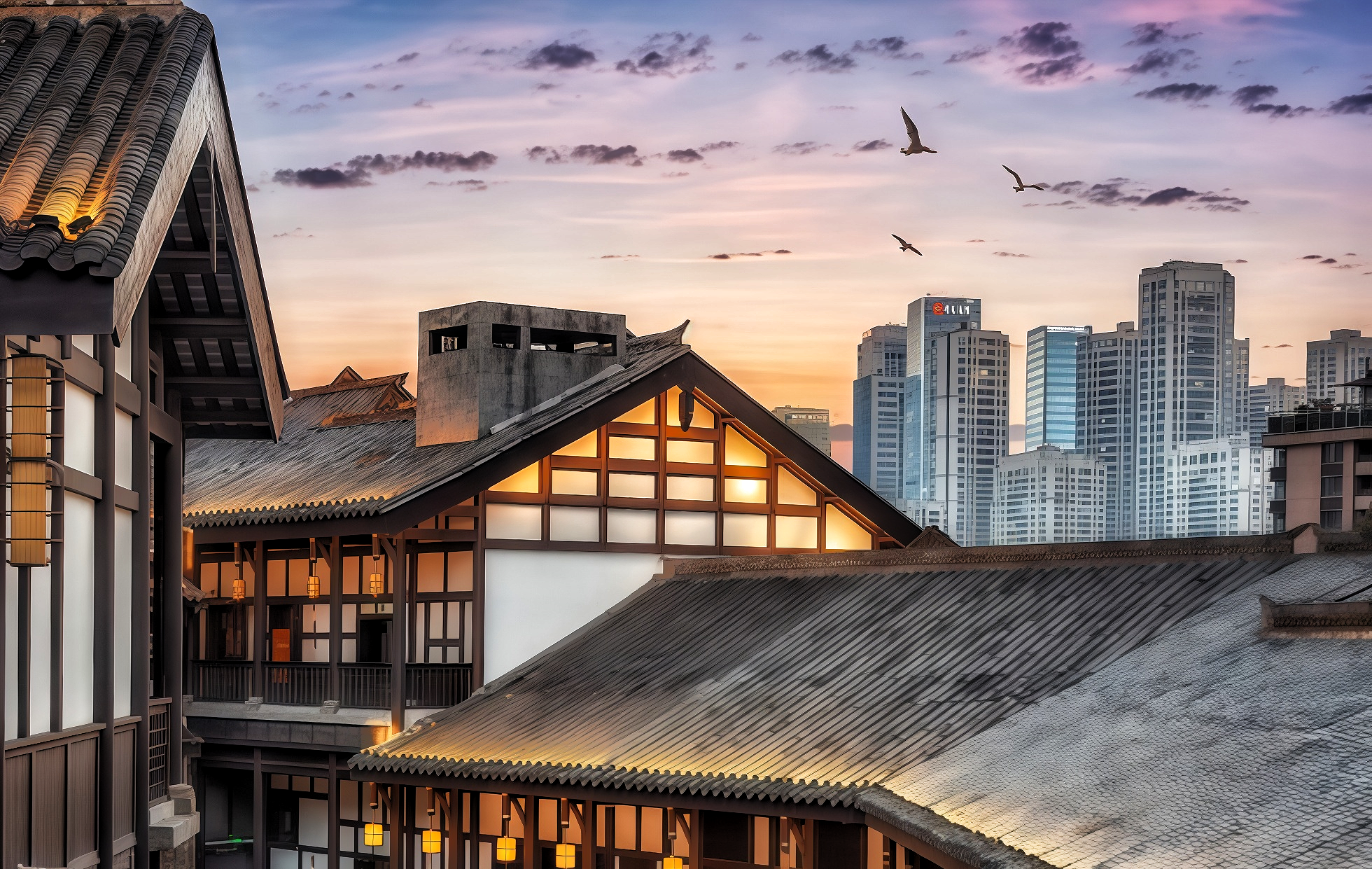
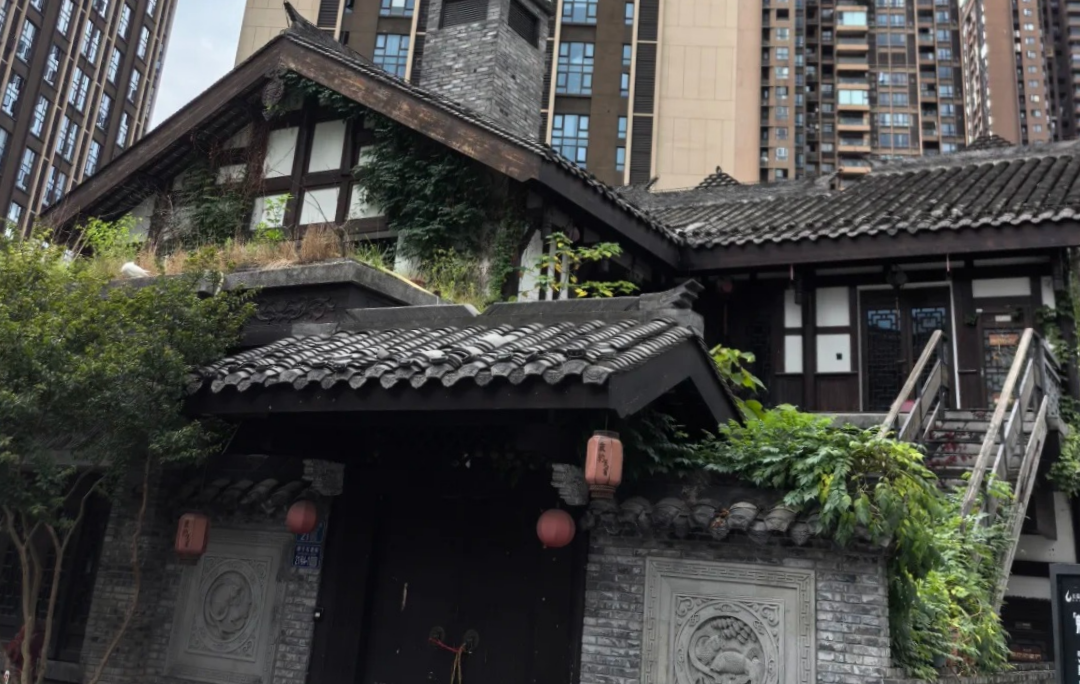
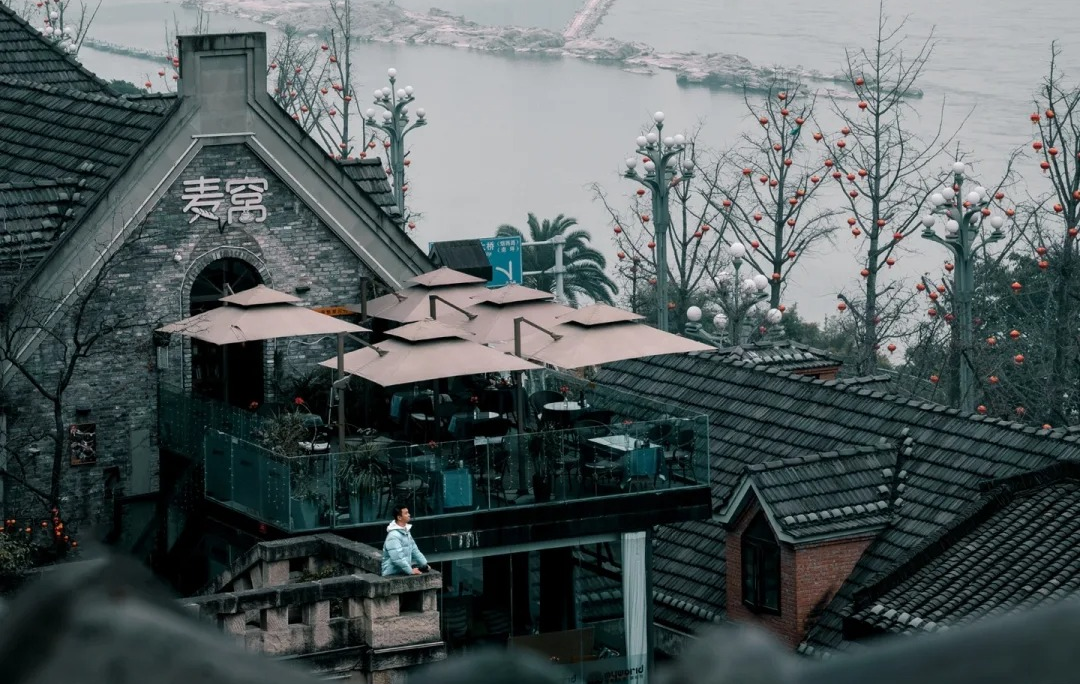
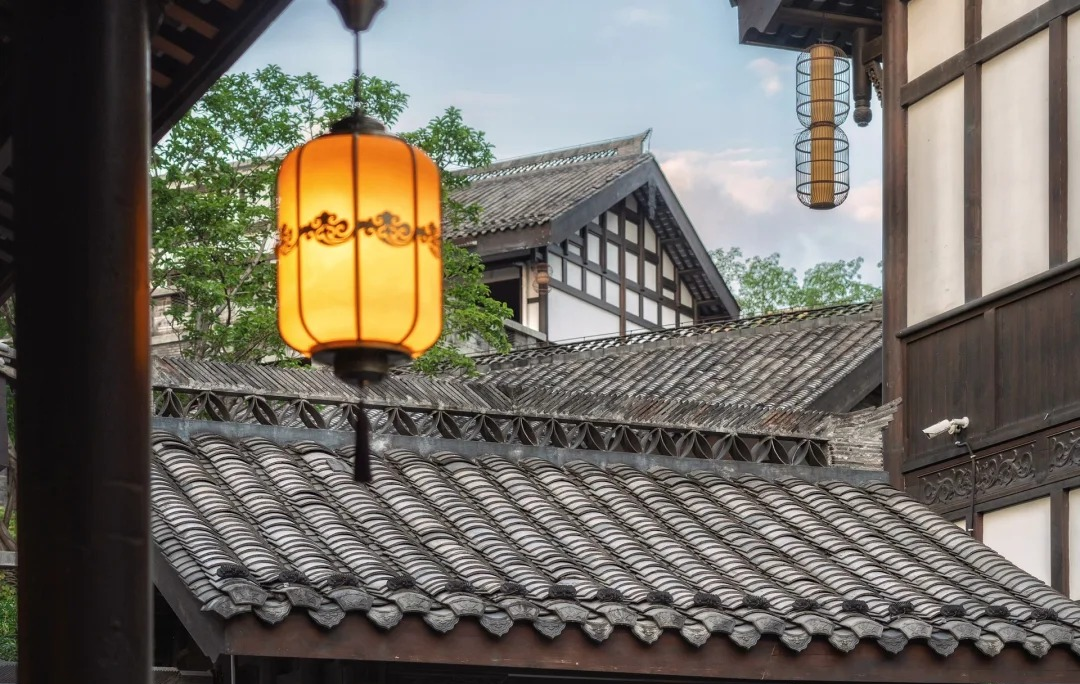
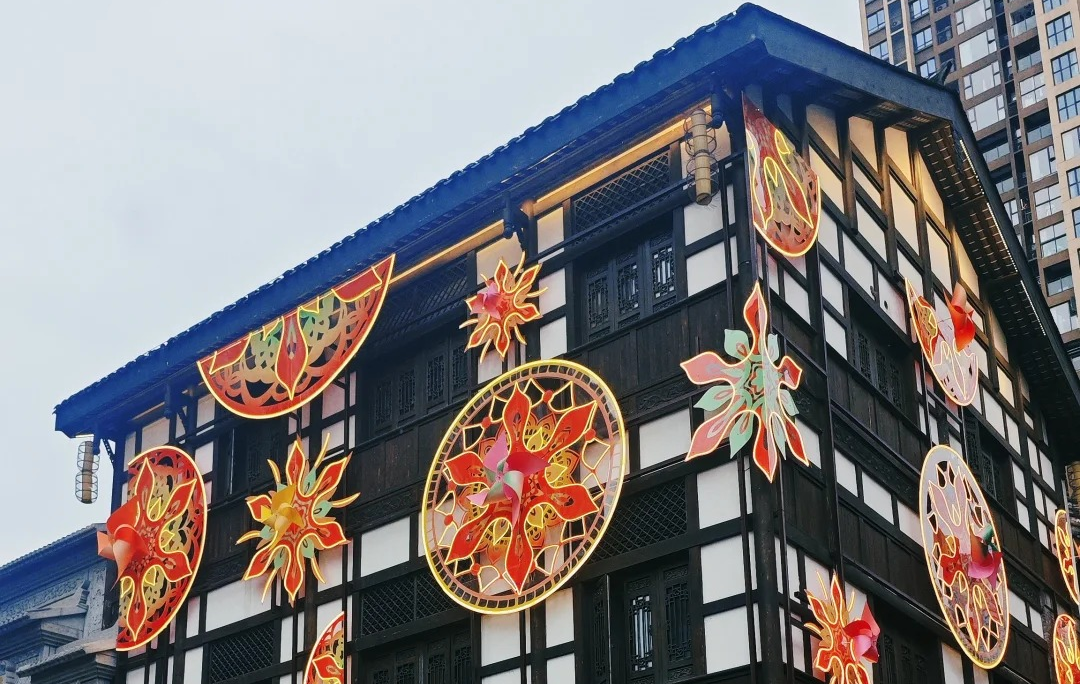
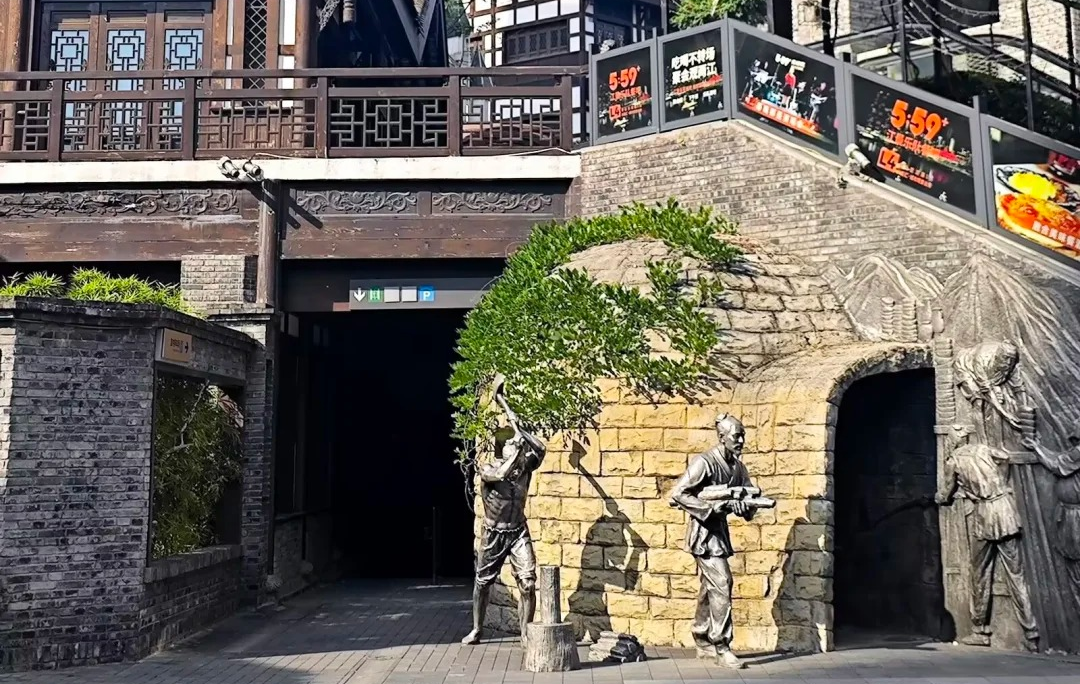
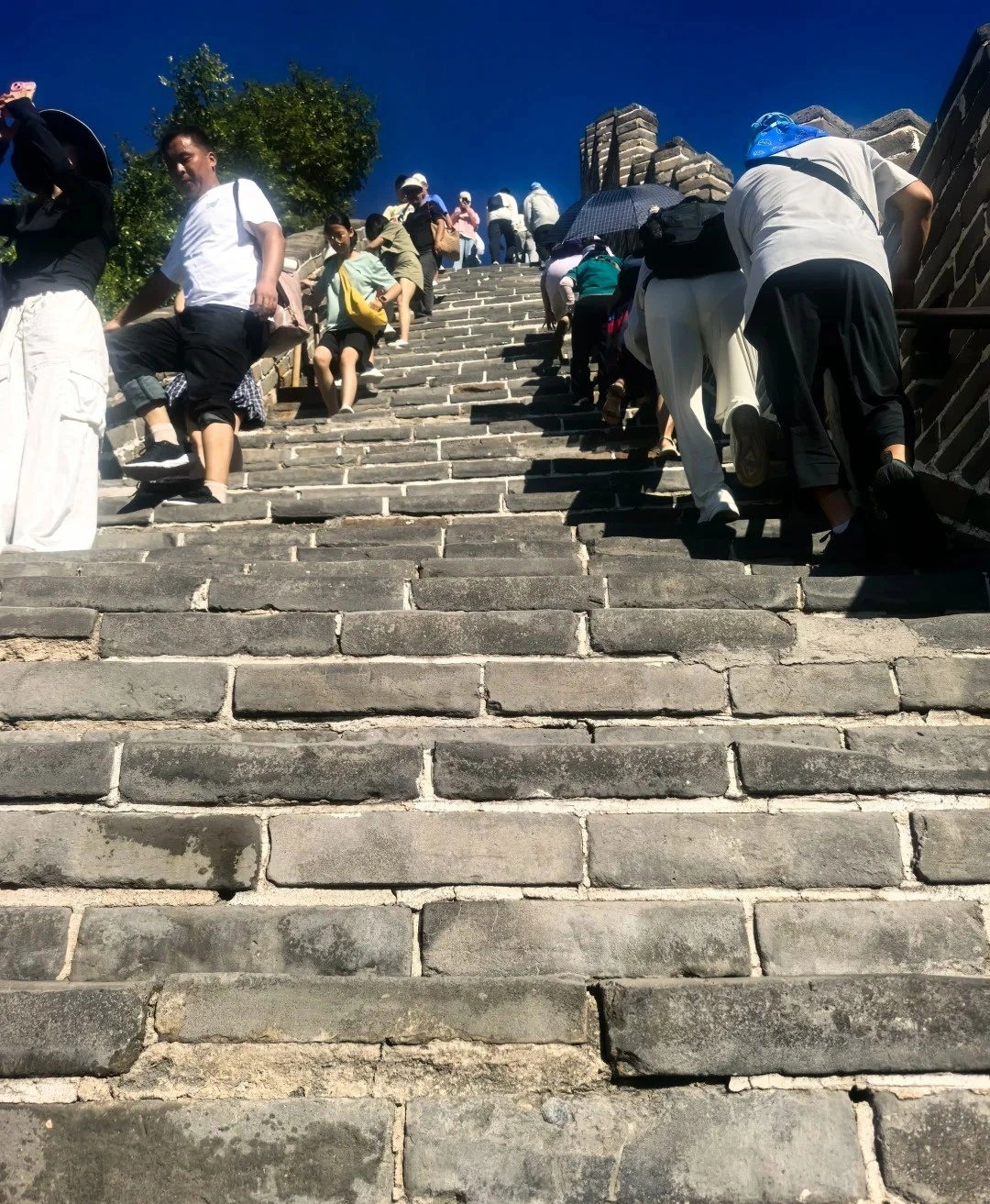
Danzishi Old Street is built against the mountainside, facing the water, featuring a vertical elevation difference of approximately 80 meters between its highest and lowest points. Embracing the natural topography, the entire street features buildings arranged in receding tiers along the slope, creating a unique spatial layout across nine natural terraces. As you ascend the steps from the Nanbin Road entrance, every stride takes you higher, and every glance back reveals a river view from a different elevation—this is the quintessential "climbing slopes and scaling steps" lifestyle that Chongqing locals have lived for generations, and it serves as the most intuitive expression of the city's architectural philosophy. The buildings along the old street incorporate traditional Sichuan-Chongqing construction techniques—such as terracing, cantilevering, diaojiao (stilt-supported structures), and suoxiang (interlocking timber frames)—perfectly illustrating how humanity can coexist harmoniously with steep, mountainous terrain.
Facing the River, Backing the City: A Unique Visual Spectacle
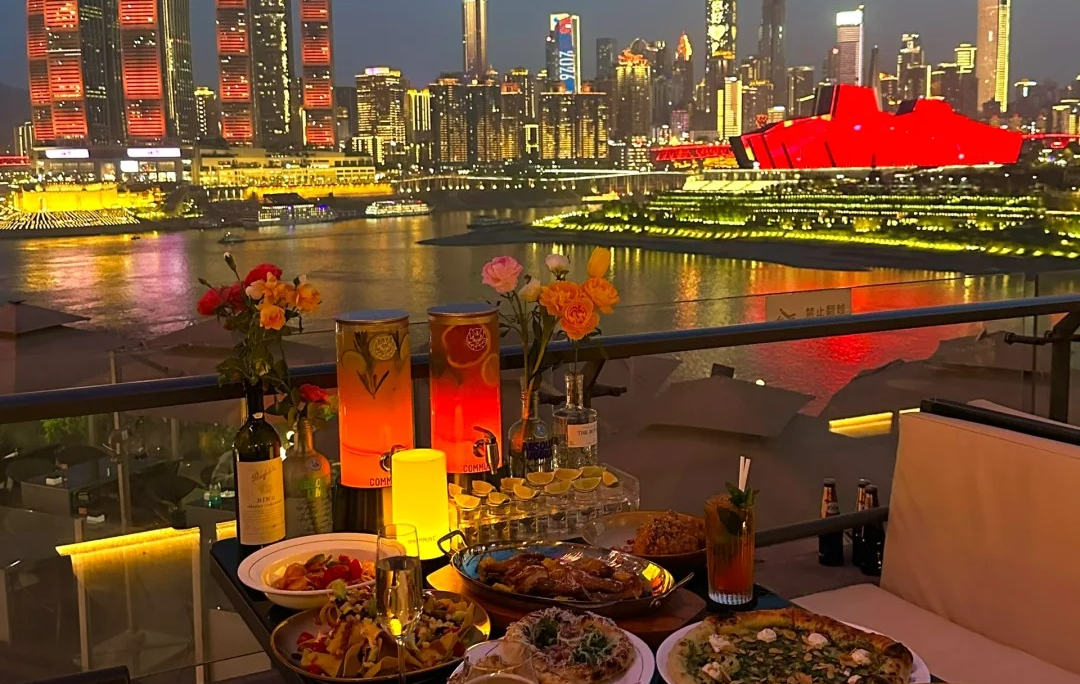
Danzishi Old Street offers a viewing experience that is virtually impossible to replicate elsewhere: looking forward, one can gaze out at the magnificent confluence of the Yangtze and Jialing Rivers, catching sight of iconic landmarks on the Yuzhong Peninsula such as Raffles City, the Chongqing Grand Theatre, and the Jiefangbei Monument. Turning around to look inward, the gaze follows the winding staircase—spanning that 80-meter elevation drop—upward through a landscape where shops and market stalls are scattered like stars across the layered terraces. This unique vantage point—offering views of the river to the front and the city to the rear—allows visitors to experience, within a single space, both the majestic grandeur of the mighty river flowing eastward and the vibrant, down-to-earth atmosphere of the mountain city's streets and alleys.
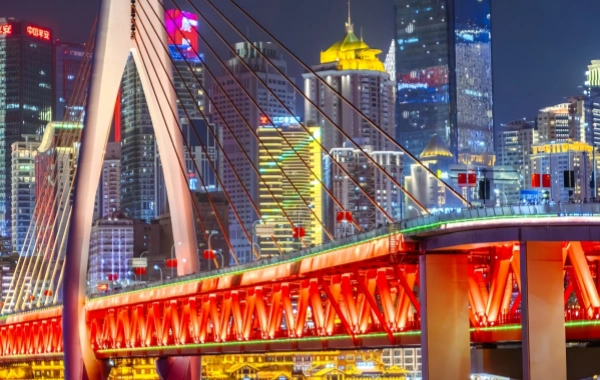
The Changjiahui Observation Deck is currently the only location in Chongqing where one can simultaneously "view two rivers, see three bridges, and behold three landmarks," offering a panoramic perspective of the entire Yuzhong Peninsula and the dazzling nightscape of the Jiangbei district. As dusk falls and the lingering glow of the sunset paints the river crimson—while the skyscrapers on the opposite bank begin to light up one by one—this spot transforms into one of the most romantic urban observation decks in all of Chongqing.
> Photography Tips:
The best vantage point for panoramic shots is the Changjiahui Observation Deck, which allows you to capture the confluence of the two rivers, Raffles City Chongqing (Chaotianmen), the Chongqing Grand Theatre, and the Qianximen Bridge all in a single frame.
The plaza in front of the French Naval Barracks is ideal for shooting high-quality, European-style vintage photos; its pristine white facade and arched colonnades make for stunning imagery.
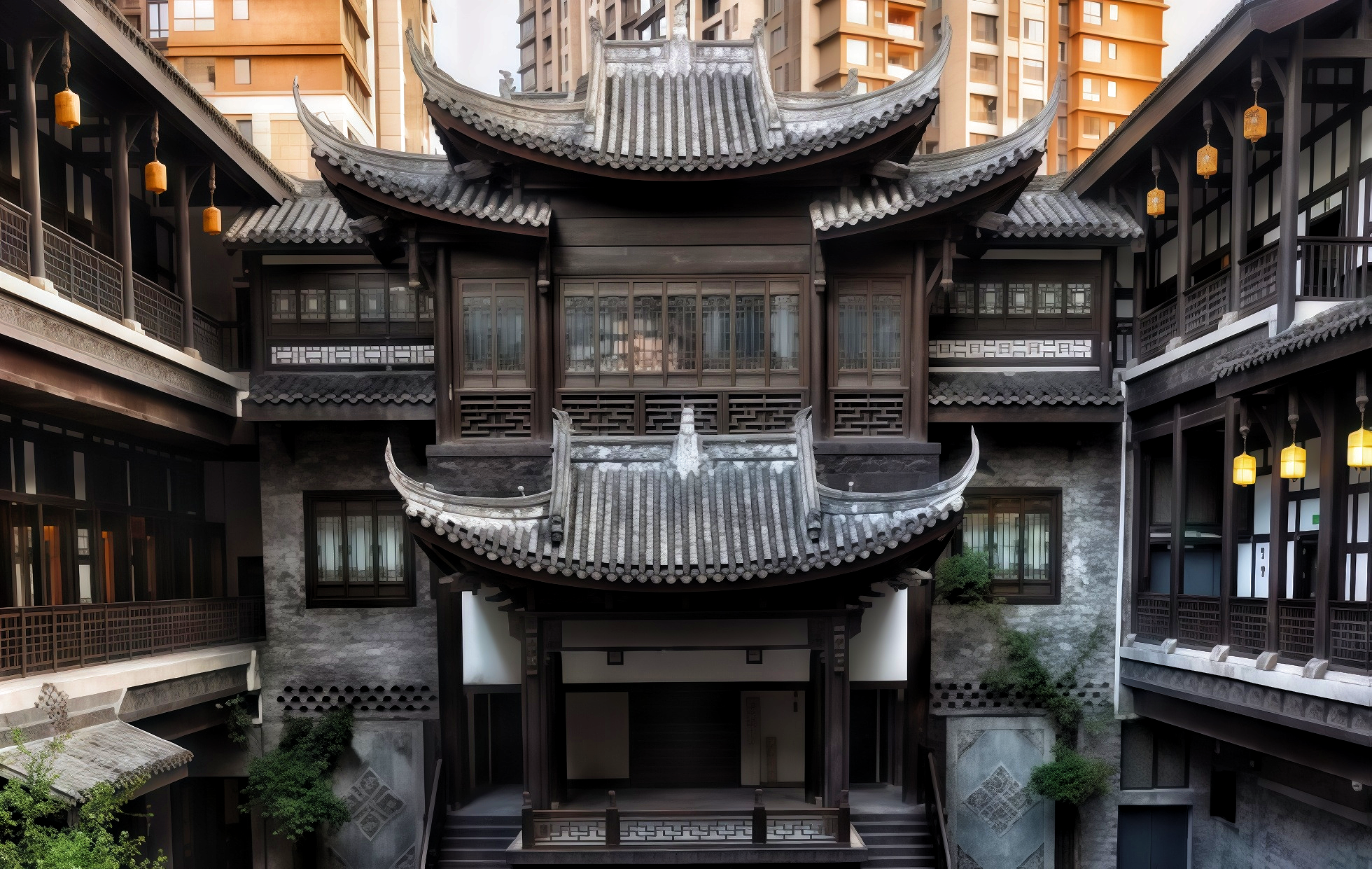
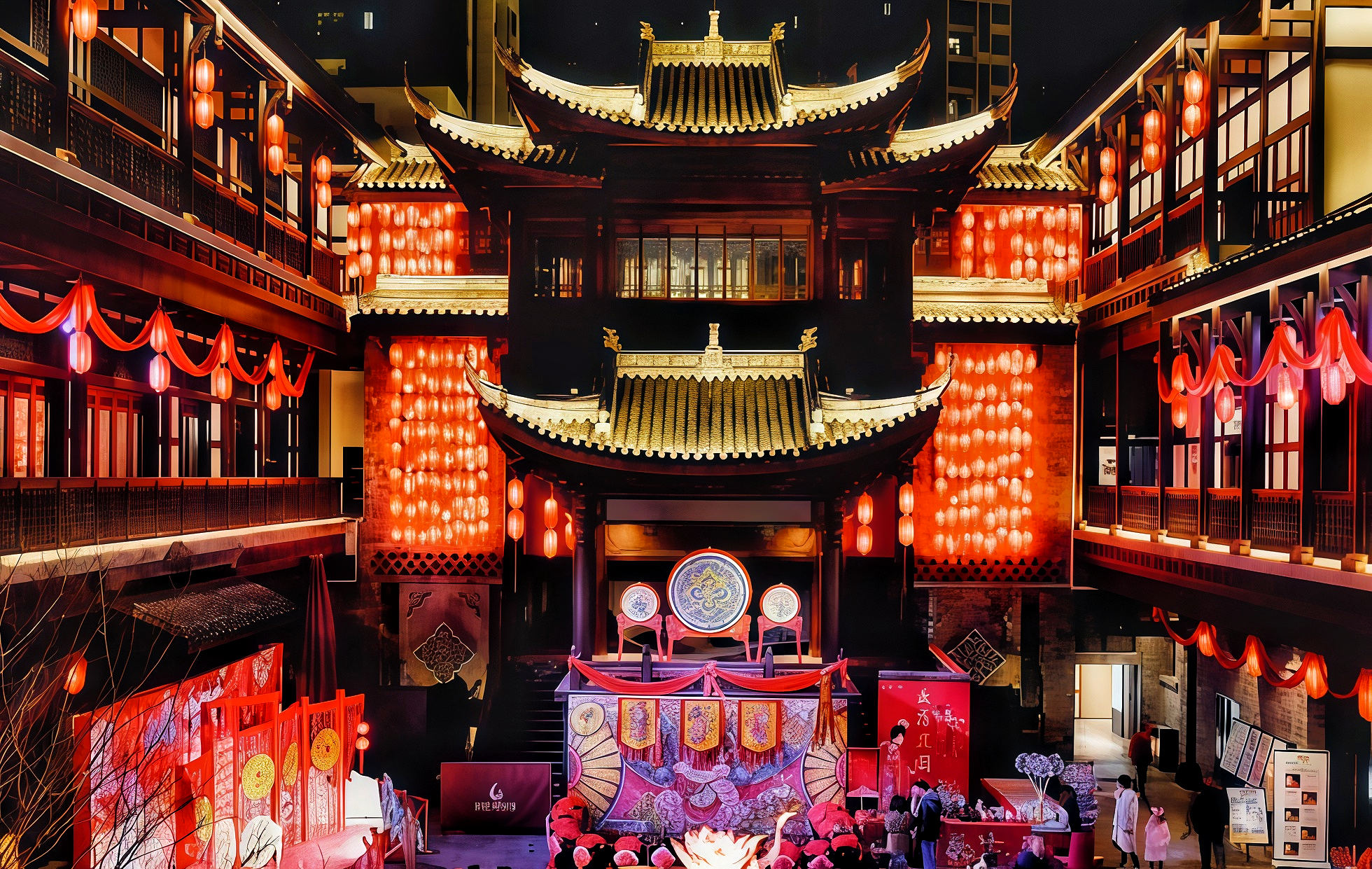
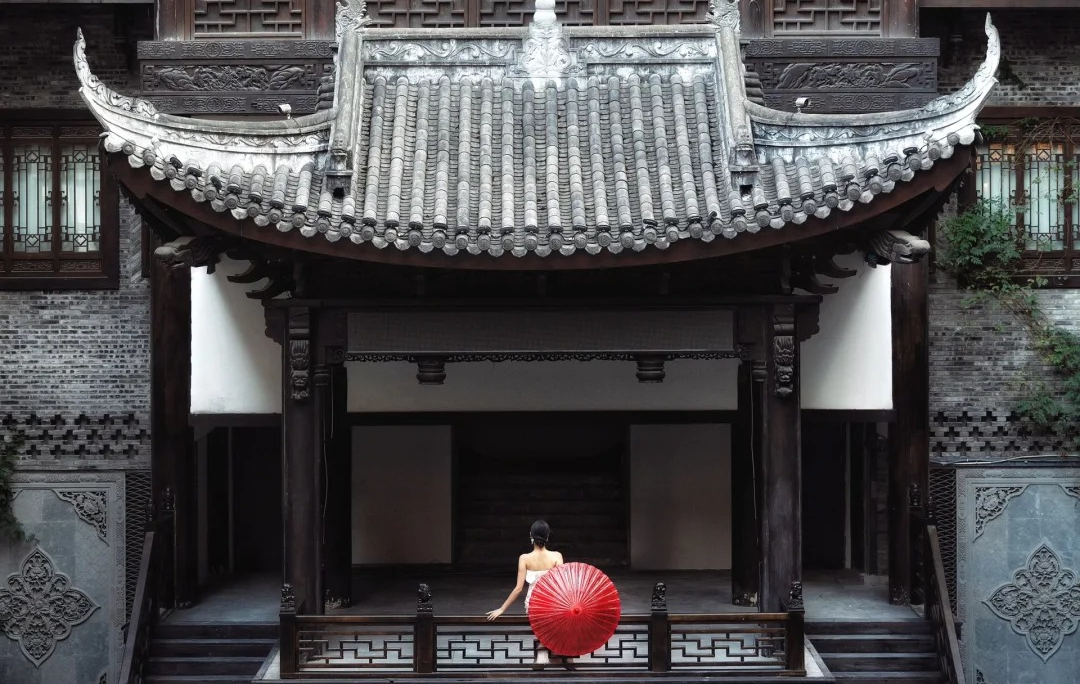
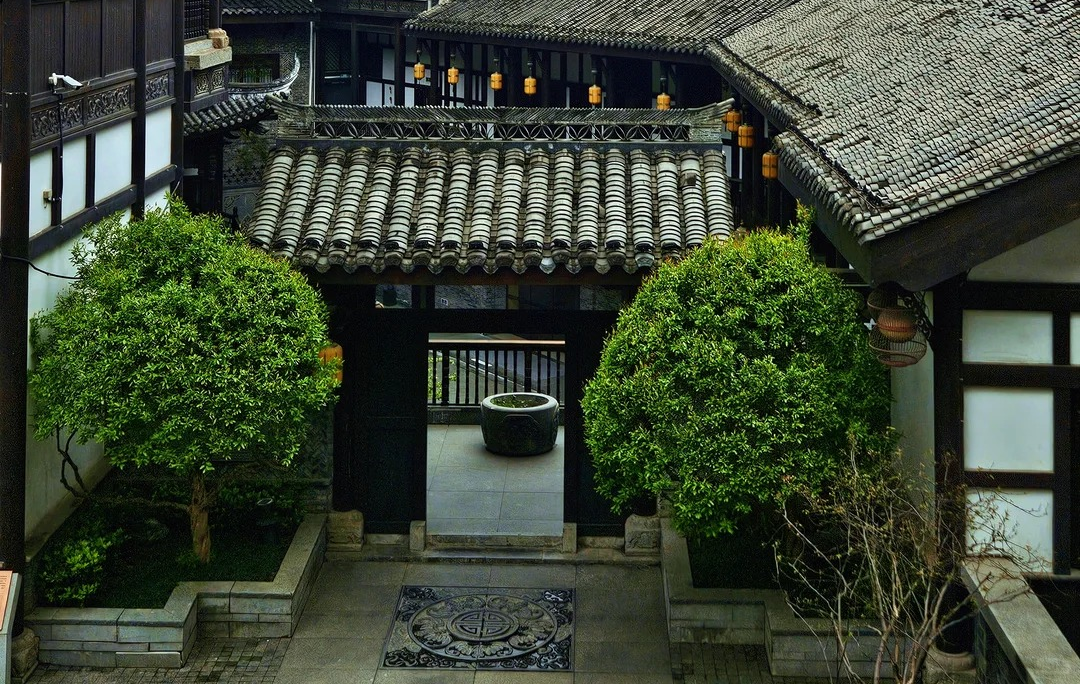
The twin stages located within the Wang Family Courtyard offer an excellent spot for photographing traditional Ba-Yu architecture, featuring richly detailed carved beams and painted pillars.
At night, try shooting upward from the lower levels of the old street to capture the layers of warm yellow lights cascading down the hillside—a scene that perfectly encapsulates the magical atmosphere of this mountain city. The scenic area is open to the public free of charge, and visitors are welcome to bring tripods for long-exposure night photography.
Cultural Footprints: An Open-Air Museum of Treaty Port Architecture
If the nine-tiered slopes serve as the skeletal structure of Danzishi Old Street, then the century-old treaty port buildings scattered throughout represent its very soul.
The French Naval Barracks: A White Sanctuary Witnessing the Tumult of the Treaty Port Era
Designated as a National Key Cultural Heritage Site, the French Naval Barracks stands as the most iconic historical structure on Danzishi Old Street. Built in the early 20th century, this pristine white European-style building once served as a military outpost for the French Far East Fleet along the upper reaches of the Yangtze River. Today, this structure—steeped in vintage European charm—has been meticulously preserved and reimagined, transforming into a contemporary cultural hub that seamlessly blends design, literature, lifestyle experiences, and gourmet desserts. Step inside, and you are greeted by a tapestry of soaring archways, weathered floor tiles, and soft natural light—a sensation akin to being instantly transported back a century to the French colonial era.
The Wang Family Courtyard: Historical Echoes of a Prominent Clan's Rise and Fall
Reconstructed on its original site, the Wang Family Courtyard stands as the largest courtyard complex within the historic Danzishi Old Street. Once the private residence of the Wang clan—a renowned and influential family in Chongqing—the estate was synonymous with the "Wanmaozheng Salt Firm," a key driving force behind the commercial prosperity that defined Danzishi in its heyday. Unusually for the region, the complex features two performance stages—one situated inside the courtyard and another outside—a rare architectural layout in Eastern Sichuan. Today, the stages host regular, free public performances of Sichuan Opera, traditional storytelling, and other folk arts, vividly recreating the lively atmosphere of yesteryear when "merchants gathered in droves and music filled the air."
The Ten Scattered Sights: Every Mile Tells a Story
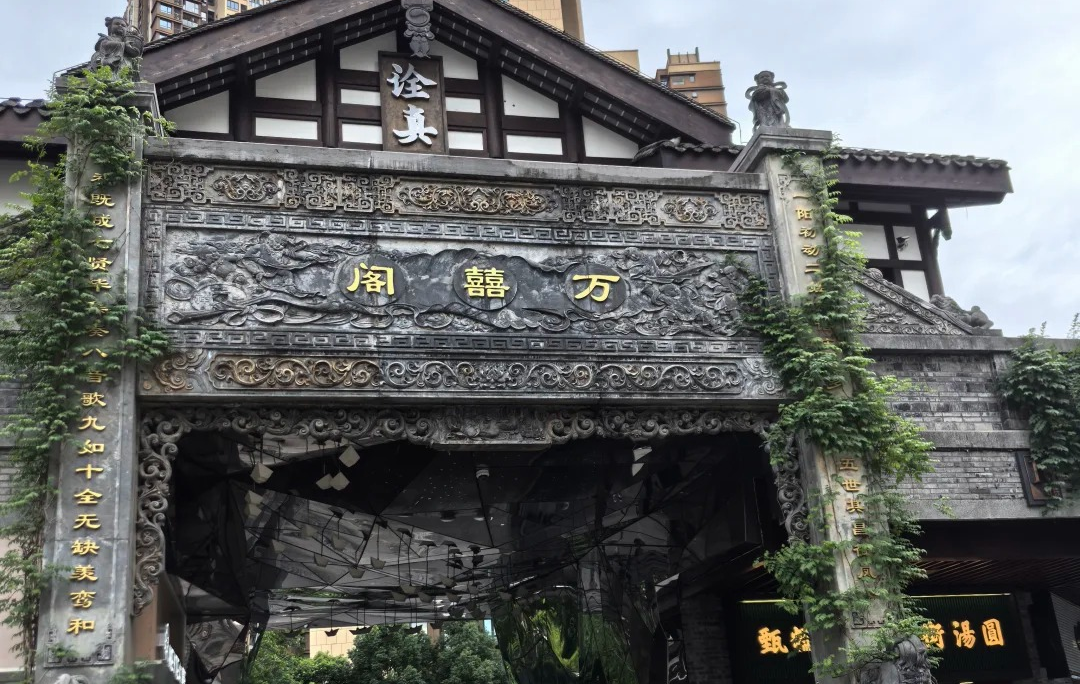
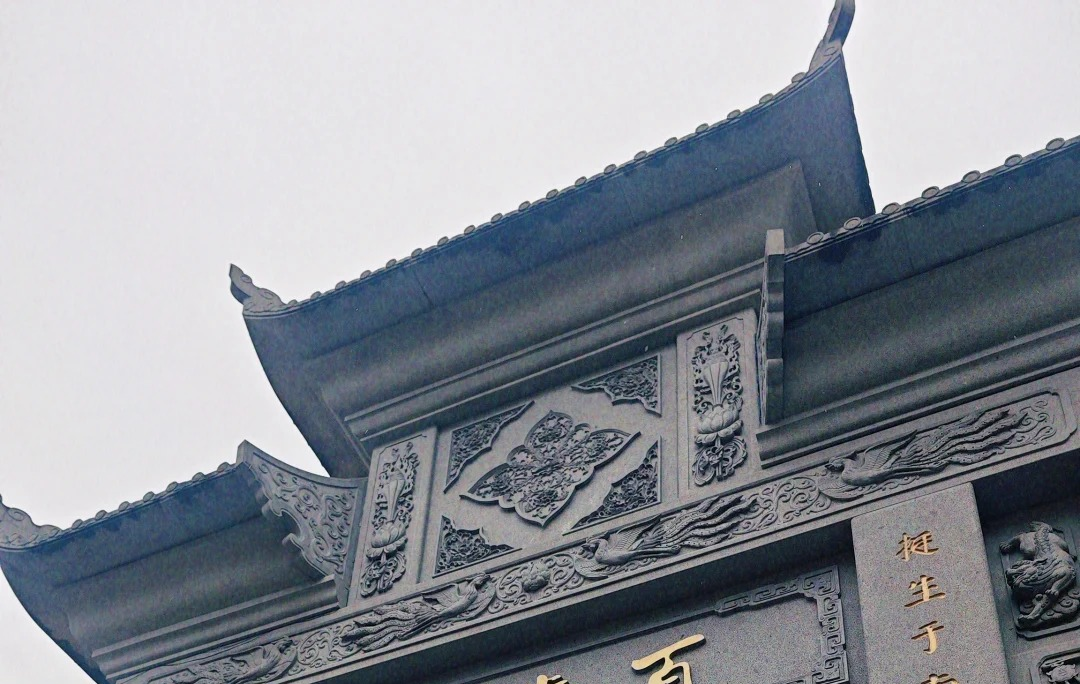
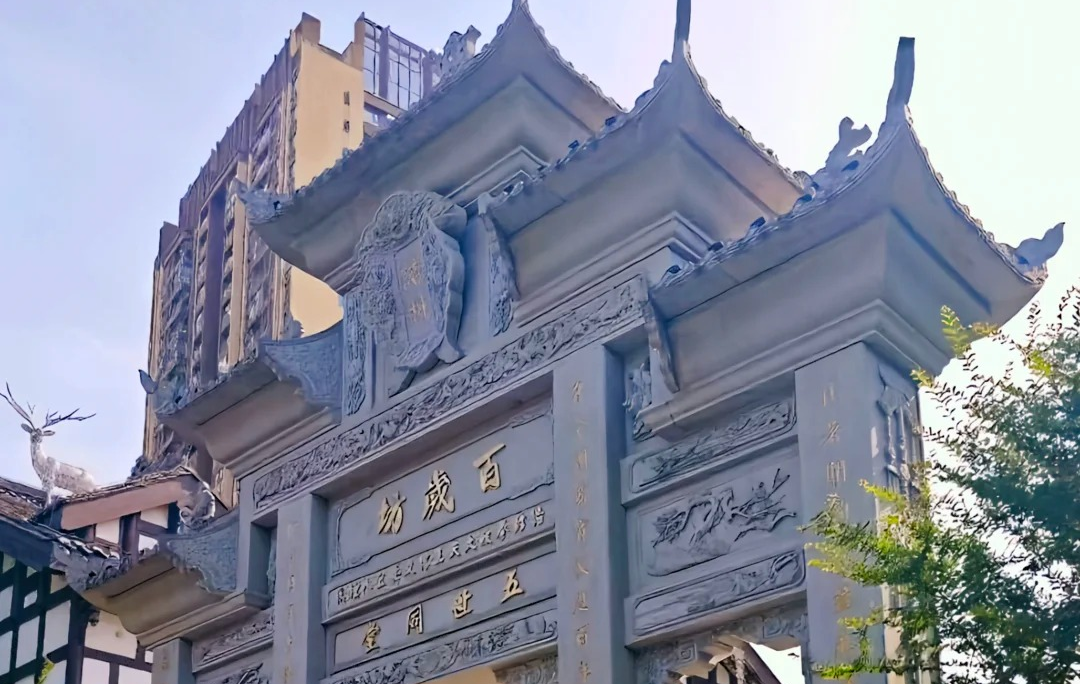
The landscape of Danzishi Old Street is structured around a distinctive framework: "One Street, Two Wharves, Four Courtyards, and Ten Sights." These "Ten Sights" are scattered like pearls along the length of the old street. The Customs Stone serves as a historical marker of the district's opening to international trade; the Centenarian Archway (Baishuifang) embodies blessings for longevity; the Qingyun Bridge spans the sloping terrain, symbolizing "rising step by step" toward success; and the Tushan Kiln stands as a microcosm of the thousand-year-old ceramic heritage of the Ba-Yu region. As you stroll through the area, you encounter a new sight roughly every mile—and behind each one lies a captivating tale of the "Mountain City" waiting to be told.
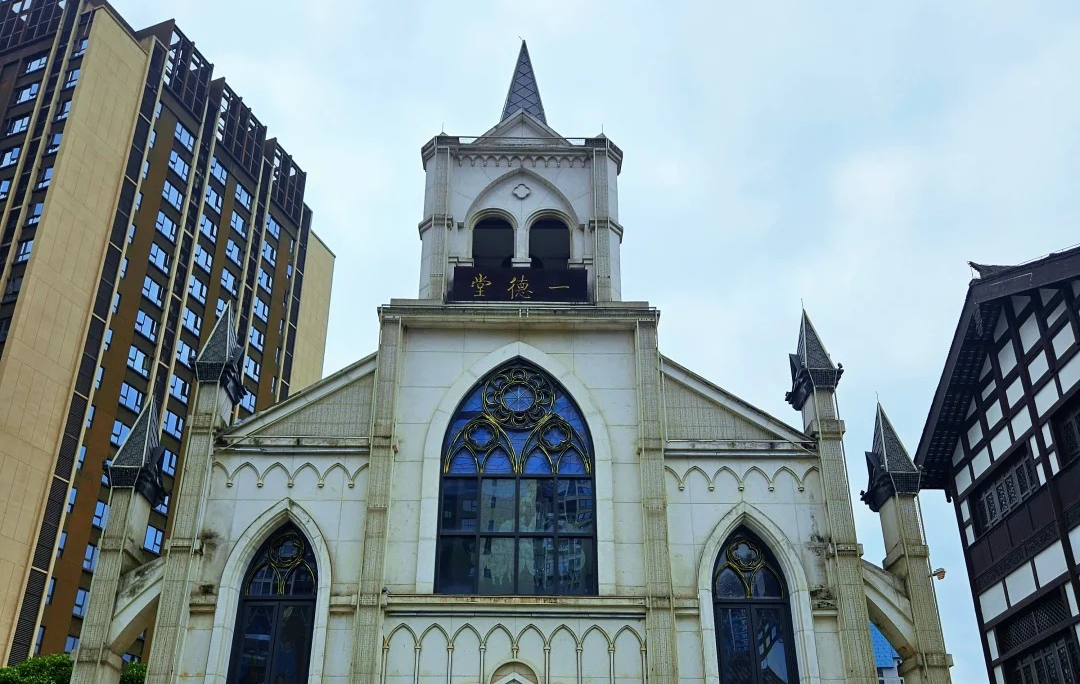
While the Xia Family Courtyard and Sun Family Garden may not rival the Wang Family Courtyard in sheer scale, they nonetheless boast exquisitely carved beams and painted rafters, exuding a profound historical aura that brings their former scenes of prosperity vividly back to life. Meanwhile, Yidetang—a century-old church—weaves Western architectural elements into the very fabric of the old street, standing as a living testament to the vibrant convergence of Eastern and Western cultures at this very spot.