

Китайская кухня: гастрономическое путешествие по регионам и ароматам
Китайская кухня - это яркий гобелен, сотканный из веков культурного обмена, географического разнообразия и кулинарных инноваций. С историей, охватывающей более 5000 лет, он отражает философию, традиции и образ жизни своего народа. Из огненных специй Сычуань к деликатному Дим Сум из Кантонская кухняРегиональные блюда Китая предлагают сенсорное приключение для путешественников по всему миру. В этом руководстве рассматриваются восемь основных кулинарных традиций Китая, менее известные региональные стили, знаковые уличные продукты и выпечка, посвященная времени, подчеркивая их историю, уникальные вкусы и культурное значение.
 The Eight Great Culinary Traditions
China’s culinary landscape is dominated by Eight Regional Schools(八大菜系), each with distinct techniques, ingredients, and philosophies. These traditions emerged during the Qing Dynasty (1644–1912) and remain cornerstones of Chinese gastronomy.
China’s culinary landscape is dominated by eight regional schools, each with distinct techniques, ingredients, and philosophies. These traditions emerged during the Qing Dynasty (1644–1912) and remain cornerstones of Chinese gastronomy.
1. Sichuan Cuisine (川菜, Chuān Cài)
History:
Rooted in the humid basins of southwest China, Sichuan cuisine evolved to combat dampness with bold flavors.
Characteristics:
· Use of málà (numbing-spicy) flavors from Sichuan peppercorns and chili oil.
· Techniques: Stir-frying, steaming, and pickling.
· Ingredients: Garlic, ginger, and fermented broad bean paste (doubanjiang).
Signature Dishes:
· Mapo Tofu (麻婆豆腐): Silken tofu in a spicy, aromatic sauce.
· Kung Pao Chicken (宫保鸡丁): Diced chicken with peanuts and dried chilies.
Notable Restaurants:
· Chen Mapo Tofu (Chengdu): A century-old institution serving the dish’s namesake.
View Sichuan Cuisine Details >>
2. Shandong Cuisine (鲁菜, Lǔ Cài)
History:
Originating in the birthplace of Confucianism, Shandong cuisine emphasizes harmony and precision, influenced by imperial court dining.
Characteristics:
· Focus on fresh seafood (e.g., crab, scallops) and mountain ingredients.
· Techniques: Braising, stewing, and deep-frying with a light hand on seasoning.
· Flavors: Mild, umami-rich, with a balance of sweet and savory.
Signature Dishes:
· Dezhou Braised Chicken (德州扒鸡): Tender chicken marinated in soy sauce and spices.
· Braised Abalone with Vegetables (葱烧海参): Luxurious sea cucumber stew.
Notable Restaurants:
· Jining Yatai Restaurant (Jining, Shandong): Famous for its imperial-style banquets.
View Shandong Cuisine Details >>
3. Cantonesse Cuisine (粤菜, Yuè Cài)
History:
Flourishing in the prosperous Pearl River Delta, Cantonese Cuisine prioritizes freshness and subtlety, reflecting Guangdong’s trade-driven openness.
Characteristics:
· Light seasoning to highlight natural flavors.
· Techniques: Steaming, poaching, and double-boiling for soups.
· Ingredients: Seafood, herbs, and exotic meats like snake or goose.
Signature Dishes:
· Dim Sum (点心): Bite-sized dumplings and buns (e.g., har gow, shrimp dumplings).
· Roast Goose (烧鹅): Crispy-skinned bird marinated in five-spice.
Notable Restaurants:
· Tim Ho Wan (Hong Kong): The world’s cheapest Michelin-starred dim sum parlor.
View Cantonese Cuisine Details >>
4. Fujian Cuisine (闽菜, Mǐn Cài)
History:
Coastal Fujian’s cuisine blends seafood with mountain herbs, shaped by maritime trade with Southeast Asia.
Characteristics:
· Sweet and sour flavors from red yeast rice and vinegar.
· Techniques: Braising and stewing in clay pots.
· Ingredients: Mushrooms, bamboo shoots, and fish maw.
Signature Dishes:
· Buddha Jumps Over the Wall (佛跳墙): A luxurious soup with abalone, shark fin, and dried scallops.
· Fuzhou Fish Balls (福州鱼丸): Chewy fish paste dumplings stuffed with pork.
Notable Restaurants:
· Anxiang Restaurant (Fuzhou): Specializes in traditional Fujian seafood dishes.
View Fujian Cuisine Details >>
5. Jiangsu Cuisine (苏菜, Sū Cài)
History:
Known as the “land of fish and rice,” Jiangsu cuisine balances sweet and savory, influenced by the Yangtze River’s bounty.
Characteristics:
· Delicate presentation and meticulous knife work.
· Techniques: Slow-cooking and red-braising.
· Ingredients: Crab, lotus root, and duck.
Signature Dishes:
· Sweet and Sour Mandarin Fish (松鼠桂鱼): Crispy fish with a tangy glaze.
· Yangzhou Fried Rice (扬州炒饭): Egg-coated rice with shrimp and peas.
Notable Restaurants:
· Liuyishou Hot Pot (Nanjing): A modern twist on Jiangsu flavors.
View Jiangsu Cuisine Details >>
6. Zhejiang Cuisine (浙菜, Zhè Cài)
History:
Zhejiang’s cuisine, divided into Hangzhou, Shaoxing, and Ningbo styles, emphasizes seasonal ingredients and poetic presentation.
Characteristics:
· Light, fresh flavors with a hint of sweetness.
· Techniques: Steaming and quick-frying.
· Ingredients: Bamboo shoots, freshwater fish, and ham.
Signature Dishes:
· Dongpo Pork (东坡肉): Braised pork belly in soy sauce and wine.
· West Lake Fish in Vinegar Gravy (西湖醋鱼): Tender carp in a tangy sauce.
Notable Restaurants:
· Louwailou (Hangzhou): A historic restaurant overlooking West Lake.
View Zhejiang Cuisine Details >>
7. Hunan Cuisine (湘菜, Xiāng Cài)
History:
Hunan’s “land of rice and fish” produces fiery dishes that rival Sichuan’s heat, with a focus on smoked and fermented ingredients.
Characteristics:
· Dry-heat cooking (grilling, smoking) and fresh chilies.
· Flavors: Sour, spicy, and smoky.
Signature Dishes:
· Chairman Mao’s Red-Braised Pork (毛氏红烧肉): Caramelized pork belly with star anise.
· Steamed Fish Head with Diced Chilies (剁椒鱼头): Spicy fish head topped with pickled peppers.
Notable Restaurants:
· Xiang Erya (Changsha): A local favorite for authentic Hunan flavors.
8. Anhui Cuisine (徽菜, Huī Cài)
History:
Anhui’s mountainous terrain shaped a cuisine focused on wild herbs, game, and preservation techniques.
Characteristics:
· Braising and stewing with ham for umami depth.
· Ingredients: Bamboo shoots, stone fungi, and ham.
Signature Dishes:
· Li Hongzhang Hotpot (李鸿章大杂烩): A hearty stew with seafood and meats.
· Stewed Soft-Shelled Turtle with Ham (火腿炖甲鱼): A nourishing dish believed to boost vitality.
Notable Restaurants:
· Huangshan Old Street Restaurant (Huangshan): Specializes in Anhui mountain delicacies.
Other Regional Cuisines
Beyond the eight traditions, China’s provinces boast unique styles shaped by geography and history.
1. Beijing Cuisine (京菜, Jīng Cài)
History:
Imperial court influences meet northern nomadic traditions in Beijing’s hearty, aromatic dishes.
Characteristics:
· Use of lamb, wheat, and strong spices like cumin.
· Techniques: Roasting and grilling over open flames.
Signature Dishes:
· Peking Duck (北京烤鸭): Crispy-skinned duck wrapped in thin pancakes.
· Zhajiangmian (炸酱面): Noodles topped with fermented soybean paste and minced pork.
Notable Restaurants:
· Quanjude (Beijing): A 160-year-old institution famous for its duck.
2.Shanghai Cuisine (上海菜, Shànghǎi Cài)
History:
Ming Dynasty rice hub, fused with Haipai global flavors post-1843 opening.
Characteristics:
Sweet-savory braises
fresh steamed seafood, umami broths.
Signature Dishes:
· Shanghai Xiaolongbao (上海小笼包): Soup-filled pork dumplings with delicate pleats.
· Shanghai-Style Braised Pork (上海红烧肉): Tender pork belly glazed in soy-sugar sauce.
· Steamed Crab with Rice Wine (清蒸大闸蟹): Hairy crabs steamed with ginger and rice wine.
Notable Restaurants:
· Lao Zheng Xing: Founded in 1862, renowned for Braised Pork and Steamed Crab.
· Shanghai Old Restaurant: A 1875 landmark for Xiaolongbao and imperial-style dishes.
3.Northeast Cuisine (东北菜, Dōngběi Cài)
History:
Harsh winters and fertile soil shaped a cuisine of hearty stews and preserved foods.
Characteristics:
· Bold flavors from garlic, vinegar, and chili.
· Techniques: Pickling and slow-cooking.
Signature Dishes:
· Dongbei Dumplings (东北饺子): Hand-rolled dumplings filled with pork and cabbage.
· Pork and Cabbage Stew (酸菜白肉): Fermented cabbage with tender pork belly.
Notable Restaurants:
· Lao Cheng Yi Guan (Harbin): A cozy spot for homemade Northeast comfort food.
4. Northwest Cuisine (西北菜, Xīběi Cài)
History:
Silk Road trade introduced spices and techniques to arid regions like Shaanxi and Gansu.
Characteristics:
· Wheat-based dishes (noodles, bread) and lamb.
· Techniques: Hand-pulling noodles and baking in clay ovens.
Signature Dishes:
· Biangbiang Noodles (biángbiáng面): Wide, chewy noodles tossed in chili oil.
· Lanzhou Beef Noodles (兰州牛肉拉面): Clear broth with hand-pulled noodles and beef.
Notable Restaurants:
· Ma Zilu Beef Noodles (Lanzhou): A legendary shop dating back to 1915.
5. Xinjiang Cuisine (新疆菜, Xīnjiāng Cài)
History:
Central Asian and Middle Eastern influences shine in Xinjiang’s grilled meats and spiced breads.
Characteristics:
· Use of lamb, cumin, and chili.
· Techniques: Skewering and grilling over charcoal.
Signature Dishes:
· Lamb Kebabs (羊肉串): Marinated lamb skewers grilled to perfection.
· Nang Bread (馕): Crispy, sesame-studded flatbread.
Notable Restaurants:
· Apetito Uyghur Restaurant (Urumqi): A must-visit for authentic kebabs and pilaf.
6. Henan Cuisine (豫菜, Yù Cài)
History:
Henan, China’s ancient capital, blends northern and southern flavors in its “central plain” cuisine.
Characteristics:
· Balanced sweet and savory profiles.
· Techniques: Steaming and braising.
Signature Dishes:
· Hu La Soup (胡辣汤): Spicy pork bone soup with mushrooms and tofu.
· Kaifeng Steamed Dumplings (开封灌汤包): Soup-filled buns that burst with flavor.
Notable Restaurants:
· First Hall Restaurant (Kaifeng): A historic venue for imperial-style Henan dishes.
Региональные уличные продукты питания и закуски
Уличная кухня Китая - это яркая мозаика вкусов, от пикантных блинчиков до сладкой выпечки.
1. Чэнду: острый и ароматный
•Чан Чуань Сян Сян() ): Скрученное мясо и овощи, приготовленные в остром бульоне.
•Чжун Дамплингс()水の ): Свиные пельмени с маслом чили и чесночным соусом.
2. Сиань: древние ароматы
•Рудзиамо() «Китайский гамбургер» с измельченной свининой в хрустящей булке.
•Лянпи() ): Холодная, жевательная лапша, брошенная в уксус и масло чили.
3. Гуанчжоу: Dim Sum и многое другое
•Ченг Фан() ): Парные рисовые рулоны, наполненные креветками или свининой.
•Тарты для яиц() ): Хлопкая выпечка с кремовым заварным центром.
4. Шанхай: сладкий и савори
•Шэн Цзянь Бао()包 НегативныйСвиные булочки с хрустящим дном.
•Сяолонгбао()包 Негативный): Пельмени, наполненные супом, из района Наньсян города.
5. Тайбэй (Тайвань): Ночной рынок
•Вонючий Тофу() ): Ферментированный тофу глубоко обжаренный и подается с маринованными овощами.
•Omelet Oyster() Хрустящий яичный блин, набитый пухлыми устриками.
Китайская выпечка и лапша
От ручной лапши до нежных лунных пирогов, выпечка Китая и блюда на основе пшеницы любимы по всей стране.
1. Лапша
•Ручная лапша() Тонкие, эластичные нити популярны в Ланчжоу и Шэньси.
•Лапша с ножом() ): Широкая, жевательная лапша нарезана прямо в кипяток.
2. Пельмени и бункеры
•Цзяоцзы() ): Отварные или паровые пельмени, наполненные мясом или овощами.
•Баози()вызывающий раздражение): Паровые булочки, набитые свининой, красной бобовой пастой или овощами.
3. Сладкие пирожные
•Лунные пироги() ): Круглая выпечка, наполненная пастой из семян лотоса или соленым яичным желтком, съеденным во время фестиваля середины осени.
•Женский торт() ): Хлопкая выпечка со сладкой зимней дыней.
4. Жареные закуски
•Ютия() Глубоко жареные палочки из теста, часто едят с соевым молоком на завтрак.
•Блинчики Scallion() Слоистые, хрустящие блинчики, приправленные зеленым луком.


Contact Us
Что говорят наши клиенты?
На основе более 10 000 отзывов путешественников

Daniel Dorothea
Canada
Reviewed on April 29,2025
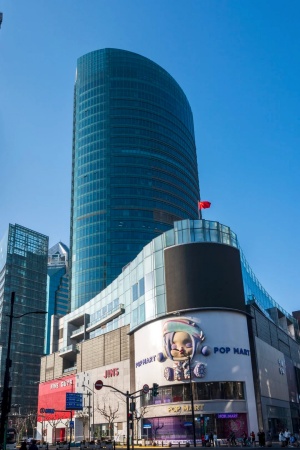
Shopping on Nanjing Road in Shanghai was just amazing! It's truly the "First Commercial Street of China", where tradition and modernity blend perfectly. You can find awesome souvenirs and experience the trendy vibes in cool stores. The neon lights at night are just spectacular, shining bright like Times Square in New York. The food here is incredible too. I had a feast for my taste buds. Shanghai, I'll definitely be back!
Destination(s):
Shanghai
Date of
Experience:
May 08,2024

Elvis Eva
Canada
Reviewed on June 20,2025
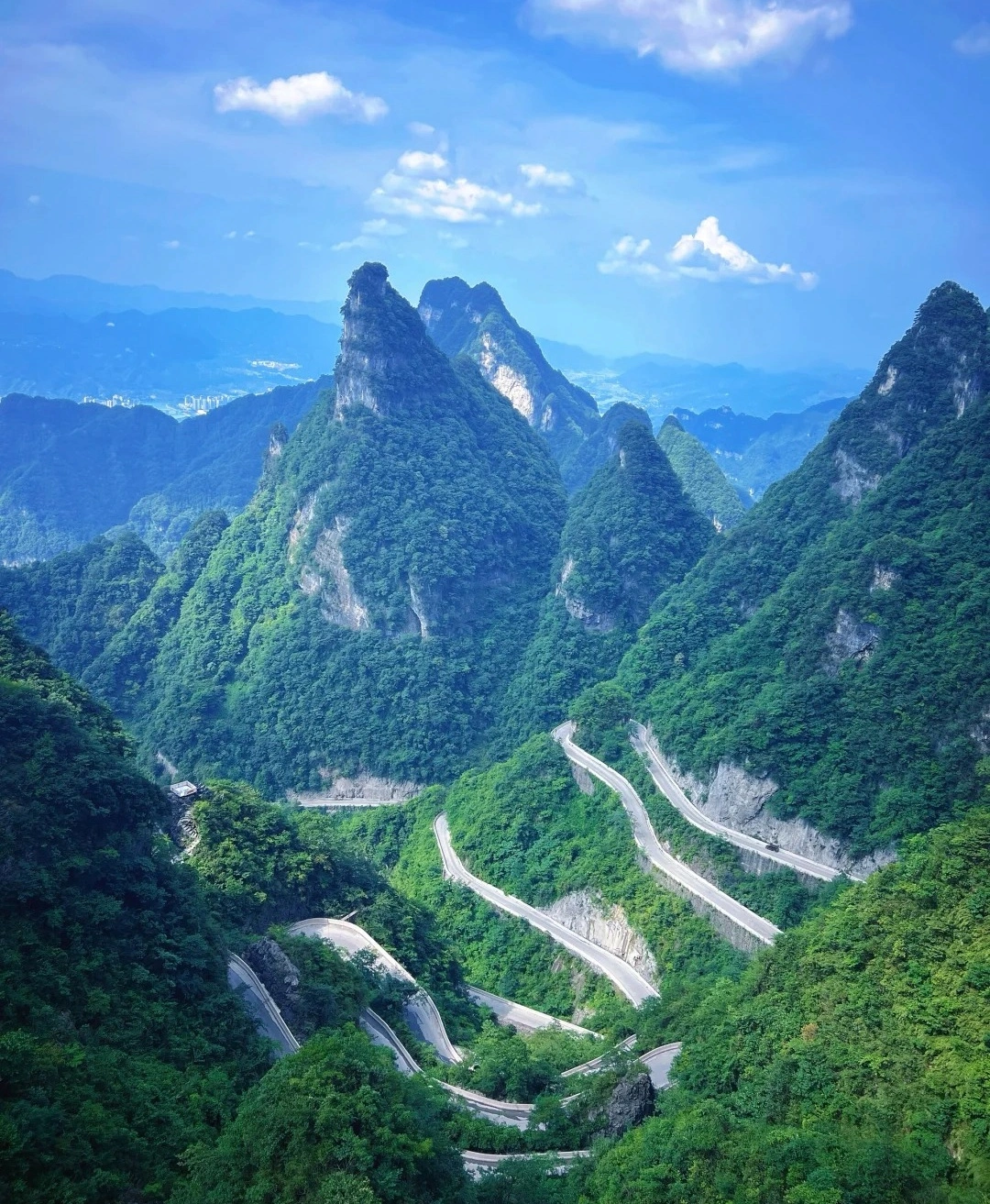
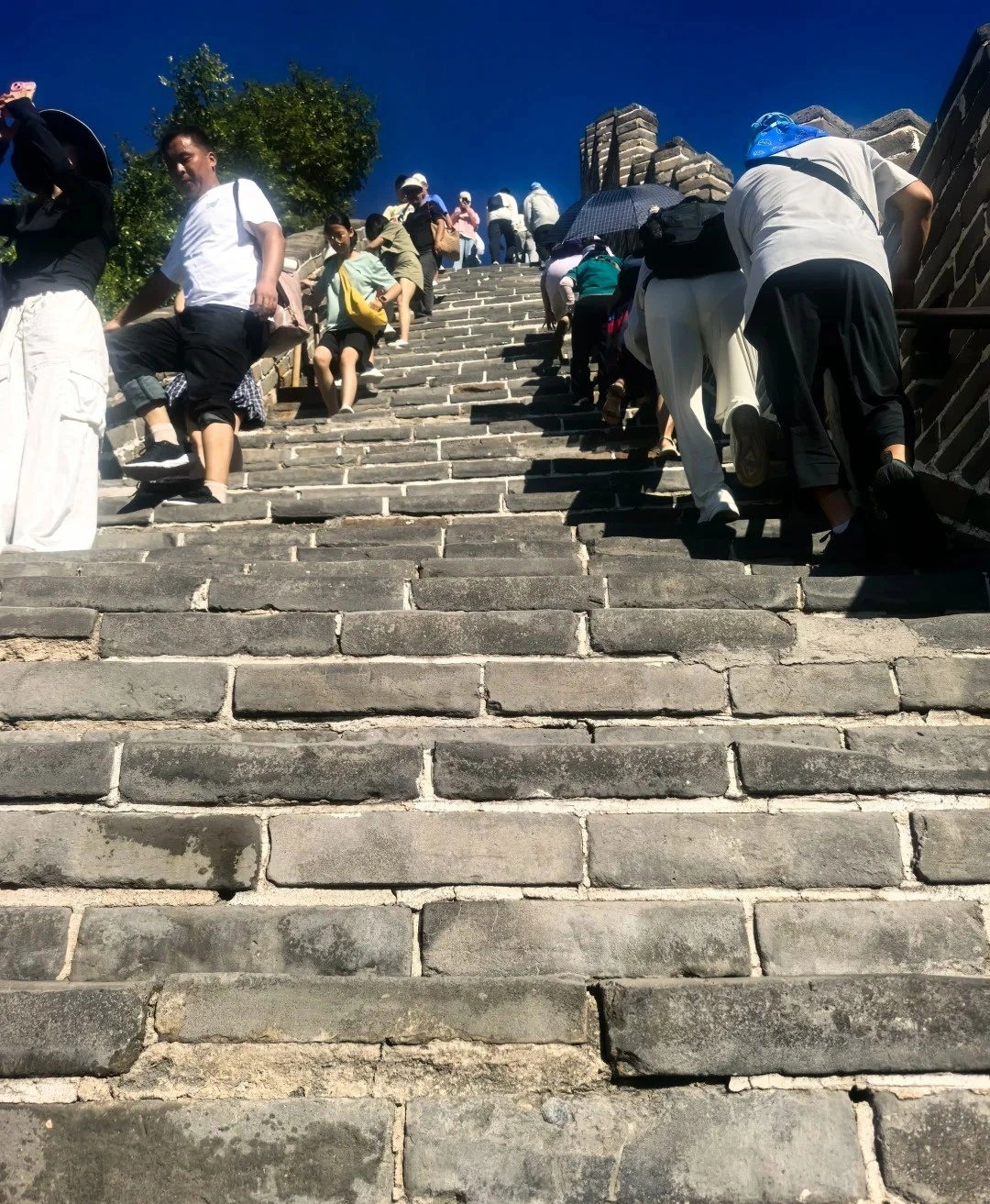
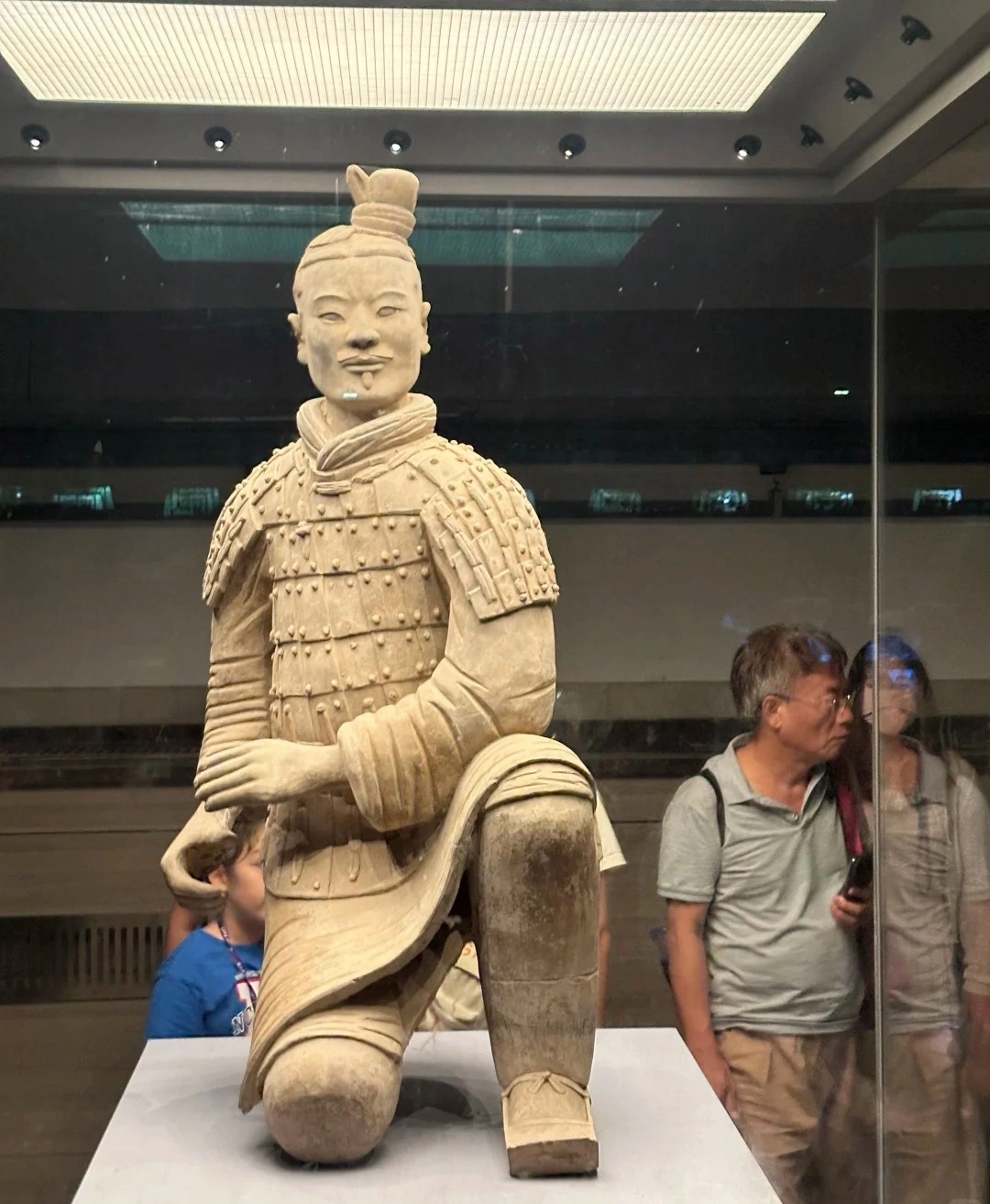
As a solo traveler from Canada, I was nervous about navigating China alone—but this 11-day tour was PERFECT! From hiking the Great Wall at sunrise (Day 3) to gasping at the Terracotta Army (Day 5), every day delivered ‘pinch-me’ moments. The real showstopper? Zhangjiajie’s Avatar Mountains (Day 7)! Our guide made the stone pillars come alive with stories.
Massive thanks for handling all logistics—bullet train tickets, entry passes, car! And the 4-star hotels surprised me.
Destination(s):
Beijing Xian Zhangjiajie Shanghai
Date of
Experience:
June 02,2025

Simon
America
Reviewed on May 29,2025
Our 2-day Zhangjiajie tour was beyond spectacular! As someone who’s visited Beijing and Shanghai for work, this trip revealed China’s wild, magical heart. Day 1 in Zhangjiajie National Forest Park felt like stepping onto Pandora—I’m a huge Avatar fan, and Yuanjiajie’s floating peaks left me breathless. The misty pillars and lush valleys like pure movie magic!
Then came Fenghuang Ancient Town, we eat dinner beside the thundering waterfall. It seems Unreal! The night views of stilt houses glowing over the river were straight from a fairy tale.
For fellow Avatar lovers and adventure seekers: Don’t miss this bucket-list experience! 10/10 would return.
A Well-Traveled Film Buff, May 2025
Destination(s):
Zhangjiajie
Date of
Experience:
May 08,2025