هان


المجموعات الإثنية
توزيع السكان
1 من أنماط التركيز الإقليمية
الأقليات العرقية للصين وتظهر أنماط تركيز إقليمية متميزة شكلتها الهجرة التاريخية والبيئات الجغرافية والتقاليد الثقافية. المنطقة الشمالية الغربية، بما في ذلك Xinjiang ويسكن معظم سكان أويغور، وكازاخستان، ومقاطعة غانسو، منطقة أويغور المتمتعة بالحكم الذاتي، وسكان قيرغيزستان. المنطقة الجنوبية الغربية، التي تشمل يونان، Guizhouو Sichuan وتستضيف المقاطعات أكثر من 25 مجموعة إثنية مثل يي، وباي، وهاني، وداي. The northeastern provinces of Liaoning, Jilin, and Heilongjiang هي موطن لمانشو، الكوري، ومجتمعات هزين. منطقة التبت المستقلة تقريبا Tibetanوفي حين تأوي منطقة منغوليا الداخلية السكان المنغوليين. والمقاطعتان الساحليتان مثل غوانغسي وهاينان هما الأقليات زوانغ ولي على التوالي.
2 الإحصاءات الديمغرافية
According to the 2020 national census, ethnic minorities constitute 8.89% of China's total population (1.25 billion). وتشمل أكبر المجموعات ما يلي:
·زوانغ (19.56 مليون)
·Hui (11.38 million)
·Manchu (10.42 million)
·أوغور (11.77 مليون)
·Miao (9.43 million)
·Yi (9.83 million)
·Tujia (9.29 million)
·Tibetan (7.06 million)
·منغوليا (6.29 مليون)
·دونغ (3.09 ملايين)
3 التوسع الحضري
While most minorities traditionally reside in rural areas, rapid Urban has seen significant migration to cities. الأقليات الإثنية السكان في المقام الأول - المدن الأضعف بيجين.. شنغهايو Guangzhou وقد نما بنسبة 42 في المائة منذ عام 2010، حيث وجد الكثير من العمال في قطاعات الصناعة التحويلية والخدمات والثقافة.
 المجموعات الإثنية الرئيسية
1 Zhuang
·السكان: 19.56 مليون
·المناطق: Primarily Guangxi Zhuang Autonomous Region, parts of Yunnan and Guangdong
·الأسرة اللغوية: تاي كاداي
·الأثر الثقافي: Known for bronze drum culture, multi - part polyphonic sing (Balli), and traditional festivals like the March 3rd Flower Festival.
2 Hui
·السكان: 11.38 مليون
·المناطق: Ningxia Hui Autonomous Region, Gansu, Qinghai, Henan
·الأسرة اللغوية: لهجات صينية تحمل كلمات القرض العربية/البيرسية
·الأثر الثقافي: Practicing Islam with distinctive Chinese characteristics,known for culinary contributions (halal food) and structure (mosques with pagoda roofs).
3 Uyghur
·السكان: 11.77 مليون
·المناطق: Xinjiang Uyghur Autonomous Region
·الأسرة اللغوية: Turkic
·الأثر الثقافي: Nomadic heritage, 12 muqam musical tradition, and unique textile arts like atlas silk.
4 Tibetan
·السكان: 7.06 مليون
·المناطق: Tibet Autonomous Region, Qinghai, Sichuan, Gansu, Yunnan
·الأسرة اللغوية: Tibetan
·الأثر الثقافي: Vajrayana Buddhism, epic poetry (King Gesar), and traditional medicine.
5 منغوليا
·السكان: 6.29 مليون
·المناطق: Inner Mongolia Autonomous Region, Liaoning, Jilin, Heilongjiang
·الأسرة اللغوية: Mongolic
·الأثر الثقافي: Horseback culture, long - song vocal tradition, and Naadam Festival (wrestling, archery, horse racing).
التراث التاريخي والثقافي
1 حضارات قديمة
Many minority groups trace their origins to Old civilizations:
·مملكة ديان (يونان): Ancestors of the Yi, Bai, and Hani peoples
·إمبراطورية شيونغنو (منغوليا): Predecessors of modern Mongolians
·Nanzhao Kingdom (Yunnan): Forebears of the Bai and Yi
2 Cultural Exchange
The Silk Road facilitated cultural exchanges between Han Chinese and minorities:
·إدخال البوذية إلى التبت عن طريق سلالة تانغ - التيبت
·التأثيرات الإسلامية في ثقافات هوي وأوغور من خلال تجارة آسيا الوسطى
·اعتماد مزارعي زوانغ وداي للتقنيات الزراعية في هان
3 جهود الحفظ
وأنشأت الصين 15 منطقة وطنية للحماية الإيكولوجية الثقافية:
·Gulin Yunnan: Preservation area for Bai structure and Three - Course Tea ce
·شيانغ المستقل Prefecture: Protection of Qiang watchtowers and leather - drum dance
·Xishuangbanna: Safeguarding of Dai Bamboo Buildings and Water - Splashing Festival
المعتقدات الدينية
1 Indigenous Religions
·Shamanism: Practiced by Manchu, Oroqen, and Ewenki peoples, involving animal totems and spirit mediation
·Bimoism: Yi traditional religion combining ancestor worship and natural deity veneration
·Dongbaism: Naxi Old religion with pictographic scripture and naturerites
2 World Religions
·البوذية: Tibetan Buddhism dominant in Tibet, Mongolia, and parts of Yunnan
·الإسلام: Hui, Uyghur, Kazak communities practicing Sunni Islam with Chinese characteristics
·المسيحية: Li, Jingpo, and Korean minorities with Protestant communities
3 ممارسات ساكنة
Many traditions blend indigenous beliefs with major religions:
·أقراص أجداد مياو مقترنة بديانات داوا
·طقوس الشامانية الكورية التي تضم عناصر كونفوشية
·يوغور صوفي يأمر بدمج السخرية الإسلامية مع الموسيقى الشعبية في آسيا الوسطى
اللغات والفقه
اللغات والفقه
1 أسرة لغوية
الأقليات الصينية تتحدث اللغات من خمس عائلات رئيسية:
·Sino - Tibetan: Yi, Naxi
·Altaic: Mongolian, Manchu, Korean
·Austro - Tai: زوانغ داي Bouyei
·تركية: Uyghur, Kazakh, Kyrgyz
·Indo - European: Tajik (Pamir languages)
2 نظام الكتابة
·Pictographic: Dongba script (Naxi)
·العربية - القائمة: Xiao'erjing (Hui Muslim script)
·Indic - derived: Tibetan script
·أمريكا اللاتينية: Zhuang script (1955 reform)
·تاريخي: Manchu spiritual script
3 - حفظ اللغات
وتعمل الصين 123 محطة إذاعية للأقليات - وتنشر 000 4 عنوان سنوياً في نصوص الأقليات. The Mongolian language has 7 regional dialects with standardized orthography.
الجمارك التقليدية
1 ممارسات الزواج
·الزواج المشي (موسو)نظام الزيارات بدون مراسم رسمية
·Bride - Wealth (Dai)عائلة (غروم) تقدم الفضة لعائلة العروس
·الراهبة - التبادل (Mongol):: تحالف الزواج من خلال تبادل الأشقاء
·Loving Songs (Zhuang): المحكمة من خلال الغناء التقليدي
2 Funeral Rites
·Sky Burial (Tibet): Ceremonial offering to vultures in accordance with Buddhist beliefs
·تري بوريال (جيو يي): التنسيب في أشجار الهالو مع أقراص أسلاف
·دفن الحريق (إفينكي): Cremation in reindeer - skin wrapped bundles
3 Taboo Systems
·Uyghur: Prohibition of pork and alcohol during Ramadan
·Miao:: فرض قيود على الصافرة في الليل لتجنب استدعاء الأرواح
·Daurحظر قتل الغربان كرسل للسماء
المهرجانات الإثنية
الاحتفالات الرئيسية
·ماء - مهرجان السقوط (داي): April 13 - 15, Yunnan
·مهرجان نادام (Mongol): July 11 - 13, Inner Mongolia
·مهرجان شعلة (ي): June 24, Sichuan/Yunnan
·مهرجان كوربان (هوي): التاريخ يختلف حسب التقويم الإسلامي
·New Rice Festival (Jingpo): October, Yunnan
2 الأنشطة المهرجانية
·الحصان: Mongolian Naadam, Tibetan Gyalpo Losar
·سفينة التنين: Miao Dragon Boat Festival (different from Han version)
·حريقYi Torch Festival, Wa Fire - God Festival
·شركة لوشنج: Miao New Year celebrates
·Eagle Festivals: Kazak Golden Eagle Festival (October, Xinjiang)
المؤسسات التقليدية
1 من طراز Headwear
·Tibetan: Golden Hat (Puba) for monks, Fox - fur bomb (Baima) for nomads
·Uyghur: Embroidered Doppa caps with regional patterns
·Miao: Silver - horned headdresses (1 - 2kg silver ornaments)
·يي: Black turban with red tassels (male) / Embroidered veil (female)
2 المنسوجات
·Aizome: Indigo - dyed cloth of Bouyei and Dong peoples
·أطلس سيلك: حرير يوغور مع الأنماط الأرضية
·Brocade: Zhuang "Cloud - pattern" brocade (Guangxi)
·Shu Embroidery: Miaopo (Miao) silver - thread embroidery
3 انضمام
·أحزمة فضية"مياو"
·Tbetan Amulets: Prayer wheels and turquoise - inlaid pendants
·Hemp Bags: ناقلات معدات الصيادين التقليدية
·Knife Sheaths: Kazakh male ceremonial accessories
الفنون والحرف
1 موسيقى ورقص
·Kuangtongdi: Yi multi - part vocal music (UNESCO Intangible Heritage)
·Horse - head Fiddle: Mongolian traditional instrument (Morin khuur)
·Lusheng: Miao bamboo reed pipe ensembles
·اثنا عشر مقام: دورة الموسيقى الكلاسيكية
·الصليب: Manchu "Xiangsheng" Comedy dialogues
2 Visual Arts
·طلاء تانغكاTbetan Buddhisll art
·Naxi Pictographs: Dongba hieroglyphic manuscripts
·Bai Marble Carvings: Dali stone sculpture tradition
·Miao Silverware: Filigree jewel techniques
·Kazak Animal Art: Felt - rug designs with hunting scenes
3 Architectural Styles
·Diaojiaolou: Zhuang stilt houses (Guangxi)
·يوت: Mongolian portable felt dwellings
·بيوت بامبو: Dai stilt structures (Xishuangbanna)
·مزارع التبت: ستون - بناء منازل بأعمدة الصلاة
·Tujia Granaries: Wooden structures on stilts (Hunan)
السياحة الإثنية والمواقع الثقافية
1 UNESCO World Heritage Sites
·Potala Palace: Tibetan Buddhist architectural marvel
·بلدة ليجيانغ القديمة: Naxi cultural hub
·Dazu Rock Carvings:: الفن البوذي/الطوفي/الدائني
·جنوب الصين: Miao/Yi/Zhuang villages
·مدينة كاشغار القديمة: Uyghur Silk Road heritage
2 Cultural Festivals
·International Tourism Festival of Yunnan: Ethnic uniform parade
·Inner Mongolia Grasland Culture Festival: Naadam competitions
·Guizhou Ethnic Song and Dance Festival: Miao/Dong performances
·Xinjiang Silk Road Culture Expoالمعارض أويغور/كازاك
·Gansu Silk Road International مهرجان السياحة: Tibetan/Hui displays
3 أماكن مكدسة
·جبل تاي: Bon religion pilgrimage site (Qinghai)
·Jokhang Temple: Tibetan Buddhist pilgrimage center
·طريق الحج الإسلامي: من زيان إلى مكة
·Miao Sacred Forests: Nature worship locations (Guizhou)
·Evenki Reindeer Totems: Siberian taiga sacred sites
الهندسة المعمارية والتراثية
1 هيكل المحفوظات
·دير التبت: Drigung Til Monastery (rock - hewn chambers)
·Mosques Uyghur: Id Kah Mosque (Kashgar) with minaret bazaars
·منغوليا: الكارونات الحجرية للعبادة الجبلية
·Dai Temples: Manting Temple (Xishuangbanna) with multi - tiered roofs
·برج زوانغ درام: Sanjiang Dong Drum Tower (27 - tier pagoda)
2 Totems and Emblems
·تيبيتان سنو ليون: رمز القوة والنقاء
·Mongolian Soyombo: النار، الشمس، القمر، ورمز المثلث
·Miao Butterfly Mother: Ancestral deity in silver jewelry
·داي بيكوكطير مقدس في المعبد
·Yi Tiger Totem: رمز الحماية في أنماط المواهب
3 المتاحف الوطنية لحجم التكاليف
·متحف الصين العرقي: Beijing exhibition of 56 ethnic uniforms
·متحف يونان العرقي: Dali textile preservation center
·معرض شينجيانغ سيلك: Uyghur/Kazak attire displays
·Guizhou Miao Silver Museum: مجموعة مجوهرات كايلي
·Inner Mongolian Costume Instituteحلقات العمل التقليدية للتصميم
ويسلط هذا الاستعراض الشامل الضوء على التنوع الملحوظ داخل الأقليات العرقية في الصين، مما يدل على مساهماتها في التراث الثقافي العالمي. تقاليد كل مجموعة فريدة تستمر في الازدهار في جهود التحديث في خضمها، تقديم شهادات المعيشة لقابلية البشرية الخلاقة للتكيف عبر آلاف السنين.
Contact Us
ماذا يقول عملاؤنا؟
استند إلى أكثر من 10000 تعليق من المسافرين

Daniel Dorothea
Canada
Reviewed on April 29,2025
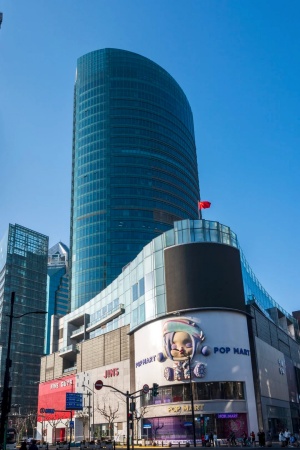
Shopping on Nanjing Road in Shanghai was just amazing! It's truly the "First Commercial Street of China", where tradition and modernity blend perfectly. You can find awesome souvenirs and experience the trendy vibes in cool stores. The neon lights at night are just spectacular, shining bright like Times Square in New York. The food here is incredible too. I had a feast for my taste buds. Shanghai, I'll definitely be back!
Destination(s):
Shanghai
Date of
Experience:
May 08,2024

Elvis Eva
Canada
Reviewed on June 20,2025
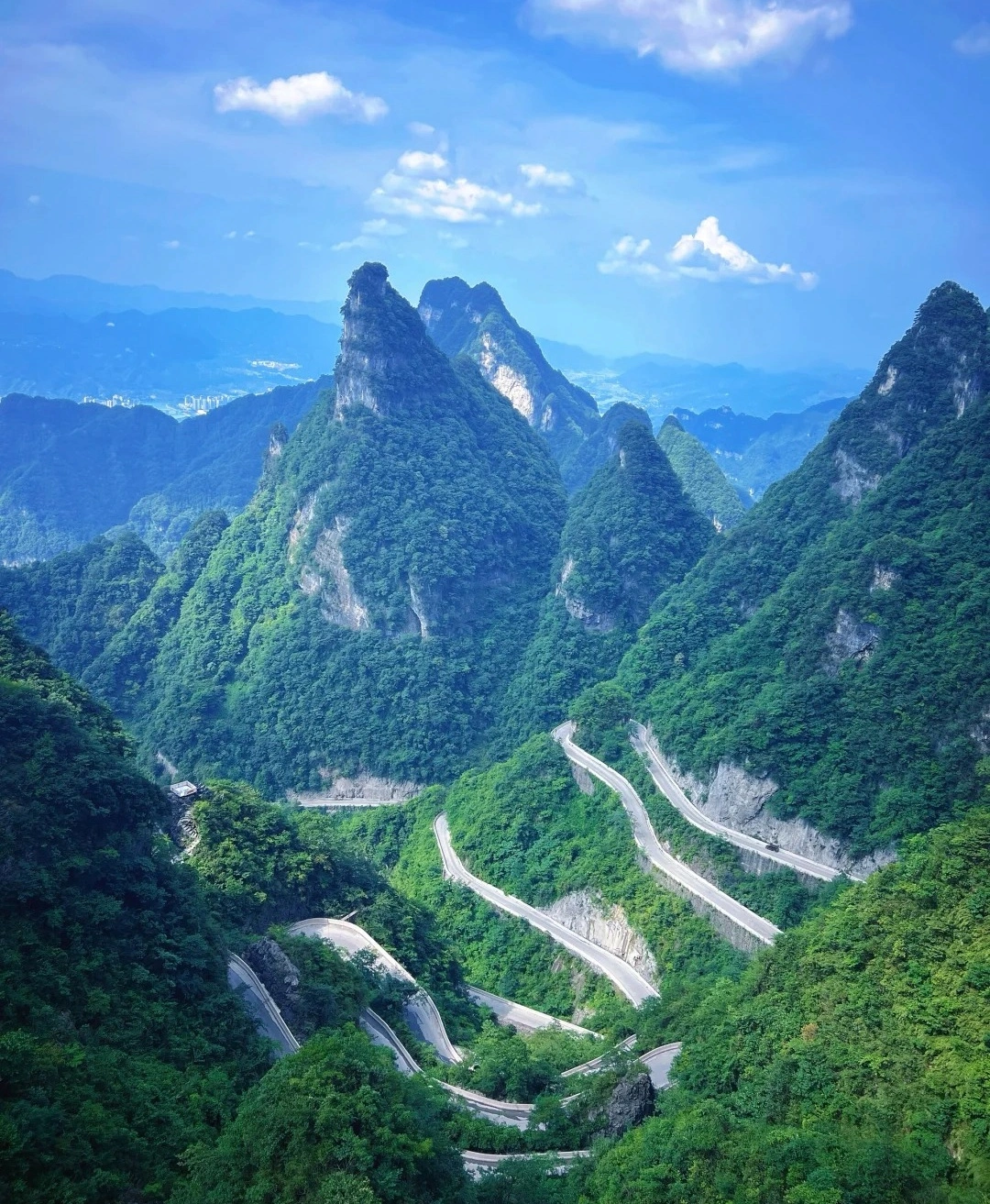
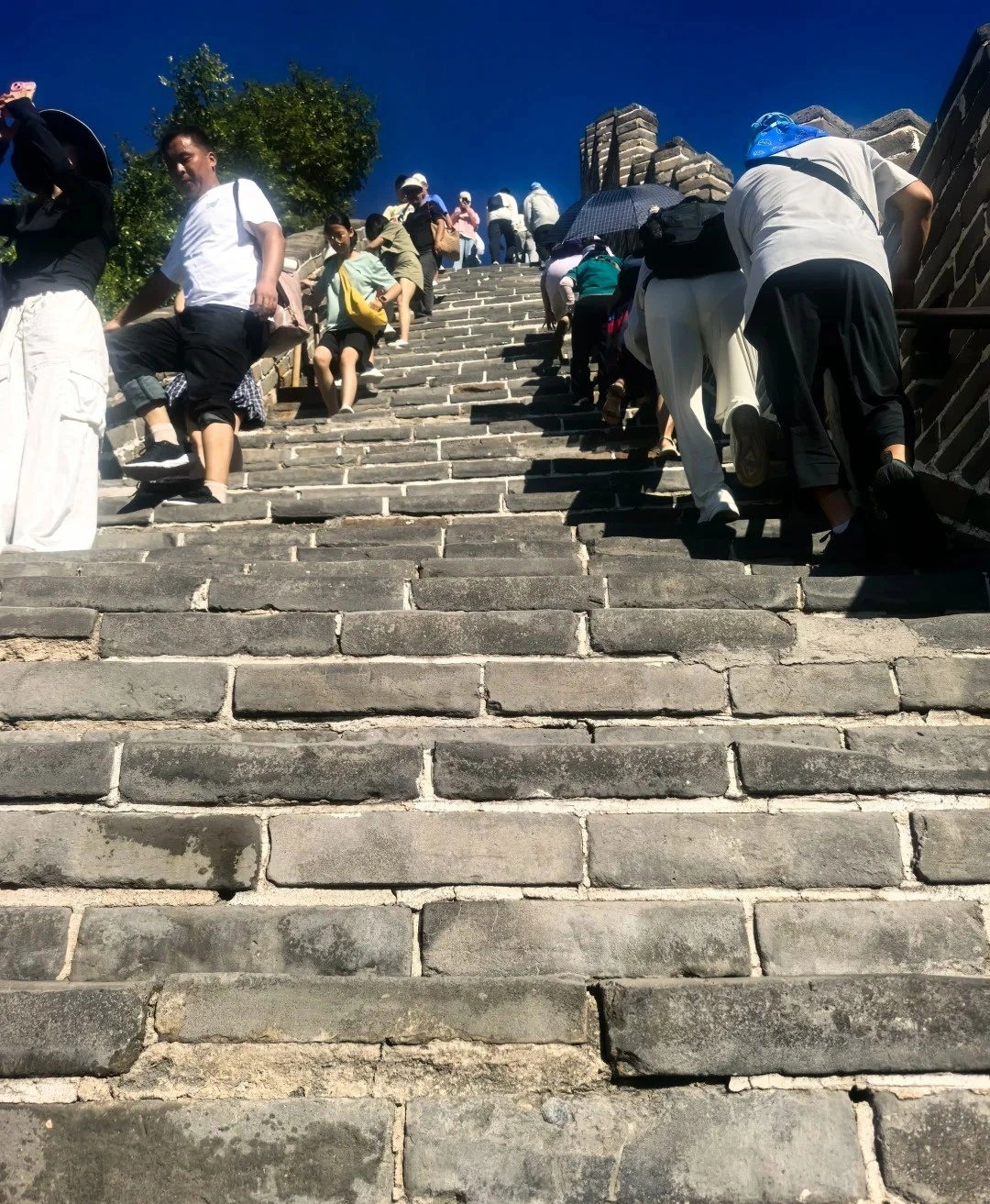
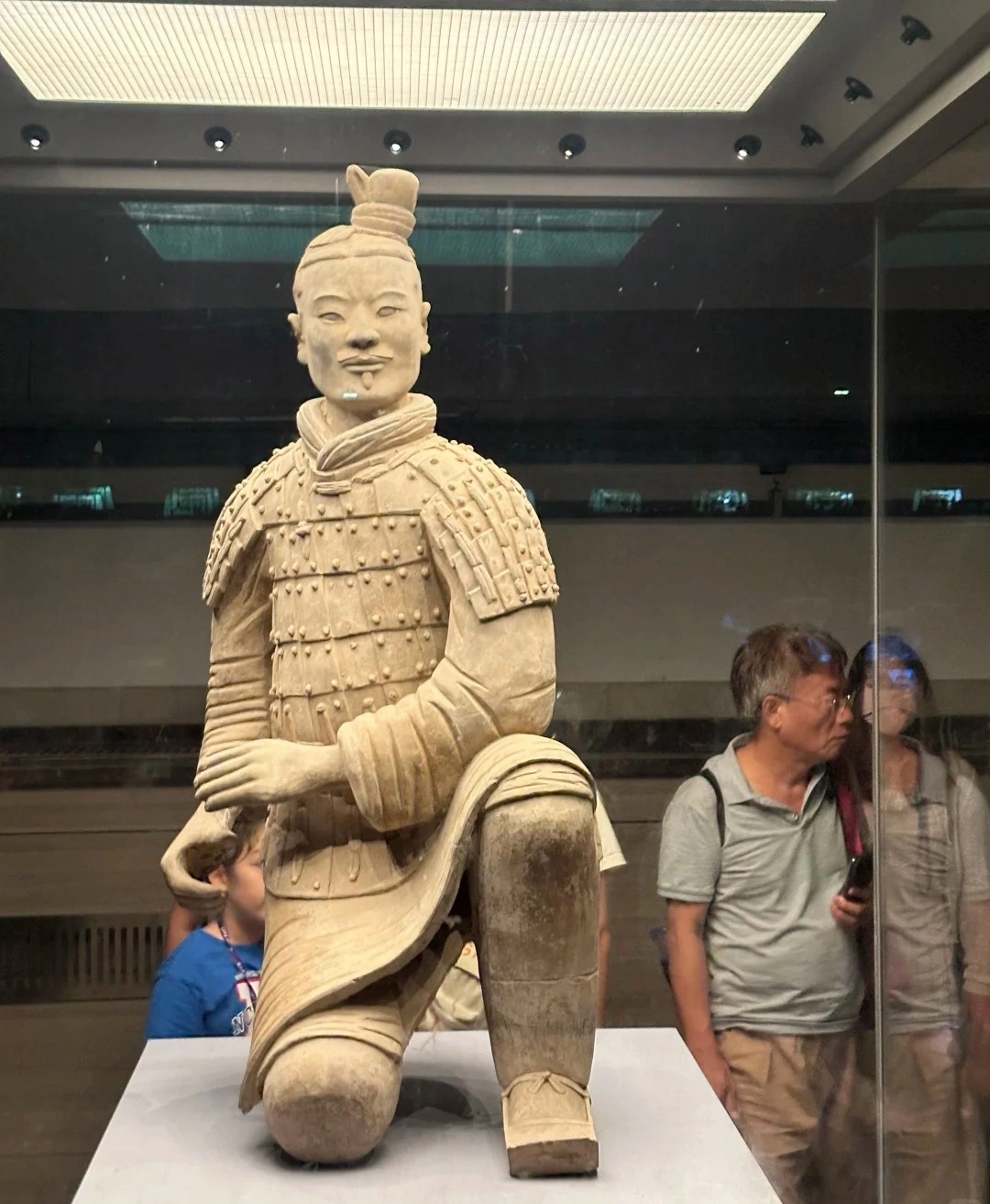
As a solo traveler from Canada, I was nervous about navigating China alone—but this 11-day tour was PERFECT! From hiking the Great Wall at sunrise (Day 3) to gasping at the Terracotta Army (Day 5), every day delivered ‘pinch-me’ moments. The real showstopper? Zhangjiajie’s Avatar Mountains (Day 7)! Our guide made the stone pillars come alive with stories.
Massive thanks for handling all logistics—bullet train tickets, entry passes, car! And the 4-star hotels surprised me.
Destination(s):
Beijing Xian Zhangjiajie Shanghai
Date of
Experience:
June 02,2025

Simon
America
Reviewed on May 29,2025
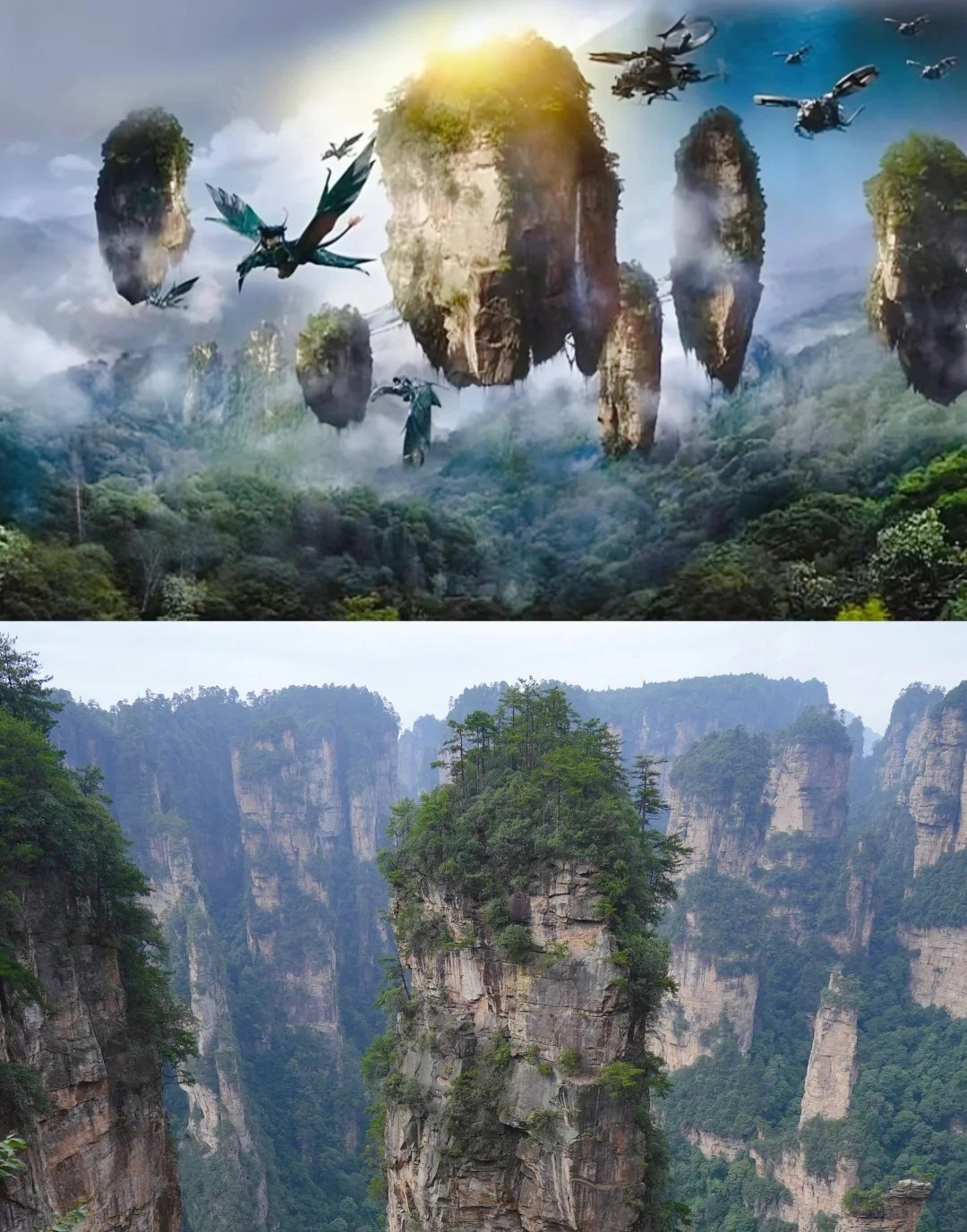
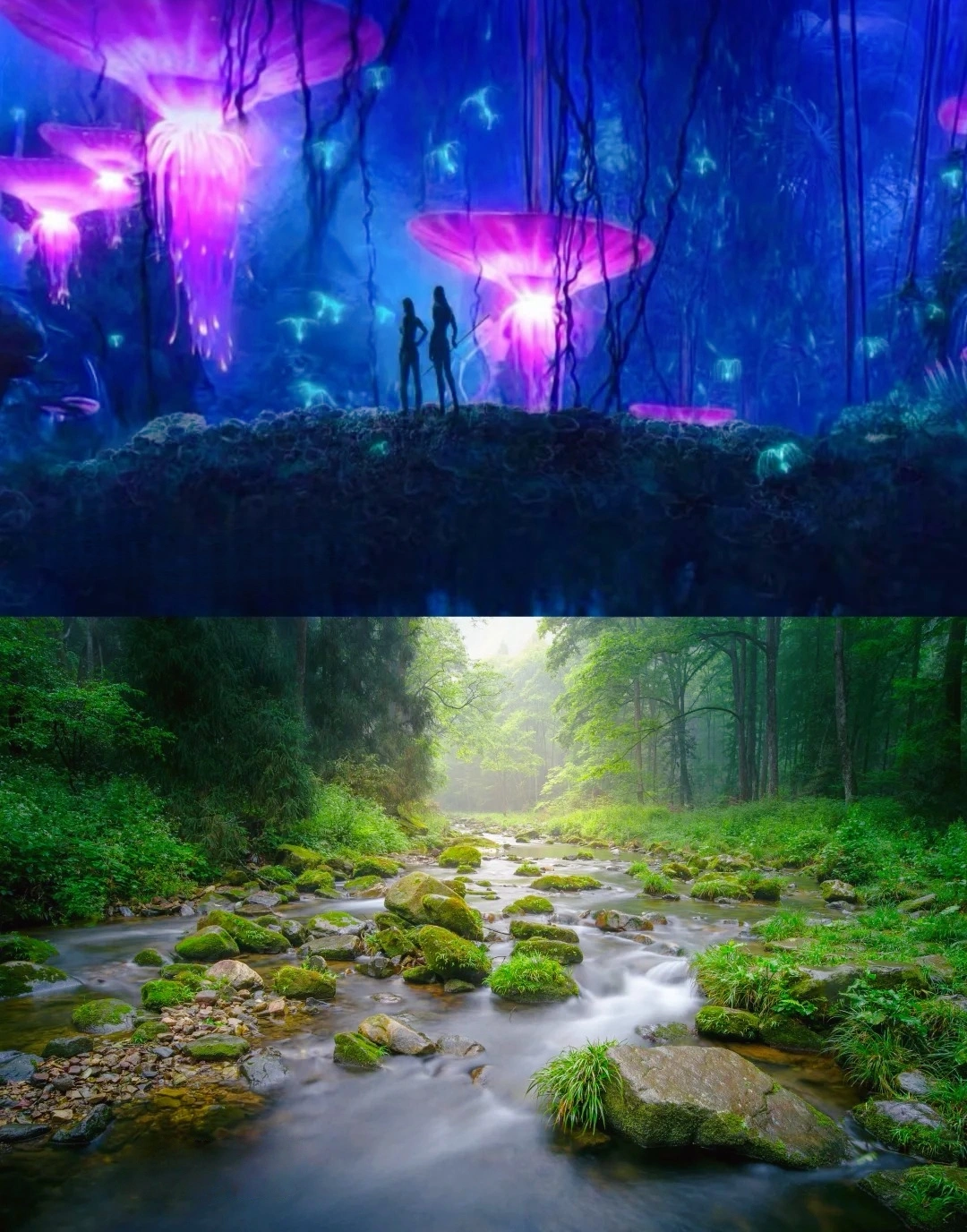
Our 2-day Zhangjiajie tour was beyond spectacular! As someone who’s visited Beijing and Shanghai for work, this trip revealed China’s wild, magical heart. Day 1 in Zhangjiajie National Forest Park felt like stepping onto Pandora—I’m a huge Avatar fan, and Yuanjiajie’s floating peaks left me breathless. The misty pillars and lush valleys like pure movie magic!
Then came Fenghuang Ancient Town, we eat dinner beside the thundering waterfall. It seems Unreal! The night views of stilt houses glowing over the river were straight from a fairy tale.
For fellow Avatar lovers and adventure seekers: Don’t miss this bucket-list experience! 10/10 would return.
A Well-Traveled Film Buff, May 2025
Destination(s):
Zhangjiajie
Date of
Experience:
May 08,2025